Logan Laug

Michelin Plate
Our verdict
Logan Laug holds a Michelin Plate recognition in a city more associated with hiking trails than haute tables, which makes it one of the more quietly serious dining addresses in the Vosges. Operating at the €€€ tier in Saint-Dié-des-Vosges, it brings a modern cuisine approach to a region whose larder — forest mushrooms, local trout, Alsatian cross-border produce — offers genuine raw material.8 across 383 reviews points to consistent execution rather than occasional brilliance.

Pearl is the En Primeur Club membership app — saves, bookings, and concierge access live there. Same editors, same standards.
- Address
- 7 Rue du 11 Novembre 1918, 88100 Saint-Dié-des-Vosges, France
- Phone
- +33 3 29 63 40 30
- Hours
- Mon–Tue ClosedWed–Fri 12–1:30 PM, 7–8:30 PMSat 12–2 PM, 7–8:30 PMSun 12–2 PM
- Website
- laruche-restaurant.fr
- Directions
- Get directions
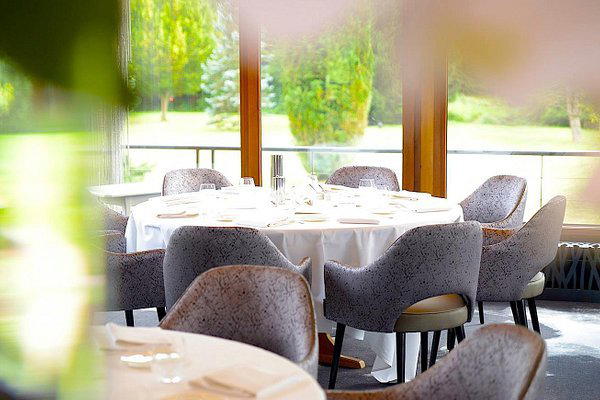
Where the Vosges Larder Meets the Plate
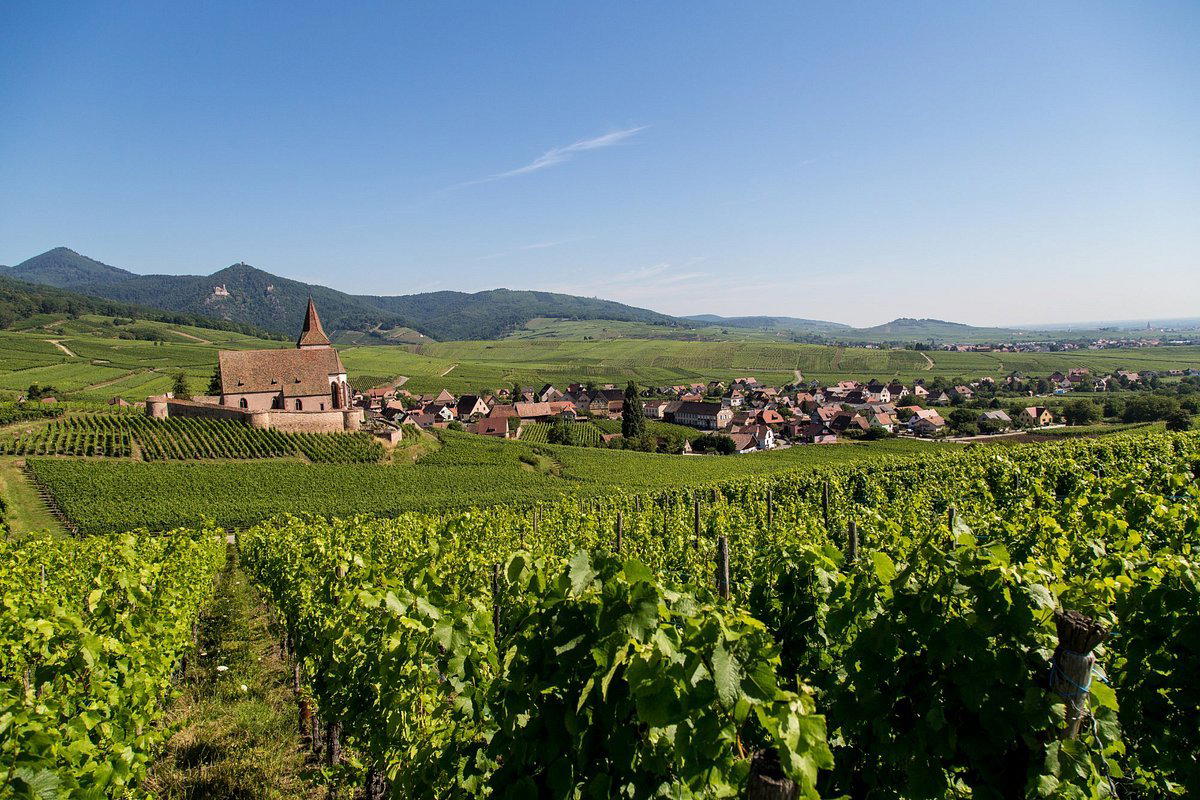
Saint-Dié-des-Vosges sits in the valley of the Meurthe river, ringed by forested massifs that give the region a pantry other towns simply cannot replicate. Wild mushrooms from the pine and beech forests, trout from cold mountain streams, game from managed woodland estates, and produce shaped by the altitude and seasonal extremes of the Vosges plateau: this is the raw material that defines serious cooking in this part of France. Logan Laug, on the Rue du 11 Novembre 1918, is the address in the city where that larder gets the most considered treatment. The street itself is quiet and civic rather than destination-restaurant theatrical, which is half the point: this is a kitchen that signals seriousness through the plate, not through a grand entrance.
A Michelin Plate in a Non-Michelin City
The Michelin Plate distinction, awarded in 2024, is a signal worth reading carefully. It sits below star recognition but above the anonymous mass of listed restaurants, marking kitchens where the guide's inspectors found cooking they considered worth calling out. In a city like Saint-Dié-des-Vosges, which does not operate as a gastronomic destination in the way that Strasbourg or Colmar do, that recognition lands with more weight than it might in a denser field. For comparison, the Alsace-Lorraine corridor has long-established starred addresses: Auberge de l'Ill in Illhaeusern has held stars for decades and represents the classical end of the regional tradition, while Au Crocodile in Strasbourg anchors the urban end of that same lineage. Logan Laug operates at a different tier and in a different register, but the Michelin Plate situates it as the kitchen in its immediate geography doing the most disciplined work.
Modern Cuisine and What That Means Here
The modern cuisine designation covers considerable ground in France. At its most abstracted, it describes the kind of cooking found at addresses like Alléno Paris au Pavillon Ledoyen or AM par Alexandre Mazzia in Marseille, where technique is as much the subject as the ingredient. At its most grounded, in a regional context like the Vosges, it tends to mean classical French cooking that has absorbed contemporary ideas about sourcing, presentation, and restraint without abandoning the logic of the local larder. The Vosges sits at a geographic seam: Lorraine to the west, Alsace to the east, the Rhine valley and Germany beyond. That position has historically made regional cooking here more eclectic than pure, drawing on both the choucroute and baeckeoffe tradition of Alsace and the mirabelle and quiche tradition of Lorraine, while remaining distinct from both. Modern cuisine in this context is less about breaking with tradition than about synthesising a genuinely hybrid regional identity with current technique. For a sense of what that synthesis looks like at higher price tiers and with more international acclaim, Flocons de Sel in Megève and Mirazur in Menton both represent how French regional kitchens with serious sourcing programs can convert local geography into internationally recognised cooking. Logan Laug operates at the €€€ tier, considerably below those starred mountain and coastal addresses, but the underlying logic, cooking shaped by where it sits, is the same.
Ingredient Sourcing and the Forest Economy
Case for taking the Vosges seriously as a sourcing territory rests on specifics. The forests above Saint-Dié produce chanterelles, ceps, and girolles in season, and the supply chain from foraged wild mushrooms to restaurant kitchen is short in a way that urban kitchens cannot manufacture. The Meurthe and its tributaries carry wild and farmed trout whose quality is a function of the cold, clean water descending from the Vosges summits. The area's position between two strong regional cheese traditions, Alsatian munster to the east and Lorraine's géromé closely related to it, means dairy has genuine character. Game, venison and wild boar particularly, comes from a hunting culture that remains active and closely tied to the land. These are not ingredients that need to travel far or be narrated heavily to make an impression on a plate. Modern kitchens that take sourcing seriously in this region have the material to do something genuinely local, in the way that Bras in Laguiole built an international reputation on Aubrac plateau ingredients that were, by any conventional measure, remote and unfashionable until the kitchen made them central. The logic at Logan Laug is smaller in scale and recognition, but the geographic argument is the same: the Vosges produces food with specificity, and a kitchen willing to work with that has material worth eating.
Where Logan Laug Sits in the Broader Region
For readers planning a longer trip through eastern France, it helps to frame Logan Laug in the context of what the region's dining range actually looks like. The Alsatian starred tier represented by Assiette Champenoise in Reims to the northwest or the generational institution of Paul Bocuse in Collonges-au-Mont-d'Or to the southwest operate at different price points, capacities, and international profiles. Closer to hand, Troisgros in Ouches and Auberge du Vieux Puits in Fontjoncouse represent the French tradition of the serious country restaurant, where location away from a major city is not a handicap but a statement about sourcing and focus. Logan Laug reads more naturally in that latter category than in the urban starred dining conversation. It is a kitchen making a case for its city and its region rather than for its place in any national ranking. For further international context on where modern cuisine is heading, Frantzén in Stockholm and FZN by Björn Frantzén in Dubai represent what happens when the modern cuisine template scales to maximum ambition and resource.
Planning Your Visit
Saint-Dié-des-Vosges is a small city with limited dedicated dining infrastructure at the €€€ level, which means Logan Laug does not operate in a competitive local field so much as it defines the best of one. At the €€€ price tier, it sits in the range where booking ahead is the sensible approach, particularly on weekends and in the autumn season when the foraging calendar and the hiking draw bring more visitors to the Vosges. The address at 7 Rue du 11 Novembre 1918 is central to Saint-Dié. For visitors using the city as a base for the Vosges, the wider guide to the city's dining, drinking, and hospitality is worth consulting: see our full Saint-Dié-des-Vosges restaurants guide, our hotels guide, our bars guide, our wineries guide, and our experiences guide.
Frequently asked questions
What does dinner at Logan Laug typically cost?
Pricing at Logan Laug is listed as €€€.
Fast Comparison
Comparable venues nearby, for context on price, style, and recognition.
| Venue | Cuisine | Price | Awards | Notes |
|---|---|---|---|---|
| Logan LaugThis venue — the venue you are viewing | Modern French-Asian Fusion | $50–100 | Michelin Plate | Not listed |
| Racine | Contemporary French Terroir Bistro | $50–100 | Michelin Plate | Place Stanislas |
| Alexis Baudin | Modern French Fine Dining | $100–150 | 1 Michelin Star | Petite-Hettange, Malling |
| Les Quatre Saisons | Modern Seasonal French | $50–100 | Michelin Plate | Kruth |
| La Gare | Modern French Brasserie | $50–100 | Michelin Plate · Star Wine List | Guewenheim |
| La Réserve | Modern French Bistro | $50–100 | Michelin Plate | centre-ville |
Recognition history
Dated appearances from independent guides and award organizations, with the underlying list record or original source where available.
Michelin Plate
Michelin
Continue exploring
More in Saint-Dié-des-Vosges
Restaurants in Saint-Dié-des-Vosges
Browse all →
Bars in Saint-Dié-des-Vosges
Browse all →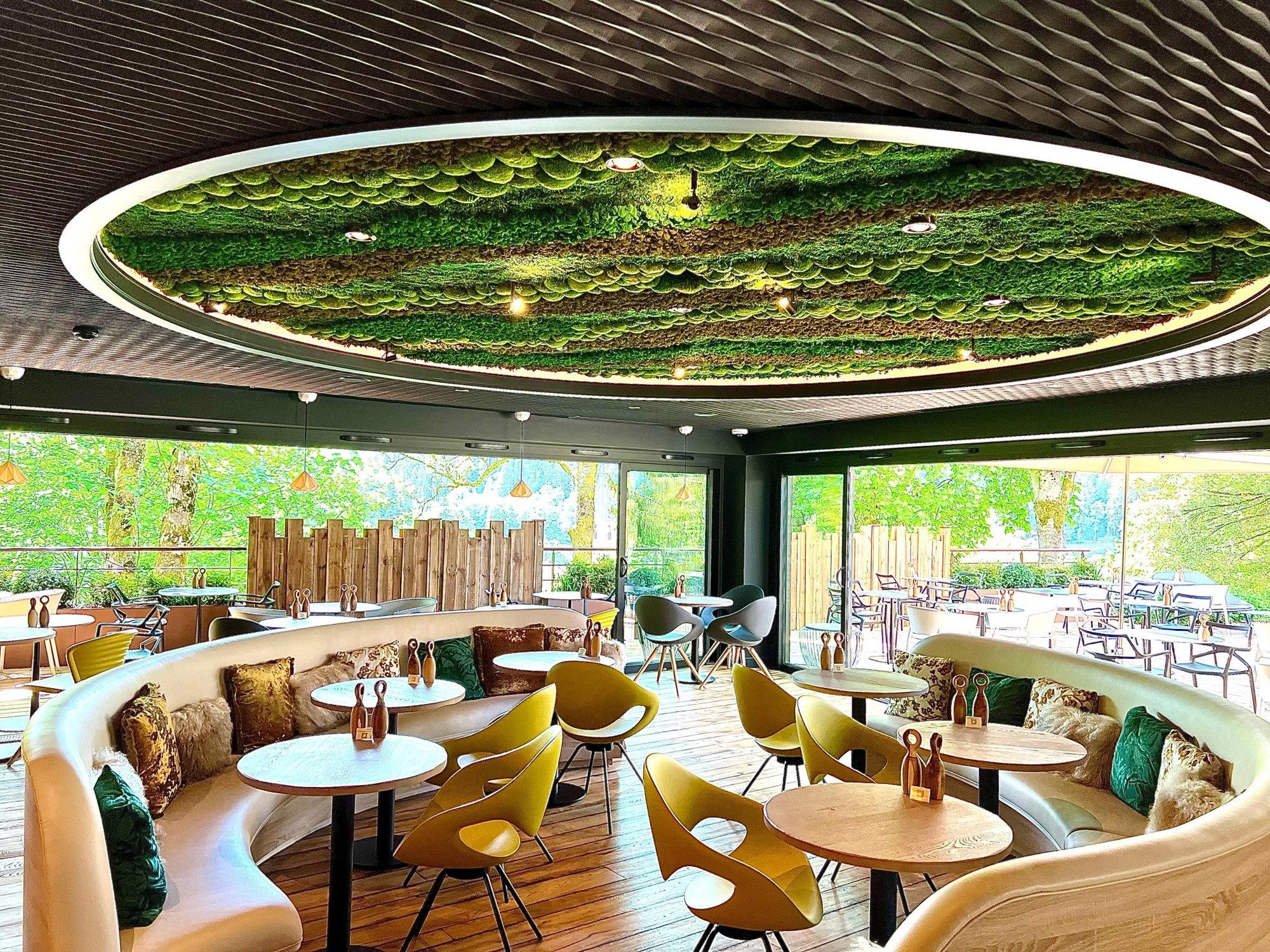
Hotels in Saint-Dié-des-Vosges
Browse all →
Logan Laug
The wine
- Wine program
- Curated wine list
- Extensive wine list
Details
- Cozy
- Elegant
- Intimate
- Sophisticated
- Date Night
- Special Occasion
- Open Kitchen
- Extensive Wine List
- Local Sourcing
- Tasting Menu
Current opening hours
- Monday
- Closed
- Tuesday
- Closed
- Wednesday
- 12–1:30 PM, 7–8:30 PM
- Thursday
- 12–1:30 PM, 7–8:30 PM
- Friday
- 12–1:30 PM, 7–8:30 PM
- Saturday
- 12–2 PM, 7–8:30 PM
- Sunday
- 12–2 PM
Hours can change for holidays and private events. Last verified .
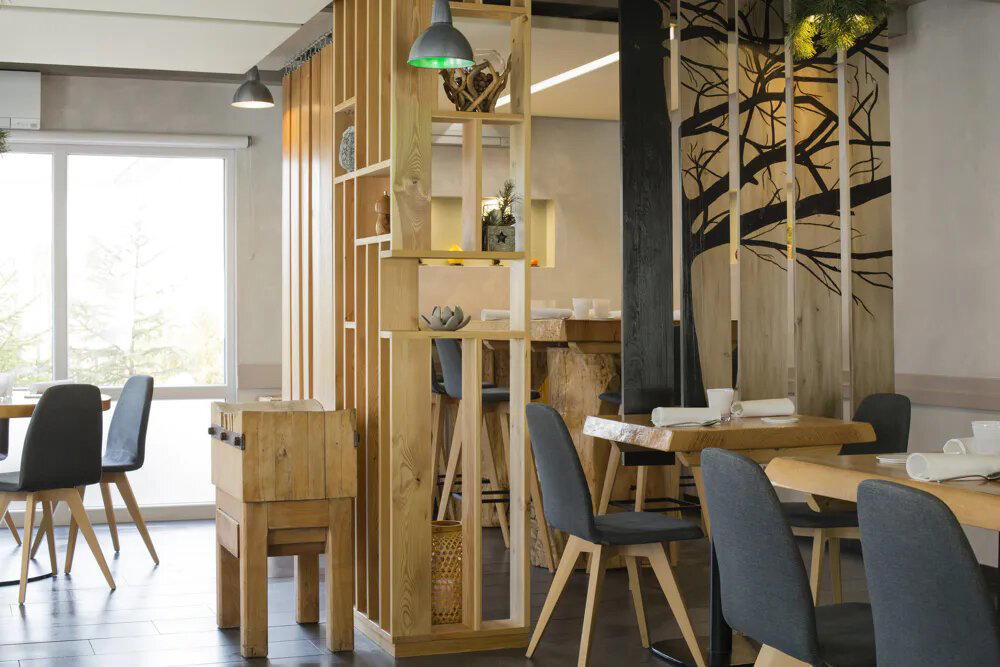
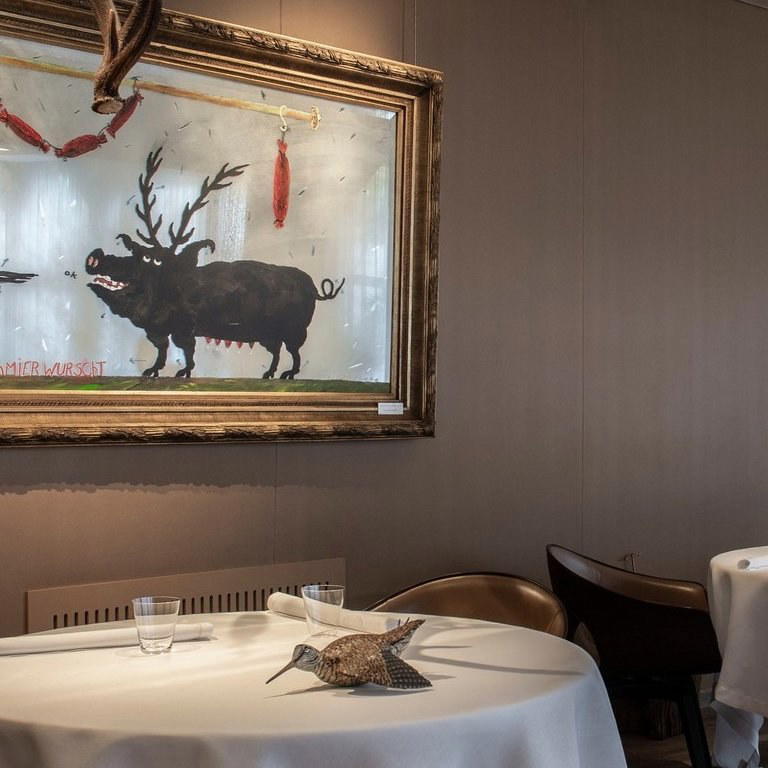
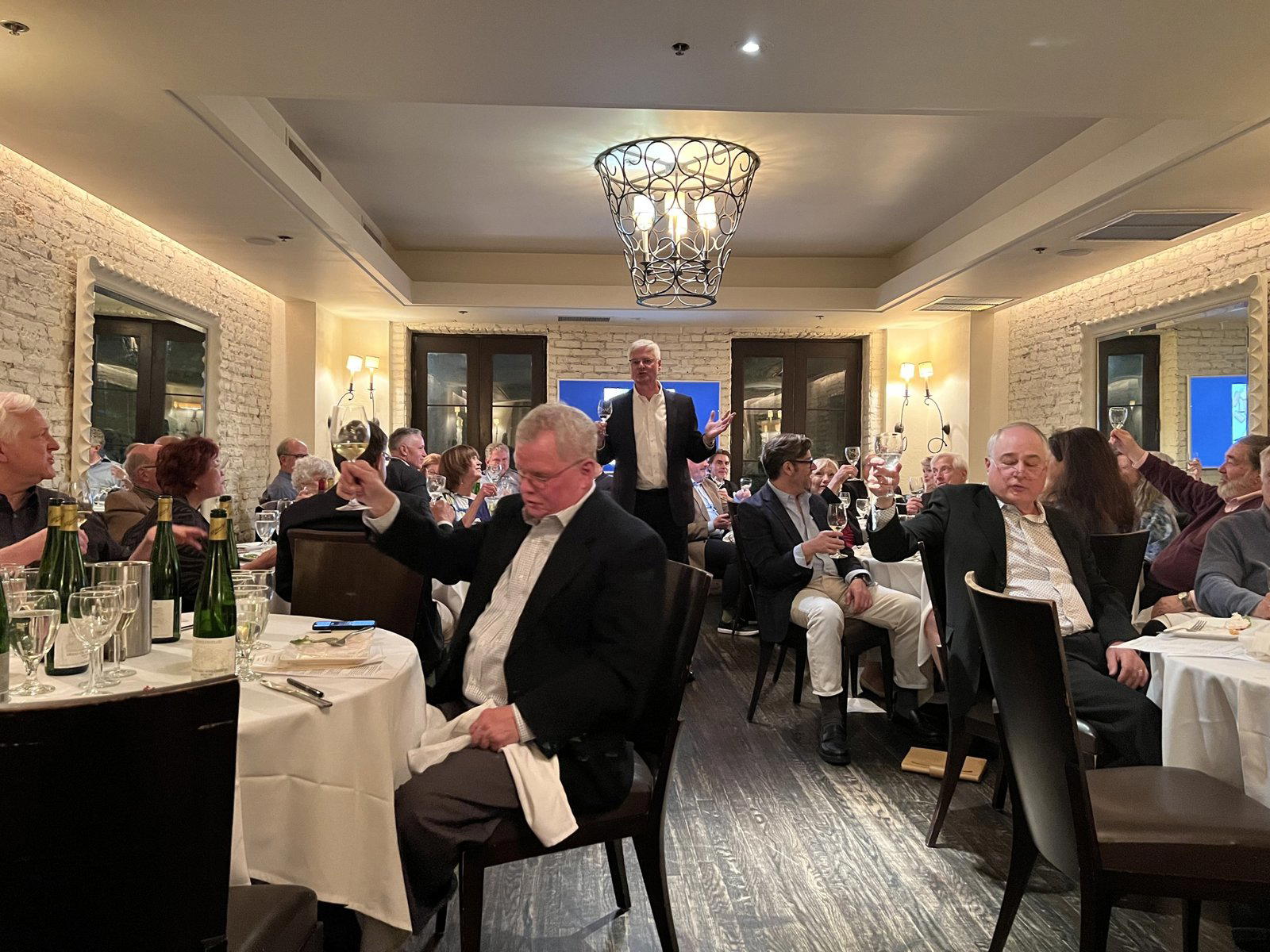
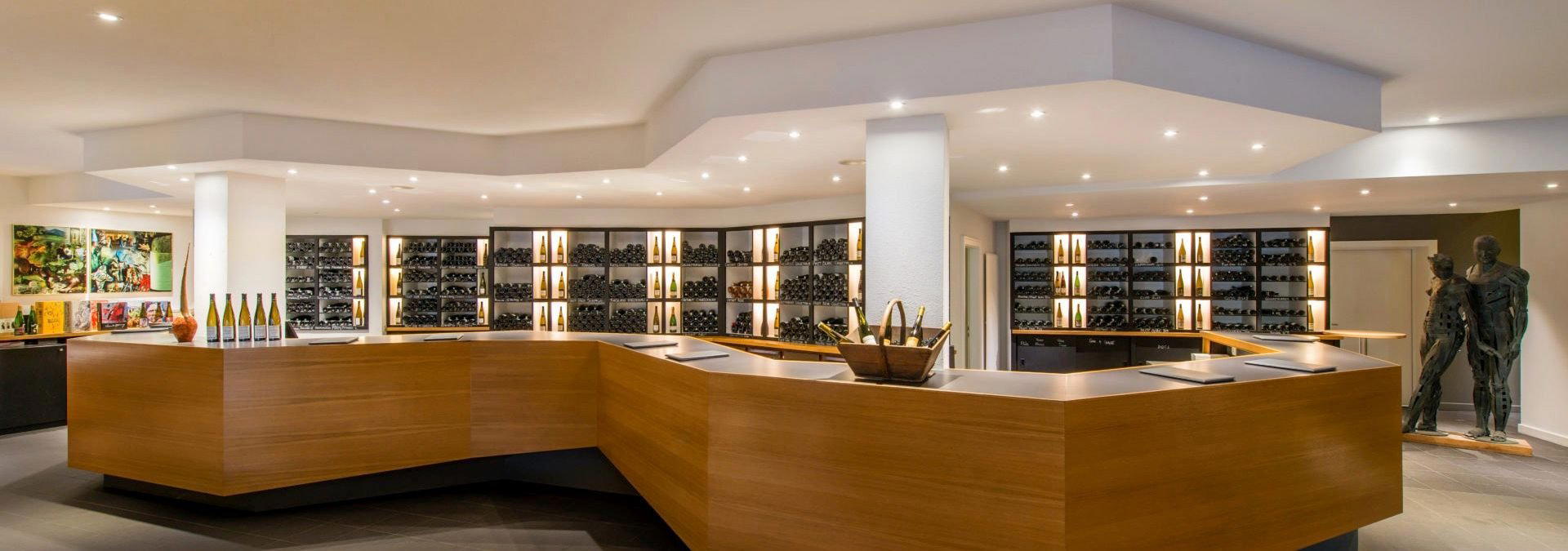
Cozy and warm atmosphere with tasteful decor, well-spaced tables for quiet conversation, and an elegant contemporary feel.