Locanda di Nonna Ida

Michelin Plate
Our verdict
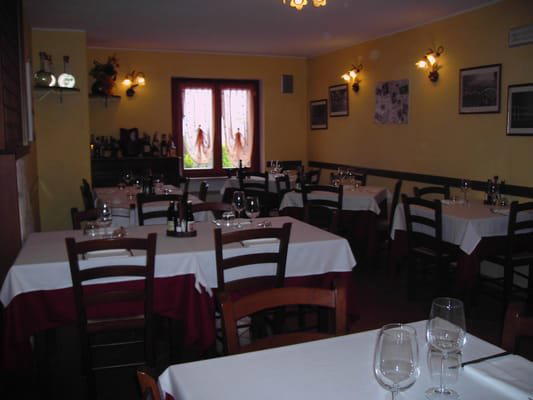
The kitchen works from what the surrounding landscape produces, with classic Italian technique as the frame and a summer terrace that opens to wide valley views. Priced at €€, it sits well below the region's starred tasting-menu tier without conceding ambition.

Pearl is the En Primeur Club membership app — saves, bookings, and concierge access live there. Same editors, same standards.
- Address
- Località Pontarola, 12, 37020 San Rocco VR, Italy
- Phone
- +39 045 570 3508
- Hours
- Mon 12–2:30 PM, 7–10:30 PMTue–Wed ClosedThu–Sun 12–2:30 PM, 7–10:30 PM
- Website
- locandadinonnaida.com
- Directions
- Get directions
The menu
What to order
- Risotto all'Amarone
- Ravioli del plin ripieni d'anatra
- Torta delle rose
Where Valpolicella Ends and Lessinia Begins
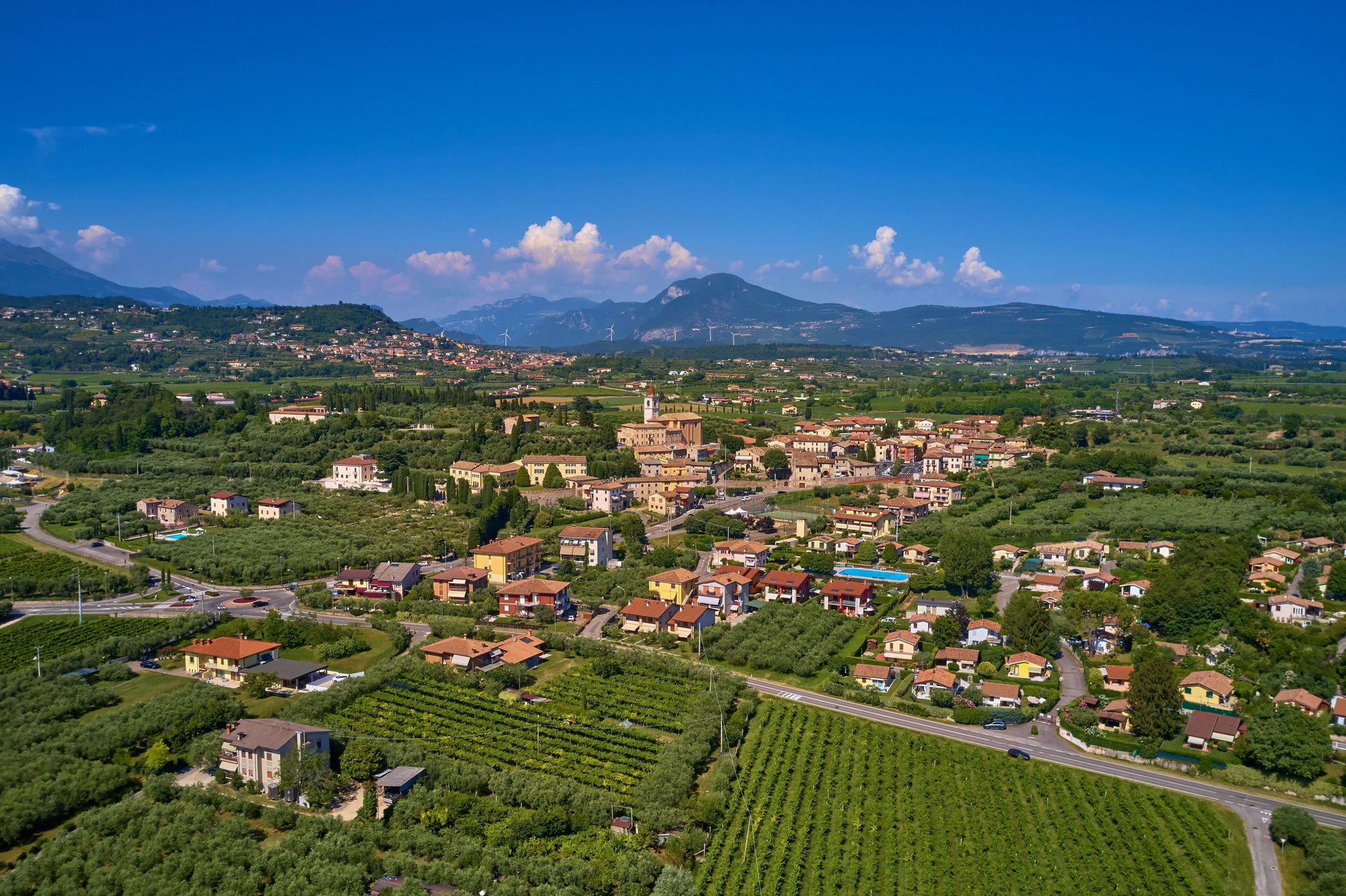
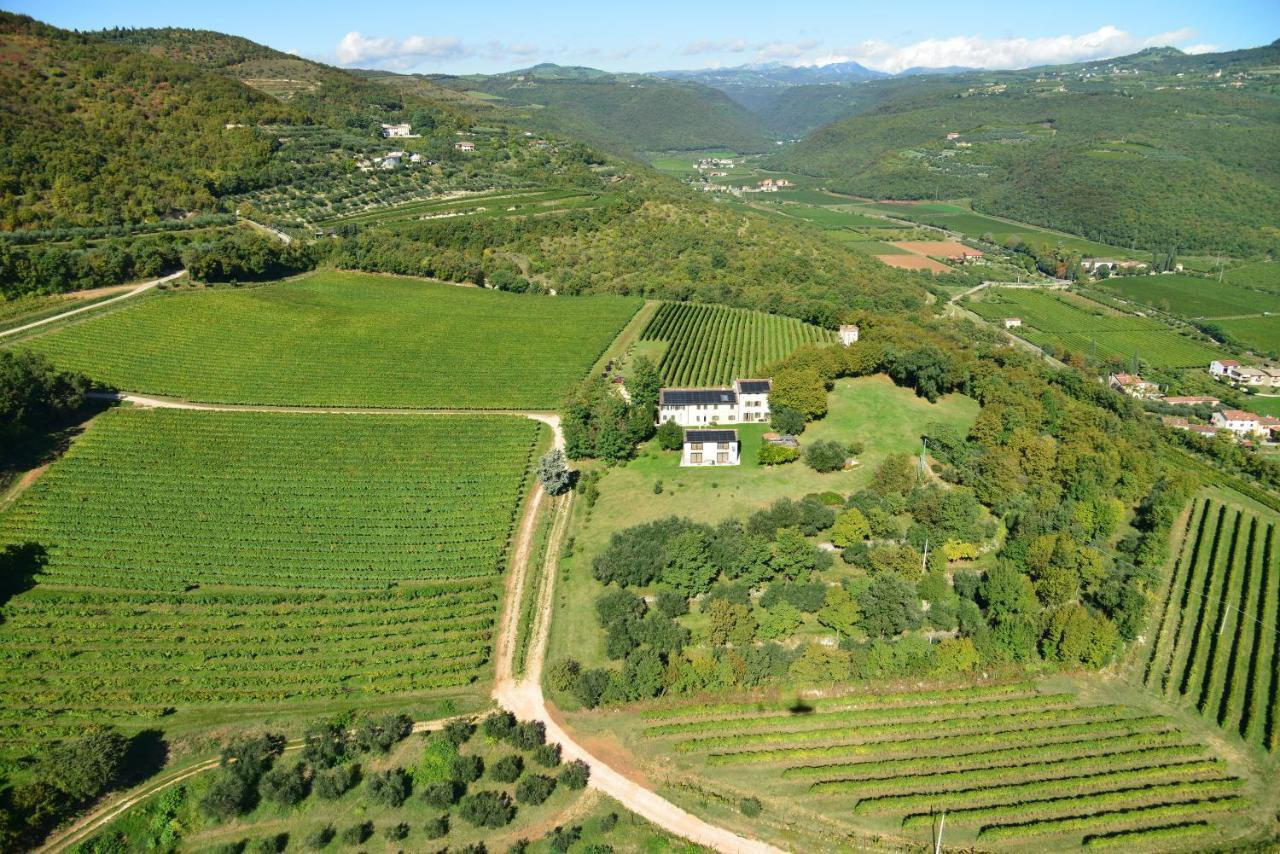
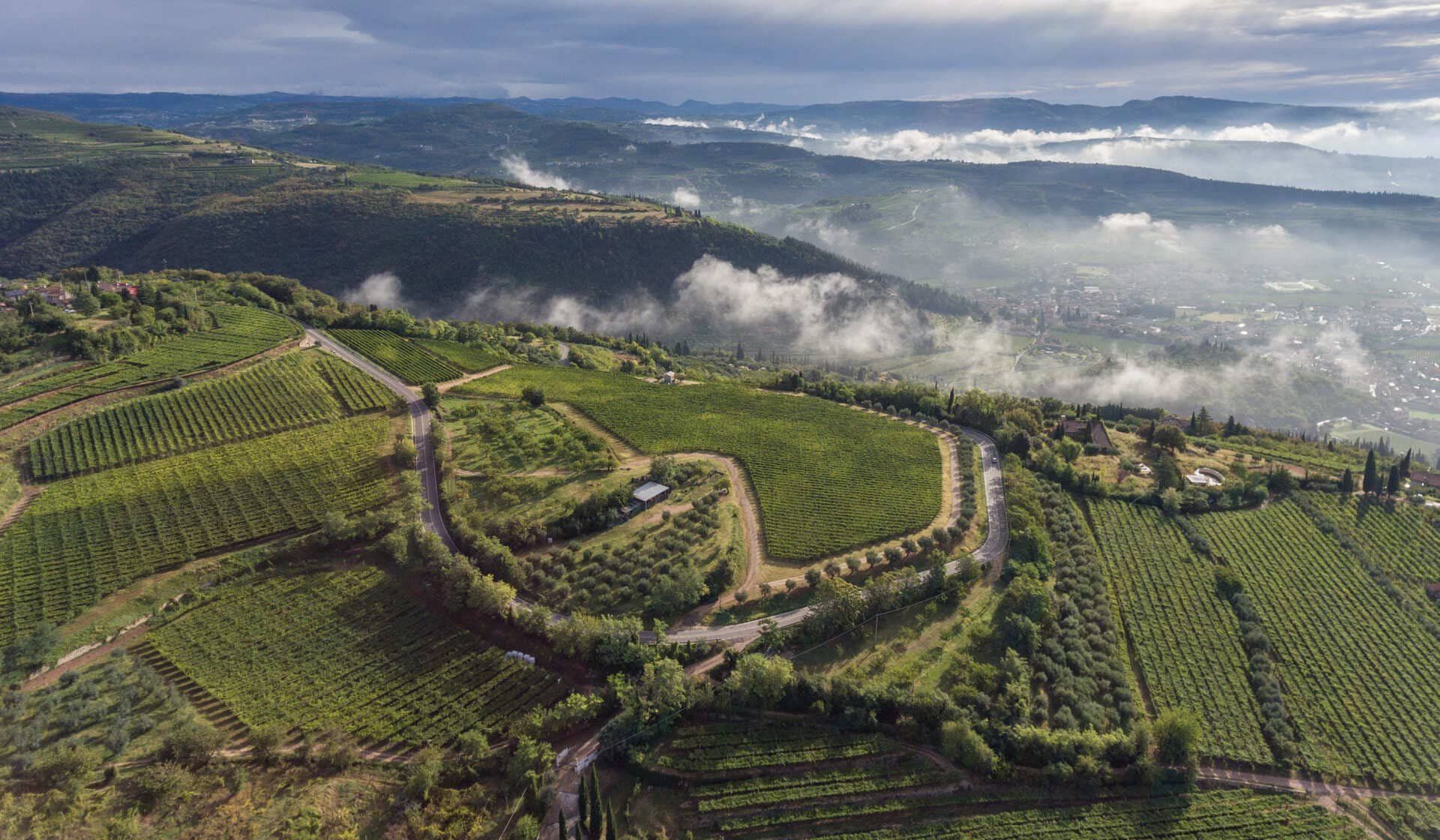
The road into Marano di Valpolicella rises through a succession of vine rows before the terrain shifts: the tight geometry of the vineyard gives way to open pasture, the valley floor opens up, and the air takes on a different quality. This edge zone, where two distinct agricultural traditions meet, is exactly where Locanda di Nonna Ida operates. The address at Località Pontarola places it at a transition point that isn't incidental to the food — it's the premise of it. The kitchen draws from both sides of that boundary: the wine-country produce of Valpolicella below and the livestock and dairy traditions of the lower Lessinia highlands above.
That dual geography is worth pausing on, because it gives the kitchen a sourcing range that most restaurants in either zone don't have. Valpolicella is rightly associated with its wines — Amarone, Ripasso, Valpolicella Classico, but the agricultural matrix around those vineyards also produces olives, herbs, and the kinds of vegetables that thrive in well-drained calcareous soil. Lessinia, pressing down from the north, contributes a cooler-climate pastoral tradition: aged cheeses, mountain-grazed meat, and the slower rhythms of upland farming. A kitchen positioned at the meeting point of these two traditions has access to ingredients that tell a coherent geographic story without needing to source widely or lean on prestige imports.
Classic Technique, Local Materials
Italy's broader restaurant conversation has, for a decade or more, oscillated between hyperlocal naturalism and technically complex contemporary cuisine. The category that often gets overlooked in that debate is the one Locanda di Nonna Ida occupies: classic Italian cooking applied to genuinely local ingredients. This isn't the pseudo-rustic nostalgia of tourist-facing trattorias, nor the abstract ingredient storytelling of the tasting-menu circuit. The approach here keeps recognisable Italian recipe structures, the logic of a braise, the architecture of a pasta dish, while the specific materials are drawn from what the surrounding area actually produces.
The barbecued meat, flagged in the Michelin notes as a particular strength, fits that framing precisely. Grilled and barbecued meat has deep roots in the Veneto countryside, and in a zone where upland livestock farming remains active, the quality of the primary ingredient carries significant weight. When the sourcing is local and the technique is disciplined, the result doesn't need elaborate presentation to justify itself. That the kitchen is led by a young chef adds a layer of interest: the tension between inherited regional forms and contemporary sensibility produces the small modernising touches that the Michelin recognition references, without displacing the underlying classicism.
The Michelin Plate, awarded in both 2024 and 2025, signals a kitchen producing food of consistent quality without the formal infrastructure of a starred establishment. In Michelin's framework, the Plate identifies restaurants where the cooking is good enough to merit attention but the overall format doesn't conform to the criteria for star evaluation. For a rural locanda operating in the €€ price tier, that's a meaningful credential, it places the kitchen in a different competitive set from the region's multi-starred properties like Le Calandre in Rubano or the €€€€ tasting-menu format of Dal Pescatore in Runate, while distinguishing it clearly from the undifferentiated mid-range. It's also worth noting the contrast with Italy's most celebrated addresses, Osteria Francescana in Modena, Enoteca Pinchiorri in Florence, or Enrico Bartolini in Milan, where the ambition and price point operate in an entirely different register. Locanda di Nonna Ida isn't competing in that space, and the cleaner comparison is with ingredient-led classic kitchens like Casa Perbellini 12 Apostoli in Verona, which also works within Italian classical tradition while maintaining regional specificity.
The Terrace and the Season
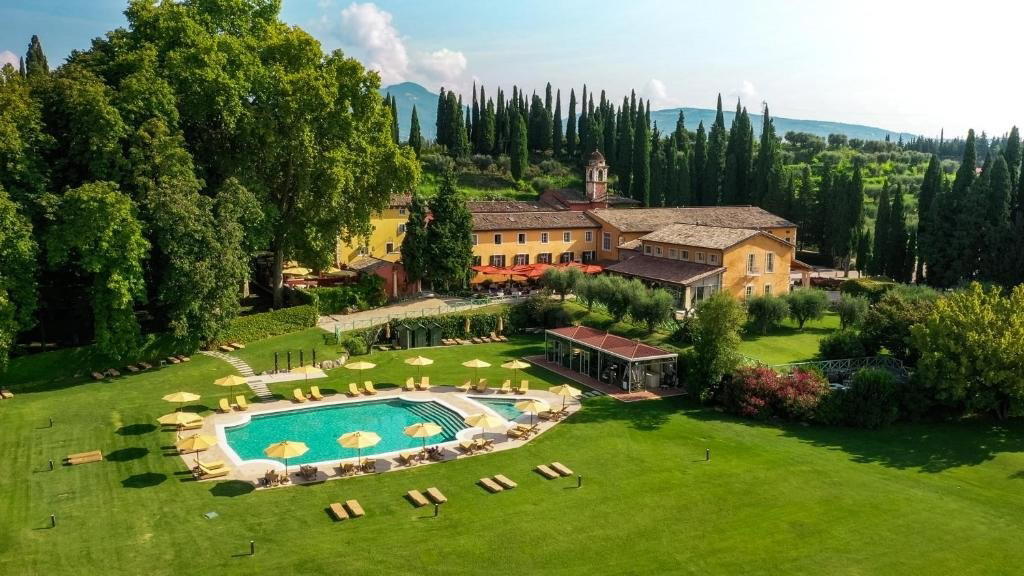
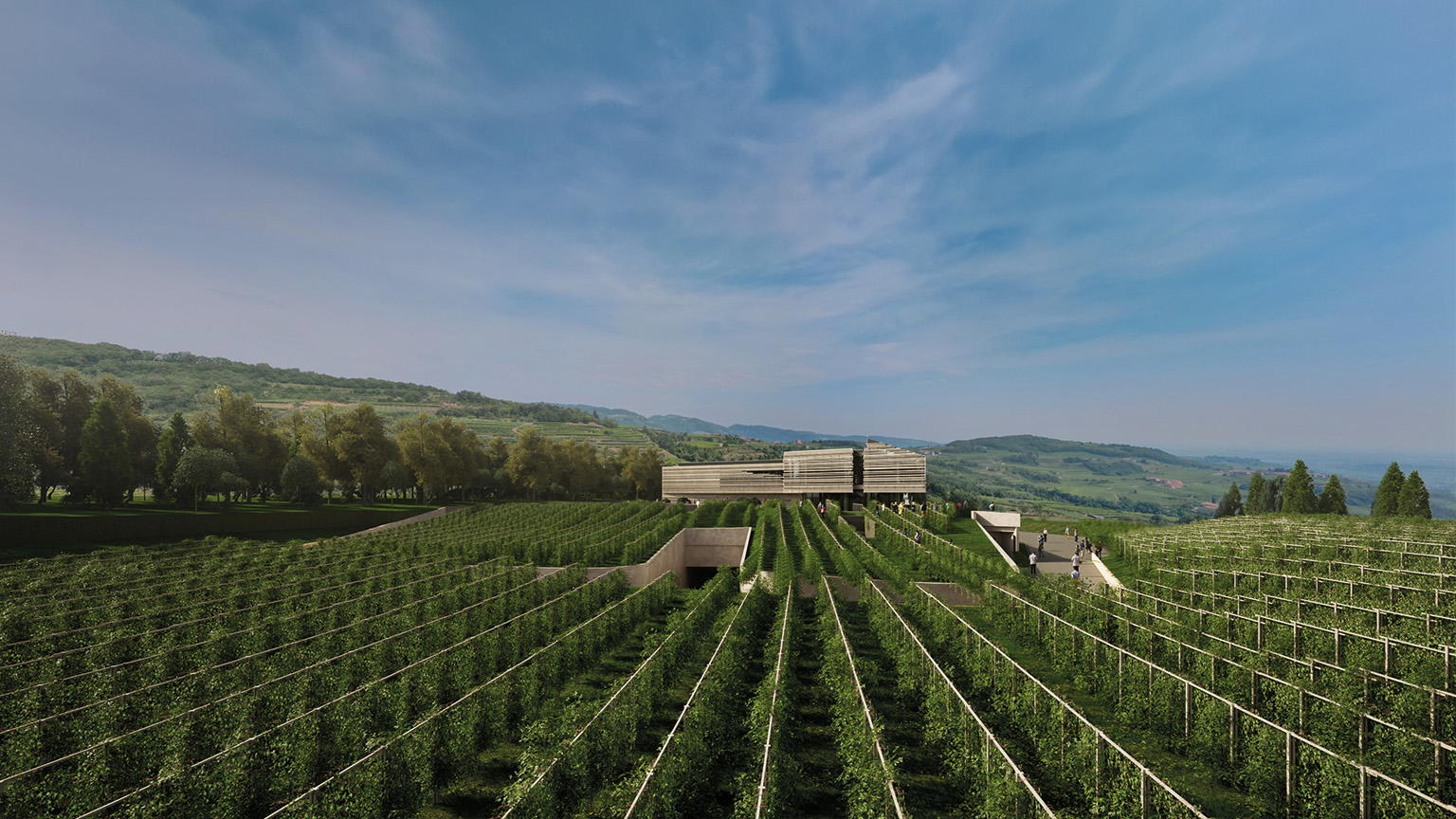
In summer, the dining experience shifts outward. The terrace at Locanda di Nonna Ida opens to views across the valley, the vineyards descending toward the Adige plain, the hills of Valpolicella Classico running along the horizon. This kind of setting is common enough in the Italian countryside to risk becoming generic, but the specific position here, at altitude between two agricultural zones, gives the view a wider register than the typical vine-row panorama. The elevation brings cooler air even in high summer, which the Michelin notes describe as a fresh, cool setting, a practical advantage in a region where July and August push temperatures well into the thirties on the valley floor.
The summer terrace also shifts the logic of the meal. Outdoor dining in this context is less about theatre and more about alignment: eating food sourced from the land you can see from your table. That coherence is harder to manufacture than most restaurants admit, and in a zone as agriculturally specific as the Valpolicella-Lessinia boundary, it arrives without contrivance.
Planning a Visit
Locanda di Nonna Ida sits at Località Pontarola, 12, in the San Rocco area of Marano di Valpolicella, roughly 20 kilometres northwest of Verona. The €€ pricing keeps the cost of a meal well below the starred tasting-menu tier, a relevant consideration given that the surrounding wine country draws visitors who may already be spending at the Amarone allocation level.
Frequently asked questions
Is Locanda di Nonna Ida expensive?
Pricing at Locanda di Nonna Ida is listed as €€.
Comparison Snapshot
| Venue | Cuisine | Price | Awards | Notes |
|---|---|---|---|---|
| Locanda di Nonna IdaThis venue — the venue you are viewing | Modern Italian Trattoria | $30–50 | Michelin Plate | Not listed |
| Atelier Moessmer Norbert Niederkofler | Italian, Creative | Not listed | Michelin 3 Star | Not listed |
| Dal Pescatore | Italian, Italian Contemporary | Not listed | Michelin 3 Star | Not listed |
| Enoteca Pinchiorri | Contemporary Italian Fine Dining | $200–300 | 3 Michelin Stars · World's 50 Best #32 | Italian - French, Italian Contemporary |
| Enrico Bartolini | Creative | Not listed | Michelin 3 Star | Not listed |
| Osteria Francescana | Avant-Garde Italian Contemporary | $300–500 | 3 Michelin Stars · World's 50 Best #1 | Progressive Italian, Creative |
Recognition history
Dated appearances from independent guides and award organizations, with the underlying list record or original source where available.
Michelin Plate
Michelin
Full recognition history (3 entries)
Michelin Plate
Michelin
Michelin Plate
Michelin
Continue exploring
More in Marano di Valpolicella
Restaurants in Marano di Valpolicella
Browse all →
Bars in Marano di Valpolicella
Browse all →
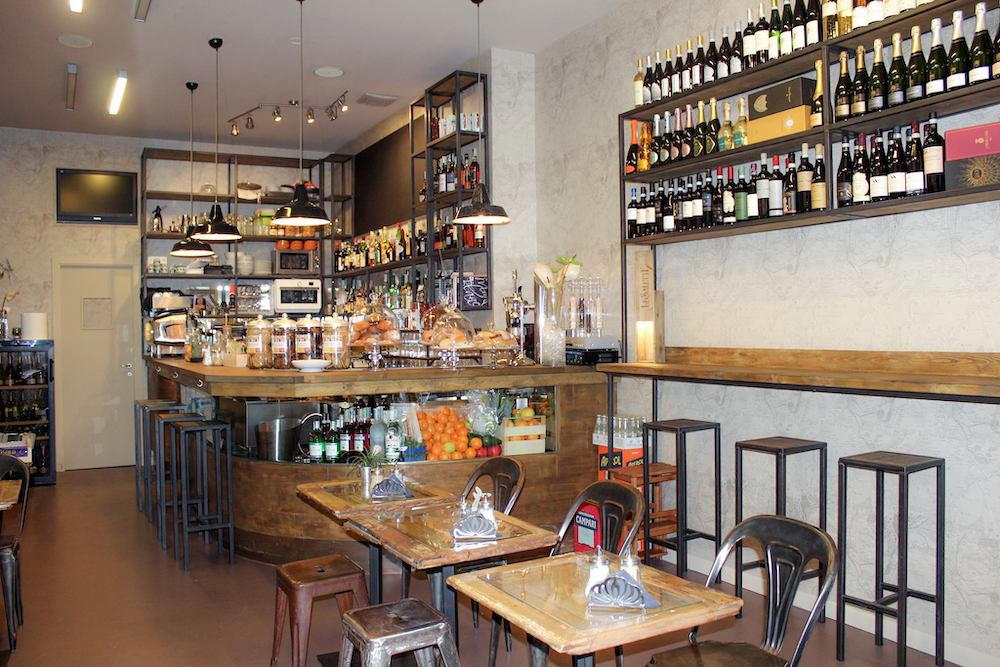
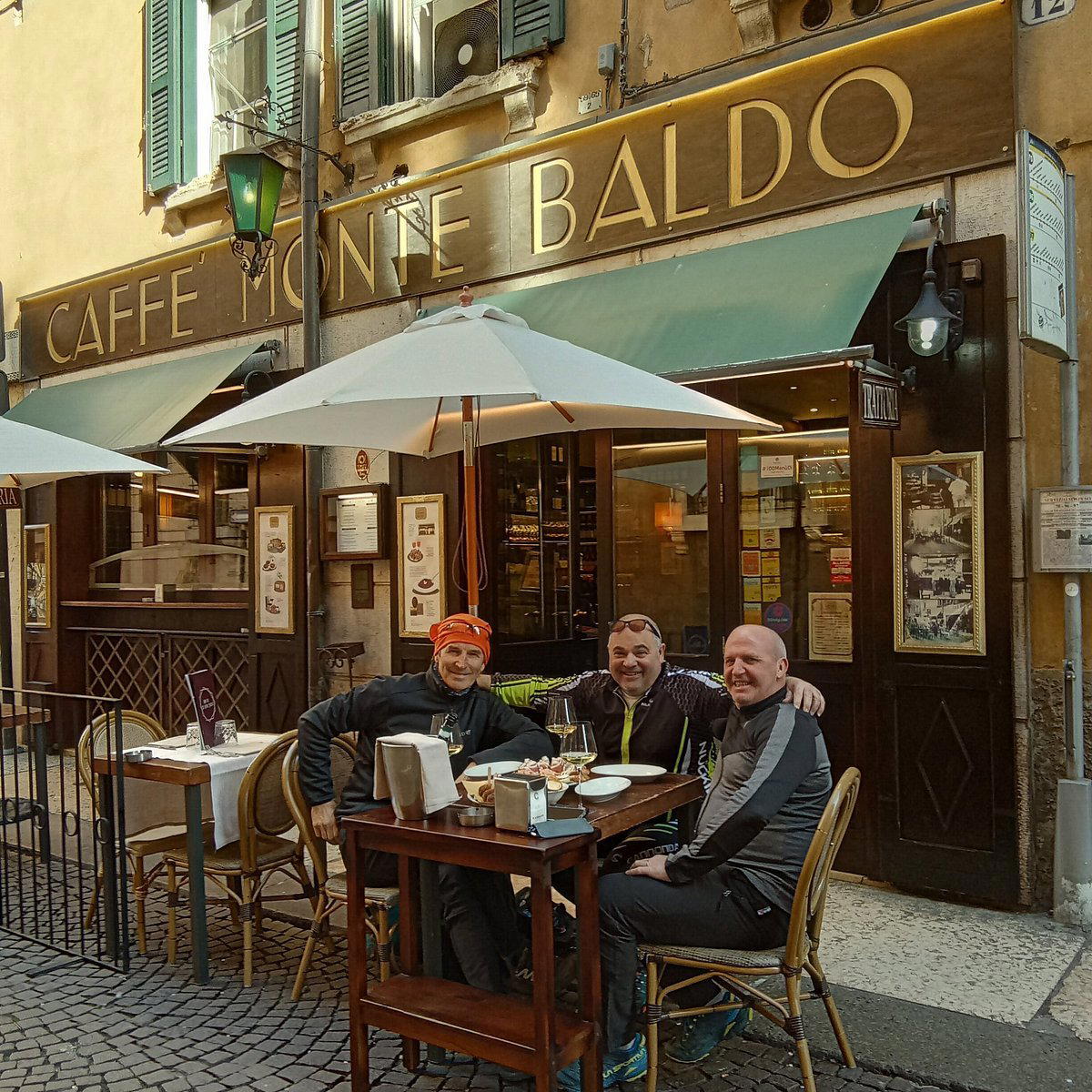
Hotels in Marano di Valpolicella
Browse all →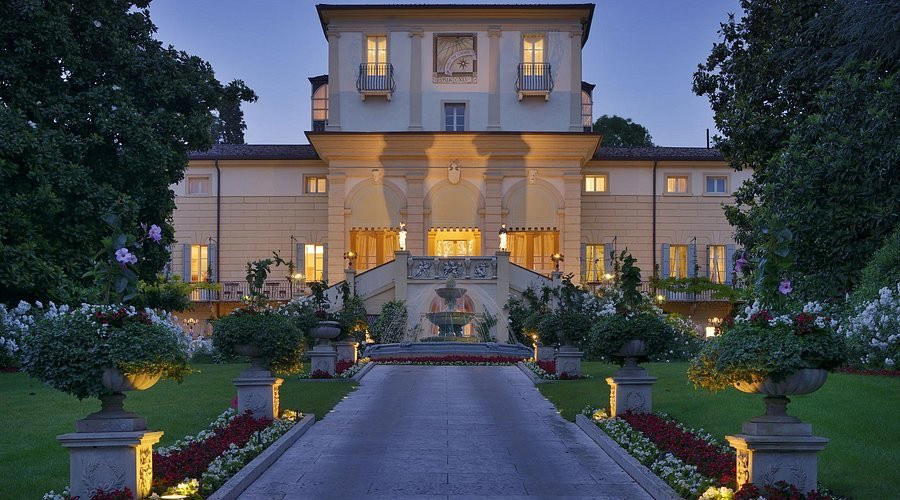
Locanda di Nonna Ida
The wine
- Wine program
- Curated wine list
- Extensive wine list
Details
- Rustic
- Cozy
- Scenic
- Elegant
- Date Night
- Special Occasion
- Family
- Terrace
- Open Kitchen
- Extensive Wine List
- Local Sourcing
- Farm To Table
- Vineyard
- Mountain
- A La Carte
- Gluten Free Options
Current opening hours
- Monday
- 12–2:30 PM, 7–10:30 PM
- Tuesday
- Closed
- Wednesday
- Closed
- Thursday
- 12–2:30 PM, 7–10:30 PM
- Friday
- 12–2:30 PM, 7–10:30 PM
- Saturday
- 12–2:30 PM, 7–10:30 PM
- Sunday
- 12–2:30 PM, 7–10:30 PM
Hours can change for holidays and private events. Last verified .
Warm and inviting with terrace seating offering dramatic vineyard and Lessinia views, praised for its welcoming atmosphere.