Skip to Main Content
Modern American Comfort Food
← Collection
Dress CodeSmart Casual
ServiceUpscale Casual
NoiseConversational
CapacityMedium

Local 360 operates on Belltown's 1st Avenue as one of Seattle's more deliberate exercises in hyperlocal sourcing, pulling ingredients from within 360 miles of the restaurant and grounding the menu in Pacific Northwest produce, meat, and dairy. The room and the ethos are aligned: straightforward, regionally anchored, and built around the idea that proximity to a food source is itself a form of quality control.

Pearl is the En Primeur Club membership app — saves, bookings, and concierge access live there. Same editors, same standards.

Plan your visit on PearlPlan Your Visit
Address
2234 1st Ave (at Bell St), Seattle, WA 98121
Local 360 restaurant in Seattle, United States
About

Belltown's Sourcing Radius as a Design Principle

Belltown occupies an unusual position in Seattle's dining geography. Pressed between the waterfront piers to the west and the density of Denny Triangle to the east, the neighbourhood has cycled through several identities, nightlife corridor, creative spillover from South Lake Union, and more recently a stretch where the more considered restaurant concepts have begun to anchor themselves at street level. On 1st Avenue at Bell Street, Local 360 represents a particular strain of that shift: a restaurant in Seattle's Belltown serving Modern American Comfort Food, with a smart casual dress code and recommended reservations.

The name is both policy and promise. Ingredients travel no further than 360 miles to reach the kitchen. What distinguishes the approach here is the degree to which the 360-mile constraint shapes the room's character as much as the plate's content. The menu shifts with what the radius produces, which means it shifts with the seasons.

The Room as a Argument for Restraint

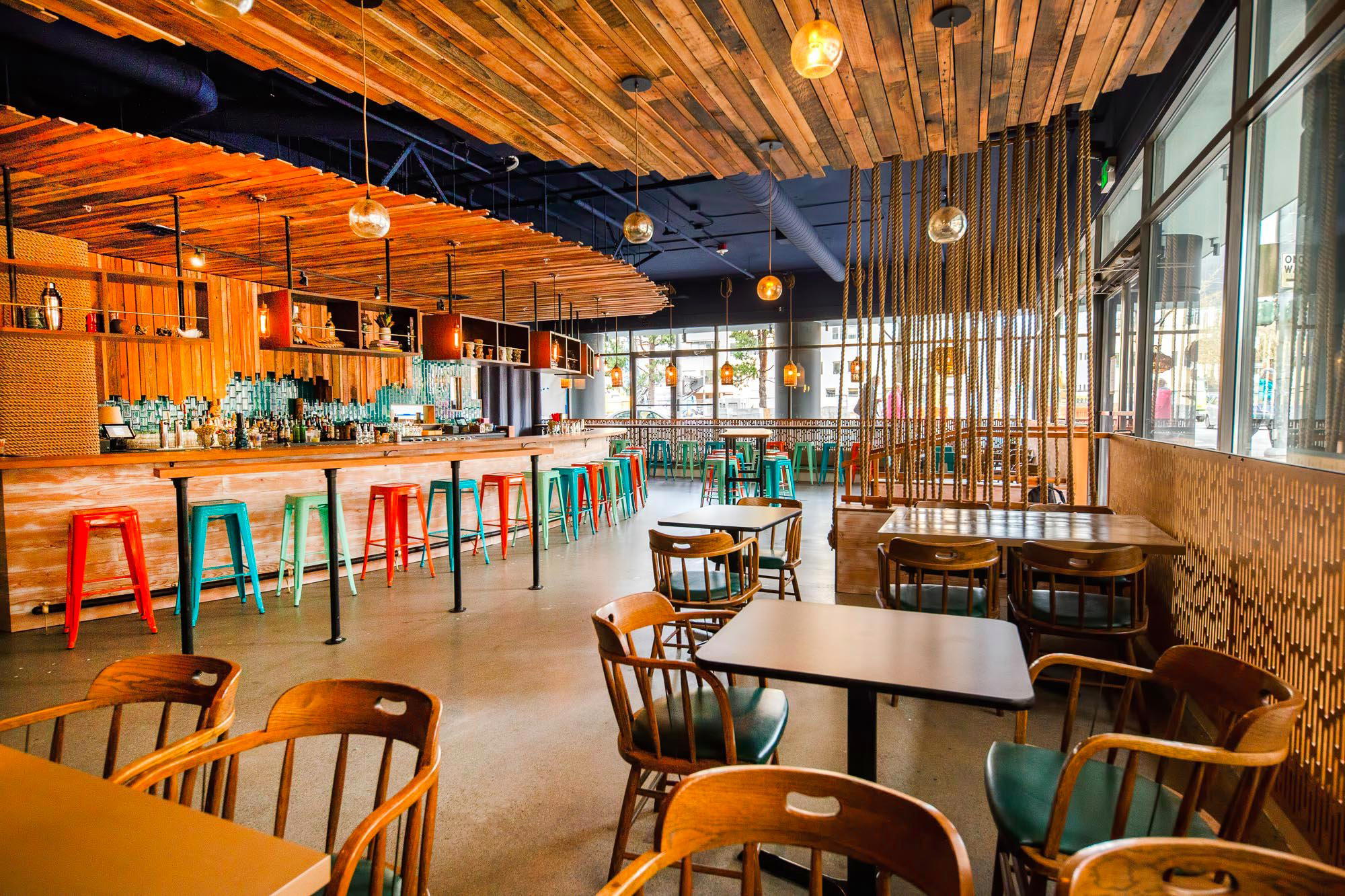
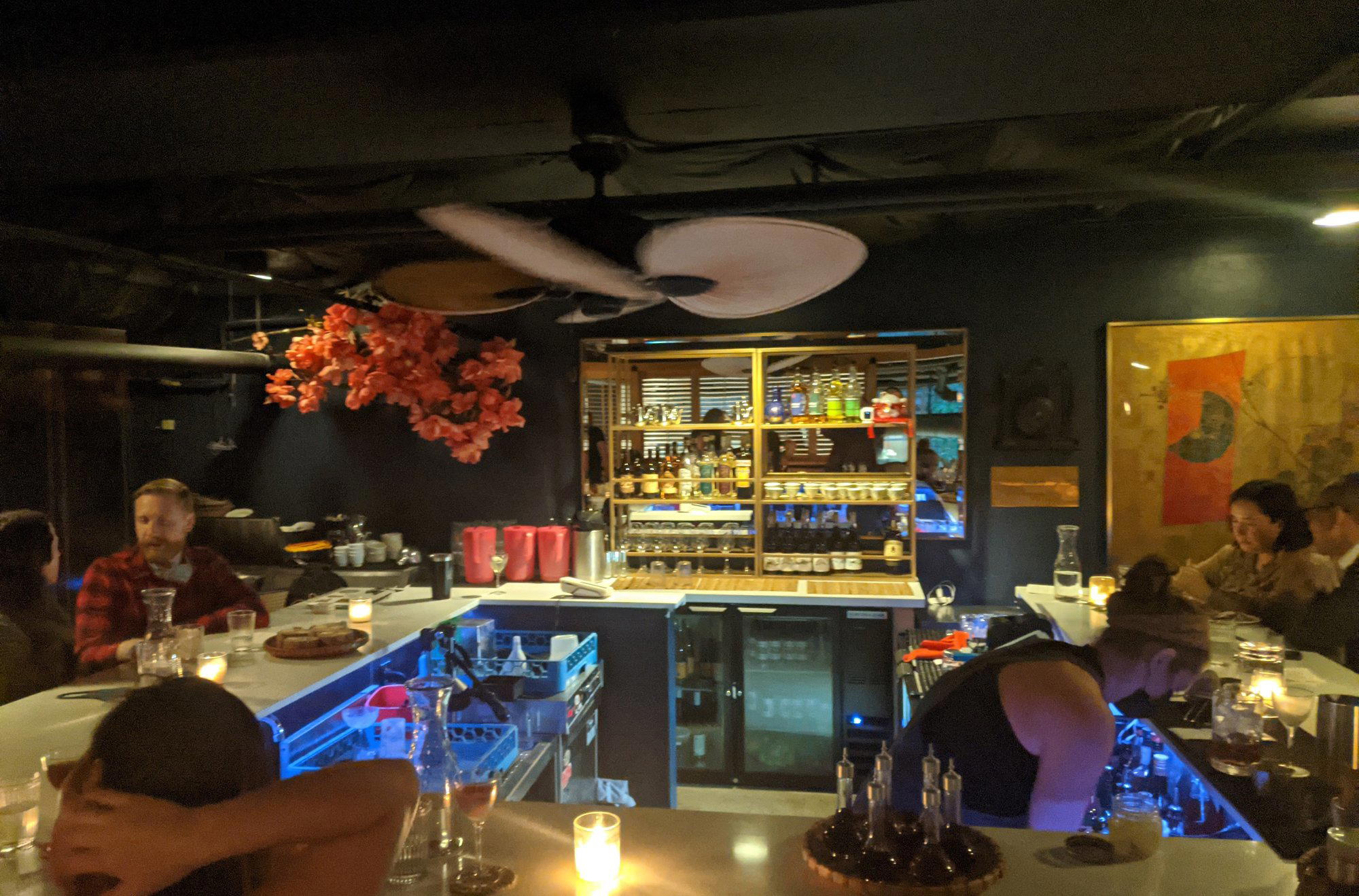
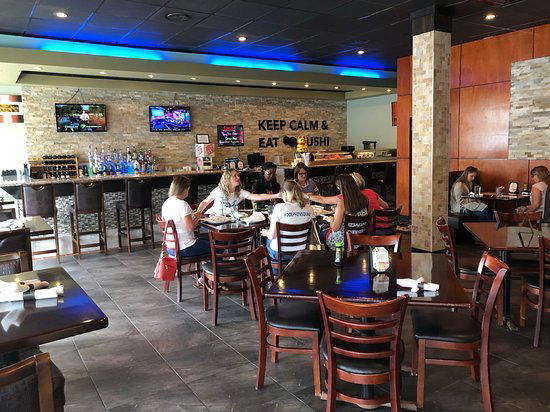
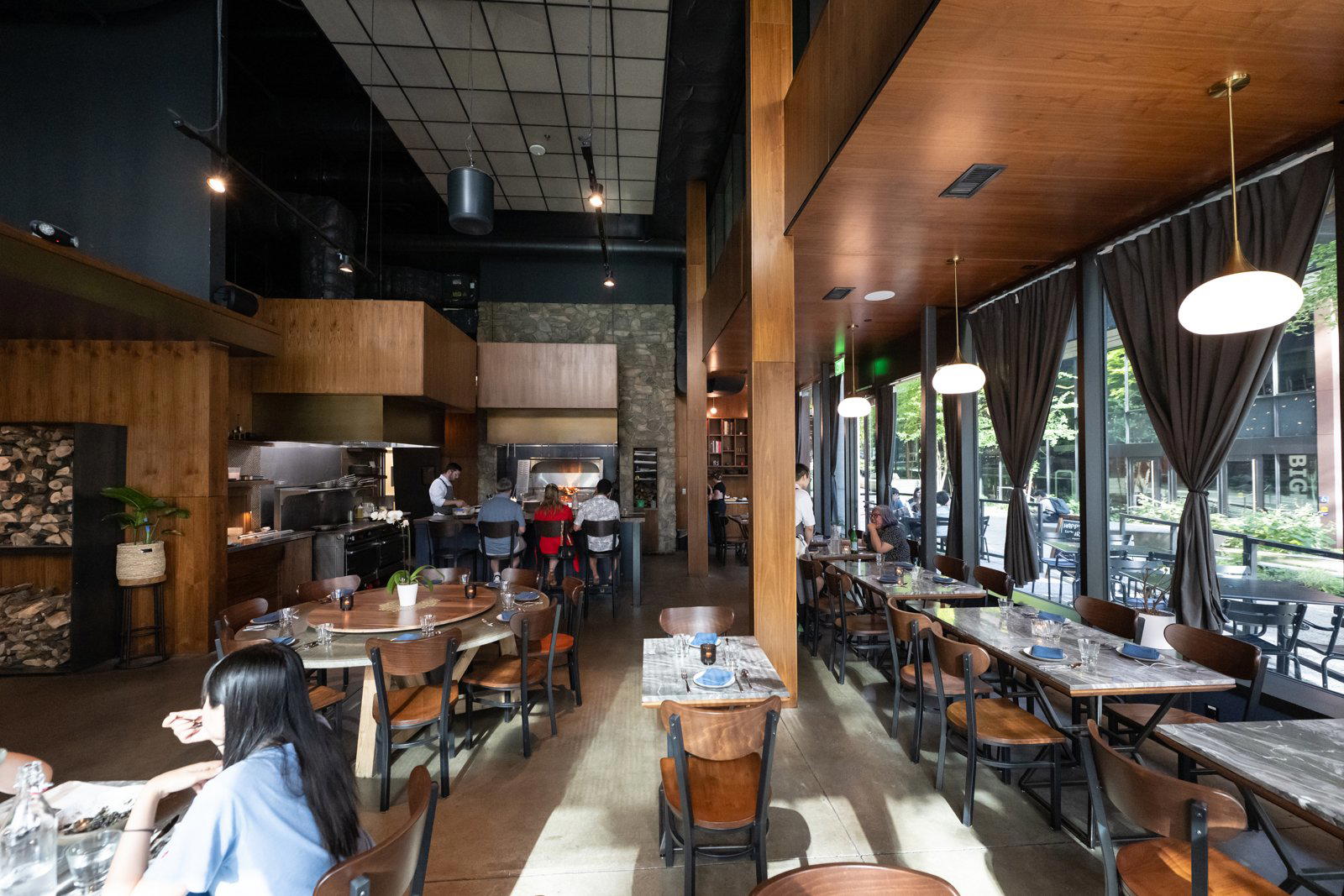
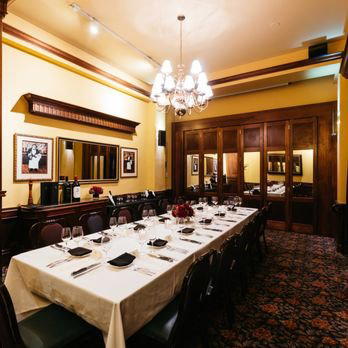
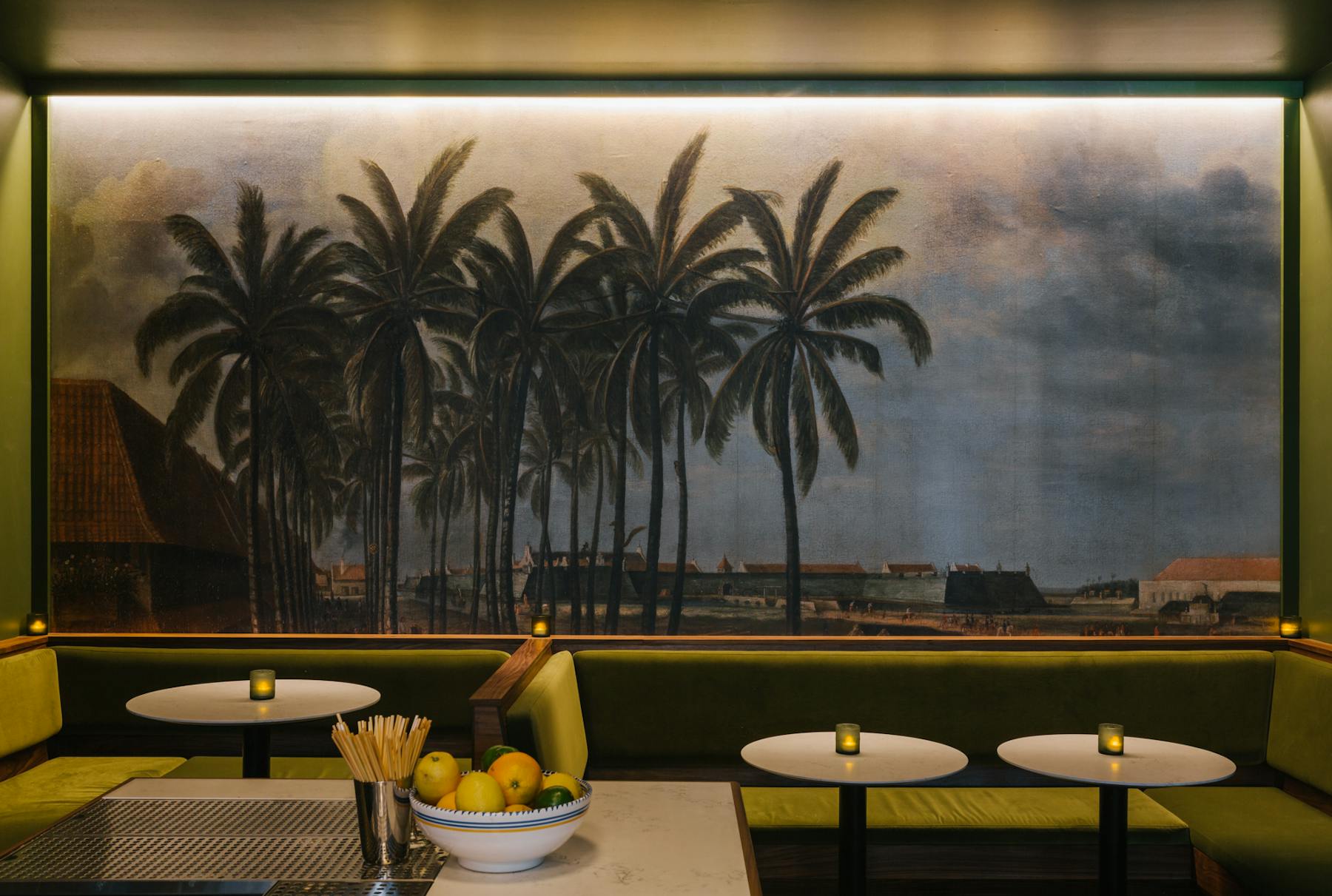
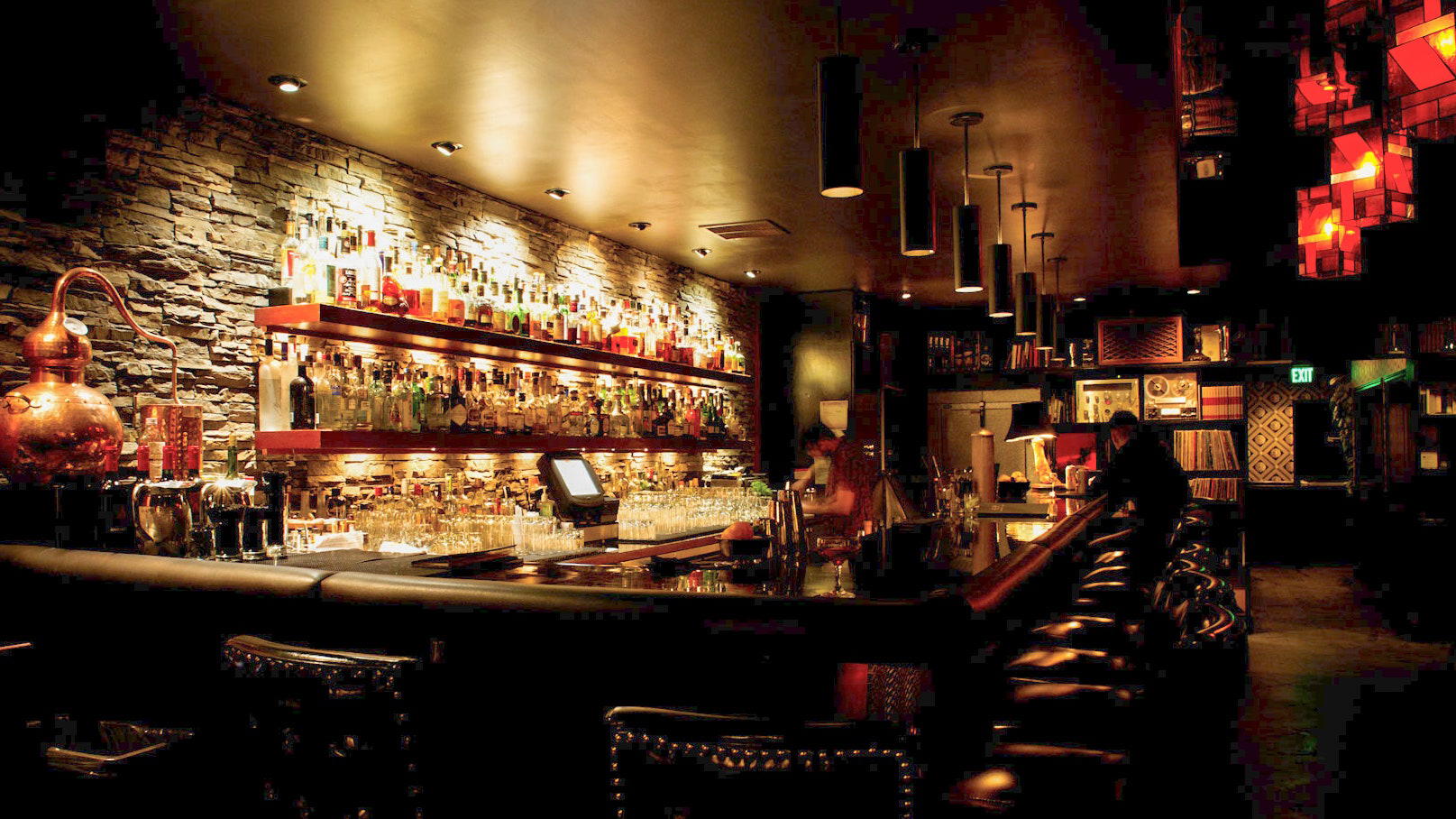
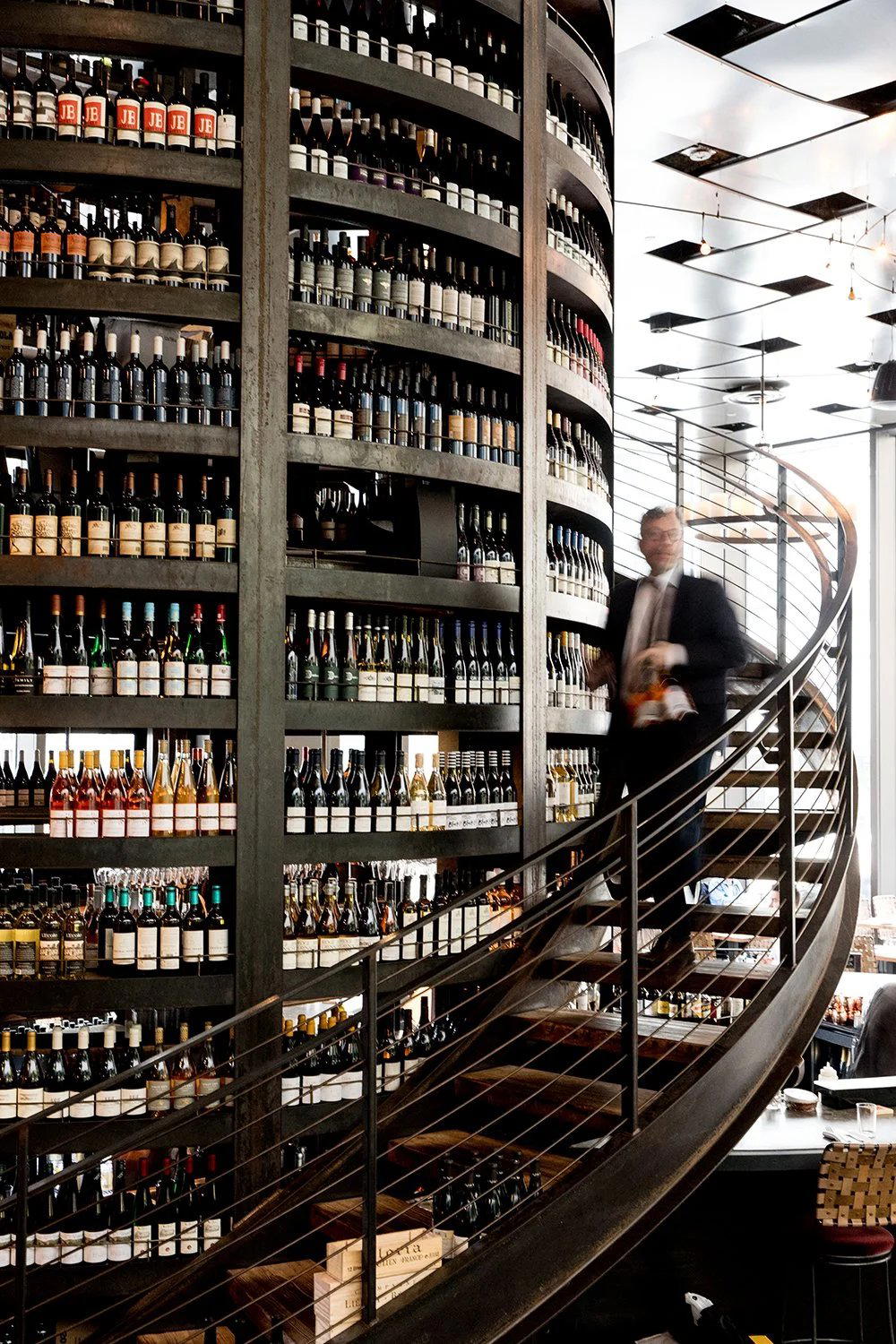
Seattle's better-known dining rooms tend toward two poles. At one end sit the legacy fine dining spaces: the mid-century architecture and sweeping lake views of Canlis, where the room itself is a statement about occasion. At the other end, the open-kitchen, counter-forward formats of places like Joule, where the energy is calibrated for proximity to technique. Local 360 sits in neither register. The interior reads as deliberately undecorated, the kind of space where material choices (brick, wood, bare surfaces) are allowed to carry meaning without ornamentation layered on leading.

That restraint is itself a design position. In a city where the sourcing story is frequently told through elaborate visual branding, the straightforwardness of the room signals that the provenance argument is meant to be encountered on the plate, not narrated through the walls. The seating arrangement supports this: the layout is accessible rather than hierarchical, without the dramatic tiers or signature counter configurations that define more theatrically designed dining rooms. Compare this spatial logic to something like Alinea in Chicago, where the room is an extension of the conceptual apparatus, or Atomix in New York City, where every surface is calibrated for the tasting menu format. Local 360's architecture makes a different claim: that the leading container for locally sourced food is one that does not compete with it.

Pacific Northwest Sourcing in Context

The Pacific Northwest has developed one of the more coherent regional food identities in American dining, not through a single dominant technique or cuisine type, but through a shared commitment to place-specific ingredients. Dungeness crab from the Puget Sound, Walla Walla onions, Yakima Valley stone fruit, Willapa Bay oysters, and the forest mushrooms that appear through autumn across western Washington and Oregon: these are ingredients that carry genuine provenance rather than generic regional branding. A restaurant operating within a defined radius in this geography has access to source material that restaurants in more constrained agricultural zones cannot replicate.

That ingredient base gives menus in this category a seasonal logic that runs counter to the stability that starred restaurants elsewhere are expected to maintain. Places like Blue Hill at Stone Barns in Tarrytown have built a national reputation around this same premise, that the menu's instability is its quality signal rather than its liability. In Seattle, the argument is made in a more compressed, neighbourhood-level format, without the destination-dining infrastructure that surrounds the Hudson Valley model.

For comparison, restaurants anchored to similar sourcing constraints elsewhere in the US, Lazy Bear in San Francisco, Providence in Los Angeles, or Addison in San Diego, tend to operate at higher price points and with more formalized tasting structures. The local-sourcing commitment at those addresses is woven into a higher-ceremony format. Local 360's version is less ceremonial, which positions it differently within the broader conversation about what regional sourcing can look like at various price and format levels.

Seasonal Timing and When to Go

Autumn is the most rewarding season in which to visit a Pacific Northwest restaurant operating within a regional sourcing radius. The convergence of late-summer produce running into harvest-season mushrooms, game, and root vegetables gives kitchens their widest ingredient range of the year. By contrast, late winter and early spring represent the narrowest window, when the radius's agricultural output is at its most contracted and the kitchen's resourcefulness is tested most directly.

Visiting in that leaner period offers a different but equally useful read on what the constraint actually demands. Other Seattle addresses worth tracking alongside Local 360 include 1415 1st Ave, 1744 NW Market St, and 2963 4th Ave S, each occupying a different register within Seattle's neighbourhood dining scene. For a broader map of where Local 360 sits relative to the city's full restaurant range, the full Seattle restaurants guide provides the necessary context.

Internationally, the sourcing-radius model has found sophisticated expression at restaurants like Le Bernardin in New York City, Emeril's in New Orleans, and The Inn at Little Washington, though each of those operates within a very different price and ceremony tier. At the furthest remove, something like 8 1/2 Otto e Mezzo Bombana in Hong Kong represents the opposite end of the sourcing philosophy: globally assembled ingredients brought to bear on classical technique. Local 360 makes the counter-argument: that tightening the sourcing circle, rather than expanding it, is a legitimate route to quality.

Know Before You Go

  • Address: 2234 1st Ave (at Bell St), Seattle, WA 98121
  • Neighbourhood: Belltown, walkable from Pike Place Market and the Seattle waterfront
  • Sourcing policy: Ingredients sourced within 360 miles of the restaurant
  • Seasonal note: Menu composition shifts with regional harvest cycles; autumn offers the widest ingredient range
  • Reservations: Recommended
  • Dietary requests: Confirm vegetarian and other dietary accommodations directly with the restaurant ahead of your visit
Frequently asked questions

City Peers

Comparable venues nearby, for context on price, style, and recognition.

At a Glance
Vibe
  • Rustic
  • Cozy
  • Elegant
Best For
  • Brunch
  • Casual Hangout
Experience
  • Open Kitchen
Sourcing
  • Local Sourcing
Dress CodeSmart Casual
Noise LevelConversational
CapacityMedium
Service StyleUpscale Casual
Meal PacingStandard

Rustic, handcrafted turn-of-the-century mercantile vibe with elegant dining atmosphere.