Our verdict
Taitung's dumpling scene rewards those who look past the night markets, and Ling Dumpling sits in that quieter register of the city's food culture. In a county where indigenous produce and East Rift Valley agriculture shape what ends up on the plate, dumplings here carry a different provenance story than their Taipei counterparts. A practical stop for anyone tracing Taitung's grassroots eating circuit.

Pearl is the En Primeur Club membership app, where members save venues, book tables and use the concierge.
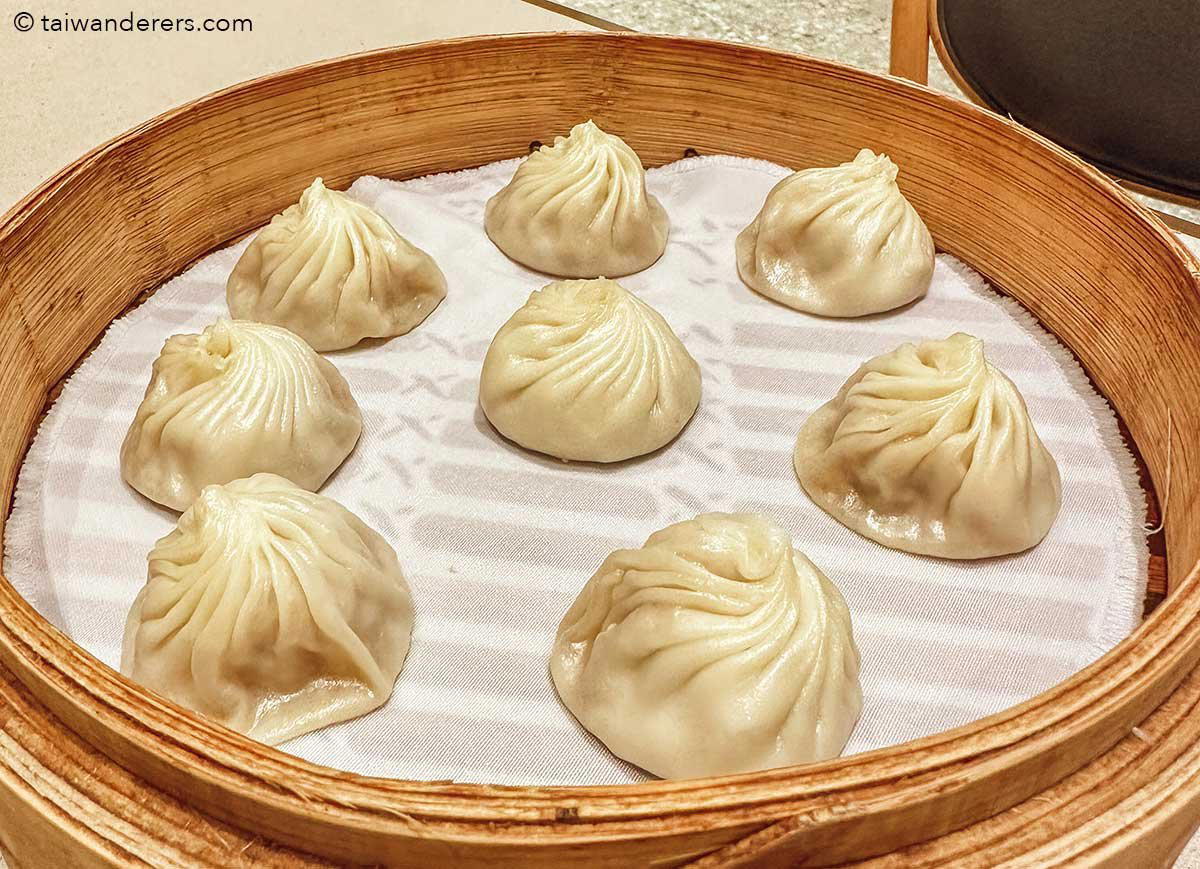
Where Taitung's Produce Story Meets a Folded Wrapper
Taitung County occupies a stretch of Taiwan's east coast that most visitors treat as a transit point between Hualien and Kenting. That misreading works in the county's favour. The East Rift Valley and the coastal ranges create growing conditions that produce some of Taiwan's most closely watched agricultural output: certified organic rice from Chishang, indigenous taro varieties from the mountain townships, and pork raised on farms sitting well outside the industrial supply chains that feed the island's western cities. When a dumpling shop operates inside that geography, the ingredient provenance question becomes more interesting than it would be almost anywhere else in Taiwan.
Ling Dumpling operates in that context. Dumplings in Taiwan sit at the accessible, everyday end of the eating spectrum, the kind of food that rarely generates awards attention or critical columns, but that anchors neighbourhood food culture in ways that destination restaurants do not. The format is honest about what it is: dough, filling, heat, and whatever condiment the cook believes in. What changes between a forgettable version and a worth-returning-to version is almost always the filling quality, and filling quality in a place like Taitung is directly tied to what the surrounding agriculture produces.
The Ingredient Logic of Eastern Taiwan
Eastern Taiwan's food culture has developed along lines that differ meaningfully from the west coast. Proximity to indigenous Amis and Puyuma communities has kept certain ingredients in circulation that rarely appear in Taipei's mainstream restaurants: foraged greens, wild boar preparations in season, and fermented condiments that carry flavour profiles outside the Hoklo and Hakka mainstream. This isn't romanticised ruralism; it's a supply-chain reality. Ingredients that would require specific sourcing effort in Taichung or Kaohsiung are simply local in Taitung.
For a dumpling operation, that means the pork and vegetable filling question gets answered differently here. The cabbage and chive combinations that dominate northern Taiwan's dumpling shops can give way to whatever is growing close by, and the pork question in Taitung is worth asking directly: sourcing from the county's smaller farms rather than centralised suppliers produces a noticeably different texture and fat distribution in the cooked filling. None of this is unique to a single shop; it describes a regional condition that any quality-conscious dumpling operation in eastern Taiwan can draw from.
Taitung sits within easy reach of Chishang, roughly an hour north by rail or road, where the rice paddies backed by the Central Mountain Range produce a grain that has won formal designations and commands premium pricing across Taiwan. A dumpling shop that sources its accompanying rice bowls or its dough ingredients from that belt is participating in a regional food story that extends well beyond the plate. It is the kind of sourcing logic that drives the editorial interest at places like JL Studio in Taichung or logy in Taipei, even if the format and price point at Ling Dumpling sit at the opposite end of the dining register.
Taitung's Grassroots Eating Circuit
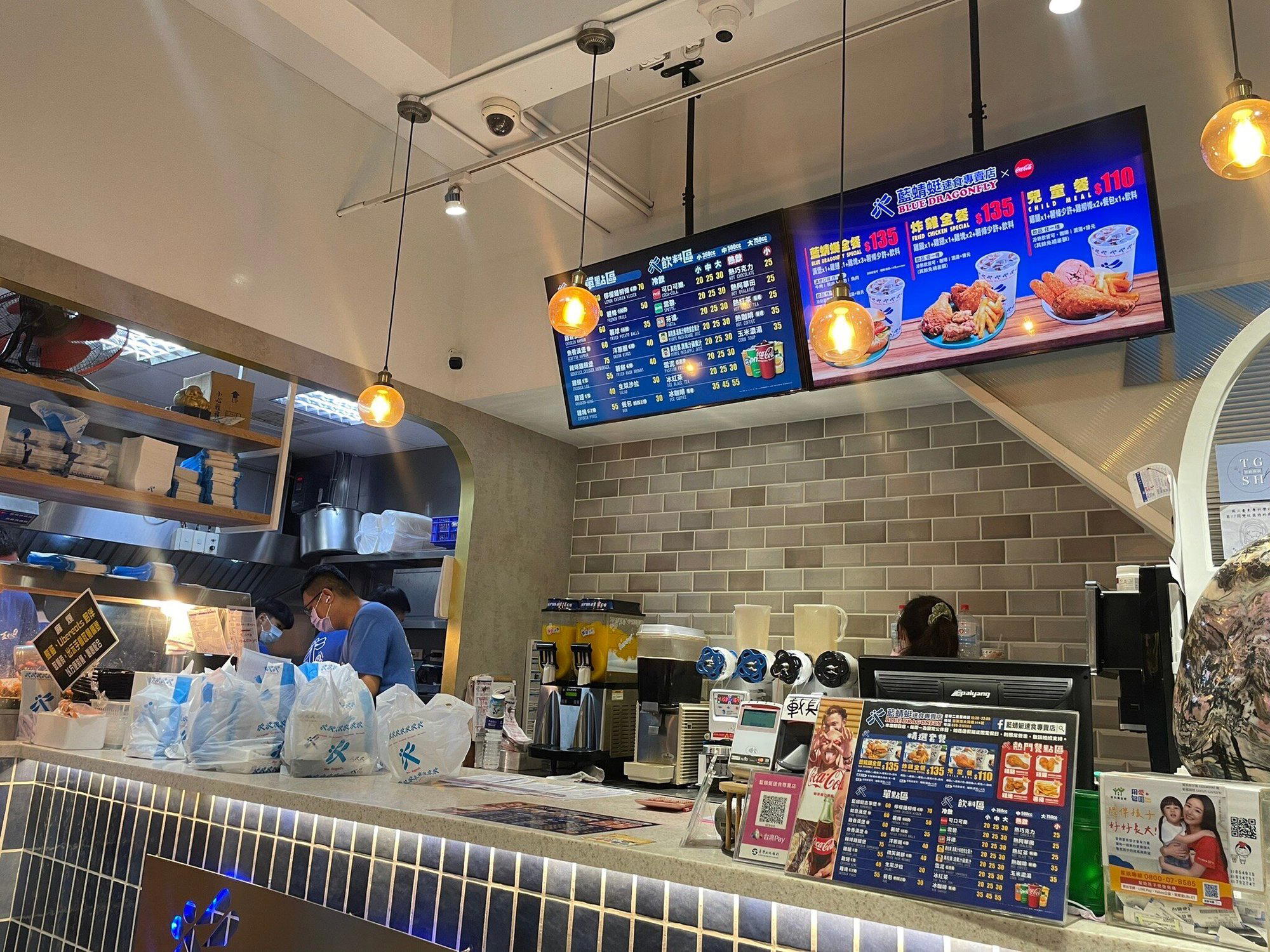
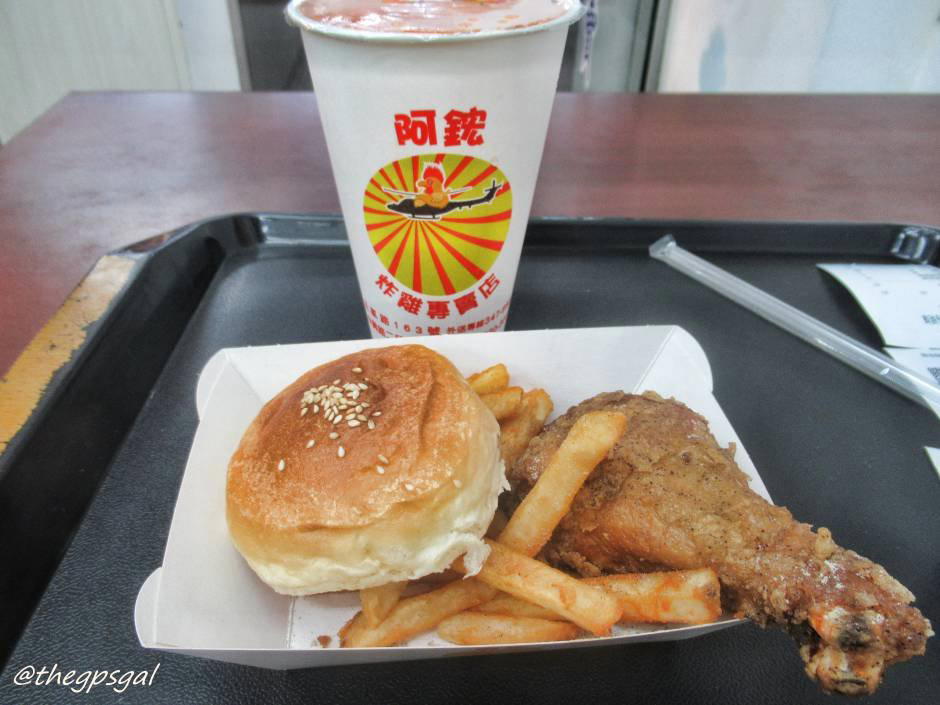
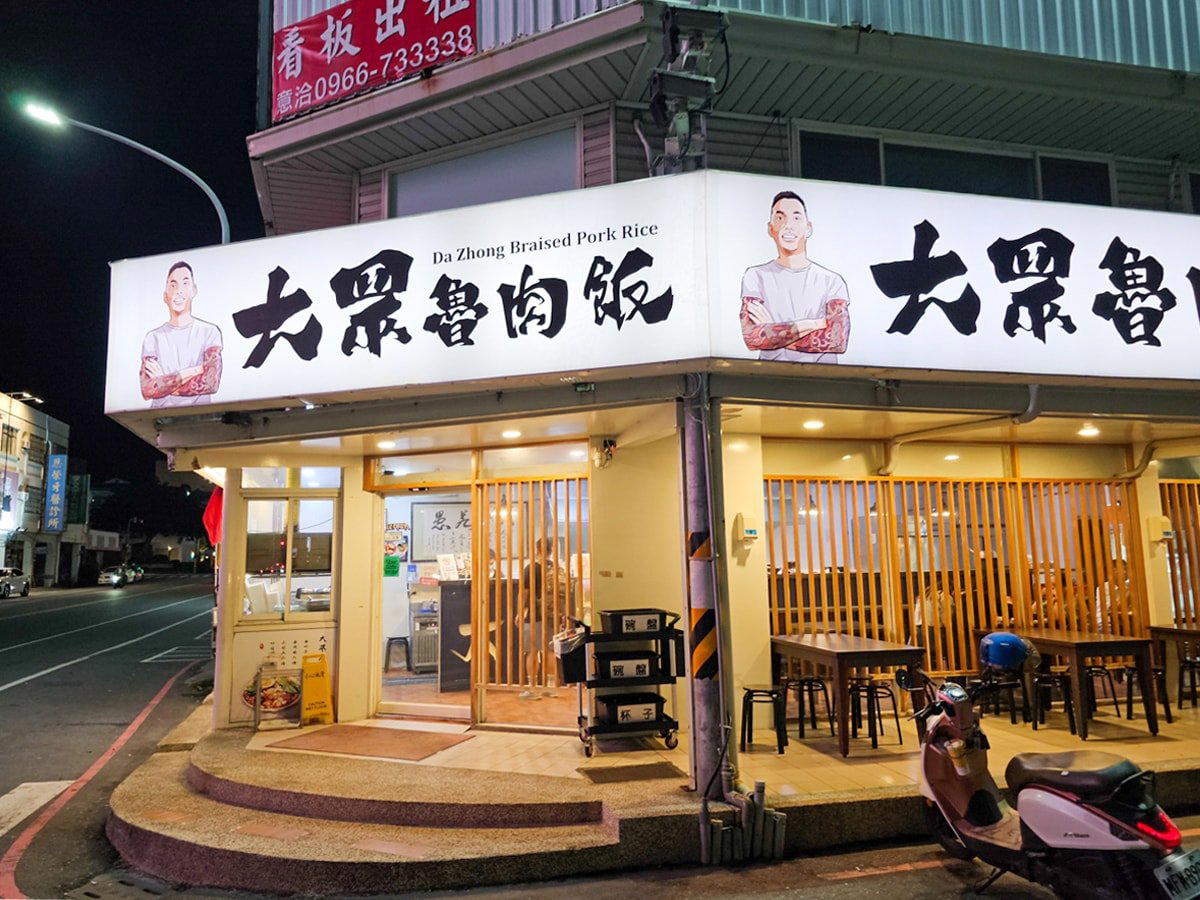
The more useful frame for Ling Dumpling is its place inside Taitung's street-level food culture rather than its relationship to fine dining. The city has a strong tradition of affordable, ingredient-led eating that runs from the night market stalls along Zhengqi Road through to the small shops that supply the local working population daily. That circuit includes Ah Hong Fried Chicken, Dazhong Braised Pork Rice, and Rong Shu Xia Rice Noodles, each of which represents a different angle on how Taitung feeds itself at ground level.
Dumplings occupy a specific niche in that circuit. They are more labour-intensive than a bowl of braised pork rice and more personalised than a fried chicken stand, which means the shops that do them well tend to develop a local following built on consistency rather than novelty. Regulars know what to expect. Tourists who find these places often do so by following a recommendation from someone staying in the city rather than from a listing. That word-of-mouth dynamic is worth understanding because it shapes the experience: these are not restaurants calibrated for first-time visitors in the way that a hotel restaurant or a night market stall is.
For context on what quality dumplings look like in a more formally recognised setting elsewhere in Taiwan, GEN in Kaohsiung and A Xia in Tainan show what happens when regional southern Taiwan ingredients get applied to more structured formats. The comparison is instructive rather than aspirational; Ling Dumpling operates in a different register, but the underlying ingredient logic has points of contact.
Taitung's broader food scene also includes Bao Sang Bean Flower Shop and Chan Kee Mochi, both of which demonstrate how the county's agricultural output shows up in formats beyond savoury cooking. The mochi tradition in eastern Taiwan draws on local glutinous rice varieties in ways that parallel what a quality dumpling skin does with its flour and hydration ratios. These are different preparations connected by the same regional ingredient logic.
Planning Your Visit
Taitung is served by direct trains from Taipei on the South Link Line and by Uni Air and Mandarin Airlines flights into Taitung Airport, making it accessible as either a standalone destination or a stop on an east coast circuit. The city's eating culture concentrates around the train station area and the Zhengqi Road night market zone, with smaller shops distributed through the residential neighbourhoods that extend toward the coast. Visiting midweek reduces competition for seating at the smaller operations. For anyone building a full picture of what Taitung's food scene covers, our full Taitung restaurants guide maps the range from street-level staples to the county's more considered dining options. Additional context on Taiwan's east coast eating culture appears in coverage of Chenggong Douhua in Chenggong, a township further south along the coast that illustrates how ingredient sourcing shapes even the simplest preparations in this part of the island.
Frequently asked questions
Is Ling Dumpling good for families?
Taitung's street-level eating culture is broadly family-oriented, and dumpling formats travel well across age groups, shareable, hand-held, and easy to pace. Ling Dumpling sits inside that grassroots circuit, which typically means informal seating and a relaxed pace rather than structured service.
What's the overall feel of Ling Dumpling?
The feel aligns with Taitung's ground-level food scene: unfussy, produce-driven, and oriented toward locals rather than tourists. Eastern Taiwan's food culture draws on Amis and Puyuma ingredient traditions, and that context shapes the eating experience here more than any fine-dining register. Expect a neighbourhood rhythm rather than a curated atmosphere.
How does Ling Dumpling connect to Taitung's indigenous food traditions?
Taitung County has a significant Amis and Puyuma population, and the county's agricultural output reflects those communities' cultivation practices, ingredients that differ noticeably from what you find in Taipei or Tainan. A dumpling shop rooted in Taitung is working with that local produce supply chain by default, making the wrapper a delivery vehicle for east-coast flavour rather than a generic northern Chinese format. It positions Ling Dumpling as part of Taitung's broader argument that eastern Taiwan deserves attention as a food destination on its own terms.
What's the best thing to order at Ling Dumpling?
Dumplings are the operational focus, and in Taitung that means access to produce from one of Taiwan's most agriculturally distinct counties, east-coast ingredients that rarely appear on western Taiwan menus.
Should I book Ling Dumpling in advance?
No booking data is published for Ling Dumpling. Street-level dumpling spots in Taitung typically operate on a walk-in basis, though popular counters in the city's eating circuit can move through queues quickly at lunch. Arriving outside peak meal hours is a reasonable precaution if you're working to a schedule.
Quick Comparison
| Venue | Cuisine | Price |
|---|---|---|
| Ling DumplingThis venue (the venue you are viewing) | Taiwanese Dumpling House | Not listed |
| Chan Kee Mochi | Traditional Taiwanese Mochi | $1–10 |
| Bao Sang Bean Flower Shop | Taiwanese Tofu Pudding | Not listed |
| Wong Kee Scallion Pancake | Traditional Taiwanese Scallion Pancake | $1–10 |
| Ah Hong Fried Chicken | Taiwanese Fried Chicken | $1–10 |
Continue exploring
More in Taitung
Details
- Casual Hangout
- A La Carte
Current opening hours
- Monday
- 11 AM–2 PM, 5–8 PM
- Tuesday
- 11 AM–2 PM, 5–8 PM
- Wednesday
- Closed
- Thursday
- 11 AM–2 PM, 5–8 PM
- Friday
- 11 AM–2 PM, 5–8 PM
- Saturday
- 11 AM–2 PM, 5–8 PM
- Sunday
- 11 AM–2 PM, 5–8 PM
Hours can change for holidays and private events. Hours as of .
Casual eatery with polite staff and fresh, fast service.