L’Incanto

On a corner of Avenida Pedragosa Sierra, L'Incanto brings Neapolitan pizza tradition to Punta del Este with wood-fired doughs prepared by Carlos Guerra following classic leavening methods. The menu reads as a credible Italian programme — pizza, cured meats, cheeses, and a cocktail list anchored in classics — served in a well-furnished room with a fresh outdoor terrace.
Pearl is the En Primeur Club membership app — saves, bookings, and concierge access live there. Same editors, same standards.
- Address
- Av. Pedragosa sierra y, 20100 Punta del Este, Departamento de Maldonado, Uruguay
- Phone
- +598 4249 3939
- Website
- lincantoitaliano.com
- Directions
- Get directions
 Saves & bookings on Pearl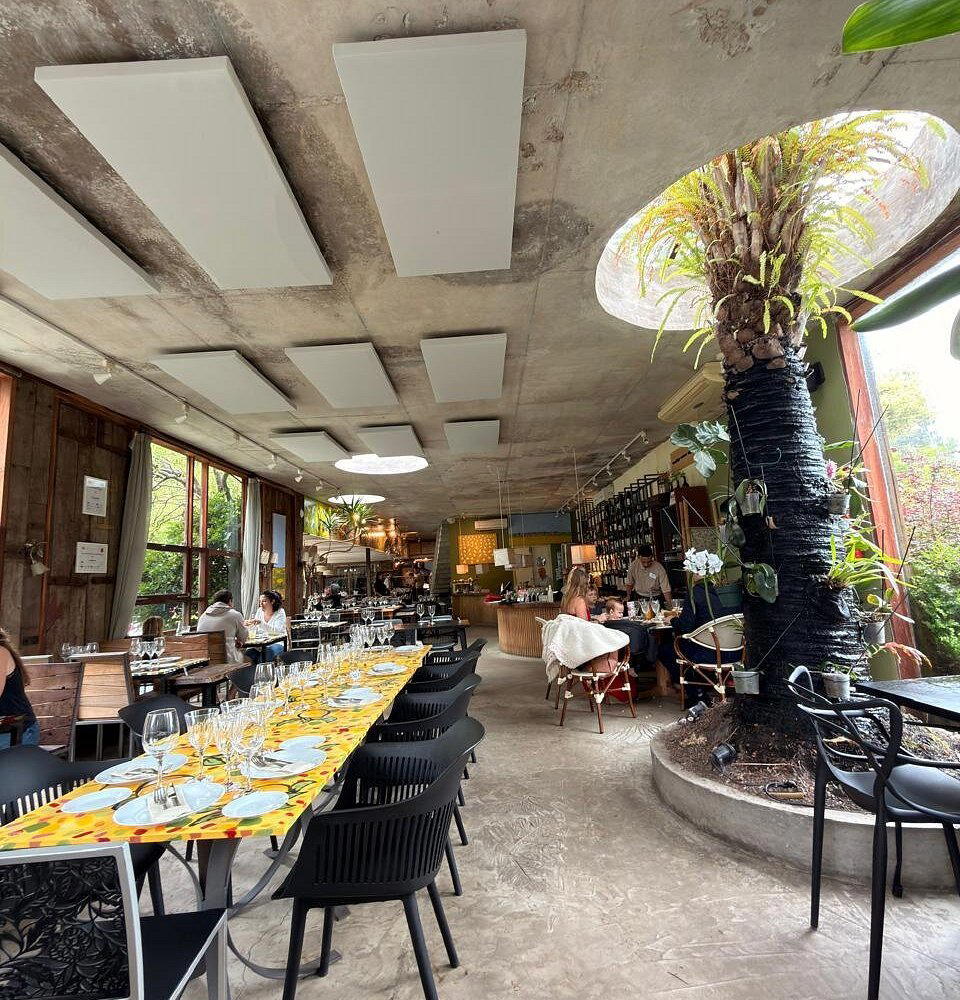
Where Punta del Este Sits Down for Italian
The outdoor dining culture of Uruguay's Atlantic coast has always rewarded restaurants that earn their terrace. In Punta del Este, a city that compresses decades of Argentine and Brazilian wealth alongside a quieter local leisure culture, the Italian restaurant occupies a particular role: it is where the table lingers. The format demands hospitality that is attentive without being formal, a kitchen that balances crowd-pleasing familiarity with genuine craft, and a room comfortable enough to hold a table through multiple courses. L'Incanto, on Avenida Pedragosa Sierra, positions itself squarely in that tradition.
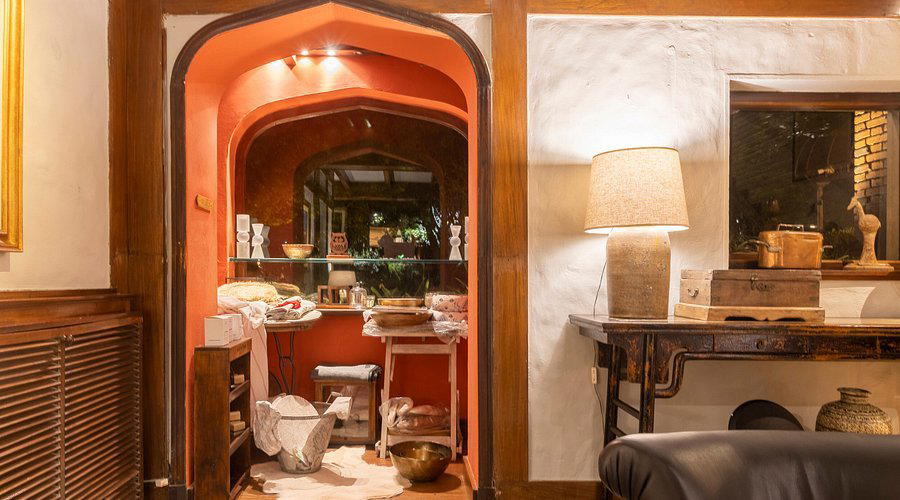
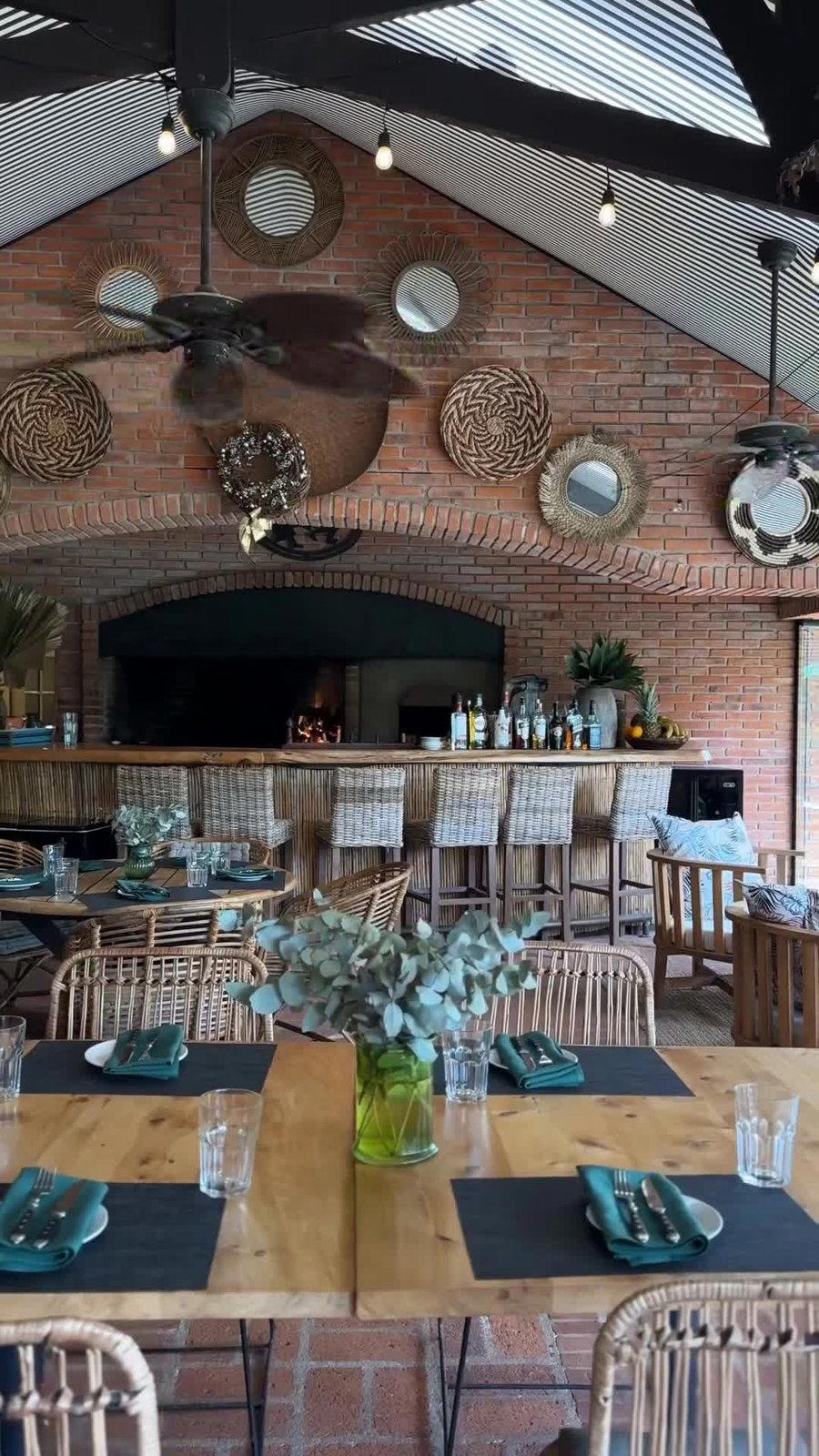
The setting signals its intentions early. A well-furnished interior opens onto an outdoor seating area that takes advantage of the Punta del Este climate, and the movement of the service team through that space reflects a restaurant that has thought carefully about flow. This is not a canteen rattling through covers; the pace is calibrated for the kind of meal where a second round of cocktails makes sense before the pizza arrives.
The Neapolitan Pizza Argument
Neapolitan pizza outside Italy is a discipline that rewards scrutiny. The dough is the thing: properly leavened over a long cold ferment, soft at the centre, charred at the cornicione, and cooked fast in a high-temperature oven that a conventional kitchen cannot replicate. The claim to Neapolitan authenticity is made frequently across South America's pizza culture — Buenos Aires alone has generated a decades-long debate about whether its own port-city pizza style, thick and sauce-heavy, has any legitimate connection to Naples at all — and so it carries weight when a kitchen can genuinely demonstrate the tradition.
At L'Incanto, the dough is prepared by Carlos Guerra, following Neapolitan leavening method, and cooked in a wood-fired oven. That combination, traditional fermentation, wood fire, represents a specific technical commitment that separates the Neapolitan format from the broader regional pizza culture. The result is the item most frequently cited among the restaurant's popular dishes: a base that is soft and considered, rather than the crisp cracker style that much of coastal Uruguay defaults to. The toppings extend to vegetables, Italian cheeses, and cured meats sourced with care, with the wood-fired cooking doing the work of integrating those ingredients rather than simply heating them.
For context on the broader South American Italian restaurant scene, it is worth noting that the highest-profile Italian kitchens operating in the region, including 8 1/2 Otto e Mezzo Bombana (Hong Kong) at the global end of the spectrum and various European anchors such as Alain Ducasse- Louis XV in Monte Carlo, represent one pole of Italian fine dining. L'Incanto operates at the other end of that axis, where the emphasis is on convivial eating and demonstrable technique rather than tasting-menu formality. That is not a lesser ambition; in a beach city like Punta del Este, it is arguably the more appropriate one.
The Menu Beyond Pizza
The pizza draws the headlines, but the menu functions as a broader Italian programme. Italian cured meats and cheeses appear across the offering, extending the kitchen's Italian identity beyond the oven. The beverage programme reinforces the approach: classic cocktails anchor the drinks list, which means the Negroni and Spritz formats one expects in a well-run Italian room rather than an experimental cocktail menu competing for attention with the food. The selection is described as a great one, which in practice means depth in the classics rather than novelty for its own sake.
That internal coherence, a pizza kitchen working within Neapolitan tradition, a drinks list anchored in Italian-adjacent classics, a service team moving with skill, is what separates a restaurant that has been thought through from one that has simply accumulated elements. In Punta del Este, where the dining offer spans everything from the seafood-focused coastal cooking at Parador La Huella in José Ignacio to the more formal French-influenced programme at La Bourgogne in y Av del Mar, L'Incanto occupies a specific and well-defined niche: serious Italian craft at a sociable register.
Bibiana Souto and Carlos Guerra: The Craft Behind the Counter
The editorial angle most relevant to L'Incanto is not the founding story but what the presence of named chefs in a beach-city Italian restaurant actually signals. In a market where many comparable restaurants are operated by hospitality groups without culinary identities, a kitchen associated with specific individuals, Bibiana Souto and Carlos Guerra, carries a different implication. The dough work attributed to Guerra in particular represents the kind of specialisation that typically comes from sustained practice within a specific tradition. Neapolitan pizza is a discipline with its own certifying bodies, its own technical vocabulary, and its own debate about what constitutes legitimate practice. A kitchen that has absorbed that discipline and applies it in a summer resort city is doing something more considered than the category often suggests.
Souto's presence alongside Guerra implies a kitchen with distributed ownership of the programme, which tends to produce more consistent results than a single-operator model. The service quality noted by consistent observers reflects that stability at the operational level.
Placing L'Incanto in Punta del Este's Dining Scene
Punta del Este's restaurant culture has historically been shaped by its seasonal rhythms: the summer season from December through March drives the highest-profile openings and the most competitive bookings, while the shoulder months offer a quieter city with a more local clientele. Italian restaurants in this context function as year-round anchors rather than seasonal spectacles, and L'Incanto's positioning as a hospitable, consistent room reflects that role.
The city's wider dining offer is documented in [our full Punta del Este restaurants guide](), which maps the full range from the casual to the formal. Within that guide, Lo de Tere and Manzanar in Montevideo represent different points on the local dining spectrum. For visitors building a broader Punta del Este itinerary, the [hotels guide](), [bars guide](), [wineries guide](), and experiences guide complete the picture.
Planning Your Visit
L'Incanto is located on Avenida Pedragosa Sierra, in the Departamento de Maldonado, placing it within the main Punta del Este peninsula. The outdoor terrace makes it a strong choice for evenings when the coastal air is cooperative, which across the summer season means most nights. The wood-fired oven is central to the experience, which means the pizza-led menu is where the kitchen's attention is concentrated; ordering around it rather than past it is the most direct path to what the restaurant does well. The cocktail list offers a direct way to extend the meal before the food arrives, and the atmosphere, polite, hospitable, well-paced, supports a long table rather than a quick turnaround. Booking ahead during the December-to-March high season is advisable; as with most restaurants in this city at peak time, walk-in availability tightens considerably once the summer crowds arrive from Buenos Aires and São Paulo.
What Should I Order at L'Incanto?
The Neapolitan pizzas are the item most directly connected to the kitchen's technical identity. Carlos Guerra's dough, prepared following traditional Neapolitan leavening method and cooked in the wood-fired oven, is the clearest expression of what L'Incanto is doing differently from a standard pizza restaurant. Toppings built around vegetables, Italian cheeses, and cured meats work within that framework. The cocktail programme, anchored in classics, pairs well with the Italian cured meat selections before the pizza arrives. The menu's Italian range means there are further options beyond pizza, but the oven is where the kitchen's credibility is established and where the order should start.
How It Stacks Up
| Venue | Cuisine | Price |
|---|---|---|
| L’Incanto | Food lovers will find here a polite and hospitable atmosphere where eating Italian also means feeling good at the table while having fun. The truly Italian menu, tastefully assorted, is accompanied by a great selection of beverages, with a focus on classic cocktails, and offers a variety of delicious pizzas. The Neapolitan ones are particularly popular: the dough, prepared by Carlos Guerra, is soft and carefully leavened following the Neapolitan tradition, but even those topped with vegetables, cheeses, and Italian cured meats are enjoyable thanks to the good wood-fired oven cooking. The service team moves with skill in a well-furnished environment enhanced by the freshness of the outdoor seating area. | This venue |
| Parador la Huella | Uruguayan | Uruguayan |
| La Bourgogne | Uruguayan Seafood | Uruguayan Seafood |
Recognition history
Dated appearances from independent guides and award organizations, with the underlying list record or original source where available.
50 Top Pizza Latin America #10
50 Top Pizza
50 Top Pizza World Best Pizza #78
50 Top Pizza
Continue exploring
More in Punta del Este
Restaurants in Punta del Este
Browse all →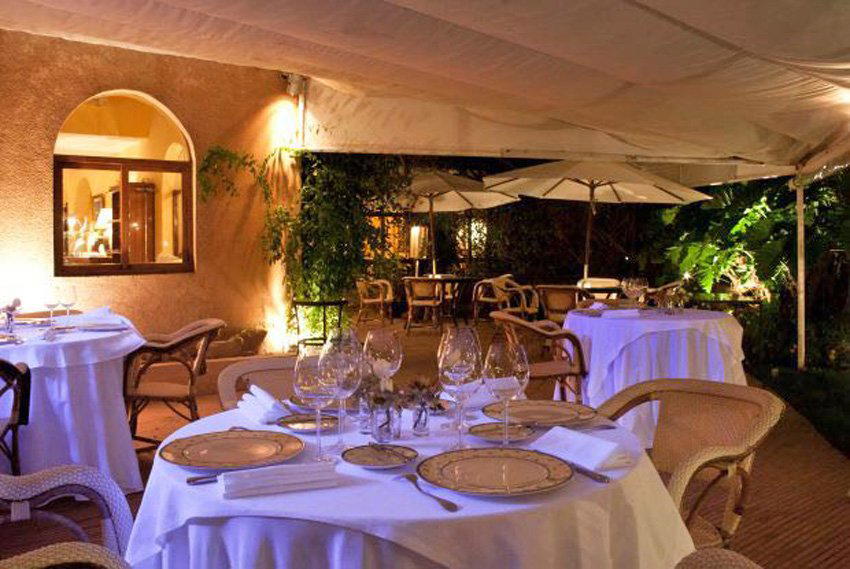
Bars in Punta del Este
Browse all →
Hotels in Punta del Este
Browse all →
At a Glance
- Romantic
- Elegant
- Scenic
- Sophisticated
- Date Night
- Special Occasion
- Celebration
- Group Dining
- Family
- Garden
- Terrace
- Private Dining
- Design Destination
- Extensive Wine List
- Beer Program
- Local Sourcing
- Garden
Current opening hours
- Monday
- 12–4 PM, 7 PM–12 AM
- Tuesday
- 12–4 PM, 7 PM–12 AM
- Wednesday
- 12–4 PM, 7 PM–12 AM
- Thursday
- 12–4 PM, 7 PM–12 AM
- Friday
- 12–4 PM, 7 PM–12 AM
- Saturday
- 12–4 PM, 7 PM–12 AM
- Sunday
- 12–4 PM, 7 PM–12 AM
Hours can change for holidays and private events. Last verified .
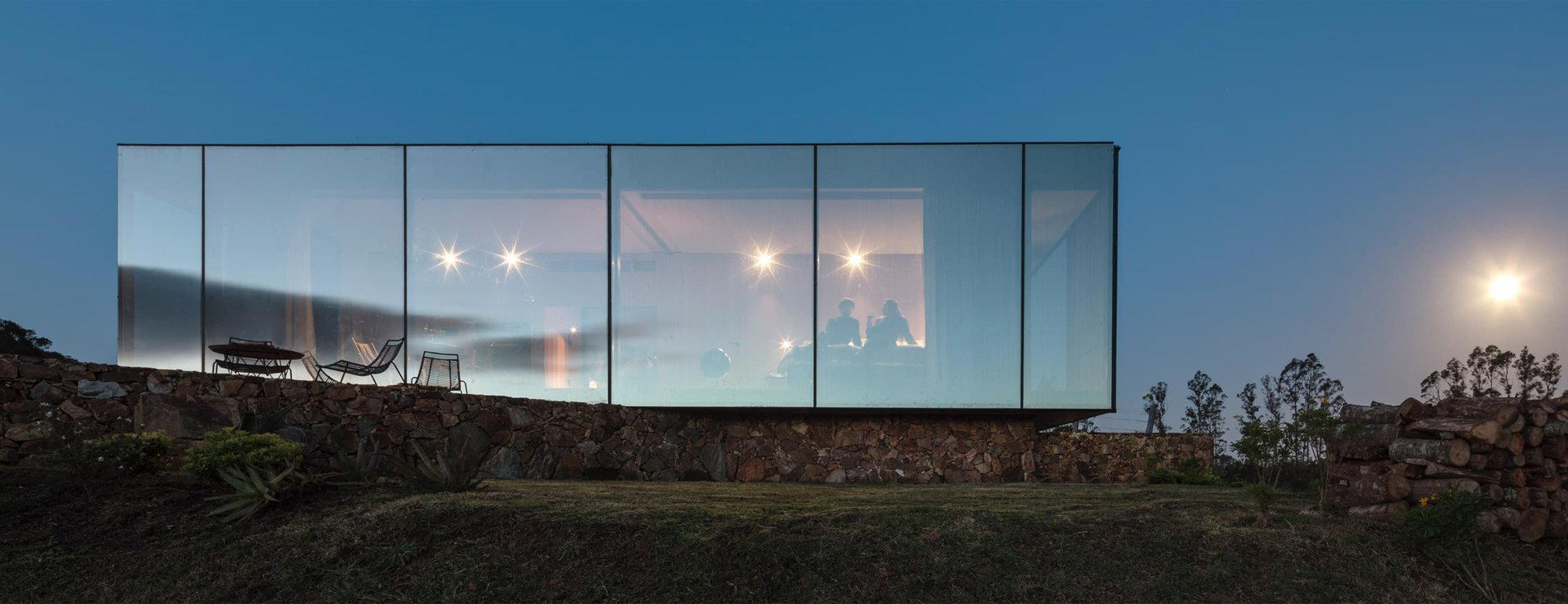
Rustic-elegant with romantic garden setting featuring abundant plants and flowers, multiple distinctive halls with natural lighting through glass architecture, warm and inviting atmosphere.
Know Before You Go
- Getting there
- Av. Pedragosa sierra y, 20100 Punta del Este, Departamento de Maldonado, Uruguay