Lily coffee, tea & bread
On Laney Walker Boulevard in Augusta's historic corridor, Lily coffee, tea & bread occupies a format that has gained ground in mid-sized Southern cities: the all-day café anchored by bread, brewed beverages, and ingredients with traceable origins. It sits alongside a growing cohort of Augusta independents rethinking what a neighbourhood café can be, and it rewards those who arrive without a rush.
Pearl is the En Primeur Club membership app — saves, bookings, and concierge access live there. Same editors, same standards.
- Address
- 1378 Laney Walker Blvd Suite 101, Augusta, GA 30901
- Phone
- +17622151876
- Website
- lilycoffeeteabread.com
 Saves & bookings on Pearl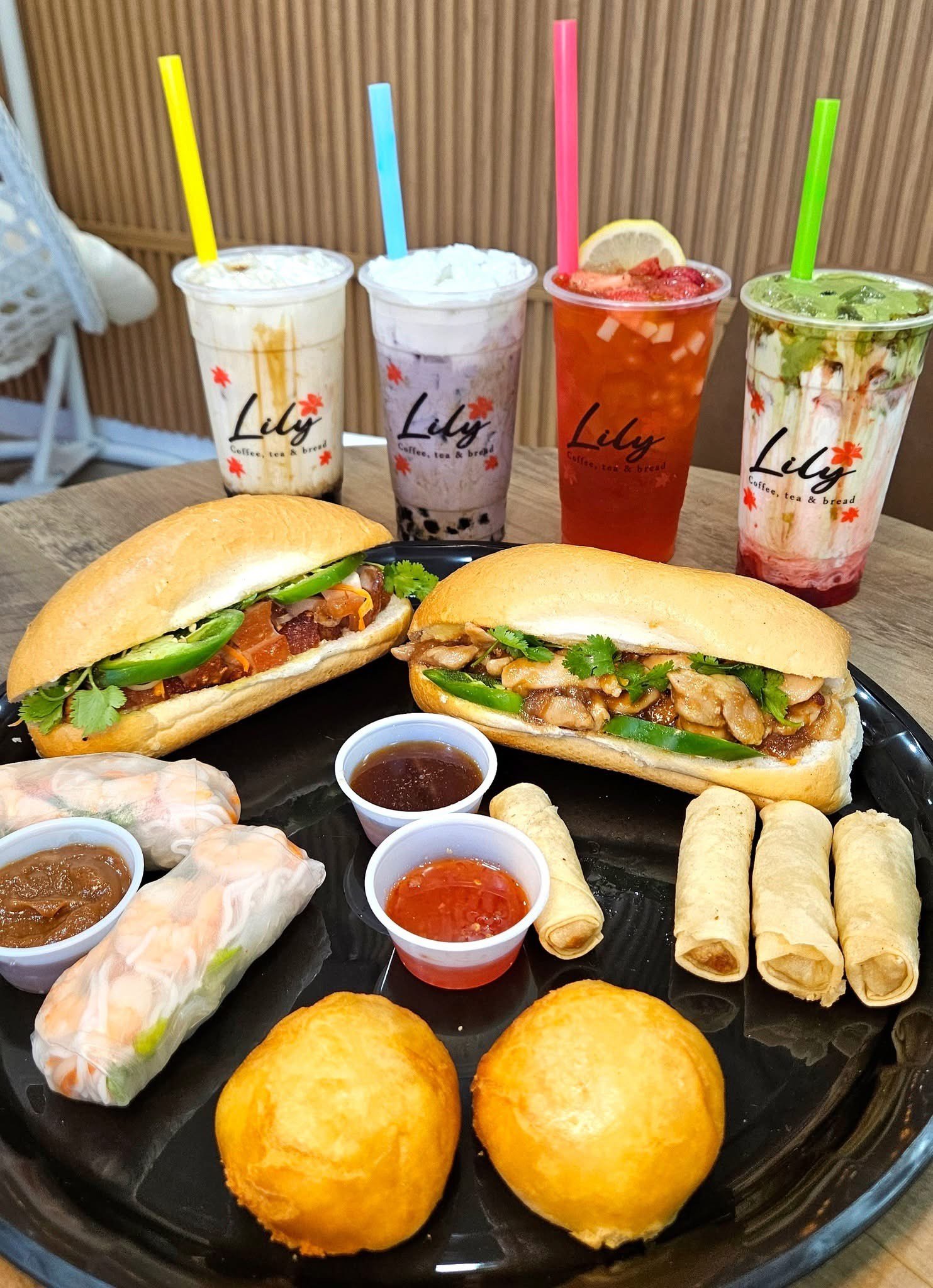
A Boulevard, a Bakery, and What Augusta's Café Scene Is Becoming
Laney Walker Boulevard carries a particular weight in Augusta. The street runs through one of the city's oldest African American commercial corridors, a district that has seen decades of disinvestment followed by a slower, more careful kind of renewal. Cafés that open here are not making a neutral real estate decision. They are placing themselves inside a neighbourhood with a specific history, and the ones that read that context well tend to earn a different kind of loyalty than spots that chase foot traffic near the Augusta Riverwalk or the crowds that descend each April for the Masters.
Lily coffee, tea & bread sits at 1378 Laney Walker Blvd, Suite 101, inside that corridor. The format itself, coffee anchored by serious bread and tea given equal billing to espresso, reflects a broader shift visible across mid-sized Southern cities. Independents in this tier have increasingly moved away from the purely transactional café model toward something closer to a provisioner: a place where sourcing decisions, fermentation timelines, and the quality of a single ingredient carry editorial weight.
The Sourcing Logic Behind Bread-Centred Cafés
The decision to foreground bread in a café's identity is not decorative. Bread production is one of the most unforgiving tests of ingredient discipline. Flour provenance, hydration ratios, fermentation length, and ambient humidity all shape what arrives on the counter. Cafés that commit to it seriously are, by implication, committing to a sourcing philosophy that extends across everything else on the menu.
This pattern is visible at well-documented American operations far outside Augusta. Single Thread Farm in Healdsburg has built much of its identity around the question of where ingredients originate and how they move from soil to table. Blue Hill at Stone Barns in Tarrytown has made provenance the structural core of its entire program. Those are fine-dining operations with research budgets that most neighbourhood cafés will never approach, but the underlying logic, that knowing where something comes from changes how you handle it, scales down.
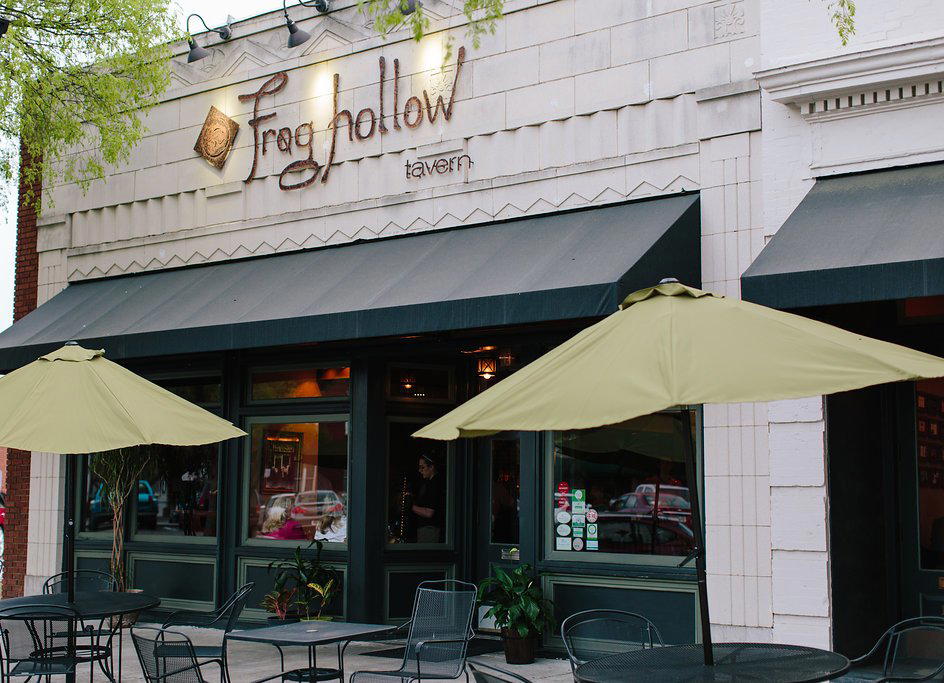
Augusta's independent dining scene has been quietly developing this sensibility. Root Food + Wine has built its identity around ingredient-forward cooking, and Frog Hollow Tavern has long positioned itself around Southern produce and regional sourcing. Nutritious Alternatives, LLC. addresses ingredient quality from a different angle, centering health-conscious sourcing. Lily's bread-and-beverage format sits in that same broader current, approaching the question of ingredients from the café end of the market rather than the restaurant end.
Tea as a Serious Category
The inclusion of tea as a named pillar, not a footnote to the coffee program, is worth examining. American café culture spent roughly two decades treating tea as the order placed by people who didn't really want to be there. That has changed, particularly in independent operations that have taken cues from East Asian tea service traditions and from the specialty beverage movement that has pushed sourcing transparency into drink categories beyond espresso.
Cafés that give tea equal structural weight are, in practice, dealing with a supply chain that requires as much attention as single-origin coffee. Varietal selection, elevation, harvest season, and oxidation level all determine what ends up in the cup. The gesture of naming tea alongside coffee in a venue's identity signals an intention to handle it with comparable seriousness. Operations at the far end of this spectrum, like the tea programs at hotels operating at the level of The Inn at Little Washington, treat beverage sourcing as curatorial work. The neighbourhood café version of that instinct is more accessible and, in Augusta, still relatively rare.
Where Lily Sits in Augusta's Independent Tier
Augusta's dining scene is more layered than its national profile suggests. The city is known internationally for one week in April, but its independent restaurant and café cohort has been building outside that event's shadow. Capriccio operates at the contemporary end of the market, representing the kind of considered dining that cities this size often lack. The café tier has been slower to develop comparable ambition, which makes the bread-and-beverage format at Lily worth attention as a signal of where that tier is moving.
For context on what sourcing-forward café and restaurant culture looks like at full development, the comparison points are national. Bacchanalia in Atlanta has spent decades demonstrating that the Southeast can sustain ingredient-obsessed fine dining. Operations like Lazy Bear in San Francisco, Providence in Los Angeles, and Addison in San Diego sit at the Michelin-decorated end of the provenance-driven spectrum. Closer to the café format, the sensibility that runs through Le Bernardin in New York City or Emeril's in New Orleans around product quality does not require fine-dining prices to influence how a neighbourhood operation thinks about sourcing decisions. The instinct travels.
Internationally, the conversation about what café-level ingredient sourcing can look like is equally active. Atomix in New York City and 8½ Otto e Mezzo Bombana in Hong Kong anchor the fine-dining end of provenance-led dining globally. Alinea in Chicago has demonstrated that American audiences respond to operations that treat every ingredient decision as a considered act. None of that is directly analogous to a Laney Walker café, but the broader culture it represents does shape what informed visitors expect when they walk into a bread-forward independent anywhere in the country.
Planning a Visit
Lily coffee, tea & bread is located at 1378 Laney Walker Blvd, Suite 101, Augusta, GA 30901. The Laney Walker corridor is accessible by car from downtown Augusta and sits within the broader East Augusta neighbourhood. Visitors arriving from the Augusta Riverwalk area should allow time to understand the neighbourhood rather than treating the visit as a quick detour. The format, coffee, tea, and bread, suggests a visit oriented around slower pacing rather than grab-and-go transactions.
- Pho
- Banh Mi
- Spring Rolls
- Steamed Shrimp Dumplings
- Fried Tofu
- Bubble Tea
Fast Comparison
Comparable venues nearby, for context on price, style, and recognition.
| Venue | Cuisine | Price | Awards | Notes |
|---|---|---|---|---|
| Lily coffee, tea & breadThis venue — the venue you are viewing | Vietnamese Bubble Tea & Street Food Cafe | $ | , | |
| Frog Hollow Tavern | Progressive American Farm-to-Table | $$$ | , | Historic Downtown Augusta |
| Nutritious Alternatives, LLC. | Vegetarian Soul Food | $ | , | downtown |
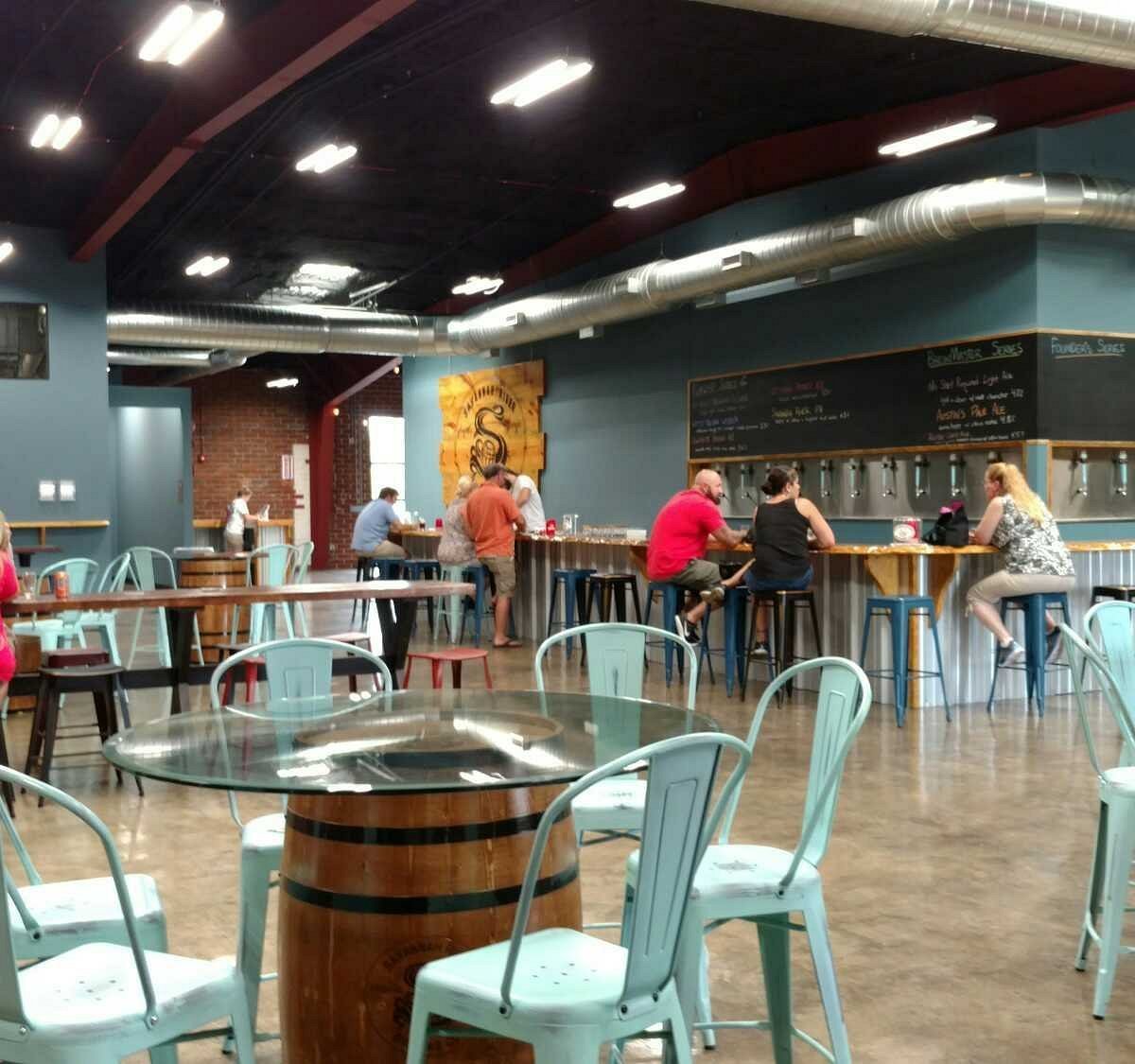
| Savannah River Brewing Co. | beer_bar | $$ | , | Augusta |
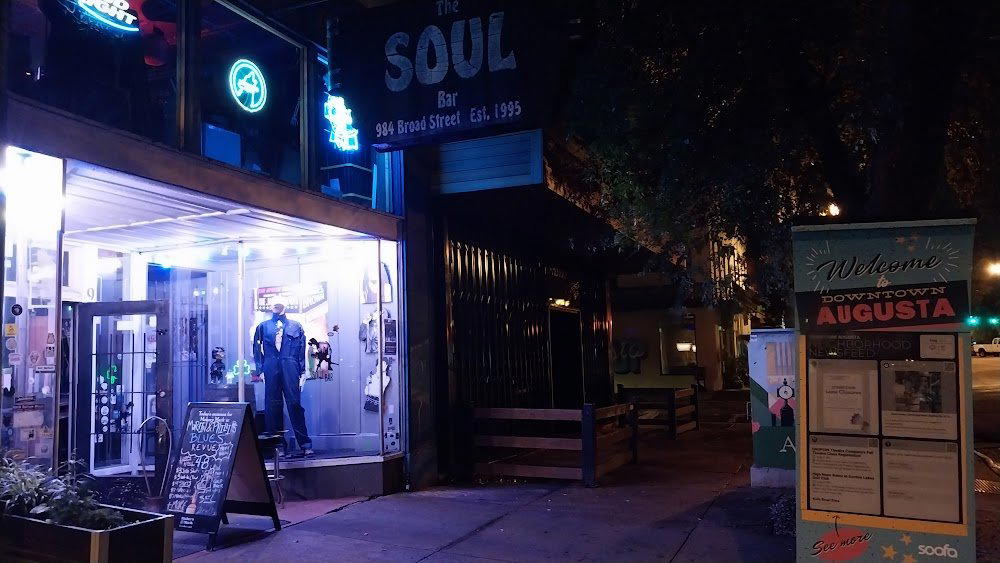
| Soul Bar | pub | $$ | , | downtown |
| Whiskey Bar Kitchen | pub | $$ | , | Downtown Augusta |
Continue exploring
More in Augusta
Restaurants in Augusta
Browse all →


Bars in Augusta
Browse all →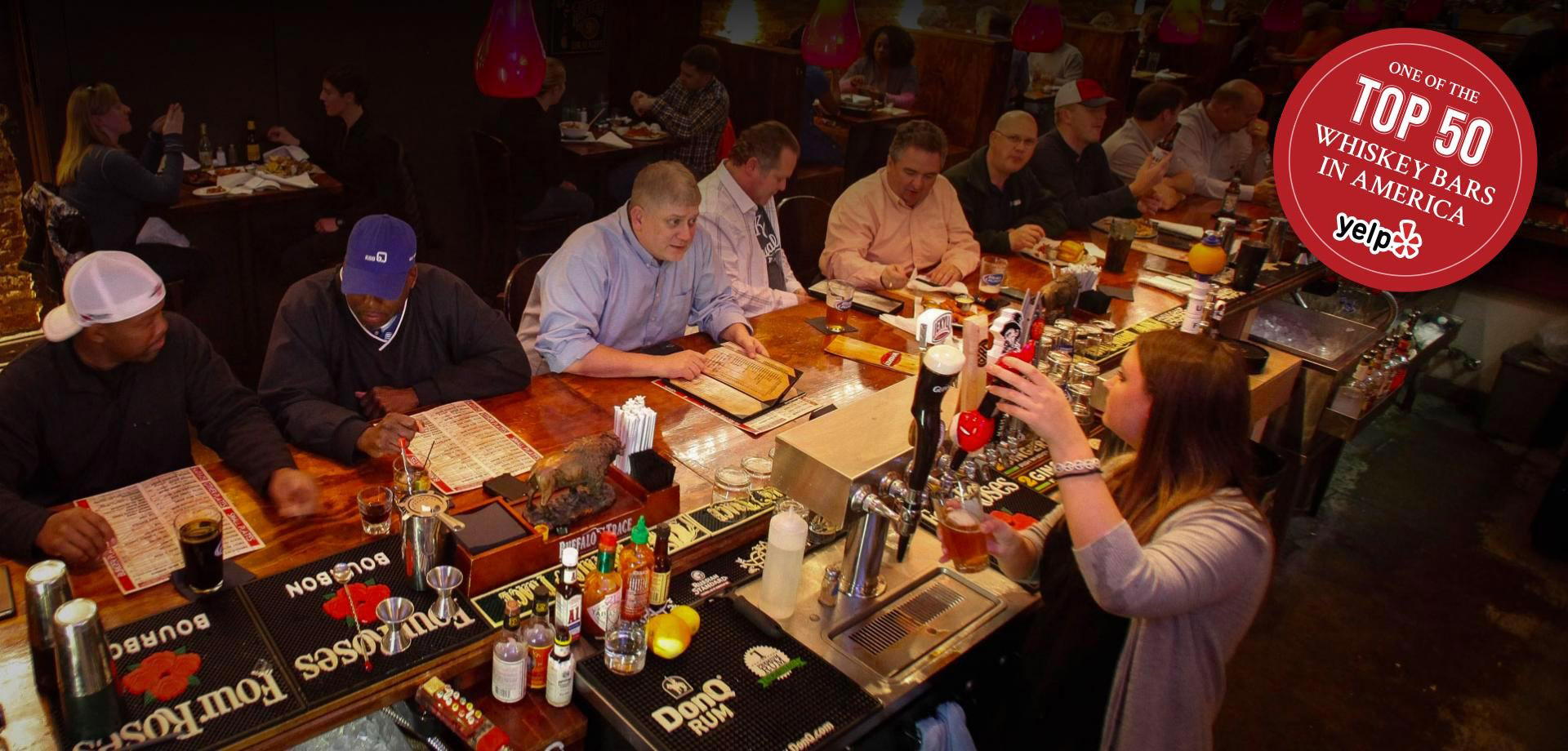
Hotels in Augusta
Browse all →
At a Glance
- Cozy
- Casual
- Trendy
- Casual Hangout
- Solo
- After Work
- Brunch
- Standalone
- Zero Proof
Casual and welcoming with a modern, minimalist design aesthetic focused on fresh, colorful beverages and light Vietnamese fare.
- Pho
- Banh Mi
- Spring Rolls
- Steamed Shrimp Dumplings
- Fried Tofu
- Bubble Tea