Nutritious Alternatives, LLC.
Nutrition and Community on Augusta's West Side Martin Luther King Jr Boulevard in Augusta, Georgia, carries the weight of the city's civic history through its name, and the businesses along it tend to reflect the practical needs of the...
Pearl is the En Primeur Club membership app — saves, bookings, and concierge access live there. Same editors, same standards.
- Address
- 1795 Martin Luther King Jr Blvd, Augusta, GA 30901
- Phone
- +17068492111
- Website
- nutritiousalternatives.com
- Directions
- Get directions
 Saves & bookings on Pearl
Nutrition and Community on Augusta's West Side
Martin Luther King Jr Boulevard in Augusta, Georgia, carries the weight of the city's civic history through its name, and the businesses along it tend to reflect the practical needs of the communities they serve. At 1795 Martin Luther King Jr Blvd, Nutritious Alternatives, LLC. is a casual vegetarian soul food restaurant in Augusta, Georgia. Across the American South, that gap between food-rich and food-sparse neighbourhoods has shaped a generation of community-oriented food businesses that operate less like restaurants in the traditional sense and more like nutritional infrastructure. Nutritious Alternatives fits that pattern.
Augusta's Food Scene in Context
Augusta is not a city that typically draws attention from food media the way Savannah or Charleston does, but its dining scene has grown with genuine range over the past decade. The city's higher-profile dining options cluster around Broad Street and the Riverwalk, where spots like Capriccio (Contemporary) anchor the upmarket end of the market, and Frog Hollow Tavern builds its reputation on Southern cooking taken seriously. The café tier, represented by places like Lily coffee, tea & bread, has also expanded, as has the farm-to-table segment, with Root Food + Wine signalling that Augusta diners are prepared to engage with produce-led menus.
Against that backdrop, businesses oriented around nutrition and health alternatives in the city's lower-income zip codes serve a distinct function. They are not competing with Capriccio's contemporary tasting format or with the cocktail-driven dining rooms closer to the centre. Their comparable set is different: community kitchens, nutrition counselling services, and health-focused food programmes that treat access to quality eating as a civic question rather than a consumer one.
What Health-Alternative Food Businesses Do in the American South
Across the American South, a category of food business has emerged that sits somewhere between a nutrition service and a neighbourhood restaurant. These operations often combine prepared food with education components, supplement retail, or meal planning guidance. Some focus on plant-forward cooking rooted in African American culinary traditions, reclaiming ingredients like black-eyed peas, collard greens, and sweet potato that have long been part of Southern foodways but are rarely positioned as health food in mainstream dining. Others take a more clinical approach, working alongside community health organisations to address the specific diet-related health challenges, including diabetes and hypertension, that disproportionately affect residents in underserved Southern urban neighbourhoods.
This model contrasts with the way nutrition and wellness have been commercialised at the higher end of American dining. At restaurants like Blue Hill at Stone Barns in Tarrytown, the relationship between agriculture, health, and cuisine is explored at a price point that removes it from everyday accessibility. Similarly, farm-driven tasting menus at Single Thread Farm in Healdsburg or produce-obsessed programs at Providence in Los Angeles represent a version of health-conscious dining that operates in a completely different economic register. The community nutrition model addresses the same underlying concern, that what people eat shapes their health outcomes, but builds it into an accessible, neighbourhood-level format.
At the national level, the fine dining world has engaged with these questions through chefs like those behind Le Bernardin in New York City and Emeril's in New Orleans, both of which have supported community food initiatives alongside their flagship operations. The conversation about what healthy, culturally rooted food looks like in America now runs from Michelin-starred rooms to neighbourhood nutrition providers, and substantive contributions to that conversation come from both ends of the spectrum.
The Cultural Roots of Southern Nutritional Cooking
The cultural context for a business like Nutritious Alternatives is rooted in a longer history of African American food knowledge being systematically devalued and then rediscovered. The traditional diet of the Black South was built around legumes, leafy vegetables, whole grains, and smaller quantities of meat as flavouring rather than centre-plate protein, a structure that nutritional science has since recognised as broadly health-promoting. The commercial food system largely replaced those patterns with processed alternatives, particularly in urban neighbourhoods where grocery infrastructure was underfunded.
The movement to restore access to nutritious food in these communities, sometimes called the food justice movement, has produced a range of business models. Some, like the technically ambitious programmes behind Lazy Bear in San Francisco or the disciplined sourcing behind Alinea in Chicago, operate at the innovation end of food culture. Others work at the community level, prioritising daily access over editorial recognition. Georgia-based operations in this space often look to Atlanta for reference points, where Bacchanalia in Atlanta represents one version of Georgia's food seriousness, and community nutrition operators represent another, less photographed version.
Planning a Visit
Nutritious Alternatives, LLC. is located at 1795 Martin Luther King Jr Blvd, Augusta, GA 30901, on the west side of the city. The restaurant is open Monday through Friday and Sunday from 9 AM to 6 PM, and is closed on Saturday. The address is publicly listed, and the business operates in a part of Augusta that is accessible by road from the city centre. It is walk-in friendly.
A Pricing-First Comparison
Comparable venues nearby, for context on price, style, and recognition.
| Venue | Cuisine | Price | Notes |
|---|---|---|---|
| Nutritious Alternatives, LLC.This venue — the venue you are viewing | downtown, Vegetarian Soul Food | $ | Not listed |
| Lily coffee, tea & bread | Not listed | $ | . Walton Way Extension, Vietnamese Bubble Tea & Street Food Cafe |
| Frog Hollow Tavern | Not listed | $$$ | Historic Downtown Augusta, Progressive American Farm-to-Table |
Continue exploring
More in Augusta
Restaurants in Augusta
Browse all →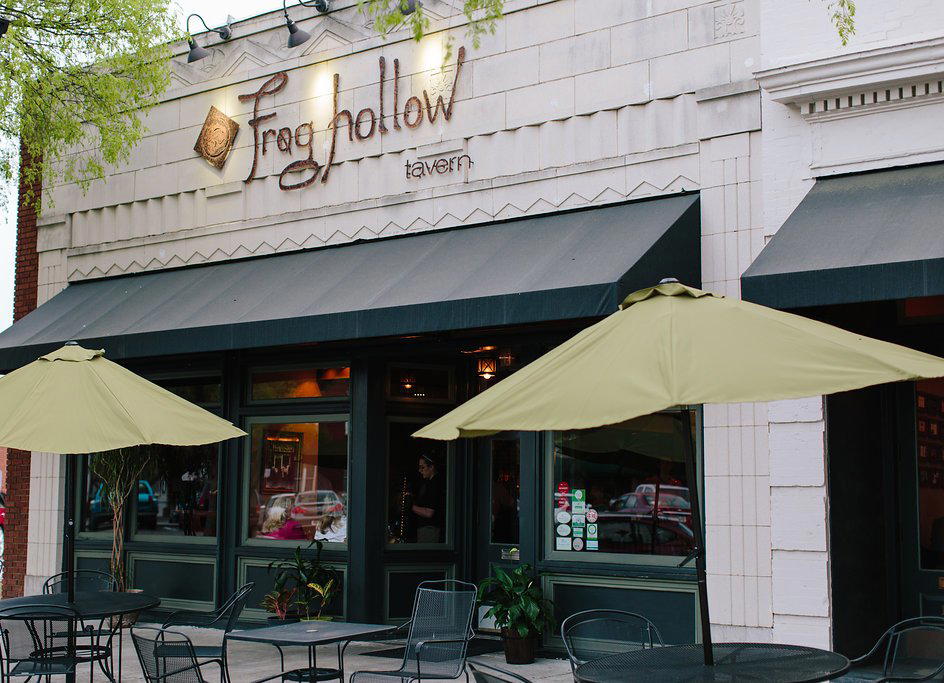

Bars in Augusta
Browse all →
Hotels in Augusta
Browse all →
At a Glance
- Cozy
- Casual Hangout
- Organic
Current opening hours
- Monday
- 9 AM–6 PM
- Tuesday
- 9 AM–6 PM
- Wednesday
- 9 AM–6 PM
- Thursday
- 9 AM–6 PM
- Friday
- 9 AM–6 PM
- Saturday
- Closed
- Sunday
- 9 AM–6 PM
Hours can change for holidays and private events. Last verified .
Casual and welcoming atmosphere focused on nutritious dining.