Lila
On Main Street in downtown Sarasota, Lila occupies a stretch of the city's most active dining corridor, where the gap between casual neighborhood eating and serious destination dining has narrowed considerably in recent years. The restaurant positions itself within that tightening middle ground, drawing a crowd that expects more than the tourist-facing strip can typically offer. Reservations and advance planning are advisable.
Pearl is the En Primeur Club membership app — saves, bookings, and concierge access live there. Same editors, same standards.
- Address
- 1576 Main St, Sarasota, FL 34236
- Phone
- +19412961042
- Website
- lilasrq.com
- Directions
- Get directions
 Saves & bookings on Pearl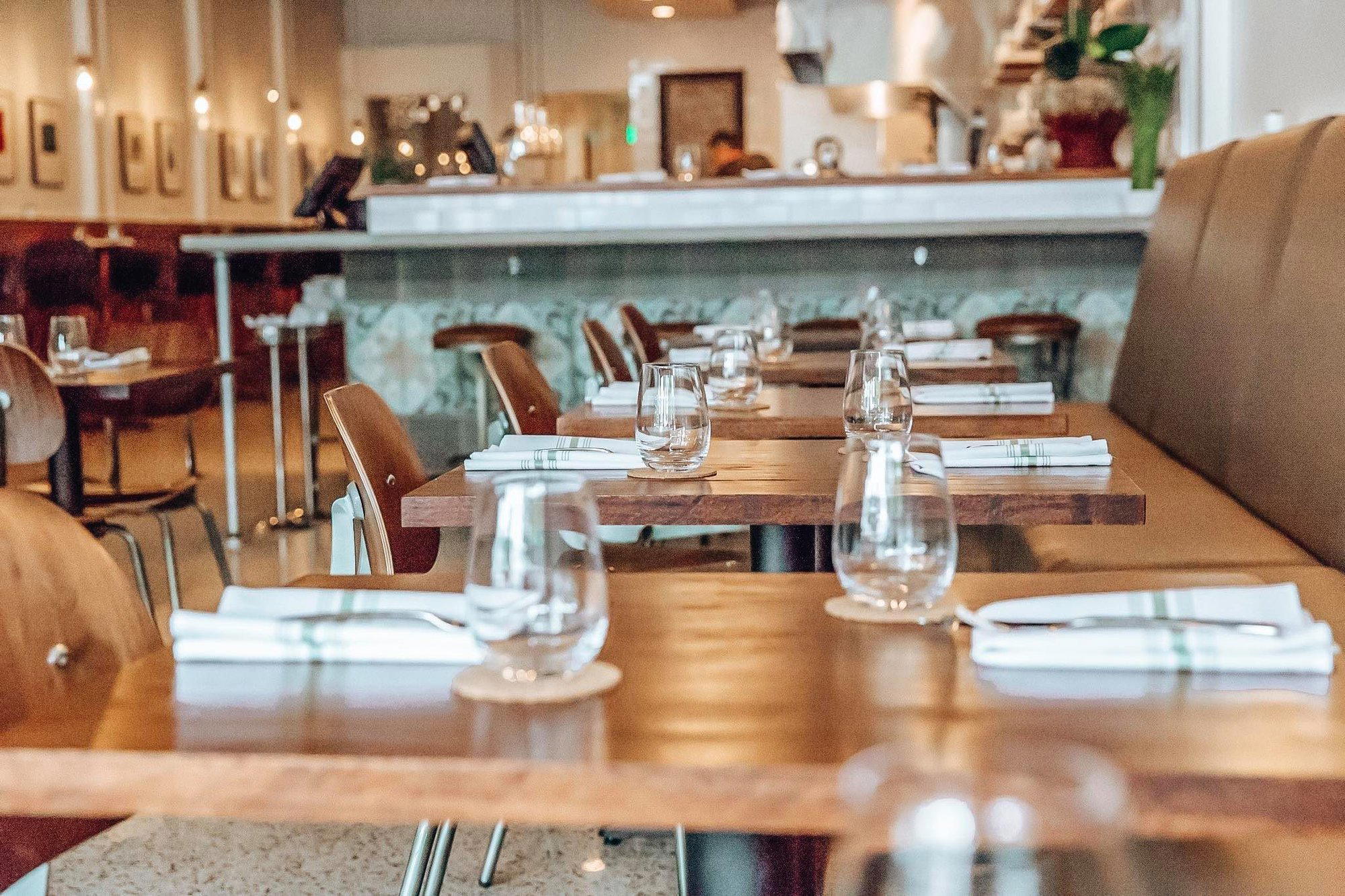
Main Street, Sarasota: Where the Dining Scene Has Quietly Shifted
Main Street in downtown Sarasota runs through a city that has spent the better part of two decades deciding what kind of food town it wants to be. The answer, increasingly, is a serious one. The corridor between Five Points and the waterfront has accumulated a concentration of independently operated restaurants that would register on the radar of any informed traveler passing through Florida's Gulf Coast. Lila, a Modern Farm-to-Table Vegetarian restaurant at 1576 Main St in Sarasota, sits within that corridor and benefits from the gravitational pull of a neighborhood that now attracts diners with specific intentions rather than those simply looking for somewhere to eat near the theater or the beach.
That distinction matters more than it might seem. Sarasota's dining scene has historically split along a familiar Florida fault line: waterfront venues oriented toward tourist traffic on one side, and a quieter inland layer of neighborhood regulars on the other. Main Street occupies an interesting middle position, accessible enough to draw visitors but grounded enough in local patronage that restaurants here tend to operate with a different set of priorities. The audience is more calibrated, and the competition sharper. Comparable independent operators on the same stretch, including Arts & Central and 1592, have helped establish expectations that push the overall standard upward.
The Wider Sarasota Context
Understanding Lila requires some familiarity with where Sarasota sits in the broader American fine dining conversation. It is not a city that appears on the shortlists alongside Le Bernardin in New York City or Alinea in Chicago, and it does not position itself that way. What it has developed instead is a cluster of independent restaurants operating with genuine ambition in a city whose cultural infrastructure, anchored by the Ringling Museum and a serious performing arts calendar, supplies a dining public that reads menus carefully and returns regularly.
That local sophistication has created conditions where restaurants like Alma de España and Amore Restaurant can sustain a level of culinary seriousness that smaller Florida markets rarely support. The comparison set for Lila is not the Gulf-front deck bars a few blocks west; it is the tighter cohort of independently operated Main Street operators who have collectively built something worth a planned visit rather than an opportunistic one.
What the Neighborhood Produces
The physical environment of Main Street Sarasota rewards a certain kind of restaurant. Storefronts here tend toward the compact and carefully fitted-out rather than the sprawling and theatrical. The pedestrian scale of the street, lined with low-rise commercial buildings and a consistent sidewalk life, creates an atmosphere more reminiscent of a European market town than the strip-mall dining that dominates much of coastal Florida. Restaurants that succeed here generally do so by developing a sense of place rather than importing a format wholesale from another city.
This is the context in which Lila operates. The address on Main Street places it within walking distance of the Sarasota Opera House and the broader downtown arts district, a geographic fact with practical implications: the pre-theater crowd is part of the week's rhythm, and evening pacing tends to reflect that. The neighborhood also has a seasonal dimension worth noting. Sarasota's winter population, which skews toward culturally engaged residents from northern cities, sharpens demand from roughly November through April. Those months represent peak competition for reservations across the Main Street corridor, and Lila is no exception.
The restaurants that have built loyal local followings, including 15 South by Napule, tend to fill weeks in advance during that window.
Placing Lila in the American Independent Dining Scene
The American restaurant scene has been sorting itself into clearer tiers over the past decade. At one end sit the nationally recognized destination restaurants, including The French Laundry in Napa, Single Thread Farm in Healdsburg, and Blue Hill at Stone Barns in Tarrytown, where the proposition is as much about an entire evening's experience as it is about individual dishes. At the other end, the casual neighborhood restaurant has proliferated in every American city. The interesting territory lies in between: independently operated, locally embedded restaurants with genuine culinary ambition that do not require a flight to experience.
That middle tier is where Sarasota's better Main Street operators compete, and where Lila sits. The comparison is not to Atomix in New York City or Providence in Los Angeles, nor to the beach-adjacent casual dining that defines a large portion of Florida's restaurant economy. It is to the cohort of serious independents in mid-sized American cities that have built a reputation strong enough to warrant a dedicated visit: places like Addison in San Diego in terms of regional ambition, or Emeril's in New Orleans in terms of local anchoring. And for contrast with what international-level ambition looks like at a different scale, 8 1/2 Otto e Mezzo Bombana in Hong Kong and Lazy Bear in San Francisco offer useful reference points for where that ceiling sits.
The restaurants that thrive in this middle tier tend to share a few characteristics: a defined culinary point of view, a room that rewards lingering, and a service approach calibrated to repeat visitors rather than first-timers. They also tend to be the places that locals defend most fiercely against any suggestion that their city lacks a serious food culture. In Sarasota, that defensiveness is increasingly backed by evidence. Also worth considering on the same evening-out axis: The Inn at Little Washington in Washington, which illustrates how far that independent-restaurant ambition can travel when sustained over decades.
Planning a Visit
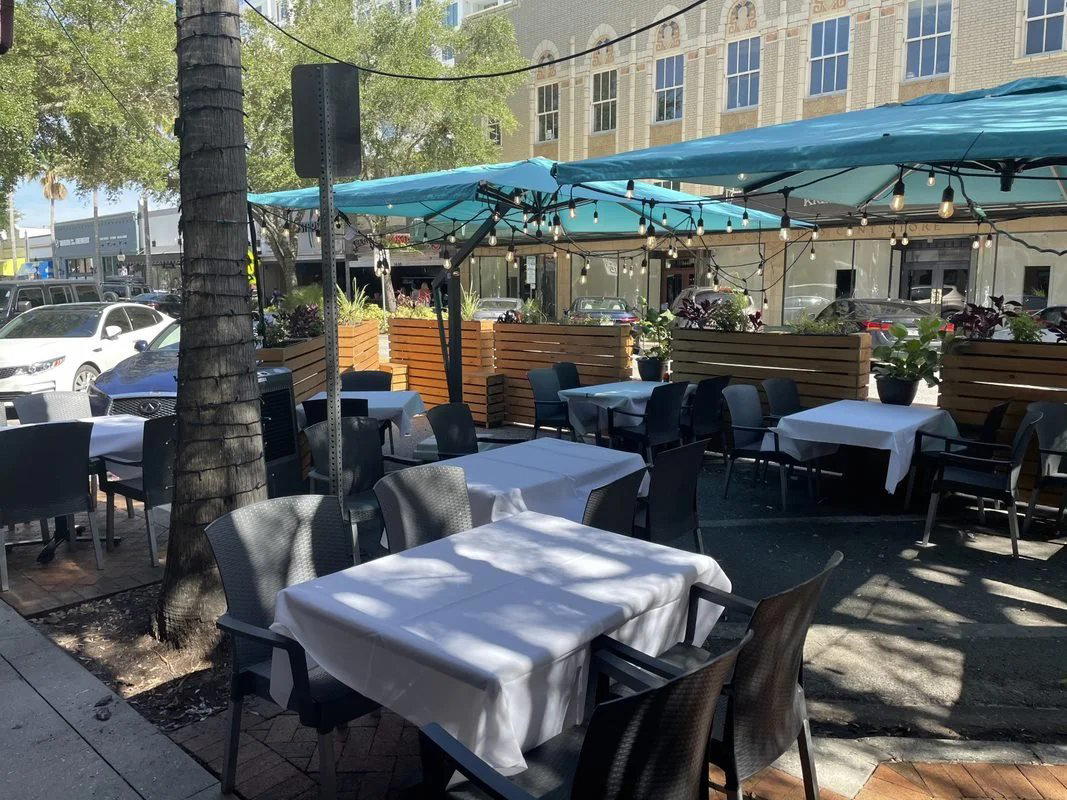
For visitors to Sarasota, the Main Street corridor is the logical anchor for an evening meal. The compact geography means that a restaurant on this stretch is walkable from most downtown accommodation and from the performing arts venues that anchor the city's cultural calendar. The restaurants here, including Lila, are suited to a slower pace. The neighborhood rewards a slower pace, and the clientele reflects that preference.
The Minimal Set
Comparable venues nearby, for context on price, style, and recognition.
| Venue | Cuisine | Price | Notes |
|---|---|---|---|
| LilaThis venue — the venue you are viewing | Not listed | $$$ | Not listed |
| Evoq | Not listed | $$$ | Downtown Sarasota, Modern American with Florida Flair |
| Fork And Hen | Downtown, Modern Southern Soul Food | $$$ | Not listed |
| GREEN ZEBRA CAFE | Downtown, Healthy American Cafe | $$ | Not listed |
| Cafe Amici | Not listed | $$$ | Downtown Sarasota, Traditional Regional Italian |
| Baker & Wife | Not listed | $$ | Southgate, Globally-Inspired American Fusion |
At a Glance
- Rustic
- Modern
- Whimsical
- Industrial
- Date Night
- Casual Hangout
- Open Kitchen
- Farm To Table
- Organic
- Local Sourcing
Current opening hours
- Monday
- Closed
- Tuesday
- 11 AM–9 PM
- Wednesday
- 11 AM–9 PM
- Thursday
- 11 AM–9 PM
- Friday
- 11 AM–9 PM
- Saturday
- 10:30 AM–9 PM
- Sunday
- 10:30 AM–9 PM
Hours can change for holidays and private events. Last verified .
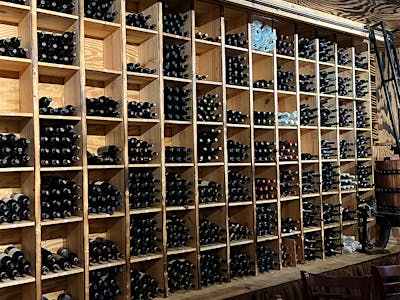
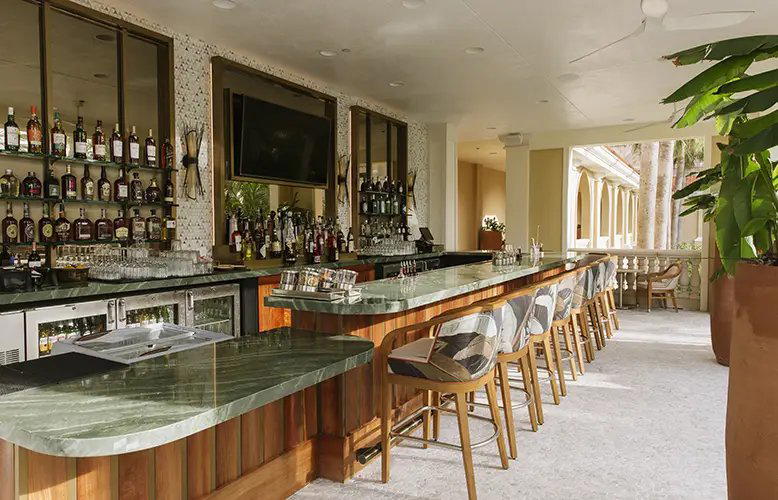
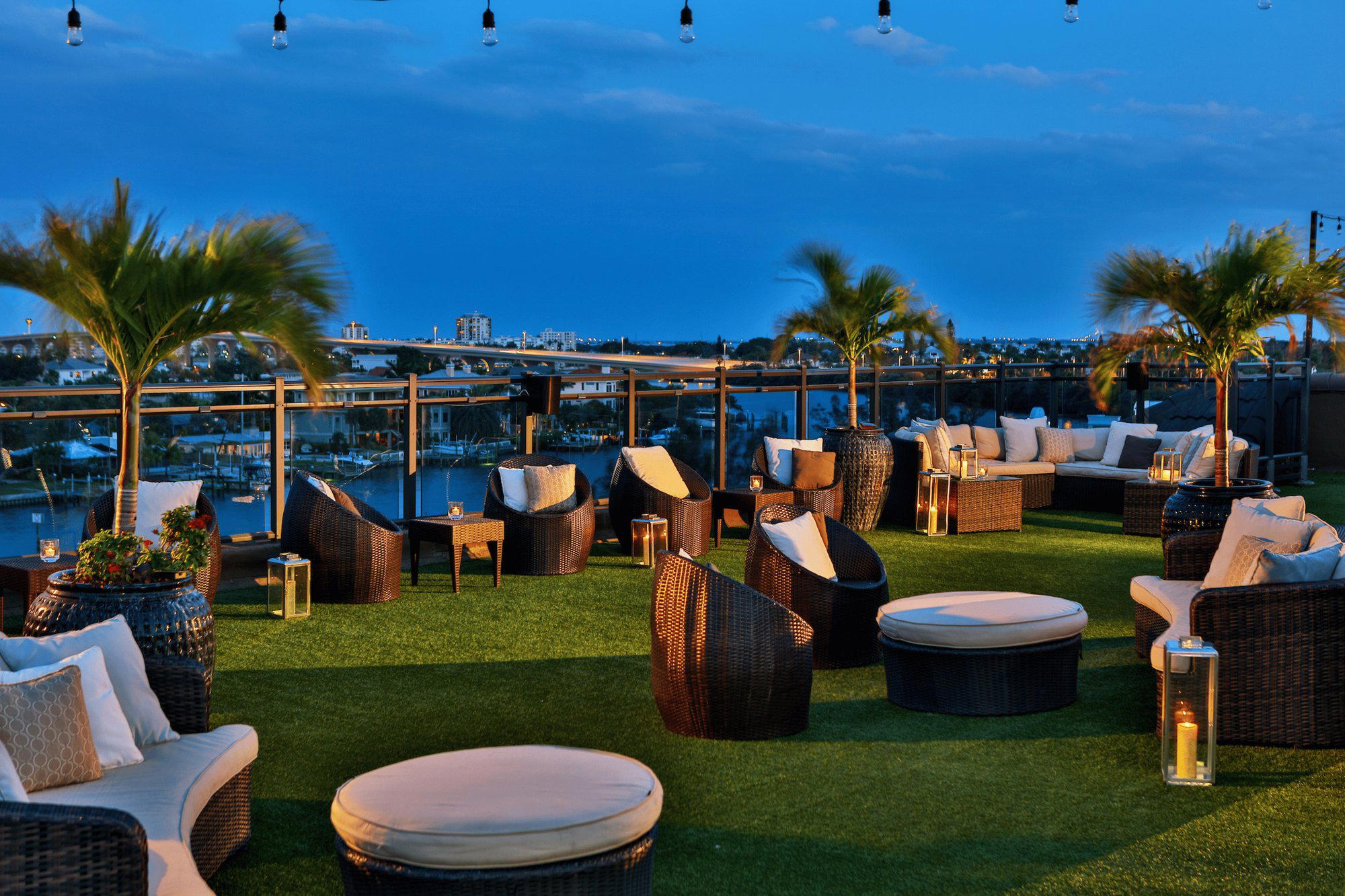
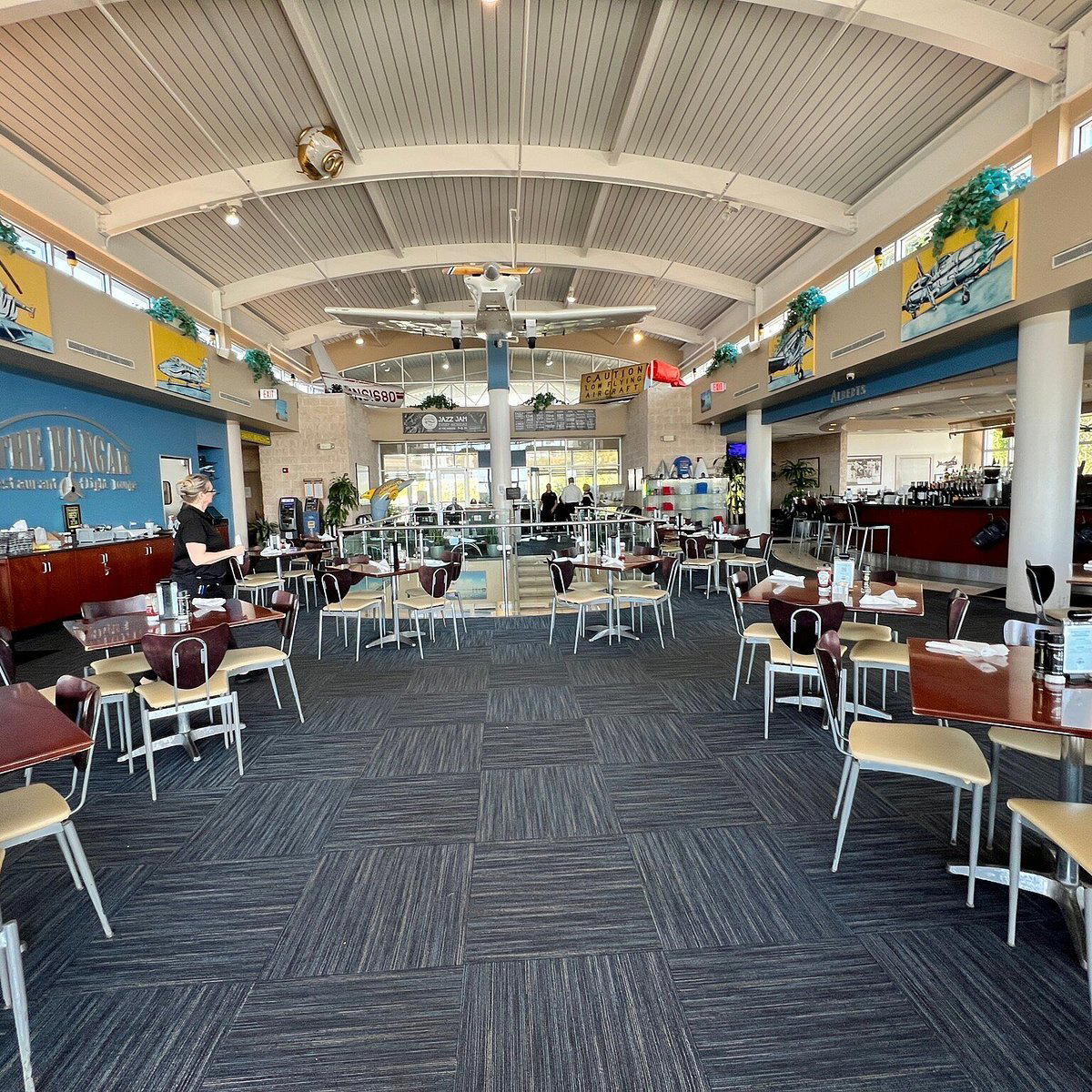
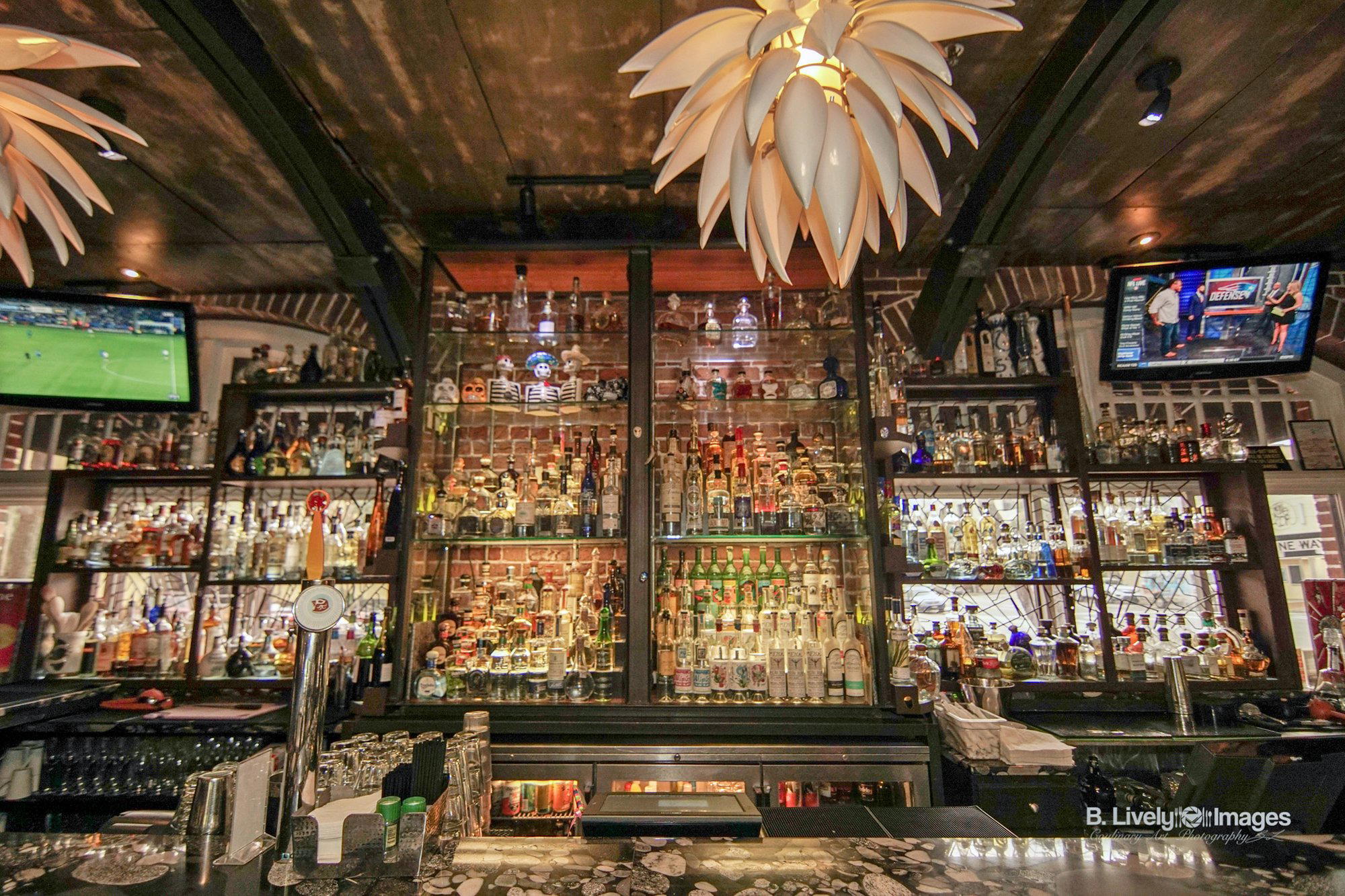
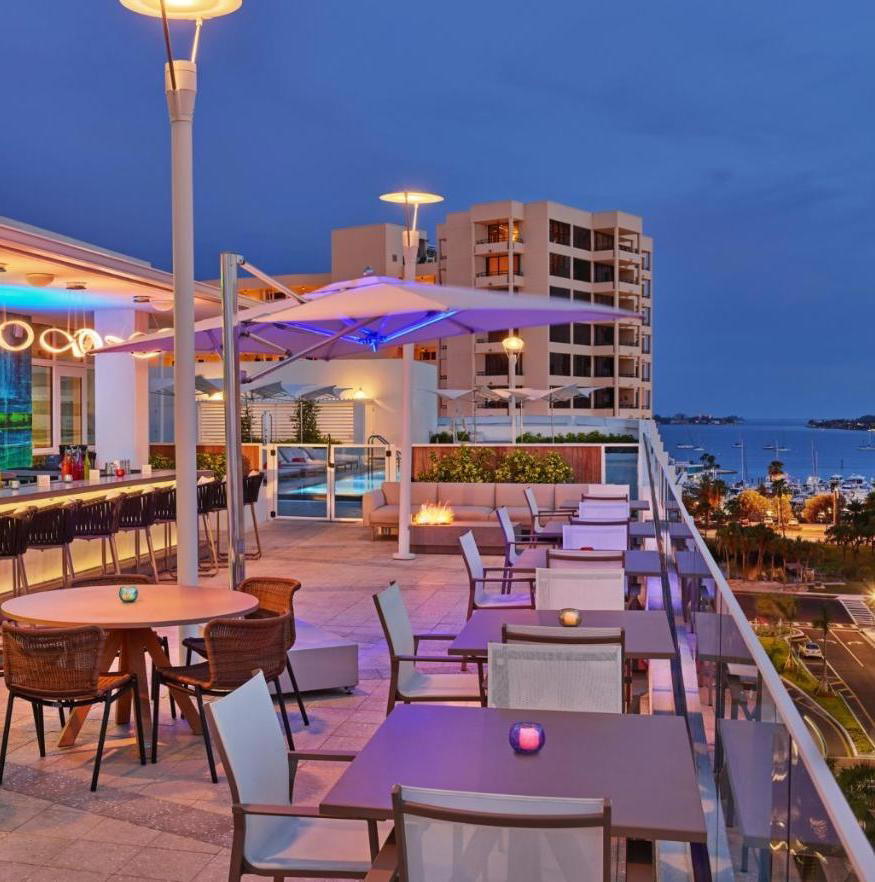
Industrial-chic setting with exposed ceilings, open kitchen, and rustic vibe featuring lovely fresh flowers on tables.