
A Michelin Bib Gourmand recipient since 2025, Liang Chia Pig Knuckle has held a loyal following in Kaohsiung's Sanmin District for over two decades. The draw is a ham hock braised in spices and Chinese herbs, served with an amber sauce and Hualian steamed rice, a format that represents one of southern Taiwan's most practised bowl traditions. Prices sit at the lower end of the city's recognised dining circuit.
Pearl is the En Primeur Club membership app — saves, bookings, and concierge access live there. Same editors, same standards.
- Address
- No. 229號, Yangming Rd, Sanmin District, Kaohsiung City, Taiwan 807
- Phone
- +886 7 392 5533
- Website
- facebook.com
- Directions
- Get directions
 Saves & bookings on Pearl
Sanmin District and the Discipline of the Braised Bowl
Liang Chia Pig Knuckle is a modern Taiwanese pig knuckle restaurant in Kaohsiung's Sanmin District, recognized with a Michelin Bib Gourmand in 2025. Yangming Road in Kaohsiung's Sanmin District is the kind of street that rewards the visitor who arrives on foot, at midday, without a reservation. The area sits away from the harbour promenade and the tourist circuits concentrated around the Pier-2 Art Center, and the dining character here is shaped not by foot traffic or Instagram geography but by a decades-old neighbourhood rhythm. Stools are pulled tight to low tables. Ceramic bowls arrive quickly. The transaction is functional, the food is not.
In that context, Liang Chia Pig Knuckle occupies a position that says something about how southern Taiwanese street food sustains itself: not through reinvention, but through refinement of a single, fixed format over time. The shop has been operating for over 20 years, and the 2025 Michelin Bib Gourmand recognition confirms what the lunch queue has long signalled.
Braising as a Tradition, Not a Trend
Across southern Taiwan, the braised pork bowl is a category with clear hierarchy. At one end sit the lu rou fan counters, minced, soy-dark, served over white rice, which appear at almost every traditional market from Tainan to Kaohsiung. At the other end are the pig-knuckle specialists, where the cut requires longer preparation time, more precise control of the braising liquid, and a more deliberate approach to aromatics. Liang Chia works a different register entirely, scaling up to ham hock and pushing the cooking deeper into the Chinese-herb-and-spice spectrum.
The preparation here uses a marinade built around spices and Chinese herbs, each contributing to a braising liquid that develops over repeated use. The result is the glistening amber sauce that arrives at the table, carrying both the fat-rendered richness of the knuckle and the accumulated depth of the spice base. A peppery finish follows, which cuts through what would otherwise be a bowl that leans too heavily into sweetness and fat.
The rice itself matters here in a way that speaks to a broader sourcing discipline. This is not a decorative detail. In a bowl where the sauce is assertive, the quality of the rice determines whether the dish holds together or collapses into richness. Julienned bamboo shoots, served crispy, provide the structural contrast, a textural counterweight that reflects a kitchen thinking carefully about balance within a format that could easily tip toward the.
The Whole Menu and How It Fits Together
Pig-knuckle rice anchors the kitchen's identity, but the menu extends into two other areas worth attention. Marine fish, cooked to order, represent a separate strand of the offer, one that speaks to Kaohsiung's port-city access to fresh catch, and to a kitchen that sources proteins with some care rather than defaulting entirely to the braised format. The fish preparation is demand-led, which in practice means what arrives reflects what was available that day, a model that reduces waste and aligns with how many of the city's long-standing small-eats counters have operated across generations.
Pork bone broth, served with noodles, draws its depth from the same kitchen logic that drives the pig-knuckle preparation: long cooking time, accumulated base, vegetable sweetness used to lift rather than mask the primary flavour. The umami in the broth is not manufactured by additive; it comes from the bones themselves, which is why the texture registers differently from lighter noodle soups. For a format often positioned as a secondary order behind the rice bowl, this broth has earned a following in its own right among regular visitors.
Positioned within Kaohsiung's broader small-eats circuit, Liang Chia fits alongside places like Caizong Li represents a comparable commitment to format specificity at the city's street level. This is a different competitive set than the city's full-service dining tier, where JL Studio in Taichung or logy in Taipei operate under entirely different structural logic. Michelin's Bib Gourmand recognition signals high execution and accessible price.
Taiwan's small-eats tradition at its most practised can also be tracked through the Tainan circuit, A Hai Taiwanese Oden, A Ming Zhu Xing (Baoan Road), and A Wen Rice Cake all represent a similar ethos in the neighbouring city. The comparison is useful for understanding what makes Kaohsiung's version distinct: a port-city directness, less ceremony, and a greater emphasis on the richness of the braised protein rather than the delicacy of the preparation.
Planning Your Visit
Liang Chia Pig Knuckle operates in the price-bracket ($) that puts it within reach of any meal budget, a bowl here costs a fraction of what comparable craft and technique would command at a full-service counter. The address, No. 229 Yangming Road, Sanmin District, is accessible by Kaohsiung MRT with the nearest connections placing the walk at a manageable distance. Given the shop's two-decade presence and current Michelin recognition, midday queues are common, particularly on weekends; arriving before the lunch peak is the practical workaround. No advance booking system applies to operations of this format, so same-day, in-person is the only approach. Beyond Kaohsiung, A Cun Beef Soup (Baoan Road) in Tainan, Akame in Wutai Township, and Volando Urai Spring Spa & Resort in Wulai District offer reference points for the wider range of Taiwan's food-and-travel offer.
At-a-Glance Comparison
Comparable venues nearby, for context on price, style, and recognition.
| Venue | Cuisine | Price | Awards | Notes |
|---|---|---|---|---|
| Liang Chia Pig KnuckleThis venue — the venue you are viewing | Modern Taiwanese Pig Knuckle | $$ | Bib Gourmand | Not listed |
| Beef Chief (Zihciang 2nd Road) | Taiwanese Beef Hot Pot | $$ | Bib Gourmand | Qianjin District |
| Old New Taiwanese Cuisine (Jiuru 2nd Road) | Modern Taiwanese Omakase | $$ | Bib Gourmand | Sanmin |
| Simmer House | Chinese Double-Boiled Soups | $$ | Bib Gourmand | Cianjhen District |
| Mi Yuan Tzu Steamed Glutinous Rice | Traditional Taiwanese Sticky Rice | $ | Bib Gourmand | Xinxing District |
| Hu Dong Beef | Taiwanese Beef Hot Pot | $$ | Bib Gourmand | Hunei District |
Recognition history
Dated appearances from independent guides and award organizations, with the underlying list record or original source where available.
Michelin Bib Gourmand
Michelin
Michelin Bib Gourmand
Michelin
Michelin Bib Gourmand
Michelin
Continue exploring
More in Kaohsiung
Restaurants in Kaohsiung
Browse all →
Bars in Kaohsiung
Browse all →




At a Glance
- Quiet
- Elegant
- Intimate
- Sophisticated
- Special Occasion
- Date Night
- Chefs Counter
- Private Dining
Current opening hours
- Monday
- 10 AM–2 PM
- Tuesday
- 10 AM–2 PM
- Wednesday
- 10 AM–2 PM
- Thursday
- 10 AM–2 PM
- Friday
- 10 AM–2 PM
- Saturday
- 10 AM–2 PM
- Sunday
- Closed
Hours can change for holidays and private events. Last verified .
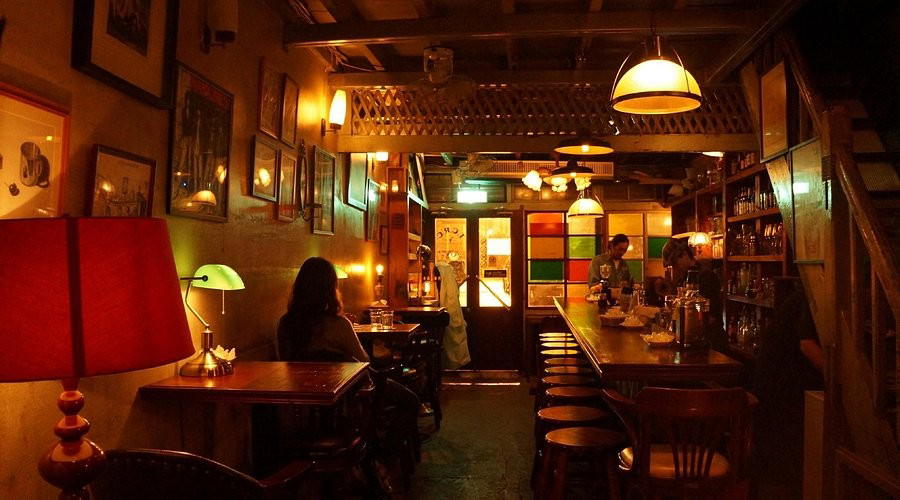
Muted tones, tactile textures, quiet confidence with aromas of simmered stock and toasted spice.