
Michelin Plate
Our verdict
Les Tilleuls occupies the communal square of Céroux with the kind of straightforward home cooking that earns a Michelin Plate not through technical spectacle but through honest execution.

Pearl is the En Primeur Club membership app — saves, bookings, and concierge access live there. Same editors, same standards.
- Address
- Pl. Communale 2, 1341 Ottignies-Louvain-la-Neuve, Belgium
- Phone
- +32 10 45 35 85
- Hours
- Mon 12–1:30 PM, 7–8:30 PMTue–Wed ClosedThu–Fri 12–1:30 PM, 7–9 PMSat 7–9 PMSun 12–1:30 PM
- Website
- tilleuls.be
- Directions
- Get directions
- Booking
- Book on Zenchef
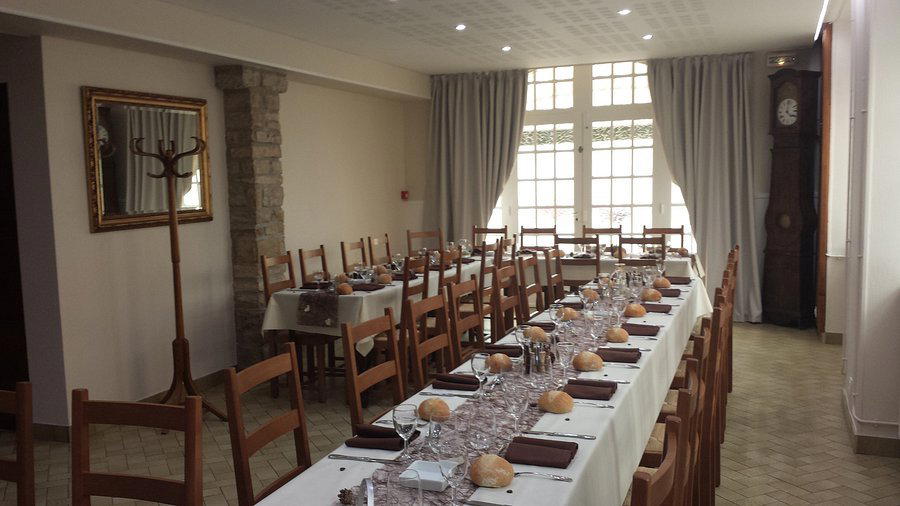
A Village Square and What It Produces
Belgium's dining culture has a long tradition of serious cooking in unassuming settings. The country's most decorated restaurants — the creative Flemish kitchens of the Flemish countryside, the classical French-Belgian institutions in Brussels — occupy one end of a broad spectrum. At the other end, and often overlooked in the conversation about Belgian gastronomy, are the village restaurants that anchor a community's relationship with food: places where the sourcing is local by default, the menu reflects what the season provides, and the cooking is answerable to a neighbourhood audience rather than a touring critic circuit. Les Tilleuls, on the communal square of Céroux in the Ottignies-Louvain-la-Neuve municipality, belongs to that second tradition.
The communal square setting is not incidental. In Walloon and Brabant villages, the place communale functions as the social fulcrum of the community, the weekly market, the church, the café, the restaurant. A restaurant on that square is embedded in local life in a way that a destination dining room on a country road cannot replicate. It means the clientele is predominantly residential, the rhythm is weekly rather than occasional, and the kitchen's accountability is direct and ongoing.
What Home Cooking Means at This Price Point
The designation "home cooking" carries specific implications when it appears in a Michelin-acknowledged context. The 2025 Michelin Plate, awarded to Les Tilleuls, signals that inspectors found cooking worth noting: food prepared with care and using quality ingredients, without the elaboration of a starred program. The Plate sits below the star tiers but above the background noise of regional dining, and in Belgium it tends to identify restaurants where classical technique is applied to domestic formats, stews, roasted meats, seasonal vegetables, rather than kitchens chasing international trends.
At the €€ price range, Les Tilleuls prices itself well below the four-symbol Belgian benchmark. Compare that to the €€€€ programs at venues like Boury in Roeselare or L'Eau Vive in Arbre, and the positioning becomes clear: this is cooking for regulars, not for occasions. That positioning is a deliberate choice with real consequences for how a kitchen sources and cooks. When the audience returns every two or three weeks, repetition is punished and consistency is rewarded. The kitchen cannot rely on the novelty of a first visit.
Sourcing and the Brabant Countryside
The Brabant Wallon region, where Céroux sits, is agricultural land interspersed with small towns and university infrastructure from Louvain-la-Neuve. It is not a gastronomic marquee region in the way Bruges or Ghent are discussed in international food coverage, but it has a functional agricultural supply chain that village restaurants have historically drawn on: market gardens, small livestock operations, artisan producers supplying the regional circuit rather than export channels. Home cooking restaurants at this level tend to work with that supply chain not as a marketing point but as a practical one, local sourcing at the €€ price tier is often more economical than importing premium product from elsewhere.
This matters because the ingredient sourcing defines what ends up on the plate. Seasonal Brabant vegetables, domestic poultry and pork, freshwater fish from the river systems of the Gette and the Dyle, these are the building blocks of a regional home cooking tradition that predates any contemporary locavore trend. A Michelin Plate recognition in this context is a validation of that tradition rather than a signal of ambition toward starred cooking. For context on how Belgian home cooking sits within the broader national dining conversation, see Bozar Restaurant in Brussels and the creative Flemish benchmark set by Hof van Cleve in Kruishoutem, both represent a different tier entirely, but they anchor the national frame within which a village plate-holder operates.
For international comparisons in the home cooking category specifically, Bick Stuff in Luxembourg and Del Oso in Cosgaya represent how similar regional-domestic formats operate in neighbouring countries, the format varies, but the principle of cooking rooted in local supply and household technique is consistent across the type.
Who Eats Here and When
Here, it reflects accumulated local trust.
Céroux is accessible from Ottignies train station on the Brussels-Namur rail corridor, which makes it reachable from both cities within forty minutes without a car. For visitors to the Louvain-la-Neuve area, whether for university events, the nearby science park, or the broader Brabant Wallon countryside, Les Tilleuls represents a grounded alternative to the campus-adjacent hospitality of the new town. Booking ahead is advisable for weekend service given the local following, though the restaurant's communal-square position suggests it handles walk-in trade during the week.
For a fuller picture of what the region offers beyond a single meal, the Céroux restaurants guide covers the local dining circuit, while the Céroux hotels guide addresses accommodation for those combining a meal with an overnight stay. The bars guide, wineries guide, and experiences guide complete the picture for a longer visit to the area.
Where It Sits in the Belgian Dining Map
Belgium's Michelin-acknowledged restaurant tier is denser than most of Western Europe relative to population, which means a Plate recognition does genuine differentiating work. Of the comparison set relevant to Wallonia and Brabant, venues like d'Eugénie à Emilie in Baudour, Bartholomeus in Heist, or Sir Kwinten in Sint-Kwintens-Lennik, Les Tilleuls occupies the most accessible price point while retaining external recognition. That combination is not common.
The broader Walloon home cooking tradition also connects to restaurants like Ralf Berendsen in Neerharen and La Durée in Izegem, where regional identity drives the menu rather than international reference points. In Flanders, the four-symbol circuit dominates critical attention; in Wallonia, the village restaurant playing its own game tends to attract less press but often more consistent local support. Les Tilleuls, with its communal square address, Michelin Plate, and strong community review base, represents that pattern at its most coherent.
Planning a Visit
Les Tilleuls is located at Pl. Communale 2 in Céroux, within the Ottignies-Louvain-la-Neuve municipality. The €€ pricing makes it one of the more accessible Michelin-acknowledged addresses in Brabant Wallon. Given the local demand and limited table count typical of village squares restaurants of this type, advance booking for weekend service is advisable.
Frequently asked questions
Is Les Tilleuls a family-friendly restaurant?
The €€ price point and village square address at Pl. Communale 2 in Céroux place Les Tilleuls firmly within Belgium's accessible, neighbourhood dining tradition. Home cooking as a cuisine designation reinforces a format suited to family meals rather than formal occasion dining. The 2025 Michelin Plate signals consistent quality without the ceremony of a starred room.
What is the atmosphere like at Les Tilleuls?
Sitting on the communal square in Céroux, the address shapes a neighbourhood dynamic rather than a destination one. At €€ pricing with a Michelin Plate, the room likely draws a local regular crowd alongside visitors from the wider Ottignies-Louvain-la-Neuve municipality. That combination tends to produce a relaxed, low-formality atmosphere in the Belgian village restaurant tradition.
What's Les Tilleuls known for in terms of accolades?
Les Tilleuls has received recognition including: Michelin Plate (2025).
What do regulars order at Les Tilleuls?
Michelin Plate recognition in a home cooking context points toward well-sourced, simply executed Belgian classics rather than elaborate tasting menus. The Brabant Wallon region's agricultural surroundings make seasonal, produce-led dishes a reasonable expectation at this price tier. For specific current dishes, contacting the restaurant directly is the most reliable approach.
Side-by-Side Snapshot
Comparable venues nearby, for context on price, style, and recognition.
| Venue | Cuisine | Price | Awards | Notes |
|---|---|---|---|---|
| Les TilleulsThis venue — the venue you are viewing | Modern French Bistro | $50–100 | Michelin Plate | Not listed |
| Flamme | Wood-Fired Country Cooking | $30–50 | Michelin Plate | Saint-Gilles |
| De Mayeur - Patrick Vandecasserie | French | Not listed | Michelin Plate | Ruisbroek |
| Brasserie Fiston | Classic French-Belgian Brasserie | Not listed | Michelin Plate | Varsenare |
| Salto! | French-Italian Bistro | Not listed | Michelin Plate | historic center |
| Les Terres D’ici | French Farm-to-Table Buffet | $30–50 | We're Smart World 4 Radishes | La Hulpe |
Recognition history
Dated appearances from independent guides and award organizations, with the underlying list record or original source where available.
Michelin Plate
Michelin
Full recognition history (2 entries)
Michelin Plate
Michelin
Continue exploring
More in Céroux
Restaurants in Céroux
Browse all →
Bars in Céroux
Browse all →
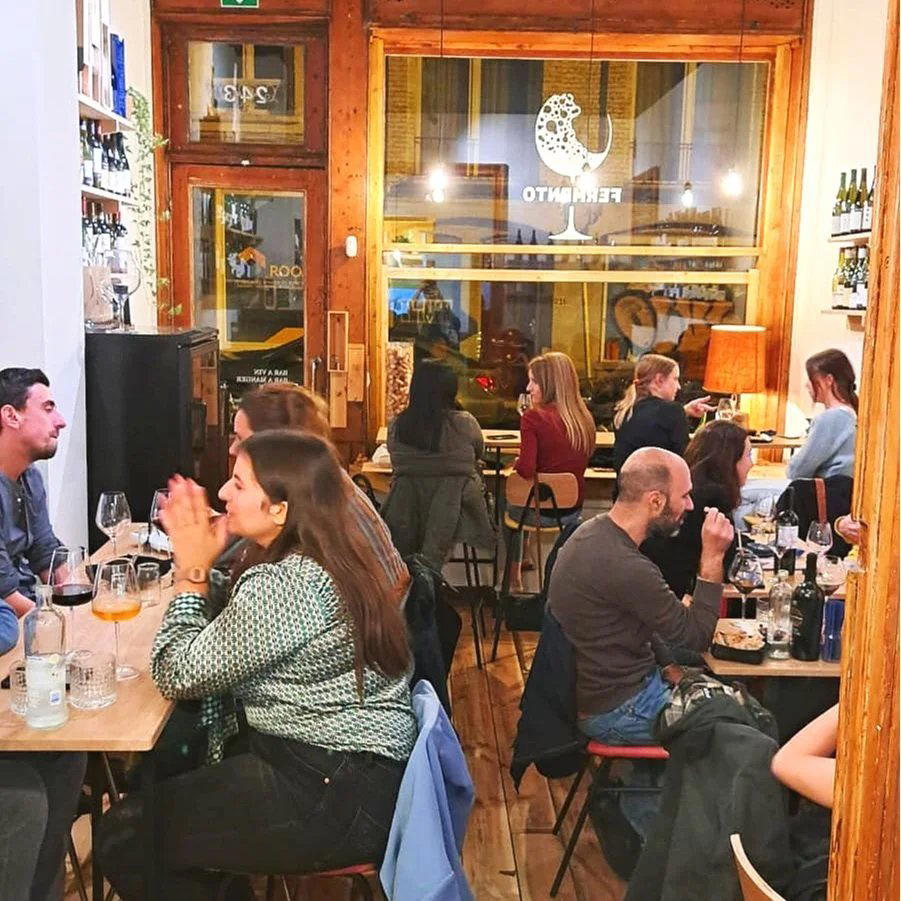
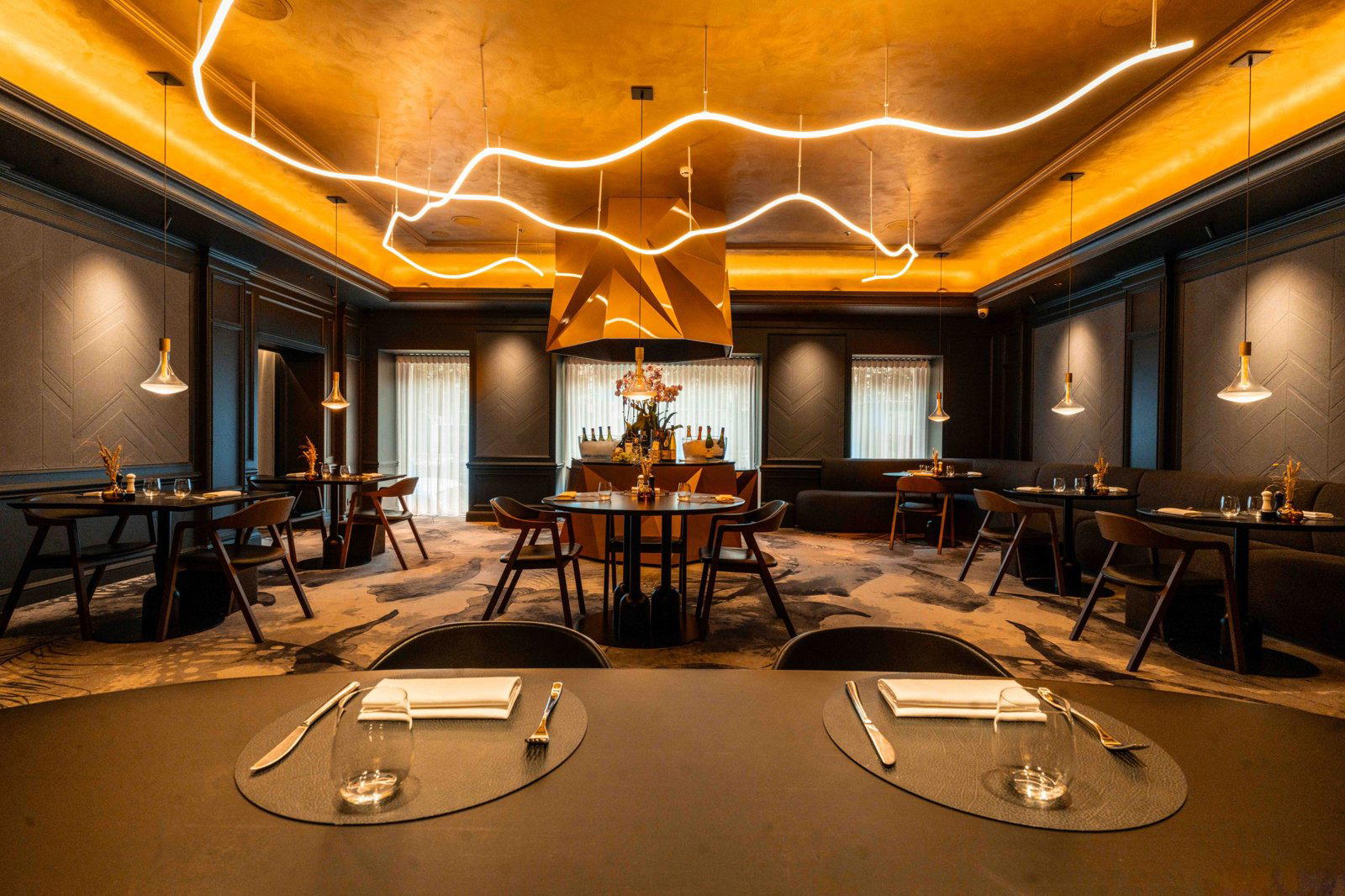
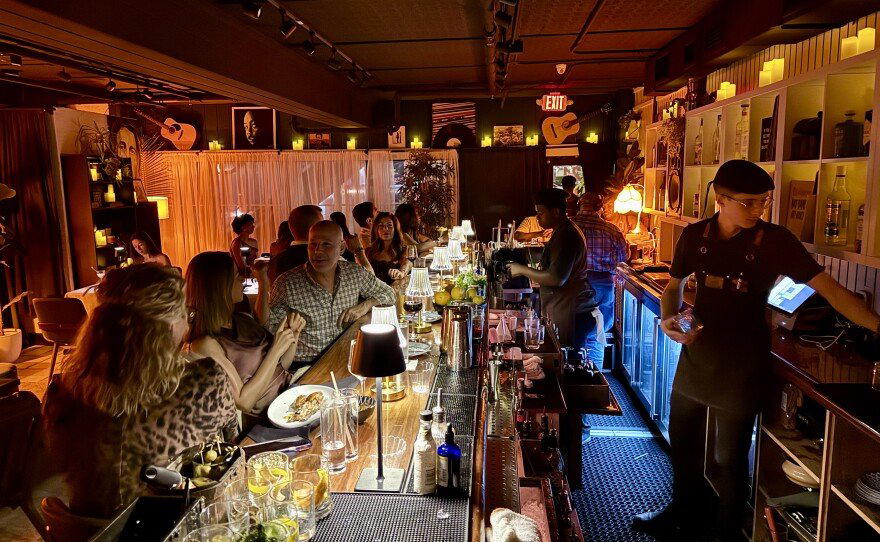
Hotels in Céroux
Browse all →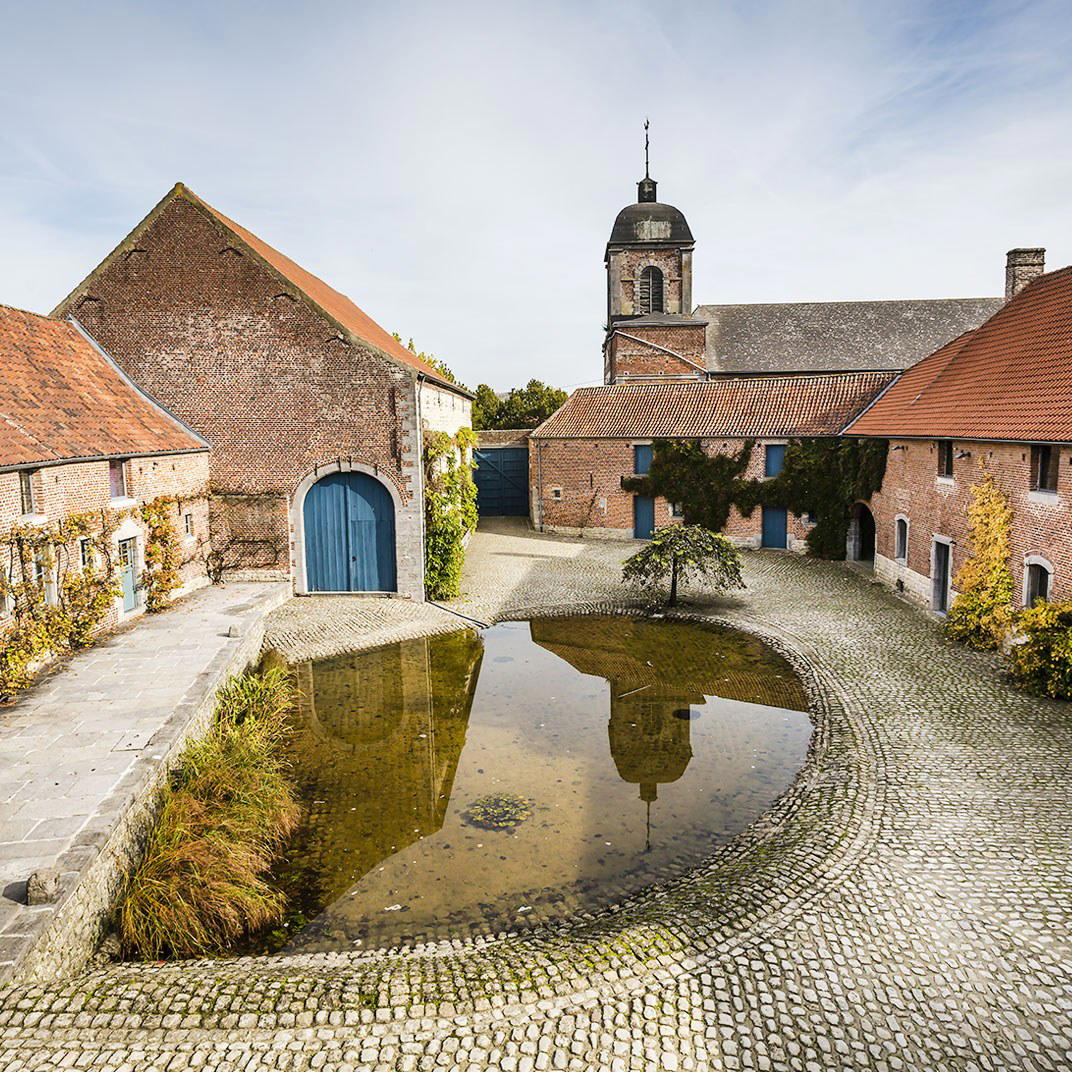
Wineries in Céroux
Browse all →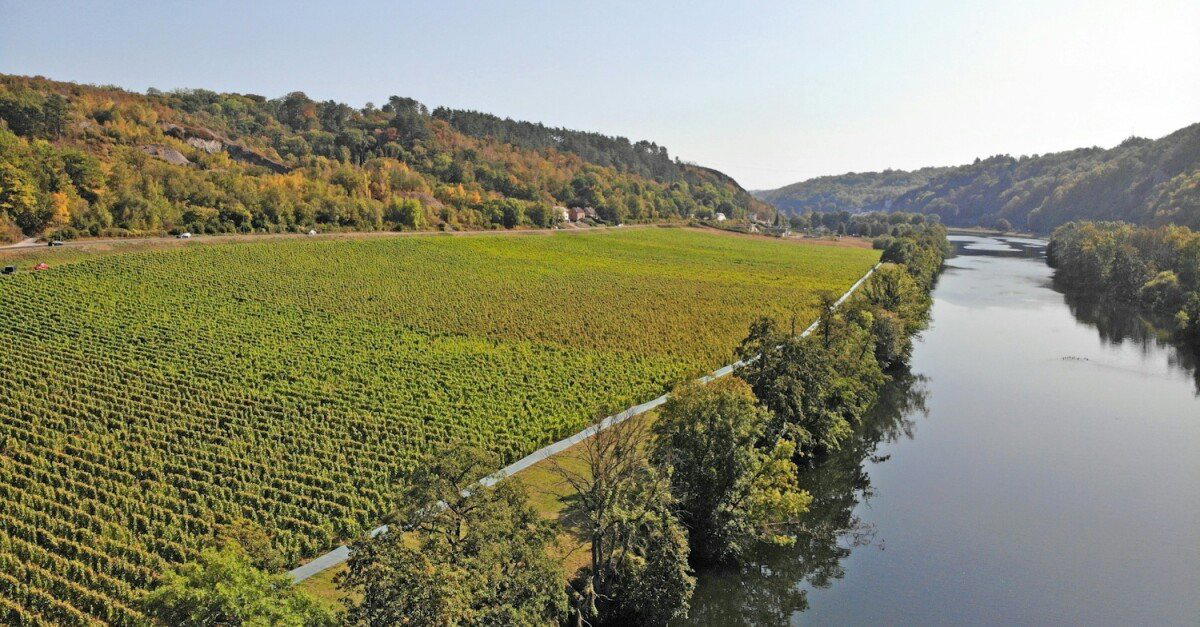
Details
- Cozy
- Classic
- Intimate
- Date Night
- Family
- Business Dinner
- Terrace
- Historic Building
- Extensive Wine List
- Local Sourcing
- Street Scene
- A La Carte
Current opening hours
- Monday
- 12–1:30 PM, 7–8:30 PM
- Tuesday
- Closed
- Wednesday
- Closed
- Thursday
- 12–1:30 PM, 7–9 PM
- Friday
- 12–1:30 PM, 7–9 PM
- Saturday
- 7–9 PM
- Sunday
- 12–1:30 PM
Hours can change for holidays and private events. Last verified .
Cozy and intimate with good table spacing for privacy, modern and warm decor in a charming village square setting.