Our verdict
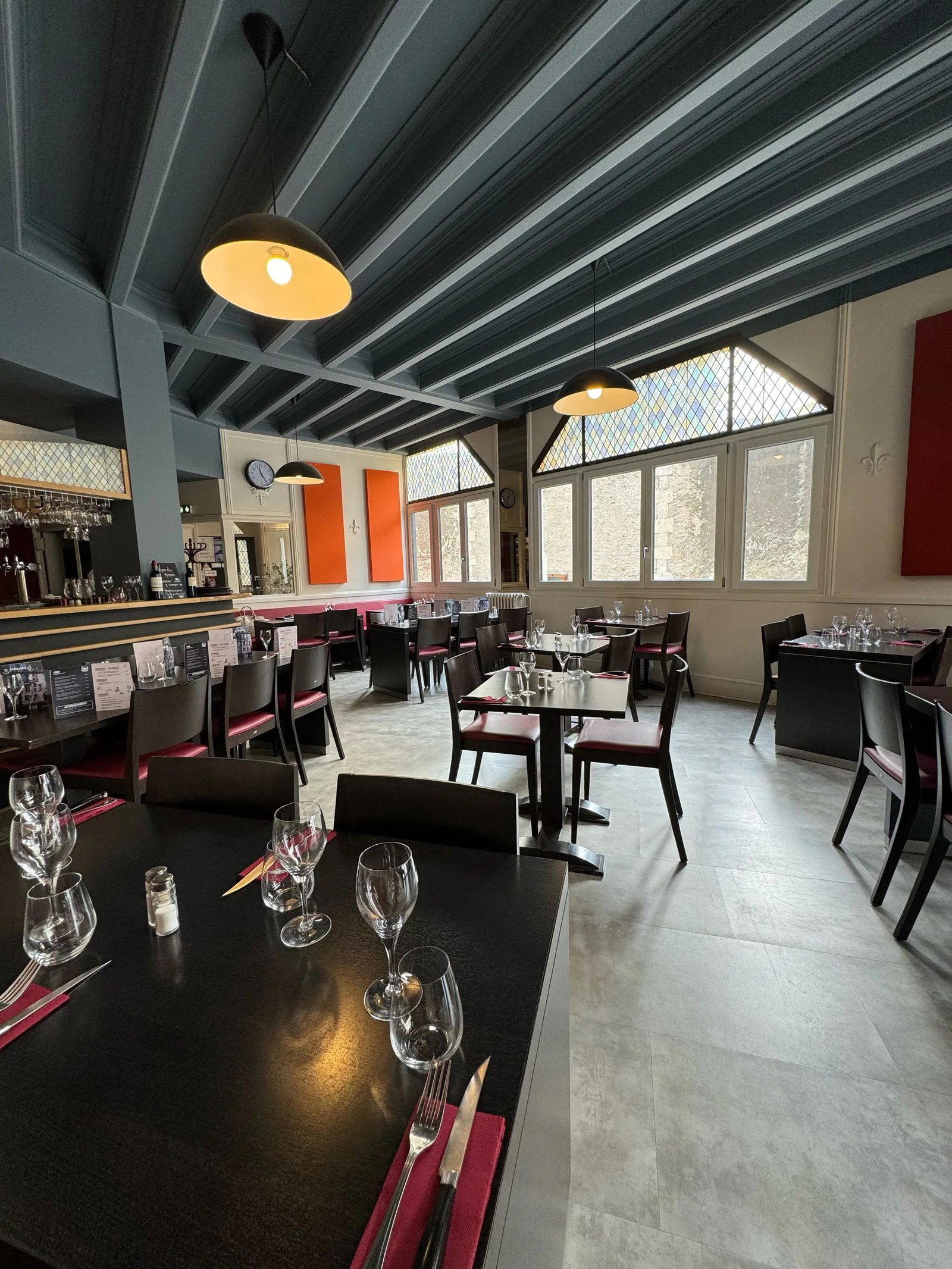
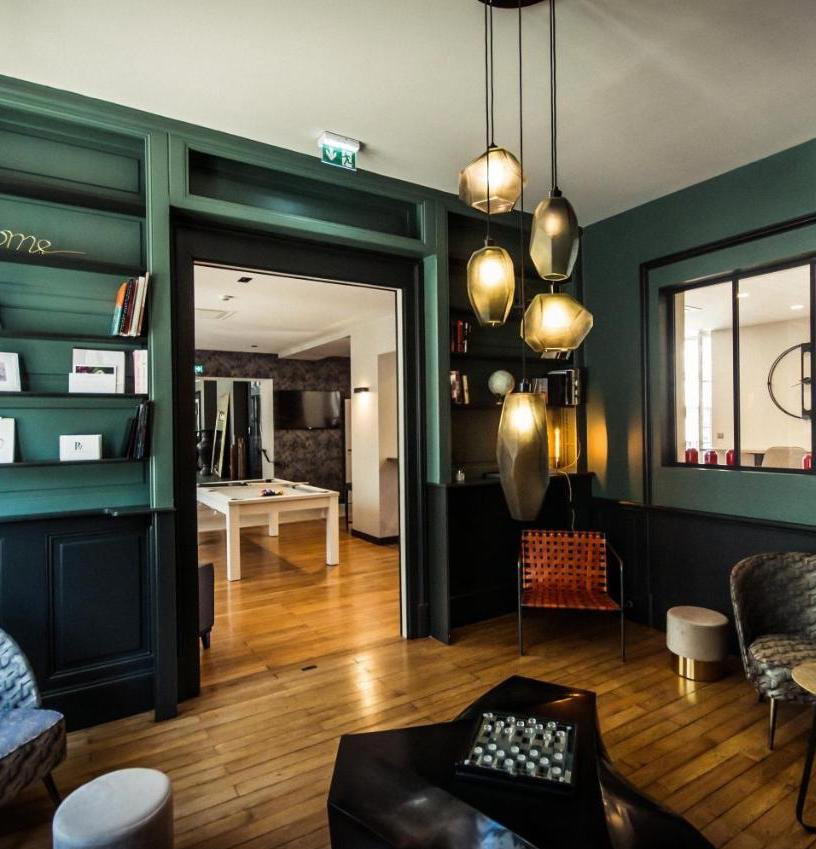
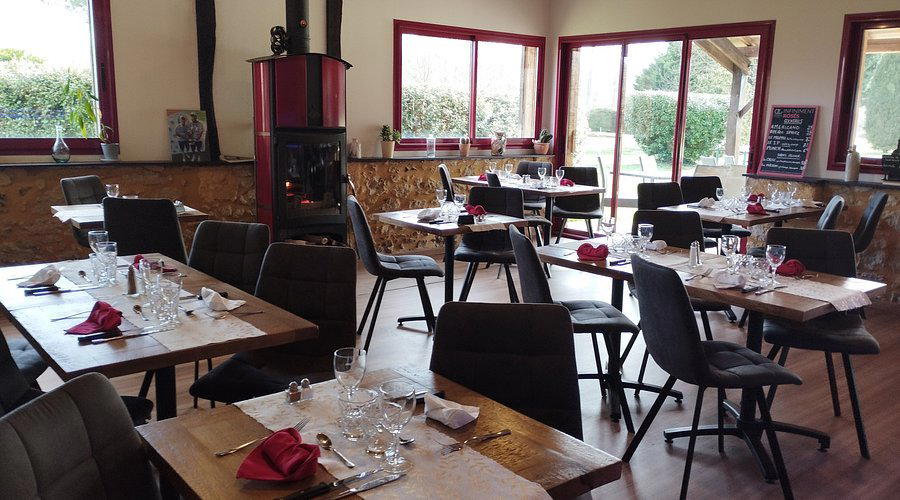
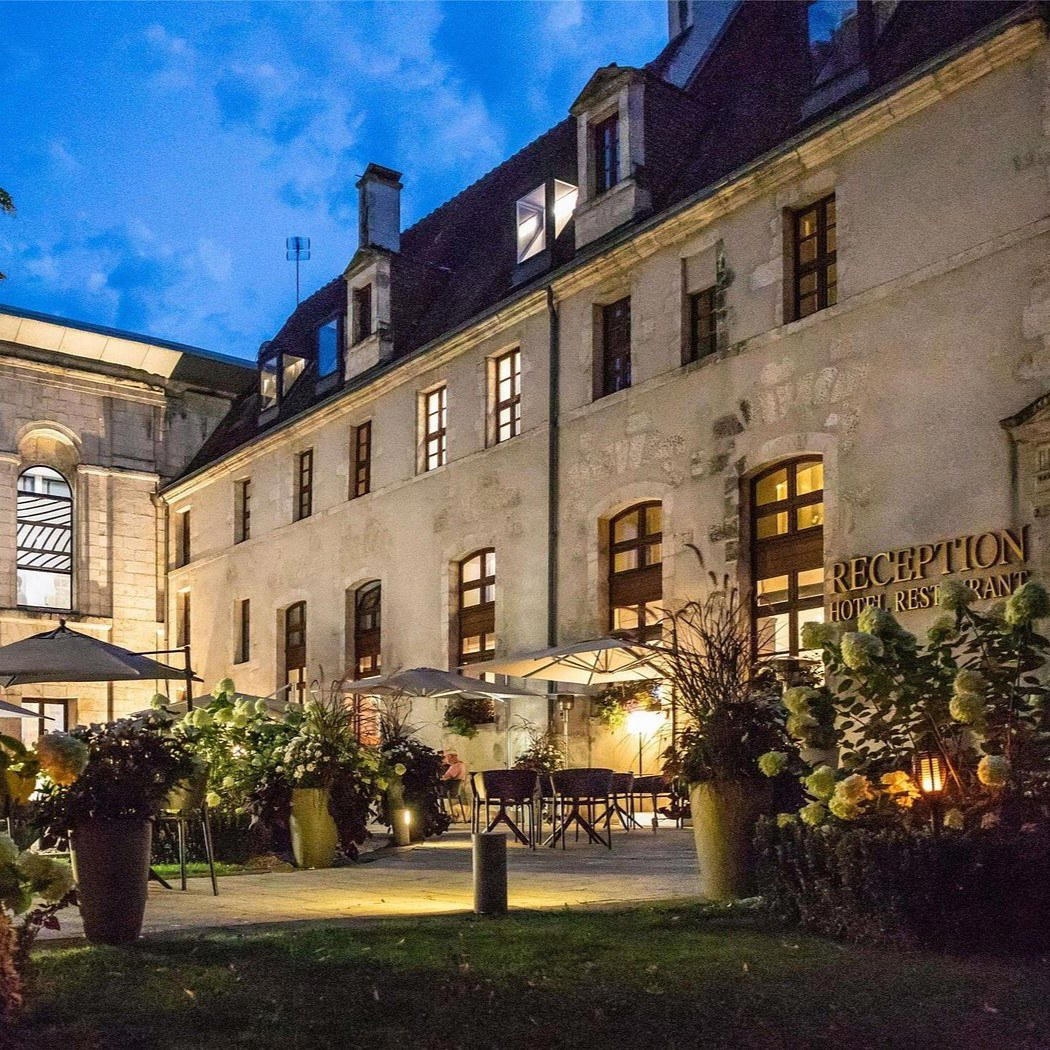
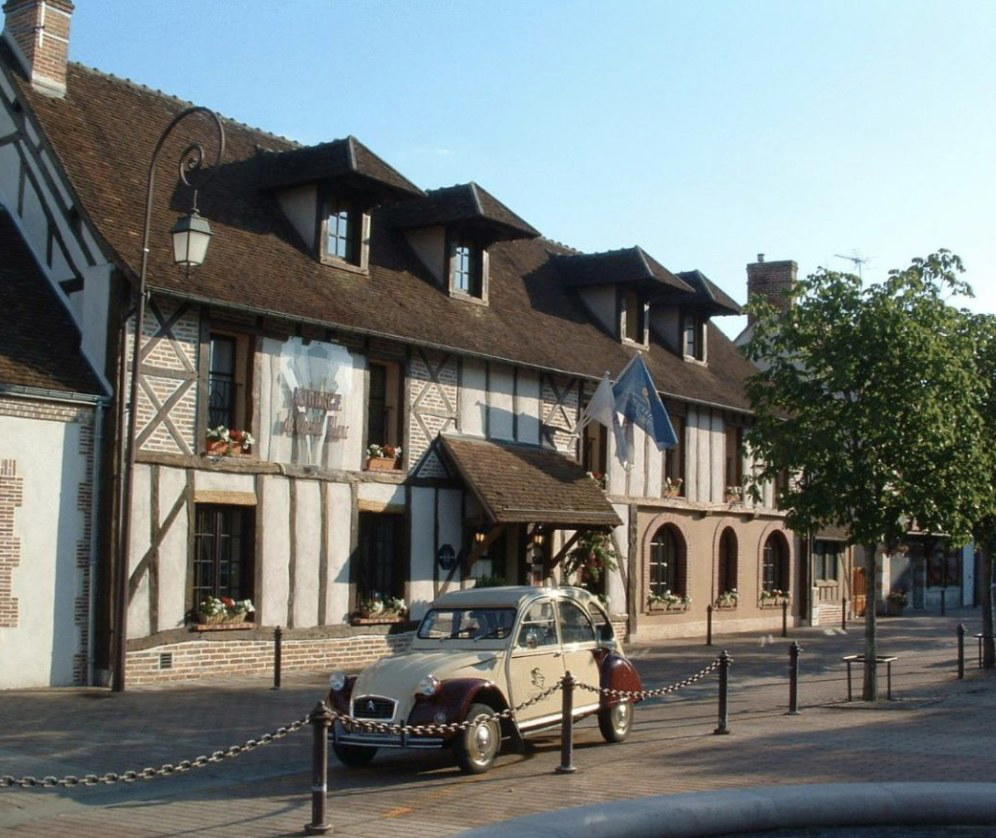
Chez Jacques runs as a traditional French brasserie in a historic building on Place Jacques Cœur, with an extensive wine list and a street-scene terrace for lunch or dinner.

Pearl is the En Primeur Club membership app — saves, bookings, and concierge access live there. Same editors, same standards.
- Address
- 3 Pl. Jacques Cœur, 18000 Bourges, France
- Phone
- +33248240137
- Hours
- Mon–Tue 12–2 PM, 7–10 PMWed 12–2 PMThu–Sat 12–2 PM, 7–10 PMSun 12–2 PM
- Website
- chez-jacques.fr
- Directions
- Get directions
- Booking
- Book on the venue's website
The menu
What to order
- Scallop_cassolette_au_gratin
- Beef_tartare
- Whole_roasted_veal_kidney
Place Jacques Coeur and the French Bistro Tradition
The square bearing Jacques Coeur's name sits at the civic heart of Bourges, framed by one of the finest Gothic cathedrals in France and the limestone facade of Coeur's own fifteenth-century palace. It is the kind of address that announces itself before you step inside anywhere. Chez Jacques occupies that address at 3 Place Jacques Coeur, and the location does considerable editorial work on the restaurant's behalf: you arrive already primed by the weight of the surroundings, and the transition into a dining room shaped by that same neighbourhood logic feels deliberate rather than incidental.
French provincial towns have sustained a particular kind of table for generations — not the grand-tasting-menu destinations that draw international press, but the rooted, lunch-anchored bistro that reflects the agricultural calendar of its region. Berry, the historic province surrounding Bourges, sits at France's geographical centre and has long maintained its own culinary identity: river fish from the Cher, lentils from the surrounding plains, lamb and pork from smaller farms inland. Any restaurant positioned on the city's most historically charged square inherits a certain obligation to that tradition, whether it honours it literally or places itself in deliberate contrast.
Bourges at the Table: Where Chez Jacques Sits in the City's Dining Pattern
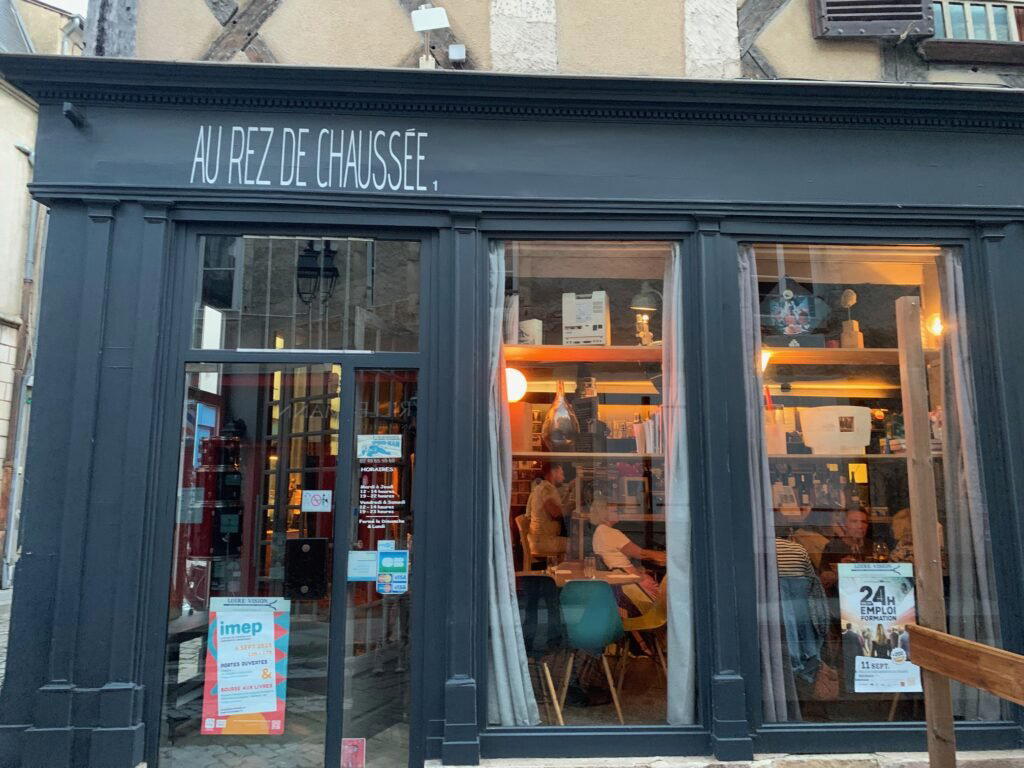
Bourges is not a city with a dense, competitive restaurant tier. Its dining options cluster into a readable set: a handful of modern-cuisine addresses, a longer list of neighbourhood bistros, and a smaller number of tables that occupy the tourist-facing historic centre. Chez Jacques belongs to that final category by geography, sharing the old-town circuit with addresses like Au Rez de Chaussee, L'Indigo, and La Pleine Lune. That positioning shapes the experience before the menu arrives: these are rooms where visitors to the cathedral or the palace find their way in for lunch, where the turnover reflects tourist rhythms as much as local habit.
The more technically ambitious end of Bourges dining is covered by addresses like La Suite and Le Beauvoir, the latter operating in the modern cuisine tier at the €€ price point and drawing a different, more locally rooted clientele. Chez Jacques does not compete in that register. Its value is of a different order, connected to place and convenience rather than culinary ambition, and that is a legitimate category in any city where most visitors arrive with the cathedral on their itinerary and an hour before their next train.
For a broader orientation across Bourges dining — from bistro to modern cuisine, our full Bourges restaurants guide maps the options by neighbourhood and format.
The Cultural Weight of a Central French Table
The bistro as a format has been declared dead and resurrected so many times in French food writing that the declaration itself has become a cliche. What has actually happened is more precise: the format survived wherever it was genuinely embedded in a local economy and declined wherever it became a theme. In central France, where agricultural production remains tied to regional identity, the bistro format carries more structural weight than in cities where it has been reduced to a design choice.
Berry's culinary tradition draws on ingredients with genuine geographic specificity. The Charolais cattle raised north of Bourges, the goat cheeses of the surrounding countryside, and the wines produced along the upper Loire, Sancerre and Menetou-Salon sit within forty kilometres of the city, give any serious regional table a strong raw material foundation. Whether Chez Jacques draws on those specifically is not information we hold, but the tradition exists and any table at this address operates within that inherited context, even if implicitly.
This regional embeddedness is what separates a table in provincial France from a French restaurant elsewhere. The kitchen at Alléno Paris au Pavillon Ledoyen or Le Bernardin in New York City may reference French technique at a higher level of refinement, but neither operates inside the agricultural and social system that gives provincial cooking its particular authority. Houses like Troisgros in Ouches, Bras in Laguiole, Auberge de l'Ill in Illhaeusern, or Les Prés d'Eugénie in Eugénie-les-Bains have built international reputations precisely by rooting themselves in a specific French province rather than reaching beyond it. Bourges does not have a table at that level of recognition, there is no Michelin-starred address in the city's current inventory, but the tradition that makes those houses legible is the same one Chez Jacques inherits by occupying its square.
Further afield, restaurants like Flocons de Sel in Megève, Mirazur in Menton, Paul Bocuse in Collonges-au-Mont-d'Or, La Table du Castellet, and Georges Blanc in Vonnas represent what happens when provincial rootedness meets sustained gastronomic ambition over decades. They are useful reference points for understanding the spectrum, not for comparison with what Chez Jacques offers. Even Lazy Bear in San Francisco, which operates at the opposite end of format and geography, shares the impulse to embed a table in a specific community's rhythm. That impulse is present at different intensities across the range.
Planning Your Visit
Chez Jacques sits at 3 Place Jacques Coeur in Bourges's historic centre, within comfortable walking distance of both the cathedral and the Palais Jacques Coeur. The square is the natural endpoint of any pedestrian itinerary through the old town, which makes the restaurant a practical lunch stop as much as a considered dining destination. The address is stable; the operational details are best confirmed at source.
Bourges is accessible by train from Paris-Austerlitz in approximately two hours, which makes it a viable day-trip or overnight from the capital. The historic centre is compact enough to cover on foot, and the cathedral, the palace, and the square itself form a natural circuit that takes the better part of a morning.
Frequently asked questions
Is Chez Jacques child-friendly?
A central civic square in a French provincial city like Bourges sets a particular tone: lunch here is a social institution, not a rushed affair, and the surrounding public space gives families room to breathe between courses. Nothing in the address or format signals an adults-only environment. That said, the pace of a traditional French lunch service — unhurried, structured — works better for children who can sit through a two-course meal than for those who cannot.
What's the overall feel of Chez Jacques?
The address on Place Jacques Coeur places the restaurant squarely in Bourges's tourist-facing historic core, flanked by the Gothic cathedral and the Palais Jacques Coeur. Expect a room shaped by that location: a mix of visiting travellers and local regulars, with the square's civic grandeur visible from the terrace or windows. The format reads as a French provincial bistro rather than a destination dining room.
Where exactly is Chez Jacques in Bourges, and how does the location relate to the city's main sights?
Chez Jacques is at 3 Place Jacques Coeur, the square named for the 15th-century merchant whose limestone palace stands on the same block. Bourges Cathedral, a UNESCO World Heritage site, is within comfortable walking distance — making this one of the few addresses in the city where you can combine a meal with two of the region's most significant historic monuments in a single afternoon.
What should I eat at Chez Jacques?
The culinary tradition of Berry, the region surrounding Bourges, leans on freshwater fish from the Cher and Yèvre rivers, goat's cheese from Sancerre country to the east, and slow-braised meat preparations rooted in agricultural Central France. A kitchen in this location and format would typically anchor its offer in that regional repertoire.
Where exactly is Chez Jacques?
Chez Jacques is located at 3 Pl. Jacques Cœur, 18000 Bourges, France, Bourges.
What's the best way to book Chez Jacques?
For a bistro on a major civic square in Bourges, walk-in lunch is often viable outside peak cathedral-season months, but dinner and weekend service at a central address in a small French city can fill quickly with local regulars. Checking directly via Google Maps or a local tourism office listing for Bourges is the most reliable route to current contact details.
Price Lens
Comparable venues nearby, for context on price, style, and recognition.
| Venue | Cuisine | Price | Awards | Notes |
|---|---|---|---|---|
| Chez JacquesThis venue — the venue you are viewing | Traditional French Brasserie | $30–50 | Not listed | Not listed |
| Made In Café | French Brasserie | $20–30 | Not listed | central Bourges, French Brasserie |
| Au Rez de Chaussee | Modern French Bistro | $30–50 | Not listed | centre historique, Modern French Bistro |
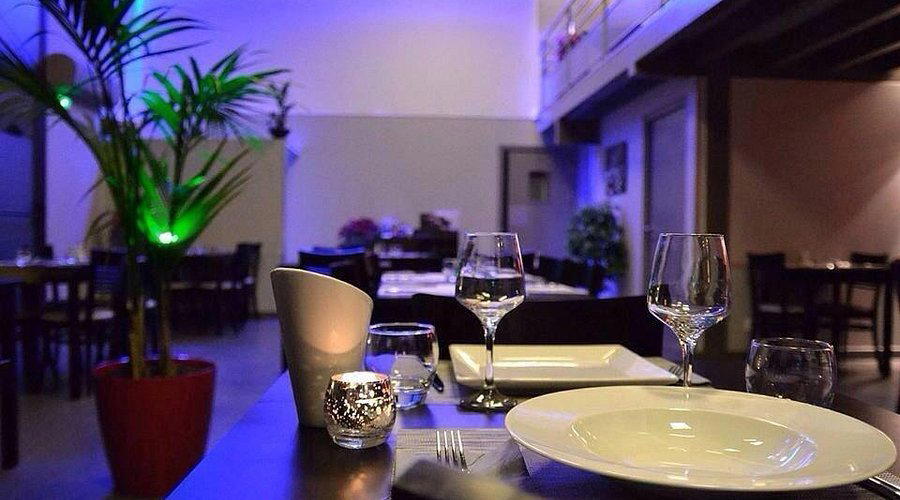
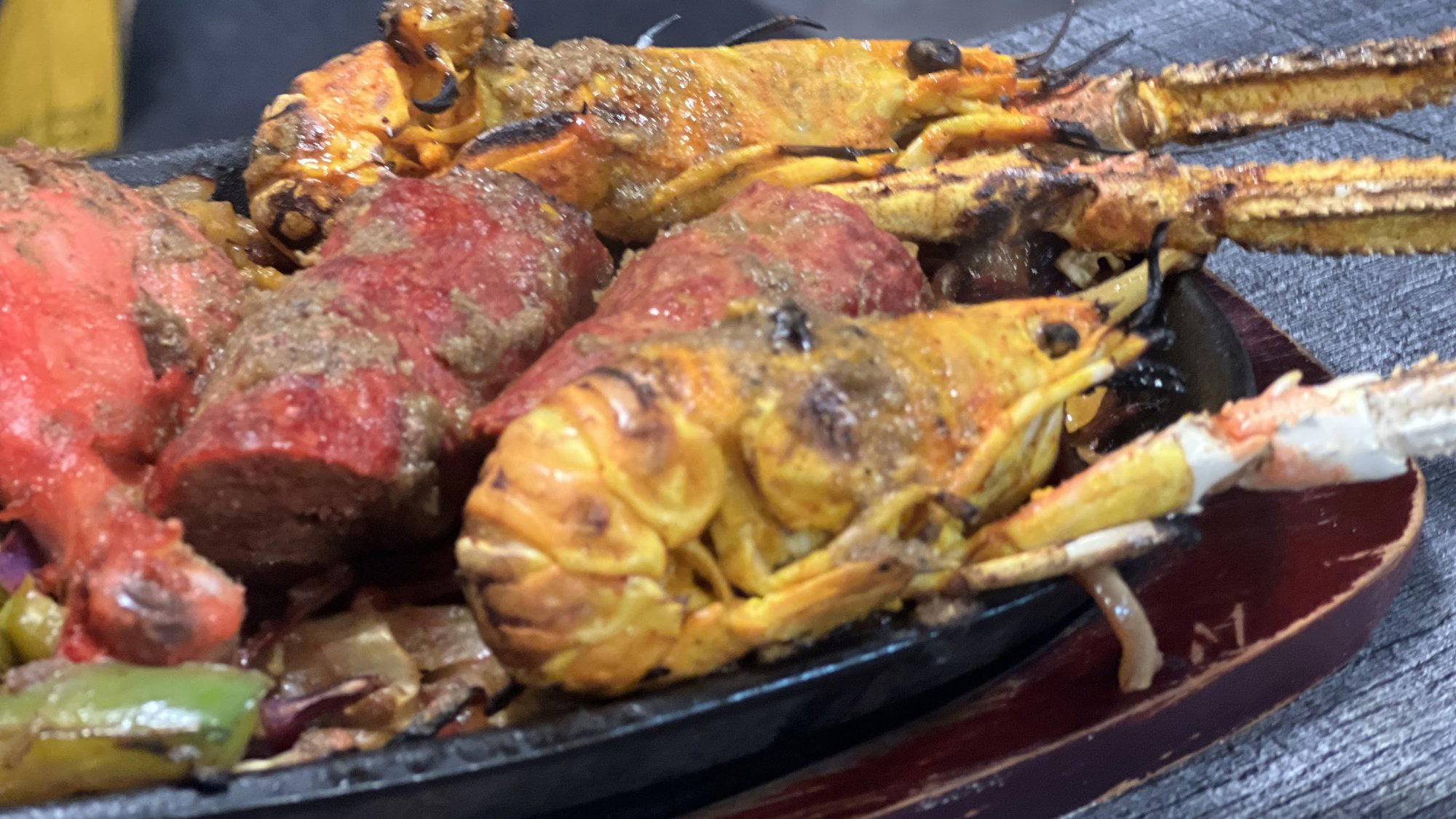
| L'Indigo | Refined Indian | $20–30 | Not listed | Centre-Ville, Refined Indian |
| Le Beauvoir | Modern French Gastronomic | $50–100 | Michelin Plate | Beuvor, Modern French Gastronomic |
| Les Petits Plats du Bourbon | Traditional French Brasserie | $30–50 | Not listed | centre-ville, Traditional French Brasserie |

Details
- Classic
- Elegant
- Scenic
- Date Night
- Group Dining
- Family
- Terrace
- Historic Building
- Extensive Wine List
- Street Scene
- A La Carte
- Regional Wines
Current opening hours
- Monday
- 12–2 PM, 7–10 PM
- Tuesday
- 12–2 PM, 7–10 PM
- Wednesday
- 12–2 PM
- Thursday
- 12–2 PM, 7–10 PM
- Friday
- 12–2 PM, 7–10 PM
- Saturday
- 12–2 PM, 7–10 PM
- Sunday
- 12–2 PM
Hours can change for holidays and private events. Last verified .
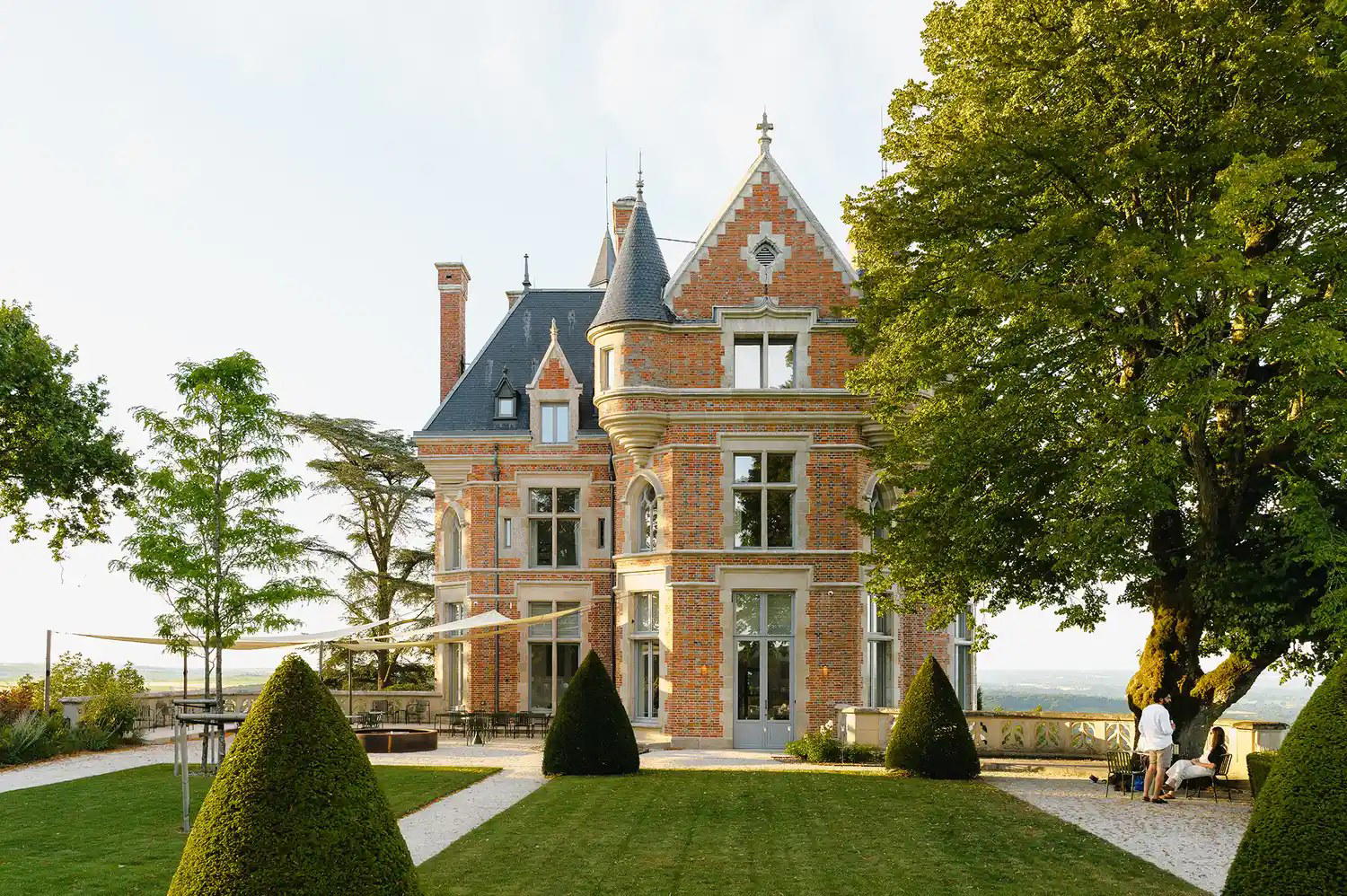
Elegant and well-appointed interior with terrace offering far-reaching views of the historic palace.