les halles
Les Halles occupies a converted industrial space on Pfingstweidstrasse 6 in Zurich's District 5, positioning itself within a neighbourhood that has shifted from freight yards to a concentrated dining and creative district. The address places it alongside some of the city's more architecturally distinctive restaurant formats, where the physical container, raw structure, open volume, repurposed materials, does as much editorial work as the kitchen.
Pearl is the En Primeur Club membership app — saves, bookings, and concierge access live there. Same editors, same standards.
- Address
- Pfingstweidstrasse 6, 8005 Zürich, Switzerland
- Phone
- +41442731111
- Website
- les-halles.ch
- Directions
- Get directions
 Saves & bookings on Pearl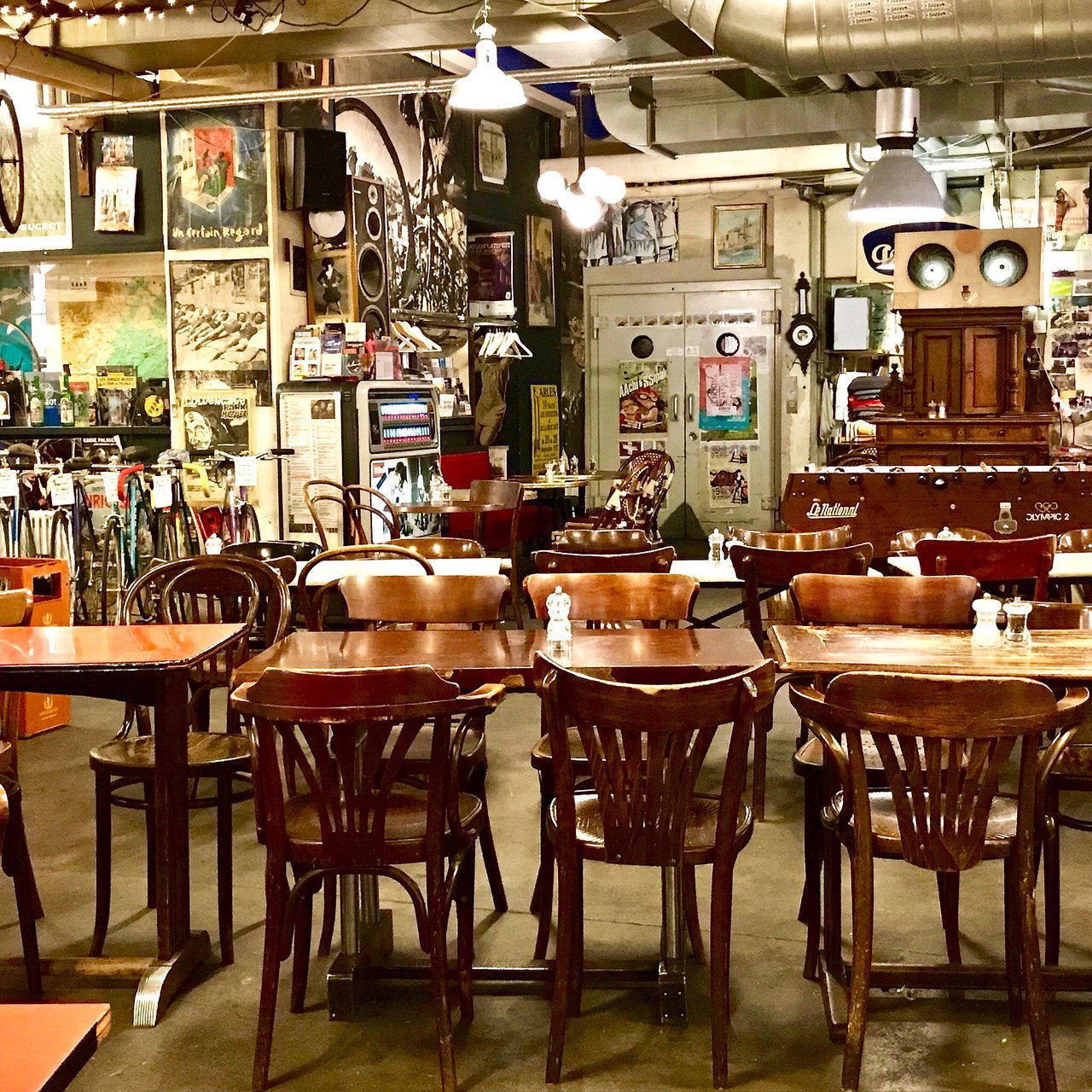
District 5 and the Architecture of the Meal
Zurich's fifth district arrived at its current dining identity slowly, then all at once. The stretch of Pfingstweidstrasse and its surrounding blocks spent decades as logistics infrastructure before creative industries and hospitality moved in during the 2010s, following a pattern visible in comparable urban corridors in Hamburg's HafenCity, Copenhagen's Meatpacking District, and the regenerated warehouse belts of east London. What those zones share is a willingness to let the built fabric speak rather than cover it up. Les Halles, at Pfingstweidstrasse 6, operates from within that logic.
The name itself signals an architectural inheritance. Les Halles, as a typology, refers to the covered market halls that defined nineteenth-century urban food culture across France and, by influence, much of western Europe. Paris's original Les Halles on the Right Bank served as the city's central food market for over a century before demolition in 1971; the name became shorthand for a certain idea of communal, high-volume hospitality conducted inside iron-and-glass shed architecture. Restaurants and bars that adopt the reference are, at minimum, making a claim about spatial ambition and the relationship between food and shared civic space.
The Physical Container as Editorial Argument
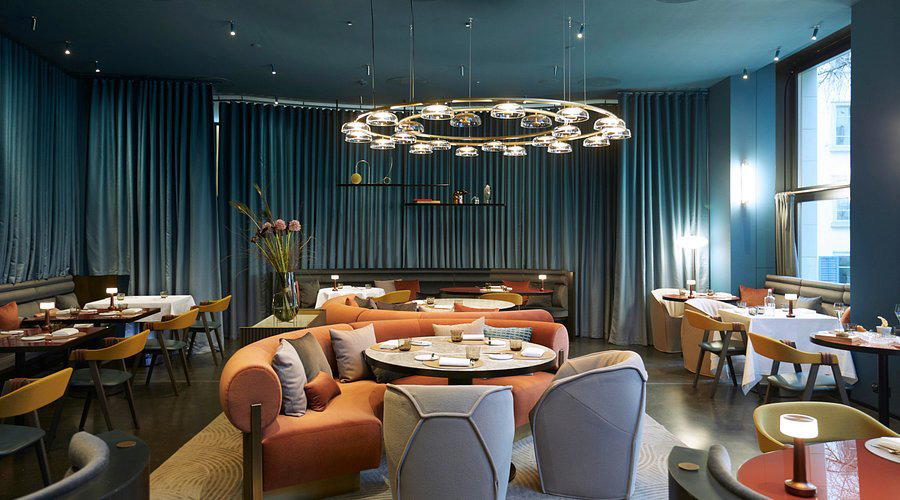
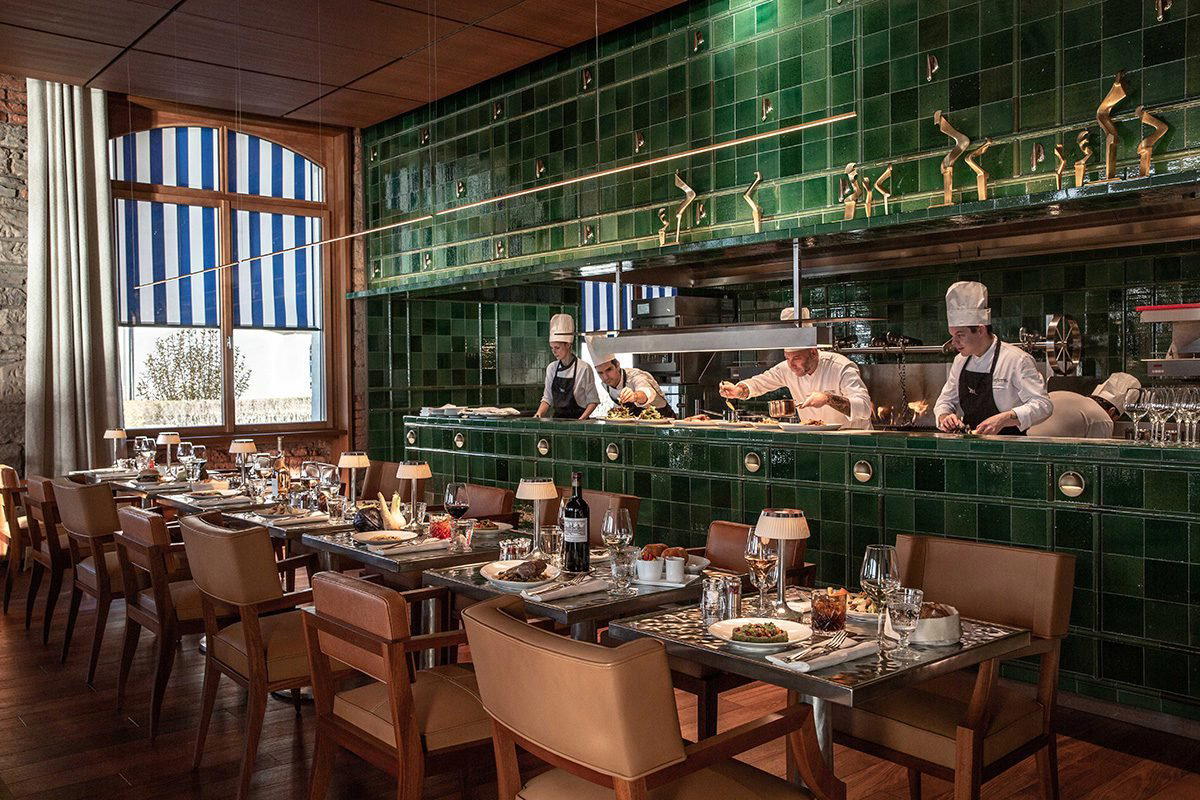
In Zurich's premium dining tier, the dominant spatial vocabulary leans toward the intimate and the controlled: low seat counts, precise lighting, the kind of careful acoustic dampening that signals a kitchen taking itself seriously. IGNIV Zürich by Andreas Caminada operates in that register, as does The Counter and The Restaurant, both of which use tightly managed environments to direct attention toward the plate. The restaurant draws from a different spatial grammar: volume over compression, openness over containment, the kind of room that accommodates noise and movement as features rather than problems to be engineered out.
That distinction matters for how a meal feels rather than just how it tastes. High-volume hall formats in Europe have demonstrated, repeatedly, that the energy of a large shared room changes guest behaviour. Conversation opens up. The threshold for ordering a second bottle drops. The experience becomes social before it becomes gastronomic. For a city where dining out can sometimes feel like a transaction conducted in reverential quiet, a hall format represents a considered counterpoint. Widder and Eden Kitchen & Bar each occupy middle ground between the austere and the convivial; the restaurant tilts further toward the latter.
Pfingstweidstrasse 6 in Neighbourhood Context
The address sits within the western arc of District 5's transformation. Zurich West, as the broader zone is known, drew its first wave of creative-sector occupants in the early 2000s, when the municipality rezoned former industrial land and developers began converting warehouses into mixed-use blocks. By the mid-2010s, the restaurant density had climbed sufficiently that the area developed a recognisable dining character distinct from the Altstadt's more traditional hospitality offer and Zurich-Seefeld's polished-residential neighbourhood restaurants.
What Zurich West shares with comparable regenerated districts in other Swiss cities is an appetite for formats that would feel out of place in historic cores: larger footprints, later hours, a tolerance for informality that the city's older dining neighbourhoods don't always accommodate. For visitors arriving by public transport, the area sits within tram distance of the central station, making it accessible without requiring prior local knowledge. Our full Zurich restaurants guide maps the city's dining zones in more detail, including how District 5 sits relative to the Altstadt and Seefeld clusters.
Switzerland's Dining Range Beyond Zurich
Understanding where the restaurant sits within Zurich requires some sense of where Zurich sits within Switzerland's broader fine dining geography. The country punches above its population weight at the summit of the Michelin table. Hotel de Ville Crissier in Crissier and Schloss Schauenstein in Fürstenau anchor the country's highest-recognition tier, while Cheval Blanc by Peter Knogl in Basel, Memories in Bad Ragaz, and 7132 Silver in Vals extend that reach beyond the major urban centres. Within Zurich itself, the recognised table operates in a different competitive set from the convivial hall format. The two don't compete for the same booking. They serve different evenings, different moods, and in many cases different budgets.
Beyond Switzerland, Colonnade in Lucerne, Da Vittorio in St. Moritz, Einstein Gourmet in Sankt Gallen, and focus ATELIER in Vitznau demonstrate that the country's serious restaurant culture extends well beyond Zurich and Geneva. L'Atelier Robuchon in Geneva represents the counter-bar format at its most codified, a useful reference point when thinking about how different spatial philosophies organise the same basic act of eating. At the international level, Le Bernardin in New York City and Atomix in New York City illustrate how the world's most-watched dining cities handle the tension between formality and accessibility that places like Les Halles are working through in their own way.
Planning a Visit
The restaurant is located at Pfingstweidstrasse 6, 8005 Zürich, in the heart of Zurich West. The district is served by tram lines running from Zurich Hauptbahnhof, placing the address roughly ten to fifteen minutes from the central station by public transport. The restaurant is casual and walk-in friendly, with opening hours of Mon: 11:30 AM–12 AM; Tue: 11:30 AM–12 AM; Wed: 11:30 AM–12 AM; Thu: 11:30 AM–1 AM; Fri: 11:30 AM–2 AM; Sat: 4 PM–2 AM; Sun: Closed. The neighbourhood is generally more active in the evening, and the hall format suits walk-in traffic at off-peak times.
A Tight Comparison
Comparable venues nearby, for context on price, style, and recognition.
| Venue | Cuisine | Price | Notes |
|---|---|---|---|
| les hallesThis venue — the venue you are viewing | Not listed | $$ | Not listed |
| Neni | Aussersihl, Eastern Mediterranean Fusion | $$ | Not listed |
| Kreis 6 | Unterstrass, Modern Mediterranean Bistro | $$$ | Not listed |
| Tenz Momo Lochergut | Aussersihl, Tibetan Momo Specialists | $$ | Not listed |
| LÈ Cuisine | Not listed | $$ | Unterstrass, Authentic Sichuan & Shanghai Chinese |
| Picanha Brasil | Aussersihl, Authentic Brazilian Grill | $$ | Not listed |
At a Glance
- Trendy
- Bohemian
- Lively
- Industrial
- Casual Hangout
- Group Dining
- After Work
- Late Night
- Open Kitchen
- Terrace
- Historic Building
- Beer Program
- Organic
- Local Sourcing
Current opening hours
- Monday
- 11:30 AM–12 AM
- Tuesday
- 11:30 AM–12 AM
- Wednesday
- 11:30 AM–12 AM
- Thursday
- 11:30 AM–1 AM
- Friday
- 11:30 AM–2 AM
- Saturday
- 4 PM–2 AM
- Sunday
- Closed
Hours can change for holidays and private events. Last verified .
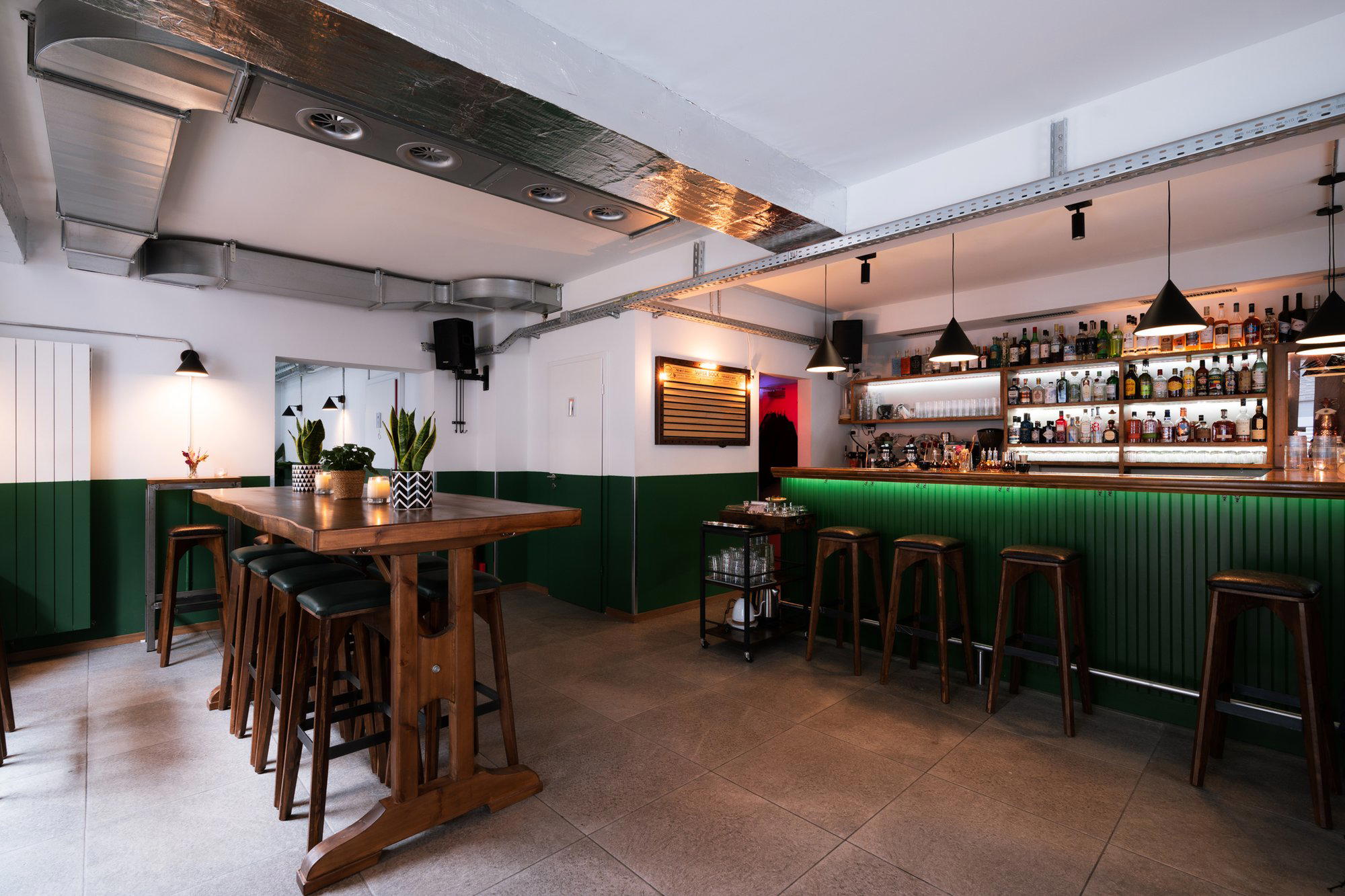
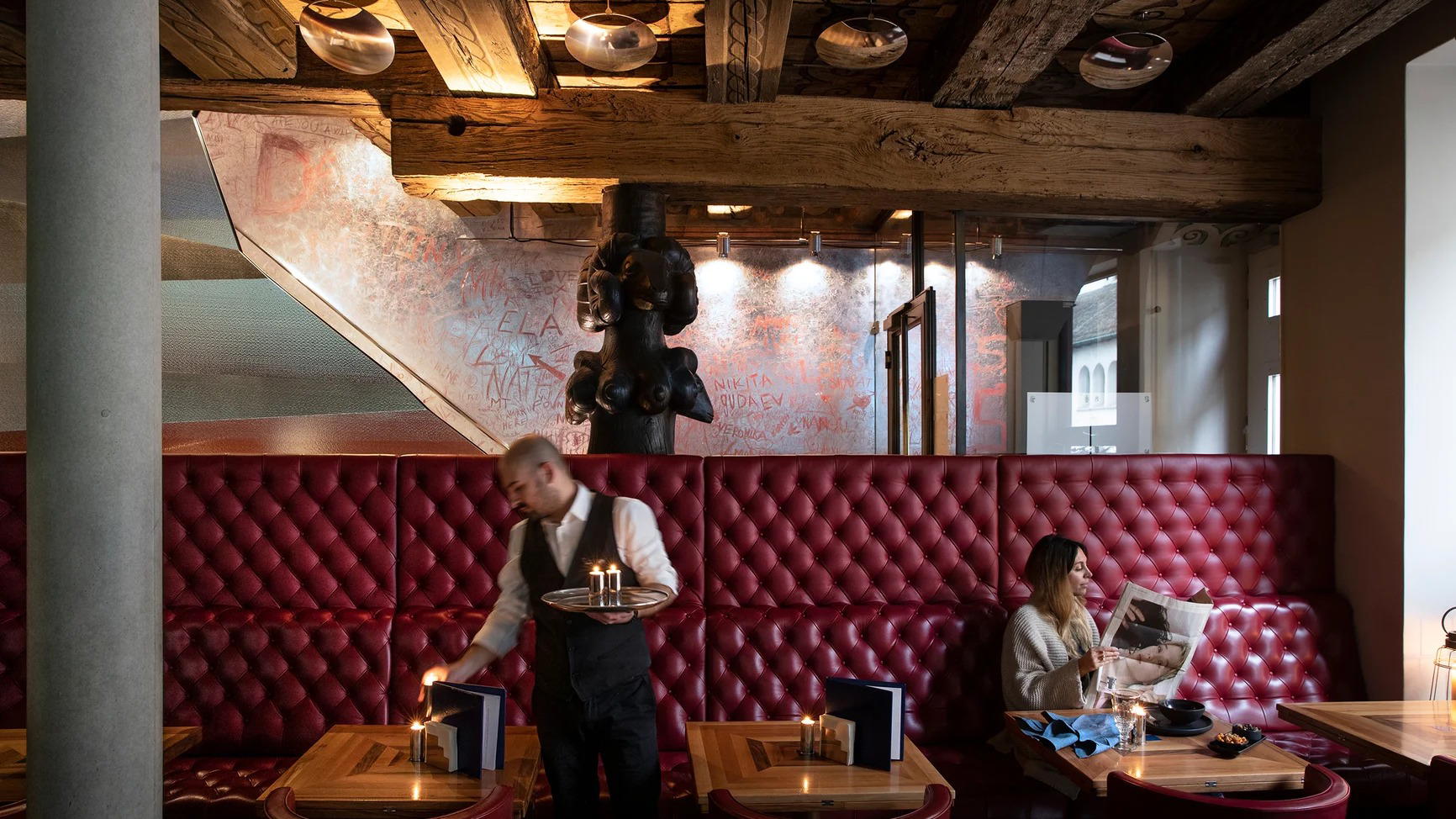
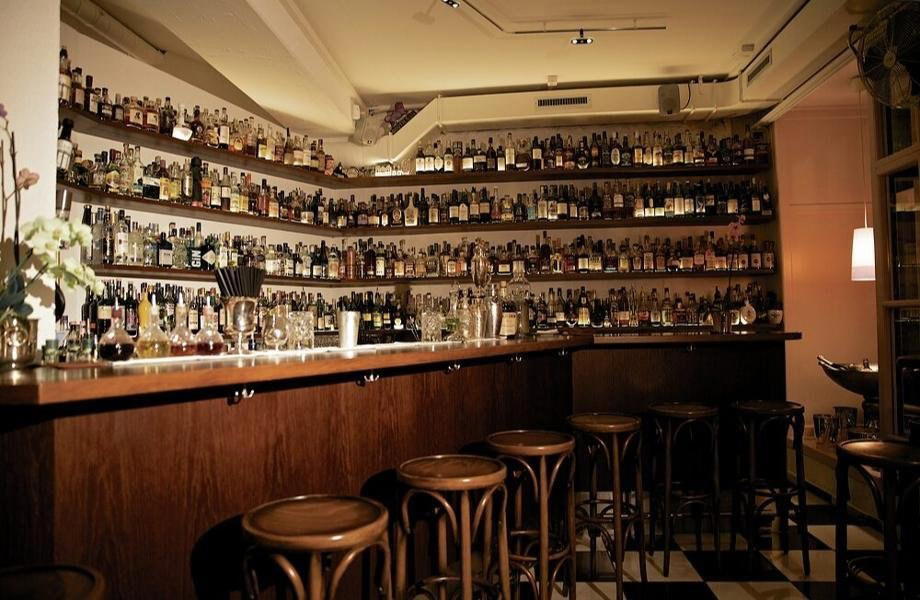
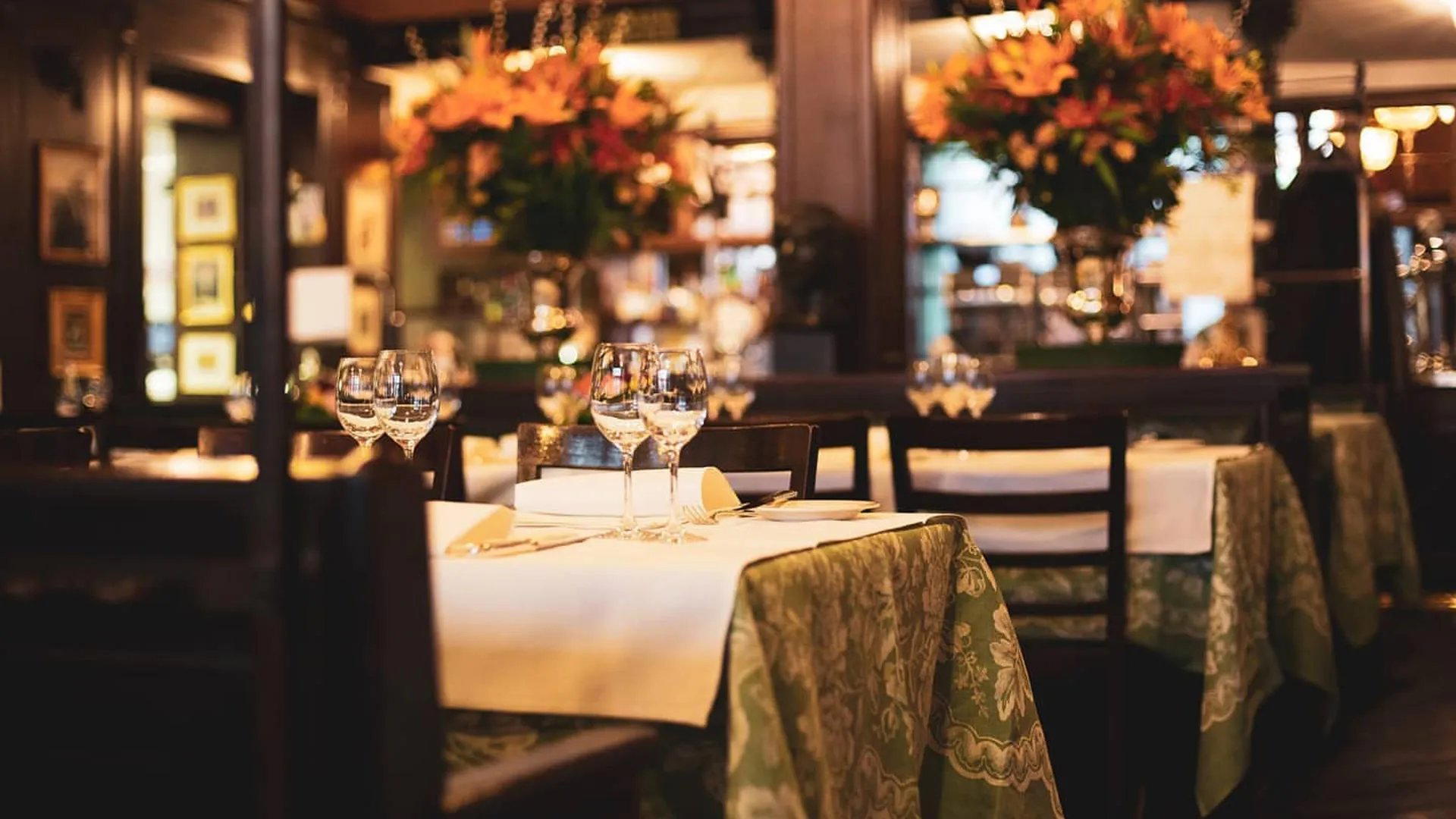
Lively, eclectic, and underground with a wild Parisian market feel; colorful and energetic with a relaxed, casual vibe enhanced by the owner's extensive collector's items throughout the converted warehouse space.