Les Gentianettes

Les Gentianettes holds a Michelin Plate in both 2024 and 2025, placing it among the recognized traditional dining options in La Chapelle-d'Abondance, a small Alpine village in the Chablais Massif. Priced at €€€, it represents the kind of mountain auberge cooking that has defined this corner of Haute-Savoie for generations.
Pearl is the En Primeur Club membership app — saves, bookings, and concierge access live there. Same editors, same standards.
- Address
- 73 Rte de Chevennes, 74360 La Chapelle-d'Abondance, France
- Phone
- +33 4 50 73 56 46
- Website
- gentianettes.fr
- Directions
- Get directions
 Saves & bookings on Pearl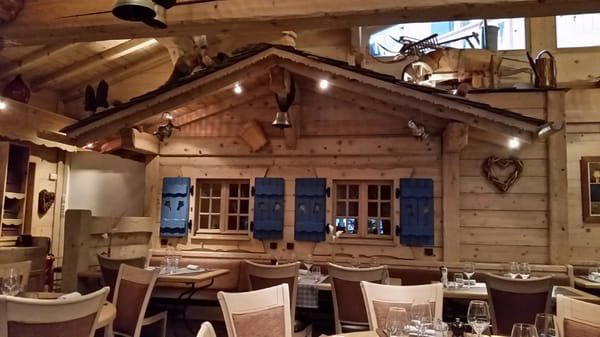
Where Alpine Tradition Meets the Table
La Chapelle-d'Abondance sits in the Vallée d'Abondance, a narrow corridor of the Chablais Massif that runs parallel to the Swiss border in Haute-Savoie. It is not a resort village in the modern, purpose-built sense. The farms are still working, the cattle breeds are still local, the Abondance cow, with its characteristic brown-and-white markings, gives its name to one of the valley's most important cheeses, and the restaurants that survive here do so by feeding people who are genuinely hungry after a day on the mountain. Les Gentianettes, on the Route de Chevennes, belongs to that tradition of practical Alpine hospitality rather than the scenographic mountain dining that has become a genre of its own at higher-profile resorts.
The gentian itself, a high-altitude wildflower that dots the Alpine meadows and gives the village its local palette of deep violet and blue in late summer, is the kind of detail that names this type of place precisely. It signals a rooted, regional identity rather than a rebranded one. In a valley where cheese, charcuterie, and slow-braised meats have been the culinary constants for centuries, a restaurant that names itself after the local flora is making a statement about affiliation before a dish is ordered.
The Tradition Behind the Plate
Traditional Cuisine, as Michelin deploys the term, covers a specific and often undervalued tier of French dining. It describes cooking that draws from regional repertoire rather than innovation, dishes that have cultural and geographic logic, prepared with technique rather than reinvention. In Haute-Savoie, that repertoire runs from fondue and raclette (Abondance cheese is one of the approved varieties for the latter) through to more elaborate preparations: tartiflette variations, slow-cooked game from the surrounding forests, freshwater fish from Lake Geneva and the mountain streams, and the kind of potato and cream dishes that have fed farming communities through alpine winters for as long as the passes have been closed by snow.
This context matters when reading Les Gentianettes' Michelin Plate recognition in both 2024 and 2025. A Michelin Plate does not carry the star hierarchy's international visibility, but it represents Michelin's acknowledgment that a kitchen is producing food worth seeking out, a considered endorsement in a region where the inspector's visit is not guaranteed. For a restaurant in a village of this size and remoteness, sustained two-year recognition across consecutive guides signals consistency rather than a single strong season.
For comparison, the upper register of French regional dining includes restaurants like Flocons de Sel in Megève or the multi-generational authority of Auberge de l'Ill in Illhaeusern. The distance between those addresses and Les Gentianettes is not just geographic, it is a matter of category and ambition. The restaurant operates in a tier defined by community use, local ingredients, and regional faithfulness rather than destination dining in the international sense. That distinction is not a shortcoming; it is the point. Other France-wide reference points in traditional-regional cooking include Auberge Grand'Maison in Mûr-de-Bretagne, which represents a similar commitment to place-specific cuisine in a quieter corner of France.
La Chapelle-d'Abondance at the Table
The Vallée d'Abondance produces three AOP cheeses: Abondance, Reblochon (shared with neighboring valleys), and Tomme de Savoie. Any kitchen serious about regional cooking in this valley has access to particularly distinctive dairy in France, produced within a short radius of the kitchen door. The Abondance cheese itself has been made here since at least the 14th century, when Augustinian monks at the abbey documented its production. That depth of provenance is the kind of ingredient story that needs no embellishment at the table, it is simply part of the geography.
Game has always been a parallel current in Haute-Savoie mountain cooking. The forests above the valley carry chamois, deer, and wild boar, and the autumn hunting season has historically shaped menus across the region's traditional kitchens in ways that summer visitors rarely see. Visitors arriving in the late autumn window, after the first snows and before the main ski season crowds, encounter a different kitchen than the one serving hikers in July.
For anyone building a broader picture of the valley's dining options, Les Cornettes represents another address in the village worth cross-referencing.
Planning Your Visit
The restaurant sits at €€€ pricing, a mid-to-upper tier for a village restaurant in the French Alps, reflecting a typical spend of about $60 per person. For a small Alpine village, this positioning puts it above casual mountain fare but well below the tasting-menu pricing of starred addresses in larger resort towns. Given the restaurant's consistent review volume and award recognition, booking ahead is advisable, particularly during the ski season (roughly December through March) and the peak summer hiking months of July and August. The village itself is most easily reached by car from Thonon-les-Bains or Évian-les-Bains on Lake Geneva, with no direct rail access to La Chapelle-d'Abondance.
Haute-Savoie's broader dining map extends far beyond the valley. Those tracing the French regional tradition at its most ambitious can reference Troisgros in Ouches, Bras in Laguiole, or Paul Bocuse in Collonges-au-Mont-d'Or for the longer arc of French cooking in which the restaurant plays its own, quieter part. For those interested in where French creativity has moved in a more contemporary direction, Alléno Paris au Pavillon Ledoyen, Mirazur in Menton, AM par Alexandre Mazzia in Marseille, Assiette Champenoise in Reims, and Au Crocodile in Strasbourg represent the opposite pole of ambition, a useful frame for understanding what the restaurant is, and what it has chosen not to be. Separately, Auga in Gijón offers a comparable study in regional traditional cooking on the Iberian side of the argument.
A Pricing-First Comparison
Comparable venues nearby, for context on price, style, and recognition.
| Venue | Cuisine | Price | Awards | Notes |
|---|---|---|---|---|
| Les GentianettesThis venue — the venue you are viewing | Traditional Cuisine | $$$ | Michelin Plate | Not listed |
| Les Cornettes | Not listed | $$ | Michelin Plate | La Chapelle d'Abondance, Traditional French Mountain Cuisine |
| Esprit Montagne | Not listed | $$ | Not listed | La Chapelle d’Abondance, Traditional French Mountain Bistro |
| Fleur de Neige | Châtel, Creative Savoyard Cuisine | $$$ | Michelin Plate | Not listed |
| Au Jardin d'Eden | Not listed | $$$ | Michelin Plate | Évian-les-Bains center, Traditional French Bistro |
| Le 80 | Not listed | $$$ | Michelin Plate | Méribel Centre, Traditional French Brasserie with Savoyard Specialties |
Recognition history
Dated appearances from independent guides and award organizations, with the underlying list record or original source where available.
Michelin Plate
Michelin
Michelin Plate
Michelin
Michelin Plate
Michelin
Continue exploring
More in La Chapelle-d'Abondance
Restaurants in La Chapelle-d'Abondance
Browse all →
Bars in La Chapelle-d'Abondance
Browse all →
Hotels in La Chapelle-d'Abondance
Browse all →
Wineries in La Chapelle-d'Abondance
Browse all →
At a Glance
- Cozy
- Rustic
- Elegant
- Family
- Special Occasion
- Hotel Restaurant
- Extensive Wine List
- Local Sourcing
- Mountain
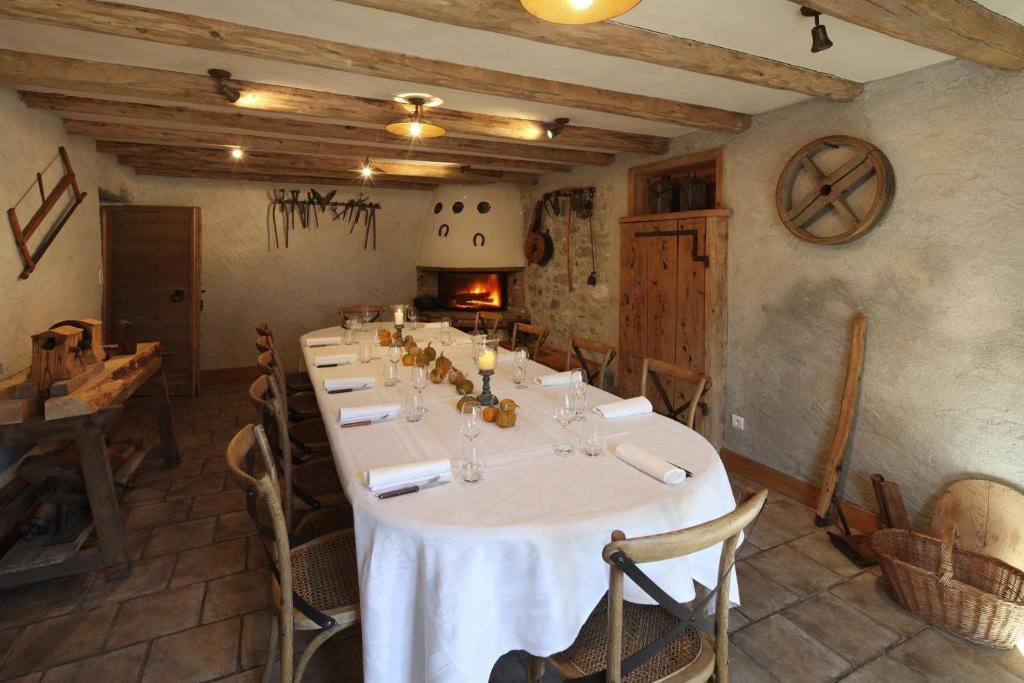
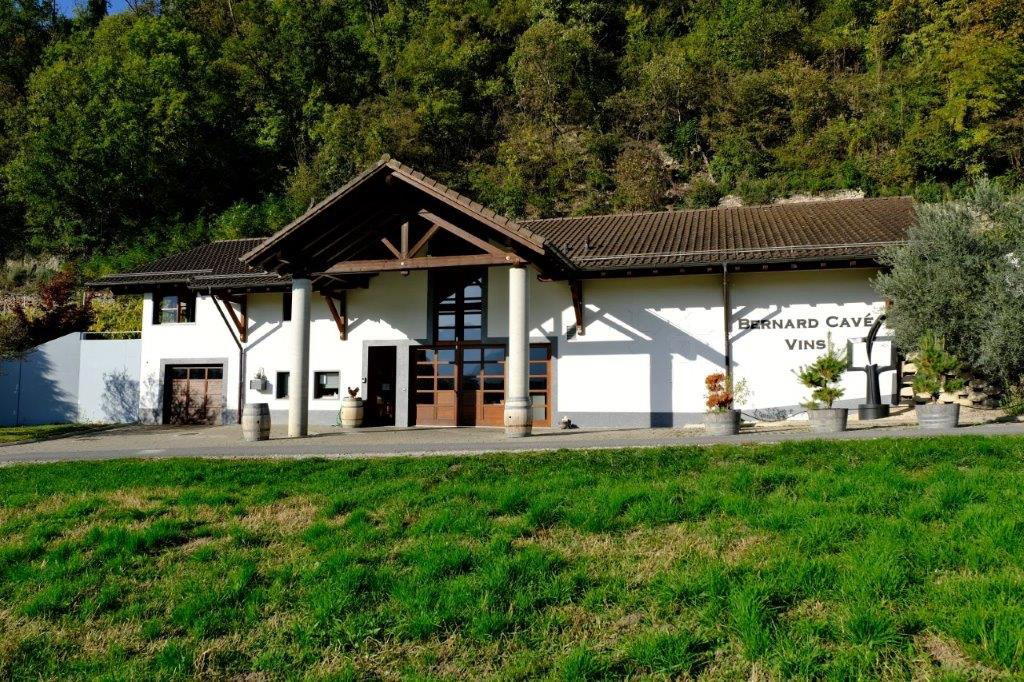
Warm mountain chalet decor with exposed beams, central fireplace, and traditional elements creating a cozy, convivial atmosphere.