Google: 4.5 · 2,781 reviews
Cafe Pasqual's

A Pearl Recommended restaurant with over four decades of operation on Don Gaspar Ave, Cafe Pasqual's holds a specific position in Santa Fe's Southwestern dining scene: farm-sourced ingredients, a menu rooted in regional chile and corn traditions, and a following that spans locals and repeat visitors. Chef Katharine Kagel's kitchen draws on New Mexico's agricultural calendar in ways that have made the restaurant a reference point for the farm-to-table movement in the Southwest.
 Discover on Pearl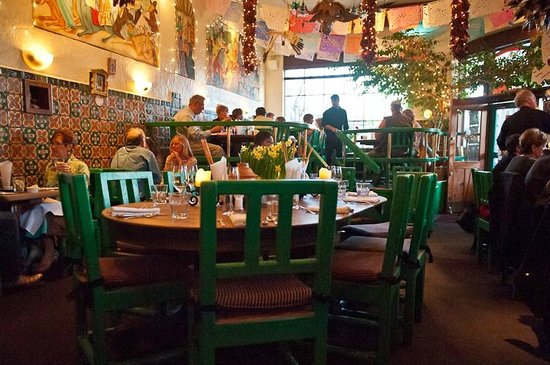
Where Santa Fe's Farm-to-Table Story Actually Began
Long before farm-to-table became a menu marketing strategy for restaurants from Brooklyn to Brentwood, a small dining room on Don Gaspar Ave in Santa Fe was already operating by those principles. Cafe Pasqual's, under chef Katharine Kagel, has been sourcing from regional producers and building menus around New Mexico's agricultural seasons for over four decades. In the broader American restaurant conversation, the farm-to-table lineage often gets traced to California's Chez Panisse or to the fine-dining institutions that followed, but the Southwest produced its own parallel tradition, one grounded in Indigenous foodways, Hispano ranching culture, and the specific ecosystems of high-desert farming. Cafe Pasqual's sits squarely inside that tradition.
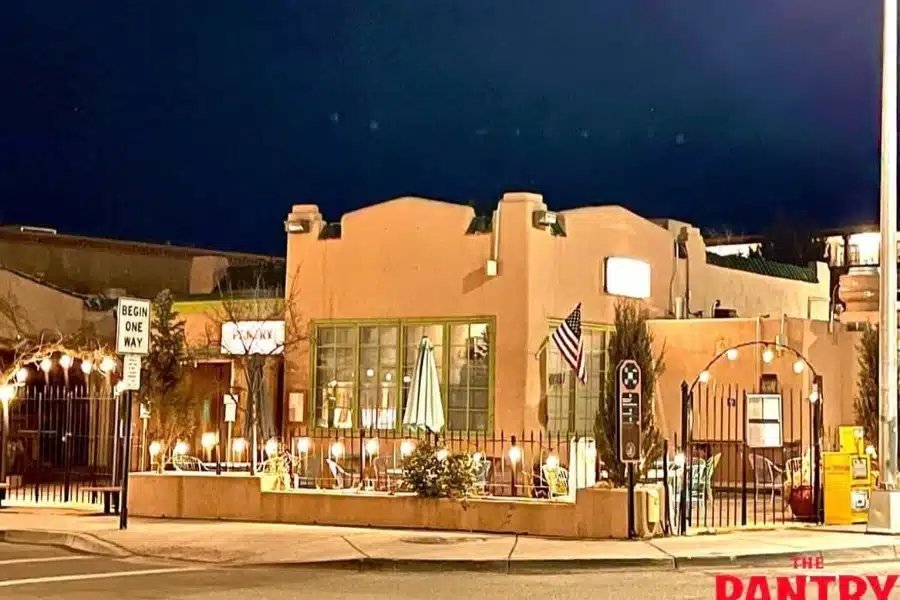
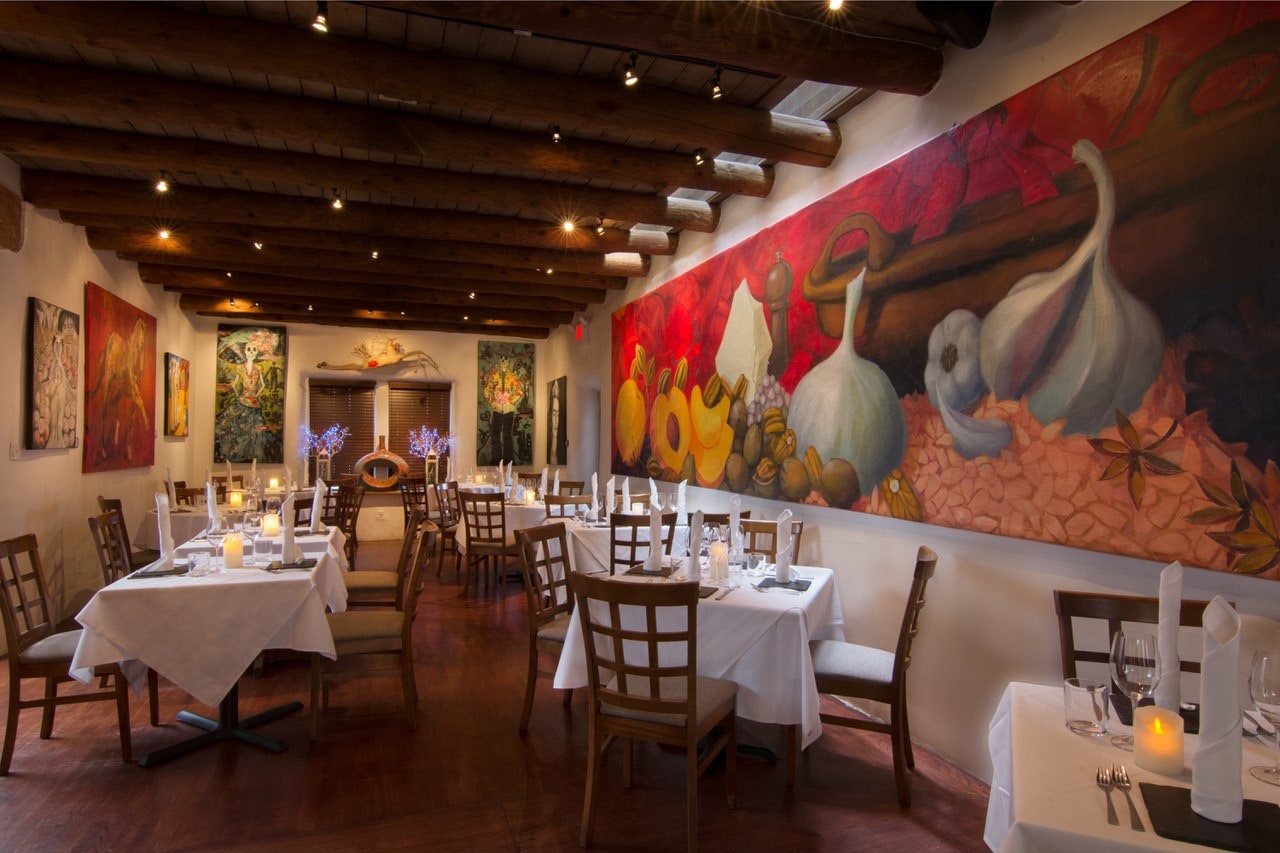
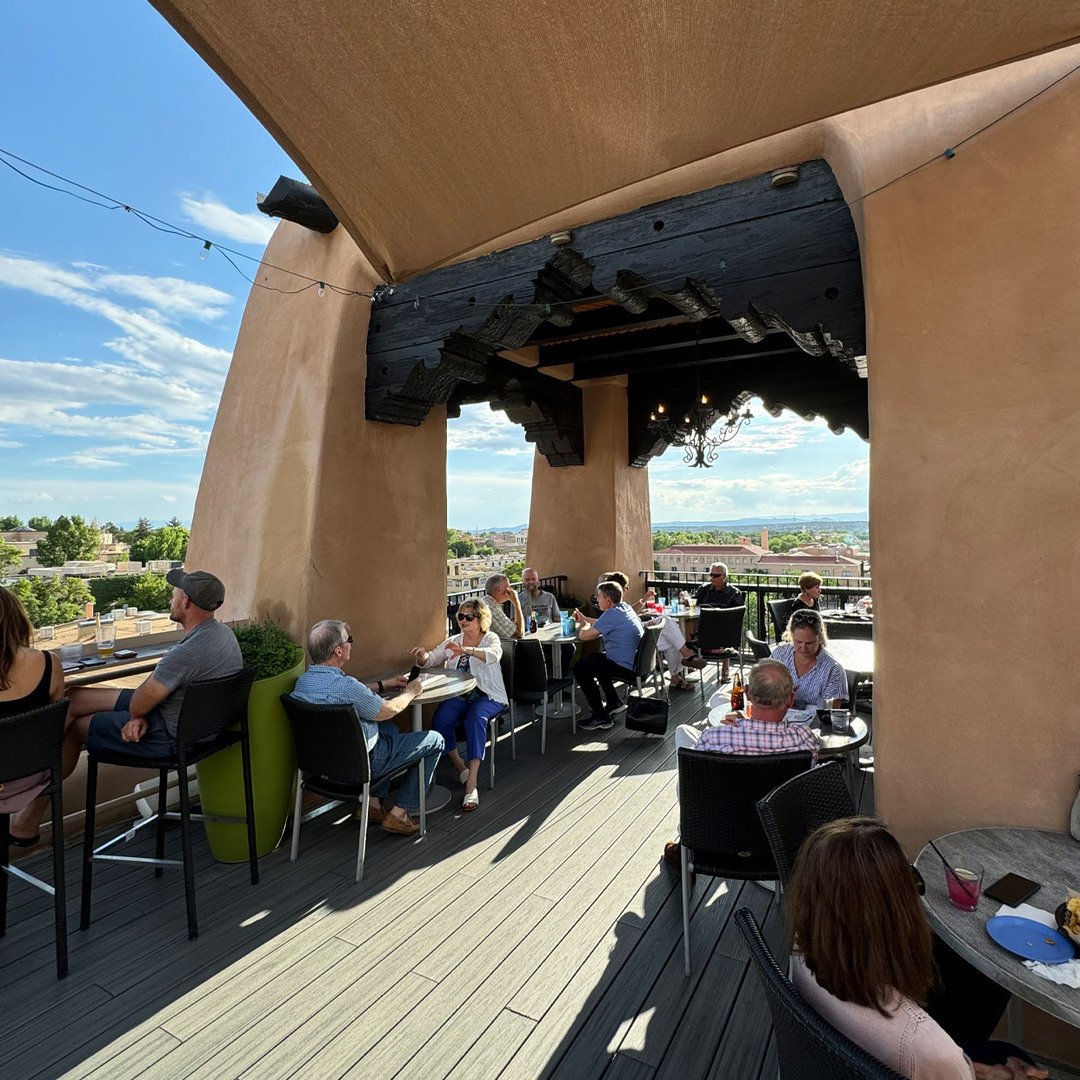
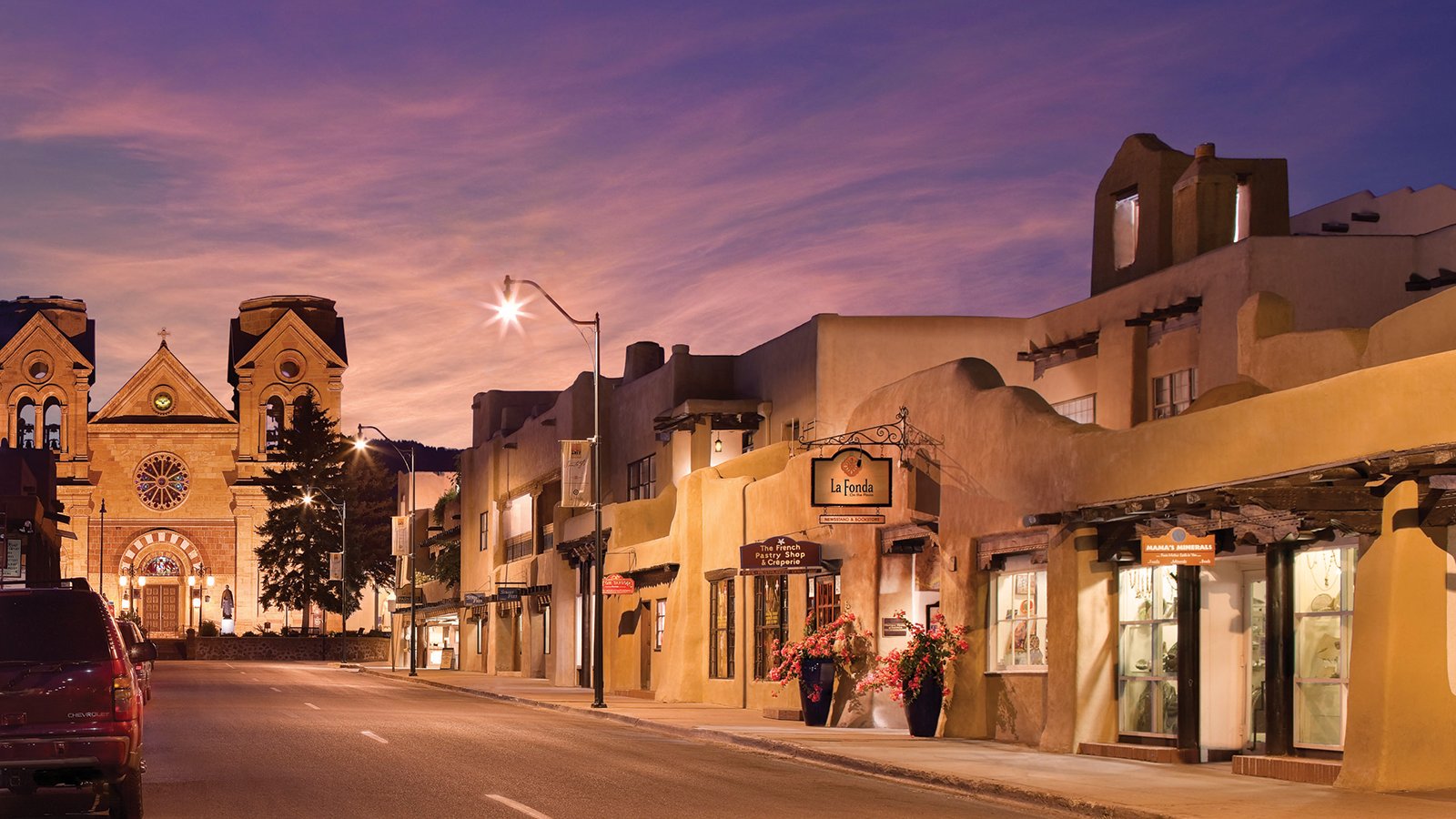
The restaurant's address, 121 Don Gaspar Ave, places it a short walk from the Plaza, Santa Fe's historic commercial center. The approach to the dining room carries the visual shorthand of old Santa Fe: low adobe walls, hand-painted tiles, and the kind of interior that reads as accumulated rather than designed. That distinction matters in a city where newer properties have aggressively reconstructed the aesthetic. The 4.5-star rating across more than 2,500 Google reviews, combined with its Pearl Recommended designation for 2025, suggests the experience has retained coherence over time rather than coasting on early reputation.
Southwestern Cuisine as a Sourcing Argument
New Mexican cuisine has a sourcing logic built into its DNA. Hatch green chiles, Chimayó red chiles, blue corn from Pueblo farms, and lamb from the high-desert ranches of the Rio Grande corridor are not imported ingredients reinterpreted for a regional menu. They are the menu. The farm-to-table movement in coastal American dining often involves a translation step, taking a culinary tradition built on imported techniques and ingredients and asking what happens when you substitute local supply. In New Mexico, that substitution never happened because the cuisine never departed from its source material in the first place.
What Cafe Pasqual's has done across its run is hold that sourcing relationship as a discipline rather than a trend. When green chile season peaks in late summer and early autumn, that shift registers in the kitchen. When blue corn is available from northern New Mexico farms, it appears in the form that makes sense for the season. This is not the kind of farm-to-table theater where a framed supplier list hangs near the host stand. It is the older, quieter version of the practice, where the relationship between kitchen and region is structural rather than decorative.
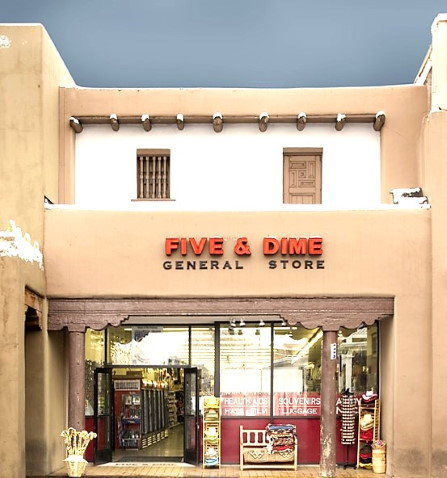
For context within Santa Fe's broader dining scene, this sourcing commitment places Cafe Pasqual's in a different register than more recent entrants. Sazón operates in a more refined New Mexican mode, with a tasting-format approach that elevates regional ingredients into composed multi-course presentations. Geronimo occupies the upper tier of Santa Fe's American cuisine scene with a different set of sourcing priorities. El Parasol and Five & Dime General Store sit at the more casual, quick-service end of the Southwestern spectrum. Cafe Pasqual's occupies a middle register: serious about sourcing and technique, but fundamentally a neighborhood restaurant rather than a destination tasting counter.
The Peer Set: Farm-to-Table at a National Scale
Positioned against the restaurants that have come to define American farm-to-table at its most ambitious, Cafe Pasqual's operates in a different category by design. Places like Single Thread Farm in Healdsburg or The French Laundry in Napa have built sourcing programs into multi-course formats where the agricultural provenance of each dish is part of the formal presentation. Lazy Bear in San Francisco frames its communal format around a similar sourcing discipline. These restaurants treat the farm relationship as the architecture of a fine-dining experience.
Cafe Pasqual's approach is less architecturally formal but no less committed. It is worth comparing to restaurants like Emeril's in New Orleans, where regional identity and sourcing shaped a program that predated the mainstream farm-to-table moment. At the technical end of American dining, operations like Alinea in Chicago, Atomix in New York City, or Le Bernardin in New York City operate in a register where sourcing matters but the conceptual and technical framework is primary. Cafe Pasqual's argument is the inverse: the region is the framework, and technique serves the ingredient rather than the other way around. For international comparison, even destination restaurants like 8 1/2 Otto e Mezzo Bombana in Hong Kong anchor their authority in a specific culinary tradition. Cafe Pasqual's version of that anchoring is the New Mexico plateau.
What the Pearl Recommendation Signals
The 2025 Pearl Recommended designation places Cafe Pasqual's in a recognized tier of restaurant quality. Combined with a 4.5-star average across more than 2,500 Google reviews, this is a restaurant with sustained public and critical credibility, not a venue running on a single season of attention. That volume of reviews, spread over time rather than spiking around an opening, reflects a consistent experience rather than a flash of novelty. In Santa Fe's restaurant market, where tourism creates a high turnover of visitors who may review based on a single visit, that consistency across a large sample is a more reliable signal than a smaller, newer body of feedback.
Planning a Visit
Cafe Pasqual's sits at 121 Don Gaspar Ave, within walking distance of the Plaza and the majority of downtown Santa Fe's hotels and galleries. The restaurant's location makes it a natural anchor for a morning or midday meal before exploring the Canyon Road gallery district or the museums on Old Santa Fe Trail. Given its long-standing reputation and the size typical of older Santa Fe dining rooms, booking ahead is the practical approach, particularly during the peak summer season and around the Santa Fe Indian Market in August, when the city's hotel and restaurant capacity tightens considerably. The Pearl Recommended status and the depth of its review base suggest demand runs year-round.
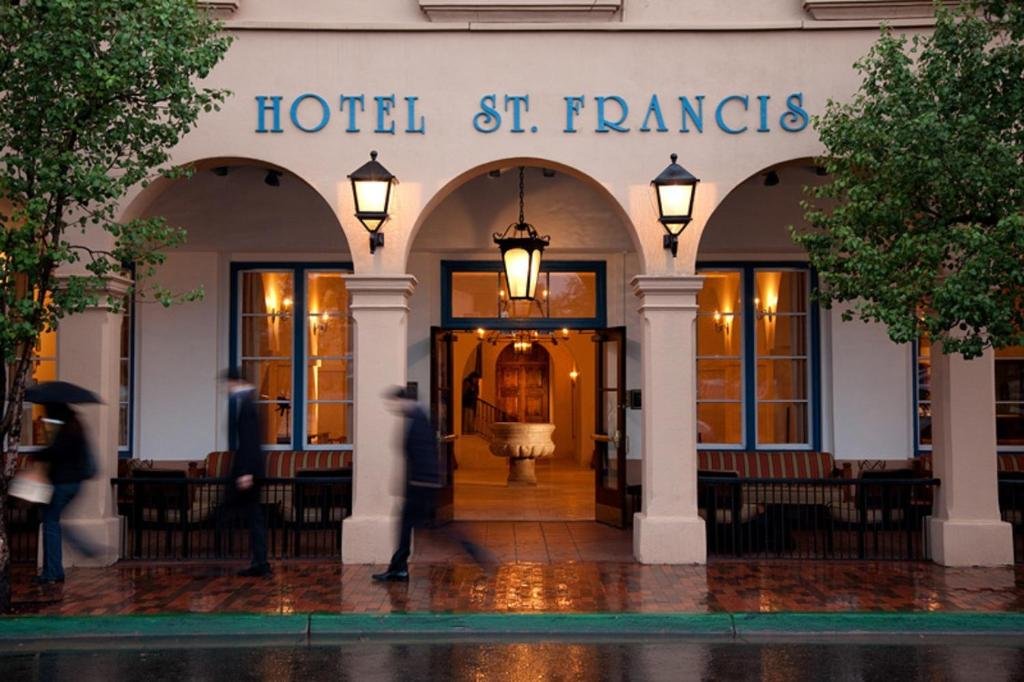
For visitors building a fuller picture of Santa Fe's food and drink scene, EP Club's full Santa Fe restaurants guide covers the range from quick-service New Mexican to high-end tasting menus. The Santa Fe hotels guide, bars guide, wineries guide, and experiences guide map the broader city for those spending more than a day. For a contrast in casual Southwestern dining, Harry's Roadhouse on the Old Las Vegas Highway represents a different register of the same regional cuisine tradition.
Comparison Snapshot
A quick context table based on similar venues in our dataset.
| Venue | Cuisine | Price | Awards | Notes |
|---|---|---|---|---|
| Cafe Pasqual's | Southwestern American | Pearl Recommended Restaurant (2025) | This venue | |
| Harry’s Roadhouse | Chile Burgers | Chile Burgers | ||
| Santa Fe Bite | Café | Café | ||
| Sazón | New Mexican | New Mexican | ||
| El Parasol | Mexican Southwestern | Mexican Southwestern | ||
| Five & Dime General Store | American Southwestern | American Southwestern |
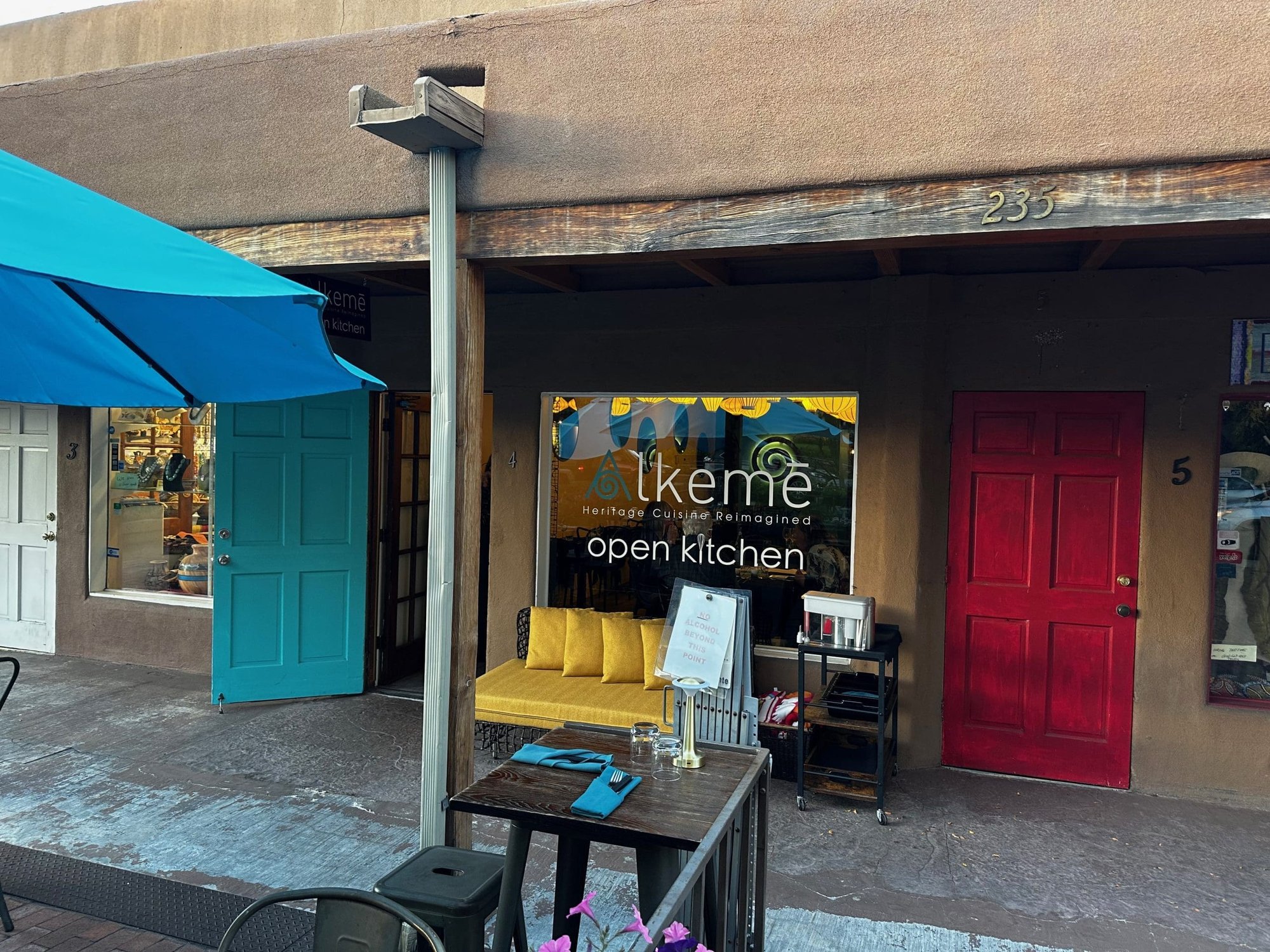
At a Glance
- Cozy
- Rustic
- Iconic
- Brunch
- Casual Hangout
- Open Kitchen
- Farm To Table
- Organic
- Local Sourcing
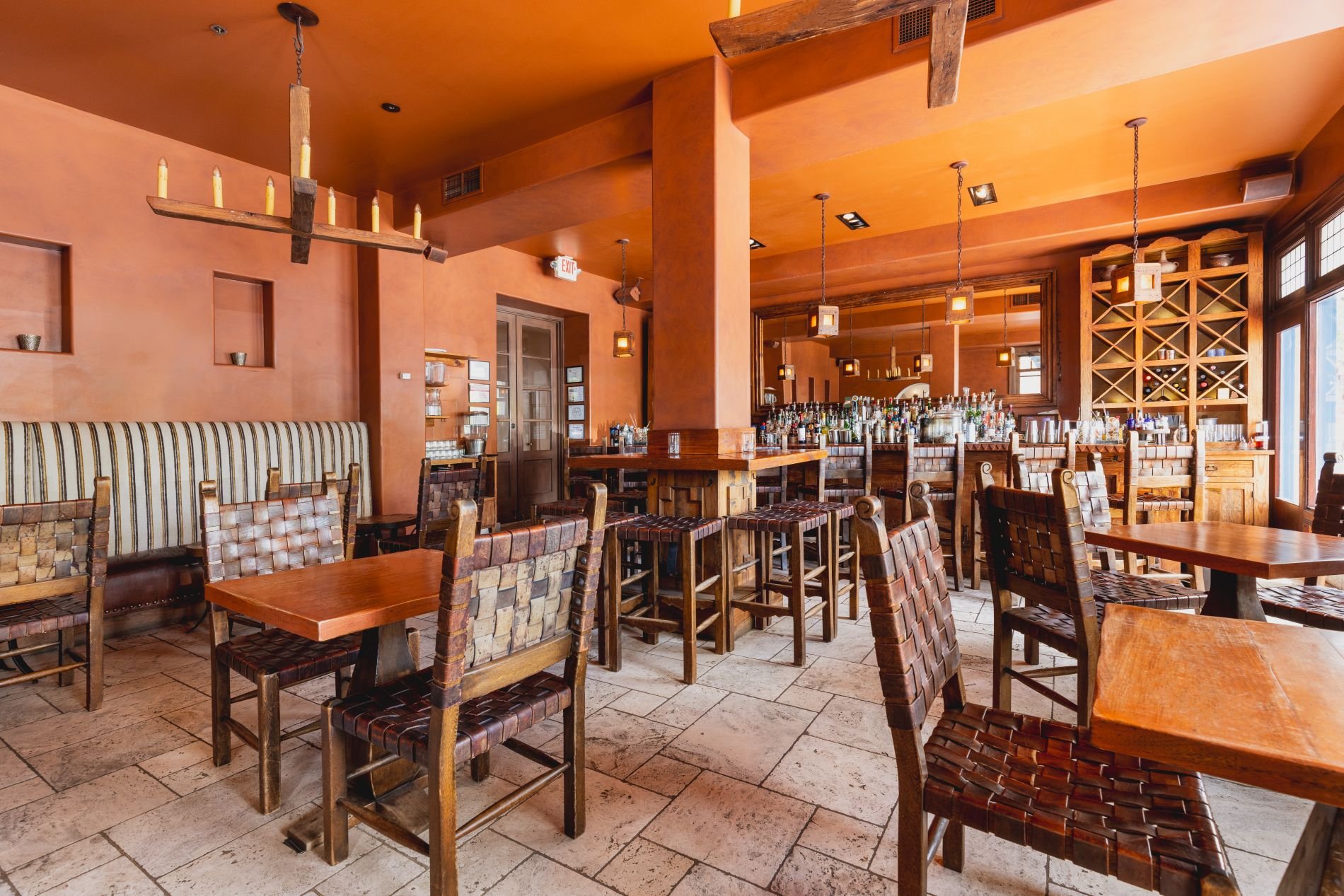
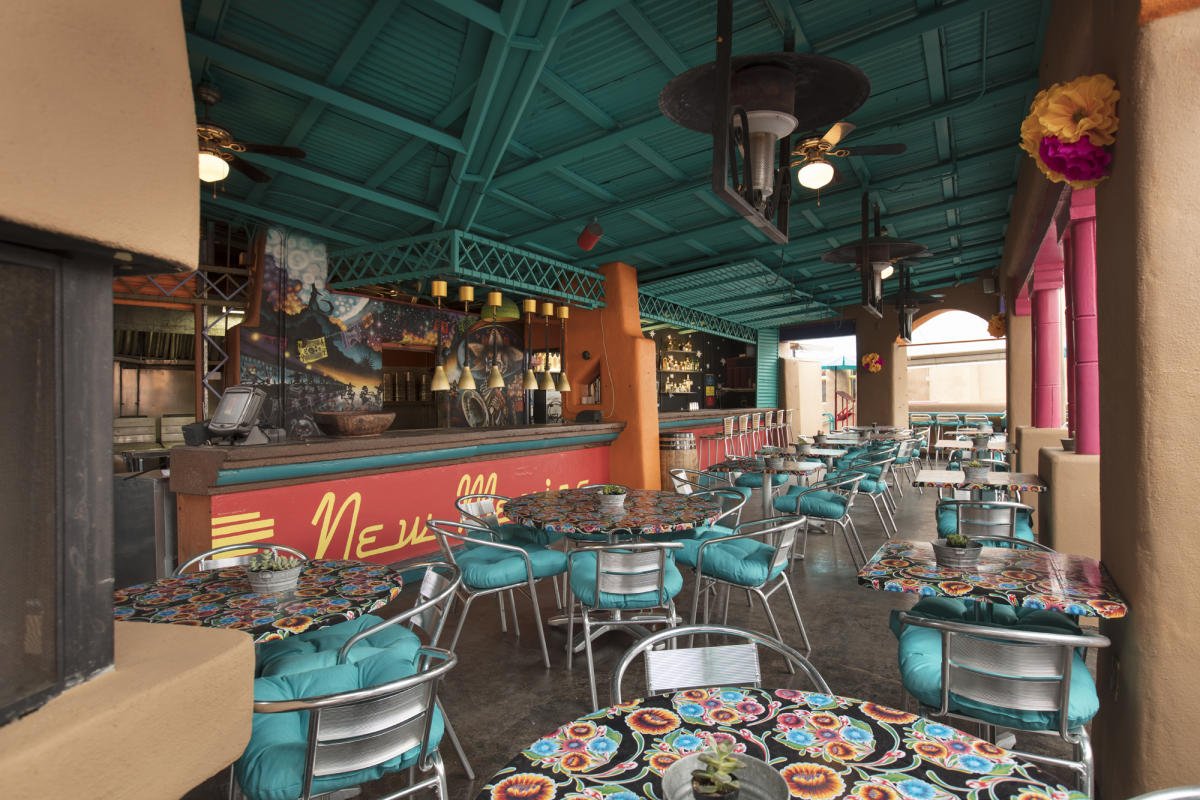
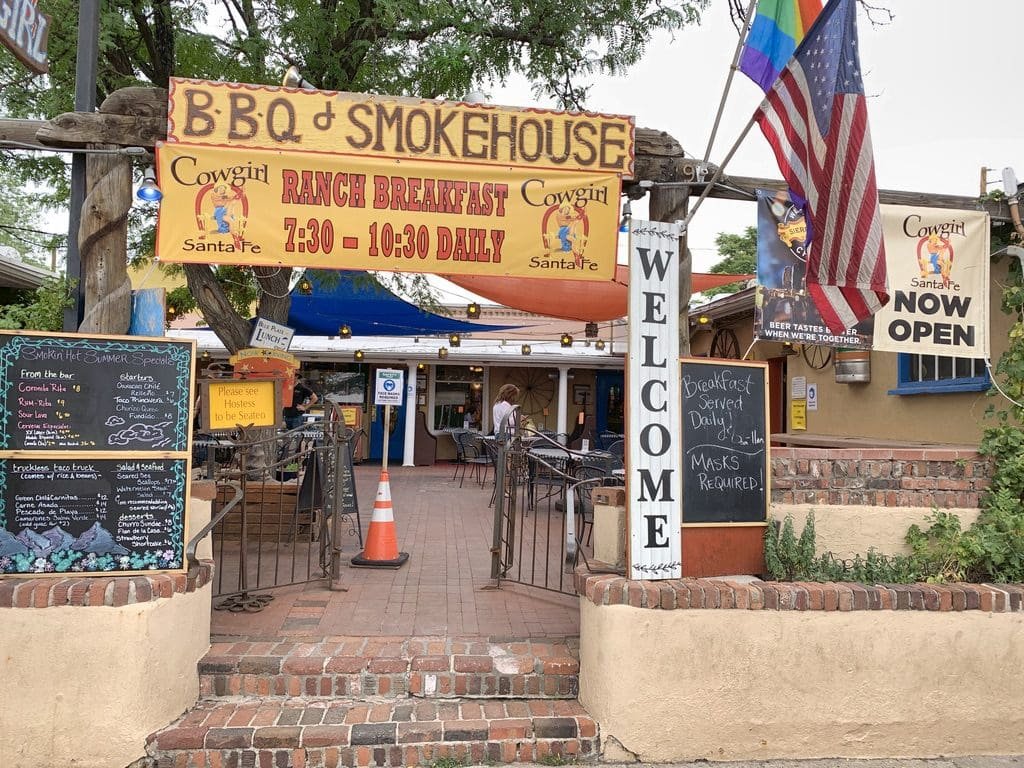
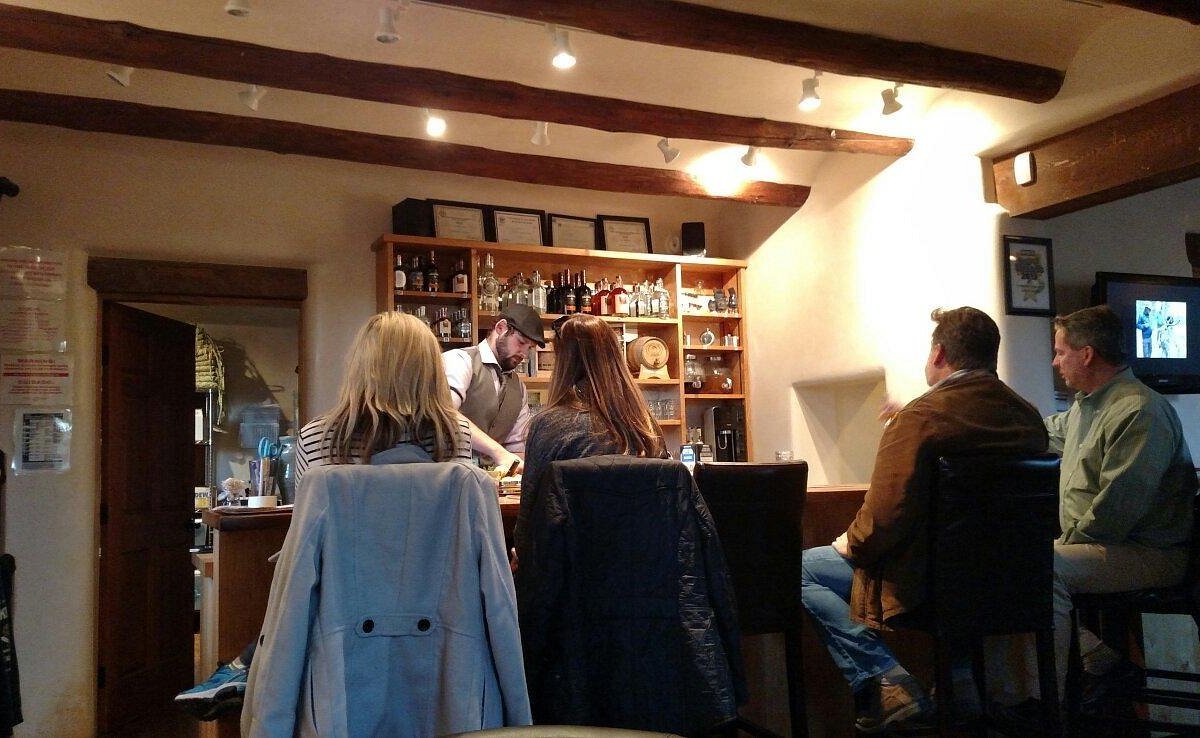
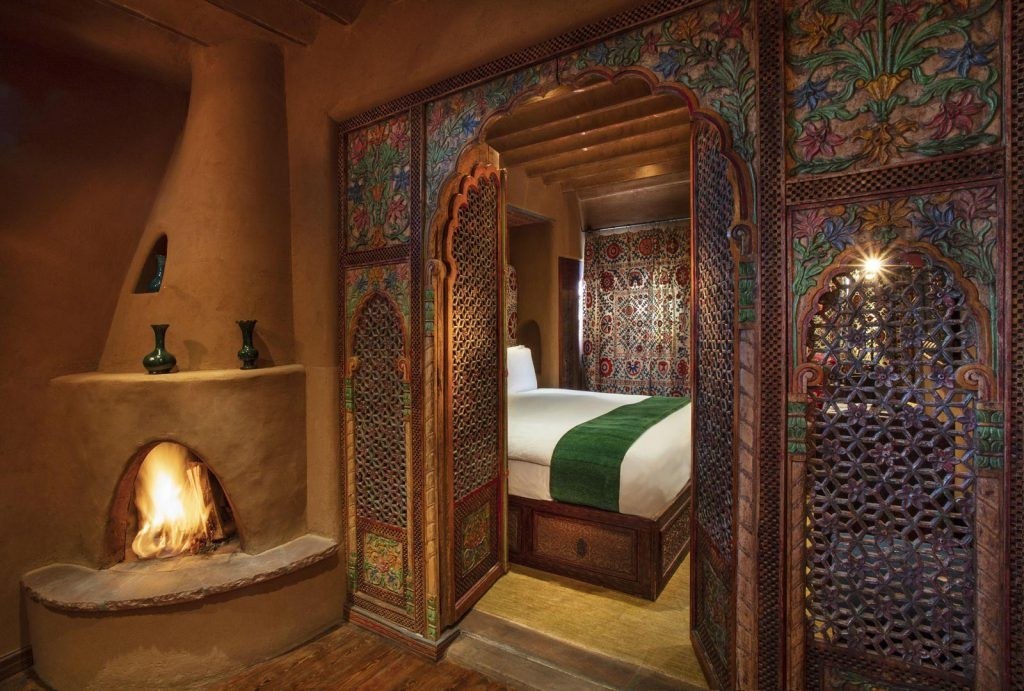
Cozy, colorful space with character-filled decor, hand-painted walls, and art; can get crowded, loud, and tight tables.