Café Beezou sits at Fred-Ape-Weg 66 in the Aplerbeck district of Dortmund, occupying a quieter tier of the city's café scene than the high-end modern kitchens closer to the centre. Without published menus or awards on record, its draw is neighbourhood consistency rather than critical recognition — the kind of place that earns its place through repeat visits rather than press coverage.
Pearl is the En Primeur Club membership app — saves, bookings, and concierge access live there. Same editors, same standards.
- Address
- Fred-Ape-Weg 66, 44263 Dortmund, Germany
- Phone
- +4923142707507
- Website
- beezou.de
- Directions
- Get directions
 Saves & bookings on Pearl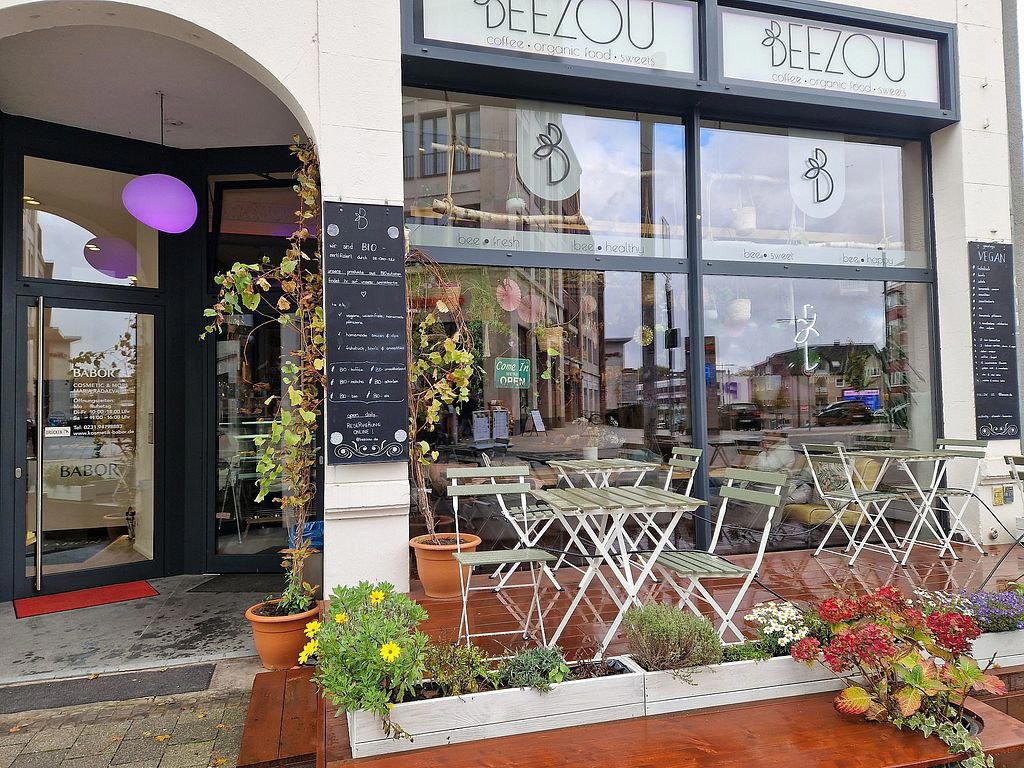
Where Dortmund's Neighbourhood Café Culture Holds Its Ground
Dortmund's dining conversation tends to cluster around its centre and the handful of ambitious kitchens that have repositioned the city in the wider German restaurant discourse. Places like SchwarzGold and The Stage occupy the €€€€ tier and draw a citywide audience. But Dortmund also runs a quieter, district-level circuit of cafés and casual addresses that serve the people who actually live in those neighbourhoods — and that circuit rarely gets written about. Café Beezou, on Fred-Ape-Weg in the Aplerbeck district (postal area 44263), belongs to that second category. It does not carry Michelin recognition, a published tasting menu, or a named chef with a documented lineage. What it represents instead is a consistent neighbourhood presence in a part of the city that sits well away from the central dining corridor.
Aplerbeck and the Logic of the Outer Districts
Understanding Café Beezou requires understanding Aplerbeck first. The district sits in the south-east of Dortmund, a residential area with a slower pace than the city's commercial core. Germany's café culture has always had a strong neighbourhood dimension — the Stammcafé tradition, where regulars hold a particular table and the proprietor knows their order before they sit down, is as embedded in German urban life as the Michelin-starred dining that draws international attention. The cafés that sustain this tradition rarely advertise heavily or pursue critical recognition. Their metric is repeat custom and local trust, not coverage in food media.
That context matters when placing Café Beezou against Dortmund's more visible dining addresses. The city has a growing set of kitchens working at the upper end of the price spectrum, Chuzo brings Japanese-influenced precision, while Kohinoor Indian Restaurant holds its ground as a long-standing subcontinental address. Then there are international-facing options like 60 Seconds To Napoli, which draws a different crowd entirely. Café Beezou operates in a different register from all of them, smaller in ambition, local in orientation, and valued for reasons that have nothing to do with menu innovation or award cycles.
The Sourcing Question at This Level of the Market
At premium addresses across Germany, from Schwarzwaldstube in Baiersbronn to Aqua in Wolfsburg and JAN in Munich, ingredient sourcing has become a central editorial and marketing story. Chefs document their supplier relationships, trace provenance to specific farms, and build menus around seasonal availability. That conversation has filtered down the price ladder, and even mid-market cafés across Germany now face customer expectations shaped by the premium tier's transparency about where food comes from.
For neighbourhood cafés in districts like Aplerbeck, the sourcing story is usually less documented but no less present. The practical reality is that a café operating at the local level often sources from regional wholesalers and nearby bakeries rather than directly from named farms, a supply chain that is less photogenic but no less tied to regional food networks. Dortmund and the broader Ruhr region have a network of regional producers feeding into the city's hospitality trade, and a café that has built local loyalty over time is, by definition, embedded in that network. Without published sourcing statements from Café Beezou's own record, it would be overreach to specify the details, but the structural point holds: neighbourhood cafés sustain local food economies in ways that rarely get credited in the same breath as high-profile kitchens.
This is the same dynamic visible at the opposite end of the spectrum, where places like Vendôme in Bergisch Gladbach or CODA Dessert Dining in Berlin treat sourcing as a public-facing identity statement. The logic at street-café level is the same, even if the communication strategy is not.
Where Café Beezou Sits in Dortmund's Wider Picture
For visitors coming to Dortmund with an interest in eating well across a range of formats, the city's full dining spread is worth mapping before arrival. The full Dortmund restaurants guide covers the range from high-end tasting menus down to the kind of neighbourhood addresses that define daily life in the city's outer districts. Café Beezou belongs in the lower half of that spectrum by price and ambition, but it represents the kind of place that fills a genuine gap in any neighbourhood's daily rhythm.
Germany's café culture at this level sits in an interesting position relative to international peers. Compared to the hyper-documented independent café scenes in cities like London or Melbourne, German neighbourhood cafés tend to operate with less social media presence and more reliance on word-of-mouth and physical community. That is partly generational and partly structural, the German hospitality trade has a different relationship with publicity than Anglophone markets. A café at an address like Fred-Ape-Weg 66 is not invisible because it lacks quality; it is invisible to food media because it is not playing that game.
Planning a Visit
Café Beezou is located at Fred-Ape-Weg 66, 44263 Dortmund, in the Aplerbeck district. Aplerbeck is reachable from central Dortmund via the S-Bahn S4 line or by bus, making it accessible without a car. As with many cafés operating at the neighbourhood level in Germany, specific hours, booking requirements, and current menu details are not published in any centralised record at time of writing, the most reliable approach is to contact or visit directly. For visitors whose Dortmund itinerary includes the city's more prominent dining addresses, Café Beezou fits naturally into a daytime break rather than a destination evening meal. Those looking for comparison points at the upper end of the German scene might also reference addresses like Victor's Fine Dining by Christian Bau in Perl, ES:SENZ in Grassau, or Schanz in Piesport to understand the range of what the country's restaurant culture covers, from three-star ambition down to the street-level café that keeps a district fed and connected. Outside Germany, the same spectrum plays out in different registers: Le Bernardin in New York City and Lazy Bear in San Francisco anchor the premium end, while neighbourhood addresses like Café Beezou hold the local fabric together at the other. Both ends of the market matter, and a city's dining culture is only as coherent as the full range it sustains. For broader context on the Ruhr region's hospitality scene, Waldhotel Sonnora in Dreis and Restaurant Haerlin in Hamburg offer useful reference points for what the German market looks like when it operates at full formal register.
How Café Beezou Dortmund compares with similar nearby venues.
| Venue | Cuisine | Price |
|---|---|---|
| La Cuisine Mario Kalweit | Classic French | €€€ |
At a Glance
- Cozy
- Modern
- Brunch
- Casual Hangout
- Open Kitchen
- Local Sourcing
Current opening hours
- Monday
- 9 AM–8 PM
- Tuesday
- 9 AM–8 PM
- Wednesday
- 9 AM–8 PM
- Thursday
- 9 AM–8 PM
- Friday
- 9 AM–8 PM
- Saturday
- 9 AM–8 PM
- Sunday
- 9 AM–8 PM
Hours can change for holidays and private events. Last verified .
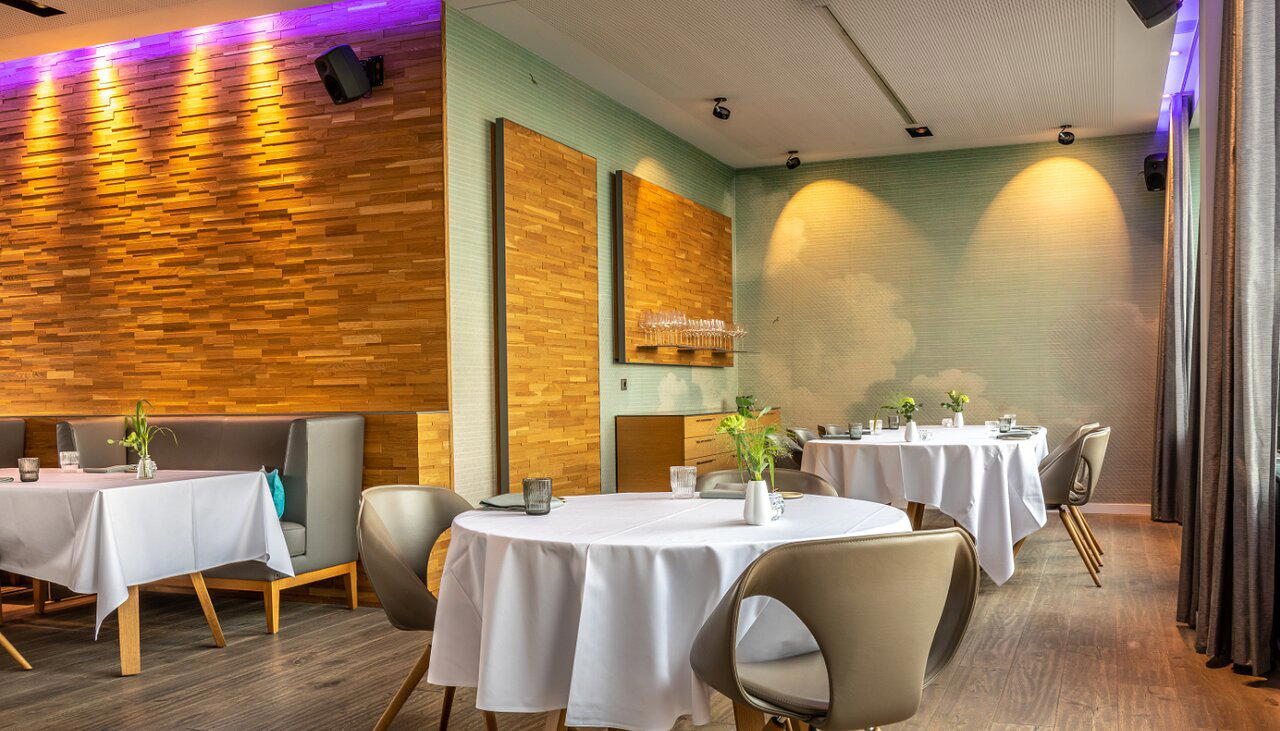
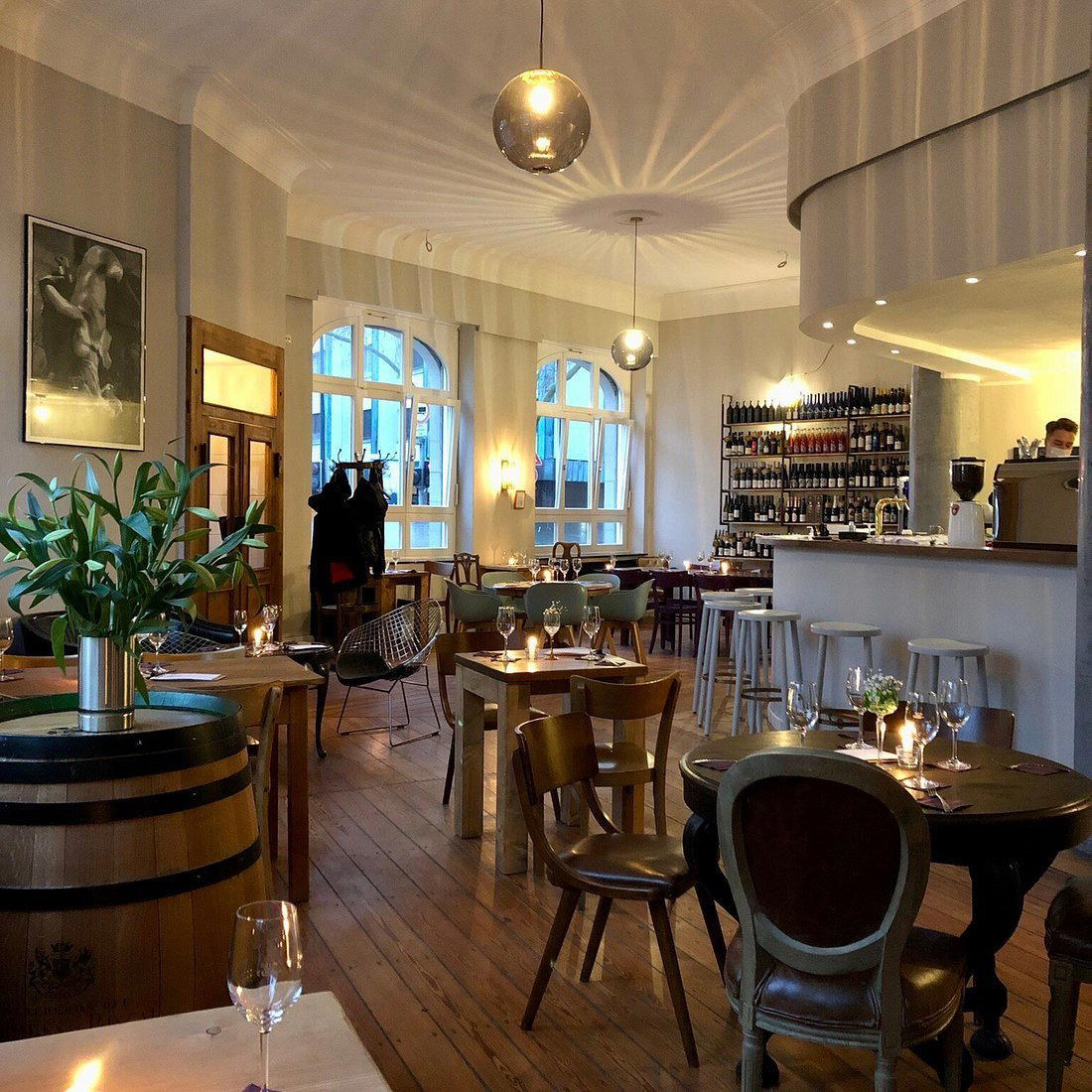
Cozy atmosphere filled with lots of green plants and natural lighting.
Know Before You Go
- Getting there
- Fred-Ape-Weg 66, 44263 Dortmund, Germany