
Stéphane Carbone holds a Michelin Plate (2024) and sits at the €€€ tier of Caen's modern cuisine scene, steps from the marina on Rue de Courtonne. The kitchen draws on Norman produce, Lyonnais tradition, and Calabrian heritage, delivering a menu that shifts with the chef's daily instincts alongside a roster of signature dishes. Saturday mornings bring a cookery class format; a lobster set menu runs as a standing option.
Pearl is the En Primeur Club membership app — saves, bookings, and concierge access live there. Same editors, same standards.
- Address
- 14 Rue de Courtonne, 14000 Caen, France
- Phone
- +33 2 31 28 36 60
- Website
- stephanecarbone.fr
- Directions
- Get directions
 Saves & bookings on Pearl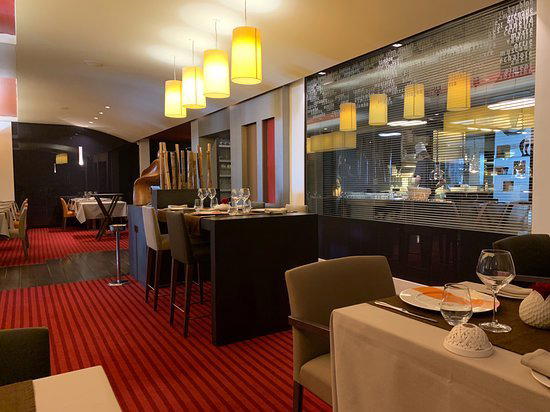
Where Caen's Marina District Meets France's Broader Terroirs
The walk to 14 Rue de Courtonne sets expectations correctly. You pass Caen's port-side activity, the low hum of a working marina town rather than a postcard harbour, and arrive at a room designed with a deliberate transparency: a large picture window opens the dining area onto the kitchen, so the work of cooking is part of what you're watching over dinner. It is a choice that signals confidence in process, not just outcome.
Caen's modern cuisine tier has consolidated around a handful of addresses in recent years. The relevant comparison set includes Ivan Vautier and Le Dauphin, both operating at similar price tiers with a comparable commitment to ingredient-led cooking. Below that bracket, Magma, Augia, and Simplexité represent the €€ modern cuisine alternatives. Stéphane Carbone sits firmly in the upper tier, and its Michelin recognition confirms the kitchen's position in that conversation.
The Michelin Plate and What It Signals in Normandy's Dining Scene
A Michelin Plate, introduced formally to the Guide as a recognition category, marks cooking that the inspectors judge to be of good quality without yet reaching the additional threshold of a star. In the context of Normandy, where the regional roster of starred addresses is dominated by a few long-established names, the Plate designation at a marina-district address in Caen positions this kitchen as part of a broader movement in French regional cooking: technically serious, produce-focused, and operating well outside the Paris gravity that has historically concentrated critical attention.
The Michelin endorsement, however modest in grade, carries particular weight at the €€€ level because it functions as external calibration. Caen's dining public is not short of places to eat well, but the Plate signals that this kitchen is operating to a standard that holds up under independent scrutiny.
France's most decorated modern cuisine addresses, Alléno Paris au Pavillon Ledoyen, Mirazur in Menton, Bras in Laguiole, are structurally different propositions: different price tiers, different booking timelines, different levels of formal ceremony. What connects them to addresses like this one is an underlying logic about the relationship between place, produce, and the cook's interpretation. That logic runs through the menu here, though it operates at a different register of ambition and formality.
A Kitchen That Draws on Multiple Frances
The menu's reference points are geographic in a way that distinguishes this kitchen from the Normandy-first positioning of many regional tables. Norman produce grounds the cooking in the local supply chain, but the kitchen also draws on the Lyonnais tradition and Bresse, alongside Calabrian influence from the chef's family background. This multi-regional orientation produces a menu that moves across French terroir rather than anchoring to a single one, which is a meaningful editorial choice in a country where regional identity is often the primary marketing lever for serious restaurants.
The mode of cooking described is explicitly responsive: the menu proceeds according to the kitchen's instincts on a given day. That approach places this address in a broader category of European modern cuisine houses that treat the written menu as a live document rather than a fixed contract with the diner. Signature dishes serve as anchors in that system. The heart sweetbread cooked in a sauté pan and the Caribbean chocolate shell with hot chocolate velouté are examples: dishes with enough identity to hold their place across service iterations while the broader menu around them shifts. For equivalent approaches to modern cuisine as a mood-driven format at a higher price tier, Flocons de Sel in Megève and Troisgros - Le Bois sans Feuilles in Ouches represent the French benchmark. The comparison is instructive rather than direct: they operate in different categories of restaurant experience entirely.
Lobster set menu runs as a standing format alongside the à la carte, giving the kitchen a second register to work in. Set menus at this tier serve a different function than à la carte in French dining: they allow the kitchen to sequence a meal according to its own logic, and they often represent better value per ingredient quality than the sum of individual dish prices would imply.
Saturday Mornings: The Cookery Class Format
Weekly Saturday morning cookery class is a recurring programme that positions this address as something beyond a purely transactional dining room. The class runs weekly, which gives visit planning a fixed anchor.
Planning a Visit
Restaurant sits at 14 Rue de Courtonne, 14000 Caen, close to the marina, which is walkable from several of Caen's central hotel options. The city's hotel stock ranges from design-led independents to international group properties; The price tier at €€€ puts a meal here in the upper range for Caen dining, and the Michelin Plate endorsement for 2024 suggests the kitchen is performing at a level that justifies it. Hours and current booking procedures are: Mon Closed; Tue 12-1:30 PM, 7:30-9:30 PM; Wed 12-2 PM, 7:30-9:30 PM; Thu 12-2 PM, 7:30-9:30 PM; Fri 12-2 PM, 7:30-9:30 PM; Sat 7:30-9:30 PM; Sun Closed.
For those building a wider itinerary around Caen's food and drink scene, Normandy's cider and calvados tradition offers a regional drinks dimension that sits alongside the wine-focused programming at this tier of restaurant, and it is worth factoring into any serious visit to the city. Internationally, the modern cuisine format at addresses like Frantzén in Stockholm and FZN by Björn Frantzén in Dubai and Paul Bocuse - L'Auberge du Pont de Collonges in Collonges-au-Mont-d'Or illustrate the global range within which France's regional modern cuisine tables now operate.
What Do People Recommend at Stéphane Carbone?
The dishes most associated with this kitchen in public record are the heart sweetbread cooked in a sauté pan and the Caribbean chocolate shell with hot chocolate velouté, both listed as signature à la carte options. The lobster set menu is the format recommended for those who want the kitchen to dictate the sequence. The cookery class on Saturday mornings is specifically suited to visitors who want access to the kitchen's working method rather than a purely front-of-house experience. The menu's day-to-day variability means that individual dish recommendations are less reliable than an understanding of the kitchen's overall orientation: produce-led, multi-regional, and weighted toward technique rather than decorative elaboration.
Price and Recognition
Comparable venues nearby, for context on price, style, and recognition.
| Venue | Cuisine | Price | Awards | Notes |
|---|---|---|---|---|
| Stéphane CarboneThis venue — the venue you are viewing | Modern Cuisine | $$$ | Michelin Plate | Not listed |
| Séquence | Not listed | $$$$ | Michelin Plate | Caen city center, Modern French Tasting Menu |
| L'Embroche | Not listed | $$ | Not listed | Quartier du Vaugueux, Traditional French Bistronomique |
| Le Dauphin | city center, Normandy French Gastronomic | $$$ | Michelin Plate | Not listed |
| Simplexité | Dining | Not listed | Michelin Plate | Not listed |
| L'Intuition d'André | Centre-ville, Modern French Bistro | $$$ | Michelin Plate | Not listed |
Recognition history
Dated appearances from independent guides and award organizations, with the underlying list record or original source where available.
Michelin Plate
Michelin
Michelin Plate
Michelin
Michelin Plate
Michelin
Continue exploring
More in Caen
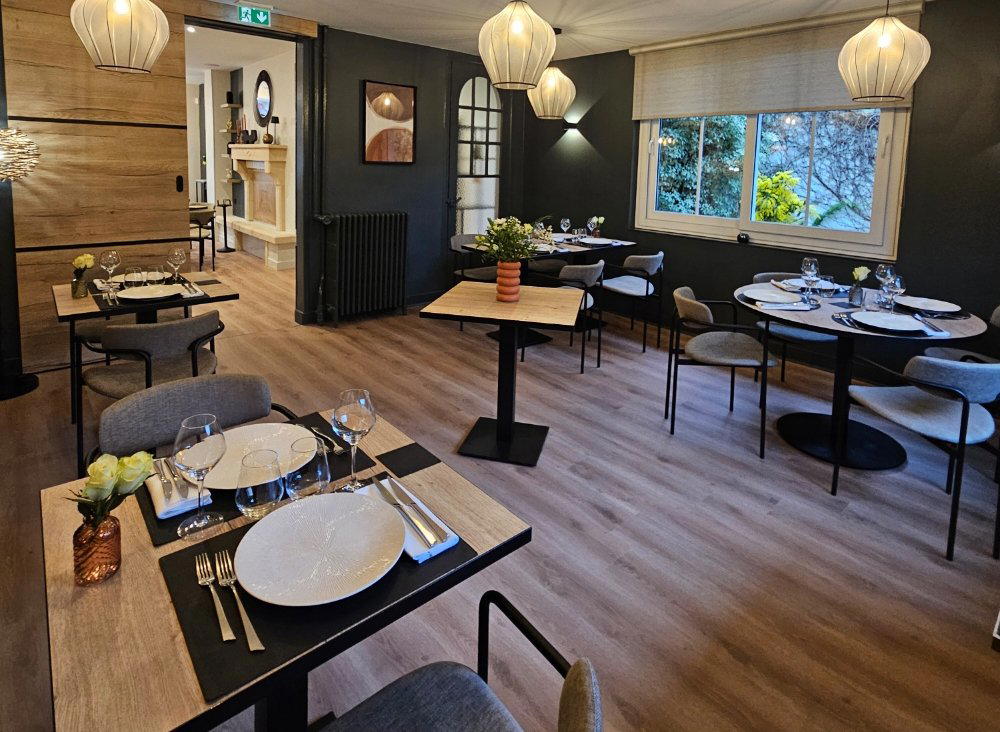
Restaurants in Caen
Browse all →
Bars in Caen
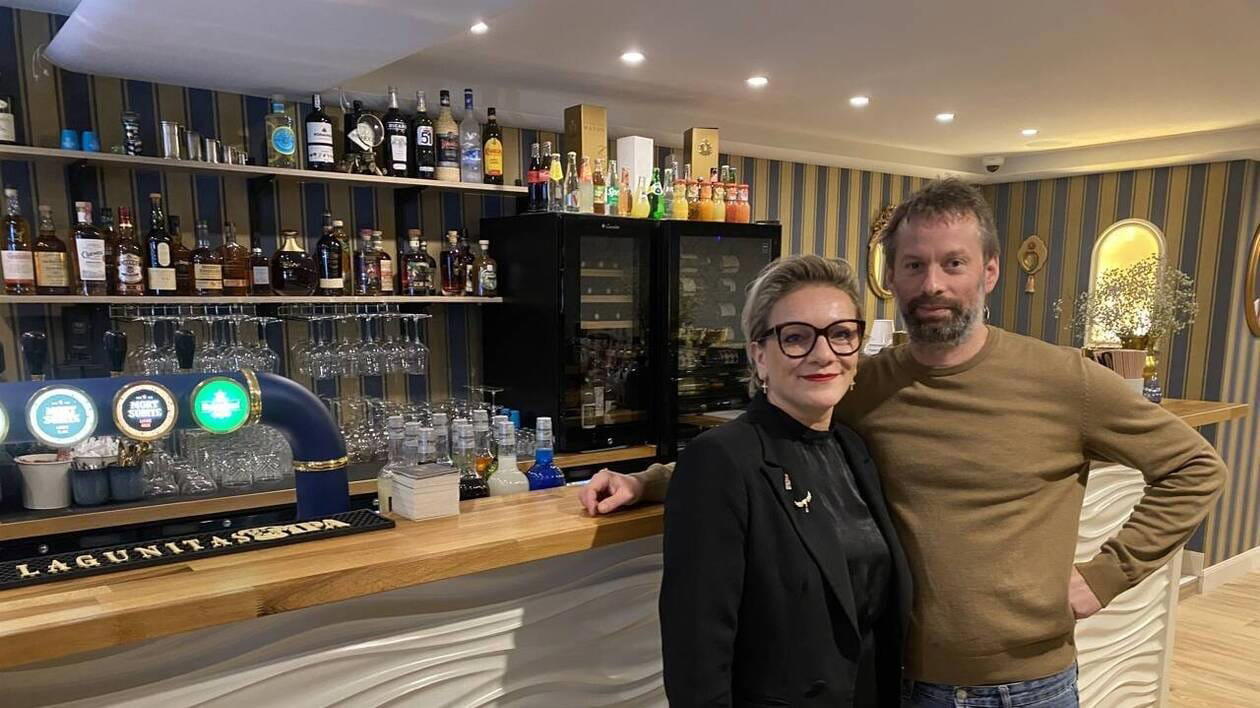
Browse all →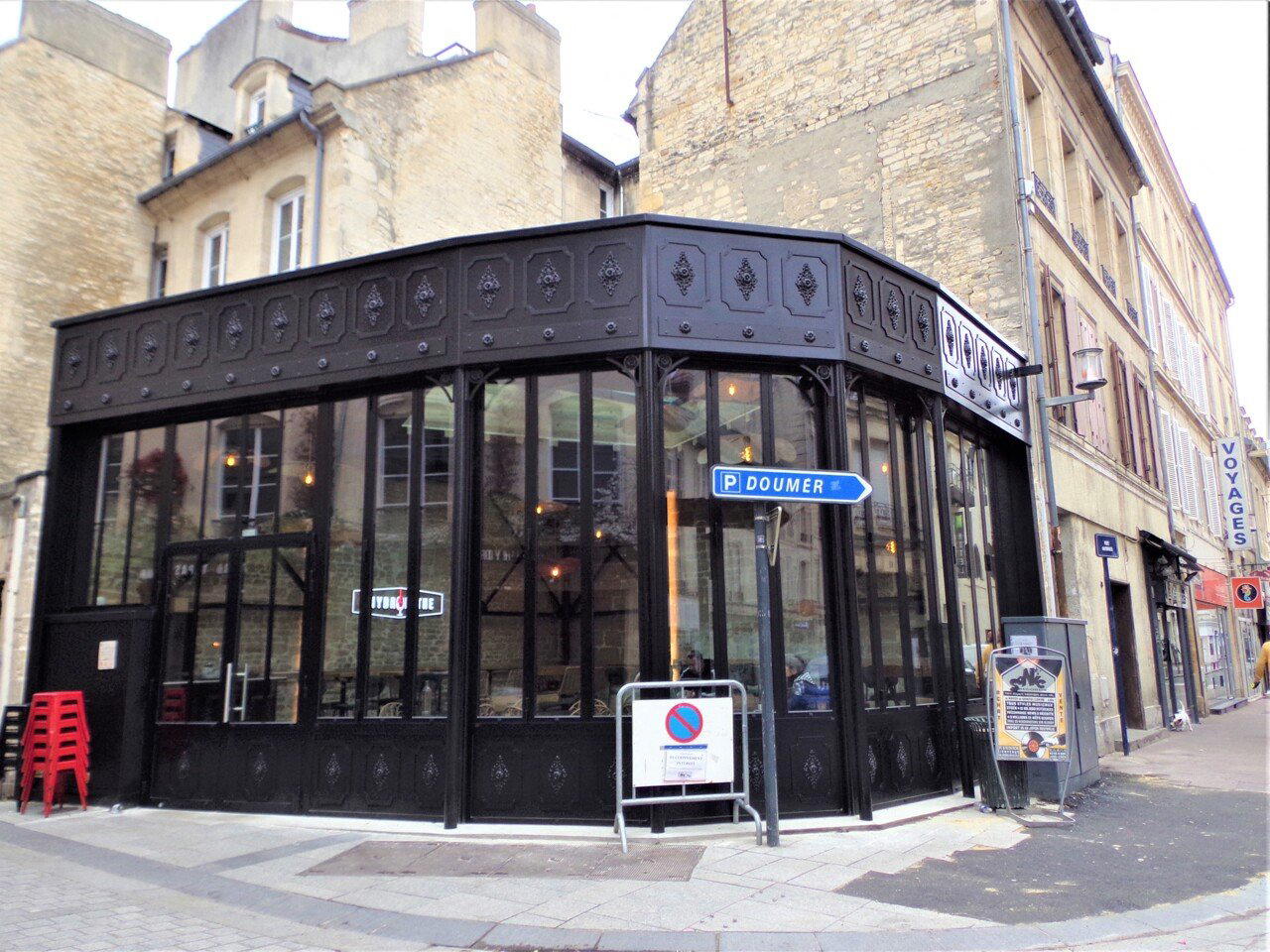
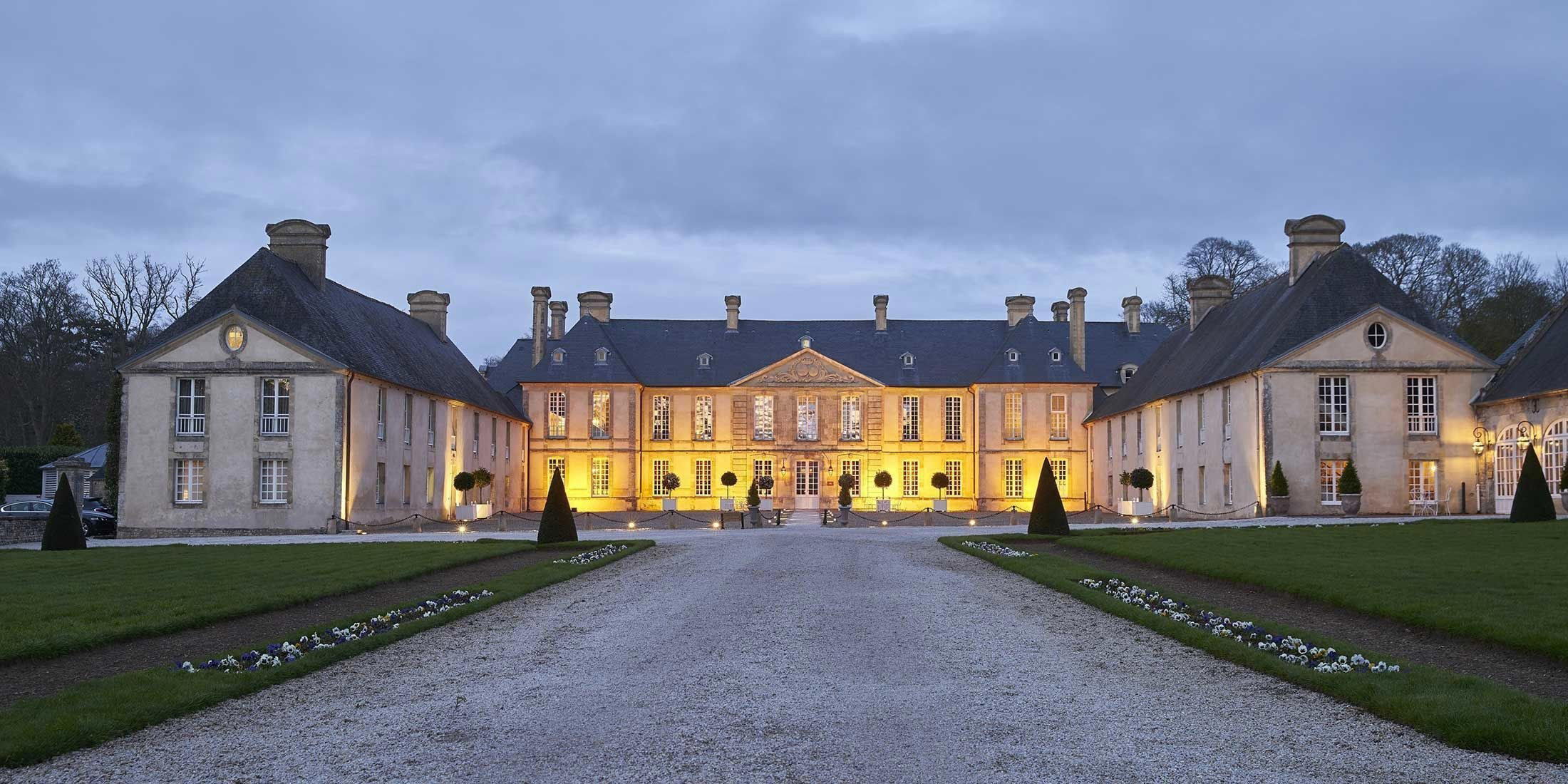
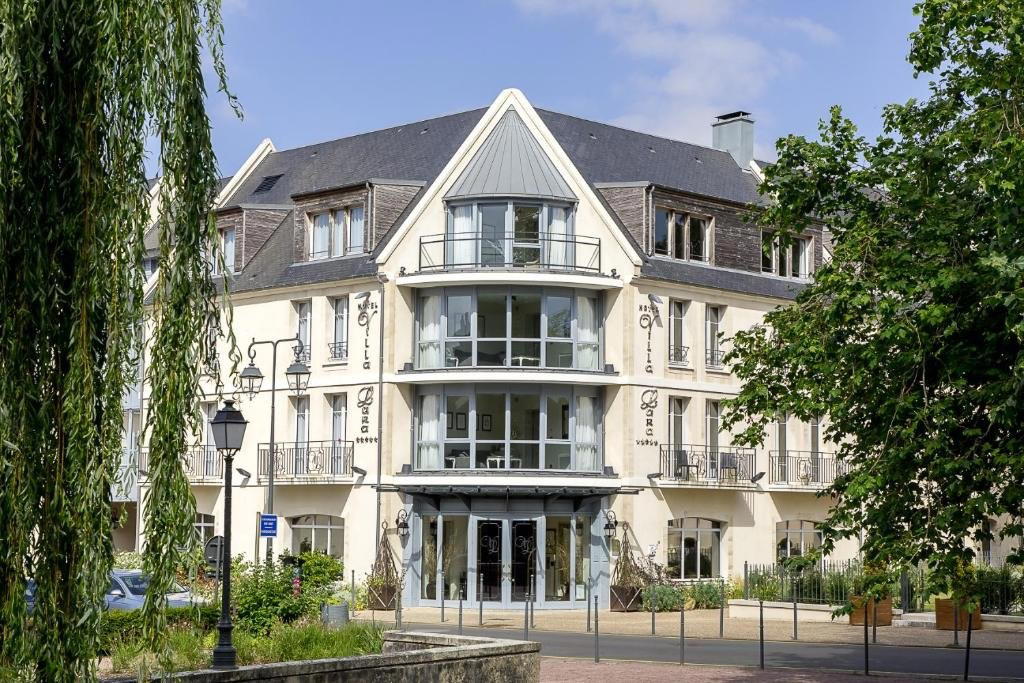
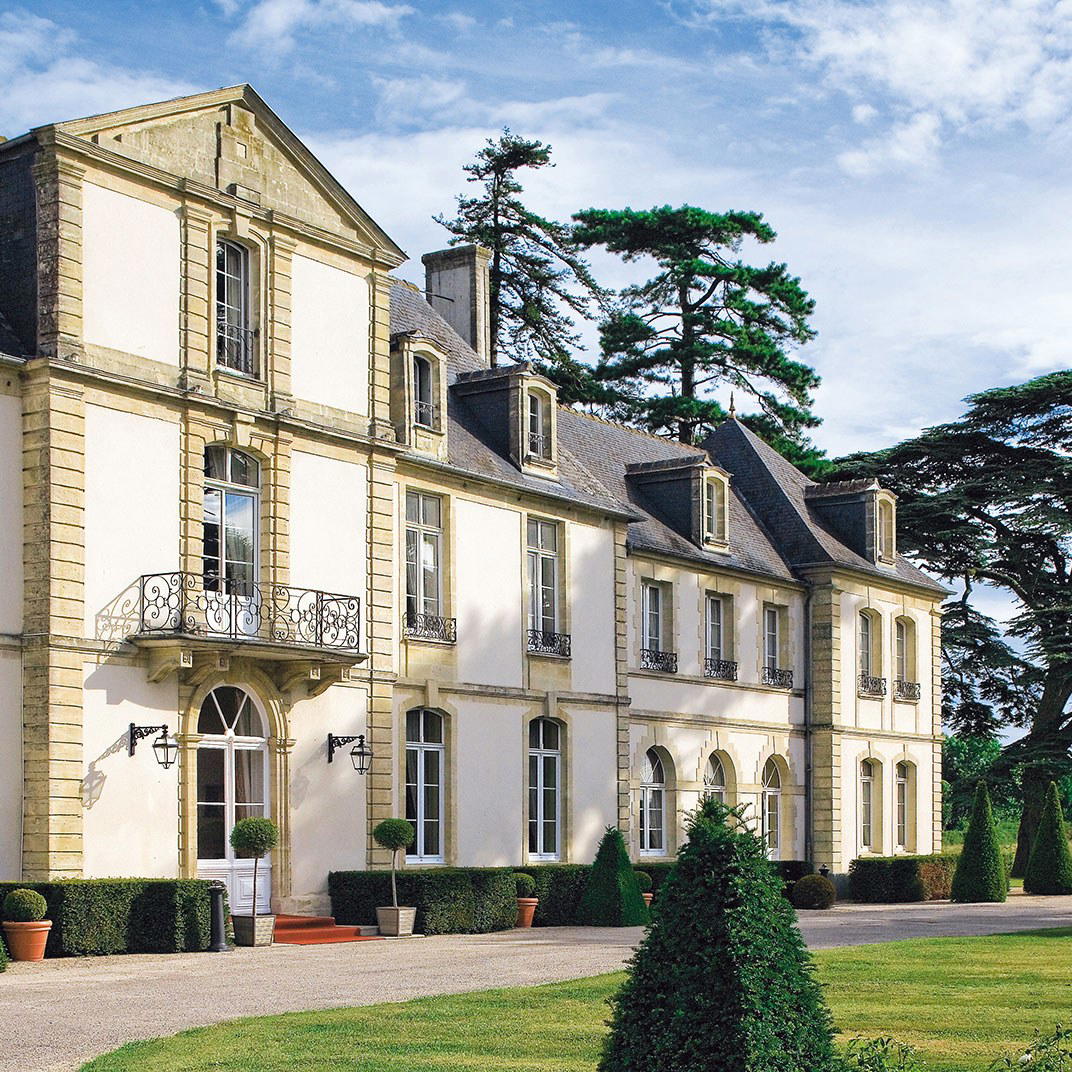
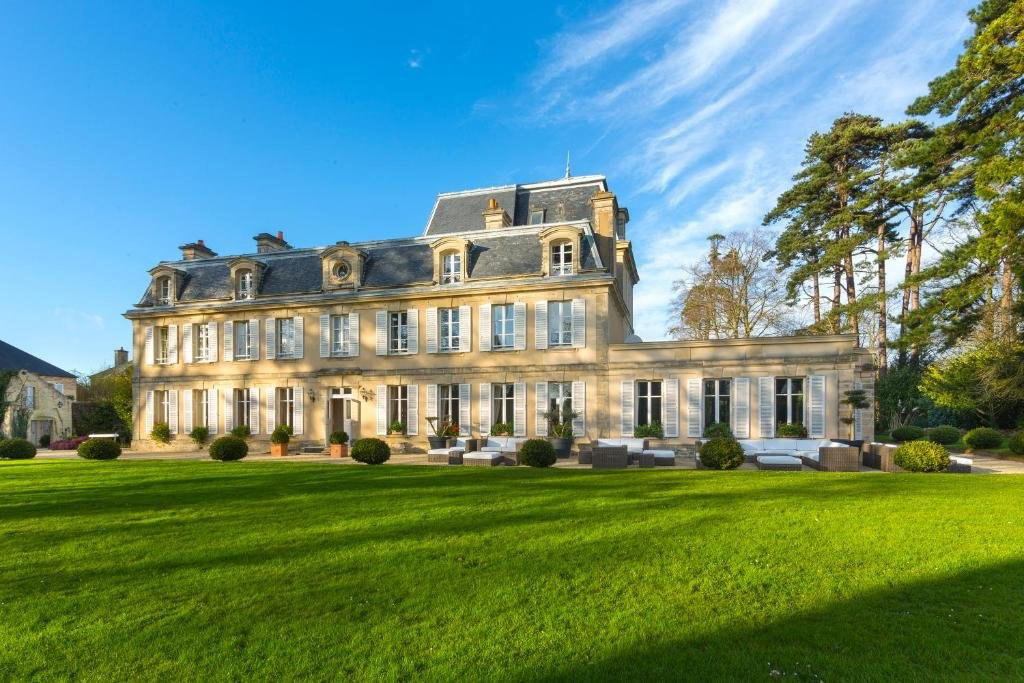
Hotels in Caen
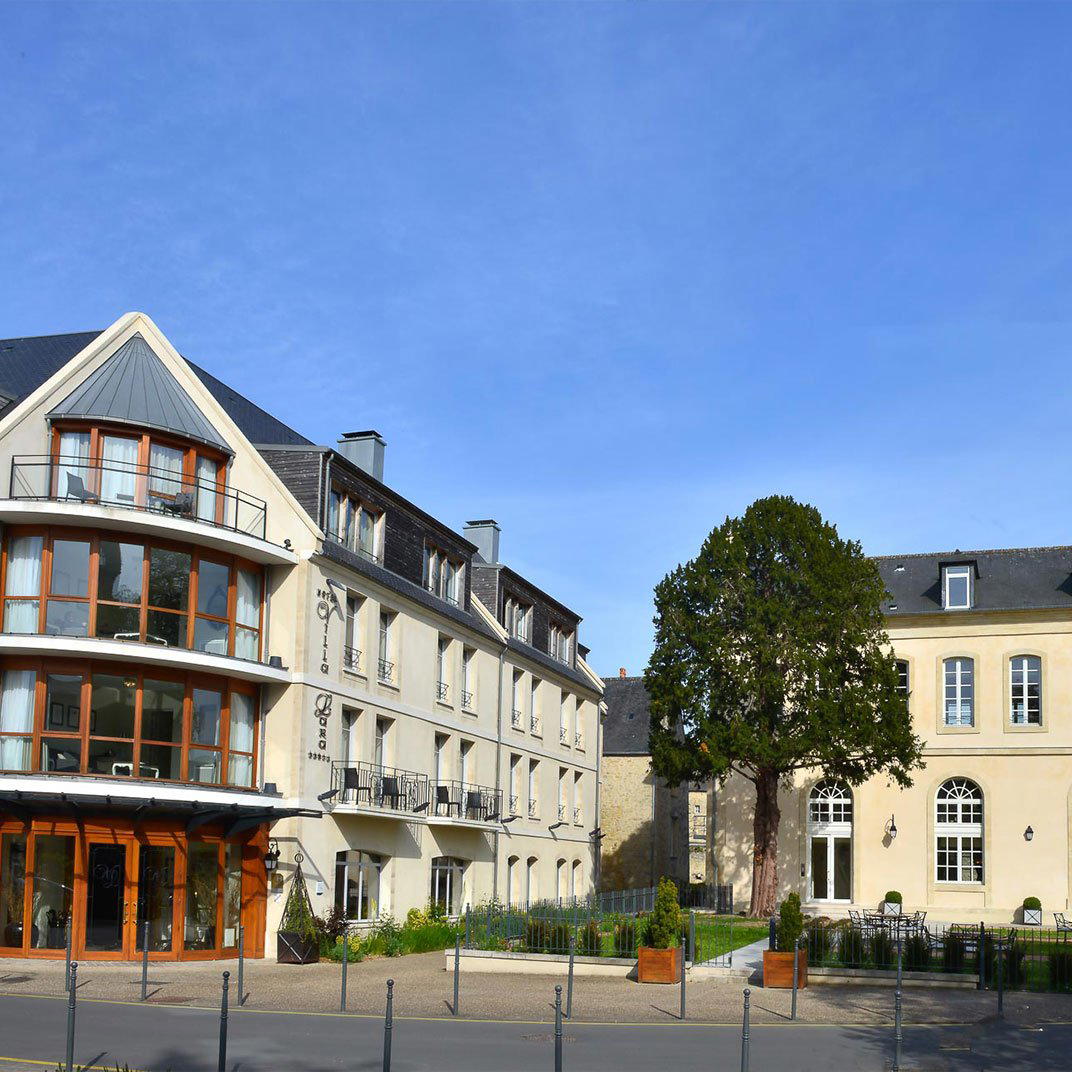
Browse all →
Wineries in Caen
Browse all →
At a Glance
- Elegant
- Sophisticated
- Modern
- Cozy
- Date Night
- Special Occasion
- Business Dinner
- Open Kitchen
- Extensive Wine List
- Local Sourcing
Current opening hours
- Monday
- Closed
- Tuesday
- 12–1:30 PM, 7:30–9:30 PM
- Wednesday
- 12–2 PM, 7:30–9:30 PM
- Thursday
- 12–2 PM, 7:30–9:30 PM
- Friday
- 12–2 PM, 7:30–9:30 PM
- Saturday
- 7:30–9:30 PM
- Sunday
- Closed
Hours can change for holidays and private events. Last verified .
Elegant and warm atmosphere with contemporary design, soft lighting, and a transparent 'glass house' feel allowing views into the kitchen.