Legacy Records

Legacy Records on West 38th Street sits at the convergence of Hell's Kitchen's restaurant revival and the Italian-American table's renewed credibility. Chef Ryan Hardy's kitchen turns out handmade pasta, a raw bar, and a honey-lacquered duck breast under the Delicious Hospitality Group banner, a group that has shown consistent investment in ingredient-driven cooking across its New York portfolio.
Pearl is the En Primeur Club membership app — saves, bookings, and concierge access live there. Same editors, same standards.
- Address
- 517 West 38th Street, New York
- Phone
- (917) 748-3248
- Website
- legacyrecordsrestaurant.com
- Directions
- Get directions
 Saves & bookings on Pearl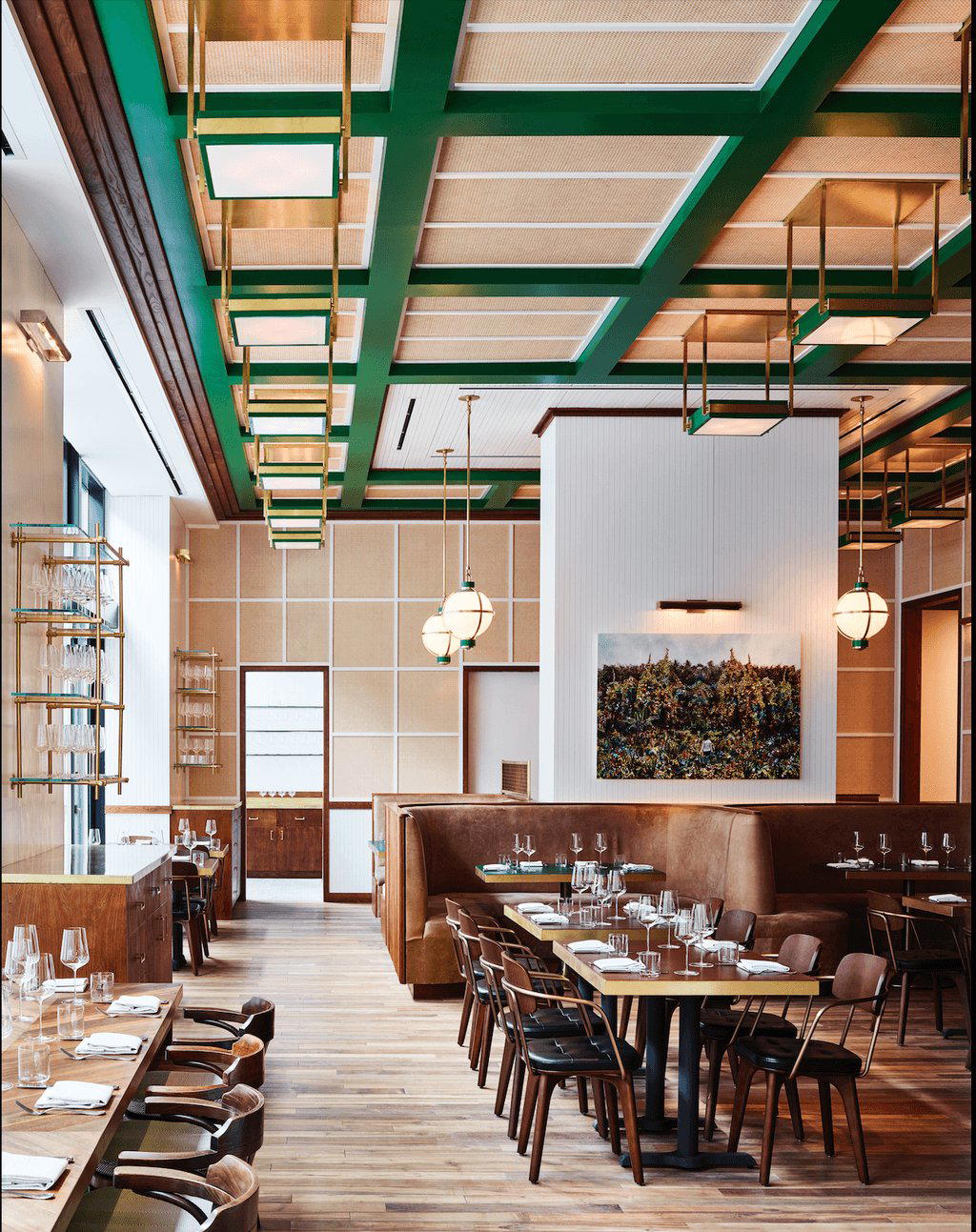
Hell's Kitchen, Redrawn
West 38th Street is not where most visitors orient their New York dining instincts. The blocks between Eighth and Ninth Avenues in Hell's Kitchen occupy a mid-Manhattan zone that the press tends to overlook in favour of the more photogenic addresses in the West Village or Tribeca. That relative obscurity has, over the past decade, worked in the neighbourhood's favour. Rents that stayed below the premium corridors allowed a different class of operator to open here: chefs who wanted space, a genuine dining room, and a guest base that travels for food rather than for proximity to a hotel lobby. Legacy Records fits this pattern. Situated at 517 West 38th Street, the restaurant occupies what was a former recording studio, and the room retains an architectural weight that newer builds rarely achieve, exposed brick and timber that absorb sound and candlelight in roughly equal measure. It is the kind of space that makes you lower your voice slightly on entering, which is either a design intention or a fortunate accident.
The Source Logic Behind the Menu
Italian-American cooking at its most serious is a sourcing argument first. The question the kitchen must answer is not which dish to put on the menu but where the component comes from and whether the handling respects it. Ryan Hardy's approach at Legacy Records is organised around that logic. The handmade pasta program, the labour-intensive commitment any Italian-leaning kitchen can make, signals an investment in process that pre-packaged or extruded alternatives simply cannot replicate. Fresh pasta made in-house behaves differently on the plate: it absorbs sauce at a different rate, it carries texture that dried pasta cannot, and it forces the kitchen to work in smaller batches and respond to what is available. That constraint tends to produce better food.
The raw bar tells a parallel story. In New York, a raw bar is simultaneously a claim about sourcing relationships and a daily quality test with nowhere to hide. The leading raw bars in the city, the ones that have lasted, are built on direct supplier connections and consistent provenance. Le Bernardin, which operates at the summit of the French seafood category in New York, has made sourcing transparency a central part of its identity for decades. Legacy Records works in a different register, combining the raw bar with an Italian-influenced kitchen rather than a classically French one, but the underlying principle, that the quality of what arrives at the kitchen door determines everything, is the same.
The honey-lacquered duck breast has drawn sustained attention of anything on the menu. Duck prepared this way requires patience in both sourcing and execution: the lacquering process demands time and a product with sufficient fat to carry the glaze without burning through it. That kind of dish does not work with commodity poultry. It requires a specific bird, likely from a small producer, raised to a size and fat content that the kitchen has selected deliberately. When the dish arrives correctly, the skin is a separate textural event from the meat beneath it, caramelised, slightly sweet, with the iron richness of the duck working against the honey rather than being overwhelmed by it.
Where Legacy Records Sits in the City's Wider Conversation
New York's premium restaurant tier has fragmented in ways that make simple comparisons difficult. At one end, tasting-menu counters like Masa and Per Se operate on fixed, multi-course formats with price points that functionally exclude spontaneous visits. At the other end, the neighbourhood trattoria model has proliferated to the point where differentiation is almost impossible. The restaurant occupies the productive middle ground: a full-service restaurant with a menu broad enough to support a la carte dining, a bar program that functions independently of the kitchen, and a culinary framework specific enough to make choices meaningful. Comparable restaurants in the ingredient-driven Italian-American space, César and Saga among them, occupy similar territory in terms of ambition and format, though each with its own distinct sourcing emphasis.
The Delicious Hospitality Group's track record matters here as context rather than a credential. Restaurant groups that sustain ingredient-driven programs across multiple properties do so because they can negotiate supplier relationships at volume, which, counterintuitively, often produces better sourcing outcomes than a single standalone can achieve. The group's investment in Hardy's kitchen at the restaurant is a signal of institutional commitment to a particular quality of cooking rather than a quick-cycle concept.
For readers mapping the wider American dining conversation, the restaurant belongs to a cohort of restaurants in major cities that have chosen depth over spectacle. Lazy Bear in San Francisco, Alinea in Chicago, and Providence in Los Angeles each represent a city's answer to the question of what serious cooking looks like outside the tasting-menu format. Internationally, the comparison set extends to places like 8½ Otto e Mezzo Bombana in Hong Kong and Alain Ducasse at Louis XV in Monte Carlo, where Italian-influenced kitchens operate at the summit of their respective markets through sourcing discipline rather than format novelty. Emeril's in New Orleans and Single Thread Farm in Healdsburg represent American restaurants that have made provenance the central organising principle of their menus, which is precisely the language the restaurant speaks. The French Laundry in Napa remains the benchmark against which American fine dining measures sourcing ambition, and while the restaurant operates in a different price tier and format, the underlying ethic connects them.
Planning Your Visit
The restaurant is located at 517 West 38th Street, in the Hell's Kitchen section of Midtown Manhattan. The address is accessible from multiple subway lines at the 34th Street-Hudson Yards or 42nd Street-Port Authority stations, and the Hudson Yards corridor has added foot traffic to the western side of Midtown that benefits restaurants in the surrounding blocks. Reservations are recommended, especially for weekend evenings.
Fast Comparison
Comparable venues nearby, for context on price, style, and recognition.
| Venue | Cuisine | Price | Notes |
|---|---|---|---|
| Legacy RecordsThis venue — the venue you are viewing | Japanese-influenced Italian | $$$$ | Not listed |
| Bad Roman | Modern Italian | $$$$ | Upper West Side-Lincoln Square |
| Mark's Off Madison | Rustic Italian | $$$ | Midtown South-Flatiron-Union Square |
| Leuca | Southern Italian Wood-Fired | $$$ | Williamsburg |
| I Cavallini | Seasonal Italian | $$$ | Williamsburg |
| Duomo51 | Tuscan Italian Fine Dining | $$$$ | Midtown-Times Square |
Recognition history
Dated appearances from independent guides and award organizations, with the underlying list record or original source where available.
Star Wine List
Star Wine List
Continue exploring
More in New York City
Restaurants in New York City
Browse all →
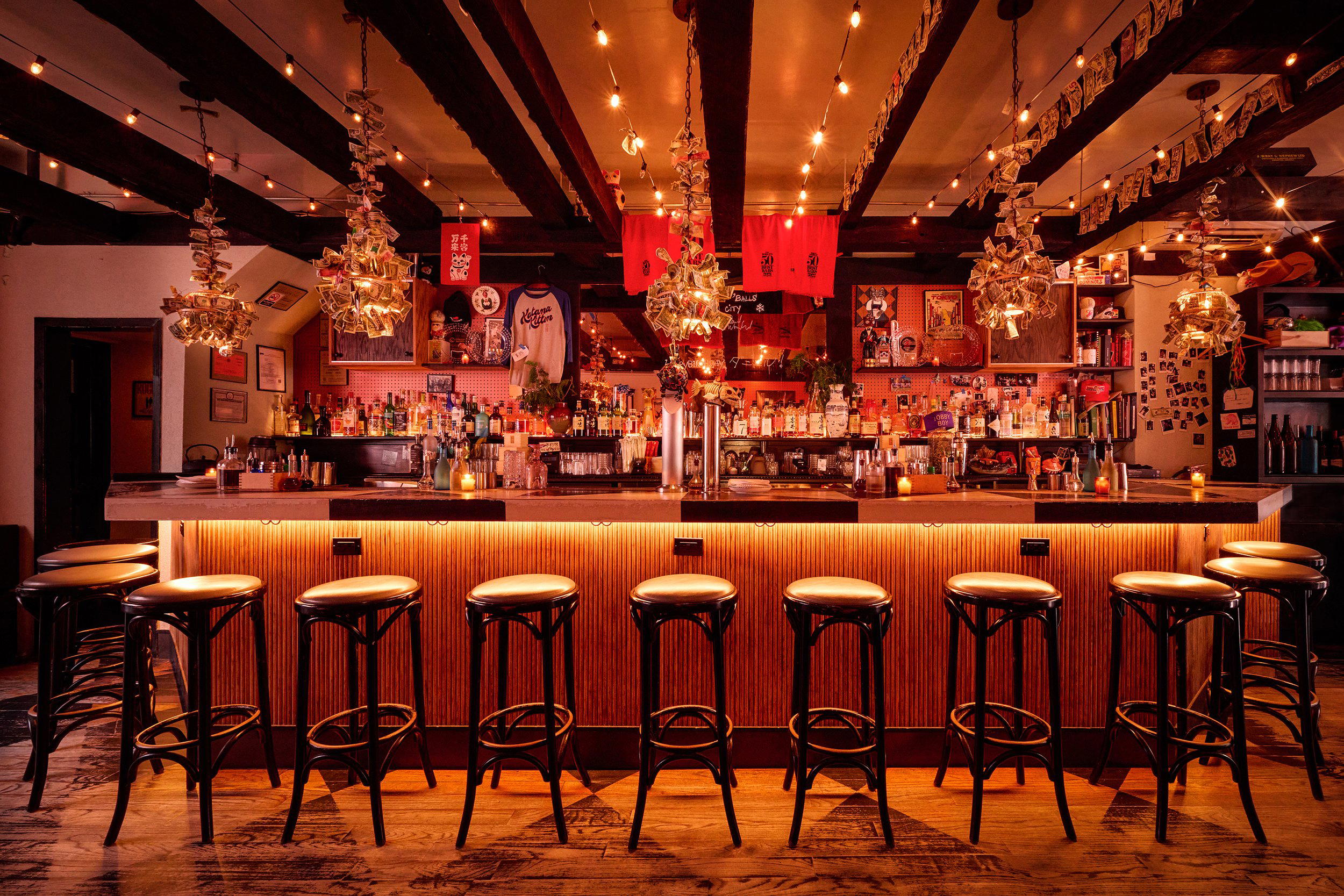
Bars in New York City
Browse all →


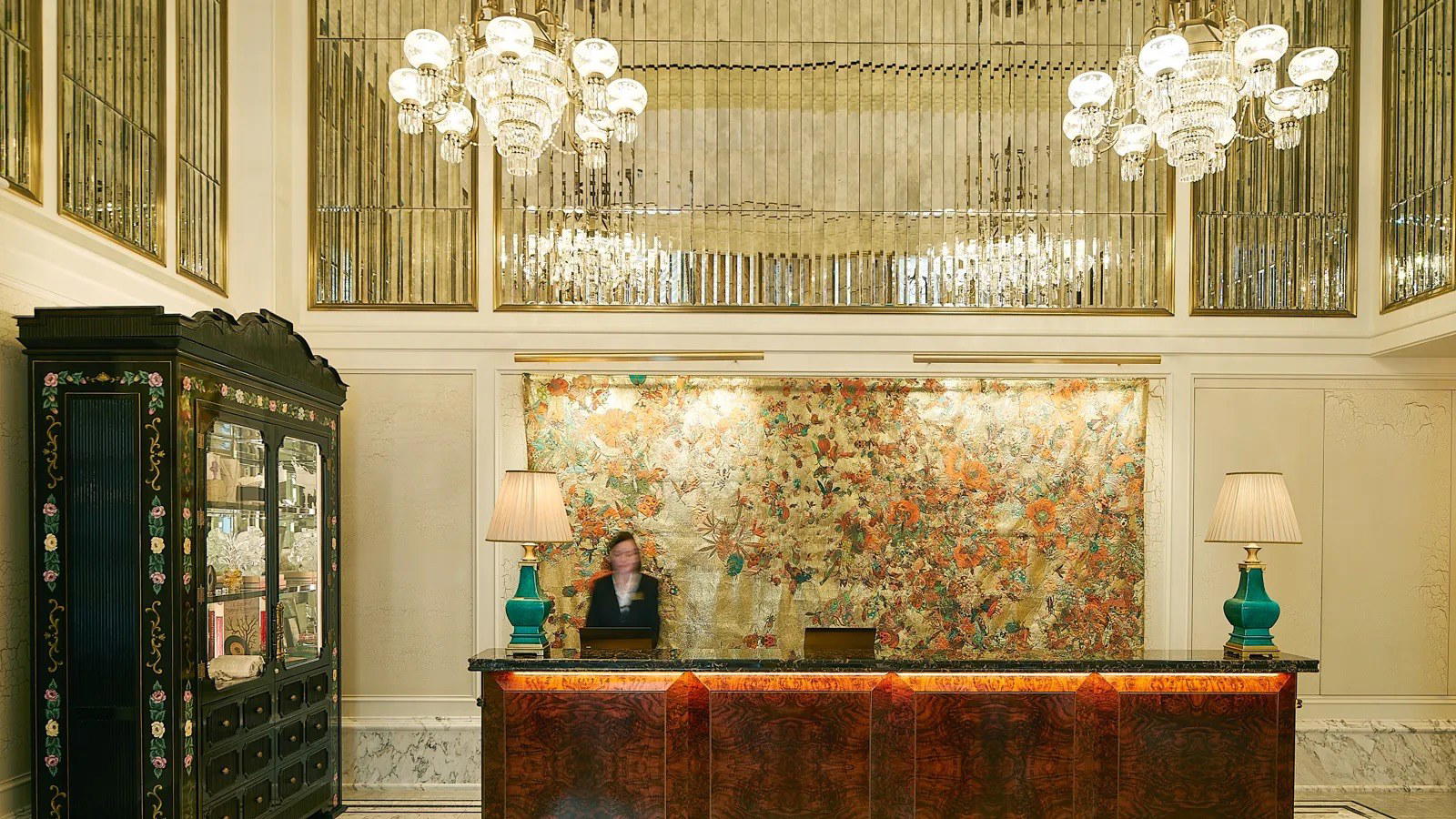
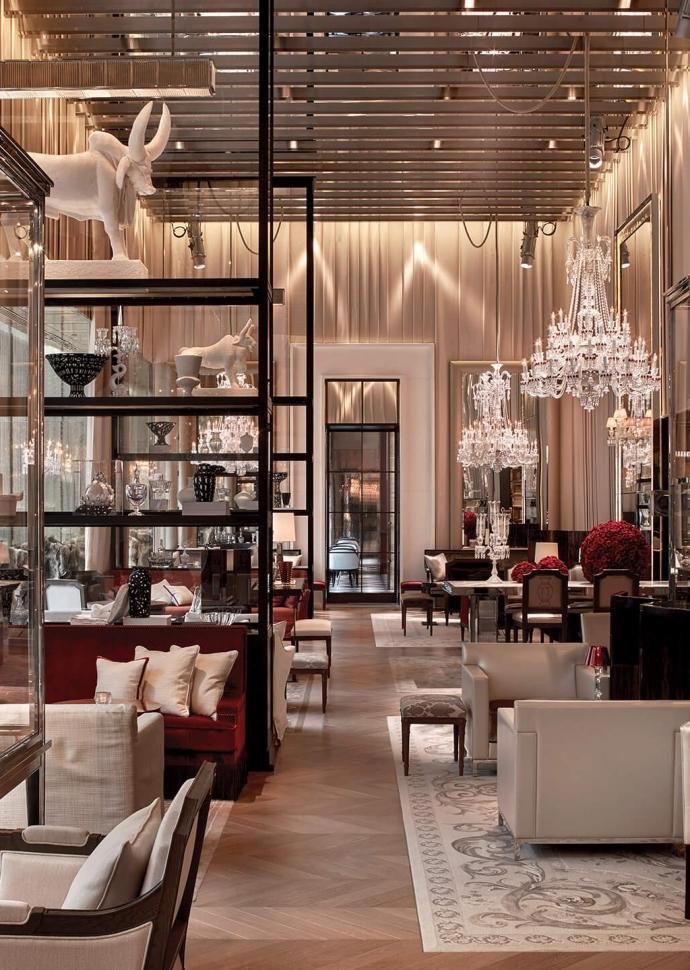
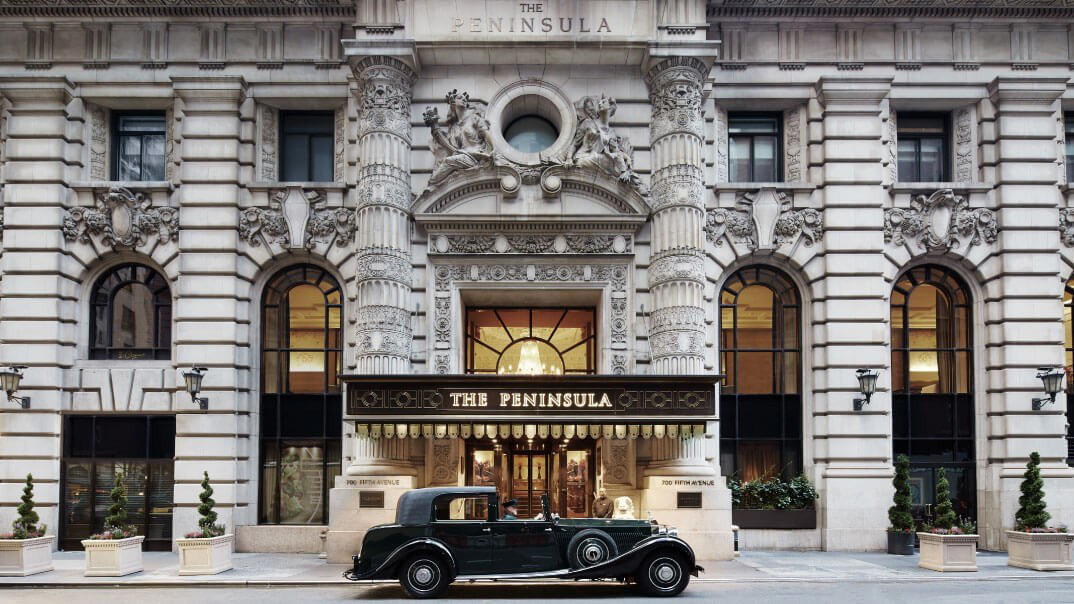
Hotels in New York City
Browse all →





At a Glance
- Sophisticated
- Elegant
- Modern
- Trendy
- Date Night
- Business Dinner
- Special Occasion
- Group Dining
- Open Kitchen
- Extensive Wine List
- Craft Cocktails
- Sommelier Led
Ornate with high ceilings, leather-topped tables, horseshoe bar, green-and-gold scheme, and lively old-school hip hop or soul soundtrack.