
Le Trappeur Restaurant sits firmly in Megève’s Savoyard-bistro register: wood, regional memory, seasonal produce, and alpine comfort rather than grand tasting-menu theatre. Chef Jérôme Blanchetière’s kitchen reads local tradition through a contemporary bistro lens, making it a useful counterpoint to the resort’s more international dining rooms.
Pearl is the En Primeur Club membership app — saves, bookings, and concierge access live there. Same editors, same standards.
- Address
- 159 Rue Mgr Conseil
- Phone
- +33 (0)4 50 21 15 73
- Directions
- Get directions
 Saves & bookings on Pearl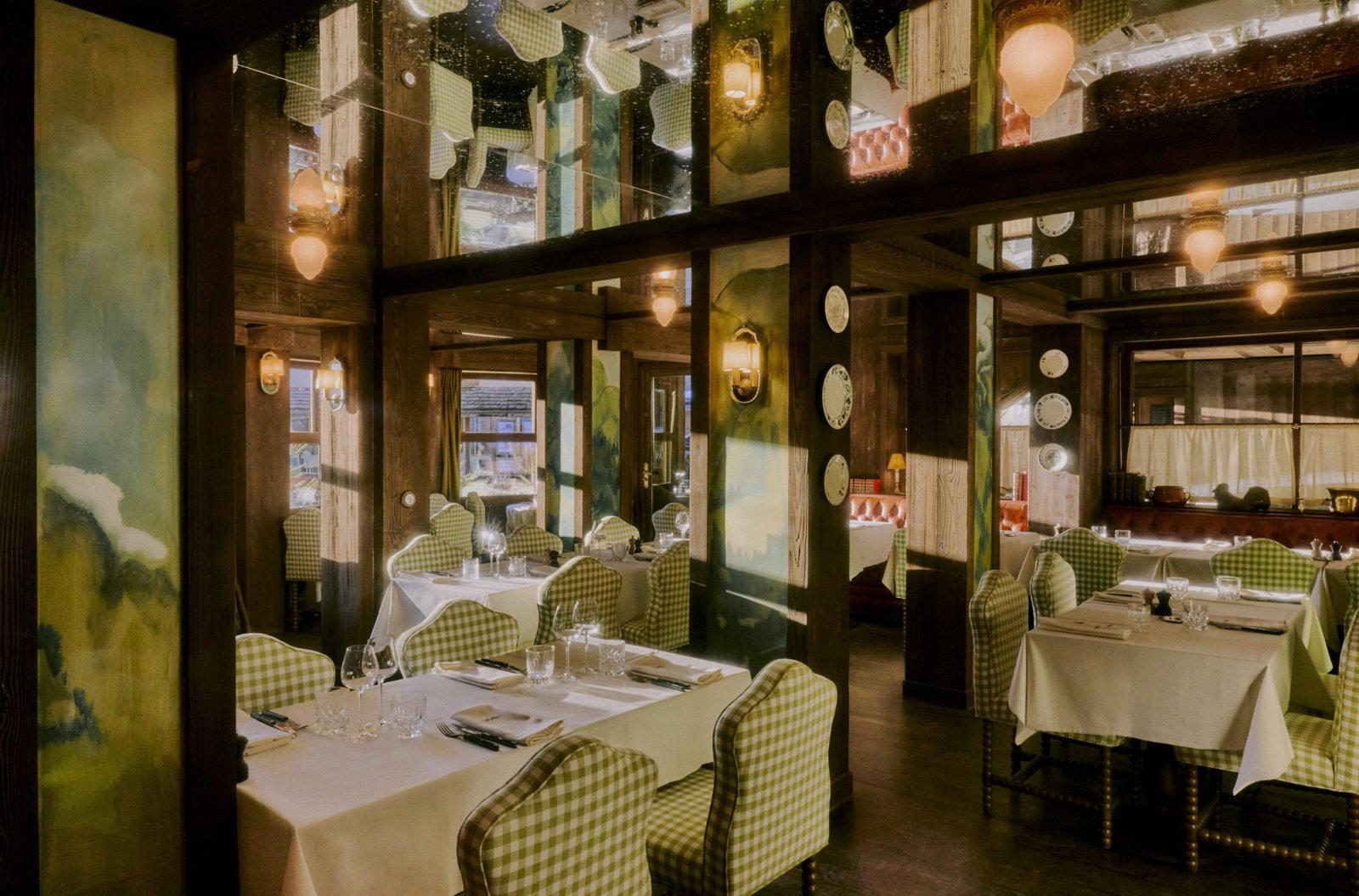
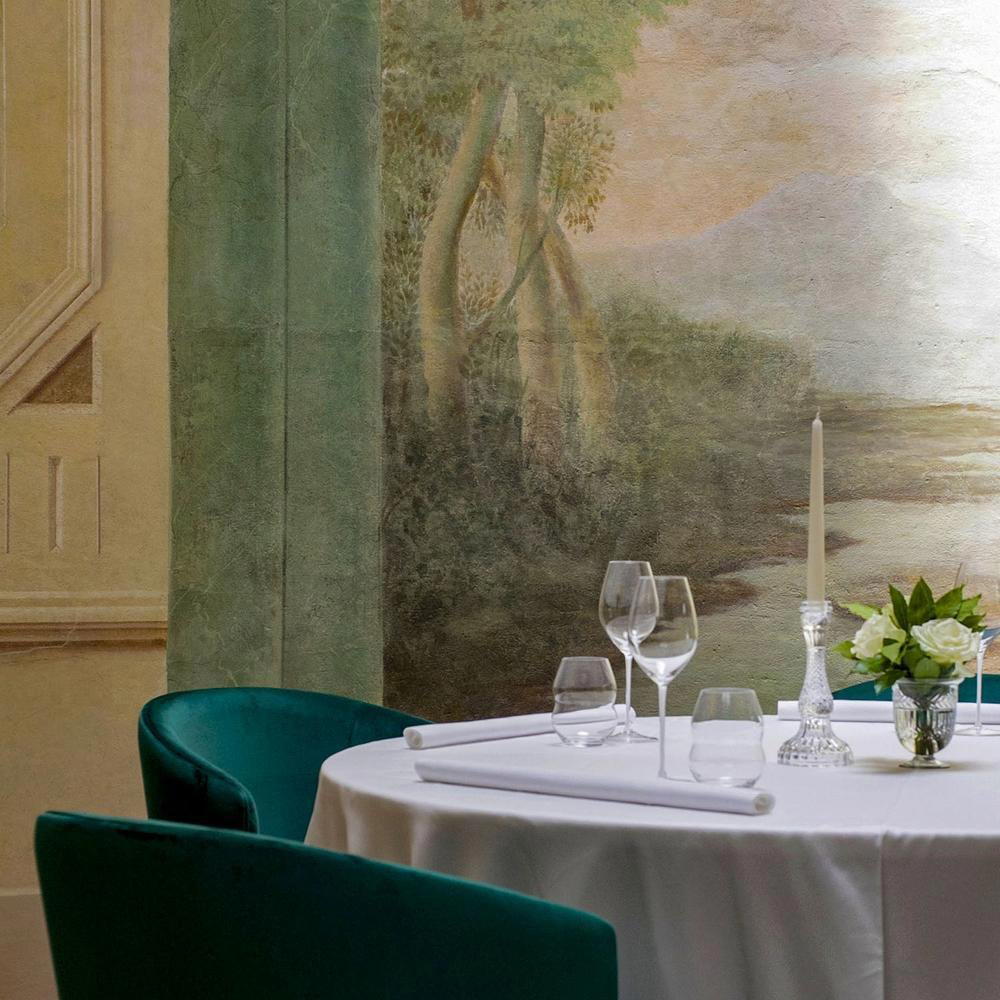
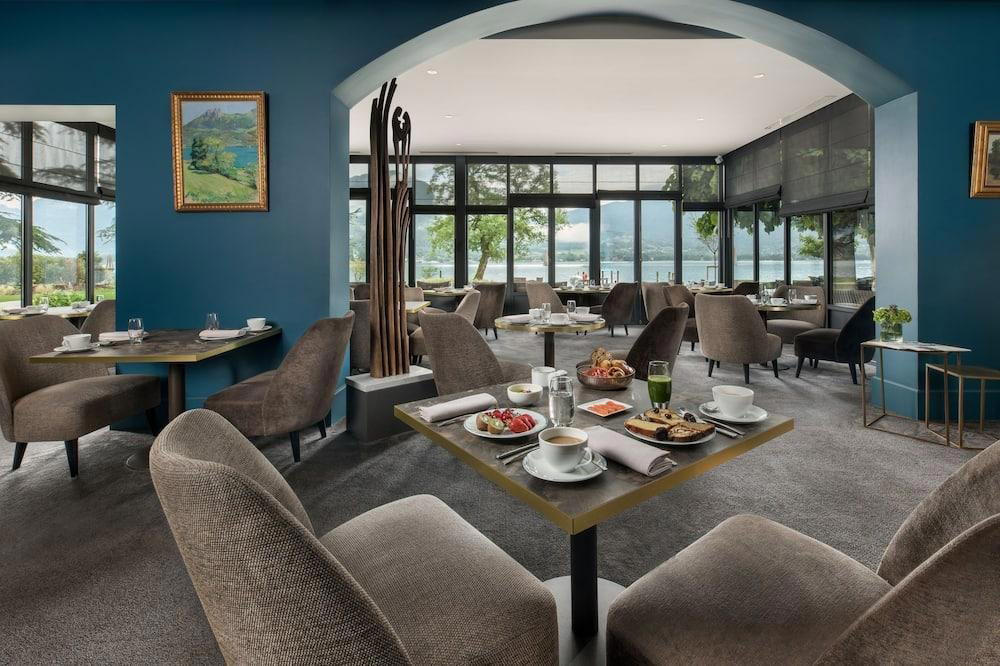
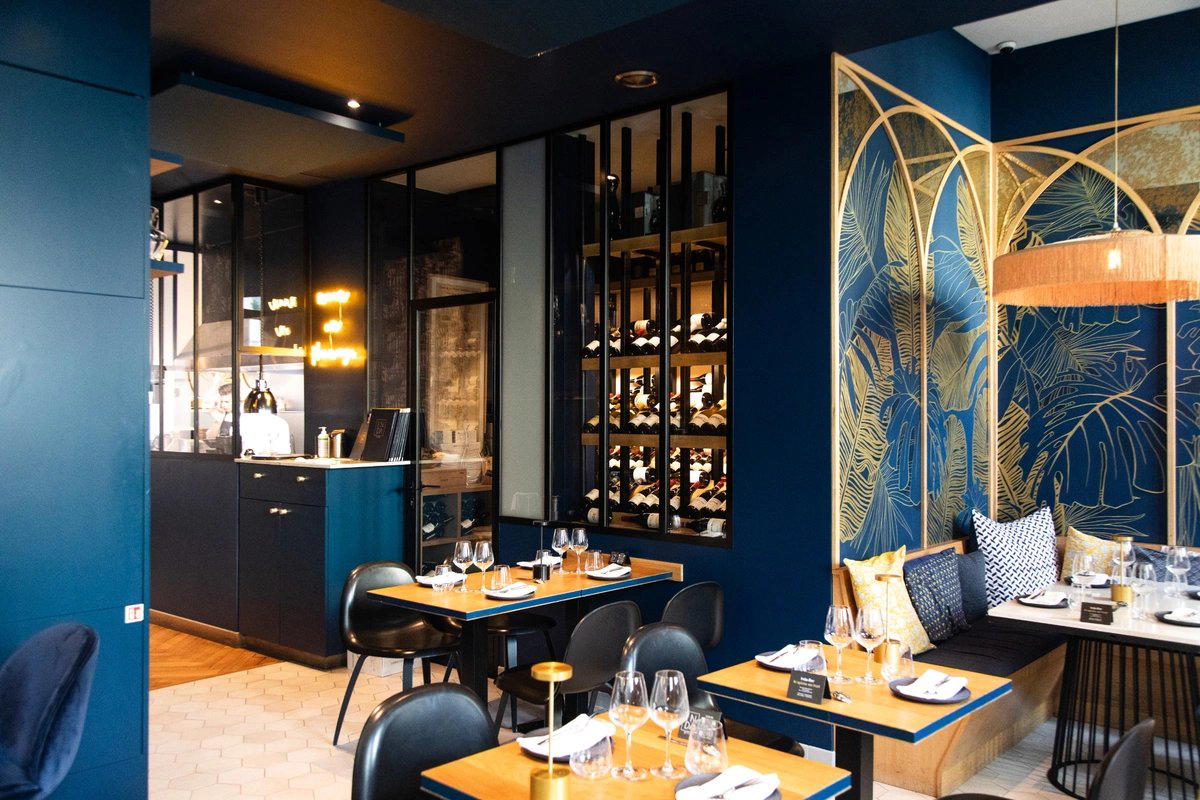
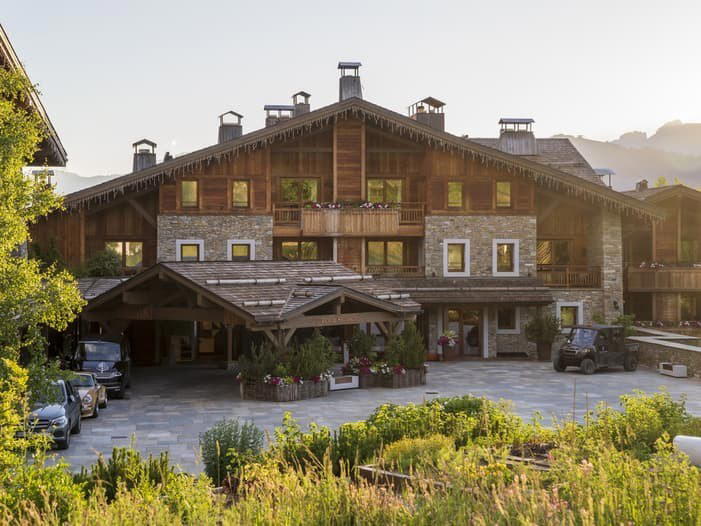
Wood-lined walls, historic images of Megève, and alpine carvings set the tone before the first plate arrives. In a resort where dining can swing between palace polish and ski-boot informality, Le Trappeur Restaurant belongs to the Savoyard-bistro middle ground: warm room, regional references, and a kitchen that treats mountain food as a living repertoire rather than a museum display.
Megève’s restaurant culture has always been tied to geography. The town sits in Haute-Savoie, where dairy, preserved meats, potatoes, mountain herbs, and cold-weather cooking have shaped the table for generations. The stronger restaurants in this lane do not need to over-explain terroir; they show it through produce, cooking fat, texture, and portion logic. This is where Le Trappeur’s stated use of fresh, seasonal produce matters. In an alpine resort, seasonality is not a decorative claim. It decides whether a bistro reads as local or merely themed.
Alpine bistro cooking without resort theatrics
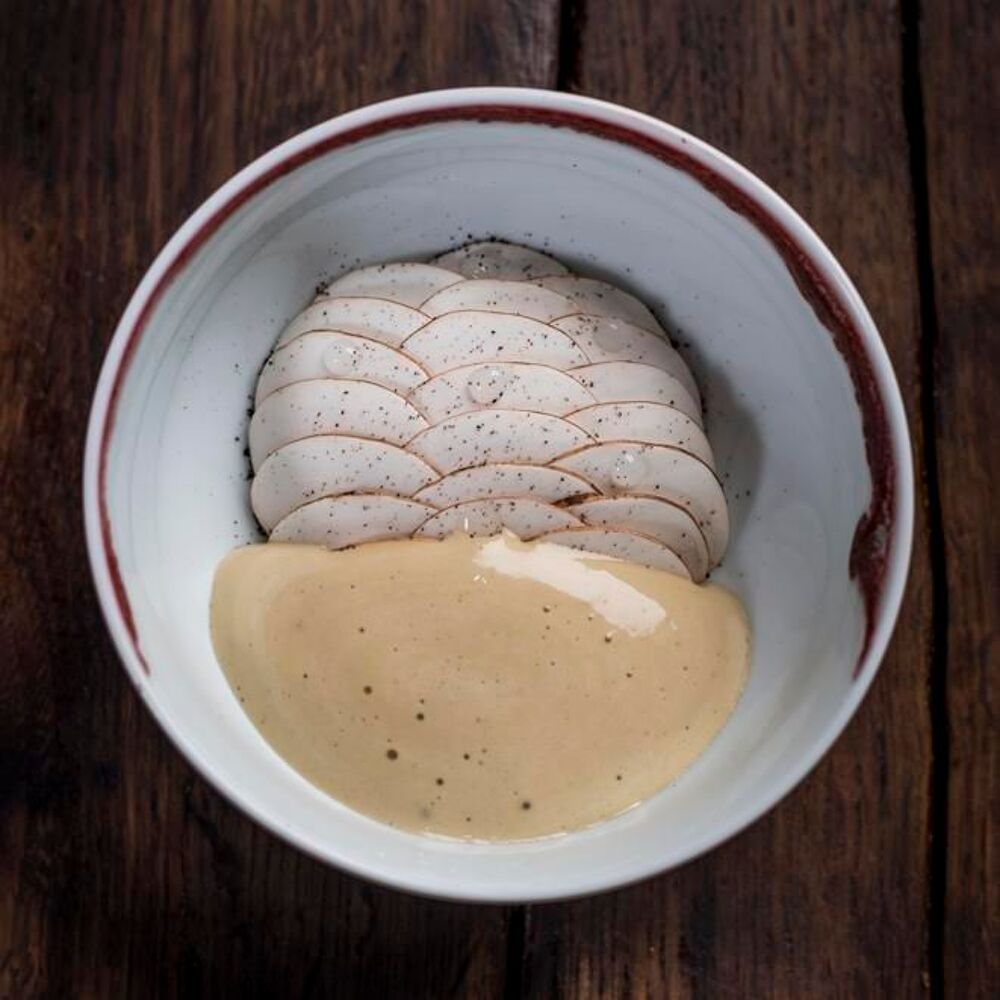
Savoyard cuisine carries a risk in luxury ski towns: fondue clichés, oversized comfort, and dining rooms designed more for postcards than appetite. The more convincing version is quieter. It lets regional classics carry the weight, then allows a chef to adjust technique, balance, and plating for a contemporary audience. Chef Jérôme Blanchetière is the relevant credential here because his role is not presented as a break from tradition; it is framed as an interpretation of it. That distinction matters in Megève, where visitors often want regional food but not a folkloric set piece.
The bistro-style label is also useful. It signals a different contract from the tasting-menu rooms and hotel dining rooms that define much of the resort’s higher-spend circuit. A bistro in this context should be judged on warmth, rhythm, produce, and the credibility of its local references. The room’s historic Megève imagery and carved alpine woodwork place the meal inside the town’s visual language, but the stronger editorial point is the alignment between setting and cuisine. The decor does not need to carry a weak kitchen; the kitchen has a regional vocabulary already built into the place.
For travellers comparing categories, Megève now rewards precision. A French-Japanese address such as 1920 (French - Japanese) speaks to the resort’s international luxury tier, while Anata (Japanese) reflects the appetite for imported formats in alpine towns with global clientele. A bistro such as Le Trappeur works from the opposite direction. Its value is not novelty; it is the way local food culture can remain legible in a destination increasingly shaped by cross-border restaurant formats.
Where terroir becomes a practical dining decision
Terroir is often discussed as though it belongs only to wine lists and fine-dining menus. In Haute-Savoie, it is more direct. The land decides what tastes right after cold air, mountain walking, and winter light. Regional classics endure because they answer climate and appetite, not because they photograph well. Le Trappeur’s emphasis on Savoyard tradition, seasonal produce, and creative treatment of local classics puts it inside that older logic, with enough contemporary handling to suit Megève’s current dining audience.
This is also why the restaurant belongs in a broader Megève itinerary rather than as a standalone trophy booking. The town’s dining spread is compact but varied: Brasserie Benjamin sits in a more brasserie-coded lane, Breizh Café Megève brings a Breton reference point into the resort, and Edmond's broadens the local roster again. Read together, these addresses show how Megève dining is no longer a single alpine category. It is a resort ecosystem where regional cooking, French brasserie habits, Japanese formats, and casual imported specialisms compete for the same evenings.
Against that spread, Le Trappeur is the more contextually grounded choice. The case for it rests on continuity: alpine materials in the room, Savoyard references on the plate, and a chef working with regional classics rather than abandoning them for a format that could sit in any luxury resort. That does not make the restaurant old-fashioned. It makes the restaurant more dependent on execution, because familiar dishes expose weak sourcing and careless cooking quickly.
How to place it in a Megève stay
The smart use of Le Trappeur is as a regional anchor meal. It fits the part of a Megève trip when the point is not to chase a global format, but to eat in a way that makes sense of the town. That matters in a resort where hotel choice, après-ski rhythm, and dining style often blur together. For the wider planning frame, Our full Megève restaurants guide gives the restaurant context, while Our full Megève hotels guide, Our full Megève bars guide, Our full Megève wineries guide, and Our full Megève experiences guide help map the rest of the stay around it.
For readers tracking bistro-style cooking beyond the Alps, the comparison is not about identical menus; it is about how casual French-adjacent formats absorb place..... Et la Fourmi in Nantes, [S] Corner in Courchevel, 114, Faubourg in Paris, 1217 in Bagnols, 1387 in Strasbourg, and 14 Avenue in La Baule each sit in different local conditions. Further afield, Artefact, Bistro-style cuisine in Québec and Avaton Bar, Bistro-style cuisine in Halkidiki show the same category stretching across climates and travel cultures. Megève’s version remains defined by mountain appetite, wood-lined intimacy, and the Savoyard pantry.
The editorial read is clear: choose this restaurant when the meal should connect to Megève rather than simply take place there. In a town with polished international options, a credible alpine bistro has a specific job. It should make the resort feel less interchangeable, and Le Trappeur’s combination of Savoyard tradition, seasonal produce, and a room marked by local memory gives it that role.
A Quick Peer Check
Comparable venues by cuisine and price in the same metro.
| Venue | Cuisine | Price | Awards | Notes |
|---|---|---|---|---|
| Le Trappeur RestaurantThis venue — the venue you are viewing | Traditional French & Savoyard fine dining in a cozy alpine bistro | $$$ | Not listed | Not listed |
| Le Café Megève | Traditional French Brasserie with Savoyard Accents | $$$ | Not listed | centre du village |
| Le Torrent | Traditional Savoyard French | $$ | Not listed | village center |
| Flocons Village | Traditional French Mountain Bistro | $$$ | Not listed | village center |
| Le Saint-Nicolas - Au Coin du Feu | Modern French Gastronomic | $$$ | Michelin Plate | Le Village |
| Les Fermes de Marie | Savoyard Mountain Cuisine | $$$$ | Not listed | Megève |
Recognition history
Dated appearances from independent guides and award organizations, with the underlying list record or original source where available.
Relais Chateaux Award
Relais Chateaux
At a Glance
- Cozy
- Rustic
- Classic
- Romantic
- Intimate
- Elegant
- Date Night
- Business Dinner
- Family
- Celebration
- Special Occasion
- Group Dining
- Hotel Restaurant
- Design Destination
- Private Dining
- Extensive Wine List
- Local Sourcing
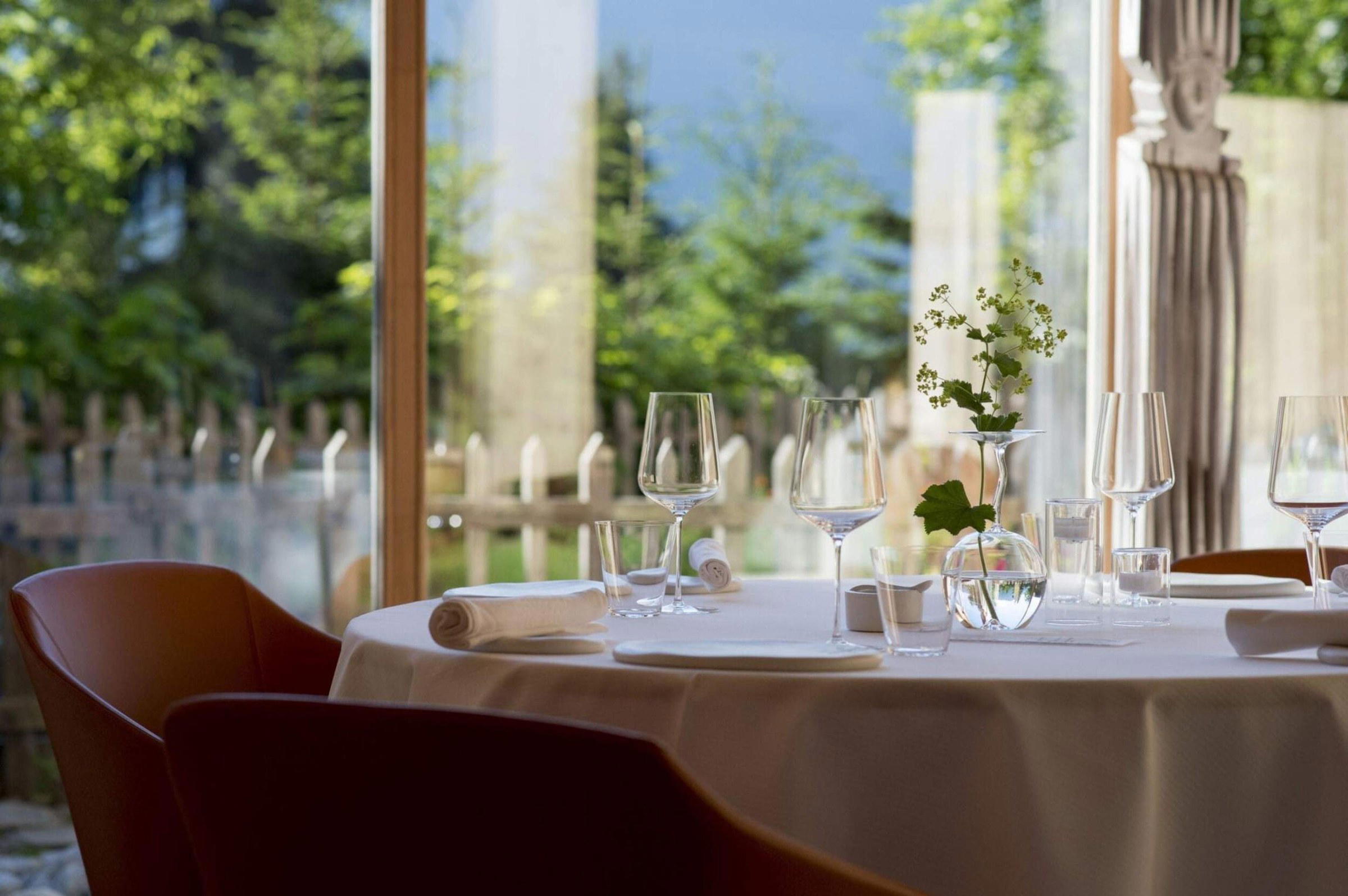
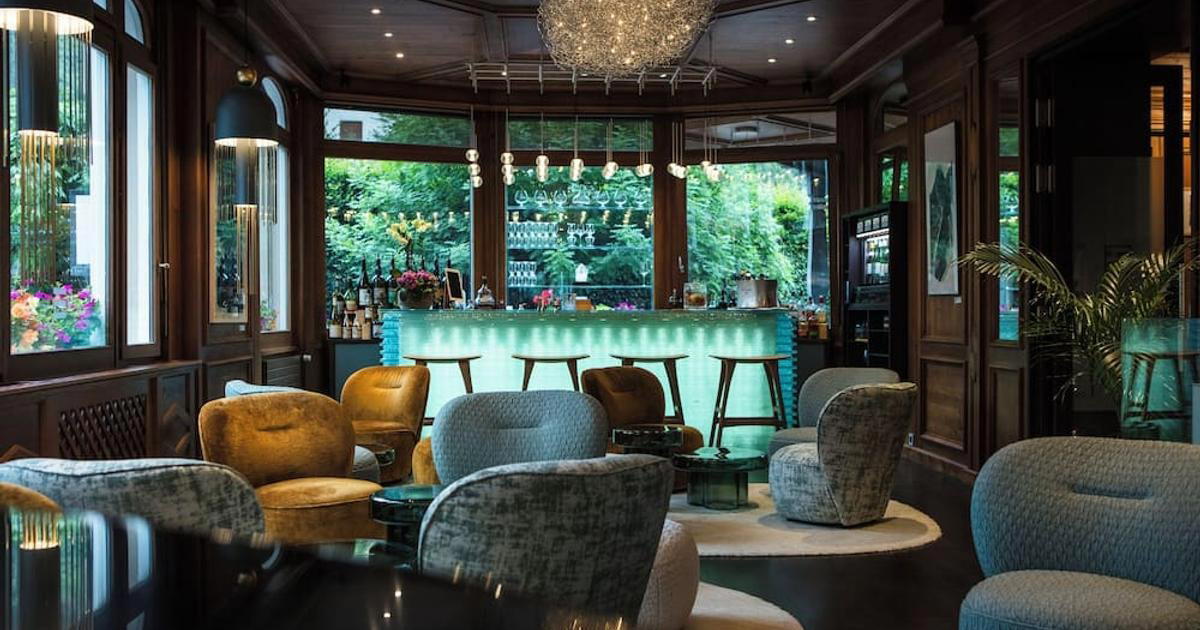
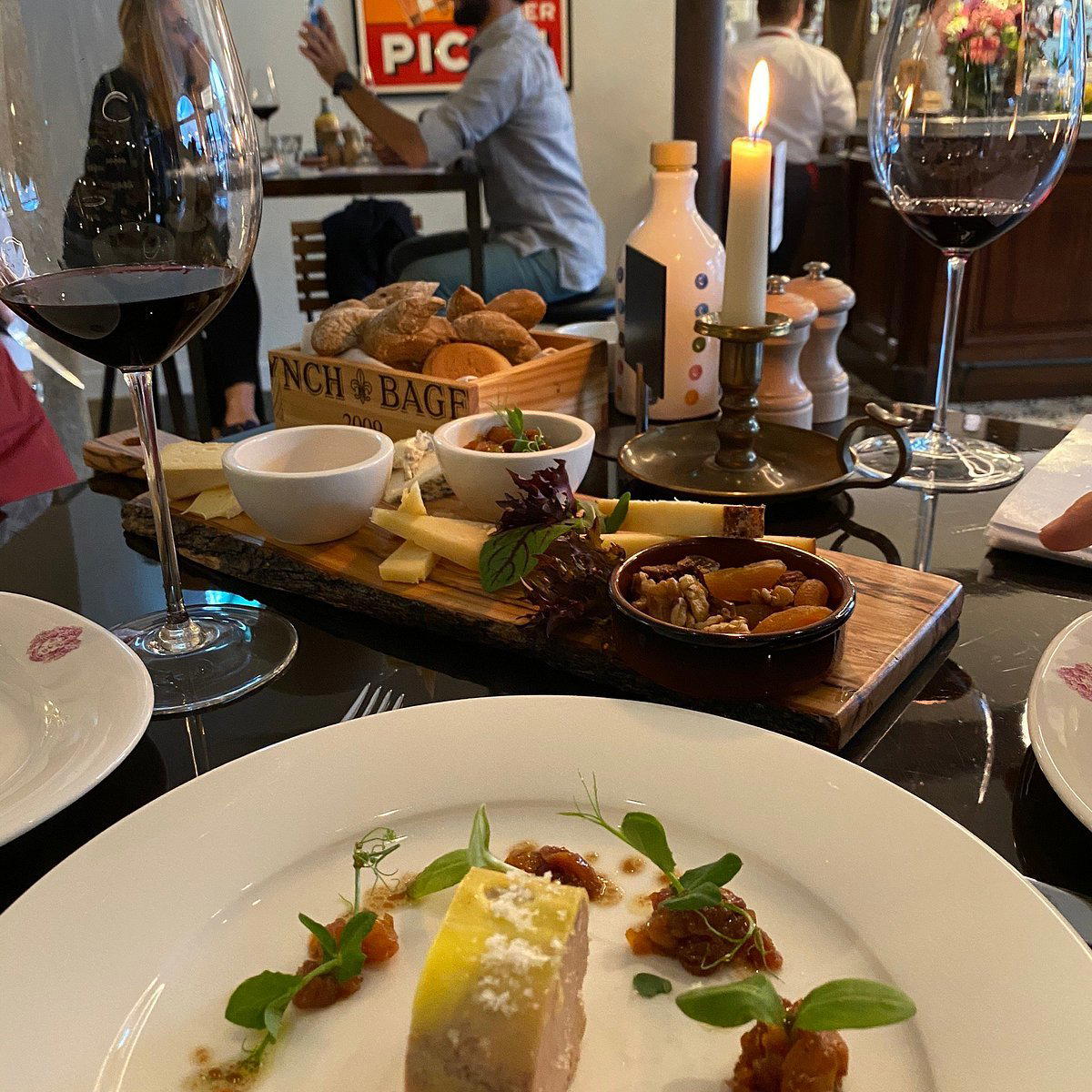
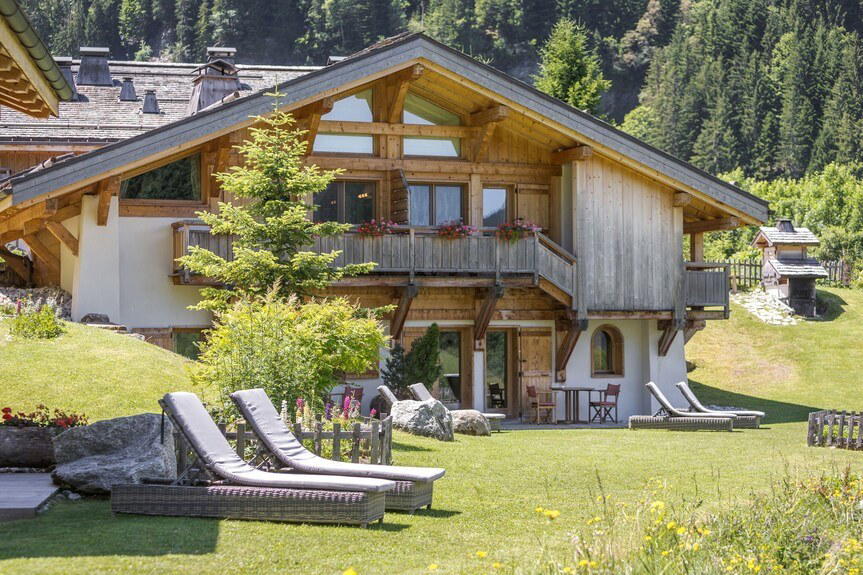
Warm, wood-lined walls, historic photos of Megève and alpine carvings create a cozy, intimate mountain-house feel, with a lively but not noisy dining room that suits both couples and families.