Le Tastevin


Michelin Plate · World's Best Wine Lists Awards WBWL 1-Star
Our verdict
Le Tastevin brings classic French cuisine to Maisons-Laffitte, a quiet riverside town 20 kilometres northwest of Paris best known for its racecourse and Renaissance château.

The menu
What to order
- Roasted duck
- Pigeon with sweet-savory sauce
- Veal rice
- Lobster ravioli
Classic French Cooking on the Edge of the Île-de-France
Maisons-Laffitte sits at an unusual intersection: close enough to Paris that the RER A reaches it in under thirty minutes, yet defined by a pace that has little to do with the capital. The town's broad avenues, the sweeping parkland of the Château de Maisons, and the proximity of the Seine give it a provincial gravity that most suburban communes of this distance have long since lost. Dining here is not about seeking an urban edge. It is about the kind of table that a prosperous French town has historically built its culinary identity around: technically grounded, generous in portions, and rooted in the classical canon rather than chasing the current season's trend in the 1st arrondissement.
Le Tastevin, on Avenue Eglé, belongs squarely to that tradition. The address places it within a few minutes' walk of both the château park and the town's central axis, in a setting that matches the register of the cooking. This is not a restaurant that needs an industrial-chic room or a theatrical open kitchen to make its case. The physical environment signals something older and more considered: the kind of French dining room where the work happens in the kitchen and the room itself is allowed to feel settled.
The Classic Cuisine Tradition in Île-de-France
France's classic cuisine tradition is often discussed in terms of its grand Parisian addresses or its cathedral-town institutions in Alsace and Burgundy. What receives less attention is the network of serious provincial tables that has maintained classical technique in the towns that ring the capital. These are not Paris restaurants with suburban addresses. They operate on their own terms, drawing a loyal local clientele that returns across seasons and measures quality against its own accumulated experience rather than against what a magazine named this year's most talked-about opening.
The classics in question, at this level, tend to run through the canon that French culinary training codifies: stocks reduced over hours, sauces built from fond, fish treated with the kind of attention that makes a simple sole preparation into something that rewards close eating. The price tier at Le Tastevin, €€€ in a town where costs of operation are lower than inner Paris, implies a kitchen that is spending on quality ingredients and the labour to handle them correctly, rather than converting margin into theatrical presentation.
For context on where classic French cooking sits in the broader French scene, the €€€€ houses in Paris, Alléno Paris au Pavillon Ledoyen in Paris or Maison Rostang, Classic Cuisine in Paris, operate in a different financial and logistical register. Regional alternatives such as Flocons de Sel in Megève, Mirazur in Menton, or Troisgros - Le Bois sans Feuilles in Ouches each carry their own geographical logic. It competes within the specific category of serious classical restaurants serving a non-tourist, locally anchored clientele in towns within the Île-de-France commuter belt, a category that has shrunk over recent decades as bistro formats and modern brasseries have taken ground.
What the Michelin Plate Signals
Michelin's Plate distinction, held consecutively in 2024 and 2025, marks a restaurant that the inspectors consider worth a visit: the cooking is consistent, the ingredients are treated with care, and the kitchen is operating to a standard above the general market. It is not a starred designation, and it is not trying to be one. The Plate sits in a different part of the Michelin logic, recognising quality without the codified precision, and the pricing expectations, that come with one or two stars.
In practice, for a table in a Île-de-France town rather than a capital address, a sustained Plate recognition is a meaningful signal. It says that across multiple visits across two consecutive years, inspectors found the cooking to be at a consistent level. It reflects a broad base of returning customers and first-time visitors who found the experience worth endorsing.
Among the longer-established names in French classical cooking, houses like Paul Bocuse - L'Auberge du Pont de Collonges in Collonges-au-Mont-d'Or, Bras in Laguiole, Auberge de l'Ill in Illhaeusern, or Au Crocodile in Strasbourg each represent a regional lineage of classical seriousness. Le Tastevin operates at a different scale and ambition, but it participates in the same cultural commitment to cooking as a discipline rather than a spectacle. Other notable addresses in France's broader classical and contemporary scene include AM par Alexandre Mazzia in Marseille and Assiette Champenoise in Reims, each showing how differently French fine dining expresses itself by region.
Planning a Visit
Maisons-Laffitte is reached from central Paris via the RER A from Charles de Gaulle Étoile or Châtelet Les Halles, making it a realistic destination for a full lunch or dinner from the city without requiring a car. The town is not a tourist circuit stop, which means the dining room at Le Tastevin draws primarily from the local residential base, a useful calibration when setting expectations about the atmosphere. This is a room for people who eat here regularly, which tends to produce a quieter, more purposeful dynamic than a restaurant accustomed to one-time visitors performing a dining experience.
At the €€€ price tier, a full meal with wine sits comfortably above a neighbourhood bistro but well below the Parisian starred tier. The Michelin Plate recognition and the volume of positive reviews suggest that the value equation holds: the kitchen is delivering at a level that justifies the spend in a market where diners have many alternatives and are not prone to overlooking underperformance.
For those building a broader picture of what Maisons-Laffitte offers, Our full Maisons-Laffitte restaurants guide covers the wider dining scene, while La Plancha (Modern Cuisine) provides a point of comparison if you are weighing classical against a more modern format in the same town. For logistics around the visit, Our full Maisons-Laffitte hotels guide and Our full Maisons-Laffitte bars guide cover the surrounding options. Those interested in the broader Île-de-France food and drink offer can explore Our full Maisons-Laffitte wineries guide and Our full Maisons-Laffitte experiences guide. For a point of comparison in a similar classical format operating in a different European city, KOMU, Classic Cuisine in Munich illustrates how this tradition translates beyond France.
Frequently Asked Questions
Frequently asked questions
Is Le Tastevin suitable for children?
Le Tastevin sits at the €€€ price point in a residential town setting, which positions it as a considered dining choice rather than a casual family outing. The classical French format rewards attention to the plate, making it better suited to older children comfortable with a structured meal. Younger diners would likely find a more relaxed environment elsewhere in Maisons-Laffitte.
What should I expect atmosphere-wise at Le Tastevin?
Maisons-Laffitte is a quiet residential town, and the room at Le Tastevin reflects that: this is a neighbourhood classical French address, not a capital-city dining room with the associated noise and pace. The Michelin Plate recognition across 2024 and 2025 signals a kitchen taken seriously by inspectors, but the setting remains grounded in its town context. Arrive expecting composed and focused, not theatrical.
Is Le Tastevin award-winning?
Le Tastevin has received recognition including: Michelin Plate (2025); Michelin Plate (2024).
What do people recommend at Le Tastevin?
Classic French cooking at this level typically rewards ordering from the heart of the menu rather than outliers.
A Pricing-First Comparison
| Venue | Cuisine | Price | Awards | Notes |
|---|---|---|---|---|
| Le TastevinThis venue (the venue you are viewing) | Classic French with Mediterranean Influences | Not listed | Michelin Plate · World's Best Wine Lists Awards WBWL 1-Star | Not listed |
| Alléno Paris au Pavillon Ledoyen | Modern French Fine Dining | $150–200 | 3 Michelin Stars · World's 50 Best #79 | Creative |
| Kei | Contemporary French, Modern Cuisine | Not listed | Michelin 3 Star | Not listed |
| L'Ambroisie | Classic French Haute Cuisine | $300–500 | 2 Michelin Stars · World's 50 Best #23 | French, Classic Cuisine |
| Le Cinq - Four Seasons Hôtel George V | Modern French Fine Dining | $300–500 | 3 Michelin Stars · World's 50 Best #24 | French, Modern Cuisine |
| Plénitude | Modern French Sauce-Led Fine Dining | $300–500 | 3 Michelin Stars · World's 50 Best #14 | Contemporary French |
Recognition history
Dated appearances from independent guides and award organizations, with the underlying list record or original source where available.
Michelin Plate
Michelin
World's Best Wine Lists Awards WBWL 1-Star
World's Best Wine Lists Awards
Full recognition history (4 entries)
Michelin Plate
Michelin
Michelin Plate
Michelin
Continue exploring
More in Maisons-Laffitte
Restaurants in Maisons-Laffitte
All restaurants in Maisons-Laffitte →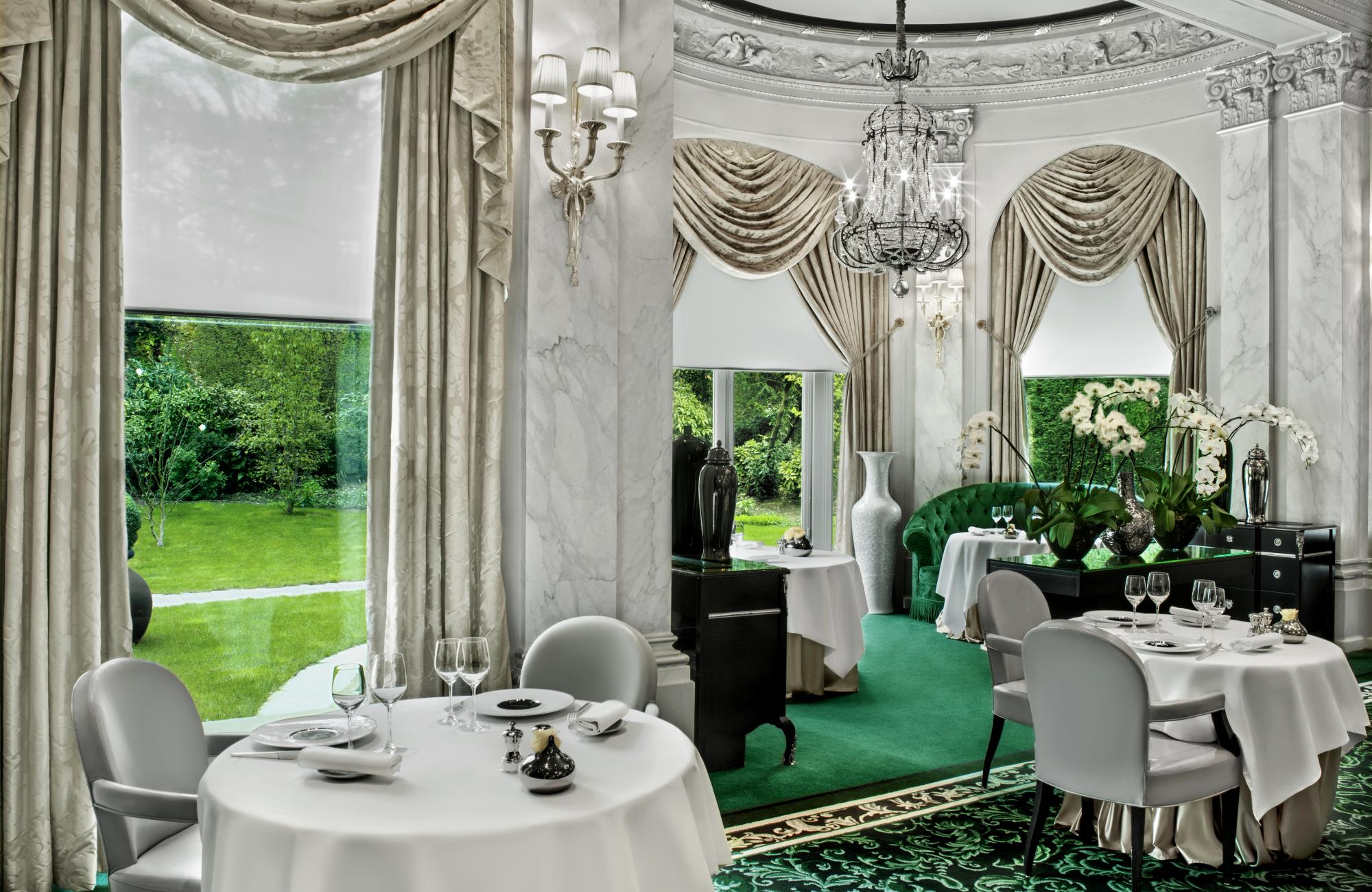
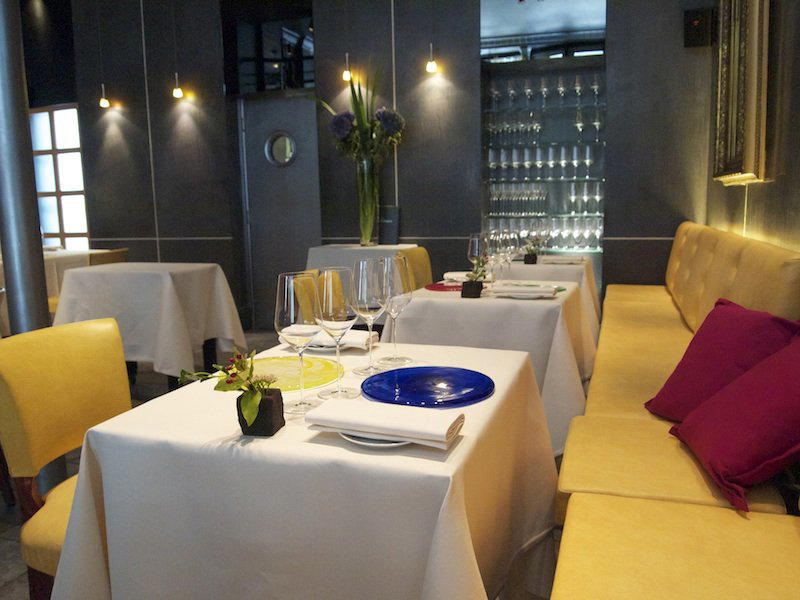
Bars in Maisons-Laffitte
Browse all →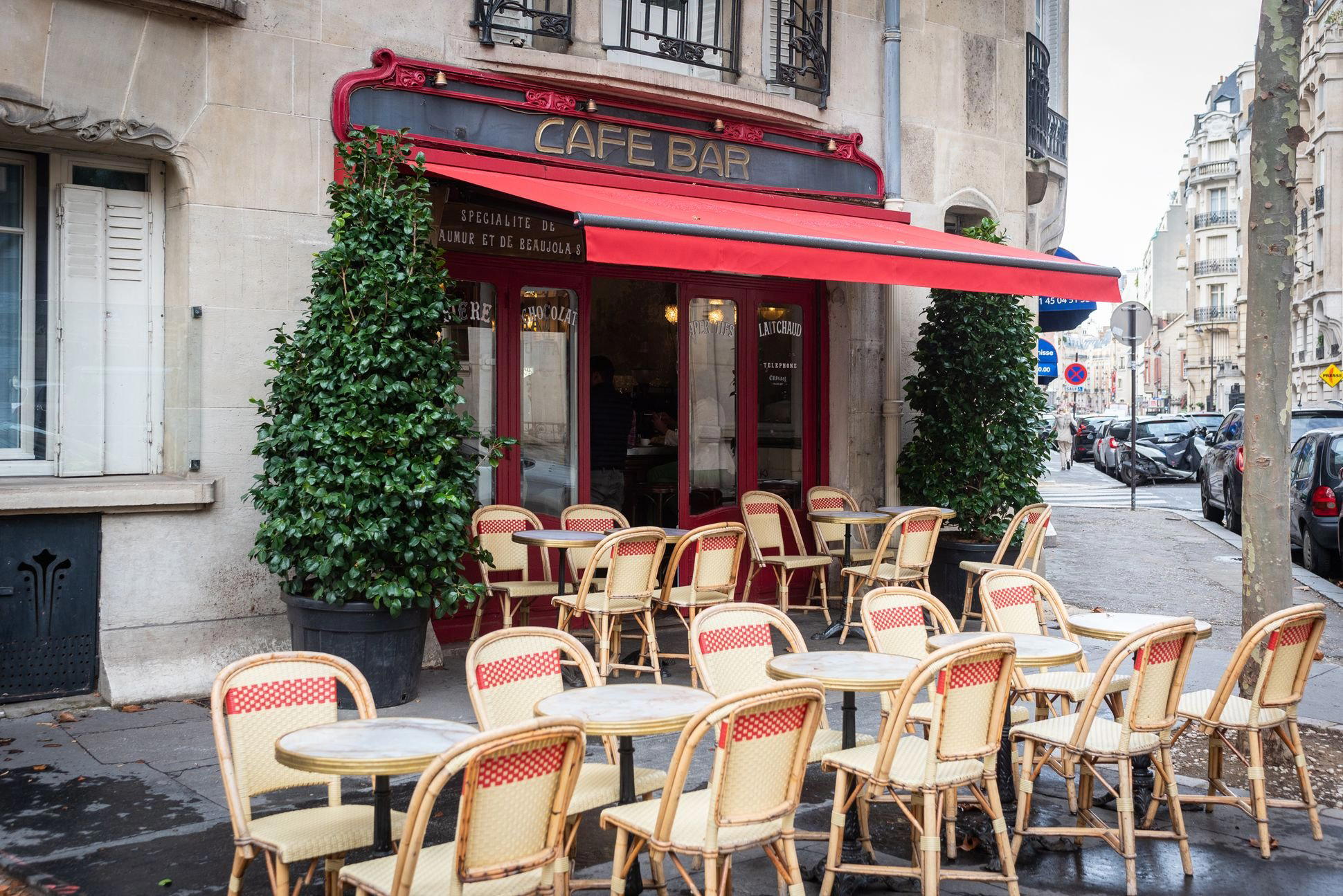
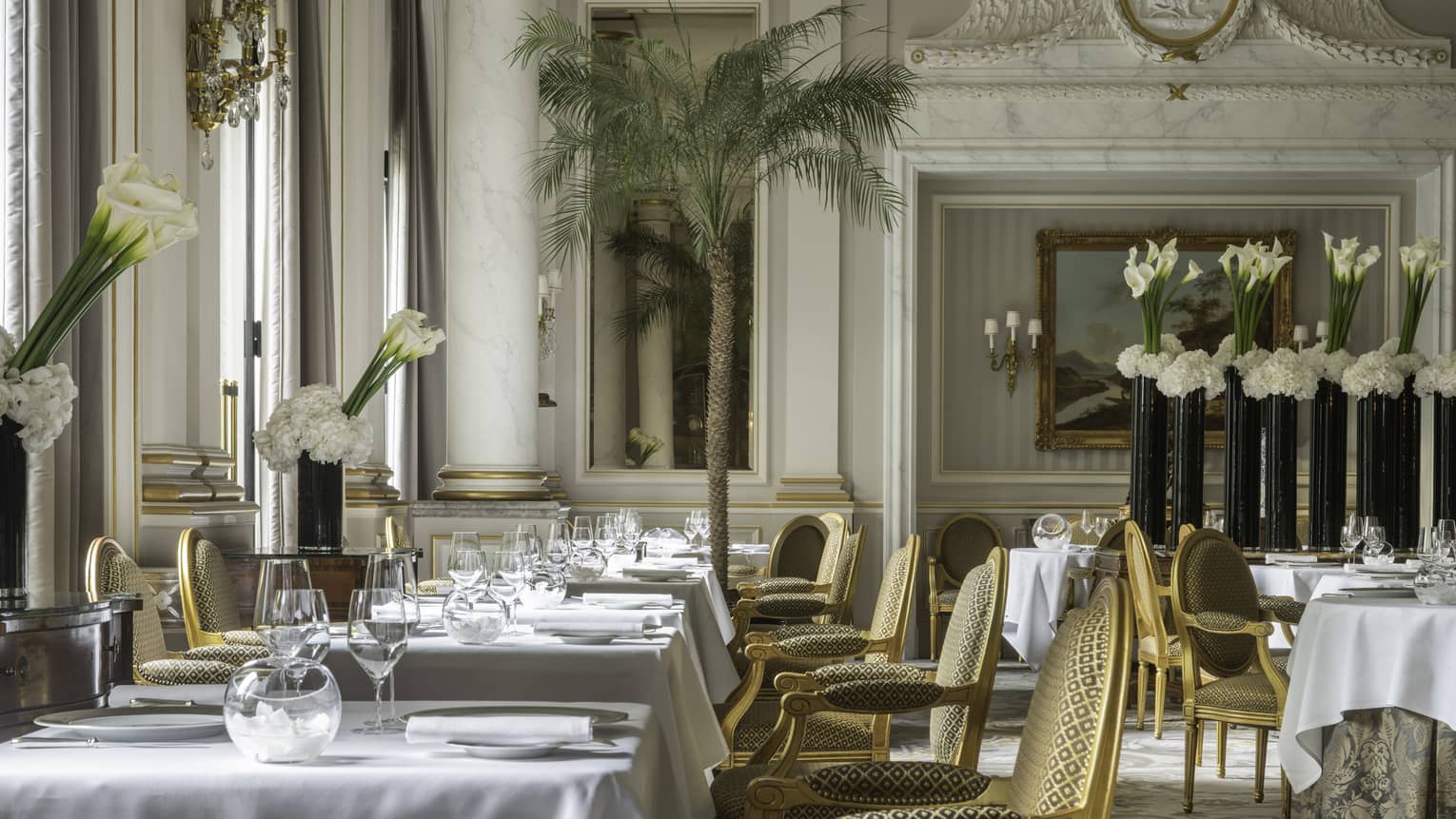
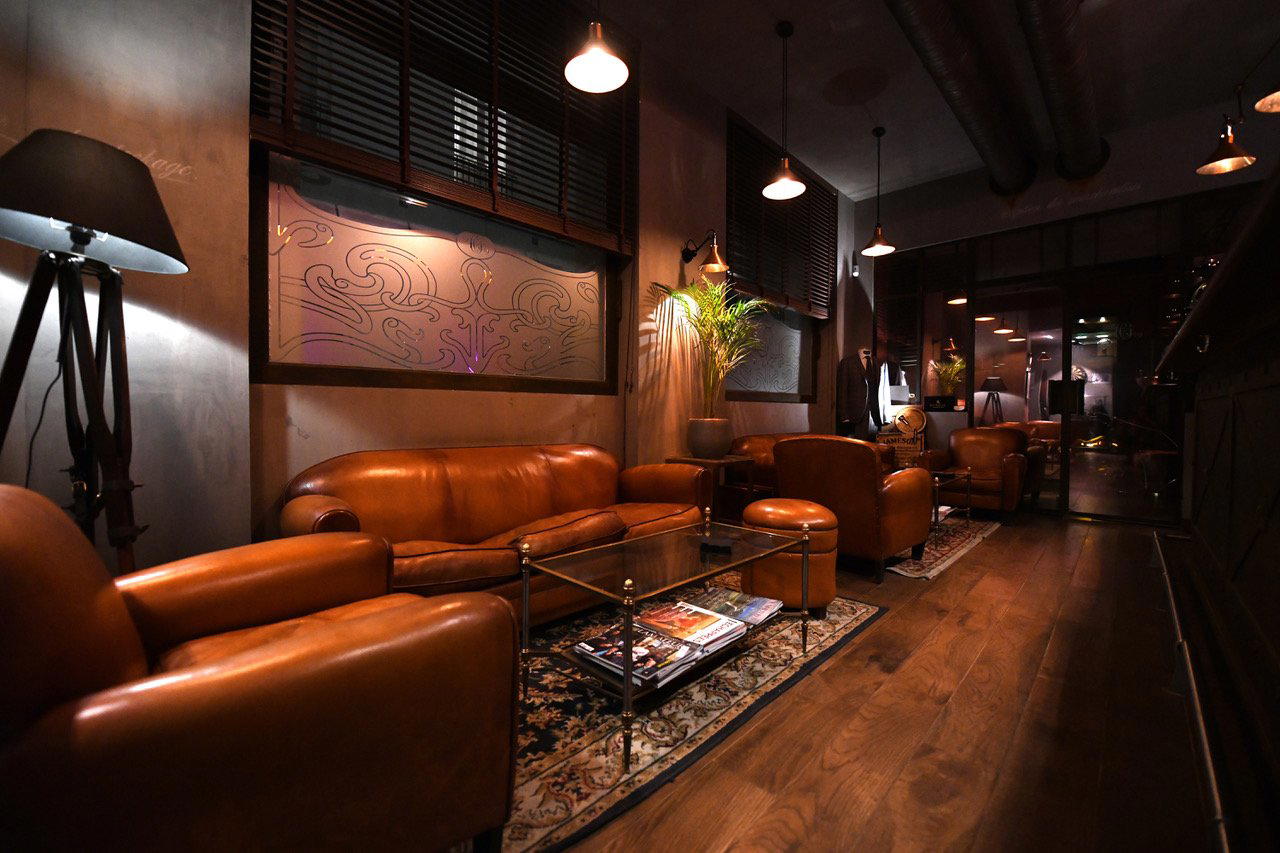
Hotels in Maisons-Laffitte
Browse all →
Wineries in Maisons-Laffitte
Browse all →
Details
- Elegant
- Romantic
- Classic
- Sophisticated
- Quiet
- Date Night
- Business Dinner
- Celebration
- Special Occasion
- Family
- Private Dining
- Terrace
- Garden
- Historic Building
- Standalone
- Extensive Wine List
- Sommelier Led
- Local Sourcing
- Garden
- A La Carte
- Prix Fixe
- Tasting Menu
- Wine
Current opening hours
- Monday
- Closed
- Tuesday
- Closed
- Wednesday
- 12–1:45 PM, 7:30–9:30 PM
- Thursday
- 12–1:45 PM, 7:30–9:30 PM
- Friday
- 12–1:45 PM, 7:30–9:30 PM
- Saturday
- 12–1:45 PM, 7:30–9:30 PM
- Sunday
- 12–1:45 PM
Hours can change for holidays and private events. Hours as of .
Elegantly decorated interior with refined, sophisticated lighting; peaceful garden setting with shaded terrace for outdoor dining in warmer months.