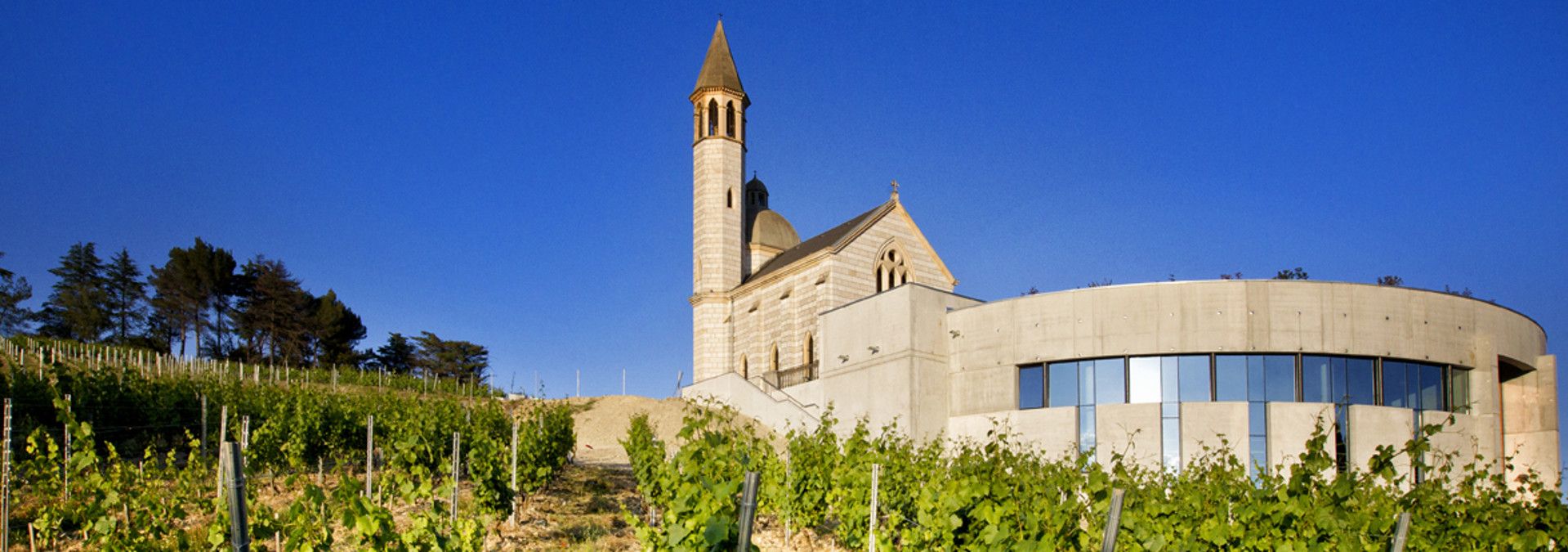
Le Saint-Paul

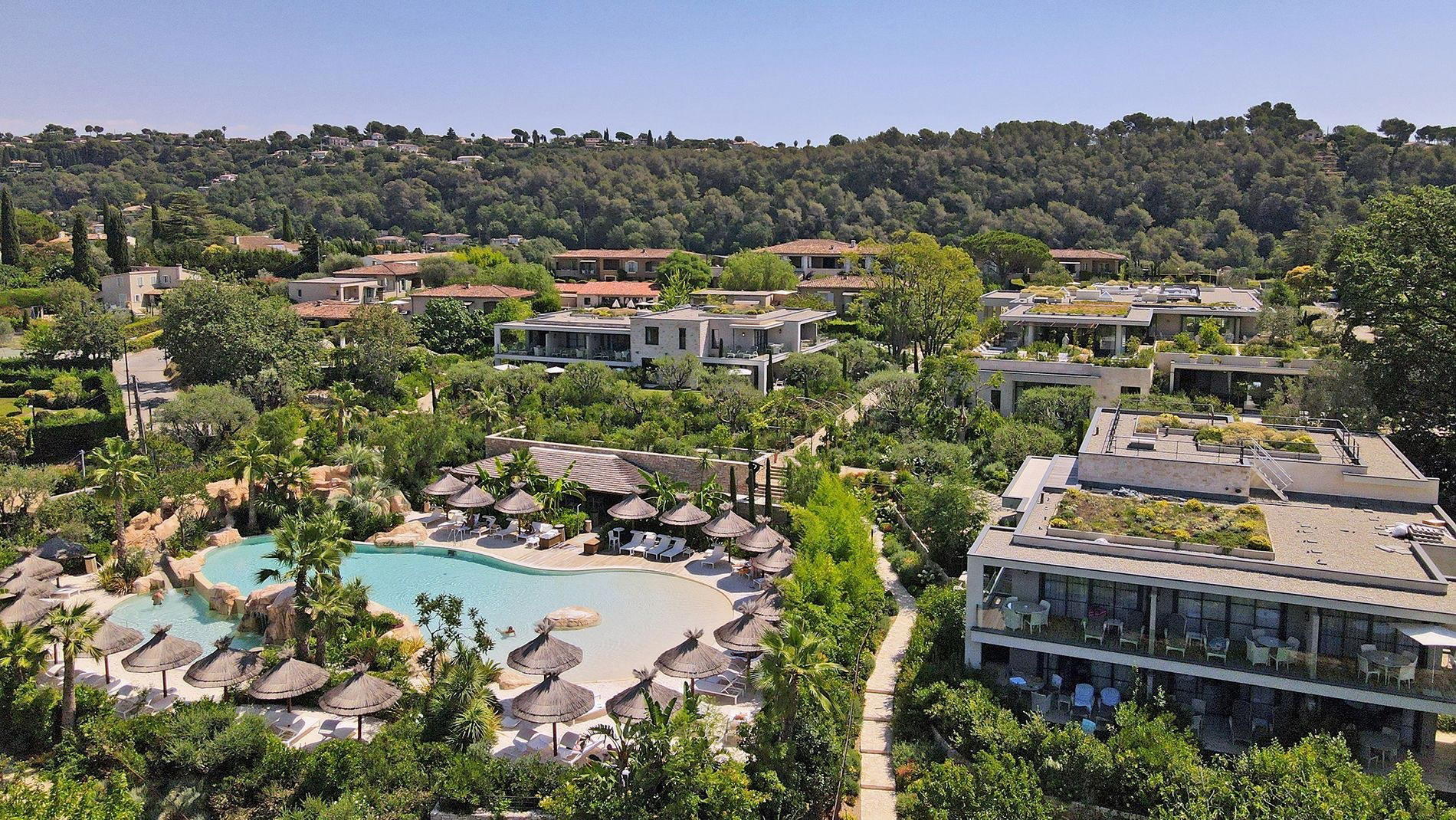
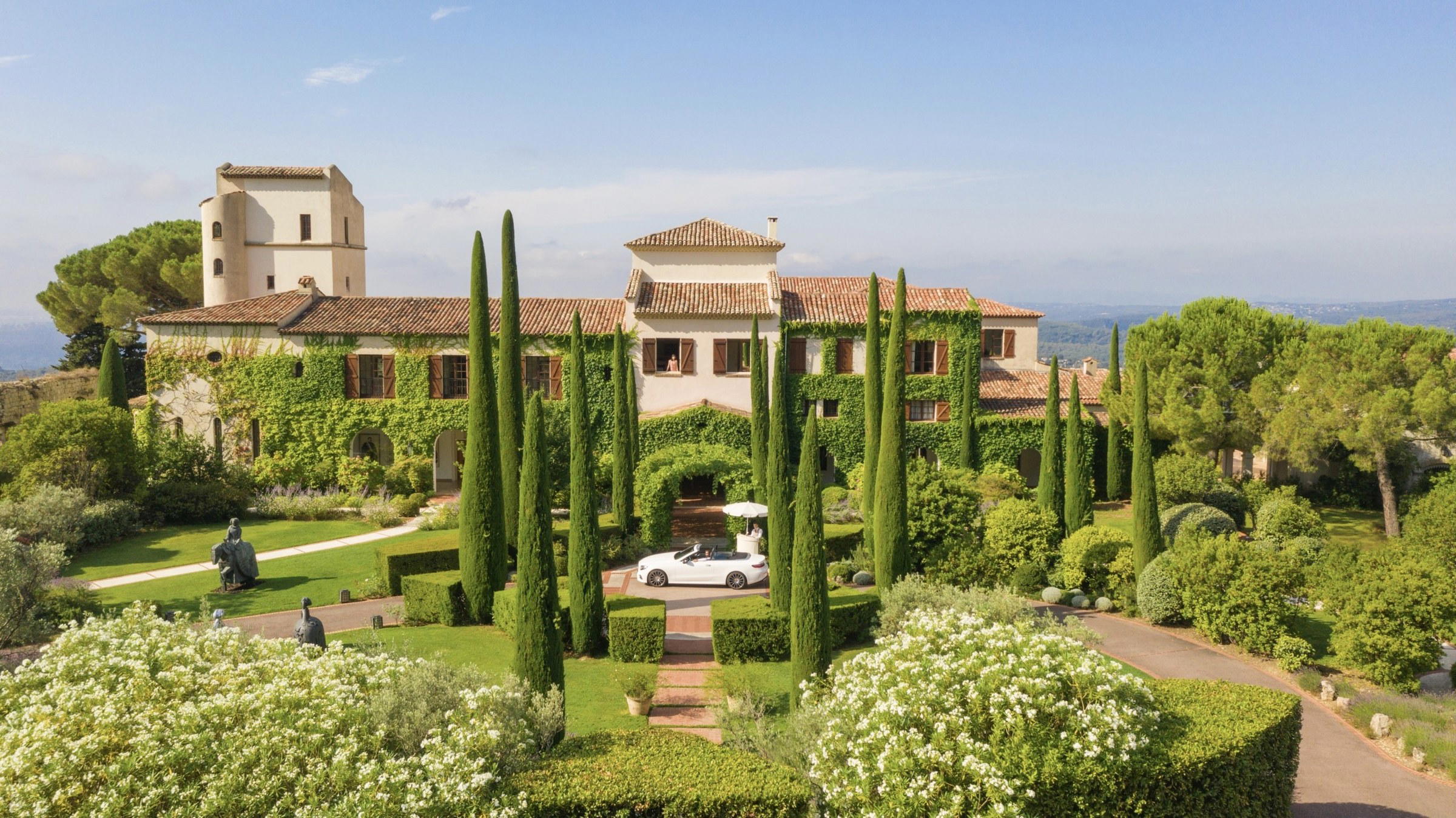
Le Saint-Paul occupies a 16th-century residence inside Saint-Paul-de-Vence's medieval walls, positioning it within a small tier of Relais & Châteaux properties along the Côte d'Azur where setting and table share equal weight. Under Chef Mickaël Lavoisier, the kitchen pursues classical French technique rooted in regional Provençal produce, earning a 4.5 Google rating across 368 reviews and a 4.3/5 EP Club score.

Inside the Walled City: Dining at Altitude in Saint-Paul-de-Vence
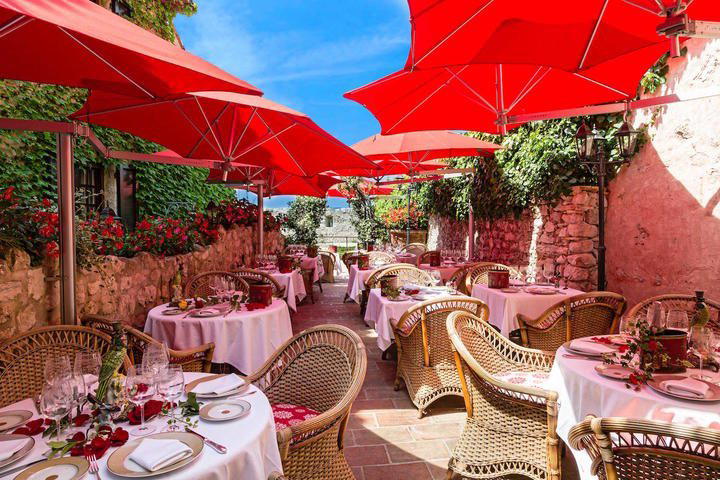
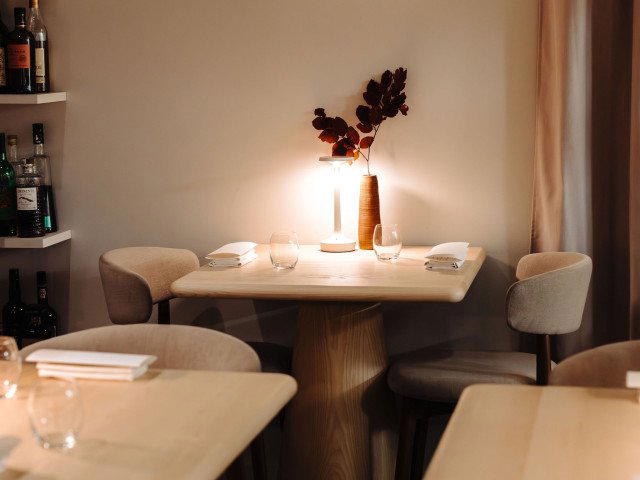
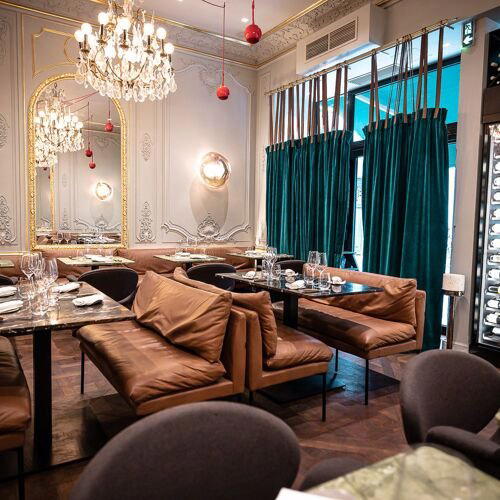
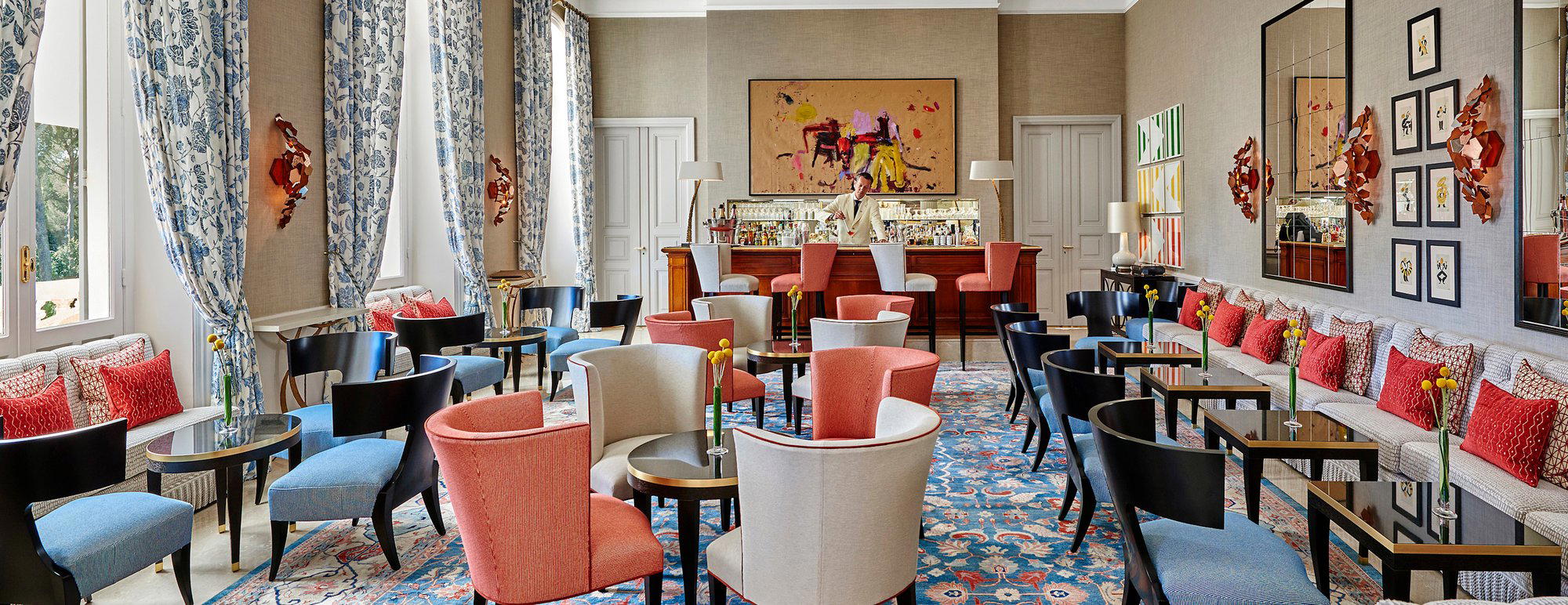
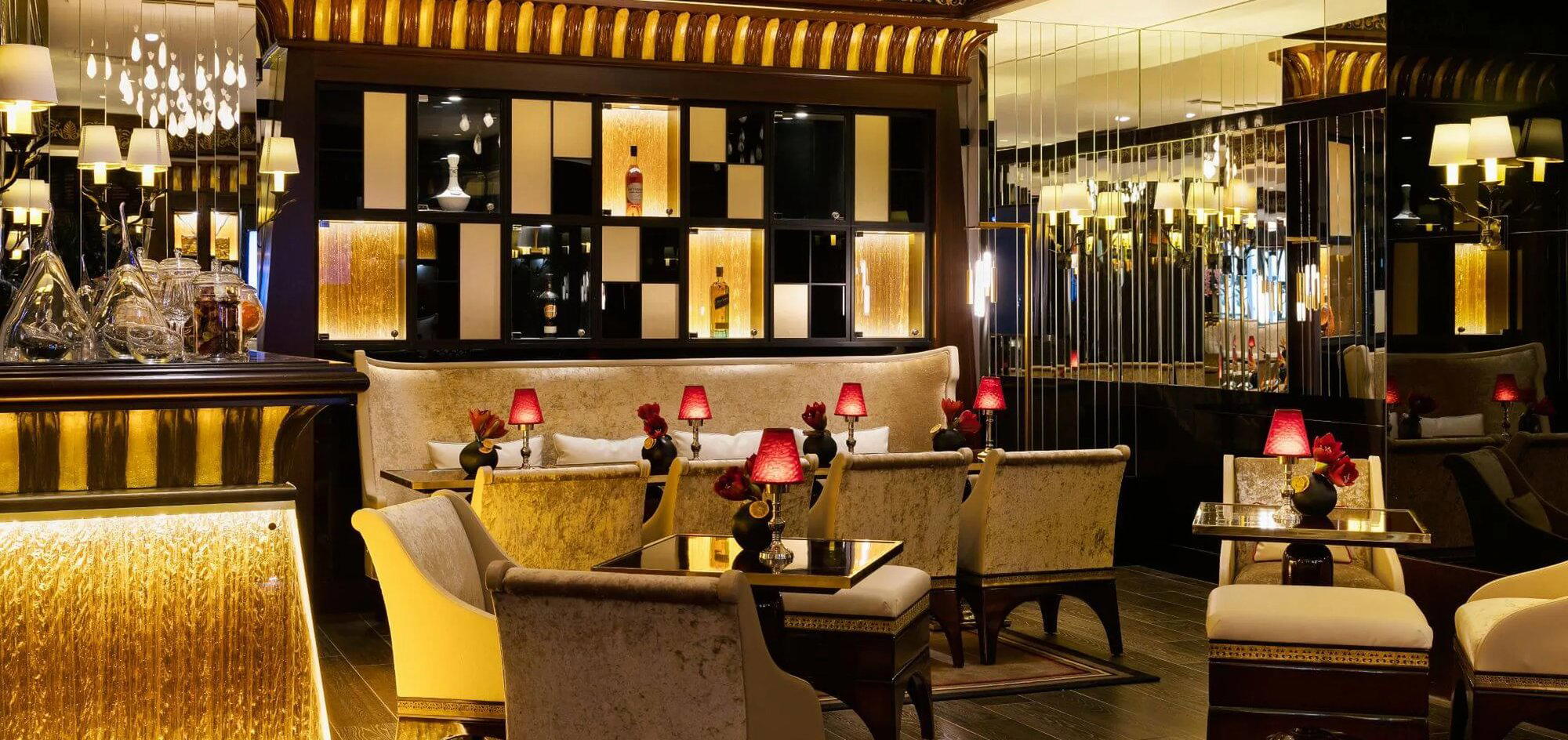
Saint-Paul-de-Vence operates on a different register from the Côte d'Azur's coastal dining circuit. Where Nice and Antibes pull visitors toward harbour-facing terraces and modern Mediterranean menus, Saint-Paul draws a quieter, more deliberate crowd: art collectors visiting the Fondation Maeght, painters who have been coming since the postwar years, and travellers who understand that a medieval hilltop village moves at a pace that rewards sitting still. Le Saint-Paul sits at the centre of that logic, occupying a 16th-century residence at 86 Rue Grande — the village's main cobbled artery — inside the ramparts themselves. The building's stone walls, low vaulted ceilings, and positioning within the fortified perimeter mean that the physical context arrives before any menu does.
Among the small cluster of destination restaurants in the village, Le Saint-Paul belongs to the Relais & Châteaux network, a membership that places it in a specific competitive tier: properties where accommodation, table, and setting are treated as inseparable components rather than individually optimised offerings. La Colombe d'Or holds the village's most storied dining room, built on decades of artist patronage and a wine cellar assembled when Provence was still an afterthought for serious collectors. Le Saint-Paul competes differently , through the Relais & Châteaux framework, its 16th-century architecture, and a kitchen led by Chef Mickaël Lavoisier that positions itself within classical French tradition rather than Provençal informality. La Table de Pierre and Le Domaine du Mas de Pierre round out the village's premium dining options, the latter sharing DNA with the same estate. The four together constitute a peer set that is small by any measure , Saint-Paul is a village of under 3,500 residents , but one that punches well above its population in terms of table quality.
The Wine Programme: Cellar Logic in a Relais & Châteaux Context
Relais & Châteaux membership carries expectations on the wine side that go beyond a well-curated list. The network's properties are evaluated across hospitality, table, and cellar as an integrated package, which means the wine programme at Le Saint-Paul is not incidental to the experience , it is structural to it. The Côte d'Azur sits at the edge of three significant wine regions: Provence, which supplies the rosés and an underrated range of reds; the Rhône Valley to the west, with Grenache-driven reds from Châteauneuf and structured whites from Hermitage; and further afield, the Languedoc, Burgundy, and Bordeaux appellations that anchor any serious French cellar.
In this context, the sommelier's role at a property like Le Saint-Paul is to build a list that honours the local Provençal identity without retreating into regional parochialism. The wines of Bandol , particularly the age-worthy Mourvèdre-based reds from producers such as Domaine Tempier , are the natural anchor for any serious Provençal cellar. Côtes de Provence rosé, often dismissed as summer-holiday wine, reaches a different level when selected carefully: the sandy soils around Lorgues and the higher-altitude vineyards of the Haut-Var produce structured examples that hold through a multi-course menu rather than tiring by the second glass.
The French dining tradition at this tier expects pairing depth: a cellar that can move a table from an aperitif blanc de blancs through a white Burgundy mid-course and into a mature Bandol or northern Rhône Syrah for the meat course is the standard, not an exception. For guests looking to benchmark this approach against other French properties with serious cellars, Auberge de l'Ill in Illhaeusern and Bras in Laguiole represent the regional anchor model applied in Alsace and the Auvergne respectively , both properties where the cellar reflects the terrain around them as much as the national canon.
The Kitchen: Classical French Technique in a Provençal Setting
Chef Mickaël Lavoisier operates within a culinary tradition that values technique and structure over spontaneity. Classical French cuisine at this level , inside a Relais & Châteaux property, in a 16th-century dining room with a formal service register , does not mean rigid or dated. It means that the scaffolding is rigorous: stocks built over time, sauces reduced properly, fish sourced from the day's Mediterranean catch, and vegetables drawn from the market at Cagnes-sur-Mer or directly from Provençal producers. The broader Côte d'Azur table has moved toward lighter, Italian-inflected Mediterranean menus over the past decade, particularly in Nice and Menton, where Mauro Colagreco's Mirazur has redefined what a French address near the Italian border can achieve. Le Saint-Paul sits outside that trajectory, anchored in classical French form while absorbing the seasonal produce that Provence makes available , lavender, thyme, olives, and the tomatoes and courgettes that define the region's late-summer table.
That positioning places it closer in spirit to the grandes maisons of the French interior than to the coastal bistro culture of the Riviera. Properties like Flocons de Sel in Megève or Restaurant Marcon in Saint-Bonnet-le-Froid share a similar logic: serious French kitchens in settings where the architecture and landscape are as present at the table as the food. The comparison is useful because it explains the price and format expectation: these are not drop-in restaurants. They are properties you plan around, often combining a meal with a stay.
Planning Your Visit
Saint-Paul-de-Vence is accessible from Nice in under an hour by car, with the village itself closed to general traffic during peak season , parking is available at the base of the hill, and the walk up through the ramparts gate takes roughly five minutes. Le Saint-Paul is reachable directly via stpaul@relaischateaux.com or by telephone at +33 (0)4 93 32 65 25; the property website is listed at lesaintpaul.com. The Relais & Châteaux booking system also accommodates reservations for guests combining dinner with accommodation. Summer months from June through August represent peak demand in the village, and the dining room is likely to fill well in advance during that window; the shoulder seasons of April to May and September to October offer more availability and the added benefit of cooler evenings in the stone-walled dining room. For guests building a broader itinerary in the region, AM par Alexandre Mazzia in Marseille and Alléno Paris au Pavillon Ledoyen represent the outer poles of contemporary French ambition on either side of this property's more measured register.
For a complete picture of eating, drinking, and staying in the village and its surroundings, EP Club's guides to Saint-Paul-de-Vence restaurants, hotels, bars, wineries, and experiences cover the full scope of the area's offer. Le Saint-Paul holds a 4.5 Google rating across 368 reviews and a 4.3/5 EP Club score , signals that suggest consistent execution at the level the Relais & Châteaux framework demands, in a village where the bar for atmosphere was already set high before the first plate arrived.
Frequently Asked Questions
A Tight Comparison
A quick look at comparable venues, using the data we have on file.
| Venue | Notes | Price |
|---|---|---|
| Le Saint-Paul | This venue | |
| La Table de Pierre | Mediterranean Cuisine, €€€€ | €€€€ |
| La Colombe d’Or | Provençal | |
| Le Domaine du Mas de Pierre | French Cuisine |
Need a table?
Our members enjoy priority alerts and concierge-led booking support for the world's most difficult tables.
Get Exclusive Access