Google: 4.7 · 72 reviews
La Table de Pierre
.png)

A Michelin Plate-recognised table in the hills above Nice, La Table de Pierre sits on the Route des Serres in Saint-Paul-de-Vence and brings a creative Mediterranean approach to a village better known for its medieval ramparts than its restaurant scene. Chef Romain Goyeneche's kitchen earns a 4.6 rating across 70 Google reviews, making it the most accessible entry point into serious cooking in this corner of the Alpes-Maritimes.
 Discover on Pearl
Pearl is the En Primeur Club membership app — saves, bookings, and concierge access live there. Same editors, same standards.
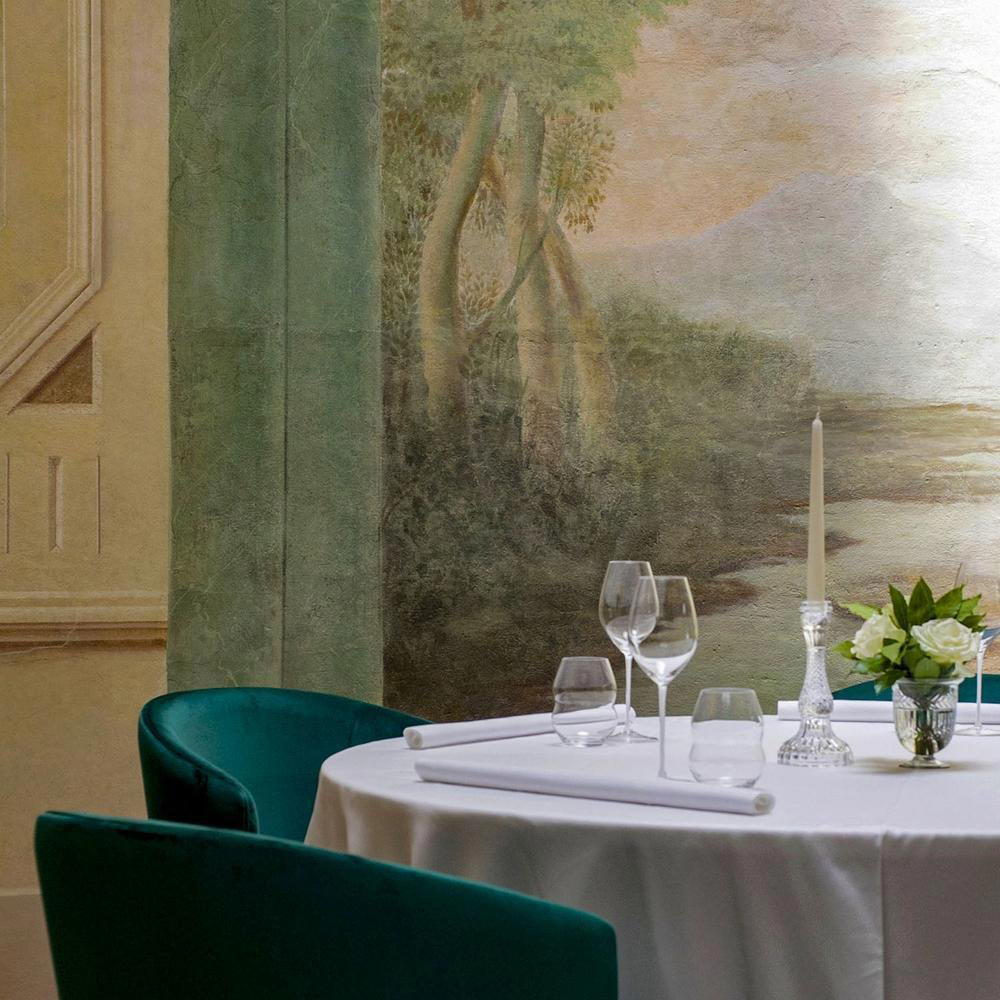
Where the Village Ends and the Kitchen Begins
Saint-Paul-de-Vence has a particular problem that its restaurants must solve: the village draws visitors for its ramparts, its galleries, and the long shadow of La Colombe d'Or, whose walls have hung with Picasso and Matisse since the 1920s. Every other table in the village competes against that mythology as much as against each other. La Table de Pierre, sitting on the Route des Serres just outside the medieval core, sidesteps the competition by operating on a different register entirely — it is the address that earns its place through the plate rather than through provenance.
The approach along the Route des Serres already signals a shift from the cobbled tourist circuit. The surrounding terrain is typical of the Alpes-Maritimes back-country: terraced hillsides, stone walls, the kind of quiet that the walled village — only minutes away , rarely offers in high season. Arriving here is less about spectacle and more about arriving at something considered. For the broader context of eating and drinking across the village, our full St. Paul de Vence restaurants guide maps the range from casual terrace dining to formal French tables.
Mediterranean Sharing and the Logic of the Table
The communal, small-plates tradition of the Mediterranean basin has moved far beyond its Levantine and Greek origins. Along the French Riviera, it has absorbed Provençal technique, Nice's Italian adjacency, and the kind of producer relationships that only flourish in regions where the market network between farmer, fisherman, and chef is genuinely short. At La Table de Pierre, Chef Romain Goyeneche works within this tradition, which Michelin recognised with a Plate distinction in both 2024 and 2025, the latter also flagging the kitchen's creative cooking specifically , a signal that the menu is not simply executing regional convention.
Michelin Plate is a more informative marker than it is sometimes given credit for. It does not indicate a star, but it does indicate that the guide's inspectors found the cooking worth recommending on quality grounds. In a region where the density of Michelin-recognised addresses is high, from Mirazur in Menton at the leading of the Riviera's starred hierarchy to mid-tier creative tables scattered between Nice and Cannes, a consistent Plate across two consecutive editions signals a kitchen that is not coasting. The creative cooking highlight, specifically called out by Michelin in 2024, suggests a menu that reaches beyond brasserie habit.
Mediterranean sharing format, when it is working well, puts the emphasis on the rhythm of the table rather than on a single centrepiece dish. Ingredients arrive as they should: seafood treated minimally, vegetables with enough acidity or char to carry structural weight, proteins that anchor without dominating. The format also tests a kitchen's judgment about proportion and sequencing in a way that a classical three-course menu does not. At this price tier , a €€€€ classification that places La Table de Pierre in the upper band of Riviera dining , the expectation is that each element of a sharing spread is deliberate rather than incidental.
For comparison, the broader French Mediterranean table at this level often sits between the coastal grandeur of Arnaud Donckele and Maxime Frédéric at Louis Vuitton in Saint-Tropez and the more ingredient-forward Alpine-Mediterranean kitchens such as La Brezza in Ascona. La Table de Pierre occupies its own quieter position in that range: creative enough to hold Michelin's attention, rooted enough in Mediterranean idiom to feel specific to its hillside address rather than transposable to any European capital.
Saint-Paul-de-Vence as a Dining Context
The village has never been a destination primarily for its restaurants. Le Saint-Paul and Le Domaine du Mas de Pierre represent the French formal tradition in the area, occupying the heritage hotel and estate formats that visitors to this part of Provence tend to book well ahead of arrival. La Table de Pierre operates outside that register , it is not an estate dining room or a hotel table, which places it in a different booking dynamic and a different kind of evening.
The 70 Google reviews that produce a 4.6 rating are a modest but consistent signal. In a village of this size and tourist footfall, a table that accumulates genuine scores rather than volume is typically one that serves a mix of returning locals and purposeful visitors rather than passing crowds. That distinction matters when you are thinking about what kind of meal you are choosing.
Alpes-Maritimes wine country surrounding Saint-Paul-de-Vence is worth factoring into an evening here. The Bellet appellation, produced on hillsides barely fifteen kilometres west in the hills above Nice, is one of France's smallest AOCs and remains poorly distributed outside the region , making a Riviera table the most practical place to encounter it. For those planning a wider trip around the area's wine and drink culture, our full St. Paul de Vence wineries guide provides the regional overview. Hotels, bars, and experiences in the village are mapped in our hotels guide, bars guide, and experiences guide respectively.
French Creative Cooking in Its Southern Register
France's creative cooking tradition at the highest levels runs through addresses such as Alléno Paris au Pavillon Ledoyen, Flocons de Sel in Megève, Troisgros in Ouches, Auberge de l'Ill, Bras in Laguiole, and Paul Bocuse's Auberge in the north. In the south, that tradition has its own character: lighter technique, greater dependence on raw ingredient quality, and an openness to the region's cross-border influences that kitchens further north do not need to negotiate. Chef Goyeneche's kitchen at La Table de Pierre, flagged by Michelin for creative cooking within a Mediterranean frame, operates inside this southern variant of the French creative tradition. AM par Alexandre Mazzia in Marseille represents the most technically ambitious expression of that tradition in the region; La Table de Pierre sits at a more accessible price-to-quality position without abandoning the creative ambition that distinguishes it from routine Provençal tables.
Planning Your Visit
La Table de Pierre is located at 2320 Route des Serres, 06570 Saint-Paul-de-Vence , outside the walled village centre and leading reached by car or taxi rather than on foot from the main tourist area. The €€€€ price classification places it at the higher end of the local range; plan accordingly if you are pairing it with wine or extending the evening across multiple courses. Booking ahead is advisable, particularly in the summer months when the Alpes-Maritimes fills with visitors from Nice, Cannes, and further afield. The 4.6 Google score across 70 reviews suggests the table maintains consistency, but it is a small operation and walk-in availability in peak season is unlikely.
Price and Positioning
A compact peer snapshot based on similar venues we track.
| Venue | Price | Awards | Notes |
|---|---|---|---|
| La Table de Pierre | €€€€ | Michelin Plate (2025); HIGHLIGHTS: • CREATIVE COOKING; Michelin Plate (2024) | This venue |
| La Colombe d’Or | Provençal | ||
| Le Domaine du Mas de Pierre | French Cuisine | ||
| Le Saint-Paul | French Cuisine |
Continue exploring
More in St. Paul de Vence
Restaurants in St. Paul de Vence
Browse all →
Bars in St. Paul de Vence
Browse all →
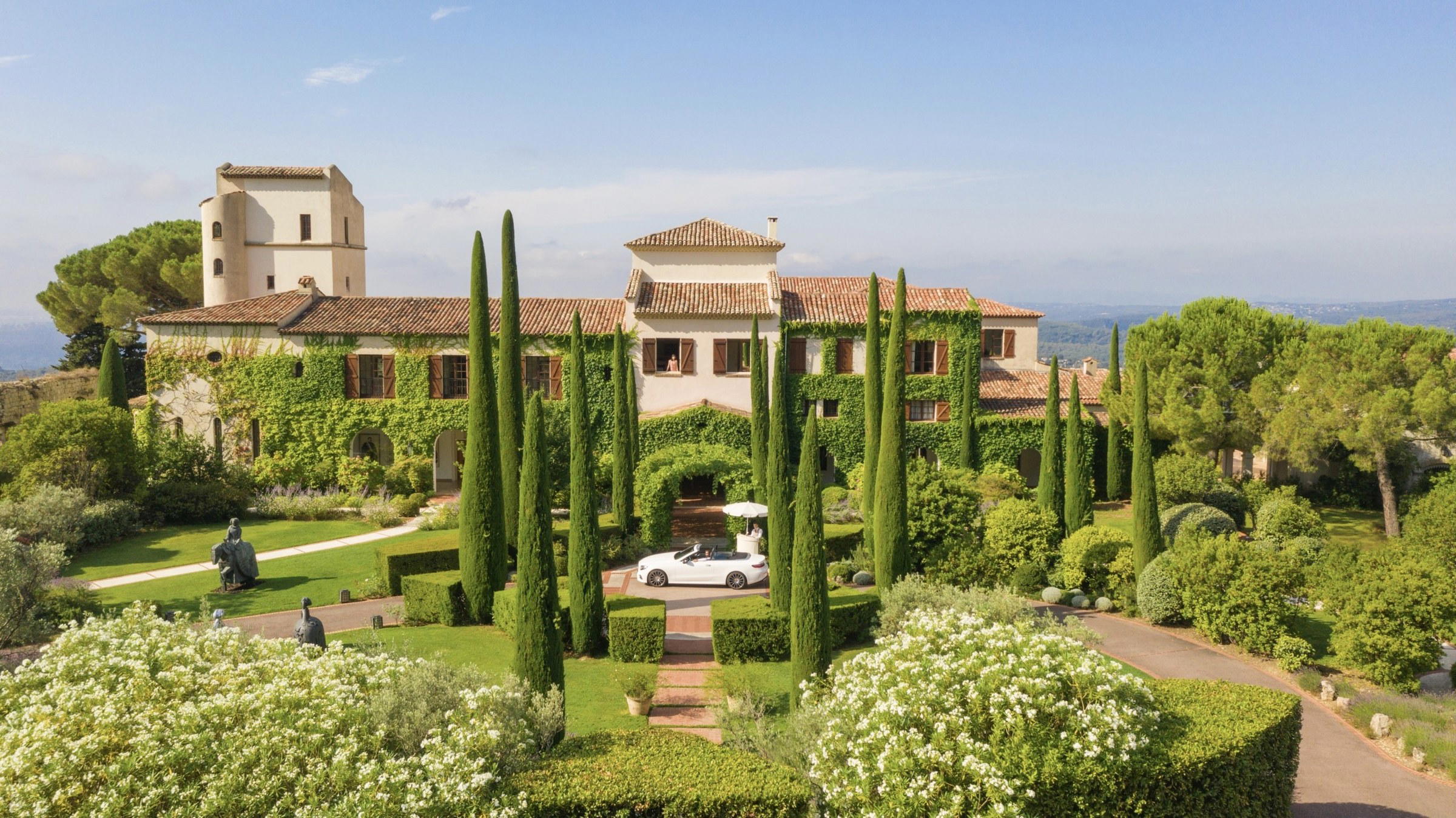
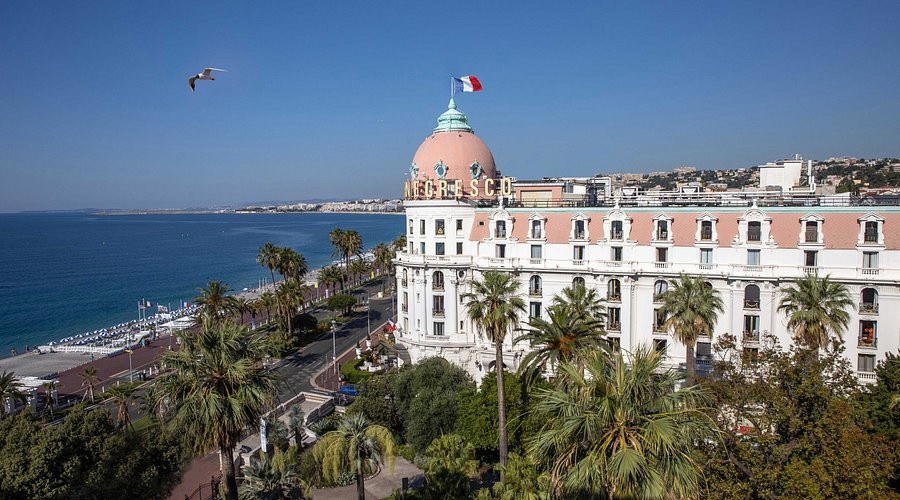
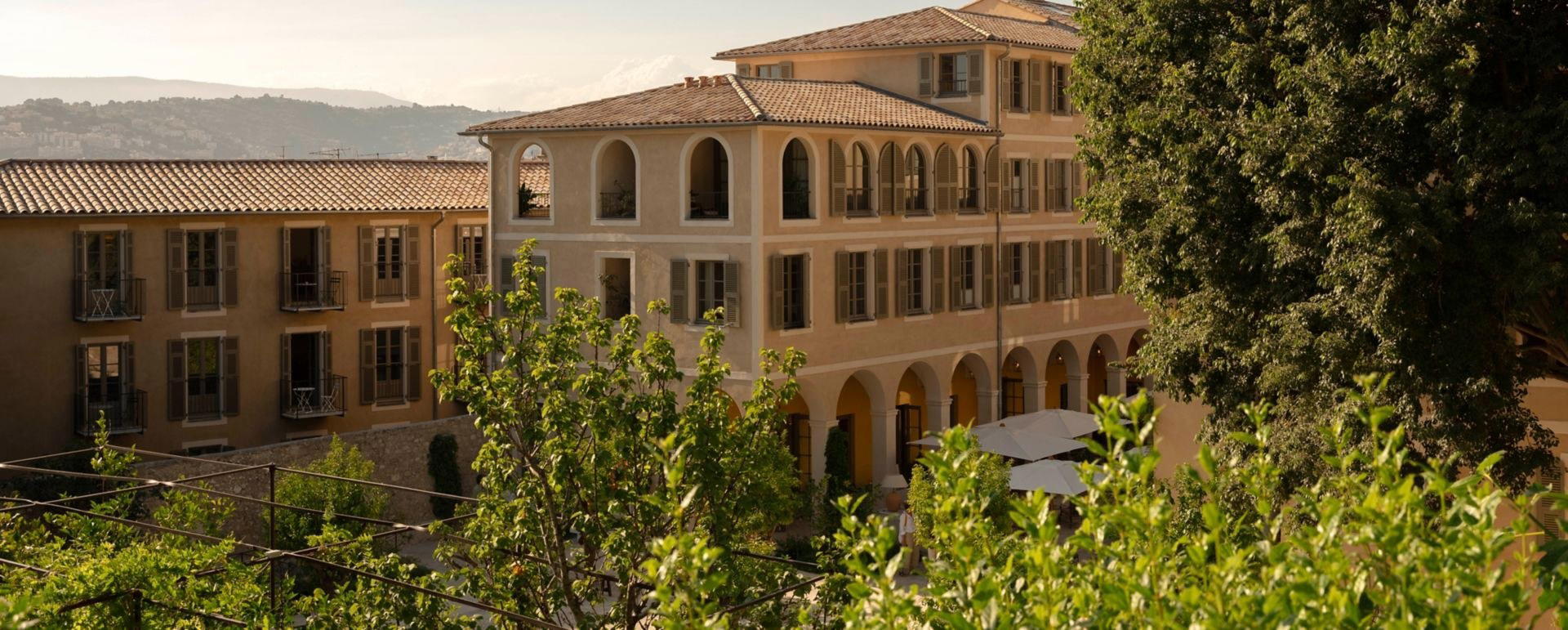
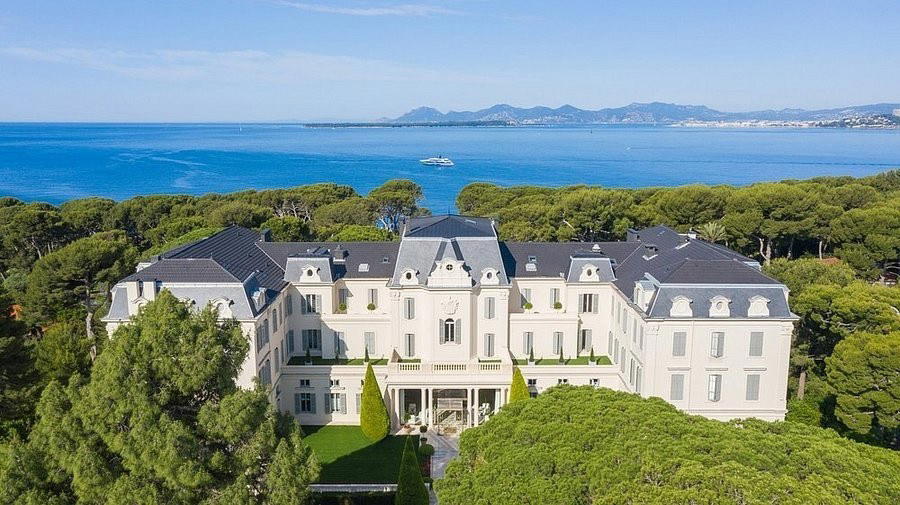
Hotels in St. Paul de Vence
Browse all →
Wineries in St. Paul de Vence
Browse all →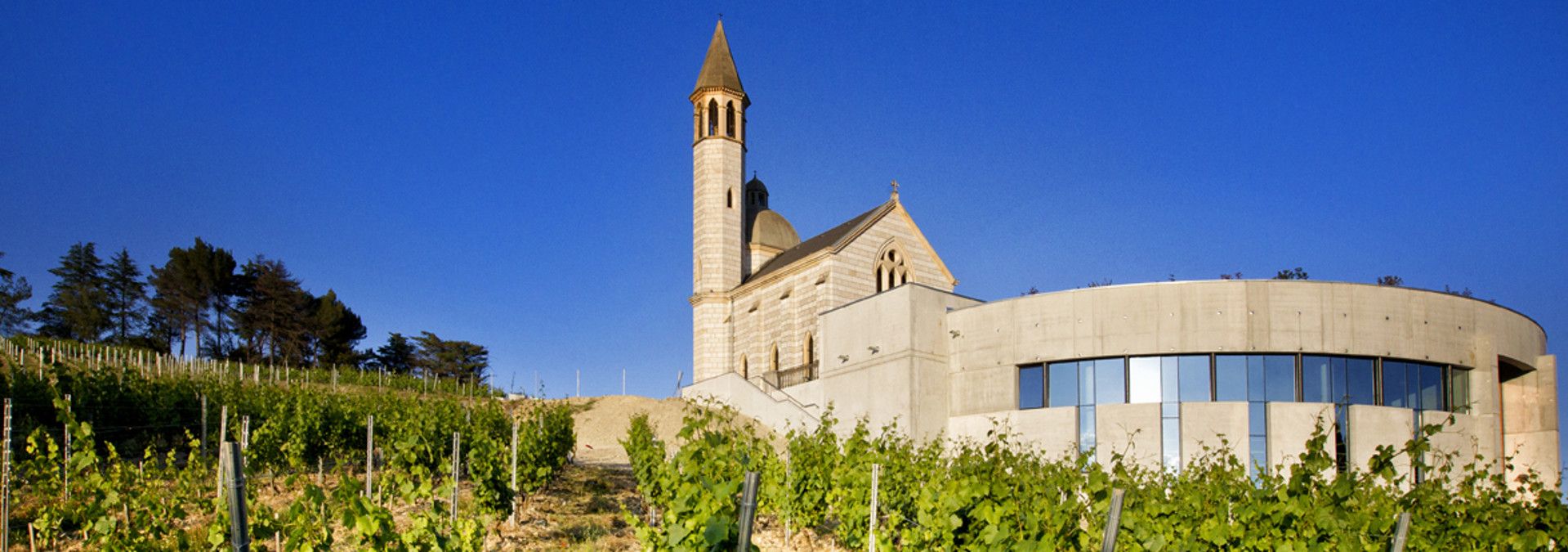
At a Glance
- Elegant
- Sophisticated
- Intimate
- Scenic
- Date Night
- Special Occasion
- Open Kitchen
- Garden
- Terrace
- Hotel Restaurant
- Extensive Wine List
- Sommelier Led
- Local Sourcing
- Garden
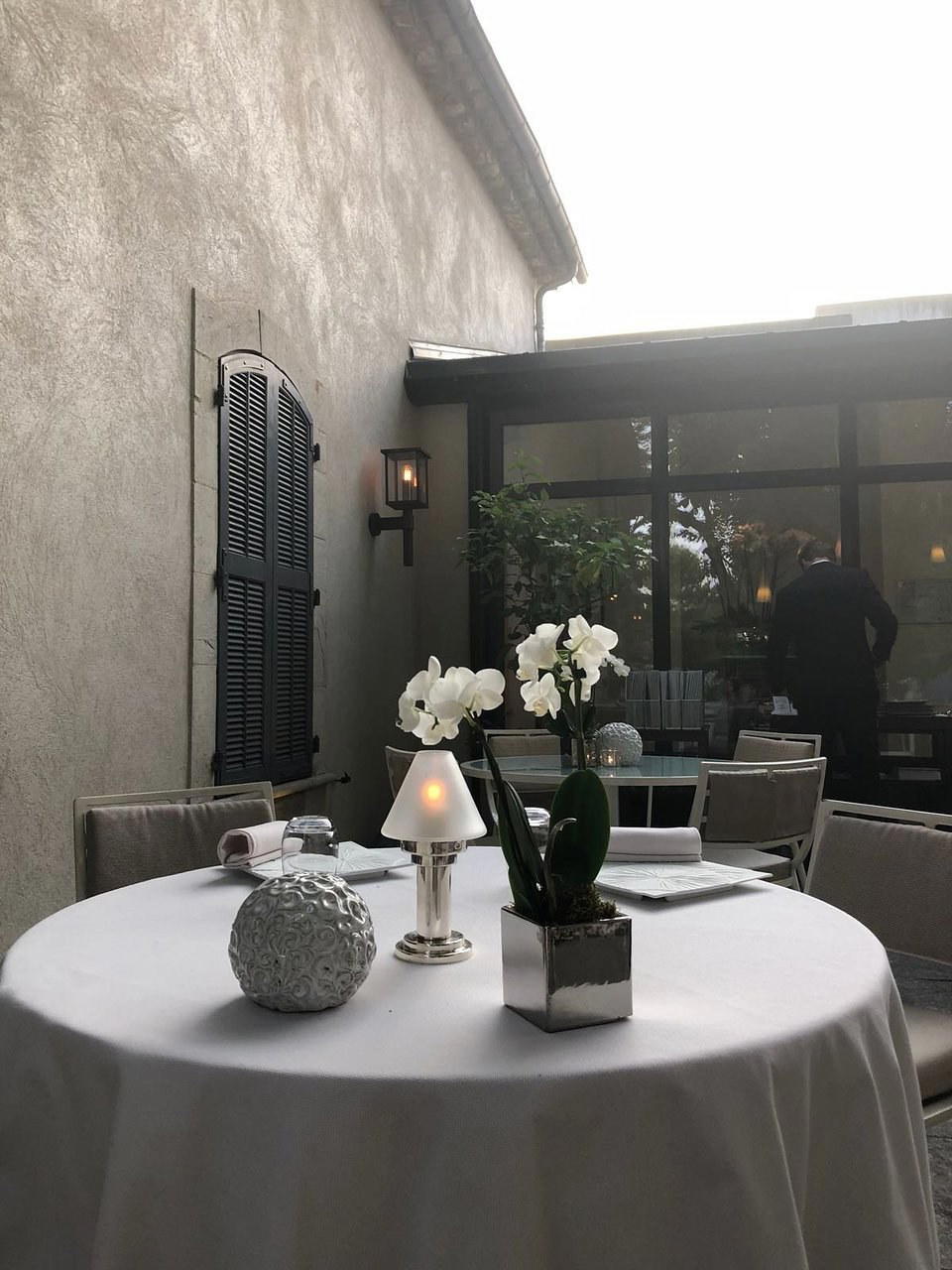
Elegant conservatory with greenery, open terrace, peaceful atmosphere, and open kitchen views, described as enchanting and refined by guests.