Le P'tit Frontalier sits on Rue des Parmentiers in central Metz, a city where French and German culinary traditions have intersected for centuries. The address places it within reach of Metz's modest but growing restaurant scene, which spans creative formats at venues like Yozora and more accessible neighbourhood options. Visitors looking for a local address rather than a destination table should note what the name itself signals: frontier cooking, small scale, regional roots.
Pearl is the En Primeur Club membership app — saves, bookings, and concierge access live there. Same editors, same standards.
- Address
- 3 Rue des Parmentiers, 57000 Metz, France
- Phone
- +33387373149
- Website
- le-petit-frontalier.fr
- Directions
- Get directions
 Saves & bookings on Pearl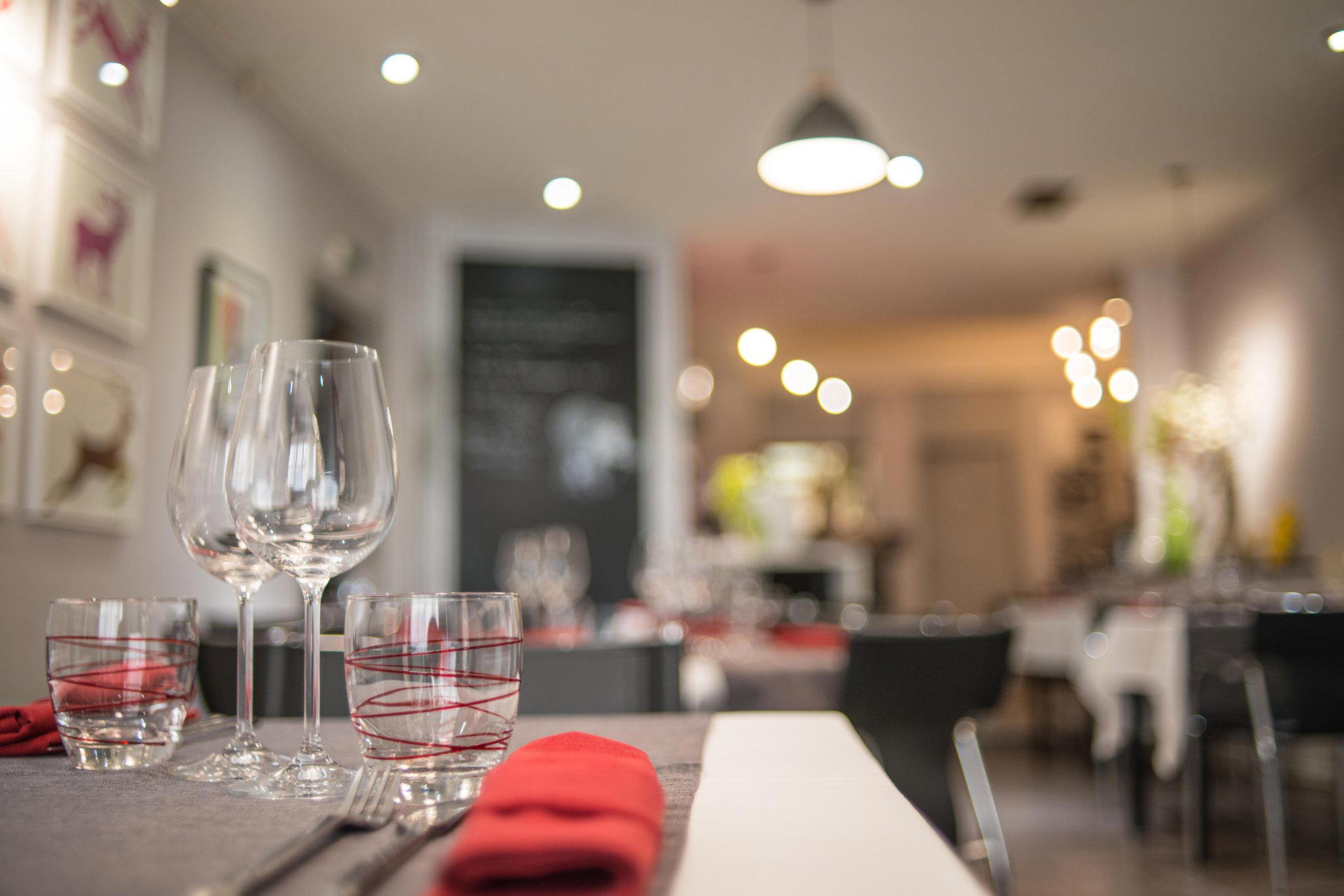
Where Metz Eats Without Ceremony
Le P'tit Frontalier is a regional French Lorraine restaurant at 3 Rue des Parmentiers, 57000 Metz, France, with a price level around $45 per person. Rue des Parmentiers is not a street that announces itself. It runs through central Metz quietly, a few minutes from the cathedral quarter where most visitors orient themselves, and the restaurants along it tend to share that character: low-key addresses that serve a local clientele rather than a touring one. Le P'tit Frontalier occupies this register. The name translates roughly as 'the little border-crosser,' a reference that carries real weight in Metz, a city that has changed national hands, French to German to French again, twice within living memory of the twentieth century. Restaurants here often reflect that layered identity without making a statement of it, and Le P'tit Frontalier appears to sit within that tradition.
Metz's dining scene has developed incrementally over the past decade. It lacks the depth of Strasbourg, where Au Crocodile in Strasbourg anchors a well-established fine dining tier, and it operates at a different scale from the concentrated ambition you find in Reims, where Assiette Champenoise in Reims draws international attention. What Metz offers instead is a smaller, more neighbourhood-oriented scene, where addresses like 2'Moiselles and Bouillon Batignolles define the accessible end of the market. The restaurant reads as part of that fabric rather than an outlier within it.
The Frontier Tradition on the Plate
The Lorraine region that surrounds Metz has its own culinary logic, distinct from the Alsatian tradition to the east and the more purely French kitchens to the west. Quiche Lorraine originates here, but the region's cooking runs deeper than that single export suggests. Mirabelle plums, potée lorraine, and a preference for strong, satisfying preparations over delicate refinement have historically defined the table in this part of France. The border-region identity that restaurant invokes in its name connects directly to this tradition, one shaped as much by proximity to Germany as by any purely Gallic inheritance.
This kind of crossover cooking has precedent at the highest levels of French cuisine. The Alsace-Lorraine corridor has produced addresses that navigate exactly this tension between two culinary cultures, Auberge de l'Ill in Illhaeusern being one formally recognised example. At the other end of the price spectrum, smaller neighbourhood restaurants across the region have long maintained versions of this conversation without the architectural dining rooms or multi-decade Michelin tenure. The restaurant, by its address and scale, belongs to the latter category.
Team Format and the Front-of-House Dynamic
In smaller French restaurants, the relationship between kitchen and floor often defines the experience more directly than it does in larger operations. At a property of this scale on a street like Rue des Parmentiers, you would typically expect a tight team: a kitchen of two or three, a front-of-house presence that doubles as sommelier when required, and a format built around personal attention rather than scripted service. This is the model that has sustained neighbourhood bistros across provincial France for generations, and it tends to produce a different kind of hospitality from the more hierarchical structures found at formal dining addresses.
The contrast is instructive when set against the organised front-of-house programmes at destination restaurants like Mirazur in Menton or Troisgros - Le Bois sans Feuilles in Ouches. Those operations run with dedicated sommeliers, separate pass teams, and formalised guest journey frameworks. A small Metz address like Le P'tit Frontalier operates with none of that infrastructure, which for many diners is precisely the point. The wine recommendation comes from whoever is on the floor that day. The pace of service is negotiated at the table rather than choreographed in advance. The collaboration between kitchen and floor is visible, sometimes audibly so, and the informality is structural rather than affected.
For comparison within Metz's current scene, Yozora (Creative) represents the more considered, higher-investment end of the market, with a format and price point that demand a different kind of team organisation. 83 Restaurant (Italian) and Cantino operate at the accessible mid-range where team size and service style more closely resemble what the restaurant appears to offer.
Metz in the Broader French Dining Context
Metz does not appear in the conversations that surround France's most-discussed restaurant destinations. Those conversations tend to circle between Paris, where Alléno Paris au Pavillon Ledoyen represents the formal pinnacle, Lyon and its institutional addresses such as Paul Bocuse - L'Auberge du Pont de Collonges, and outlier destinations like Bras in Laguiole or Flocons de Sel in Megève. Even at the creative end of the contemporary French scene, addresses like AM par Alexandre Mazzia in Marseille attract more international attention than anything currently operating in Metz.
That gap is partly geographic and partly structural. Metz functions as a regional city with strong rail connections to Luxembourg City and Strasbourg, which pulls professional traffic through it rather than to it as a destination. The restaurant scene reflects this: it serves a local population, a business lunch market, and visitors who arrive for the Centre Pompidou-Metz rather than for the table. The restaurant, by its address, scale, and apparent positioning, serves that local population directly. It is the kind of address that appears in neighbourhood conversations rather than international press coverage, and that positioning has its own integrity.
Planning a Visit
The restaurant is located at 3 Rue des Parmentiers, 57000 Metz, within walking distance of central Metz and the cathedral district. For current opening hours, reservation availability, and any menu specifics, contacting the venue directly is advisable. Metz is well connected by TGV from Paris Gare de l'Est, with journey times typically under ninety minutes, and the central station sits within easy reach of the restaurant quarter.
Price and Recognition
Comparable venues nearby, for context on price, style, and recognition.
| Venue | Cuisine | Price | Awards | Notes |
|---|---|---|---|---|
| Le P'tit FrontalierThis venue — the venue you are viewing | Centre Ville, Regional French Lorraine | $$$ | Not listed | Not listed |
| La Fleure de Ly | Not listed | $$$ | Not listed | city center, Modern French Bistro with Local Products |
| L'Hédoniste | centre-ville, French Brasserie Chic | $$$ | Not listed | Not listed |
| Quintessence | Centre Ville, Modern French Fine Dining | $$$$ | Not listed | Not listed |
| Les Pas Sages | centre-ville, French Bistro | $$ | Not listed | Not listed |
| La Lanterne | Not listed | $$$ | Michelin Plate | Place de Chambre, Modern French with Jura Influences |


At a Glance
- Cozy
- Elegant
- Classic
- Date Night
- Family
- Special Occasion
- Terrace
- Local Sourcing
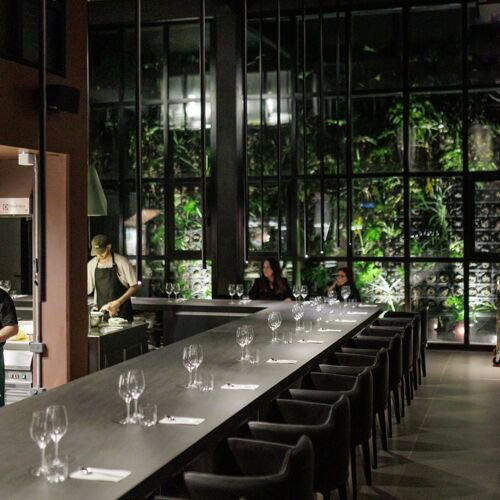
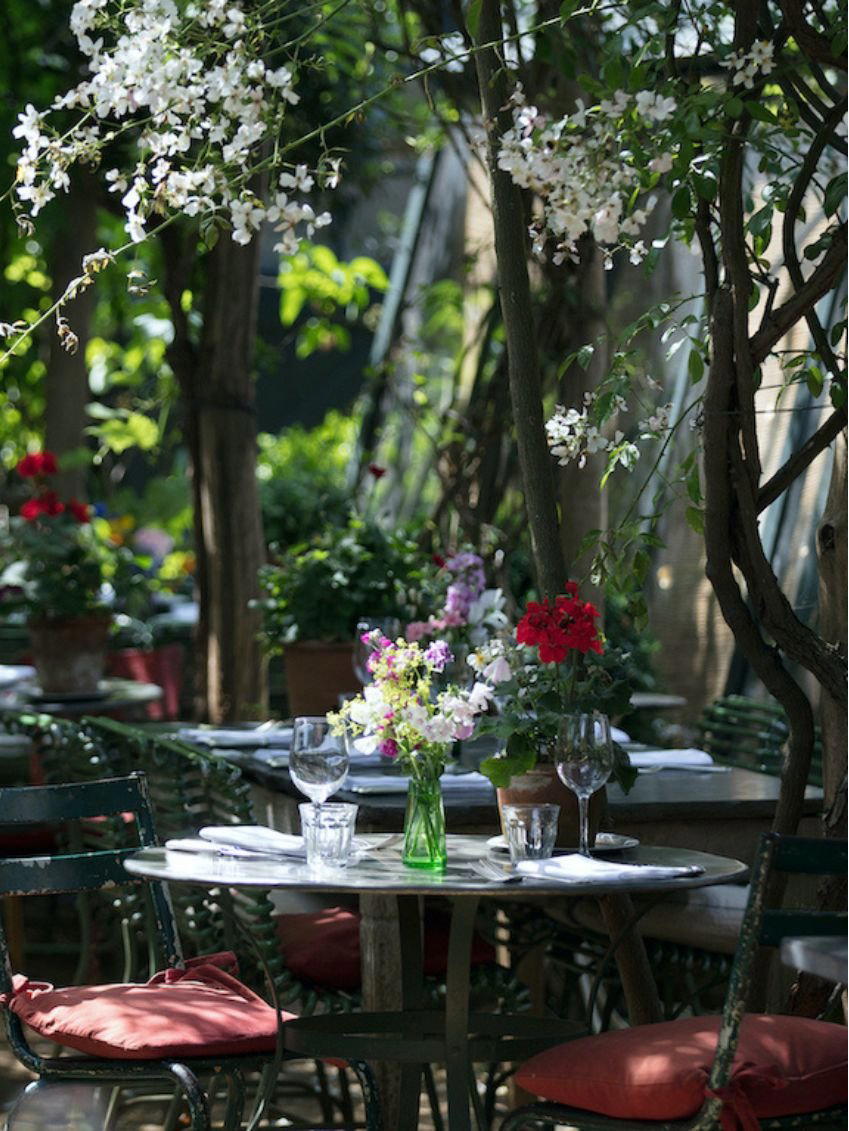
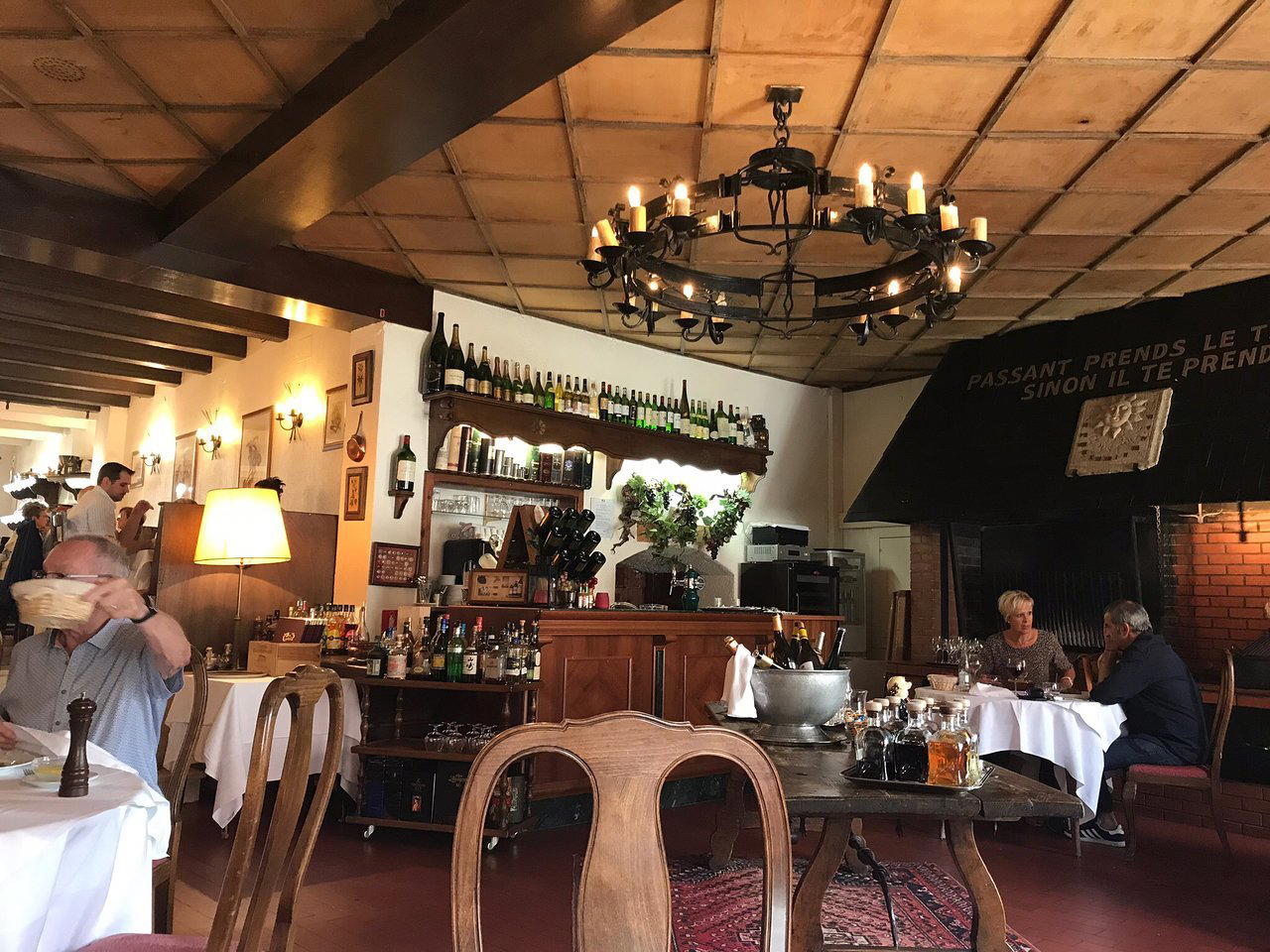
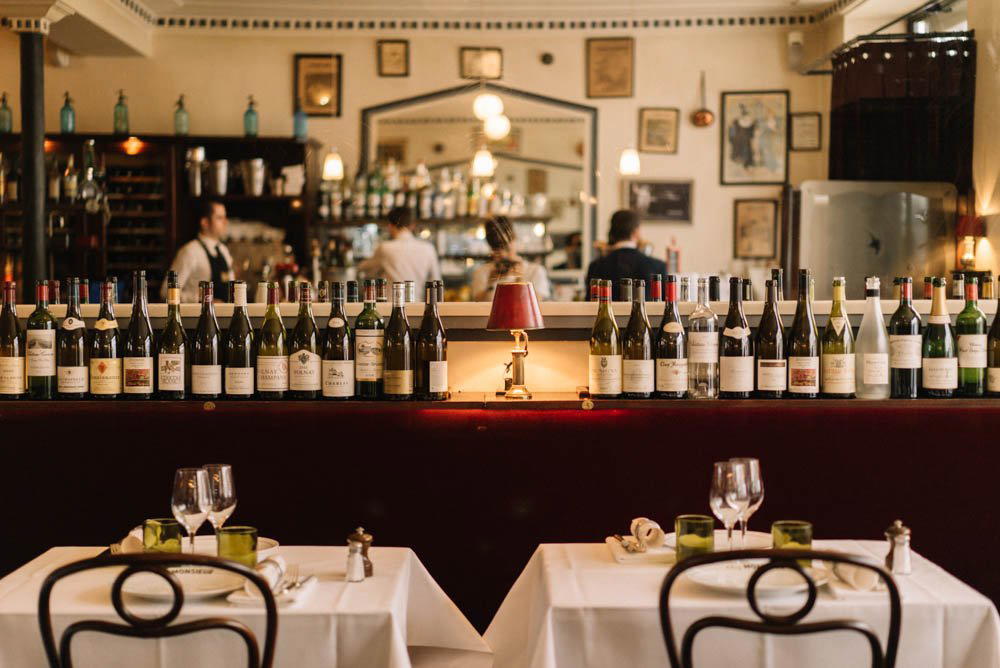
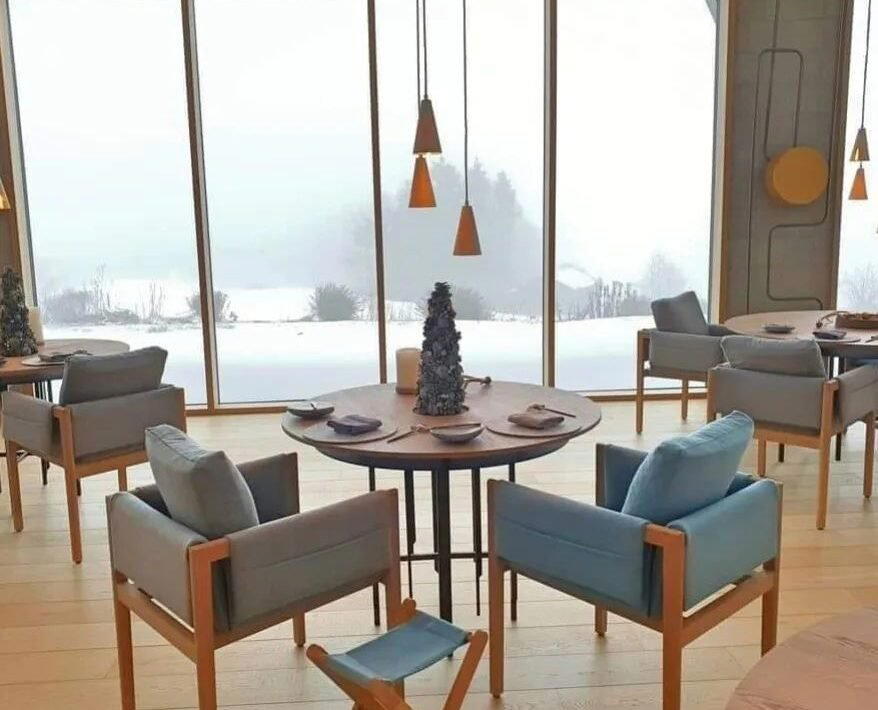
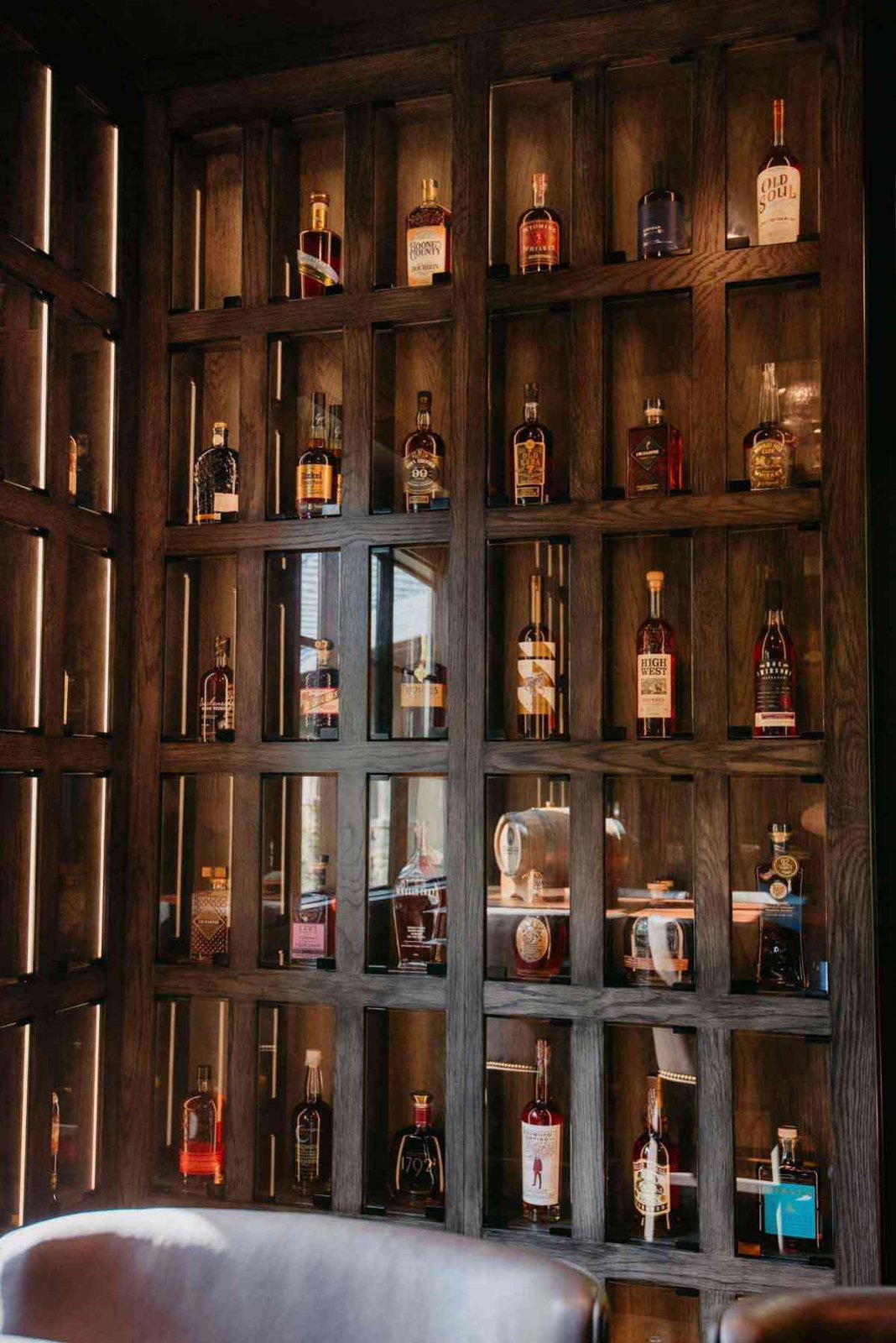
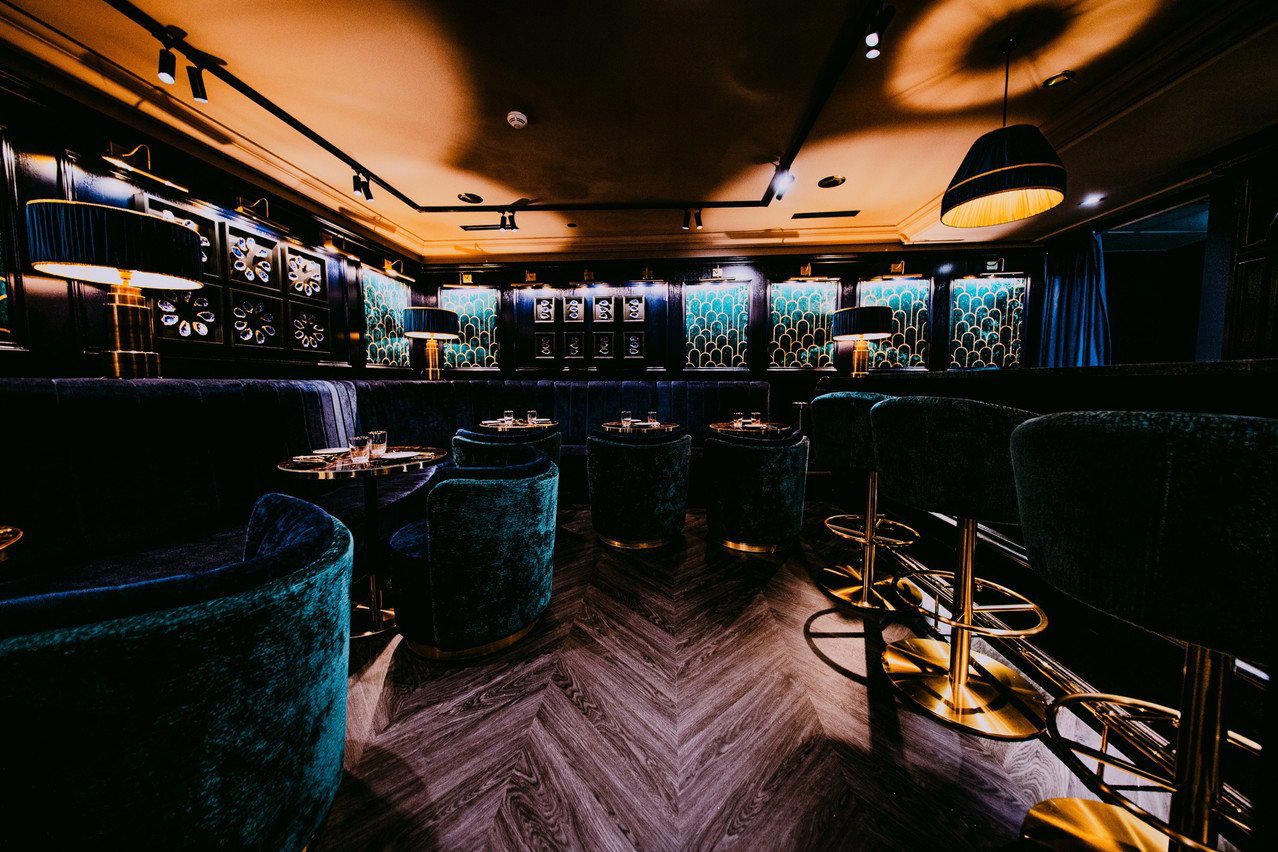
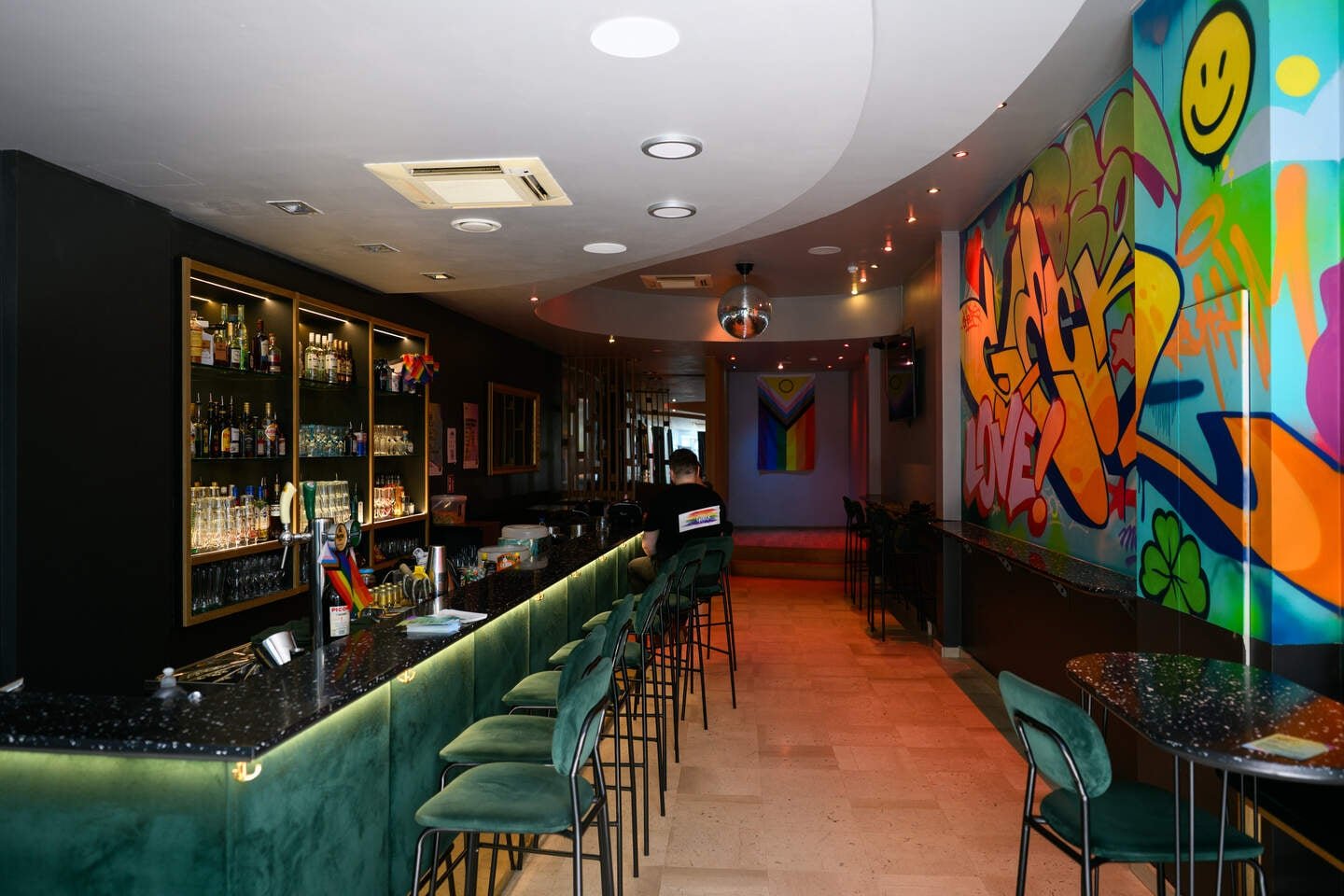
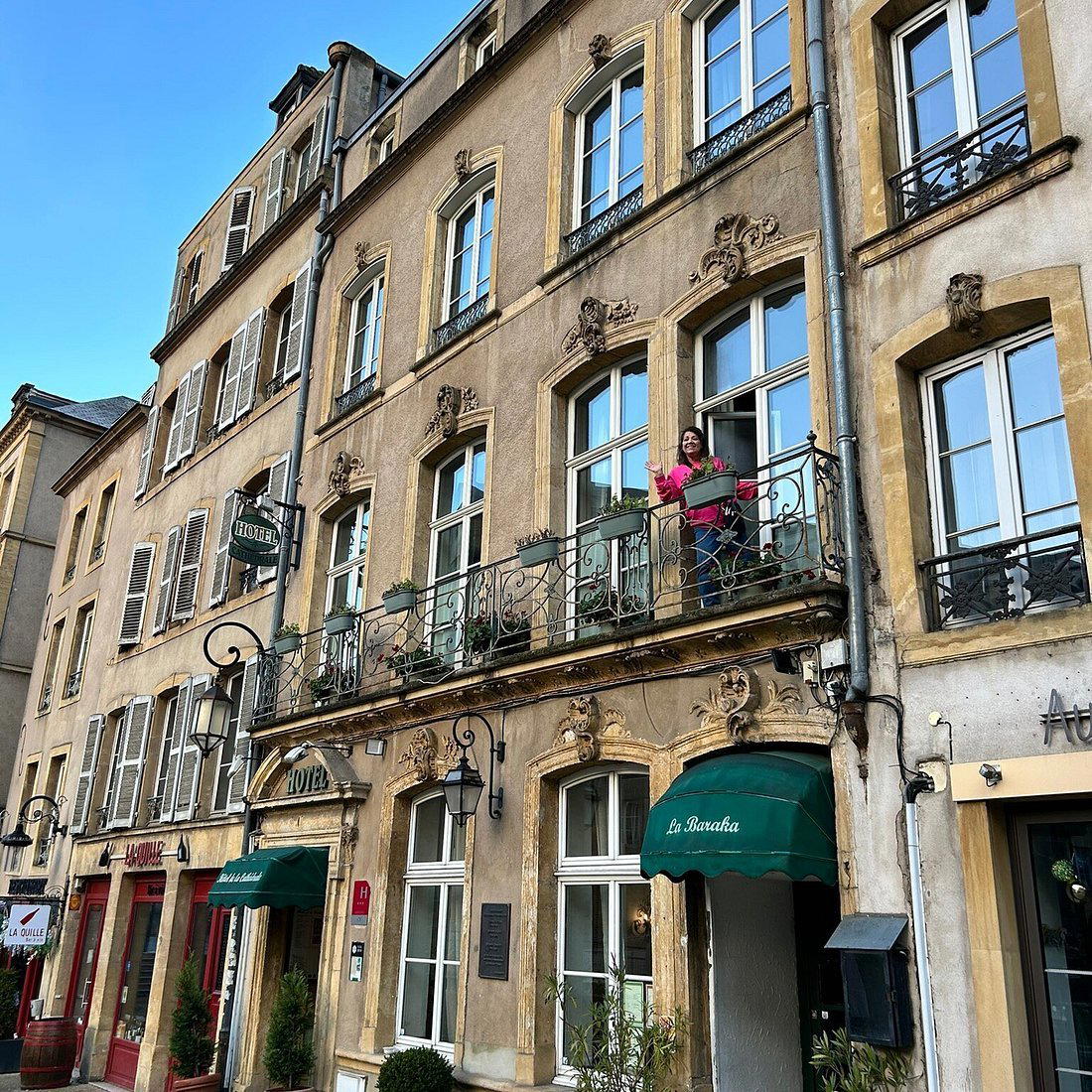
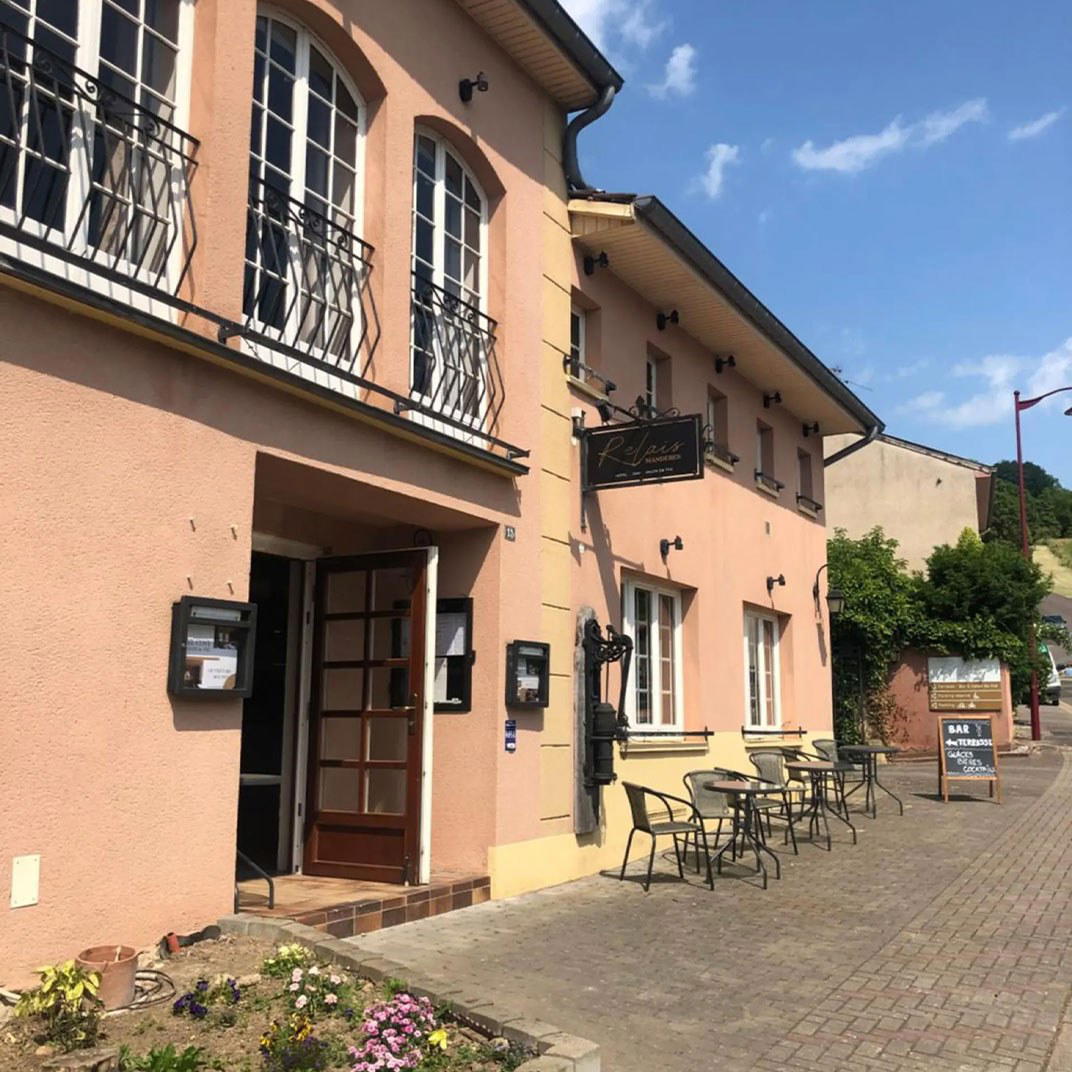
Friendly and inviting atmosphere with comfortable decor, bright and luminous all-white contemporary design.