Google: 4.7 · 471 reviews
.png)
Among Saintes' mid-range modern restaurants, Le Parvis earns a Michelin Plate (2025) for its market-driven regional cooking served beside the Charente river. Chef Pascal Yenk works from scratch, with sauces made in-house and ingredients sourced daily from local markets. The sheltered riverside terrace makes it a strong warm-weather option in the city's growing dining scene.
 Discover on Pearl
Pearl is the En Primeur Club membership app — saves, bookings, and concierge access live there. Same editors, same standards.
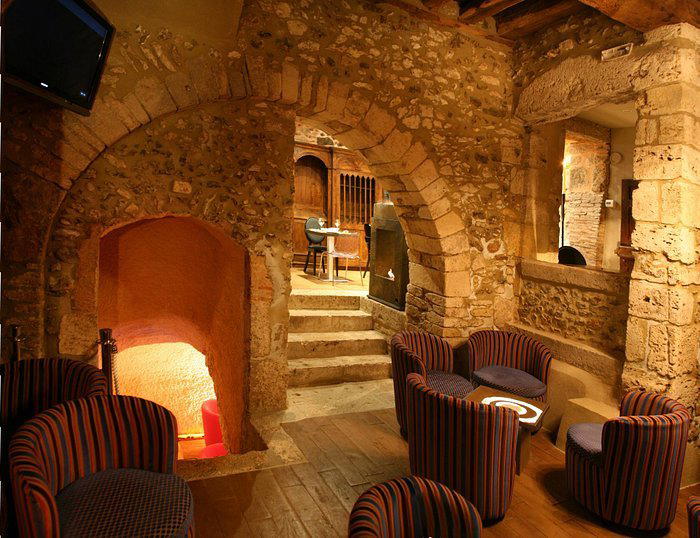
A Riverbank Address in a City Finding Its Culinary Voice
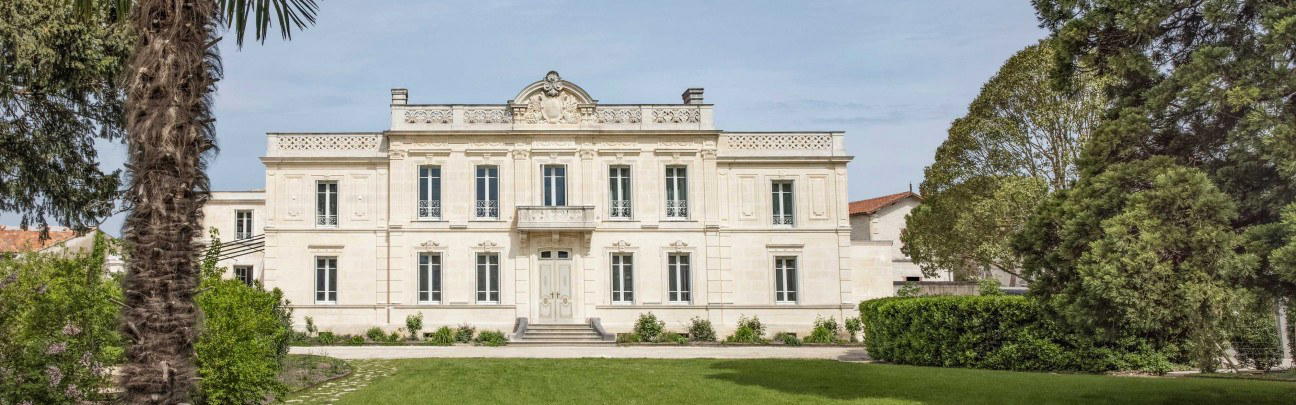
Saintes sits at an awkward distance from France's big gastronomic headlines. It is close enough to Bordeaux to attract comparisons, deep enough in the Charente-Maritime to develop its own identity, and small enough that a single well-positioned restaurant can shift the character of a neighbourhood. Le Parvis occupies exactly that kind of position: a house on the banks of the Charente, in the heart of downtown Saintes, where the river bends and the old town asserts itself. The setting is not incidental to the experience. Arriving on foot from the Roman arch or the cathedral, the transition from ancient stone to a riverside terrace is one of the cleaner sensory pivots the city offers.
That physical address matters more in Saintes than it might in a larger city. Dining options here cluster around the cathedral quarter and the market streets that feed into it. Le Parvis, positioned near the Bois d'Amour parking area with a direct orientation toward the Charente, places itself outside the densest part of that cluster. In a city where most visitors stay close to the amphitheatre and the Abbaye aux Dames, a restaurant that earns a Michelin Plate and draws its clientele to a slightly peripheral riverside spot is making a case through food rather than footfall.
Regional Cooking, Market Logic
The Charente-Maritime is not a region that shouts about its produce, which is part of why it is so consistently good. Oysters from Marennes-Oléron sit within reach. Cognac country begins almost immediately to the east. The Poitou-Charentes agricultural belt supplies vegetables, dairy, and poultry that do not need to travel far. Restaurants in this part of France that take the market seriously have a meaningful supply advantage over peers in destinations that import their identity along with their ingredients.
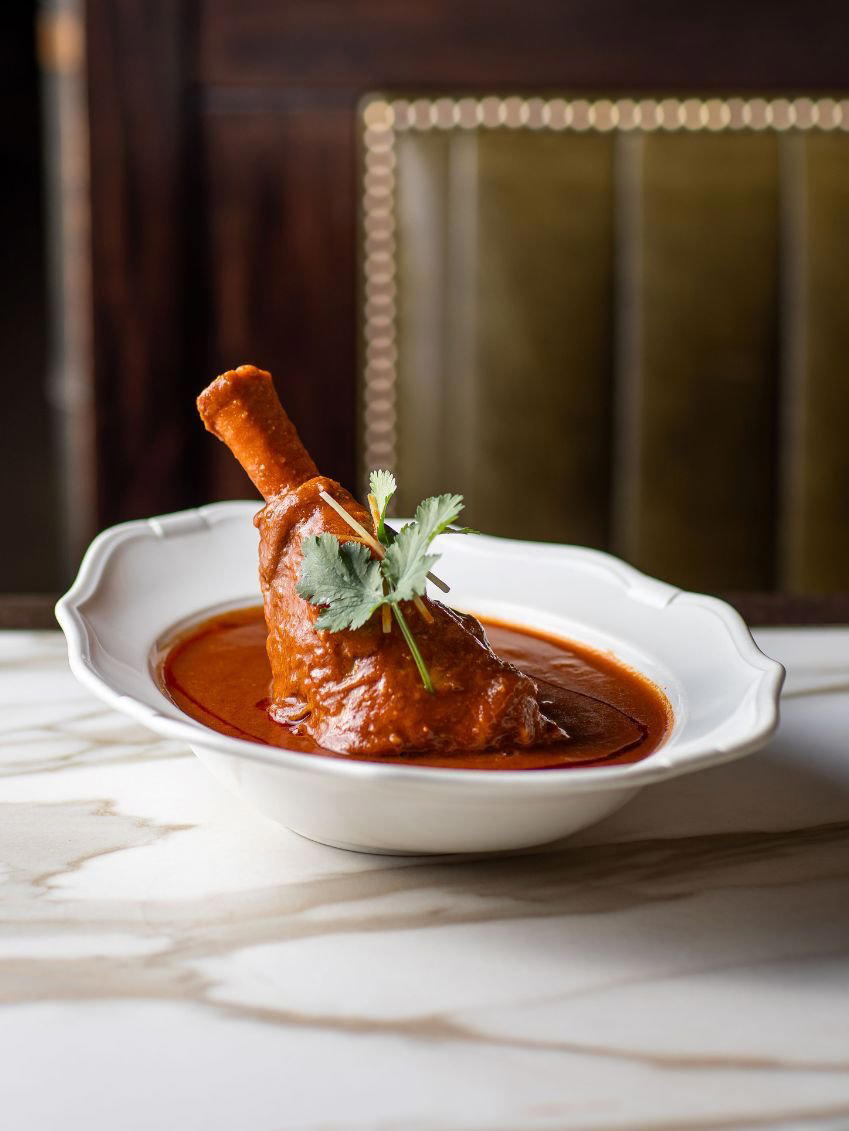
Le Parvis operates inside that logic. The kitchen works from daily market sourcing, and the commitment to making everything in-house, including sauces, is the kind of foundational discipline that separates market-cooking from market-adjacent cooking. A sauce made to order from the day's ingredients behaves differently from one that has been standardised and portioned. It is also the detail most likely to reveal whether a kitchen's claimed philosophy extends to the plate. Here, the Michelin Plate recognition for 2025 confirms that the execution holds up under that standard.
At the €€ price point, Le Parvis sits in the same tier as several of its Saintes peers: L'IØDE, Le Dallaison, Saveurs de l'Abbaye, and La Table du Relais du Bois Saint-Georges all occupy the same band. What differentiates them is approach and setting rather than category. Within that group, Le Parvis distinguishes itself through the riverside location and a cooking philosophy rooted in market provenance rather than technique-forward presentation.
The Terrace Question
In warm months, the sheltered terrace changes the calculus considerably. Riverbank dining in a town of Saintes' scale is not abundant. When the weather holds, the terrace at Le Parvis offers something that the indoor rooms of most competing restaurants cannot: a view of the Charente with the old town as backdrop. French regional dining at its most coherent is often tied to a specific physical context, and the combination of a locally sourced plate and a river view in a town with Saintes' historical depth is an argument the kitchen does not have to make through the food alone. That said, the food is expected to do its share of the work, and the Google review score of 4.7 across 444 reviews suggests that, for most diners, it does.
For visitors planning around the terrace, timing is worth considering. Saintes' position in the Charente-Maritime gives it a relatively long warm season, but the sheltered element of the terrace design suggests that the outdoor space functions in shoulder conditions as well as peak summer. Booking ahead for terrace tables is advisable, particularly on weekends and during the Saintes festival season, when the town's accommodation and restaurant pressure increases significantly.
Placing Le Parvis in a Wider Frame
The Michelin Plate sits below the starred categories but above the Bib Gourmand in Michelin's signal hierarchy. It denotes good cooking without the broader criteria that feed into full star consideration. For a restaurant operating at the €€ tier in a secondary French city, it is a meaningful credential, and it places Le Parvis in a different conversation from the volume end of the Saintes market. The gap between a Michelin Plate in Saintes and a three-starred address such as Alléno Paris au Pavillon Ledoyen or Mirazur in Menton is categorical rather than gradational, but the Plate does assert that the kitchen operates with consistency and intention. It is also a signal that Michelin's inspectors have visited and found the proposition credible, which in a town of Saintes' size carries more weight than it might in Paris or Lyon.
For context on what regional French cooking looks like at its most formally recognised, Troisgros in Ouches, Bras in Laguiole, and Auberge de l'Ill in Illhaeusern represent the tier at which provenance-driven regional cooking operates at its most codified. Le Parvis is not in that conversation by award level, but the underlying impulse, to cook from local ingredients with scratch technique, is the same one that animates those kitchens at a different scale and budget. Internationally, the market-to-table discipline that shapes Le Parvis's approach also defines the positioning of modern tables like Flocons de Sel in Megève, and in different registers, Frantzén in Stockholm and FZN by Björn Frantzén in Dubai, though the ambitions and price brackets are at opposite ends of the spectrum.
Planning a Visit
Le Parvis is located at Parking du Bois d'Amour, 14 Pt Rue du Bois d'Amour, 17100 Saintes, a short walk from the Charente riverside path and accessible from the central cathedral district. The €€ pricing makes it a reasonable choice for a considered lunch or dinner without the commitment of a tasting menu format. Booking is advisable given the venue's review volume and recognition, particularly for terrace seating in season. Website and hours are not currently listed in public records; confirming availability directly before visiting is the most reliable approach.
For a wider view of where Le Parvis sits in the city's dining options, see our full Saintes restaurants guide. If you are building a longer stay around the region, our Saintes hotels guide, bars guide, wineries guide, and experiences guide cover the broader picture. Also see Paul Bocuse - L'Auberge du Pont de Collonges for a reference point on what French regional institution cooking looks like at its most historic.
Just the Basics
A quick look at comparable venues, using the data we have on file.
| Venue | Notes | Price |
|---|---|---|
| Le Parvis | This venue | €€ |
| L'IØDE | Modern Cuisine, €€ | €€ |
| Le Dallaison | Modern Cuisine, €€ | €€ |
| Saveurs de l'Abbaye | Modern Cuisine, €€ | €€ |
| La Table du Relais du Bois Saint-Georges | Modern Cuisine, €€ | €€ |
At a Glance
- Elegant
- Cozy
- Intimate
- Classic
- Date Night
- Special Occasion
- Terrace
- Garden
- Street Scene
- Garden
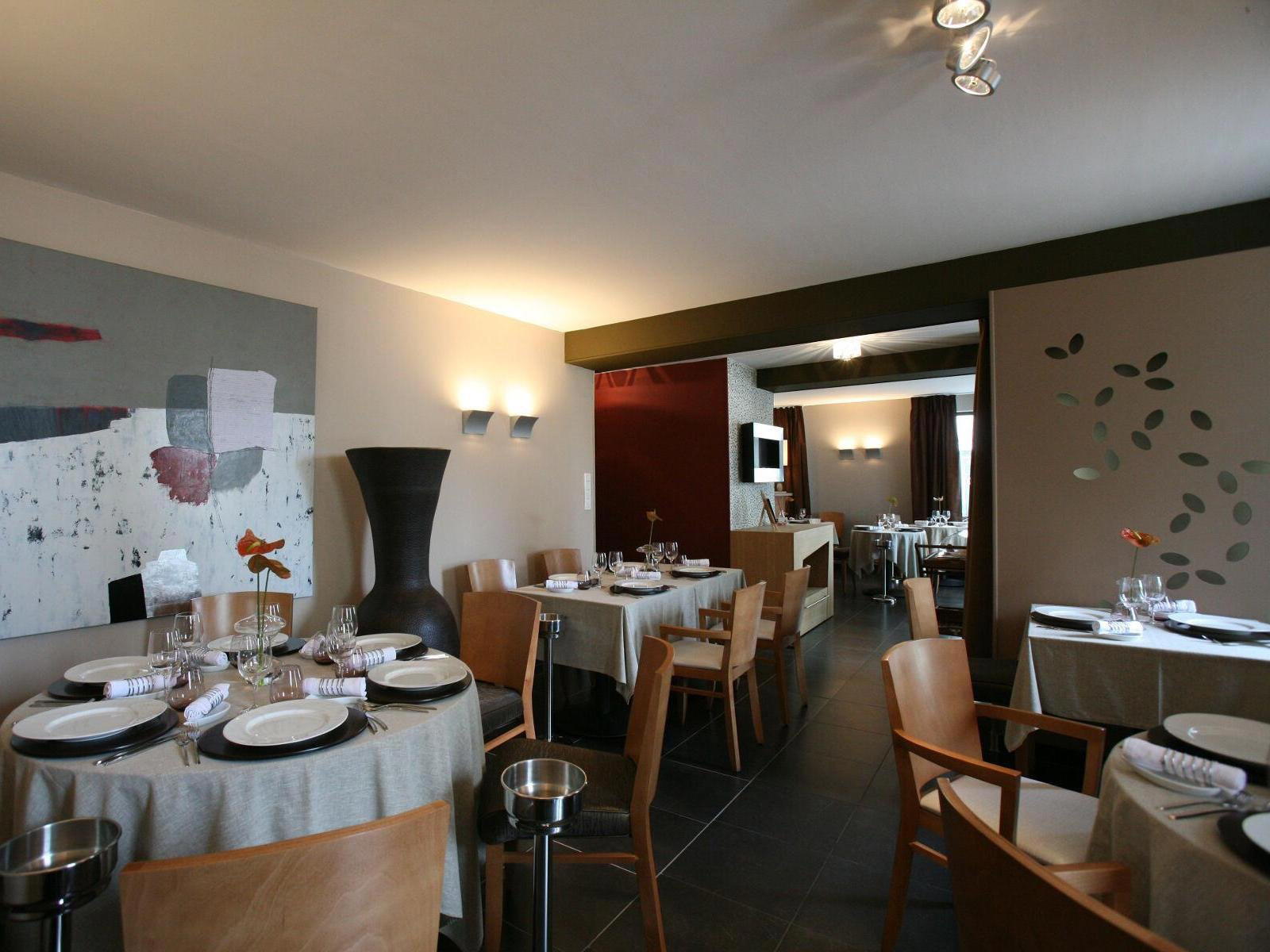
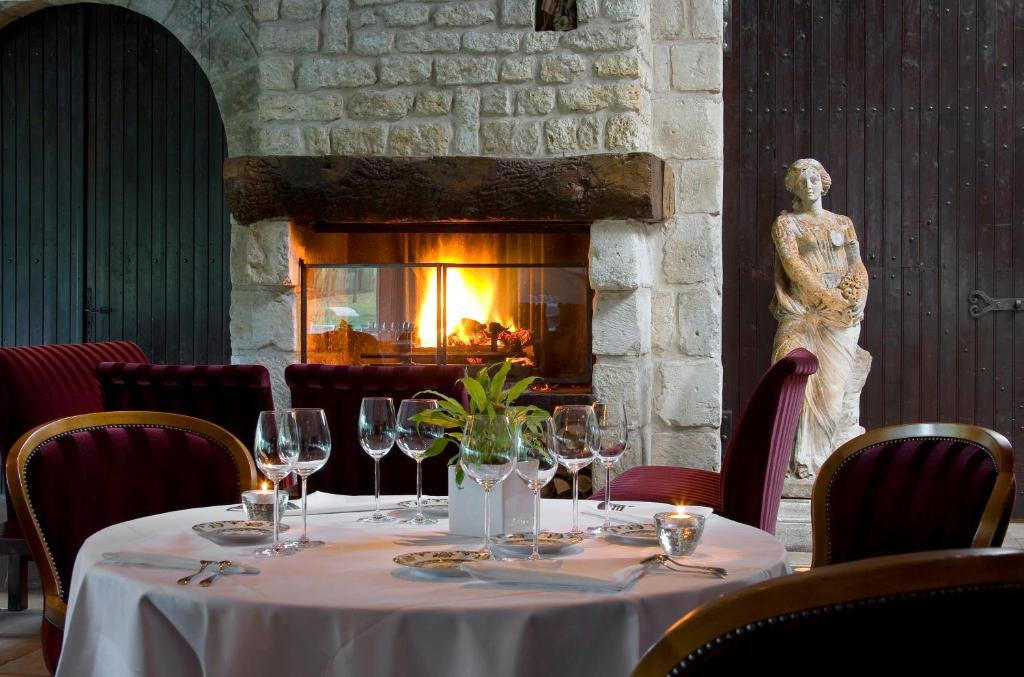
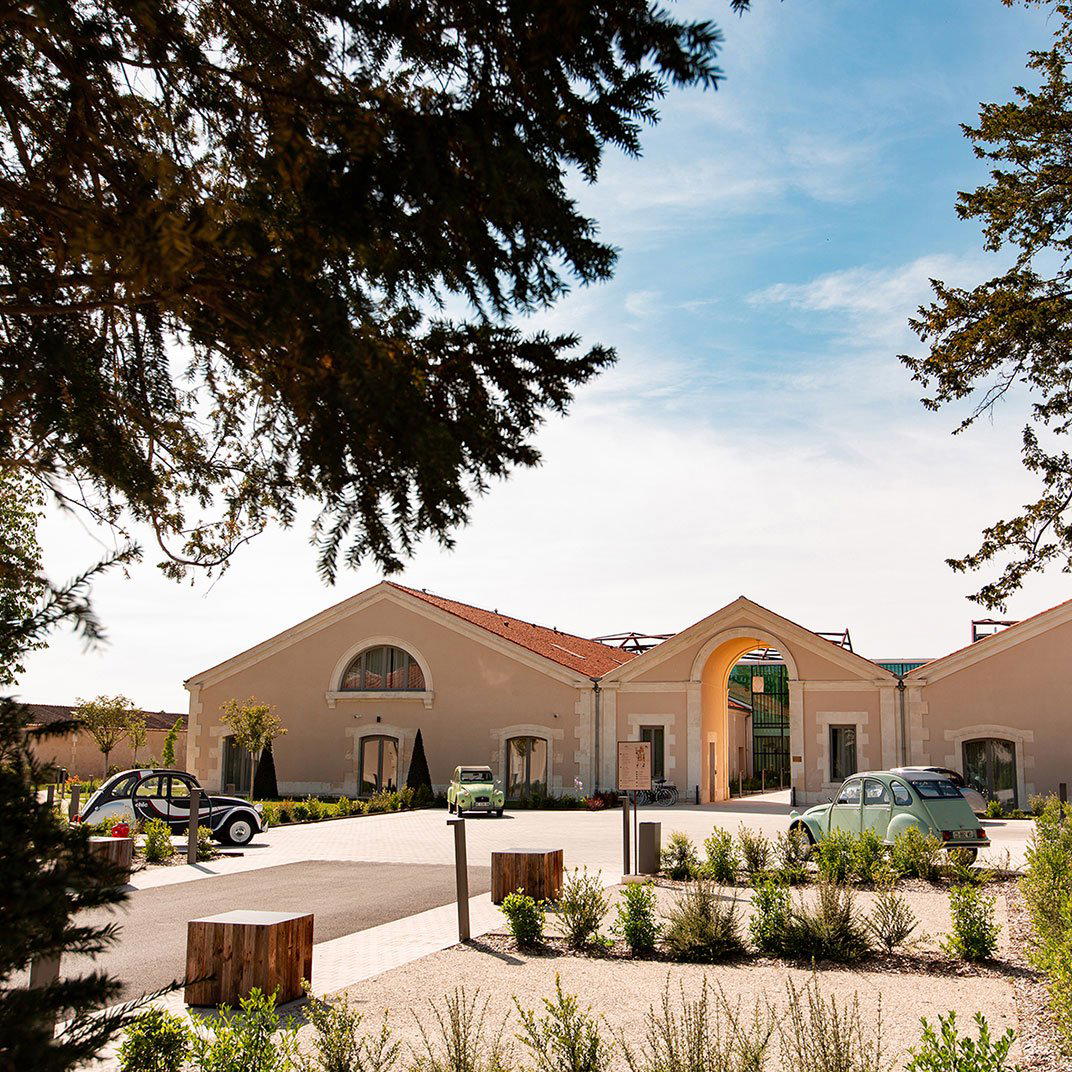
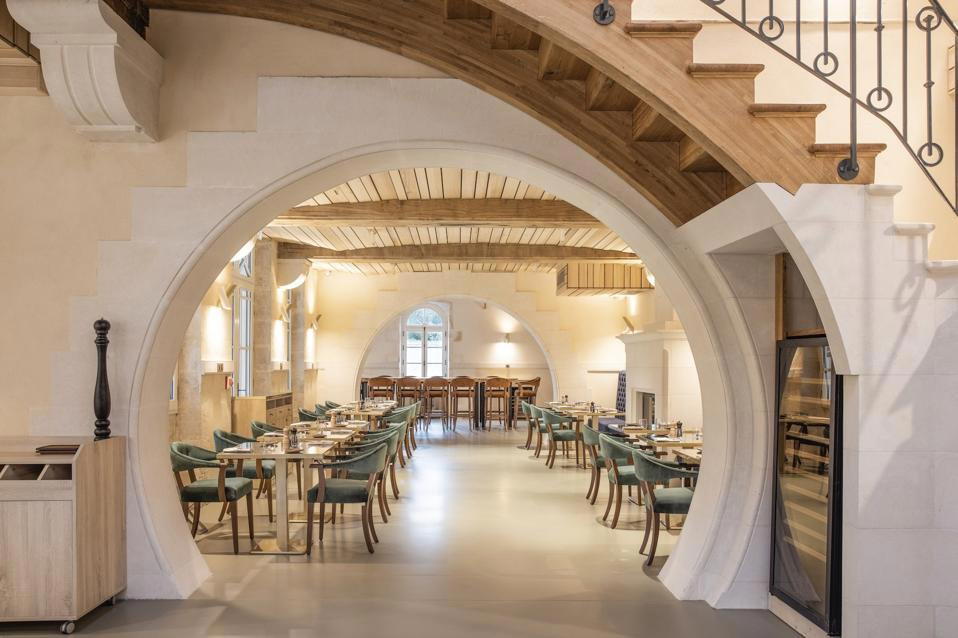
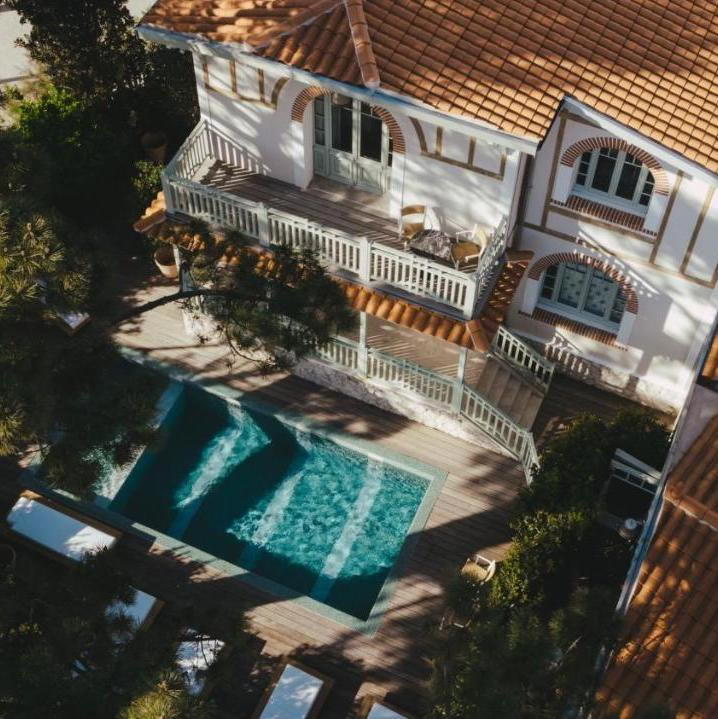
Convivial arrangement with multiple small dining rooms in a Charentaise house, calm and refined atmosphere, beautiful shaded terrace and garden in good weather.