On a side street in central Agen, Le Nostradamus occupies a position in a city better known for its prunes than its restaurant scene. The address places it within walking distance of the old quarter, where Lot-et-Garonne produce has shaped regional cooking for generations. For visitors exploring Agen beyond its market stalls, it represents a natural starting point.
Pearl is the En Primeur Club membership app — saves, bookings, and concierge access live there. Same editors, same standards.
- Address
- 40 Rue des Nitiobriges, 47000 Agen, France
- Phone
- +33553470102
- Website
- lenostradamus.com
- Directions
- Get directions
 Saves & bookings on Pearl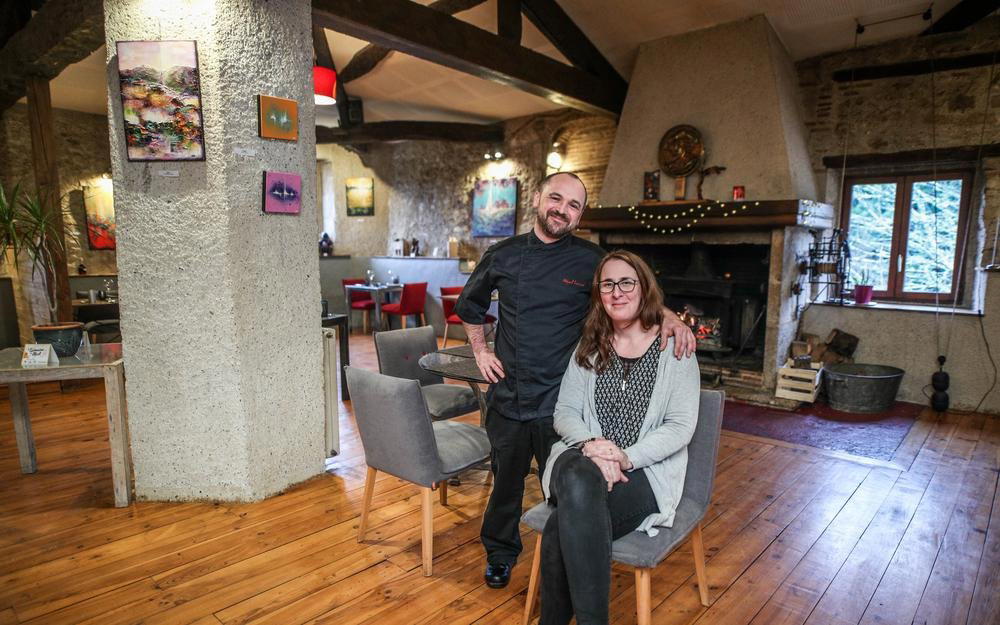
A Street Address in Prune Country
Rue des Nitiobriges is not a street that announces itself. Running through central Agen, it sits within a city that occupies one of France's most productive agricultural corridors: the Garonne valley, where stone fruit orchards, market gardens, and small-scale farms have supplied regional kitchens for centuries. The prune d'Agen carries an AOC designation and has defined the area's culinary identity since at least the medieval period, but the broader produce calendar extends well beyond it. Strawberries, tomatoes, white asparagus, and Chasselas grapes all pass through the region's markets, making Agen's raw material base considerably deeper than its tourist profile suggests.
Le Nostradamus sits at number 40 on that street. The name references Michel de Nostredame, who studied in the region and whose connection to the area is documented in sixteenth-century records, giving the restaurant a historical tether that many French provincial dining rooms lean on as a form of local authority. Whether the kitchen fully honours that provenance is the question worth asking of any restaurant in this part of Lot-et-Garonne.
Ingredient Geography: What the Garonne Valley Supplies
The argument for eating in Agen rather than passing through it rests almost entirely on proximity to source. Kitchens in Paris or Lyon can source Lot-et-Garonne produce, but they pay the price of transport, cold storage, and intermediary margins. A restaurant operating within the production zone has a structural advantage: asparagus cut that morning, tomatoes at peak ripeness rather than picked early for travel, stone fruit that does not need to survive a refrigerated truck journey.
This geography matters more in some seasons than others. Spring brings the white asparagus from the Blayais and the first strawberries from Marmande, a town forty kilometres west whose fruit has held its own appellation since 1920. Summer extends into stone fruit season, when mirabelles and damsons join the prunes that define the region year-round. Autumn produces mushrooms from the surrounding forests and the last of the Chasselas table grapes. A kitchen that treats this calendar seriously has the material to run a menu that shifts every few weeks rather than every few months.
The broader French restaurant tradition that has most consistently connected kitchen practice to agricultural geography is not the haute cuisine of Paris but the regional bourgeois table: longer cooking times, preserved and fermented components sitting alongside fresh market produce, and a format built around a fixed-price lunch or dinner that reflects what was available at the market that week. Agen's better tables have historically operated in this mode. For comparison, Bras in Laguiole has made ingredient sourcing from the Aubrac plateau the architectural principle of its entire menu, while Mirazur in Menton builds its programme around a kitchen garden that supplies the majority of its vegetable components. Both represent a more formalised, higher-resource version of what smaller regional restaurants across France have been doing quietly for decades.
Agen's Restaurant Tier: Where Le Nostradamus Sits
Agen is a prefecture of around 35,000 people, which places it in a tier of French provincial cities that support a handful of serious restaurant addresses but do not generate the density of fine-dining competition found in Lyon, Bordeaux, or Toulouse. The city's most prominently reviewed contemporary address is La Table de Michel Dussau, which operates in the modern cuisine register at the €€ price point and draws comparisons to the regional creative cooking that has emerged from southwest France over the past two decades. Elsewhere, Maison K and Margoton represent the broader dining conversation in the city, each occupying a distinct register.
Le Nostradamus, at its Rue des Nitiobriges address, occupies the older-school end of that spectrum. Restaurants of this type in French provincial cities function as anchor addresses for local clientele as much as for travelling visitors: they absorb the regular trade of business lunches, family celebrations, and weekday prix-fixe customers who want competent regional cooking without the formality or price of a gastronomy-bracket destination. The format is not a compromise. It is a different kind of seriousness, one that prioritises continuity and accessibility over creative ambition. The kitchens that do it well in France draw on the same produce logic as their more decorated peers; they simply do not require the same level of performance to justify the price.
For those mapping Agen against a wider frame of French regional dining, the southwest corridor running from Bordeaux through Agen toward Toulouse has produced some of France's most ingredient-grounded cooking. Auberge du Vieux Puits in Fontjoncouse demonstrates what a deeply sourced, place-specific menu can achieve at the highest level. Christopher Coutanceau in La Rochelle shows how coastal geography can define an entire restaurant's identity. The logic applies at every price point: knowing where ingredients come from, and cooking to their season, produces better food than ignoring those variables.
Planning a Visit: Practical Notes
The restaurant is located at 40 Rue des Nitiobriges, 47000 Agen, in the central part of the city and reachable on foot from the main railway station, which serves TGV connections from Bordeaux and Toulouse. Agen's compact centre means most addresses cluster within a fifteen-minute walk of each other, and the restaurant sits close enough to the covered market to suggest that pre-lunch or pre-dinner browsing of the stalls is a reasonable way to orient yourself to the season before sitting down. Current hours are Monday closed; Tuesday 12 to 1 PM; Wednesday through Saturday 12 to 1 PM and 7:30 to 9 PM; Sunday closed.
For broader context on France's most celebrated regional addresses, The broader regional dining picture includes reference points such as Flocons de Sel in Megève, Auberge de l'Ill in Illhaeusern, Troisgros in Ouches, Alléno Paris au Pavillon Ledoyen, Paul Bocuse in Collonges-au-Mont-d'Or, AM par Alexandre Mazzia in Marseille, Assiette Champenoise in Reims, and Au Crocodile in Strasbourg. For international comparison, Le Bernardin in New York City and Atomix in New York City represent contrasting approaches to sourcing rigour at the summit of the American market.
Comparable Spots, Quickly
Comparable venues nearby, for context on price, style, and recognition.
| Venue | Cuisine | Price | Awards | Notes |
|---|---|---|---|---|
| Le NostradamusThis venue — the venue you are viewing | Refined French Regional Bistro | $$$ | Not listed | Not listed |
| Maison K | Traditional French Bistro | $$$ | Michelin Plate | centre-ville |
| La Table de Michel Dussau | Modern French Bistro | $$$ | Bib Gourmand | Agen |
| Margoton | Creative French Bistro | $$$ | Not listed | centre historique |
| Bienheureux | Modern French seasonal tasting menu | $$$ | Not listed | Wasquehal |
| Atelier de Candale | Seasonal French wine‑country restaurant in the vineyards | $$$ | Not listed | Saint-Laurent-des-Combes / Saint-Émilion vineyards |
Continue exploring
More in Agen
Restaurants in Agen
Browse all →
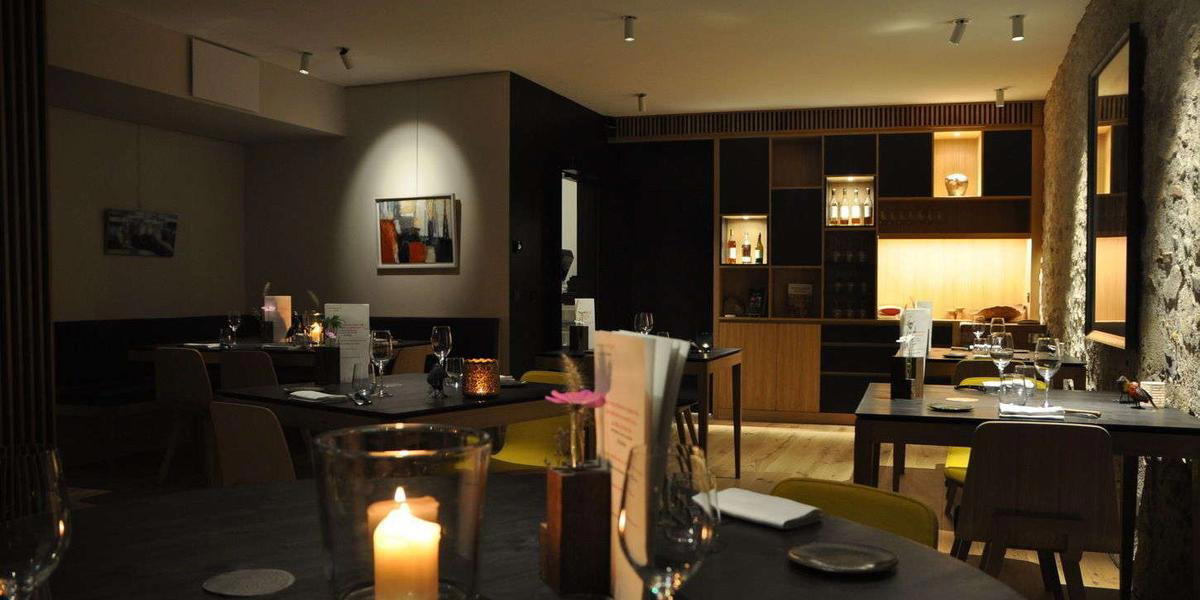
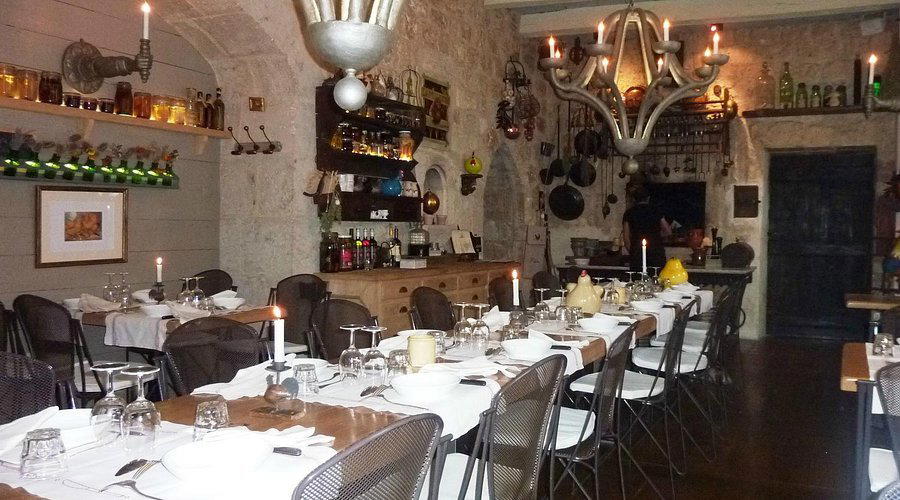
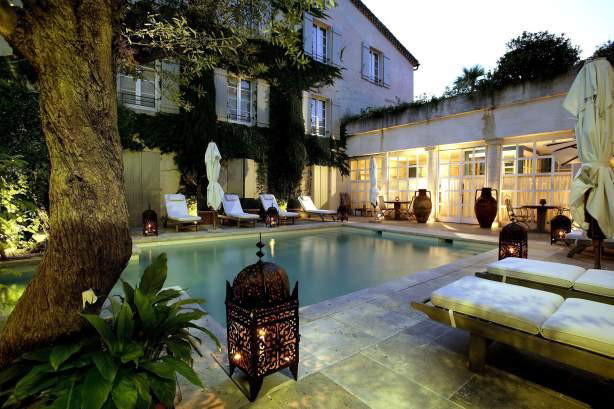
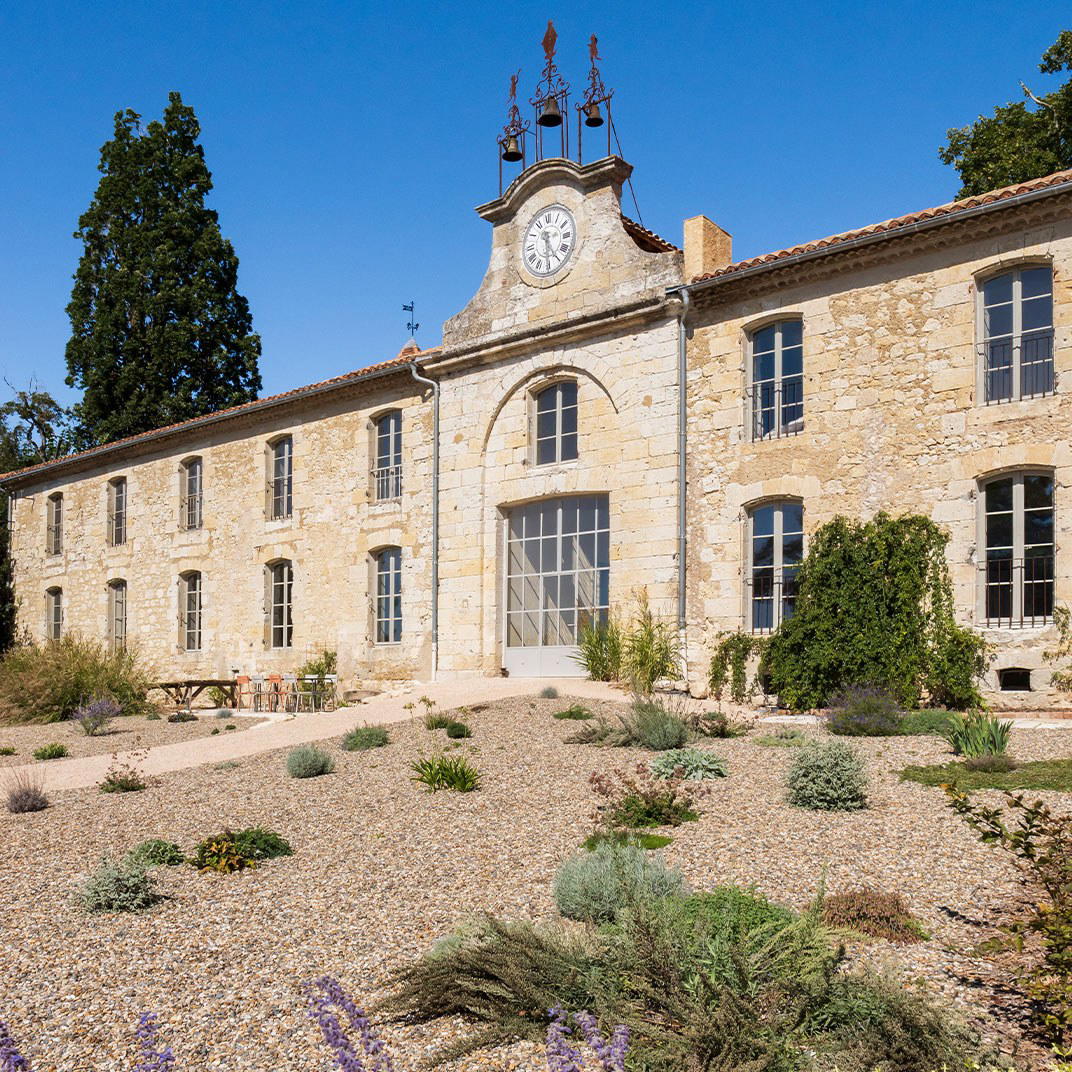
At a Glance
- Cozy
- Rustic
- Elegant
- Quiet
- Date Night
- Special Occasion
- Terrace
- Private Dining
- Local Sourcing
- Garden
Current opening hours
- Monday
- Closed
- Tuesday
- 12–1 PM
- Wednesday
- 12–1 PM, 7:30–9 PM
- Thursday
- 12–1 PM, 7:30–9 PM
- Friday
- 12–1 PM, 7:30–9 PM
- Saturday
- 12–1 PM, 7:30–9 PM
- Sunday
- Closed
Hours can change for holidays and private events. Last verified .
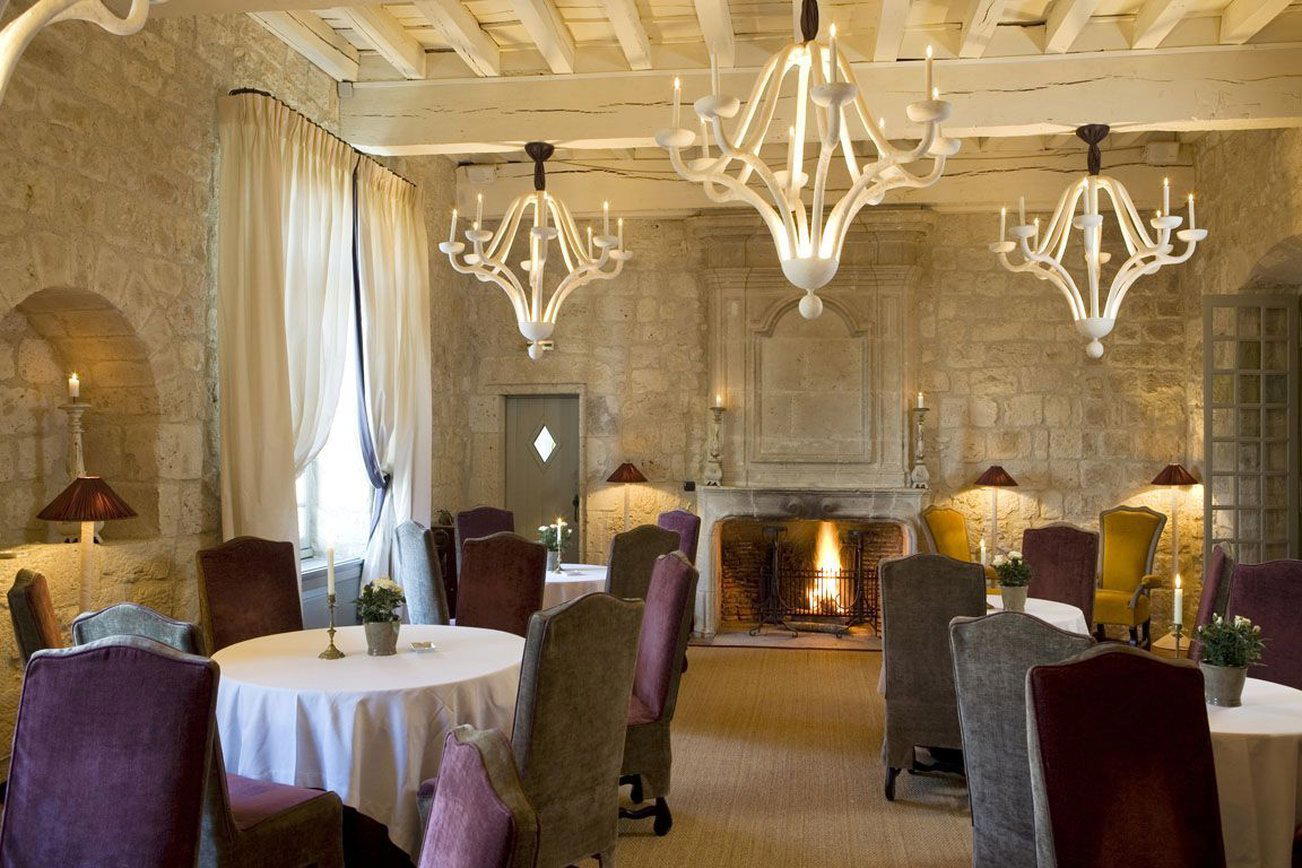
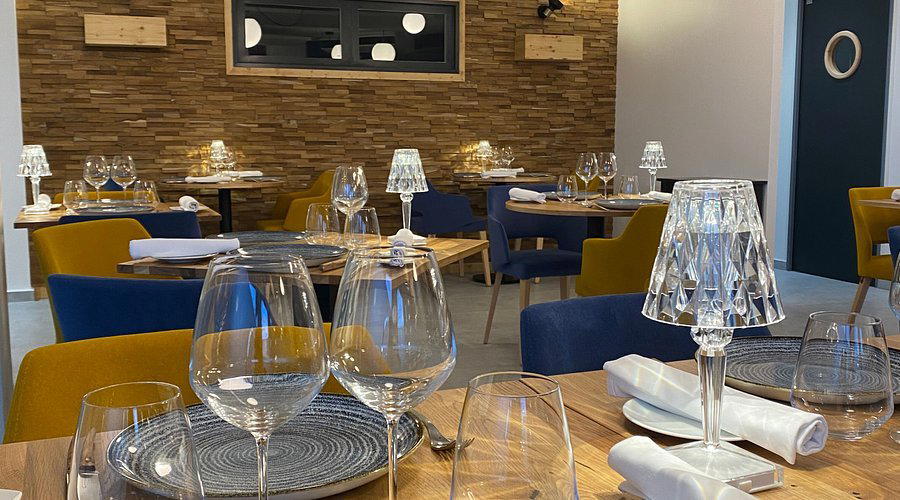
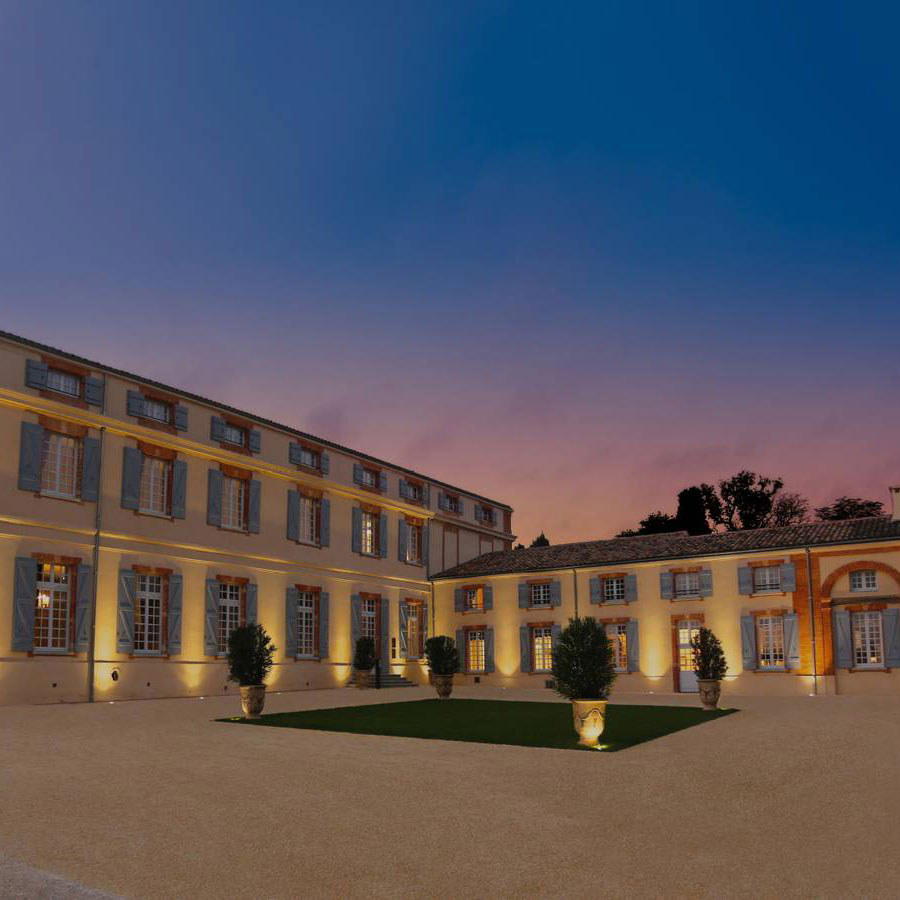
Calm and serene with shaded terrace amid verdure or cozy by the fireplace in a rustic stone decor.