Our verdict
Le Moulin de Jean pairs French Gastronomic Bistro cooking with a sommelier-led drink program, terrace and garden seating, and a historic building setting in Cuves.

Pearl is the En Primeur Club membership app — saves, bookings, and concierge access live there. Same editors, same standards.
- Address
- La Lande, 50670 Cuves, France
- Phone
- +33233483929
- Hours
- Mon ClosedTue–Wed 12–3 PMThu–Sat 12–10:30 PMSun 12–3 PM
- Website
- lemoulindejean.fr
- Directions
- Get directions
- Booking
- Book on the venue's website
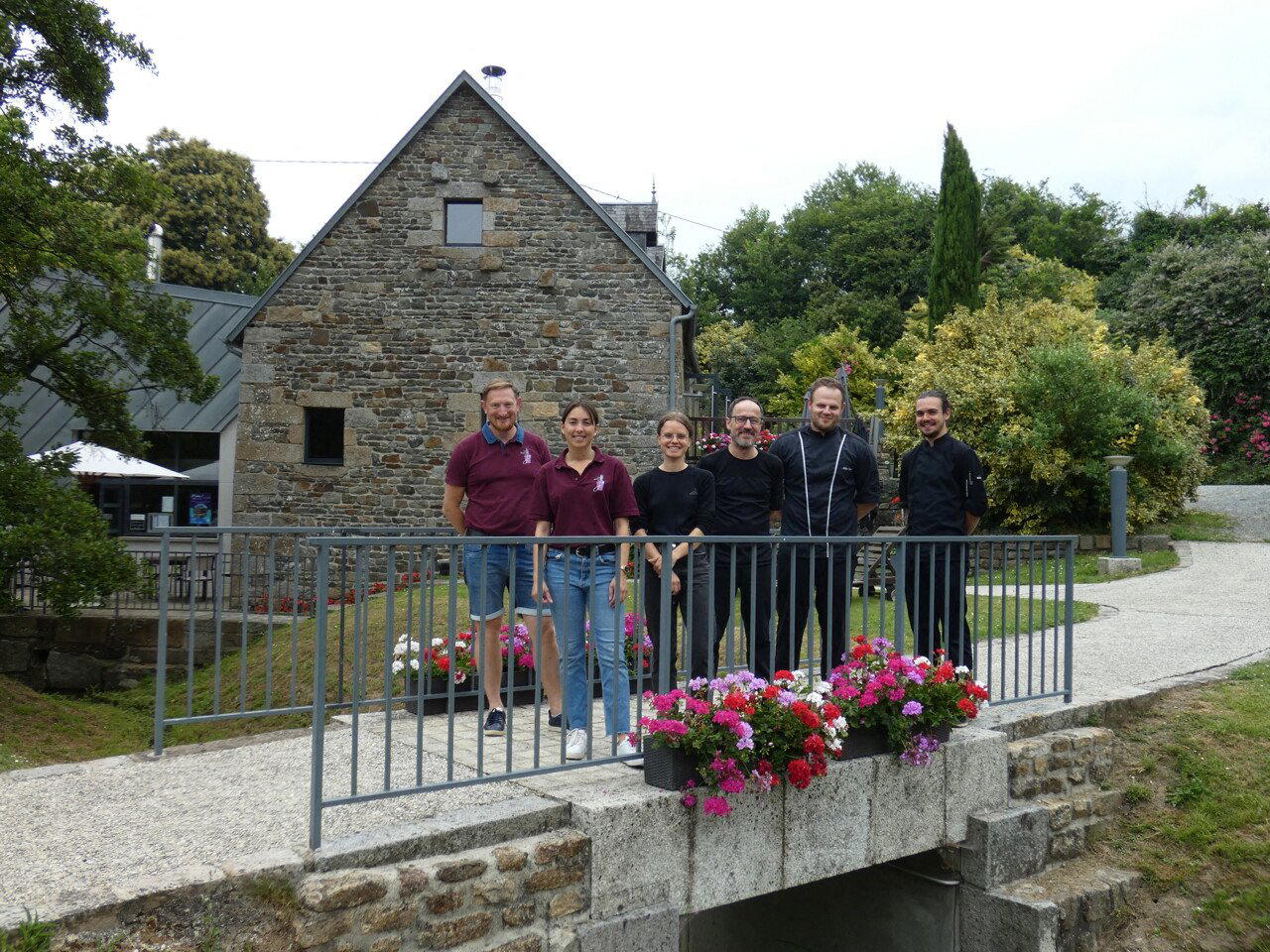
Where the Sée Valley Sets the Table
Normandy's interior is not where most travellers think to look for serious cooking. The region's dining reputation runs coastal, toward the fish markets of Honfleur and the oyster beds of the Cotentin. But the inland bocage country around Cuves, where the Sée river has carved quiet valleys through hedgerow and pasture, operates on a different logic entirely. Here, the raw material is not the sea but the land: cream from herds that graze on Atlantic-moistened grass, orchard fruit, river fish, and a centuries-old habit of transforming surplus into something worth eating slowly. Le Moulin de Jean, addressed at La Lande on the edge of the commune of Cuves, sits inside that tradition rather than beside it.
The setting is the first argument the place makes for itself. A mill building in Normandy is not an architectural accident. Mills in this part of the Manche département were working structures, placed at river bends where the gradient could turn a wheel, and the buildings that survive carry a physical logic you feel before you understand it: thick stone walls, small windows arranged for function, a relationship to running water that the interior never entirely forgets. Arriving at Le Moulin de Jean, you are already inside a particular kind of French rural seriousness before a single dish has appeared.
The Ingredient Argument in Normandy's Bocage
The broader case for dining in this part of France rests on proximity. Normandy's interior agriculture has never been reorganised for export at scale in the way that, say, Brittany's pig industry was. The bocage landscape fragments production into small holdings, which creates the conditions for sourcing that larger-format restaurants in Rouen or Caen find genuinely difficult to replicate at volume. Cream, butter, apples, hard cider, pork from small farms, river trout and pike, wild mushrooms from the valley edges: these are the ingredients that define Norman cooking at its most direct, and they travel shortest distances when a kitchen sits in the middle of them.
This is the same logic that drives the best-regarded provincial tables in France, including Bras in Laguiole, where the Aubrac plateau supplies the kitchen as directly as geography allows, or Auberge du Vieux Puits in Fontjoncouse, where the Corbières garrigue sets the flavour register for everything on the plate. The argument in each case is that place and produce are inseparable, and that a kitchen which takes that seriously earns a different kind of attention than one that imports polish from elsewhere. Le Moulin de Jean belongs to that category of rural French address where you go because of where it is, not despite it.
France's decorated provincial dining circuit covers very different terrains. Flocons de Sel in Megève works with Alpine produce at altitude; Mirazur in Menton draws on both its clifftop kitchen garden and the Mediterranean immediately below. Troisgros - Le Bois sans Feuilles in Ouches relocated specifically to be closer to the Roannais countryside it wanted to cook from. The pattern is consistent: the most committed French kitchens move toward their ingredients, or they stay where the ingredients have always been.
Cuves and the Manche Interior: What the Context Means
Cuves is a commune of fewer than four hundred people, in a département that tourism largely bypasses in favour of the D-Day beaches to the north and Mont-Saint-Michel to the west. That positioning is not a disadvantage for the kind of dining Le Moulin de Jean represents. Tables in genuinely rural settings, away from the pressure of city-centre footfall, tend to operate with a different tempo: longer services, less turnover pressure, menus shaped more by what arrived from the farm that week than by what the market research suggested for the season. The Norman interior's relative obscurity on the tourist circuit is precisely what keeps its food supply chains short and its producers small.
For comparison, consider the contrast with the grandest addresses in the French canon. Alléno Paris au Pavillon Ledoyen in Paris or Assiette Champenoise in Reims operate inside urban or peri-urban contexts where ingredient sourcing requires active, often expensive, supply-chain construction. The rural Norman table has that supply chain built into its postcode. Auberge de l'Ill in Illhaeusern and Georges Blanc in Vonnas both built their reputations in part on exactly this kind of deep regional rootedness, and both sit in villages that most travellers would not otherwise seek out. The principle is the same at Cuves.
Getting There and Planning Your Visit
Reaching Cuves from Paris takes roughly three hours by car via the A84 autoroute, which passes through Avranches before the road drops south toward the Sée valley. The nearest rail access is Avranches or Saint-Lô, each requiring onward transport by car. There is no practical public transport connection to La Lande itself, which means visiting Le Moulin de Jean is, by default, a planned excursion rather than a spontaneous one. The surrounding area pairs naturally with a wider Normandy itinerary: the abbey at Mont-Saint-Michel is under an hour's drive, and the bocage countryside between the Sée and the Sélune rivers offers the kind of rural driving that makes the journey its own argument.
Rural French tables at this scale frequently operate on schedules tied to the season and local demand, and it is worth verifying service days in advance. For broader context on dining in the area, see our full Cuves restaurants guide.
Those building a broader Norman or French provincial itinerary around serious cooking might also consider L'Oustau de Baumanière in Les Baux or Christopher Coutanceau in La Rochelle as benchmarks for what French regional cooking looks like when it is fully committed to its territory. At the opposite end of the geographic spectrum, La Marine in Noirmoutier-en-l'île demonstrates what a similarly remote coastal address can achieve when the supply chain is treated as the central creative brief. For those curious about how French technique translates into entirely different contexts, Le Bernardin in New York City and Atomix in New York City show the distance that method travels when separated from its original geography. AM par Alexandre Mazzia in Marseille, Au Crocodile in Strasbourg, and Paul Bocuse - L'Auberge du Pont de Collonges in Collonges-au-Mont-d'Or each represent a different regional register of French ambition, and together they map the breadth of what provincial France continues to offer a serious eater.
Frequently asked questions
Is Le Moulin de Jean child-friendly?
Cuves is a rural commune of fewer than four hundred people, and Le Moulin de Jean sits within that quiet agricultural context. The setting suggests a relaxed pace more typical of a country restaurant than a formal city address.
What is the atmosphere like at Le Moulin de Jean?
The venue sits in the Manche interior, a département that most visitors pass over in favour of the D-Day coast to the north. That geography shapes the atmosphere: expect a setting oriented around the rural bocage rather than tourist-circuit energy. The address at La Lande, Cuves places it in working Norman countryside, which tends to mean a grounded, unhurried room rather than a destination-restaurant production.
Is Le Moulin de Jean worth travelling to from Paris or the Normandy coast?
Cuves sits roughly three hours from Paris by car via the A84 autoroute through Avranches, making it a practical stop rather than a detour of conviction on its own. The case for the trip rests on the Manche interior itself: this is Norman bocage agriculture that has not been reorganised for export at scale, which means produce reaching a local kitchen here travels distances that most Paris restaurants cannot match. Whether that argument holds at Le Moulin de Jean specifically depends on menu confirmation on the ground, but the regional context is a documented one.
What's the best thing to order at Le Moulin de Jean?
What is clear from its location in the Manche interior is that the surrounding bocage supplies some of France's most consistent dairy, apple, and livestock produce at short distances from the kitchen. In this part of Normandy, the supply chain itself tends to shape what any serious kitchen puts forward.
Where is Le Moulin de Jean in Cuves?
Le Moulin de Jean is located at La Lande, 50670 Cuves, France, Cuves.
Do they take walk-ins at Le Moulin de Jean?
In a commune the size of Cuves, covers are limited by geography and the scale of the address, which makes advance contact a sensible precaution.
Side-by-Side Snapshot
Comparable venues nearby, for context on price, style, and recognition.
| Venue | Cuisine | Price | Awards | Notes |
|---|---|---|---|---|
| Le Moulin de JeanThis venue — the venue you are viewing | French Gastronomic Bistro | $20–30 | Not listed | Not listed |
| Comptoir De Vie | Modern French Tasting Counter-Bar | $100–150 | Not listed | 2nd Arrondissement |
| Le Cancalais | French Seafood Brasserie | $50–100 | Not listed | Port de Cancale |
| L'Esprit Cuisine | Modern French Bistro | Not listed | Not listed | City Center |
| Maison Blanche | Modern French Fine Dining | Not listed | Not listed | 8th arrondissement |
| Bienheureux | Modern French Creative | Not listed | Michelin Plate | Wasquehal |
Continue exploring
More in Cuves
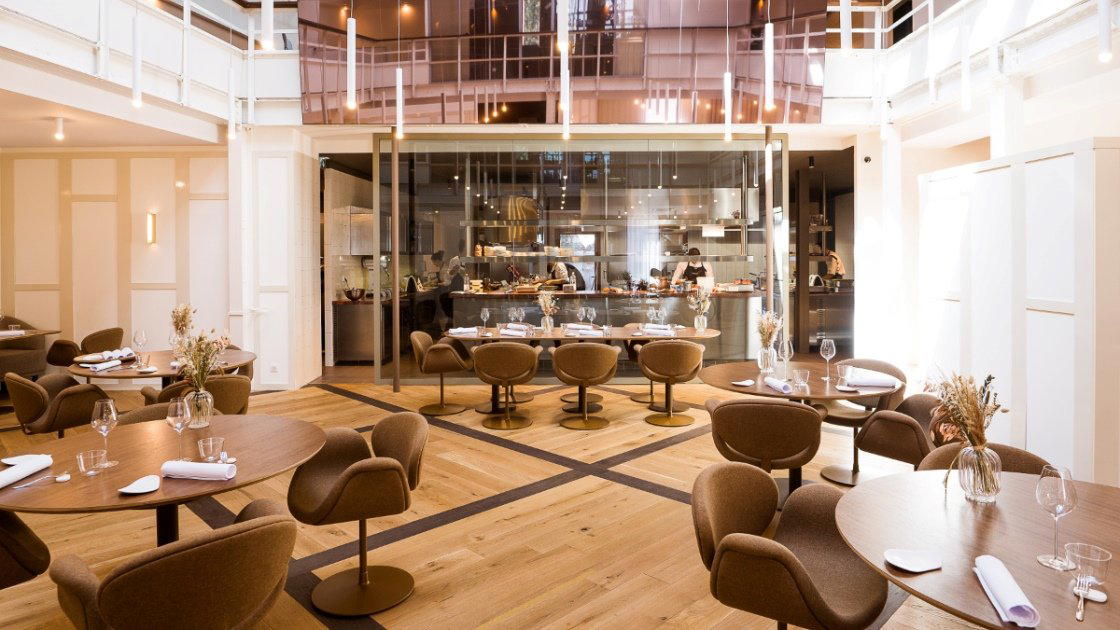
Restaurants in Cuves
Browse all →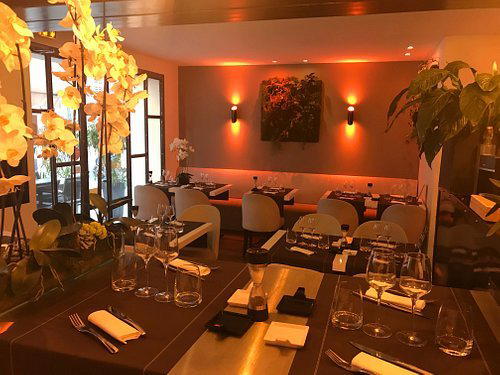
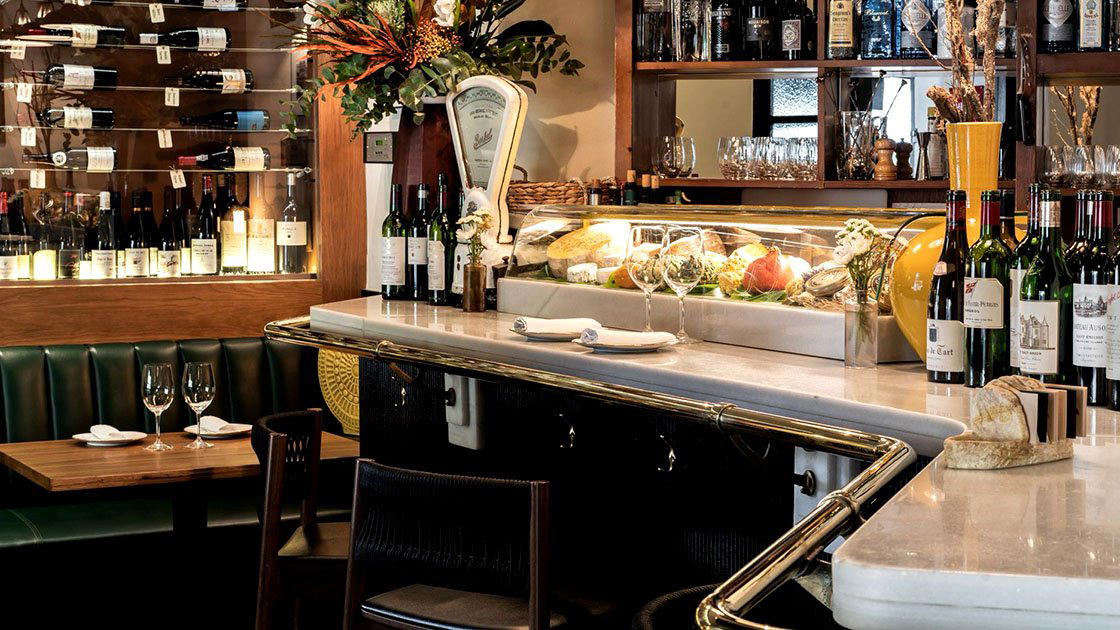
Hotels in Cuves
Browse all →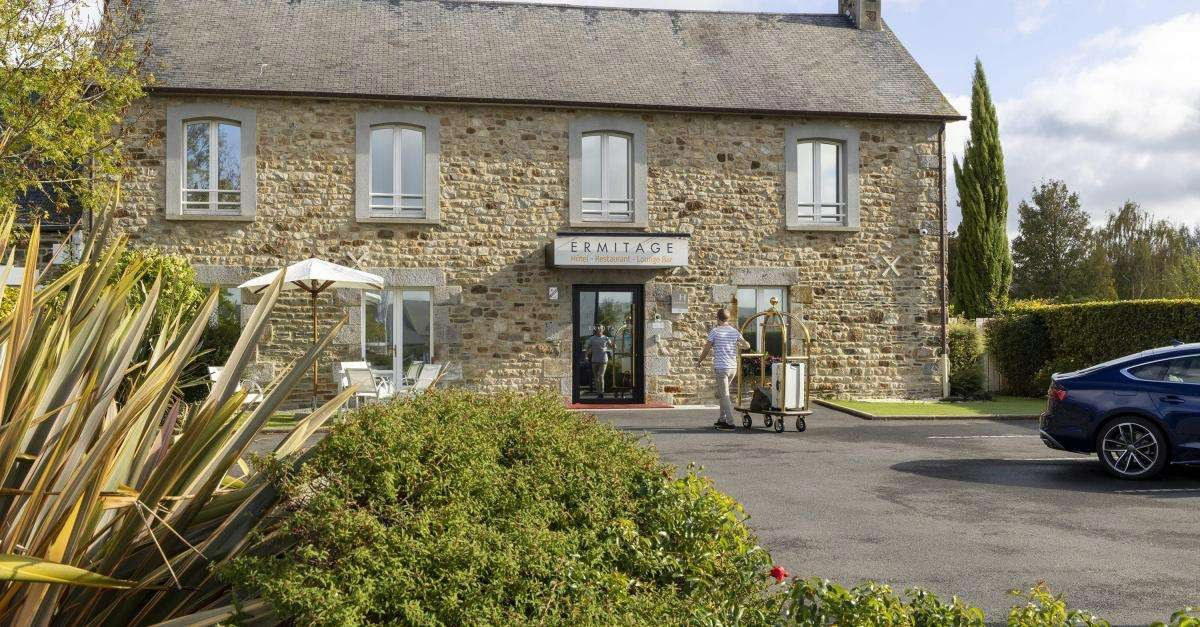
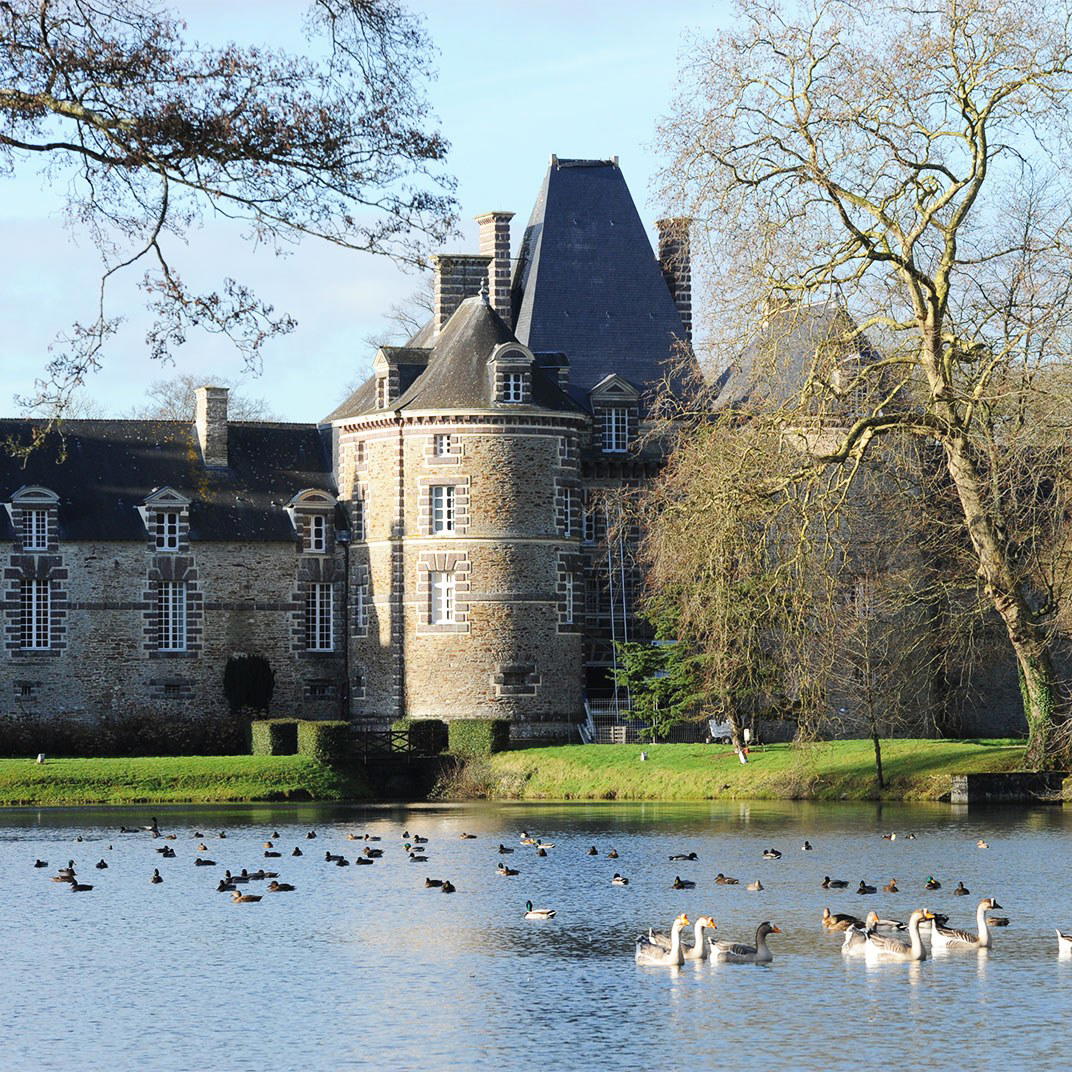
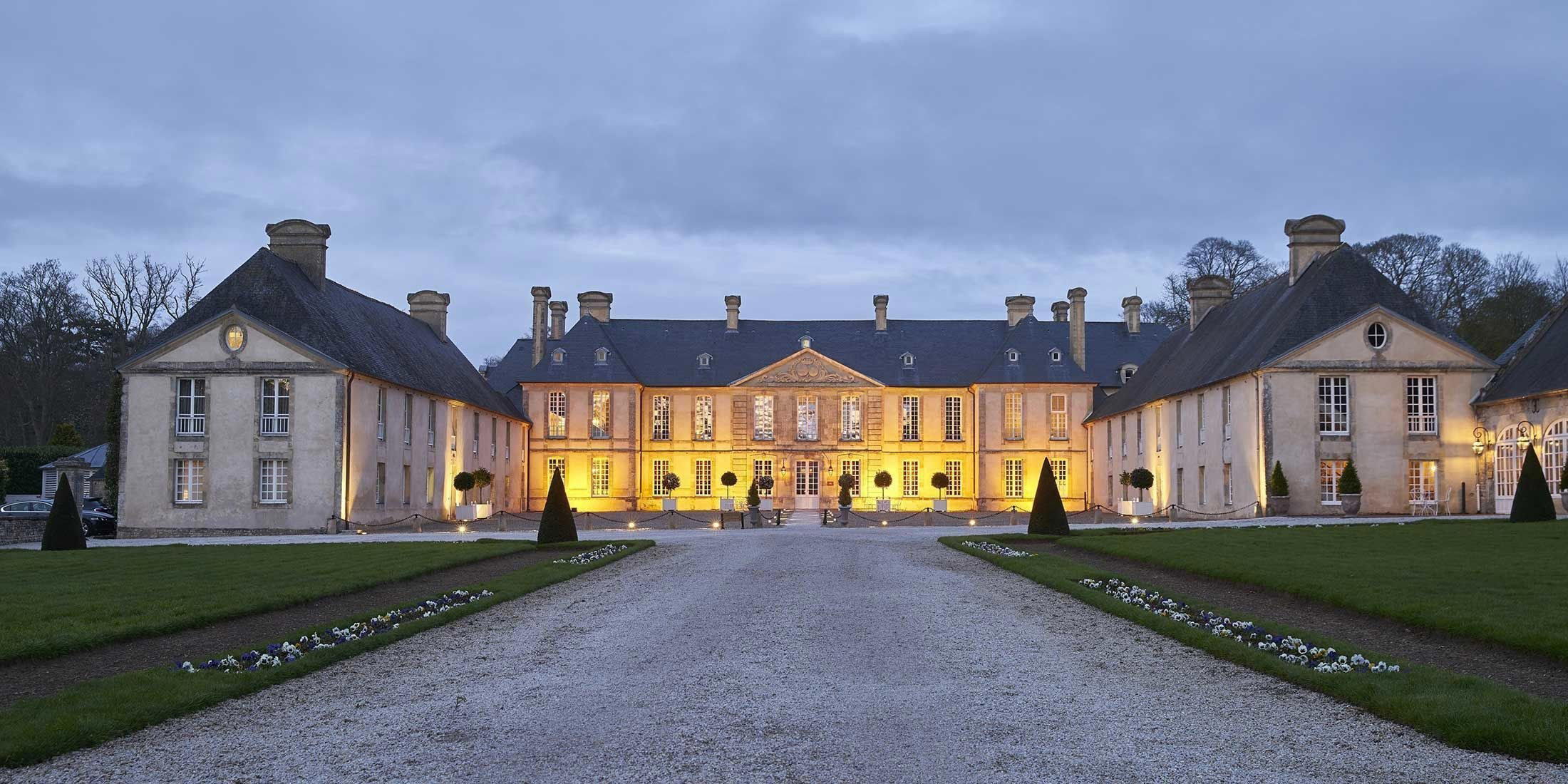
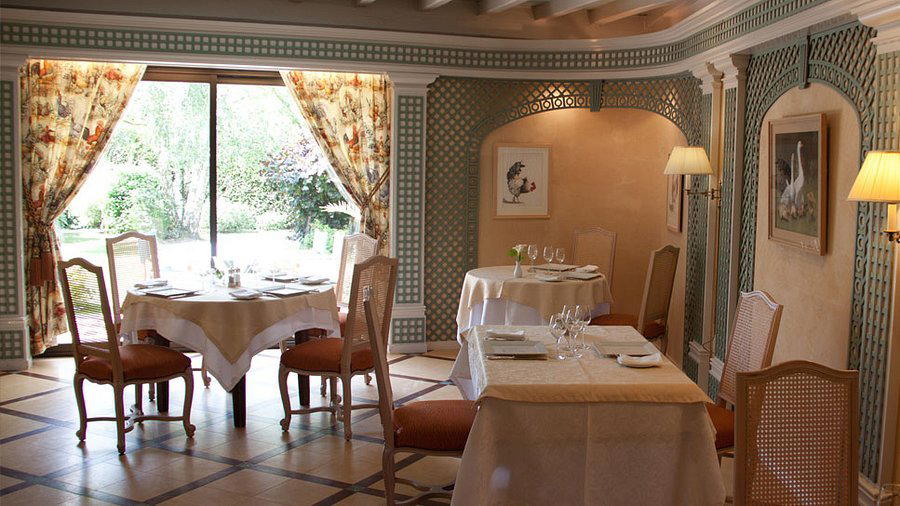
Wineries in Cuves
Browse all →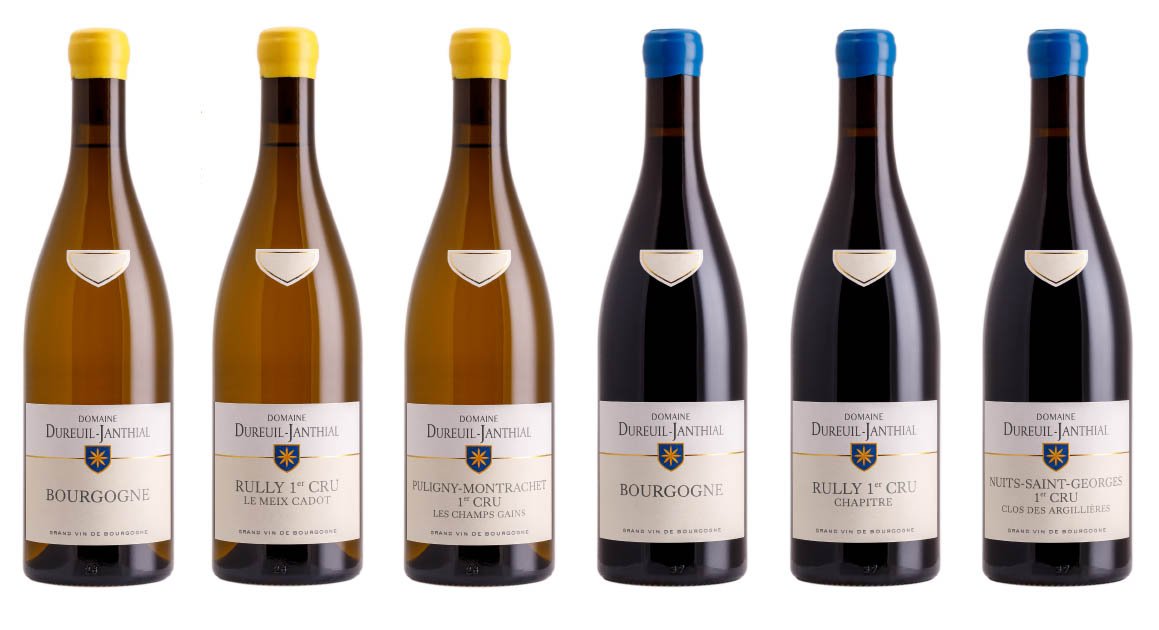
Details
- Romantic
- Rustic
- Elegant
- Cozy
- Scenic
- Intimate
- Date Night
- Special Occasion
- Family
- Celebration
- Terrace
- Garden
- Historic Building
- Private Dining
- Sommelier Led
- Garden
- Street Scene
- A La Carte
- Vegetarian Friendly
Current opening hours
- Monday
- Closed
- Tuesday
- 12–3 PM
- Wednesday
- 12–3 PM
- Thursday
- 12–10:30 PM
- Friday
- 12–10:30 PM
- Saturday
- 12–10:30 PM
- Sunday
- 12–3 PM
Hours can change for holidays and private events. Last verified .
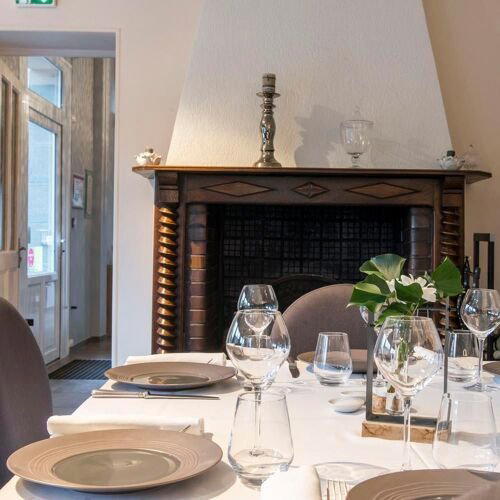
Atmosphère calme et conviviale avec quiétude bucolique, cheminée, salon d'accueil cosy et terrasses verdoyantes, bercée par le glouglou de l'eau et les oiseaux.