Our verdict
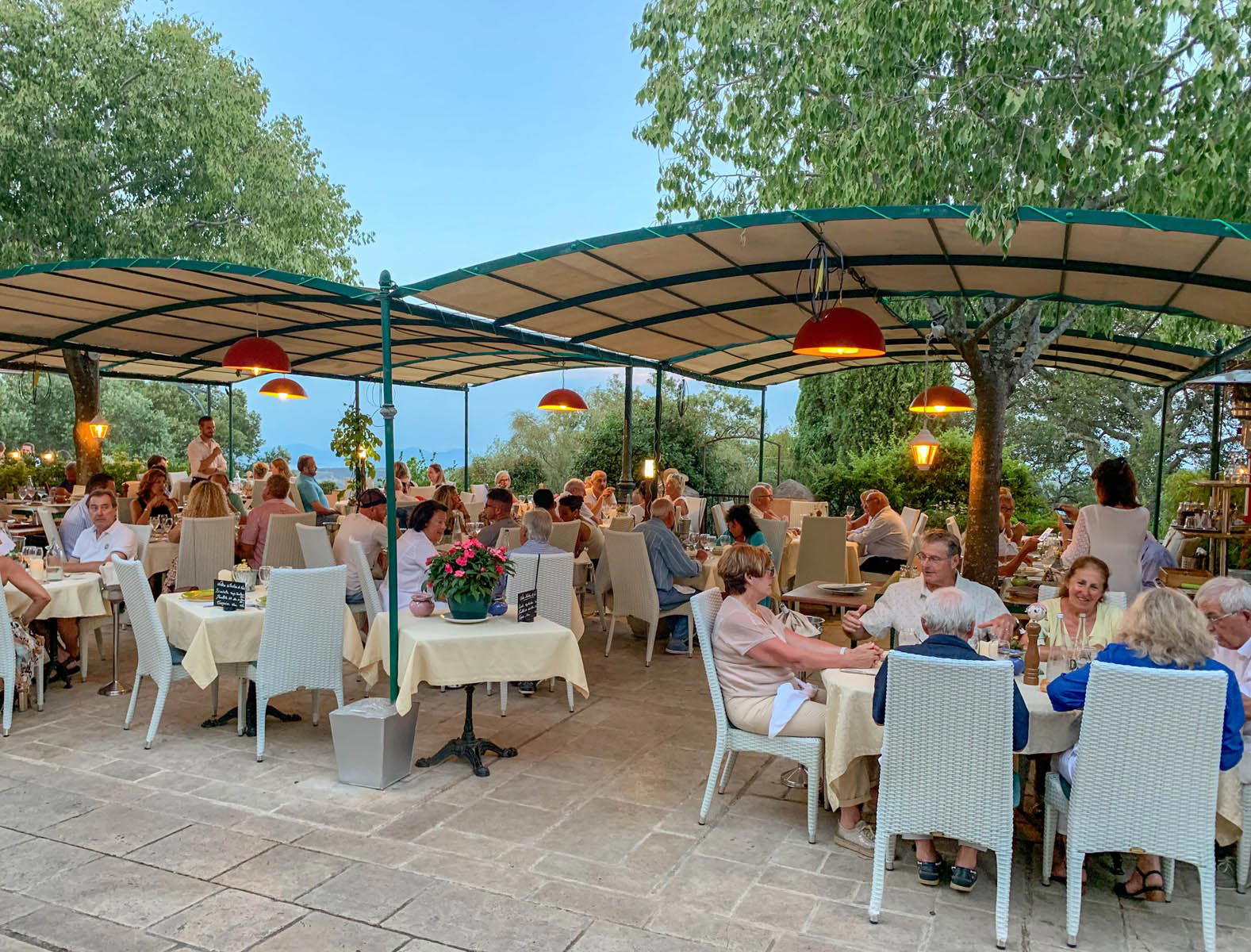
Le Micocoulier occupies a quiet corner of Gassin's medieval village square, where the Provençal tradition of cooking close to the source shapes every plate. Set against stone walls and an elevation that catches the salt breeze off the Gulf of Saint-Tropez, it draws those who treat the village's market-driven dining scene as reason enough to make the climb. A grounding alternative to the coast's more theatrical tables.

Pearl is the En Primeur Club membership app, where members save venues, book tables and use the concierge.
The menu
What to order
- Poissons grillés
- Filet de loup
- Risotto fruits de mer
Where the Village Square Does the Talking
Gassin sits at roughly 200 metres above the Gulf of Saint-Tropez, and that elevation is more than a geographic fact, it changes the logic of dining entirely. Up here, removed from the port-side spectacle of Saint-Tropez itself, the restaurants that endure do so because the village supports them, not because tourist throughput sustains them. Le Micocoulier, positioned on the Place dei Barri at the heart of the old quarter, occupies exactly that kind of space: a table defined by the square it faces and the Provençal sourcing traditions that govern what arrives on the plate. The micocoulier tree, a Mediterranean hackberry, is itself a Gassin fixture, its shade a recurring feature of village life across the Var. That the restaurant takes its name from it is a statement of placement, not decoration.
The village dining scene in Gassin is small and deliberate. For a more Mediterranean-inflected approach at the higher end, Le Belrose sets a different benchmark at €€€€. Le Micocoulier's positioning in this company reflects the character of the square itself: unhurried, rooted, attentive to local material rather than imported ambition. See our full Gassin restaurants guide for broader context on the village's dining options.
Sourcing in the Var: Why Provençal Proximity Matters
The argument for cooking close to the source is made most convincingly not in manifestos but in geography. The Var department, the administrative zone that contains Gassin, Saint-Tropez, and the coastal plain stretching west toward Toulon, is one of France's most agriculturally specific regions. Olive oil from Les Baux and the Alpilles arrives within the same morning's drive. Tomatoes from the Plaine des Maures, courgettes, aubergine, and fresh herbs from small producers in the arrière-pays: the raw material here is not abstract farm-to-table rhetoric but an actual, navigable supply chain measured in kilometres. Restaurants in hill villages like Gassin sit closer to that supply than their coastal counterparts, who often trade proximity for footfall.
This sourcing proximity shapes what Provençal cooking at this level looks like in practice. Dishes built around what is available that week, rather than what is listed on a menu reprinted annually, give the cuisine a seasonal responsiveness that distinguishes it from more formulaic regional cooking. The repertoire runs through daube, tapenade, ratatouille, and soupe de poisson, but those categories are containers, not fixed recipes. The version on the plate in July, when the tomatoes are at full salinity and the basil is before flowering, differs meaningfully from the November iteration. That difference is the point. France has long produced restaurants that codify sourcing into fine dining at scale, from Mirazur in Menton to Bras in Laguiole, but the village bistro format, practised properly, can carry the same logic without the ceremony.
The French South and Its Dining Register
The broader Provence-Alpes-Côte d'Azur region has become one of the more contested culinary zones in France. At the headline level, three-Michelin-star operations like Alléno Paris au Pavillon Ledoyen and technically ambitious addresses such as AM par Alexandre Mazzia in Marseille compete for a certain kind of attention. But the dining register that actually defines daily life in Var villages is a quieter one: tables where the cooking is honest, the sourcing is local, and the setting is doing meaningful atmospheric work without needing to manufacture it. Internationally, the French tradition of rooting serious cooking in place, rather than in chef narrative alone, has produced some of its most respected institutions: Auberge de l'Ill in Illhaeusern, Paul Bocuse in Collonges-au-Mont-d'Or, Auberge du Vieux Puits in Fontjoncouse. Le Micocoulier operates many tiers below those addresses in terms of scale and recognition, but the underlying logic, cook what the land and season provide, in a room that is itself part of the argument, belongs to the same tradition.
Across France's wider dining scene, the return of appreciation for this register is not incidental. Younger diners and well-travelled critics alike have grown more interested in the village auberge format precisely because it resists the kind of performative complexity that defined aspirational French cooking through the 1990s and 2000s. References like Troisgros in Ouches or Flocons de Sel in Megève show how terroir-led focus can coexist with formal ambition; the simpler village table applies the same sourcing discipline without the tasting menu architecture.
Planning Your Visit
Gassin is a classified Plus Beau Village de France, which means pedestrian access within the old quarter is restricted and parking requires working around the village perimeter. Arriving by car, the sensible approach is to park at the designated area below the village and walk the remaining few minutes uphill to the Place dei Barri, the square is not large, and orientation on foot is immediate. Given Gassin's position above Saint-Tropez, summer months bring sustained visitor numbers to the village, and tables at a square-facing address fill accordingly. Visiting at lunch rather than dinner during July and August reduces the booking pressure without losing the view; the afternoon light over the Massif des Maures from this elevation is worth the timing calculation on its own. For those with broader France itineraries, the Gulf of Saint-Tropez is most comfortably reached by road from Nice or Toulon; the coastal route via the D559 is slower but provides context for the terrain that supplies these kitchens.
Frequently asked questions
Can I bring kids to Le Micocoulier?
Gassin's old quarter is pedestrian-only, which keeps traffic away from the village square where Le Micocoulier sits, a practical plus for families. That said, the restricted access zone means reaching the restaurant requires a short walk from designated parking areas, so plan accordingly with young children.
What's the vibe at Le Micocoulier?
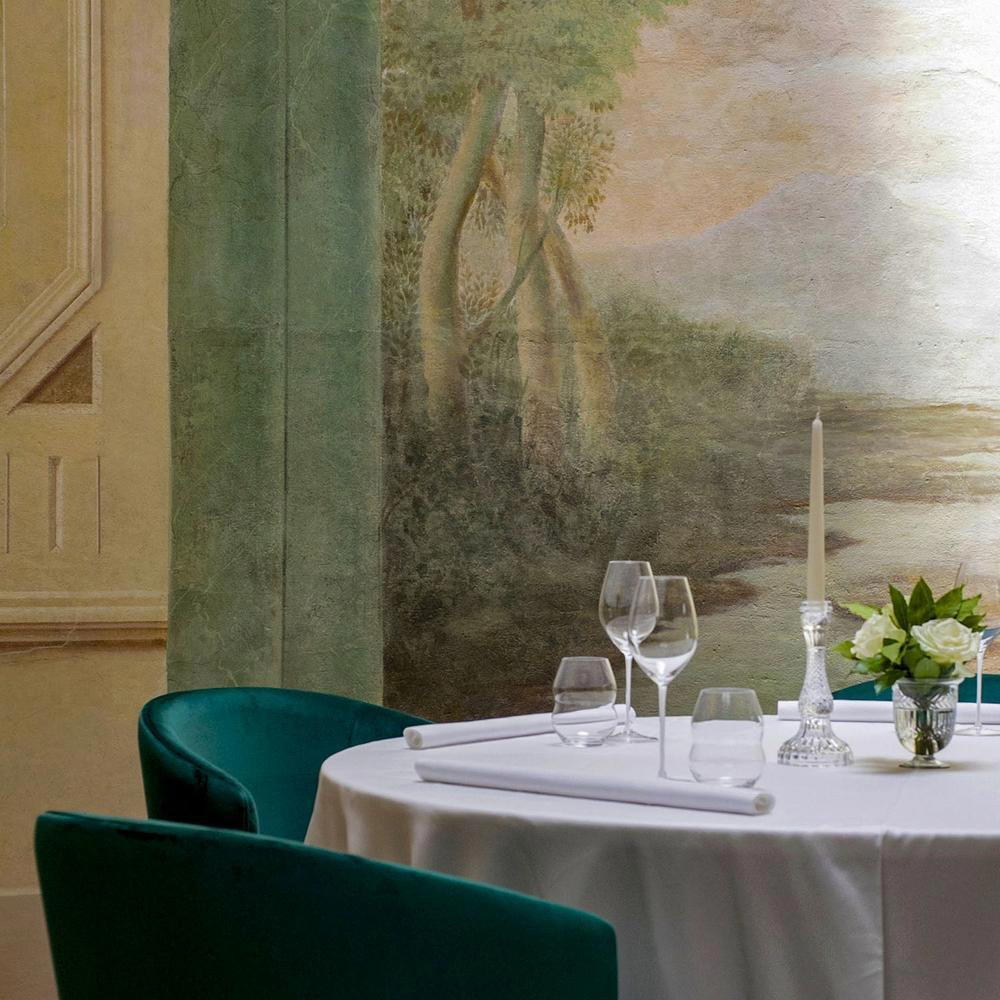
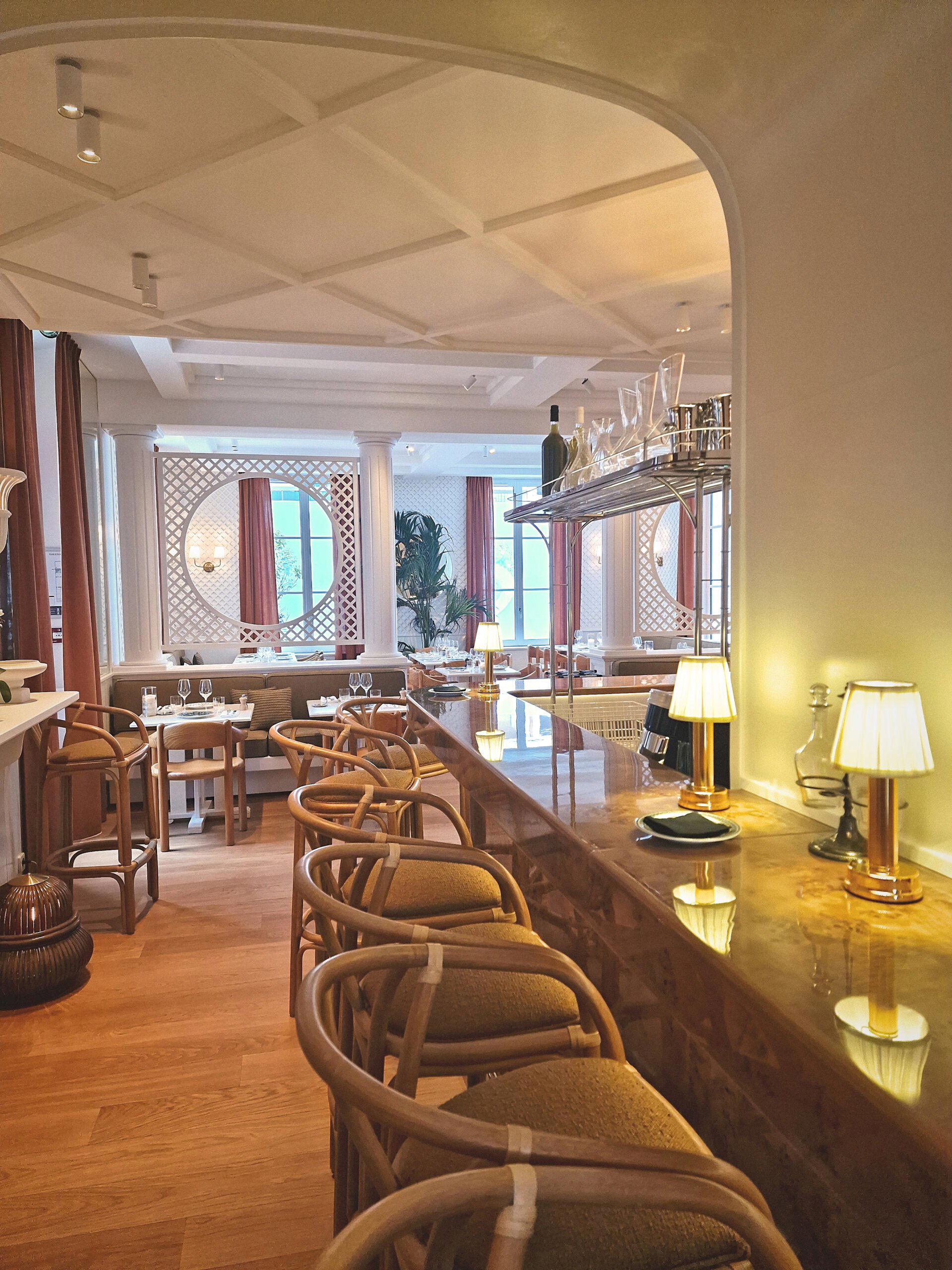
Le Micocoulier occupies a position on Gassin's village square, 200 metres above the Gulf of Saint-Tropez, so the setting does considerable work. The atmosphere follows the logic of southern French village dining: unhurried, oriented around the square, and shaped by the elevation and light more than by interior design.
Is Le Micocoulier worth the drive up to Gassin village from Saint-Tropez?
Gassin sits above the Gulf of Saint-Tropez at roughly 200 metres, and the village itself holds classified Plus Beau Village de France status, the drive is part of the proposition, not an inconvenience. For anyone based along the coast, the hilltop setting and the Provençal sourcing logic of the Var department offer a materially different register from the waterfront restaurants closer to Saint-Tropez.
What do people recommend at Le Micocoulier?
Menu specifics aren't publicly documented in detail, but the restaurant draws on a strong geographic argument: Gassin sits inside the Var department, which gives kitchens in this part of Provence direct access to one of France's most ingredient-dense agricultural zones. Dishes reflecting that regional proximity tend to be what draws repeat visitors to tables at this altitude.
What's the address for Le Micocoulier?
Le Micocoulier is located at Pl. dei Barri, 83580 Gassin, France, Gassin.
Do I need a reservation for Le Micocoulier?
Gassin is a classified Plus Beau Village de France, and the combination of limited seating capacity typical of village-square restaurants and the area's summer demand from the Gulf of Saint-Tropez corridor makes advance booking the sensible approach. Contact details aren't listed centrally, so arriving in person or asking your accommodation to assist with reservations is the most reliable route.
Side-by-Side Snapshot
| Venue | Cuisine | Price | Awards | Notes |
|---|---|---|---|---|
| Le MicocoulierThis venue (the venue you are viewing) | Traditional Provençal French | $30–50 | Not listed | Not listed |
| La Verdoyante | Refined Provençal | $50–100 | Michelin Plate | Traditional Cuisine |
| Le Belrose | Modern French Mediterranean Fine Dining | $100–150 | Michelin Plate | Mediterranean Cuisine |
| Bello Visto | Provençal Mediterranean | $30–50 | Michelin Plate | Traditional Cuisine |
Continue exploring
More in Gassin
Restaurants in Gassin
All restaurants in Gassin →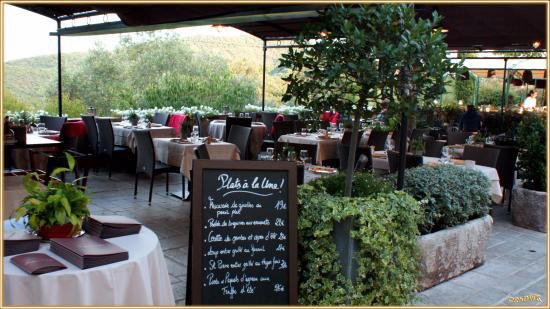
Bars in Gassin
Browse all →

Details
- Scenic
- Elegant
- Rustic
- Special Occasion
- Date Night
- Terrace
- Local Sourcing
- Street Scene
- A La Carte
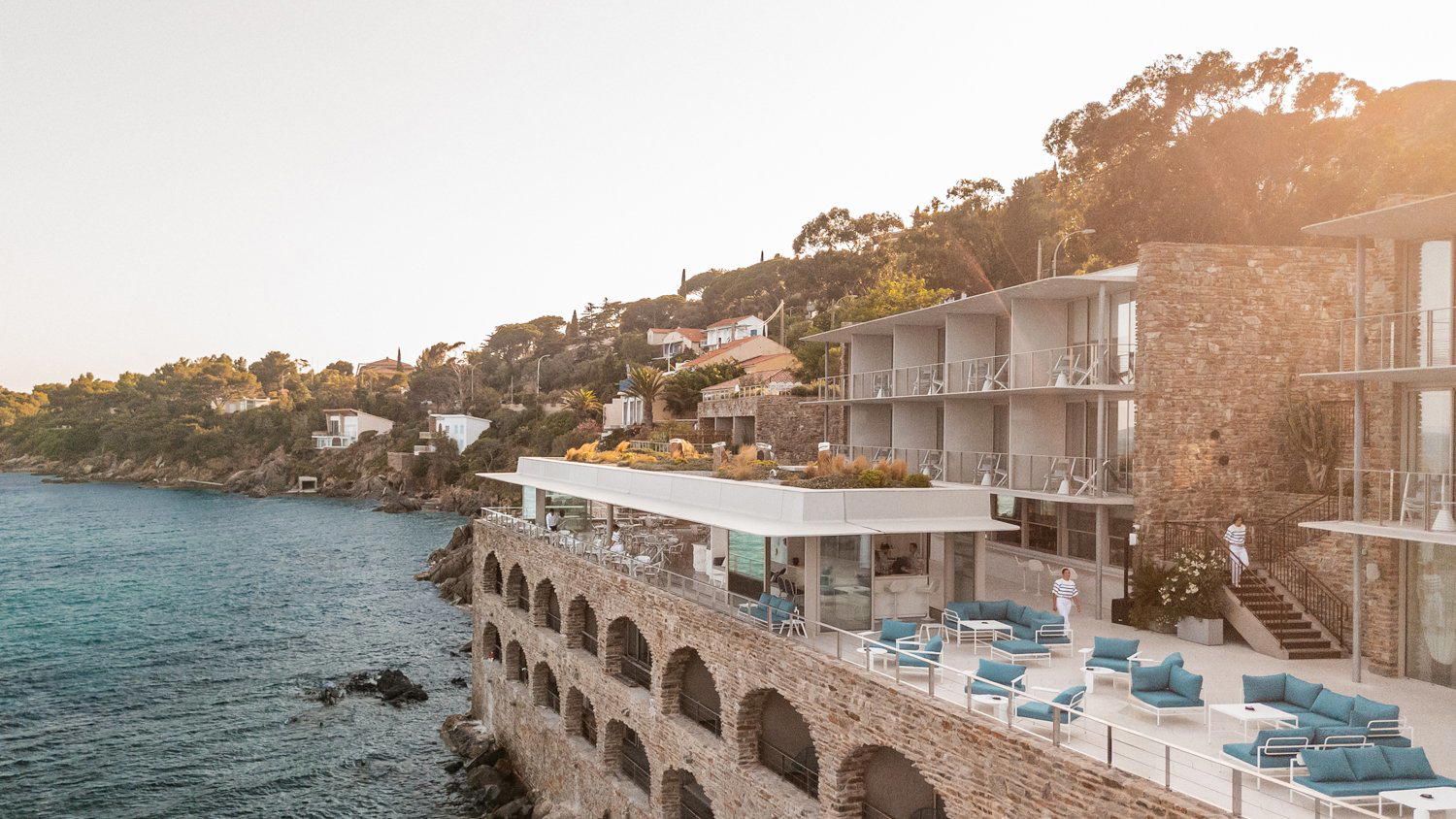
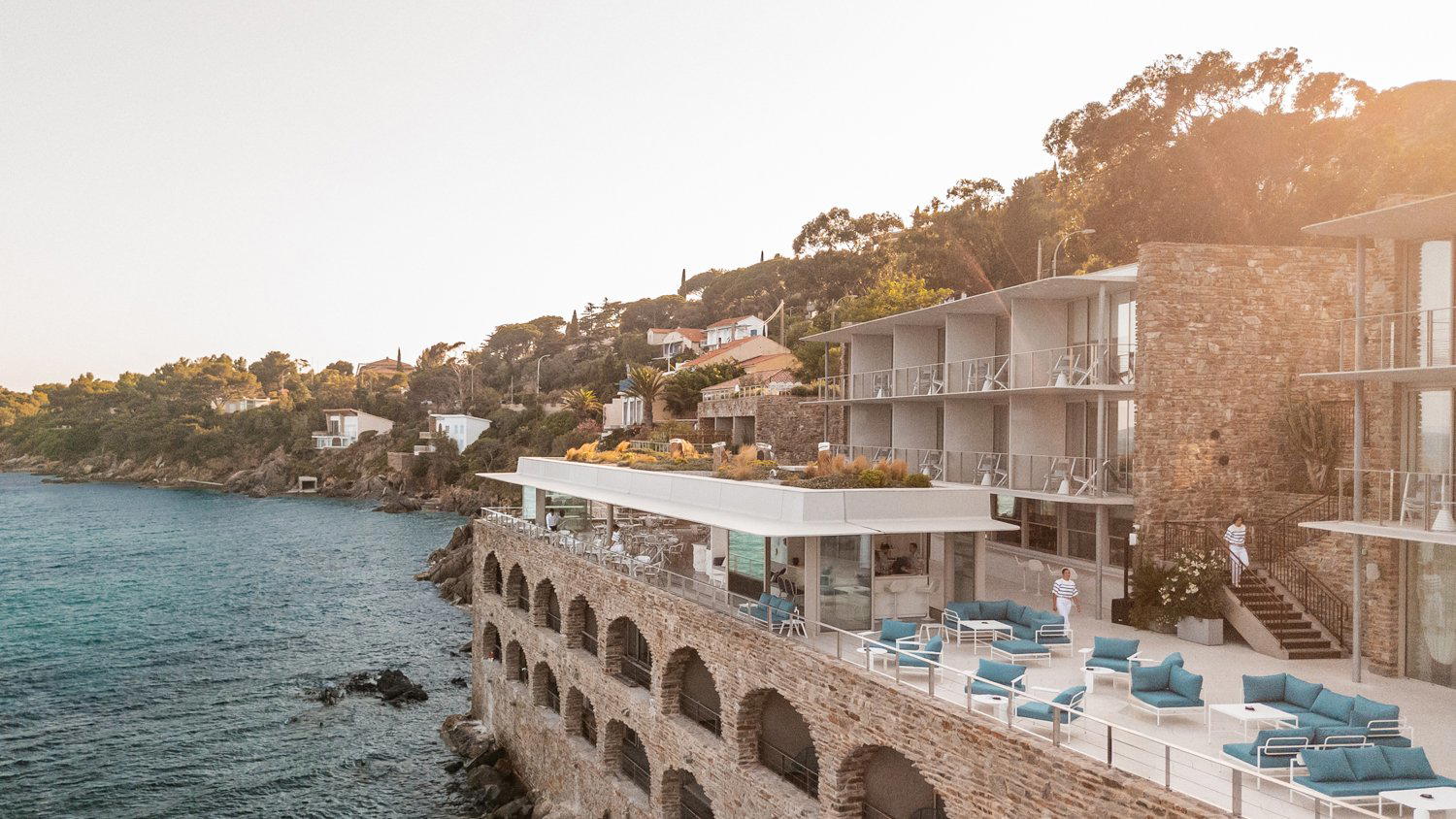
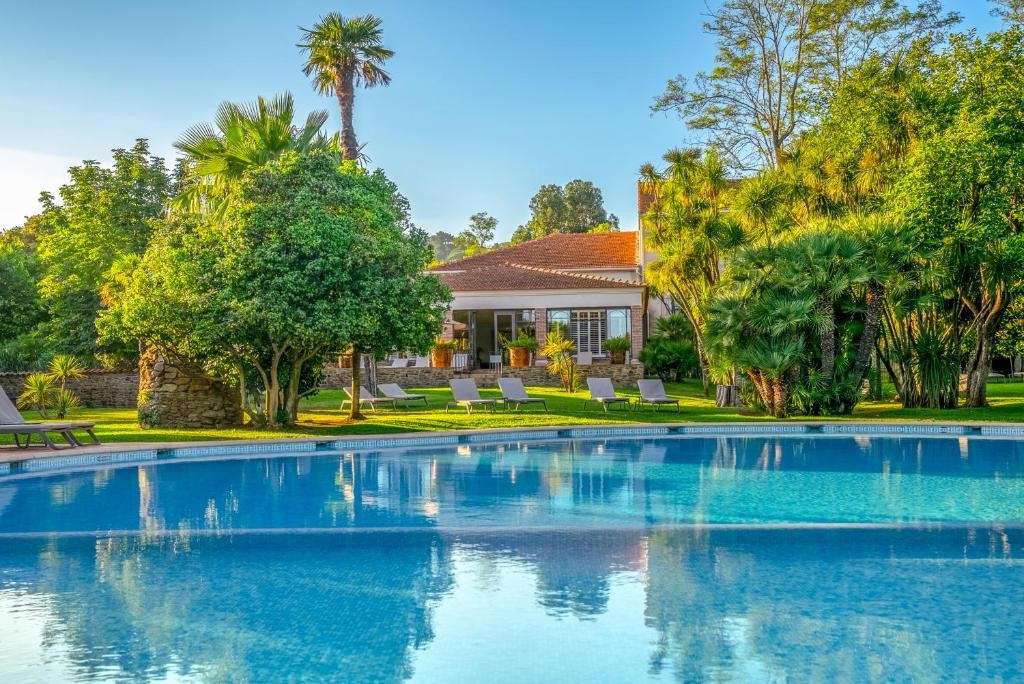
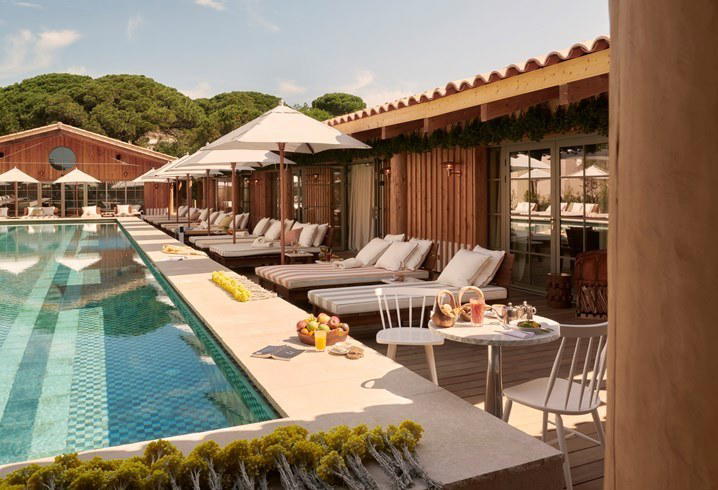
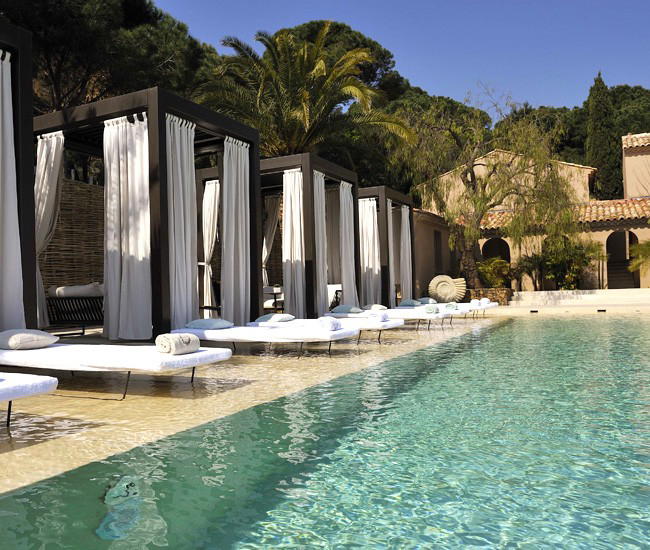
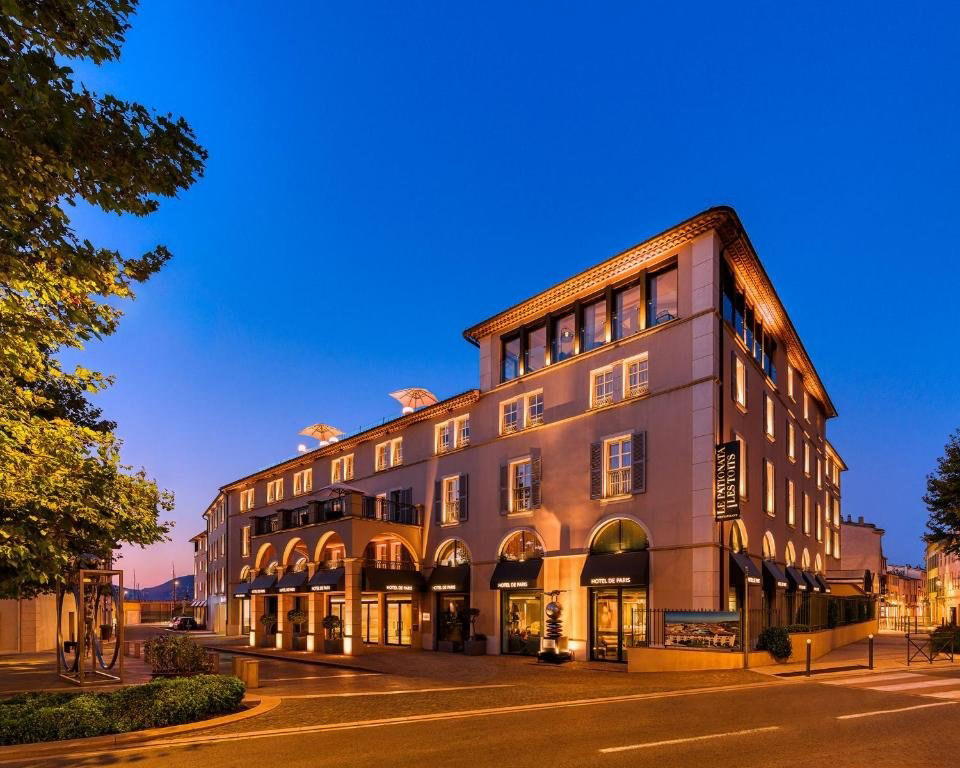
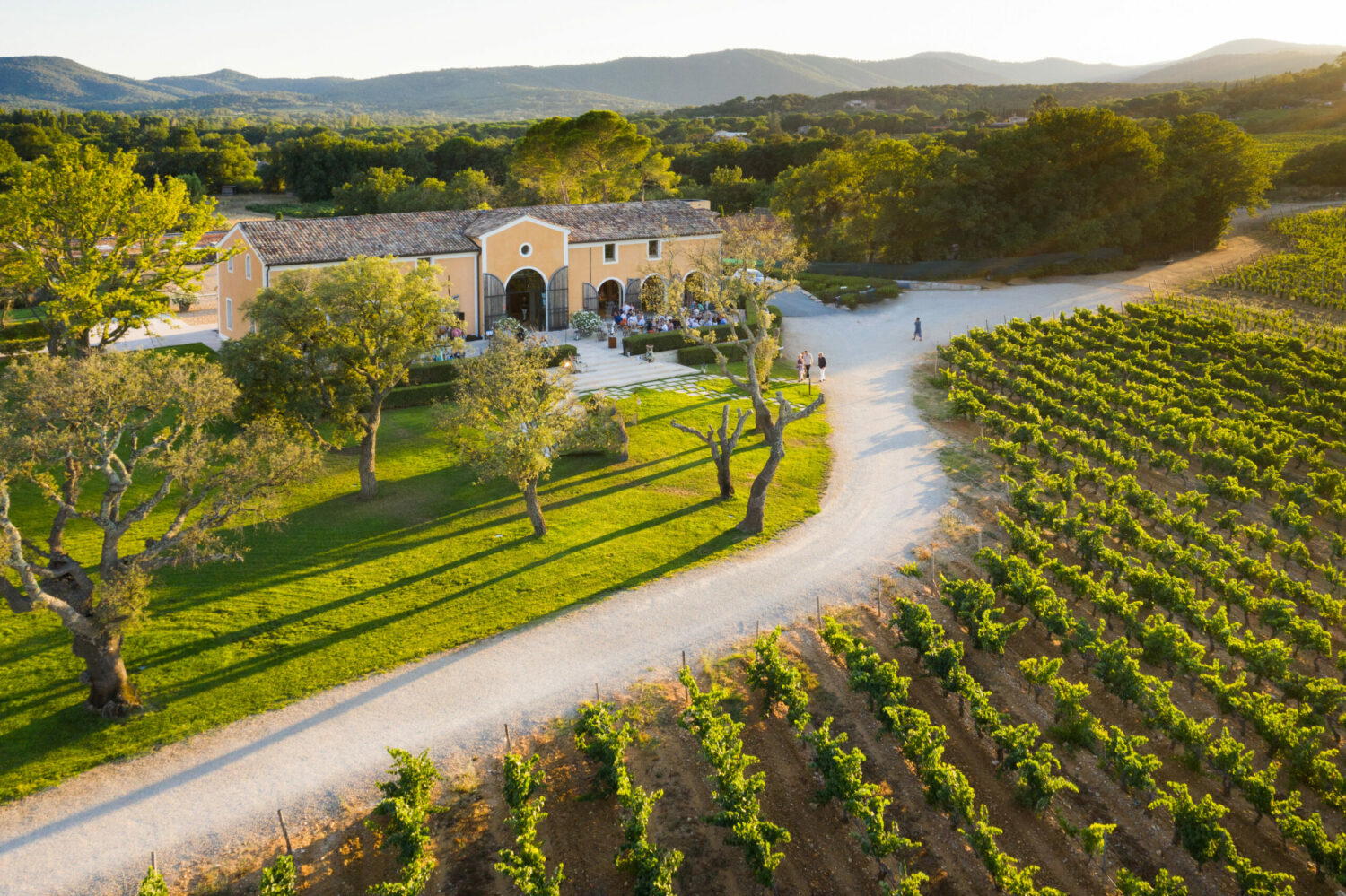
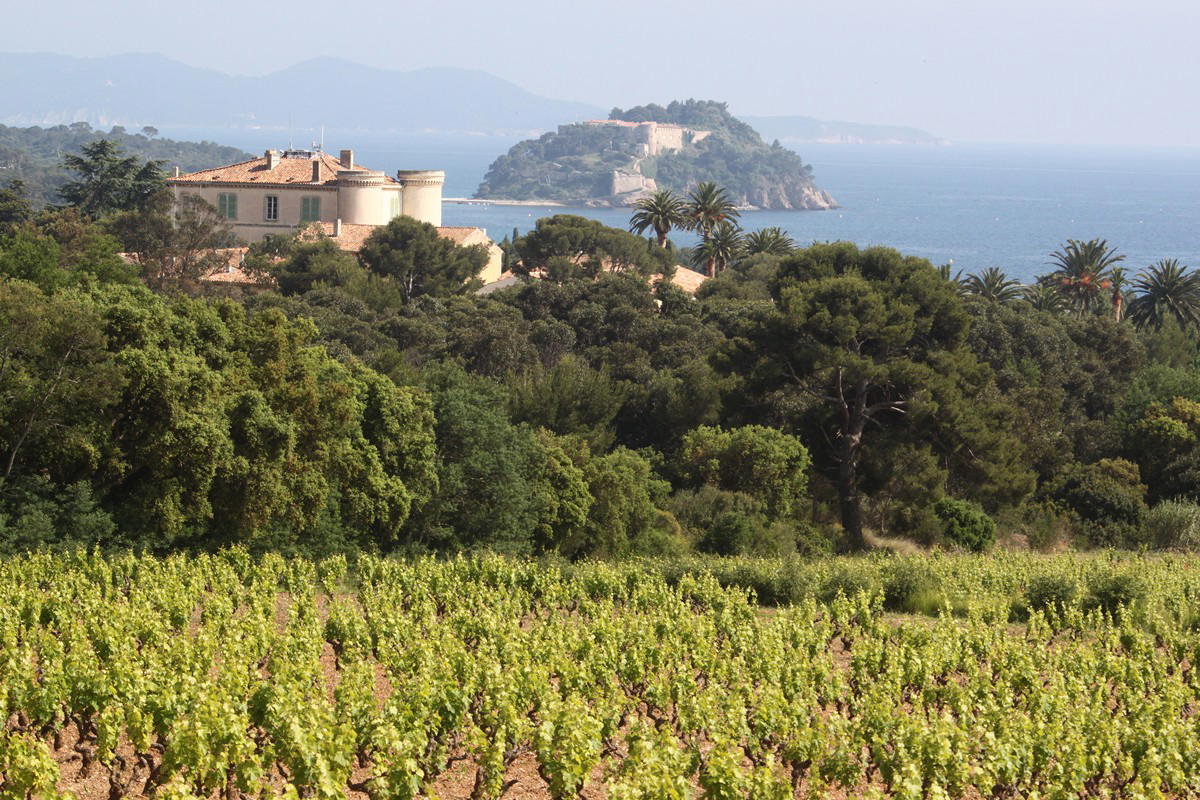
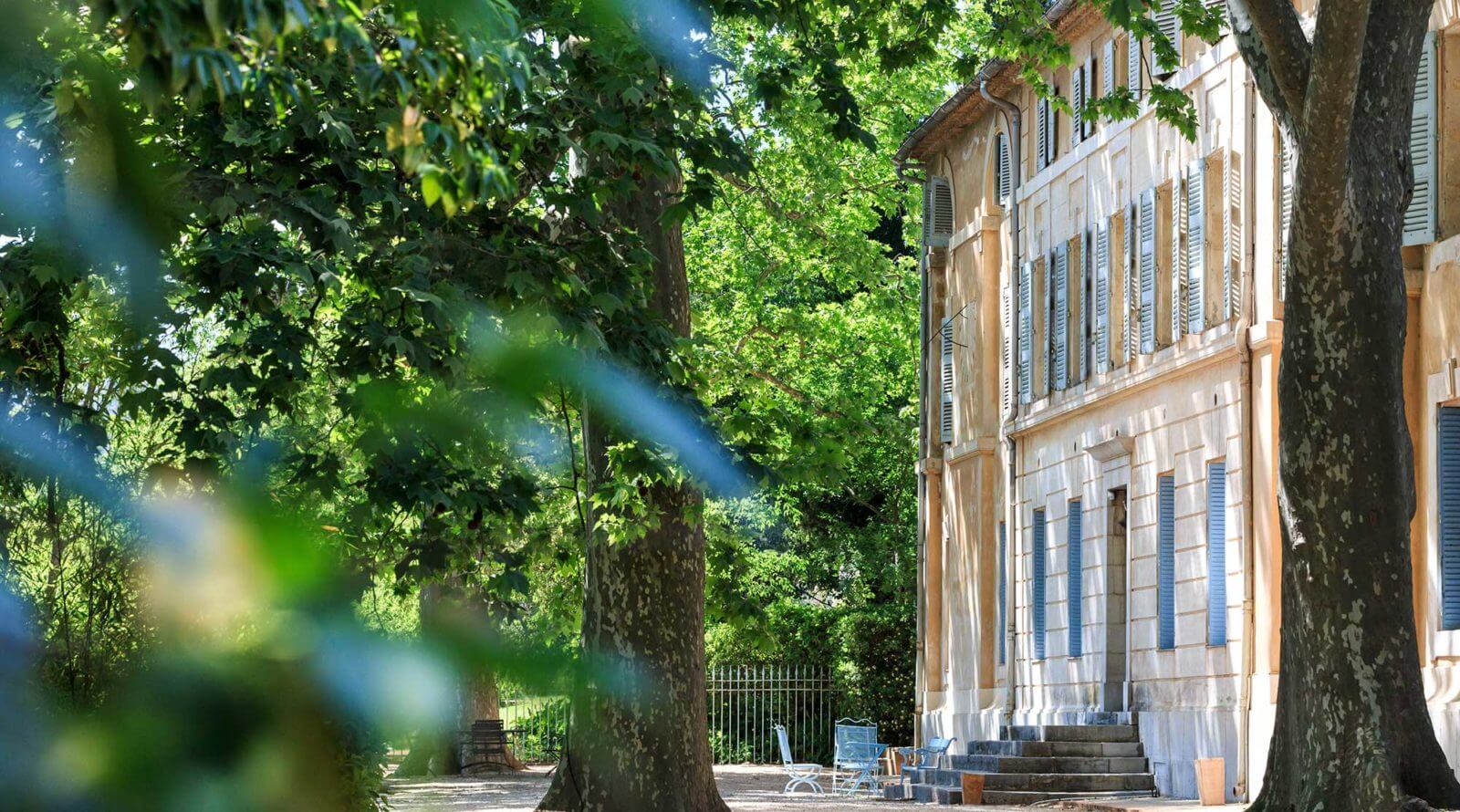
Warm and inviting terrace atmosphere with far-reaching views, shaded seating, and a welcoming Provençal charm.