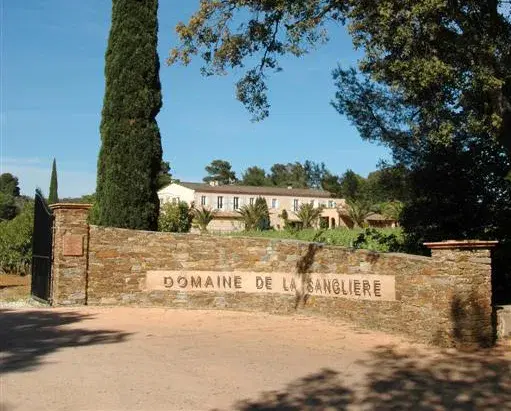
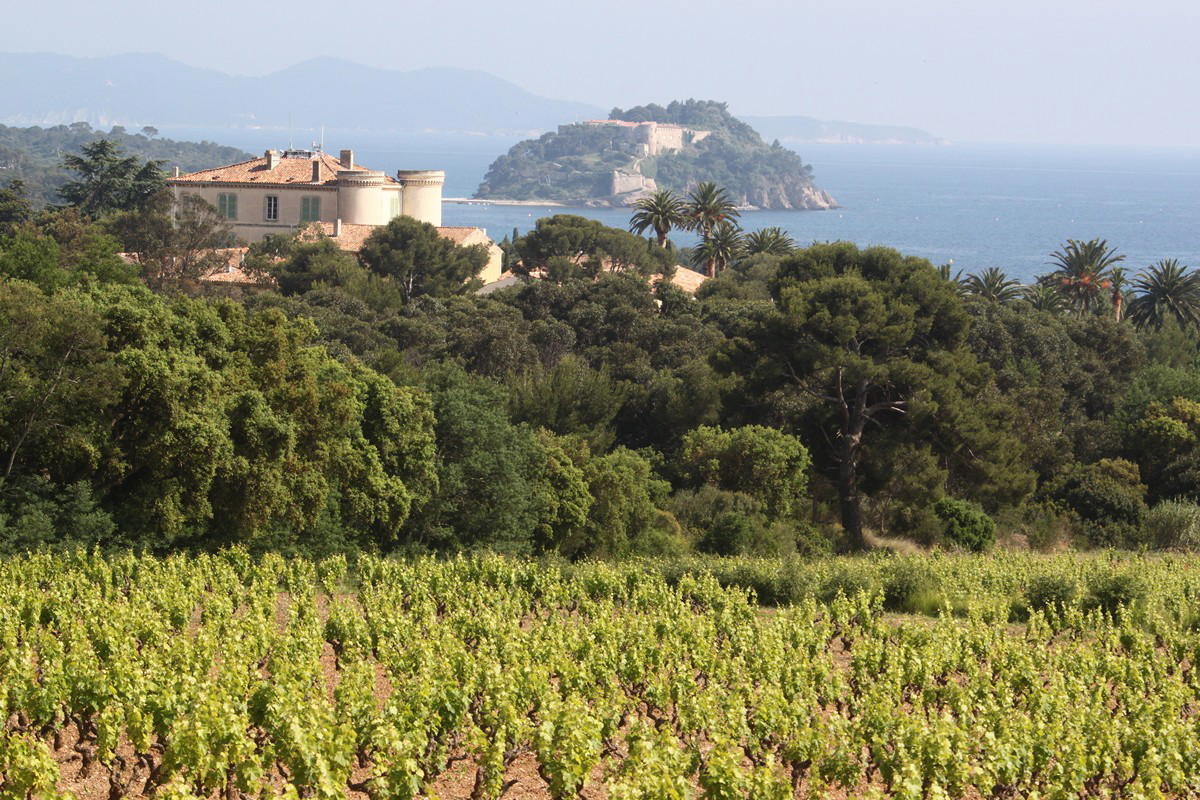
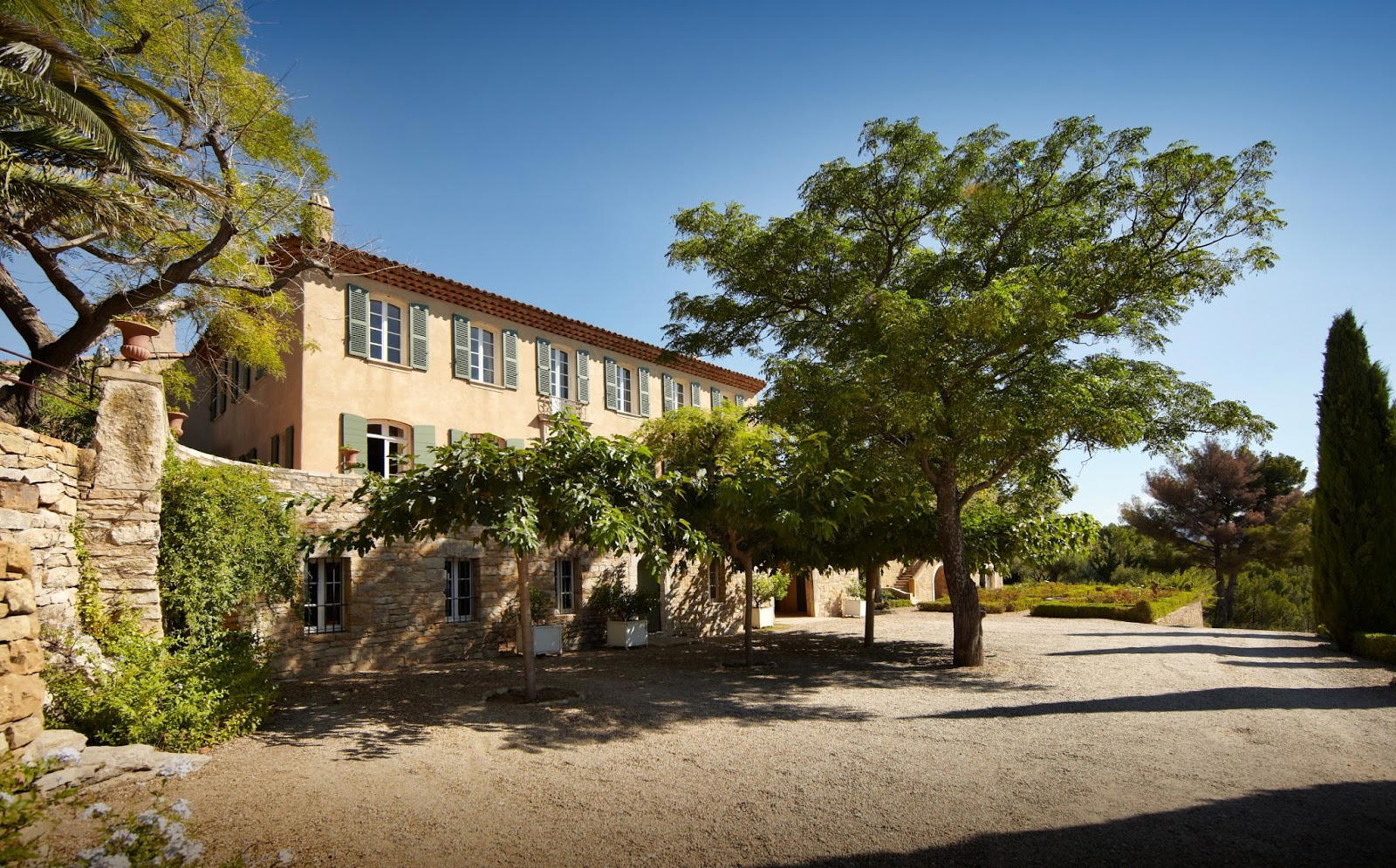
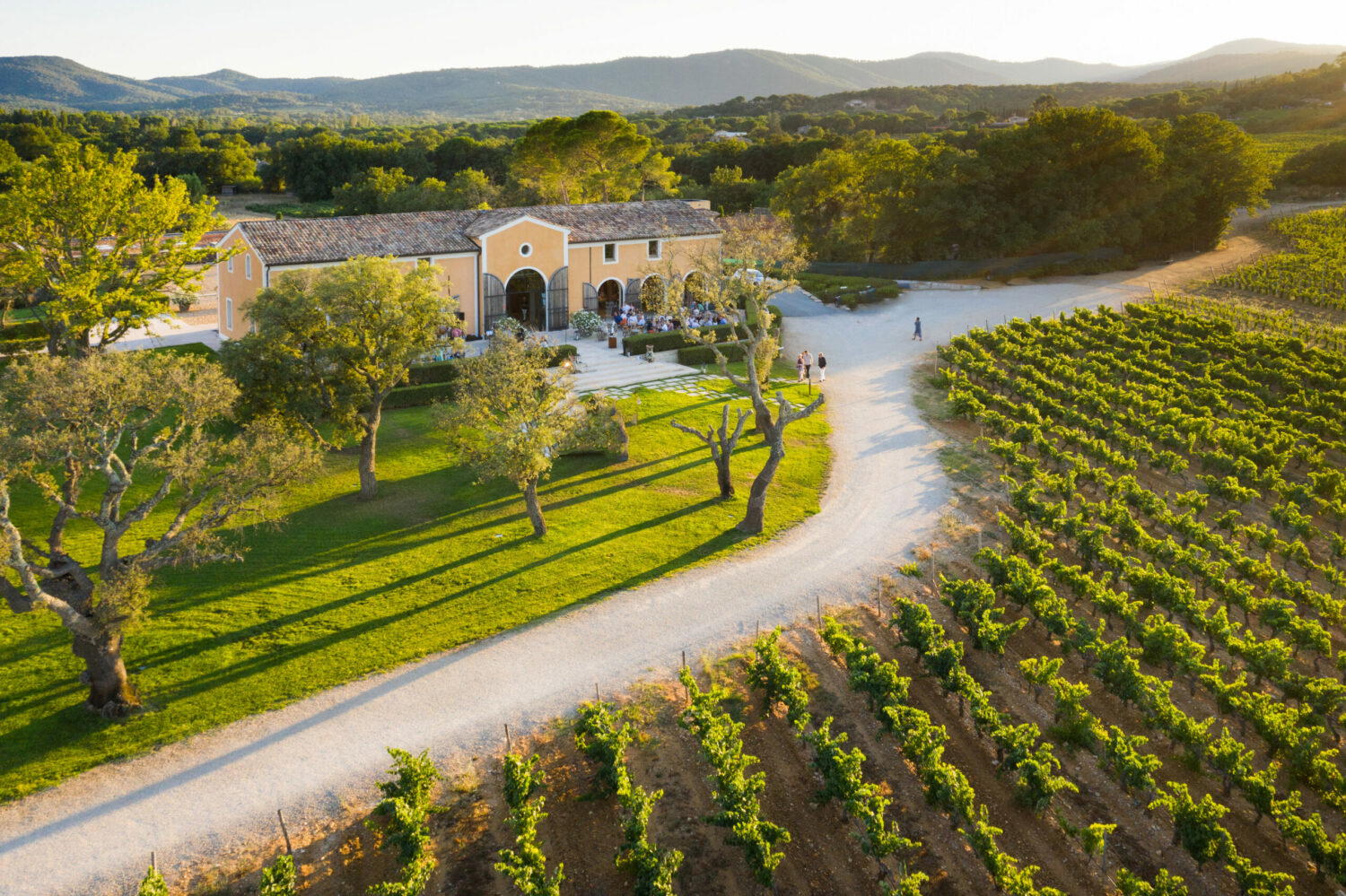
On the island of Porquerolles, Le Mas Du Langoustier sits at the western tip, accessible only by ferry from Hyères. The address alone signals what kind of table this is: one that requires intention to reach. The kitchen works within the rhythms of the Mediterranean, and the setting, pine-fringed, car-free, salt-aired, frames every meal before the first course arrives.
 Discover on Pearl
Pearl is the En Primeur Club membership app — saves, bookings, and concierge access live there. Same editors, same standards.
- Address
- 2588 Chem. du Langoustier, 83400 Ile de Porquerolles, France
- Phone
- +33494583009
- Website
- langoustier.com
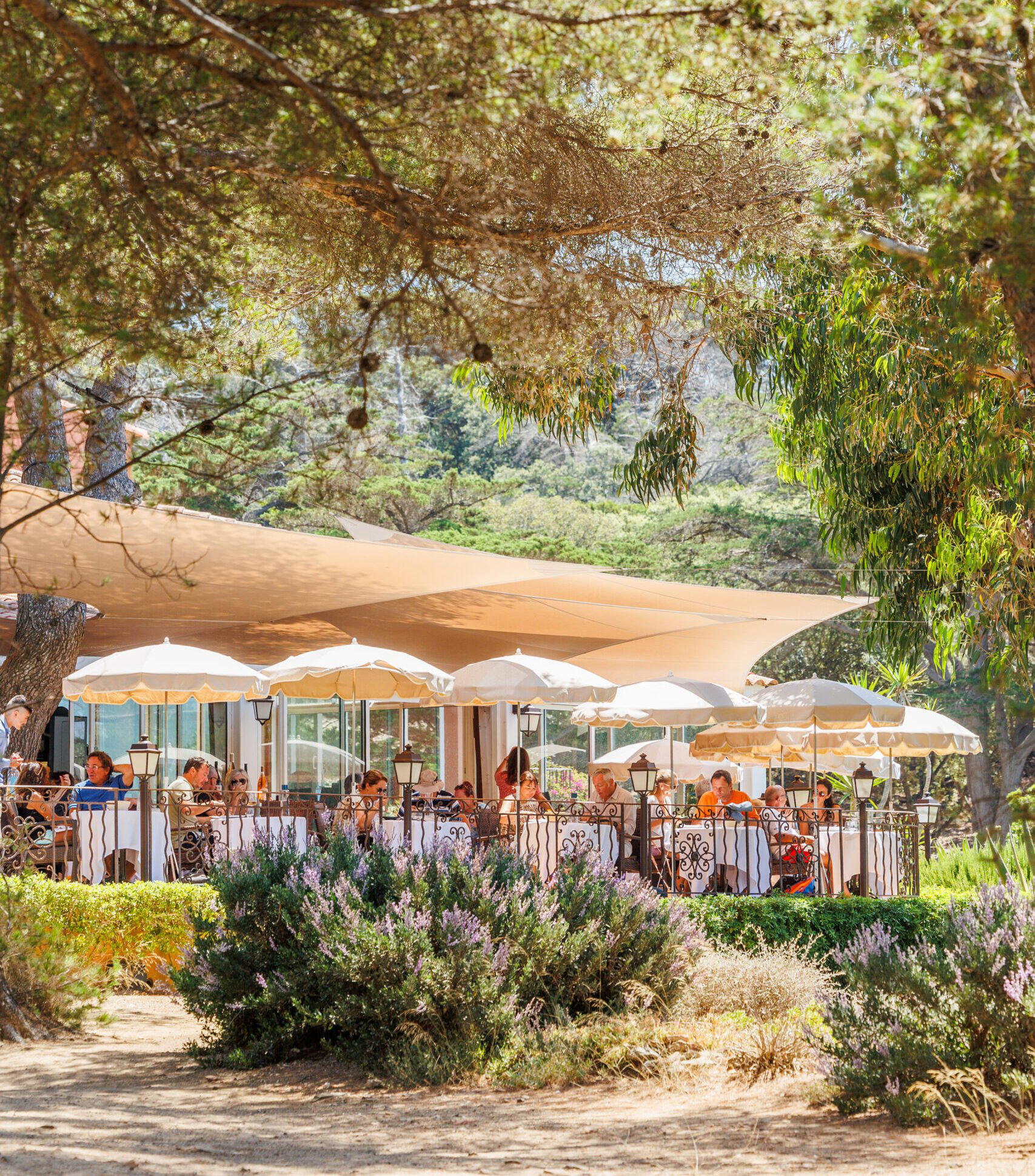
The Island Imperative: Why Porquerolles Changes the Terms of Dining
France's Mediterranean coast produces a particular style of restaurant: one where geography does half the work before the kitchen starts. Le Mas Du Langoustier is a restaurant on Porquerolles serving Provençal Mediterranean cuisine. Porquerolles, the largest of the Îles d'Or off the Var coast, is a car-free national park island reachable only by ferry from the port of La Tour Fondue near Hyères. The crossing takes roughly fifteen minutes, but the psychological distance from the mainland is considerably greater. By the time guests arrive at the western end of the island, the setting has already done some of the work.
Unlike urban fine dining, where a restaurant must compete nightly against dozens of alternatives within walking distance, Le Mas Du Langoustier operates in a context of deliberate isolation. Guests have committed to a journey. That changes the register of the meal. Compare this to the more accessible Hyères dining scene, where restaurants like Au Pied d'Poule, La Jeannette, and La Plage d'Argent serve a walk-in, drop-by clientele shaped by proximity rather than pilgrimage. The Mas is something different in kind, not just degree.
Menu Architecture: What the Format Reveals
The tasting menu as a format signals a kitchen confident enough in its sequencing to ask guests to surrender control of pacing. Carte dining signals respect for individual appetite and a belief that individual dishes can carry their own weight without narrative arc. The balance a restaurant strikes between these two poles tells you who it thinks its diner is.
Le Mas Du Langoustier's position on Porquerolles aligns it with a generation of French destination restaurants that use geography as a form of menu architecture. The remoteness functions like a tasting menu's opening amuse-bouche: it orients the guest before anything edible arrives. Kitchens in this mode tend to lean into local product with specificity, because the surrounding environment makes that story self-evident. The langoustier in the name is a signal in itself. The spiny lobster, or langouste, has been commercially harvested in these waters for generations, and a kitchen operating on Porquerolles carries an implied obligation to that ingredient in a way that a Parisian address does not.
Consider the contrast with urban showpieces like Alléno Paris au Pavillon Ledoyen, where the menu architecture is constructed around technique and extraction, or AM par Alexandre Mazzia in Marseille, where a three-Michelin-star kitchen uses the city's cultural density as creative raw material. Le Mas Du Langoustier's equivalent raw material is the island itself: the light, the sea, the protected ecosystem, the ingredients pulled from immediately surrounding waters.
Situating the Address in French Destination Dining
France sustains a category of restaurant that exists primarily as a destination rather than a neighbourhood fixture. Bras in Laguiole on the Aubrac plateau, Flocons de Sel in Megève above the tree line, Mirazur in Menton at the Italian border: each of these operates where the landscape is part of the menu's argument. Le Mas Du Langoustier belongs in that conversation by virtue of address alone. Porquerolles is classified as a national park, which means the surrounding ecosystem is legally protected and the island's commercial development is tightly controlled. That restriction has kept the setting intact in a way that most coastal addresses in the Var cannot claim.
The longer tradition of French auberge cooking, from Auberge de l'Ill in Illhaeusern to Troisgros in Ouches, rests on the idea that a table embedded in a specific place carries obligations to that place. Those obligations show up in sourcing decisions, in the rhythm of the menu across the season, and in the way a kitchen positions protein and vegetable against one another. At this address, the Mediterranean sets the seasonal clock: the sea is warmest and the tourist season peaks between June and September, which corresponds to the fullest expression of local product. Arriving in shoulder season, in May or October, trades crowd pressure for a more pared-back version of the same kitchen.
comparable set and What the Address Signals
Within Hyères and the surrounding Var, the competitive set for a restaurant of this type is thin. Most dining on Porquerolles operates at a different register: the beach-adjacent lunch, the casual rosé-and-fish format that the island's tourist season sustains. L'Anse de Port Cros on the neighbouring island of Port-Cros offers a coastal comparison point. On Porquerolles itself, La Pastachuca occupies a different tier and register. Le Mas Du Langoustier is not competing within that local bracket so much as it is operating in the register of French destination fine dining, measured against rooms like Paul Bocuse's Auberge du Pont de Collonges in terms of its positioning as a destination address rather than a neighbourhood restaurant.
For international context, the format recalls the commitment-by-geography approach of Le Bernardin in New York City or Atomix, both of which ask guests to plan rather than spontaneously appear. The ferry timetable functions as a natural booking funnel. Guests who arrive on Porquerolles for dinner have, by definition, checked the crossing schedule and committed to the island's rhythms. That self-selection shapes the room in a way no maitre d' could engineer.
Planning Your Visit
The practicalities here are set by geography as much as by the restaurant itself. Ferries to Porquerolles depart from La Tour Fondue at the tip of the Giens Peninsula, roughly thirty kilometres from Hyères centre. The last return crossing in summer runs late enough to accommodate dinner, but checking current seasonal timetables before booking is non-negotiable: missing the final ferry is a well-documented hazard for first-time visitors to the island. The crossing cost and frequency vary by season. Given the island's limited accommodation, some guests choose to stay overnight on Porquerolles, which removes the timetable constraint entirely and allows for a longer, less pressured evening. For context on the broader Hyères dining options beyond the island, Equally, for those comparing fine dining rooms across the south of France, Assiette Champenoise in Reims and Au Crocodile in Strasbourg represent the northern end of the country's destination dining tradition, useful for benchmarking expectations across regions.
A Credentials Check
Comparable venues nearby, for context on price, style, and recognition.
| Venue | Cuisine | Price | Awards | Notes |
|---|---|---|---|---|
| Le Mas Du LangoustierThis venue — the venue you are viewing | Provençal Mediterranean | $$$$ | , | |
| Restaurant Tom Cariano | Modern Mediterranean Seafood | $$$ | , | L'Ayguade |
| Hôtel le Provençal - Restaurant La Rascasse | Modern French Seafood Fine Dining | $$$$ | Presqu'île de Giens | |
| Au Pied d'Poule | Bistrot français méditerranéen | $$ | , | Centre-ville |
| La Pastachuca | Italian Pasta with Provençal Influences | $$ | , | Hyères Médiéval |
| Le Baraza | French Bistro with Wine Bar | $$$ | , | Hyeres Centre |
Continue exploring
More in Hyères
Restaurants in Hyères
Browse all →
Bars in Hyères
Browse all →
Hotels in Hyères
Browse all →
At a Glance
- Romantic
- Elegant
- Scenic
- Rustic
- Sophisticated
- Date Night
- Family
- Celebration
- Special Occasion
- Terrace
- Waterfront
- Hotel Restaurant
- Extensive Wine List
- Local Sourcing
- Waterfront
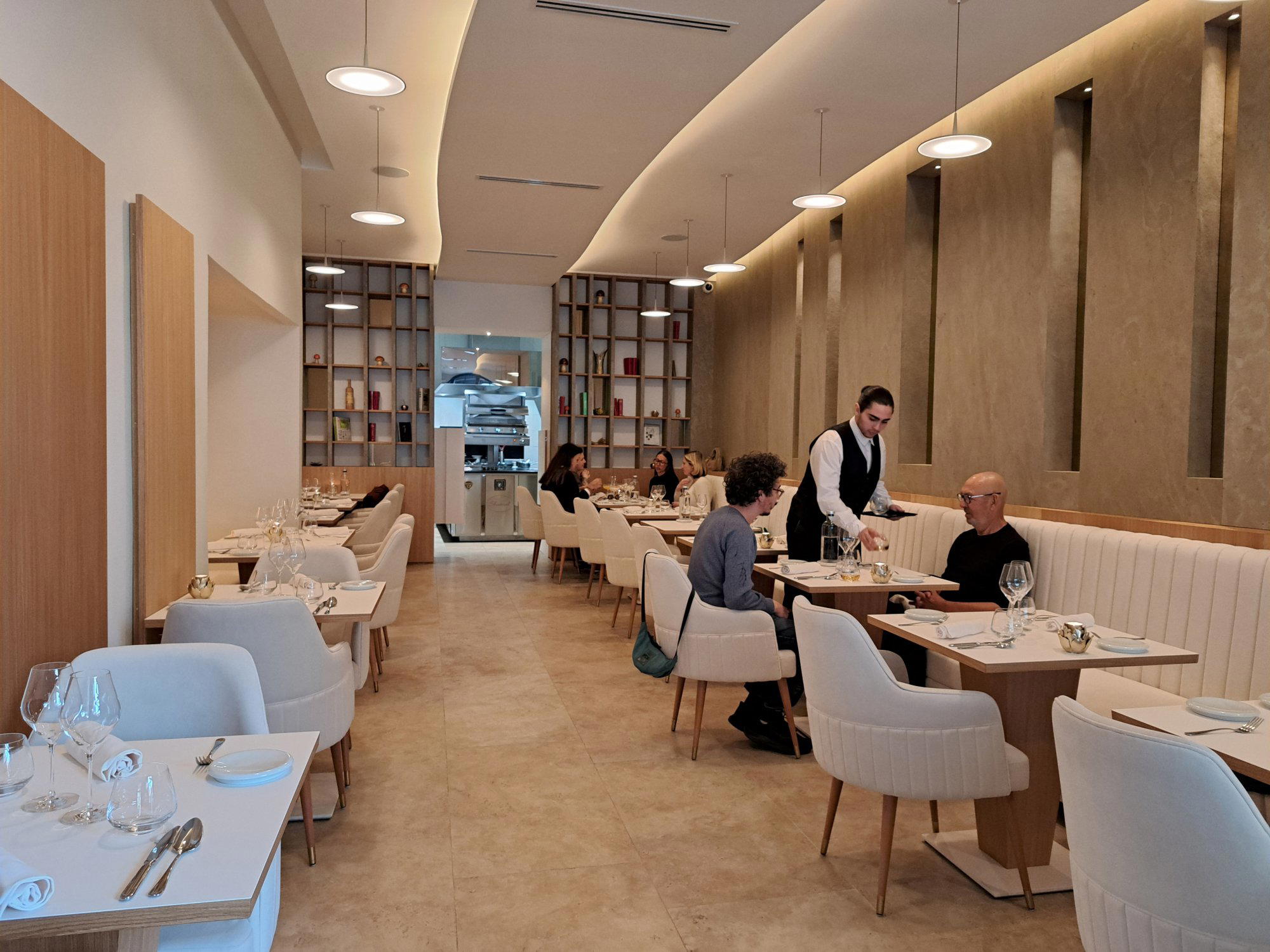
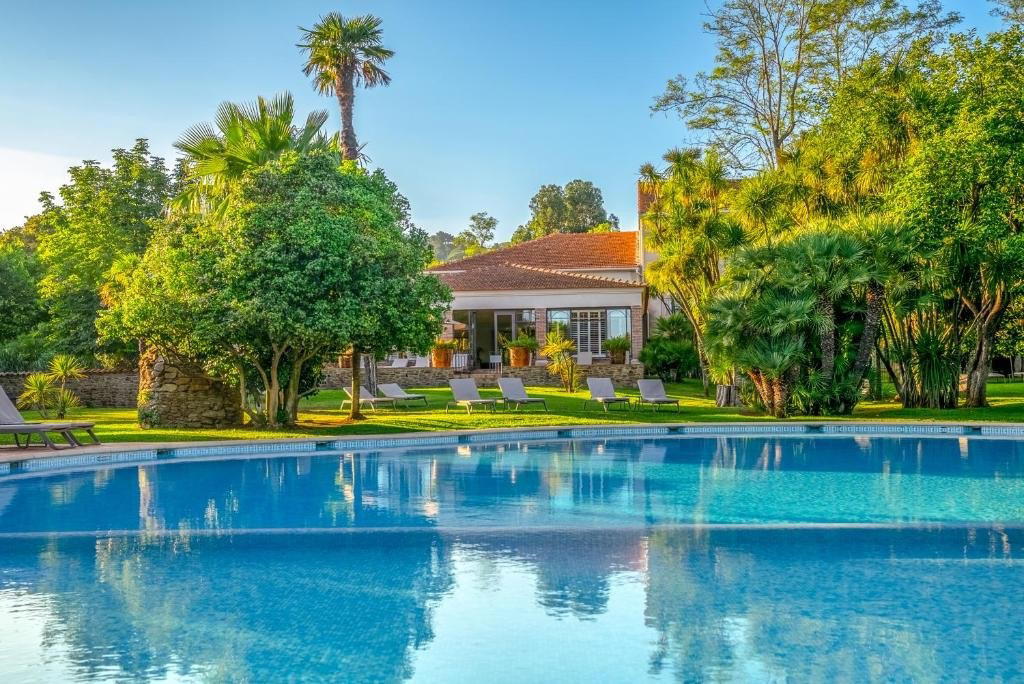
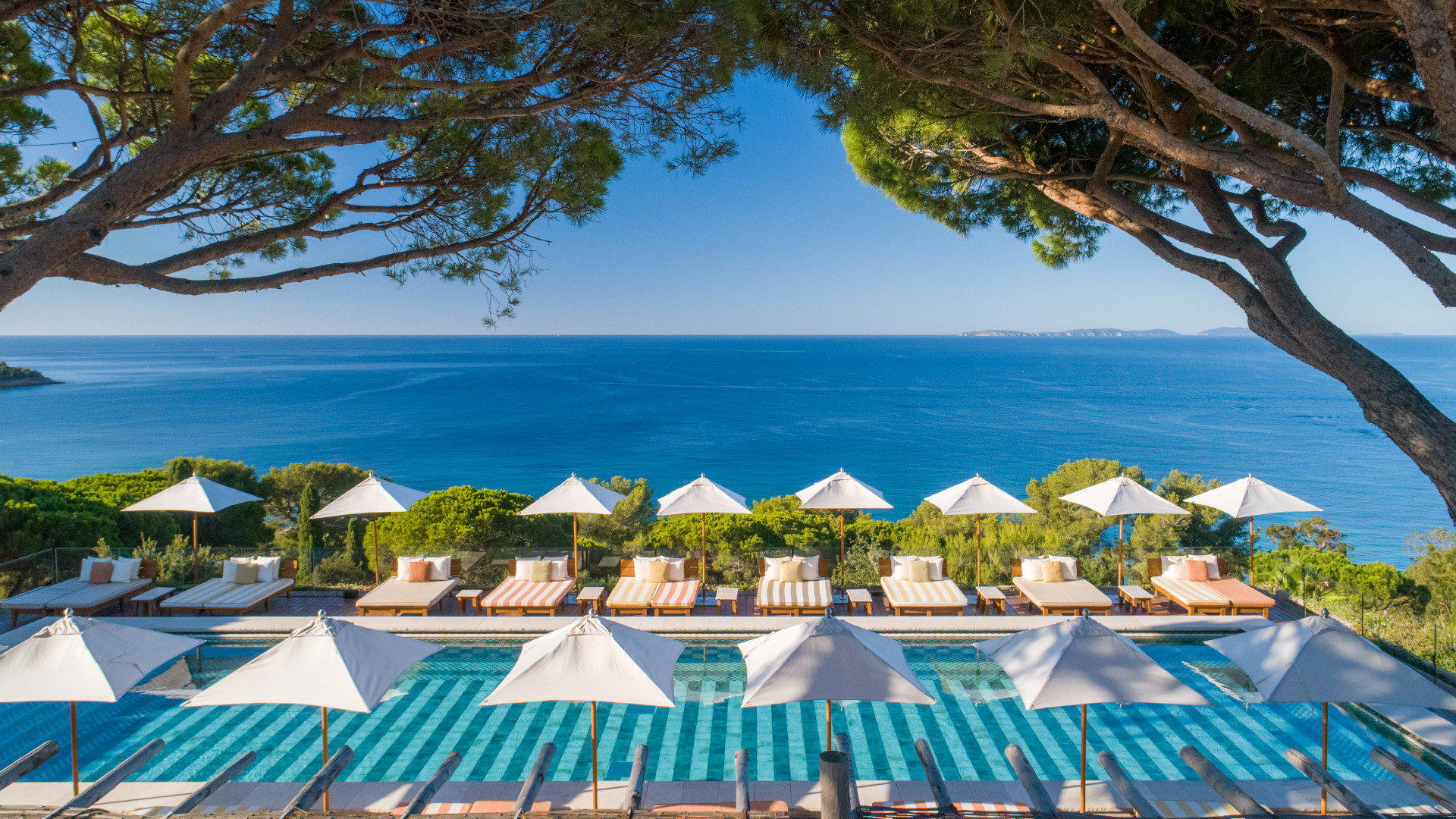
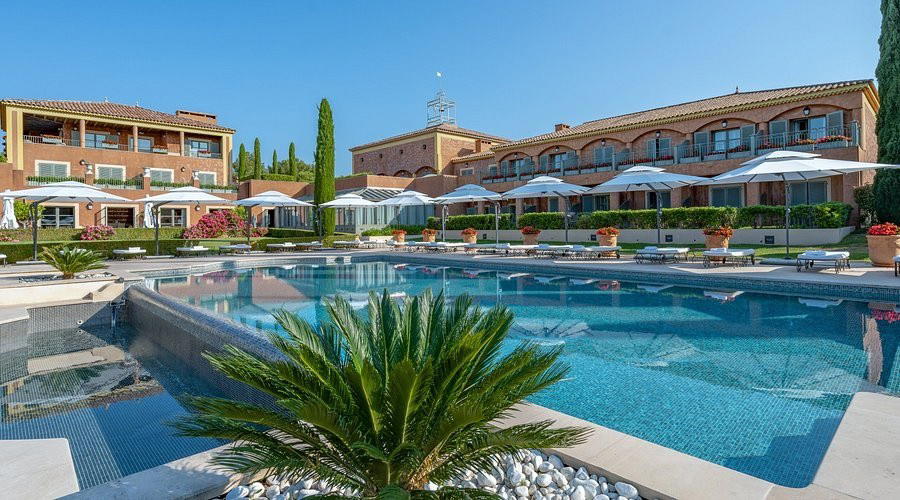
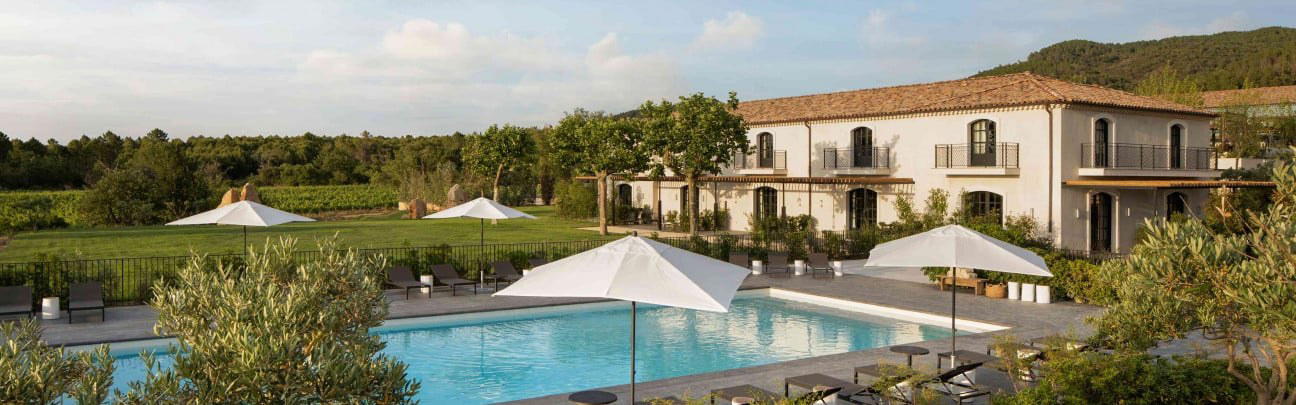
Shaded pine terrace with Provençal sunshine, refined lighting, and a serene sea-view atmosphere.