La Maison de l'Océan serves French seafood bistro cooking on the waterfront, with terrace seating and seafood platters for lunch or dinner.
Pearl is the En Primeur Club membership app — saves, bookings, and concierge access live there. Same editors, same standards.
- Address
- 2 Quai de la Douane, 29200 Brest, France
- Phone
- +33298804484
- Directions
- Get directions
 Saves & bookings on Pearl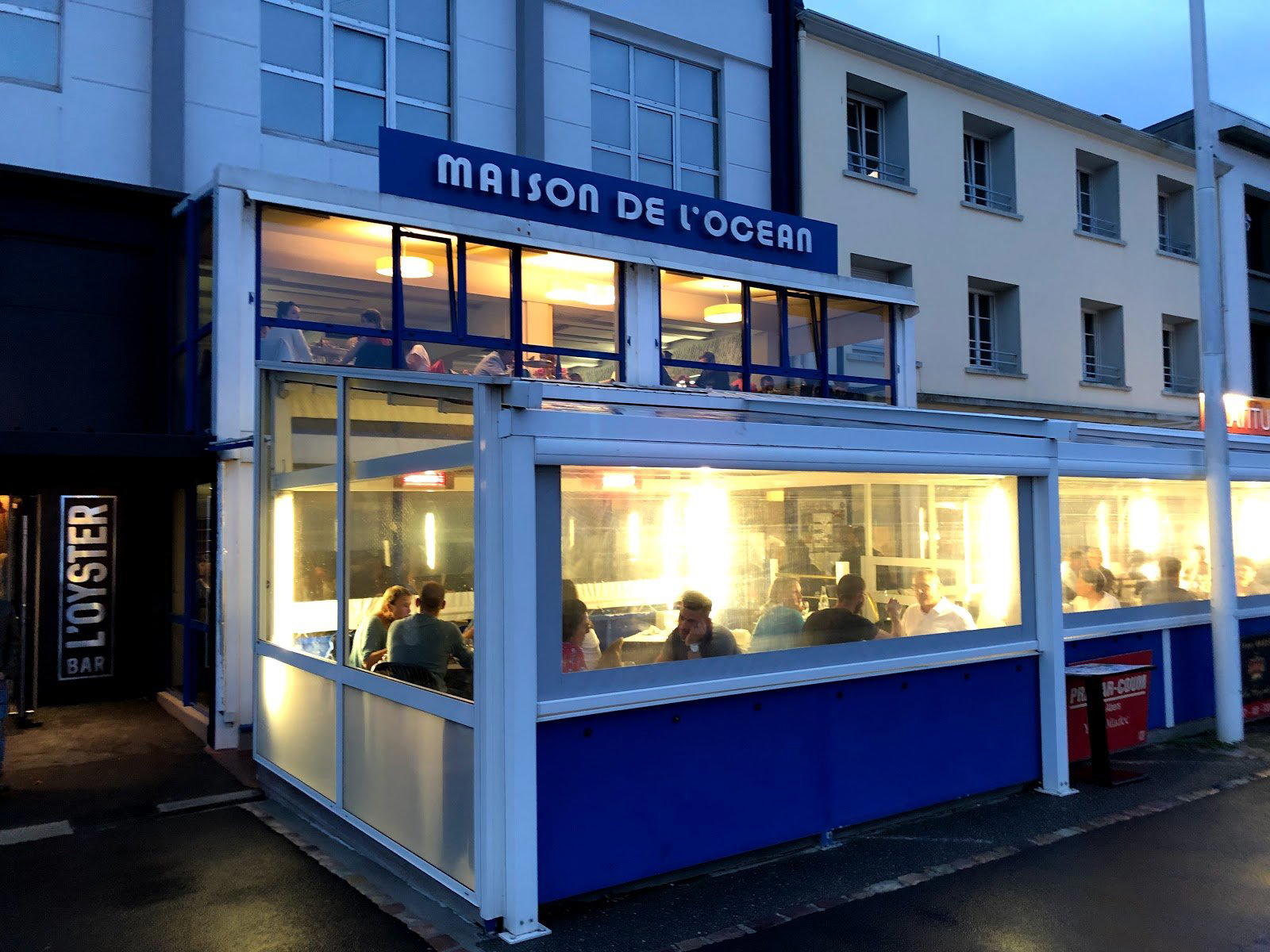
Where Brest Faces the Atlantic
The address says it plainly: 2 Quai de la Douane, at the edge of Brest's working harbour, where the Penfeld estuary meets the Rade de Brest and the Atlantic begins in earnest. Brittany's coastline has always shaped what ends up on the plate in this city, and La Maison de l'Océan positions itself at the most literal intersection of that relationship, with the water visible from the quay and the logic of the sea apparent in everything the kitchen sends out. Arriving on foot along the waterfront, the transition from city to something more elemental happens quickly. This is not a restaurant that needs to explain its connection to the ocean; the geography makes the argument for it.
Brest sits at France's westernmost edge, and its dining culture has long operated at a remove from the gastronomic circuits that run through Lyon, Paris, or the Basque Country. That distance has produced a distinctive kind of restaurant: places that draw authority from ingredient provenance rather than from culinary celebrity. In this context, a harbour-side address like the Quai de la Douane is not atmospheric decoration. It signals a supply chain, a set of relationships with local fishermen, and a menu architecture that the season and the catch will shape as much as the chef.
The Logic of a Seafood Menu Built From the Quay
Brittany's seafood tradition is among the most consequential in France. The region accounts for a significant share of France's landings of oysters, scallops (coquilles Saint-Jacques from the Bay of Saint-Brieuc carry protected geographic status), langoustines, sea bass, and turbot, and the closer a kitchen sits to that supply, the more its menu can function as a real-time index of what the Atlantic is producing rather than a fixed document printed months in advance. At La Maison de l'Océan, the quayside position implies exactly that kind of responsiveness. A menu structured around what arrives each morning from local boats operates differently from one built around permanent signatures, and readers familiar with the Breton restaurant tradition will recognize the pattern: restrained preparations, few competing flavours, an expectation that the fish or shellfish will carry the dish on its own terms.
This is the menu architecture that distinguishes serious Breton seafood houses from the broader category of French coastal restaurants. Elsewhere in France's premium tier, kitchens that treat the sea as a primary reference point tend to build elaborate frameworks around it. At Le Bernardin in New York City, the philosophy is one of technique in service of the fish; at Mirazur in Menton, coastal produce enters a broader conversation about Mediterranean terroir. Breton practice is often quieter and more direct: fewer intermediary steps, greater weight on sourcing, and a plate that treats the raw material as the event rather than the occasion for transformation.
Among Brest's current restaurant options, the positioning of La Maison de l'Océan differs from the modern-cuisine formats operating elsewhere in the city. L'Embrun works within a contemporary French idiom at the €€€ tier, and Hinoki brings Japanese technique to Breton seafood at the highest local price point. Désordre and Kafe Gagarin occupy looser, more casual registers. A harbour-front seafood house with the name and address of La Maison de l'Océan implies a more classical framing: a restaurant where the category identity is declared upfront and the menu earns its authority from proximity to source.
Brest's Place in France's Seafood Dining Conversation
France's most discussed seafood-forward restaurants tend to cluster in better-publicised coastal zones. The Basque Country and Normandy receive disproportionate critical attention, and the Loire estuary has developed its own prestige circuit. Brittany, despite holding some of the country's strongest raw material, is less represented in the national conversation. That absence is partly structural: the region lacks the critical mass of high-profile kitchens that generates sustained press, and Brest in particular sits at the extreme western tip, requiring deliberate travel rather than falling on a convenient route between better-known destinations.
That same geography creates the conditions for restaurants that operate on their own terms. The reference points for serious French seafood cooking at the national level are well-documented. Flocons de Sel in Megève, Alléno Paris au Pavillon Ledoyen, Troisgros in Ouches, and Auberge de l'Ill in Illhaeusern have all built reputations over decades and carry the institutional weight of multiple awards. The equivalent in Brittany tends to operate at a different register: fewer tasting menus designed for destination pilgrimage, more direct engagement with the daily catch. Bras in Laguiole represents a regional model of staying rooted in place rather than chasing national circuits, and Breton kitchens at their leading share that quality. AM par Alexandre Mazzia in Marseille and Assiette Champenoise in Reims show what regional French cooking can do when it commits fully to its own context rather than approximating a Parisian template. La Maison de l'Océan's address suggests a similar kind of commitment to place.
For wider context on how Brest's dining scene is taking shape across different cuisines and formats, L'arôme antique and the broader Brest restaurants guide provide useful reference points. Internationally, the relationship between coastal address and menu discipline that La Maison de l'Océan implies connects to the same conversation playing out at Atomix in New York City and Au Crocodile in Strasbourg, where the physical context of the restaurant shapes the logic of what it serves. Paul Bocuse's Auberge du Pont de Collonges remains the most documented example of a French restaurant whose identity is inseparable from its specific geography.
Planning Your Visit
La Maison de l'Océan sits at 2 Quai de la Douane in Brest's port district, walkable from the city centre and accessible by public transport from Brest's main station. Brest's port area is most active in the morning and early afternoon when the fish market operates, which makes a lunch visit the more natural fit with the rhythm of the neighbourhood. For travellers building a broader Brest itinerary, combining La Maison de l'Océan with a meal at L'Embrun or an evening at Désordre covers a reasonable range of the city's current dining register.
How La Maison de l'Océan Brest compares with similar nearby venues.
| Venue | Cuisine | Price |
|---|---|---|
| L'Embrun | Modern Cuisine | €€€ |
Continue exploring
More in Brest
Restaurants in Brest
Browse all →
At a Glance
- Classic
- Scenic
- Special Occasion
- Family
- Waterfront
- Terrace
- Private Dining
- Local Sourcing
- Waterfront
Current opening hours
- Monday
- 12–2 PM, 7–9:30 PM
- Tuesday
- 12–2 PM, 7–9:30 PM
- Wednesday
- 12–2 PM, 7–9:30 PM
- Thursday
- 12–2 PM, 7–9:30 PM
- Friday
- 12–2 PM, 7–10 PM
- Saturday
- 12–2 PM, 7–10 PM
- Sunday
- 12–2 PM, 7–9:30 PM
Hours can change for holidays and private events. Last verified .
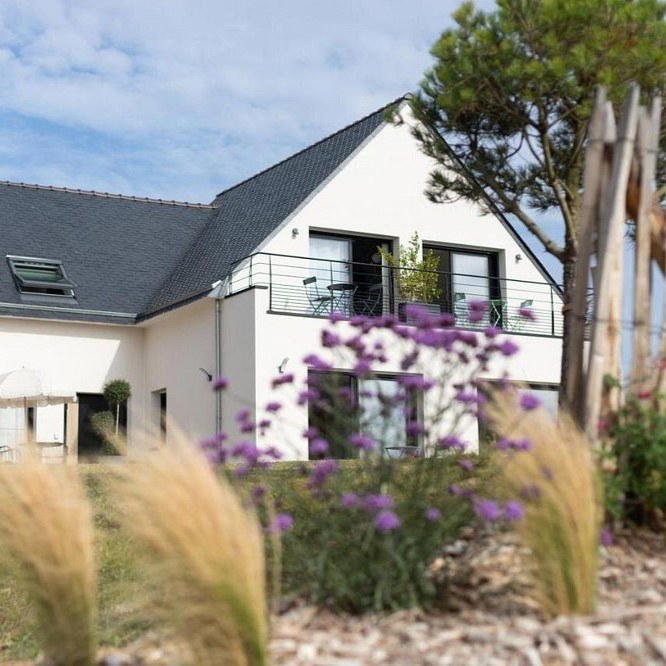
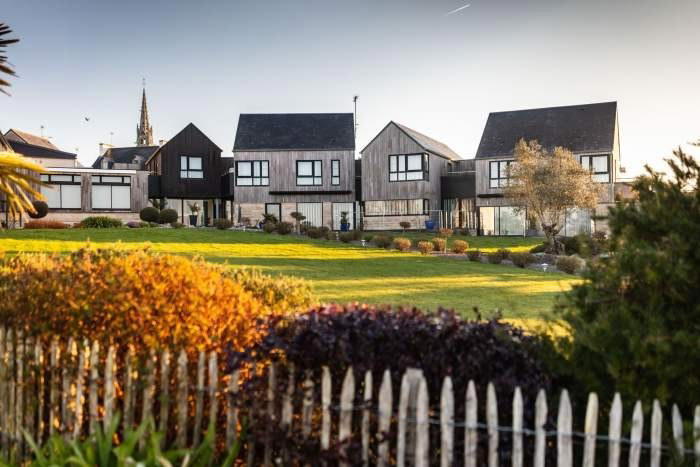
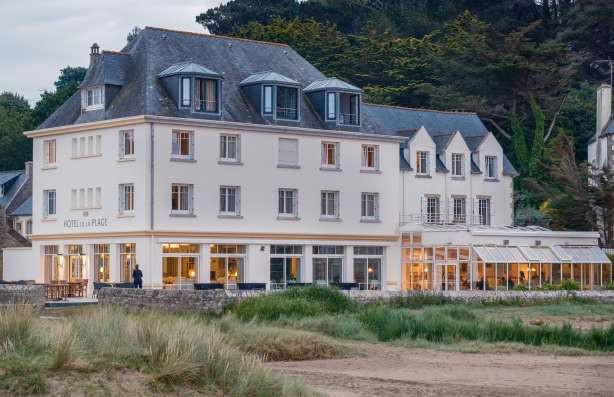
Marine-themed atmosphere with quayside views, providing a traditional bourgeois dining experience.
Know Before You Go
- Getting there
- 2 Quai de la Douane, 29200 Brest, France