On Rue de Lyon in Brest, Désordre occupies a corner of the city's dining scene that rewards curiosity over convenience. The name signals something intentional: a rejection of the polished and predictable in favour of cooking that takes its cues from what the Atlantic coast and its hinterland actually produce. For a port city long underestimated on the French dining map, it represents a considered address.
Pearl is the En Primeur Club membership app — saves, bookings, and concierge access live there. Same editors, same standards.
- Address
- 42 Rue de Lyon, 29200 Brest, France
- Phone
- +33298209356
- Website
- facebook.com
- Directions
- Get directions
 Saves & bookings on Pearl
A Port City and Its Pantry
Brest sits at the far western edge of metropolitan France, where Finistère juts into the Atlantic with a coastline that has shaped local cooking for centuries. This is not a city that imports its identity. The fishing boats that work the waters off the Presqu'île de Crozon, the market gardeners of the Léon plateau to the north, and the dairy producers of inland Brittany have always defined what ends up on Breton tables — and the restaurants that understand this tend to be the ones worth finding. Désordre, at 42 Rue de Lyon, operates within that tradition, though the name itself suggests something more restless than reverential.
Brittany's culinary reputation in France is sometimes flattened into a shorthand of crêpes and cider, which misrepresents the region's actual larder. The coastline produces some of the country's most prized shellfish: flat oysters from the Baie de Brest, sea urchins from the rocky foreshore, and line-caught fish whose quality rivals anything landed further south. Inland, the bocage landscape supports cattle grazing and small-scale vegetable production that gives Breton kitchens a depth of ingredient that coastal-only thinking tends to obscure. The restaurants in Brest that are worth attention are the ones that hold both registers simultaneously — the maritime and the agricultural, rather than defaulting to one at the expense of the other.
The Address on Rue de Lyon
Rue de Lyon sits in a part of Brest that is neither the tourist-facing waterfront nor the institutional district around the naval base. It is a working residential street, which means that a restaurant here earns its clientele through word of mouth and consistency rather than through footfall from passing visitors. That positioning matters. In French provincial cities, the restaurants that occupy this kind of urban real estate, unremarkable from the outside, known locally, booked by people who have been before, are often where the most honest cooking happens. The theatrics of a high-traffic address are absent; the obligation to the plate is correspondingly higher.
Approaching Désordre, you are not arriving at a destination designed to announce itself. The address on Rue de Lyon is a statement of intent: this is a restaurant that assumes you already know why you are there. That assumption, in a city like Brest, is earned by the sourcing decisions that underpin what comes out of the kitchen.
Where the Food Comes From
The editorial angle that matters most when assessing a Brest restaurant in 2024 is not the chef's biography or the room's design choices, but the supply chain. Finistère has one of the most coherent short-supply networks in France. The market at Saint-Louis in central Brest operates several days a week and functions as a reliable index of what is genuinely in season: when the spider crabs appear in spring, when the Breton artichokes peak in summer, when the wild mushrooms arrive from the interior in autumn. A kitchen that is paying attention to this rhythm produces food that reads differently from one running standardised menus across twelve months.
Brittany's position as a leading French producer of vegetables, it accounts for a significant share of national cauliflower, artichoke, and shallot production, means that the ingredient base available to restaurants in Brest is not a compromise or a regional limitation. It is a competitive advantage. The chefs at Flocons de Sel in Megève and Mirazur in Menton work from similarly distinctive regional pantries; the logic is the same even when the latitude and the produce differ. What separates serious kitchens from competent ones is the willingness to let the sourcing dictate the menu rather than retrofitting local ingredients into a pre-existing structure.
Désordre's name, with its deliberate suggestion of productive disorder, reads as a commitment to that kind of kitchen responsiveness, a menu that shifts with what the coast and the farms are actually offering rather than what a printed card promises three months in advance. Whether that aspiration holds in practice is something a visitor to 42 Rue de Lyon can assess directly.
Brest's Dining Scene in Context
Brest does not carry the Michelin density of Lyon, the media attention of Paris, or the seasonal prestige of the French Riviera. What it has is a local dining culture that is less performative than those cities and, in certain registers, more instructive. Addresses like L'Embrun, which operates in the modern cuisine bracket at the €€€ tier, and Hinoki, which brings Japanese discipline to the same price range, demonstrate that Brest sustains a serious middle tier, restaurants with genuine technical ambition that are not padding their prices with institutional prestige.
Further down the price range, Kafe Gagarin and addresses like L'arôme antique show that the city's dining is not monolithic. There is movement across price points and styles, which is the mark of a food culture with actual local demand behind it rather than one propped up by tourism. La Maison de l'Océan positions itself at the seafood end of that spectrum, which makes sense given the city's maritime identity. Désordre, at its Rue de Lyon address, occupies a different register from all of these, one where the sourcing logic and the name's deliberate provocation suggest an agenda that is harder to categorise.
For a broader orientation to what Brest's restaurant scene offers across styles and price points, the EP Club Brest restaurants guide maps the full picture. For French fine dining at scale, the reference points are institutions like Alléno Paris au Pavillon Ledoyen, Troisgros - Le Bois sans Feuilles, Paul Bocuse - L'Auberge du Pont de Collonges, Bras in Laguiole, Auberge de l'Ill, Les Prés d'Eugénie - Michel Guérard, La Table du Castellet, and Georges Blanc in Vonnas. Internationally, Le Bernardin in New York and Lazy Bear in San Francisco offer a useful frame for thinking about how ingredient-led kitchens communicate their sourcing philosophy at different levels of formality.
Planning Your Visit
Désordre is at 42 Rue de Lyon, 29200 Brest. Beyond the address, the practical details, phone, website, hours, and booking method, are not currently confirmed in EP Club's verified data. Given the restaurant's residential-street positioning and the nature of this category of address in French provincial cities, walking in without a reservation carries the usual risk of a full room; contacting the restaurant directly before visiting is the sensible approach. Brest itself is accessible by TGV from Paris Montparnasse in approximately four hours, and the Rue de Lyon address is reachable from the city centre without difficulty.
How Désordre Brest compares with similar nearby venues.
| Venue | Cuisine | Price |
|---|---|---|
| Peck & Co | Farm to table | € |
| L'Embrun | Modern Cuisine | €€€ |
Continue exploring
More in Brest
Restaurants in Brest
Browse all →
At a Glance
- Cozy
- Lively
- Bohemian
- Casual Hangout
- After Work
- Group Dining
- Open Kitchen
- Terrace
- Natural Wine
- Sommelier Led
- Local Sourcing
- Natural Wine
Current opening hours
- Monday
- 11 AM–3 PM
- Tuesday
- 11 AM–10 PM
- Wednesday
- 11 AM–10 PM
- Thursday
- 11 AM–10 PM
- Friday
- 11 AM–10 PM
- Saturday
- Closed
- Sunday
- Closed
Hours can change for holidays and private events. Last verified .
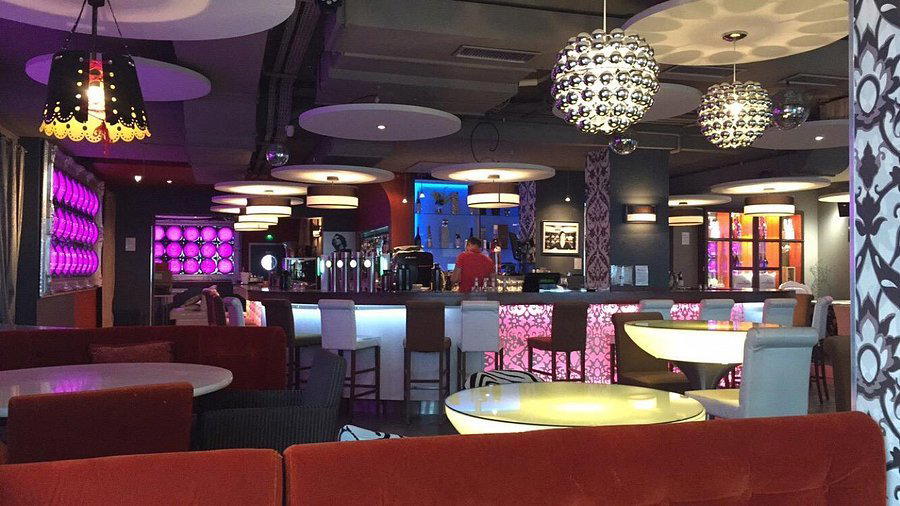
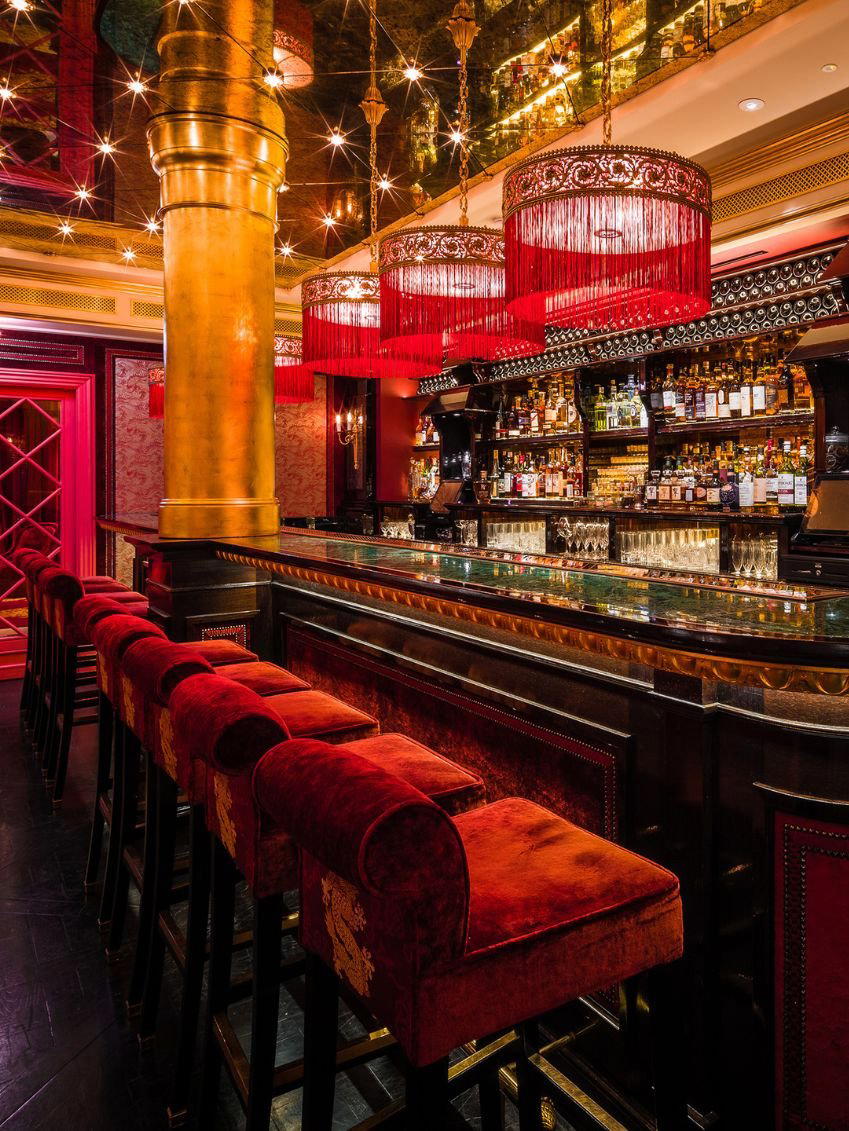
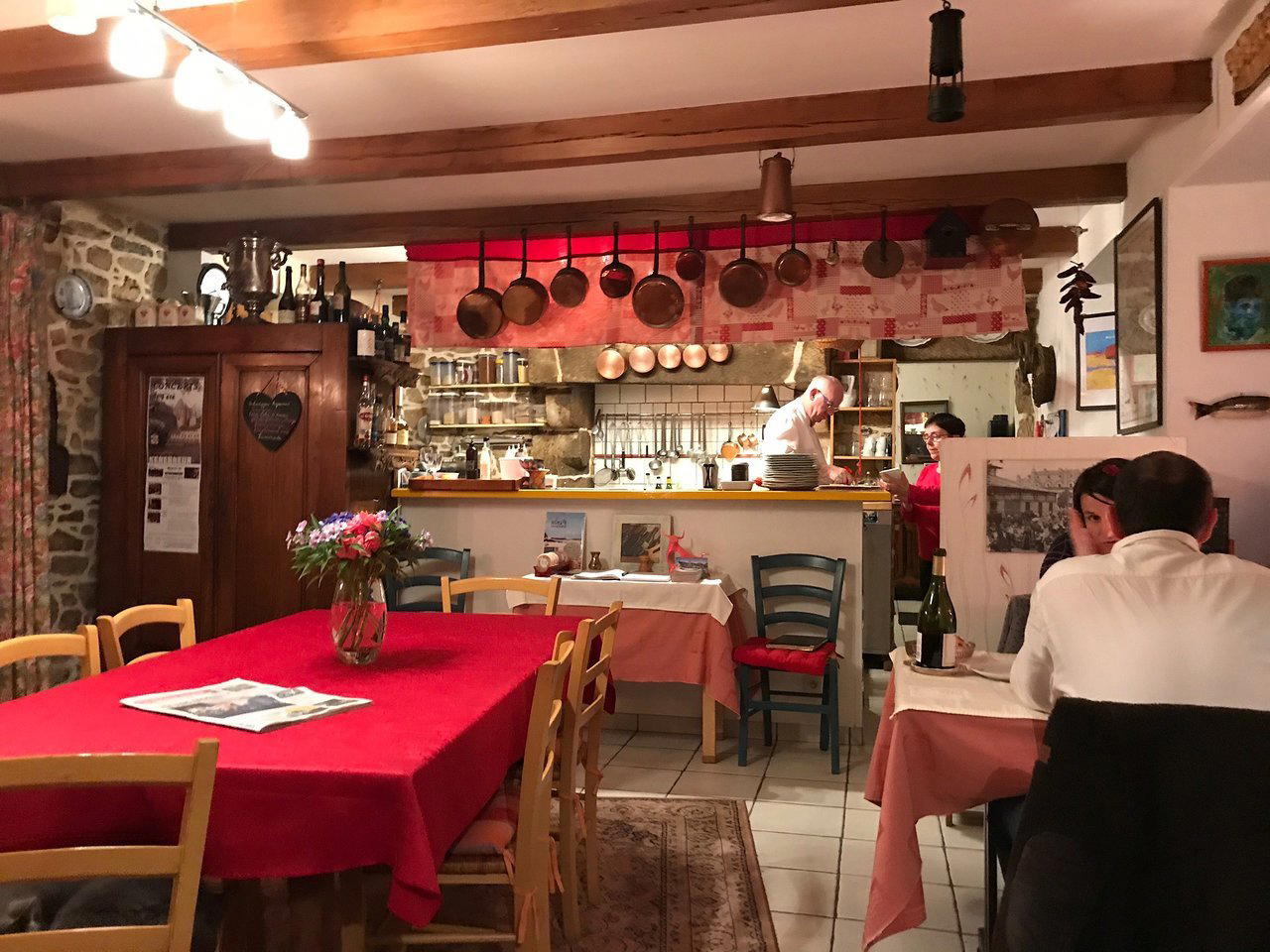
Warm, luminous, and chaleureux (welcoming) with an open kitchen that encourages interaction between diners and the culinary team; bright natural light from the terrace creates an inviting, casual bistro atmosphere.
Know Before You Go
- Getting there
- 42 Rue de Lyon, 29200 Brest, France