Ramen has found a foothold in Brest's compact dining scene, and Yokota Ramen on Rue Danton sits at the centre of that shift. The address draws a loyal following who return for the bowl rather than the occasion, a reliable signal in a port city where eating out tends toward the convivial and the direct. For Japanese noodle culture in Finistère, this is where the conversation starts.
Pearl is the En Primeur Club membership app — saves, bookings, and concierge access live there. Same editors, same standards.
- Address
- 27 Rue Danton, 29200 Brest, France
- Website
- yokota-ramen.com
- Directions
- Get directions
 Saves & bookings on Pearl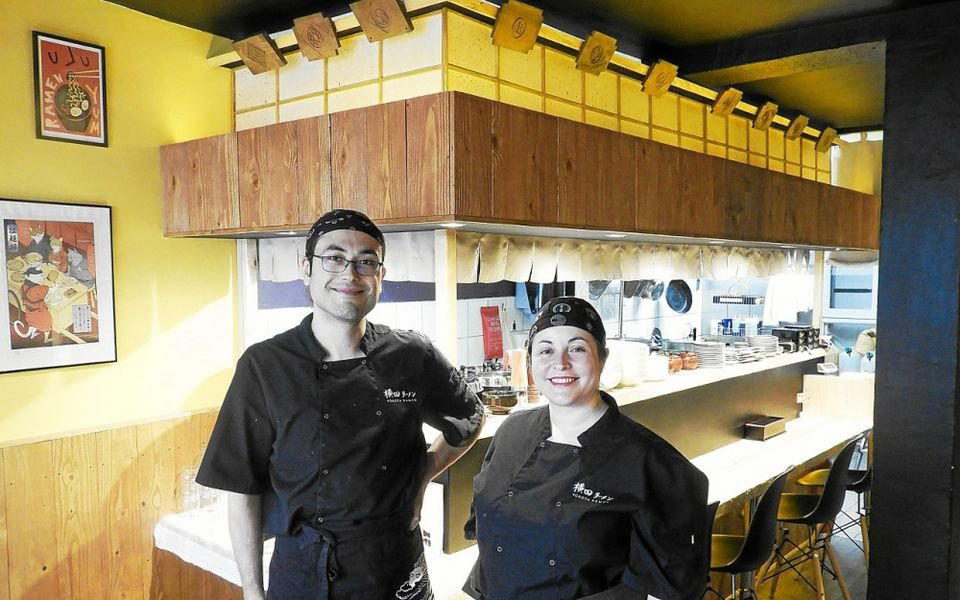
Ramen in a Port City: What Brest's Regulars Already Know
Brest is not a city that accumulates restaurant trends at the pace of Paris or Lyon. Its dining scene, shaped by Atlantic weather, a naval history, and a working population that values directness over ceremony, tends to reward places that deliver consistently rather than places that arrive with fanfare. That is the context in which Yokota Ramen on Rue Danton has built its following. The bowl is the proposition. The regulars are the evidence.
Japanese ramen culture has travelled well beyond Japan's borders over the past two decades, but its transplantation into French provincial cities has been uneven. In larger French cities, dedicated ramen houses now occupy a recognisable tier, serious broth operations with long cook times and a tight menu, while smaller cities often receive diluted versions folded into pan-Asian formats. Brest sits somewhere between those poles. The city has enough of an international population, connected to the naval base and the university, to sustain genuinely focused cooking from outside the Breton tradition, and Yokota Ramen appears to occupy that space. Among the Japanese addresses in the city, Hinoki operates at the premium end of the market (€€€€), while Yokota positions itself as the neighbourhood ramen address, the place regulars treat as routine rather than occasion.
The Address and What It Signals
Rue Danton runs through a central section of Brest that mixes everyday commerce with the kind of small independent restaurants that fill in around the larger addresses. It is not a destination street in the way that some Parisian arrondissements produce, but that is partly the point. Ramen, as a format, has always been most authentic when it operates outside the ceremony of fine dining. The great ramen counters of Tokyo's Shinjuku or Sapporo's Susukino district are not glamorous rooms. They are precise operations where the bowl is everything and the décor is secondary. That tradition, ramen as functional, repeated pleasure rather than event, maps well onto Brest's pragmatic eating culture.
For visitors to the city, the address is reachable on foot from the central areas around Place de la Liberté and the Commerce quarter. Brest's compact geography means most of the city's dining options, including L'Embrun for modern cuisine at the €€€ level, Désordre, and the casual address Kafe Gagarin, sit within reasonable walking distance of each other. Yokota adds a non-French dimension to that cluster.
What Keeps Regulars Returning
The editorial angle on Yokota is most honestly told through the behaviour of its repeat visitors. Regulars at a ramen counter do not return because the room is beautiful or because the chef has a public profile. They return because the broth is consistent, the noodles are made or sourced with attention, and the experience does not vary significantly from visit to visit. In a format as technically demanding as ramen, where broth construction can run twelve hours or longer, and where the balance between fat, salt, and umami is the product of accumulated adjustments, consistency is the primary credential.
The Japanese ramen tradition has spawned distinct regional styles: Sapporo's miso-heavy bowls, Tokyo's lighter shoyu preparations, Hakata's intensely rich tonkotsu. French ramen operations that earn a following tend to anchor to one or two of these styles rather than attempting the full spectrum. The existence of a regular clientele in a city this size is itself a form of peer review. Brest diners who eat ramen regularly have options, including the broader pan-Asian market, and consistent return to a single address says something measurable about what that address does correctly.
Comparison that matters for context is with places like L'arôme antique in Brest, which approaches a different part of the dining spectrum. Yokota occupies a more casual register, closer to the daily-meal end of the market than the occasion-dining end where addresses like Hinoki position themselves.
Ramen in the French Context
France's relationship with Japanese cuisine has deepened considerably since the early 2000s. Paris now has a sufficiently established Japanese restaurant community that its ramen houses, izakayas, and omakase counters form distinct competitive tiers. The same forces that produced the current generation of technically serious Japanese cooking in France, travel, training pipelines, and a French culinary culture genuinely open to outside technique, have begun filtering into provincial cities. The gap between what is available in Paris and what is available in a city like Brest has narrowed, even if it has not closed entirely.
For reference on the far end of the French fine dining scale, operations like Mirazur in Menton, Flocons de Sel in Megève, or Alléno Paris au Pavillon Ledoyen represent the Michelin-starred architecture of French dining. Yokota sits in an entirely different register, casual, repeated, neighbourhood-scaled, but that register is no less serious on its own terms. The same could be said of the great ramen counters that coexist in Tokyo with the kaiseki rooms that feed the guides. Format and occasion are different axes from quality.
French provincial cities have historically been strong ground for regional French cuisine, the lineage running from Auberge de l'Ill in Illhaeusern to Bras in Laguiole, but the contemporary reality is that younger urban populations in these cities eat across a much wider range of cuisines, and the restaurants that serve them well in those non-French categories are worth tracking.
Planning a Visit
Yokota Ramen is at 27 Rue Danton, 29200 Brest. Current hours are Mon: Closed; Tue: Closed; Wed: 7–10 PM; Thu: 7–10 PM; Fri: 7–10 PM; Sat: 7–10 PM; Sun: Closed, and reservations are recommended. Reservations are recommended, particularly on Friday and Saturday evenings. Checking current status directly before visiting is the sensible baseline.
Pricing sits around US$15 per person. For visitors building a broader Brest dining itinerary, pairing Yokota with one of the city's more considered dinner addresses across two evenings gives a reasonable cross-section of what the local scene can offer.
Cuisine and Recognition
Comparable venues nearby, for context on price, style, and recognition.
| Venue | Cuisine | Price | Awards | Notes |
|---|---|---|---|---|
| Yokota RamenThis venue — the venue you are viewing | Authentic Japanese Ramen | $ | Not listed | Not listed |
| Désordre | French Market Bistro | $$ | Not listed | Saint-Louis |
| Le Bistrot de P'tit Louis | French Bistro | $$ | Not listed | near Brest train station |
| Ripailles | Modern French Bistro | $$ | Not listed | Centre-ville |
| La Tentation des Mets | Modern French Bistro with Breton influences | $$ | Michelin Plate | Centre-ville |
| L'arôme antique | Authentic Italian | $$ | Not listed | Not listed |
Continue exploring
More in Brest
Restaurants in Brest
Browse all →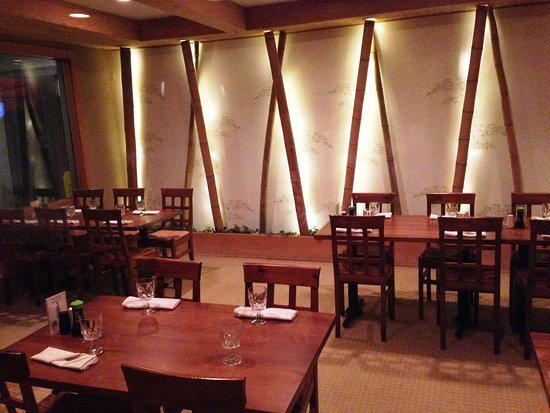
At a Glance
- Cozy
- Casual Hangout
- Date Night
- Open Kitchen
- Sake Program
Current opening hours
- Monday
- Closed
- Tuesday
- Closed
- Wednesday
- 7–10 PM
- Thursday
- 7–10 PM
- Friday
- 7–10 PM
- Saturday
- 7–10 PM
- Sunday
- Closed
Hours can change for holidays and private events. Last verified .
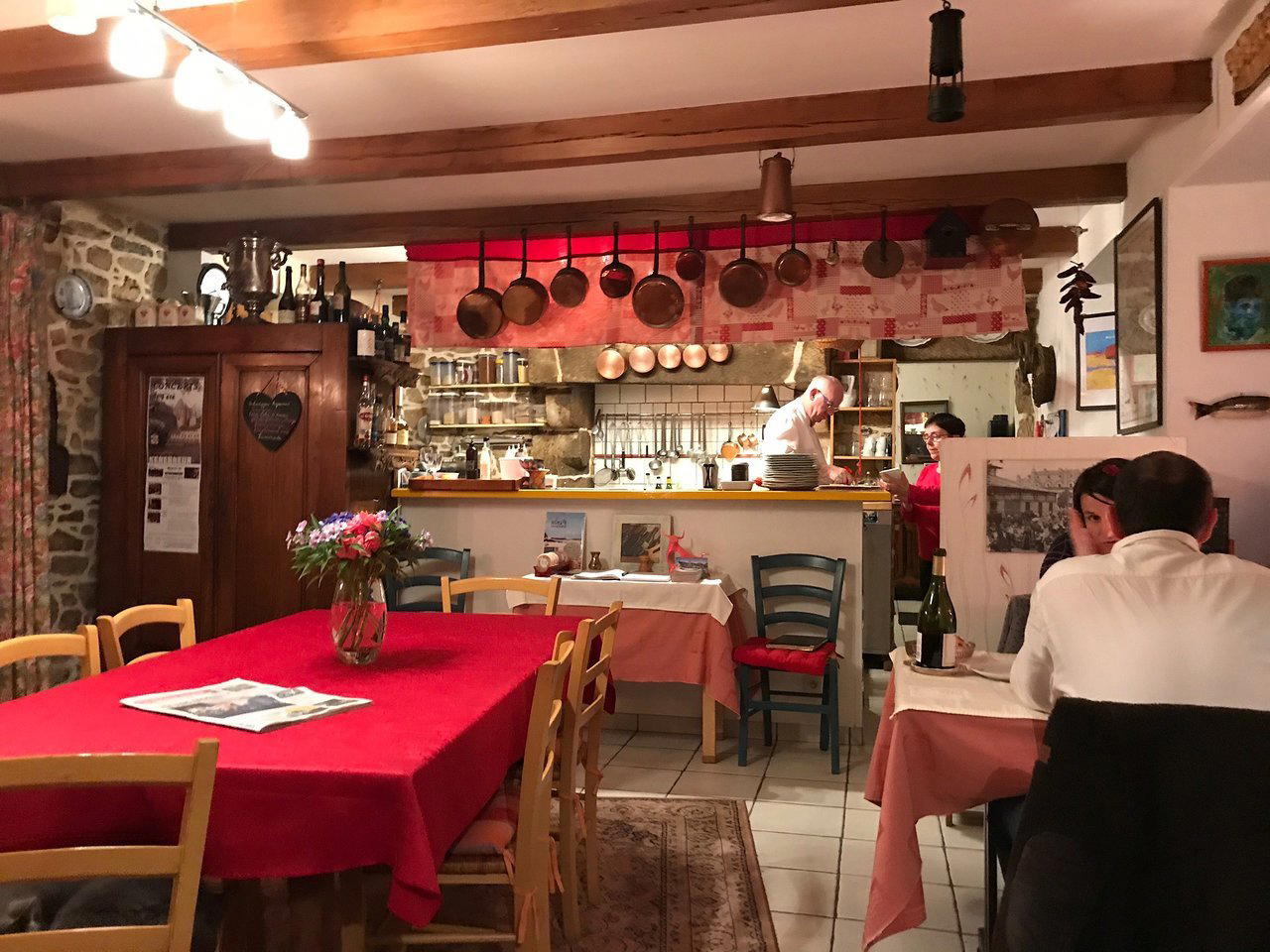
Cozy and charming with thoughtful Japanese decor creating an intimate atmosphere.