Le K2 Djola

Le K2 Djola brings Tibetan craft and urban boutique sensibility to Courchevel 1850, operating in the shadow of its larger sibling Le K2 Palace with 24 rooms and a food program that earned a Michelin Key in 2024. The afternoon tea service, shaped by pastry chef Sébastien Vauxion, signals the kitchen's seriousness. It's the more intimate, considered end of the K2 brand.
Pearl is the En Primeur Club membership app — saves, bookings, and concierge access live there. Same editors, same standards.
- Address
- 79 Rue de Plantret, 73120 Courchevel
- Phone
- +33 4 79 22 11 99
- Website
- lek2djola.com
- Directions
- Get directions
 Saves & bookings on Pearl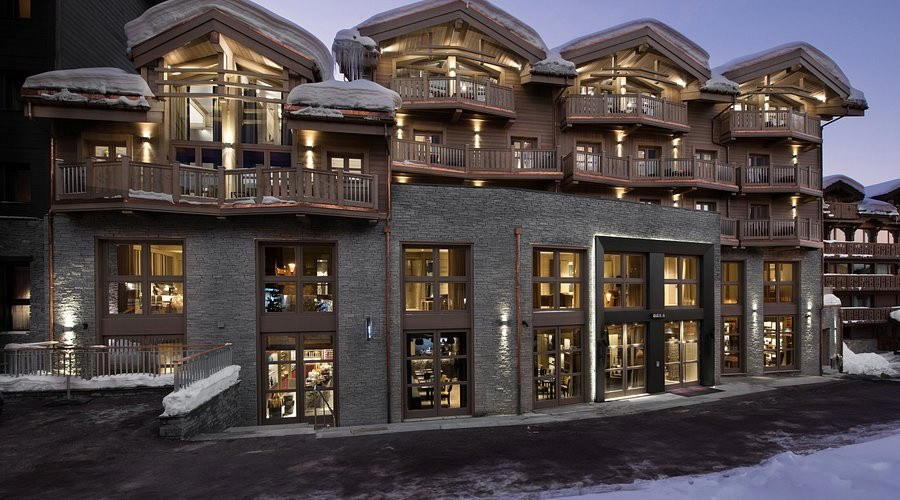
Where the Himalayas Meet the Trois Vallées
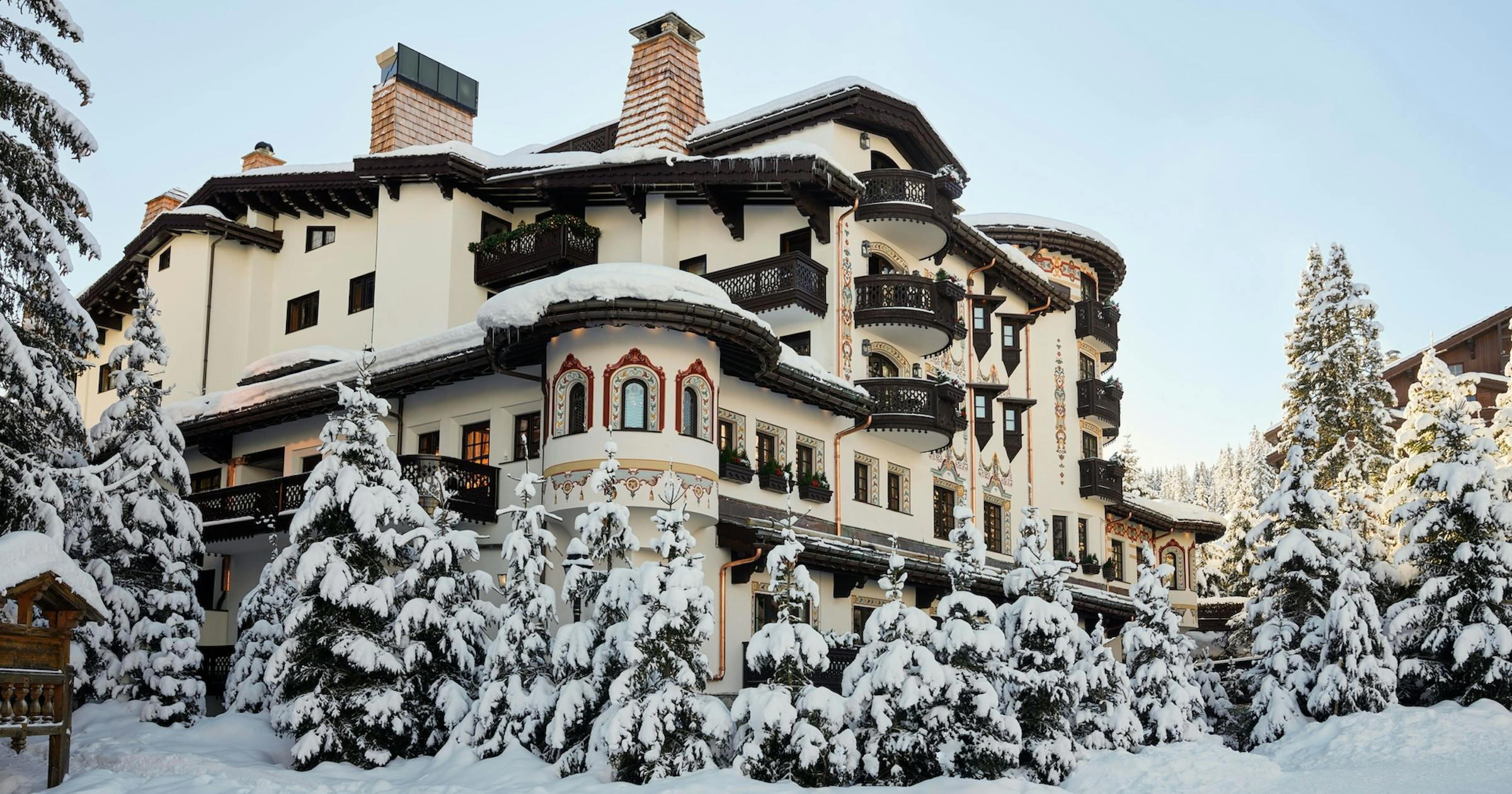
Arriving at Courchevel 1850 in ski season, the usual hierarchy asserts itself quickly: large palace hotels dominate the upper village, their lobbies signalling scale and status before you've handed over a key card. Le K2 Djola, at 79 Rue de Plantret, reads differently from the outside, 24 rooms, a Tibetan-influenced aesthetic, and a boutique-hotel finish that sits closer in spirit to design-led city properties than to the grand Alpine lodge tradition. The name confirms its position within the K2 family: djola is Tibetan for "little brother," a direct reference to the relationship with Le K2 Palace, the slightly larger and more lavish sibling further along the same resort network.
That sibling positioning is worth understanding before booking. The Courchevel 1850 market splits broadly between large palace operations, Cheval Blanc Courchevel, Aman Le Mélézin, L'Apogée Courchevel, and smaller, more intimate options. Le K2 Djola occupies the latter category, competing not on scale but on personality and food seriousness. At 24 rooms, it's among the more compact offerings at altitude in the resort, which means the experience tracks closer to a private house rhythm than a hotel operation. Compare that to Annapurna or Hôtel Barrière Les Neiges, both of which operate at considerably larger footprints, and the difference in atmosphere becomes clear without needing to cross a threshold.
The Tibetan Thread: Craft, Material, Identity
Mountain hotels in the Alps tend to pull from a narrow decorative repertoire: dark timber, stone fireplaces, antler details, and wool textiles in earth tones. The K2 properties broke from that convention by anchoring their visual identity in Tibetan craft. This is not a superficial theming exercise, Tibetan artisanship runs through the furnishings, decorative objects, and materials in ways that require sourcing, not set dressing. The approach gives Le K2 Djola a coherent identity that distinguishes it from the interchangeable luxury-chalet finish that dominates this altitude bracket.
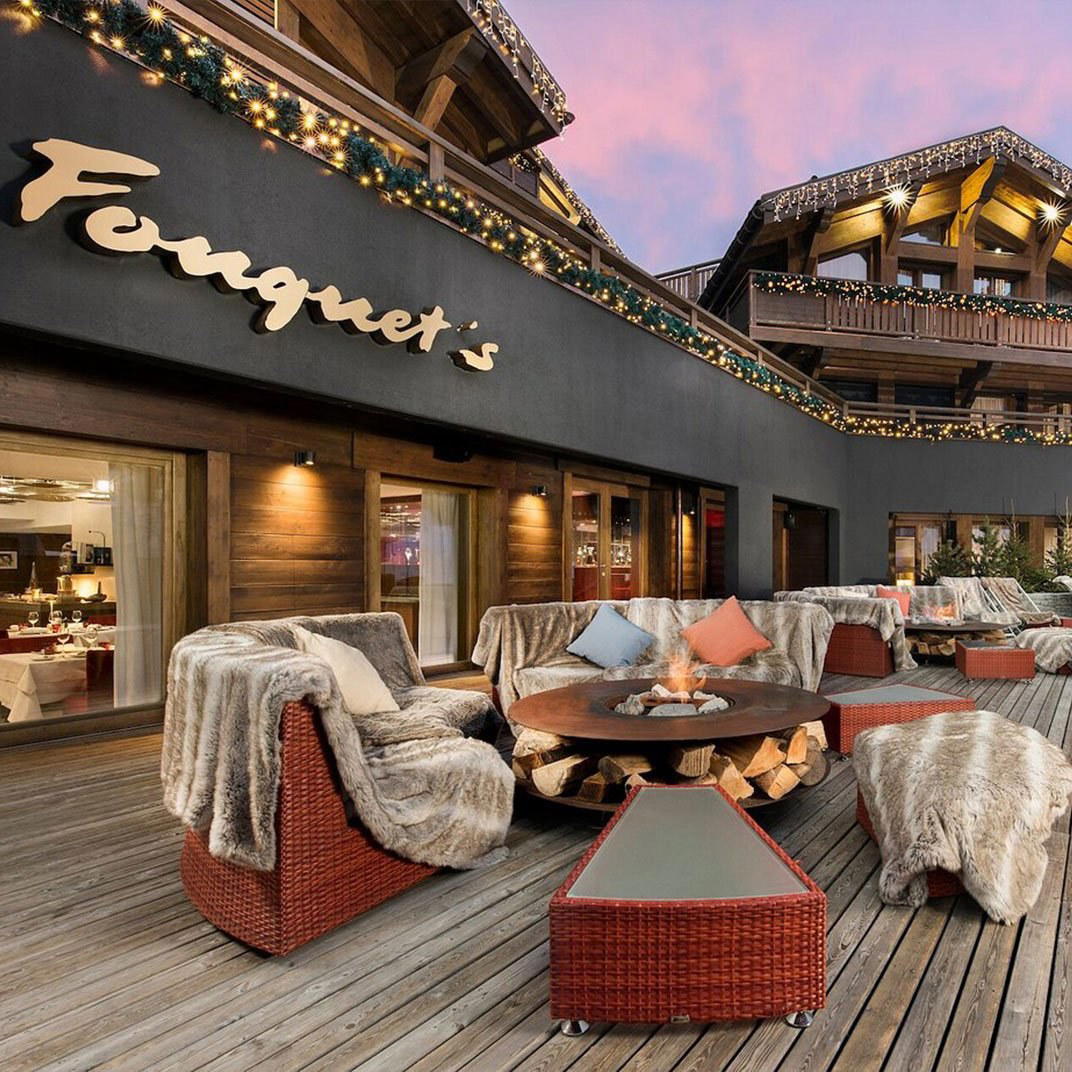
The result is a hotel that reads as considered rather than produced. Where many Alpine properties layer on-brand warmth over functional ski-hotel bones, Le K2 Djola's Himalayan character functions as a genuine design system, giving it what the venue's own positioning calls an "urban vibe", a boutique-hotel sheen that remains relatively uncommon in mountain hospitality. That stylistic specificity is part of what earns it a place in the conversation alongside properties like Fouquet's Courchevel and Alpes Hôtel Pralong, even at a smaller footprint.
Food as a Structural Commitment
In the French Alps, food programs at luxury hotels can feel secondary to the ski product, a checkbox rather than a conviction. Courchevel 1850 has pushed back against that tendency harder than most Alpine resorts in France, partly because the guest profile demands it and partly because the density of serious operators raises the floor for everyone. The hotel's 2024 Michelin Key award is the clearest external signal of where the food program sits: the Michelin Key designation, introduced in 2024 as a category specifically for hotel lodging experiences, recognises properties where the overall hospitality experience reaches a standard the guide considers worth directing travellers toward. It is a trust signal applied to the whole property, not a restaurant star, which makes it meaningful in this context.
The food sourcing question matters here. At altitude in the Savoie, ingredient provenance carries particular weight. Courchevel's proximity to the Tarentaise valley, with its traditions around Beaufort cheese, Savoyard charcuterie, and Alpine dairy products, gives kitchen teams access to ingredients that are not generic European luxury supply-chain staples. The breakfast spread at the hotel reflects this, the meal is described as impressive in scope, which at a 24-room property means it's being curated rather than produced at hotel-catering volume. For our full Courchevel restaurants guide, ingredient provenance across the resort's dining scene is a consistent differentiator between properties operating at the level of the K2 brand and those treating food as a supporting service.
Pastry as a Barometer
The afternoon tea service at the hotel is worth examining as an editorial case study in what serious hospitality looks like at smaller scale. Pastry chef Sébastien Vauxion is credited with the afternoon tea program, and the specificity of that attribution, naming the individual responsible for what is often the least-noticed meal slot, signals an institutional seriousness about food that is not universal in Alpine hotel operations. The afternoon tea format has been resurgent across French luxury properties, partly because it activates the kitchen outside peak meal service and partly because it offers guests a reason to remain on property during the mid-afternoon window when skiers return from the slopes. Where properties like Cheval Blanc Paris or Hotel Du Cap-Eden-Roc use afternoon programming to extend the guest day, the hotel applies the same logic at mountain scale, with pastry work described as beautiful in its construction.
Vauxion's presence is a credential within a broader pattern: Courchevel's upper-tier properties have increasingly recruited kitchen talent whose profiles belong in the conversation with urban fine-dining addresses. The Four Seasons Megève operates along similar lines in the neighbouring resort. The shift matters because it changes what a guest can expect from hotel dining in the mountains, it's no longer a concession to location, but a deliberate program with named talent and tracked output.
Positioning Within the K2 Family and the 1850 Market
Understanding where the hotel sits requires understanding the K2 brand as a whole. The two K2 properties operate as a linked pair, with the Palace carrying the larger footprint and greater lavishness. The Djola is explicitly the more intimate, younger sibling, a dynamic that plays differently depending on what the guest is optimising for. For travellers who find that large palace hotels in Courchevel 1850 sacrifice individual attention to scale, the 24-room count at the hotel is a structural advantage. For those who want the full K2 brand experience at maximum intensity, Le K2 Palace is the correct entry point. Both sit in the same competitive tier as Aman Le Mélézin and above operators like Alpes Hôtel Pralong in terms of food program ambition and design commitment.
For French luxury properties more broadly, the hotel sits in a tier that includes design-forward boutique addresses at altitude, a category that has grown as the French Alps market matures and guests start comparing mountain properties to urban luxury standards. Properties like La Réserve Ramatuelle and Villa La Coste set the template in warmer French geographies for what design-led small-scale luxury looks like outside the palace tradition. The hotel applies a version of that logic to the ski market, with Tibetan craft rather than Provençal stone as the material vocabulary.
Planning Your Stay
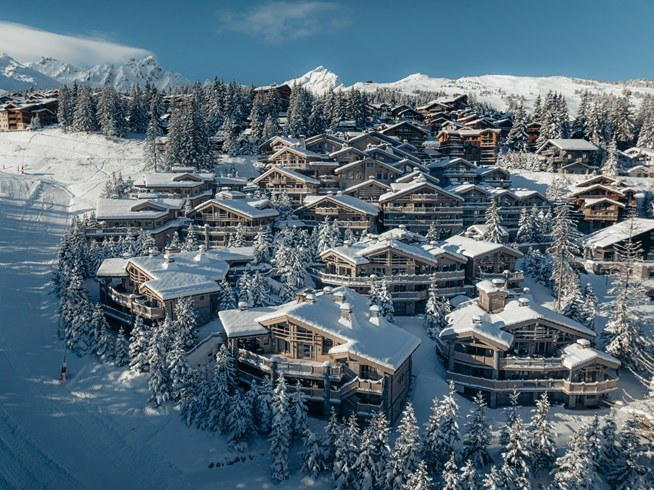
The hotel operates at 79 Rue de Plantret in Courchevel 1850, the highest village in the Courchevel resort system and the access point for the Trois Vallées ski area. With 24 rooms, availability tightens sharply in peak season, the Christmas-New Year window and the February school holiday periods are historically particularly competitive weeks to book in Courchevel at this level. The Michelin Key recognition has added an additional layer of visibility to the property. Pricing starts at about $815 per night, and availability should be confirmed directly with the property given the limited room count. For travellers building a broader French luxury itinerary, the K2 Djola works as an Alpine anchor alongside properties like Les Sources de Caudalie in Bordeaux or Domaine Les Crayères in Reims.
Cuisine Context
Comparable venues nearby, for context on price, style, and recognition.
| Venue | Cuisine | Price | Awards | Notes |
|---|---|---|---|---|
| Le K2 DjolaThis venue — the venue you are viewing | Contemporary mountain resort hotel blending city sophistication with alpine serenity | $$$$ | Michelin 1 Key | Not listed |
| Annapurna | Family-run luxury alpine boutique hotel blending rustic-style architecture with modern comfort and personalized service. | $$$$ | Michelin 1 Key | Courchevel (Commune Non Irisée) |
| Fouquet's Courchevel | Chalet-style luxury palace blending mountain authenticity with contemporary refinement. | $$$$ | 5-Star | Courchevel (Commune Non Irisée) |
| Rosewood Courchevel | Contemporary alpine chalet blending 1940s-1950s Courchevel roots with modern luxury | $$$$ | 5-Star | Courchevel (Commune Non Irisée) |
| Les Trois Vallées, Beaumier Hotel | Mid-century modern Alpine auberge with original 1950s designer furniture. | $$$$ | 4-Star | Courchevel (Commune Non Irisée) |
| Les Airelles | 19th-century Austro-Hungarian palace reimagined as a contemporary alpine luxury resort with traditional woodcarving, stained glass, and regal furnishings throughout. | $$$$ | 5-Star | Courchevel (Commune Non Irisée) |
Recognition history
Dated appearances from independent guides and award organizations, with the underlying list record or original source where available.
Michelin 1 Key
Michelin
Michelin 1 Key
Michelin
Continue exploring
More in Courchevel
Hotels in Courchevel
Browse all →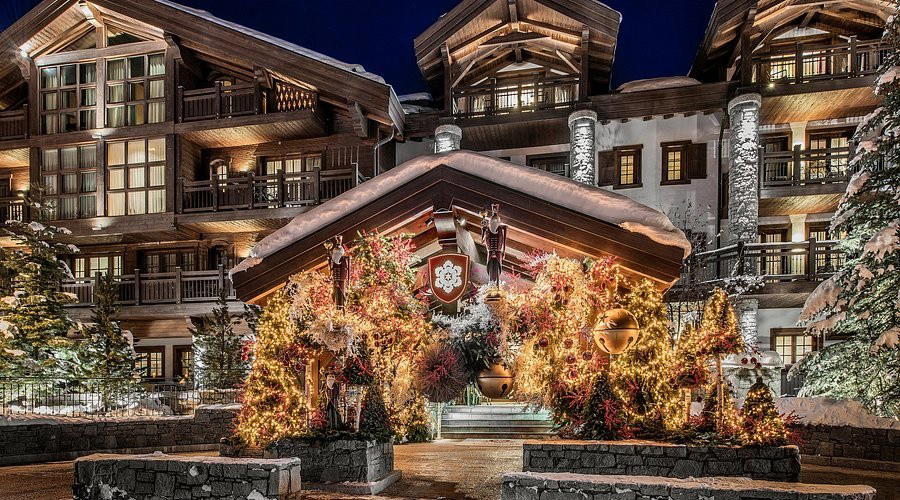
At a Glance
- Elegant
- Sophisticated
- Cozy
- Intimate
- Romantic Getaway
- Family Vacation
- Weekend Escape
- Ski In Ski Out
- Panoramic View
- Terrace
- Wi Fi
- Spa
- Sauna
- Room Service
- Concierge
- Laundry Service
- Mountain
- Wi Fi
- Spa
- Sauna
- Room Service
- Concierge
- Laundry Service
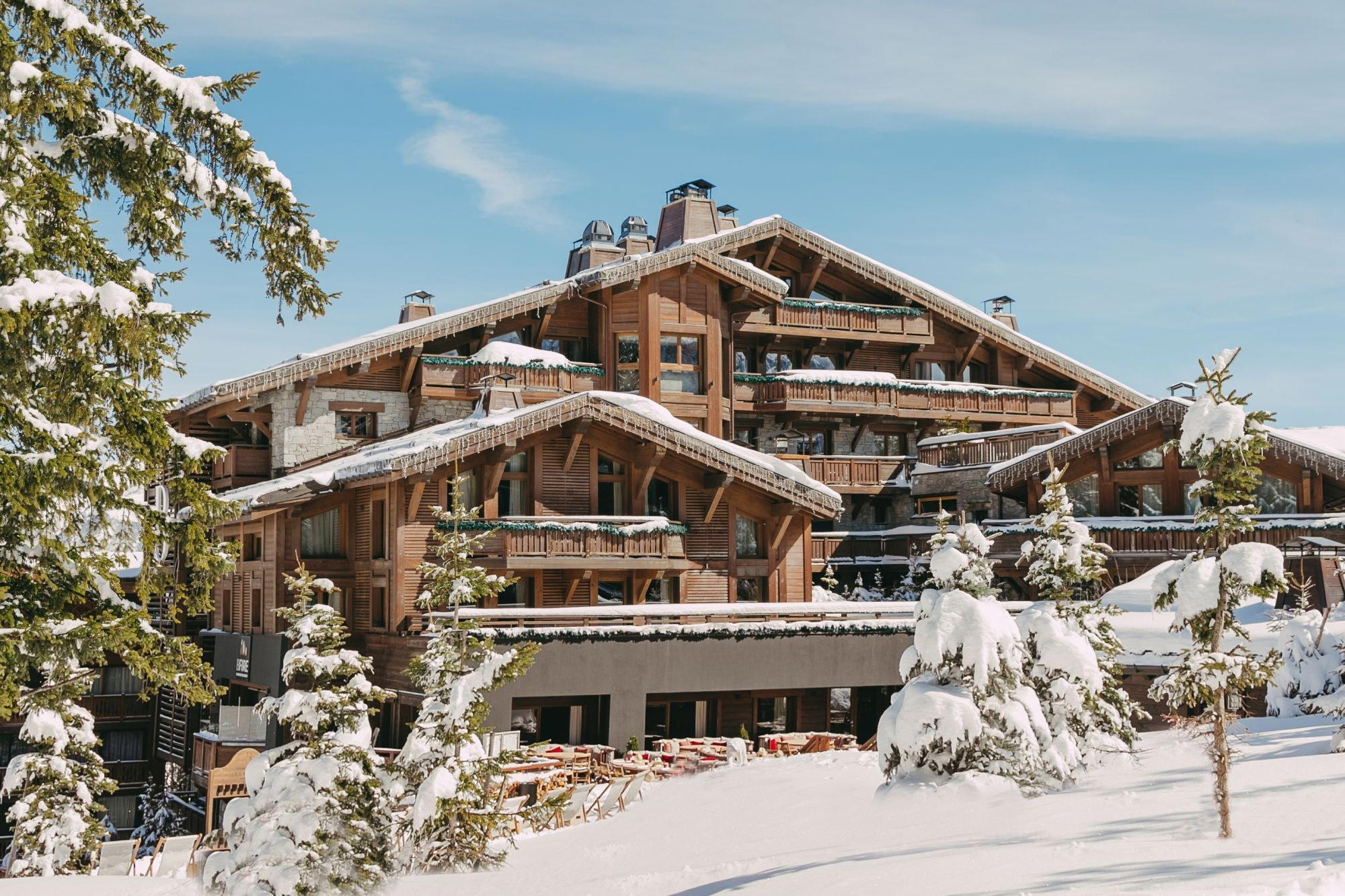
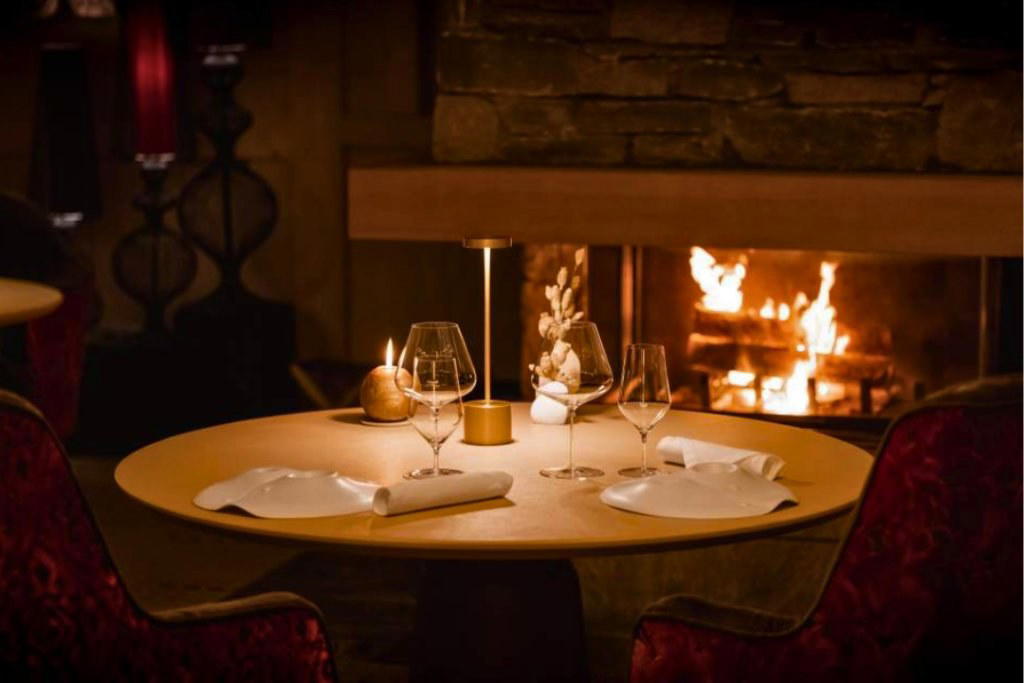
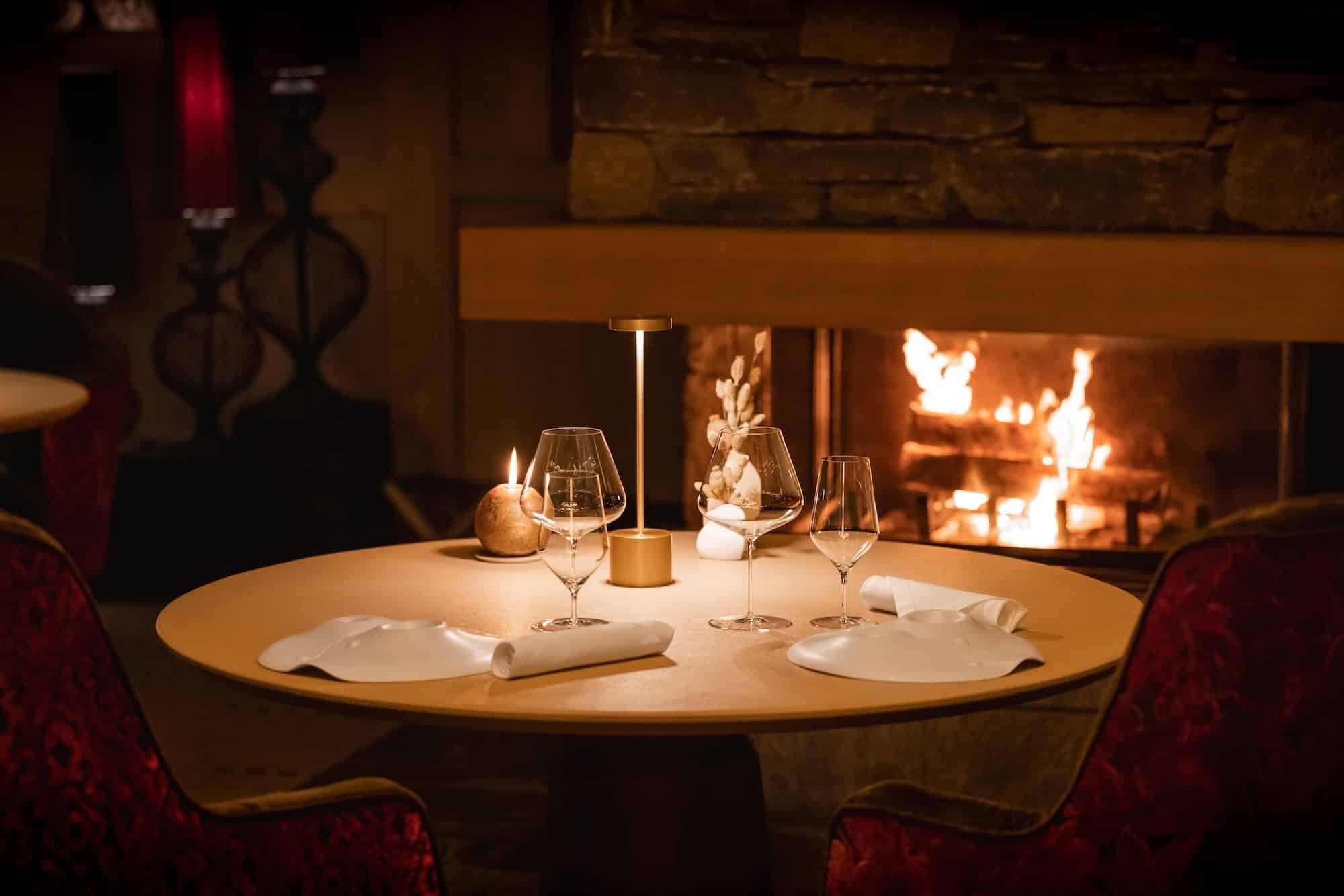
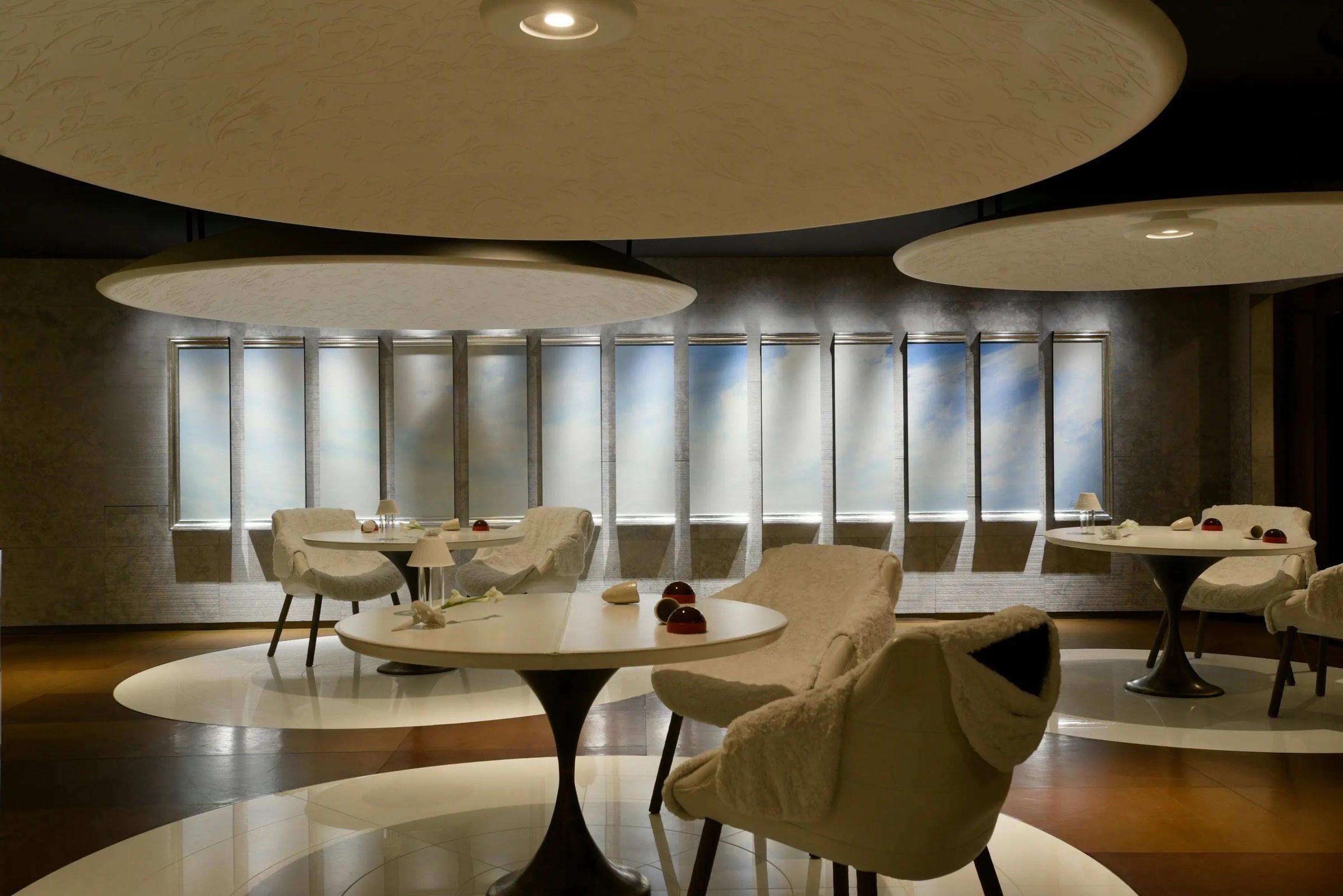
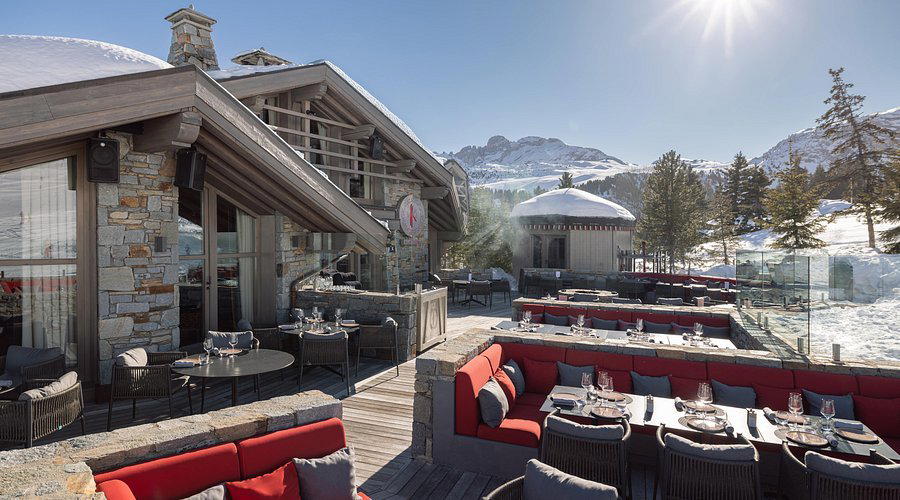
Elegant and serene with warm wooden furniture, soft lighting from large bay windows, and a cozy lounge featuring a fireplace.