A La Marmite Dieppoise sits on Rue Saint-Jean in the heart of one of Normandy's most storied fishing ports, where the Channel's catch has shaped local cooking for centuries. The restaurant takes its name from the marmite dieppoise, a regional shellfish stew that distills the harbour's daily haul into a single pot. For visitors tracing Dieppe's seafood tradition, this address anchors the argument.
Pearl is the En Primeur Club membership app — saves, bookings, and concierge access live there. Same editors, same standards.
- Address
- 8 Rue Saint-Jean, 76200 Dieppe, France
- Phone
- +33235842426
- Website
- marmitedieppoise.fr
- Directions
- Get directions
 Saves & bookings on Pearl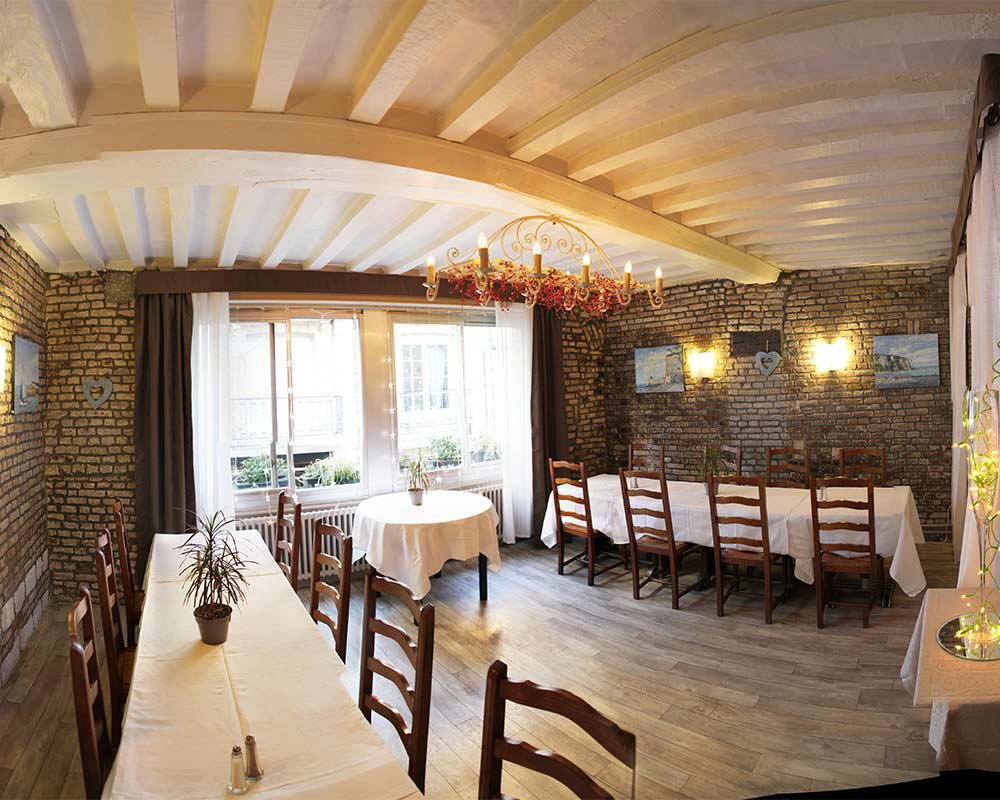
Where the Harbour Ends Up on the Plate
Rue Saint-Jean cuts through central Dieppe a short walk from the waterfront quays, and the approach to A La Marmite Dieppoise tells you something useful about how this town organises itself around its seafood. The boats unload at the port, the catch moves through the town's markets and suppliers, and it ends up, a few hours later, in the pots of restaurants like this one. That chain is short. Dieppe has operated as a working fishing port for centuries, and the culinary tradition that grew up around it is defined by proximity: what swims in the Channel this morning is what you eat tonight.
The restaurant's name is not decorative. The marmite dieppoise is a Norman seafood stew with a specific regional identity, a preparation built around sole, mussels, scallops, shrimp, and sometimes turbot or other local fish, simmered in a cream and white wine broth with vegetables and herbs. It is the kind of dish that exists because a particular place happens to produce particular ingredients in quantity, and it has acted as the culinary signature of this coastline for generations. Ordering it here is less a restaurant decision than a geographical one.
The Source Argument: Why Dieppe's Catch Matters
France's leading seafood kitchens draw from many sources. Le Bernardin in New York City built its reputation on sourcing discipline applied to imported French and global product. Mirazur in Menton works the Mediterranean coastline with equal rigour. What Dieppe offers is different: not a chef's sourcing vision projected onto a menu, but a port town's direct relationship with a single body of water, the English Channel, that happens to be among Europe's most productive fishing grounds.
The Channel yields sole, scallops, herring, mackerel, turbot, lobster, and a range of bivalves including the oysters and mussels that feature in the marmite. Dieppe's position on the Normandy coast, roughly equidistant between Le Havre and the Somme estuary, puts it at the intersection of tidal systems that concentrate both variety and volume. That is the material that local restaurants like A La Marmite Dieppoise work from, and it is the reason that eating at a mid-tier seafood address in Dieppe can still deliver product quality that formal dining rooms elsewhere work hard to source.
Peer restaurants in the city reflect the same supply logic. Bistrot du Pollet and Comptoir à Huîtres both operate in the seafood register, with Bistrot du Pollet sitting at a comparable price point and Comptoir à Huîtres leaning more specifically into oysters and raw bar formats. A La Marmite Dieppoise positions itself around the cooked Norman tradition, where cream sauces, cider reductions, and butter-mounted broths frame the catch rather than presenting it raw.
Norman Cooking in Context
Normandy's culinary identity rests on a specific set of dairy and seafood products, and the region's cooking technique reflects both. Cream, butter, Calvados (apple brandy), cider, and fresh herbs are the structural ingredients around which seafood preparations are built. This is not the Mediterranean approach of olive oil, acidity, and restraint, it is a richer, more mineral-forward tradition shaped by Atlantic weather and pastoral agriculture on the cliffs above the coast.
That tradition is distinct from what you find at France's more celebrated fine dining addresses. Alléno Paris au Pavillon Ledoyen, Troisgros, or Bras in Laguiole work within contemporary French haute cuisine frameworks where regional identity is a starting point that technique then transforms. In Dieppe's seafood restaurants, the relationship runs the other direction: the product and the region define the outcome, and the cooking serves the ingredients rather than reinterpreting them. That is a different value proposition, and for visitors who understand the distinction, it is not a lesser one.
The wider Normandy dining scene is underappreciated relative to regions like Burgundy, Alsace (see Au Crocodile in Strasbourg and Auberge de l'Ill in Illhaeusern), or Champagne (Assiette Champenoise in Reims). But the coast between Dieppe and Fécamp produces particularly direct seafood eating in France, where the gap between sea and table is measured in hours and the cooking vocabulary has not been updated by trends.
Reading the Dieppe Seafood Tier
Within Dieppe itself, the seafood restaurant offer splits across a few recognisable tiers. At the leading sits Les Voiles d'Or, which works in a modern cuisine register and prices accordingly. La Musardière represents a different format again. The restaurant occupies the traditional middle ground: a restaurant that treats the marmite and its companion dishes as the point of the meal, rather than as a regional reference inside a more contemporary menu. Arthur's Restaurant and Bar serves a different audience, broader in format and less anchored to Norman tradition.
For a full picture of where the restaurant fits among the city's dining options, our full Dieppe restaurants guide maps the scene across price points and cuisine types.
Planning Your Visit
The restaurant is located at 8 Rue Saint-Jean, 76200 Dieppe, within easy walking distance of the town centre and the port. Dieppe is accessible by train from Paris Saint-Lazare in approximately two hours, and the town is compact enough to navigate on foot once you arrive. Normandy's seafood season runs year-round, but scallop availability peaks from October through April, making the autumn and winter months particularly strong for the marmite and related preparations.
Fast Comparison
Comparable venues nearby, for context on price, style, and recognition.
| Venue | Cuisine | Price | Awards | Notes |
|---|---|---|---|---|
| A La Marmite DieppoiseThis venue — the venue you are viewing | Traditional French Seafood | $$ | Not listed | Not listed |
| Le Petit Léon | Modern French Bistronomic Seafood | $$$ | Not listed | Port |
| Le Turbot | Traditional French Seafood | $$ | Not listed | Le Pollet |
| Le Bistrot des Barrières | Traditional French Bistro | $$ | Not listed | Arcades de la Poissonnerie |
| Bistrot du Pollet | French Seafood Bistro | $$ | Bib Gourmand | Pollet |
| Comptoir à Huîtres | French Seafood Bistro | $$ | Michelin Plate | Cour de Dakar |
At a Glance
- Classic
- Rustic
- Cozy
- Family
- Casual Hangout
- Special Occasion
- Historic Building
- Local Sourcing
Current opening hours
- Monday
- Closed
- Tuesday
- 10 AM–1:30 PM, 6–9 PM
- Wednesday
- Closed
- Thursday
- 10 AM–1:30 PM, 6–9 PM
- Friday
- 10 AM–1:30 PM, 6–9 PM
- Saturday
- 10 AM–1:30 PM, 6–9 PM
- Sunday
- 10 AM–1:30 PM
Hours can change for holidays and private events. Last verified .
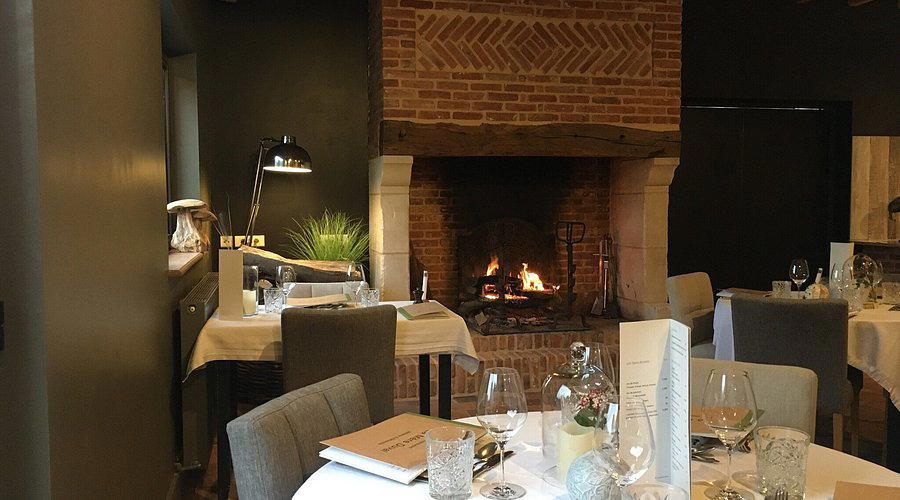
Simple and welcoming dining room in a small brick house with a focus on fresh, homemade cooking.