Le Bistro du Grand Cerf

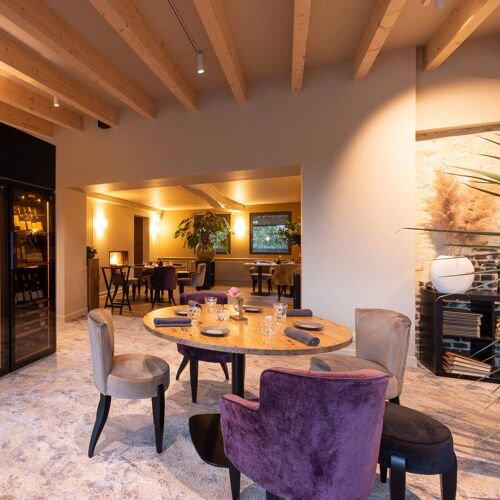
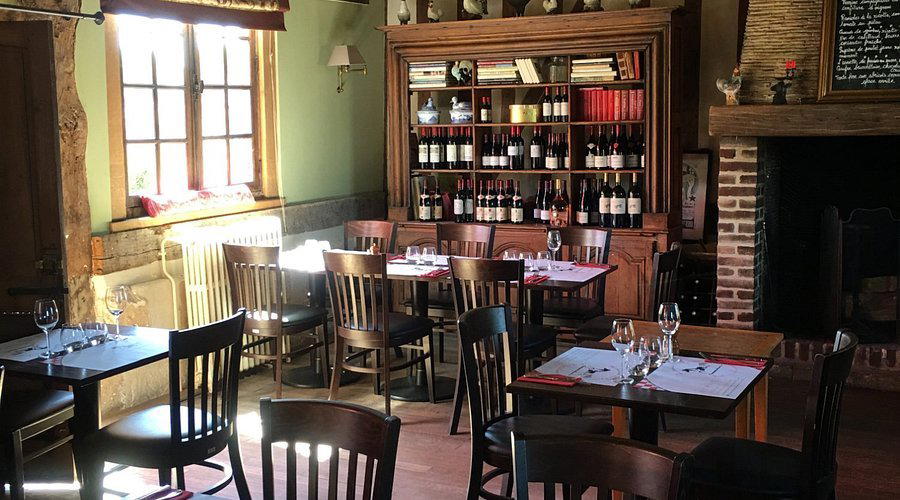
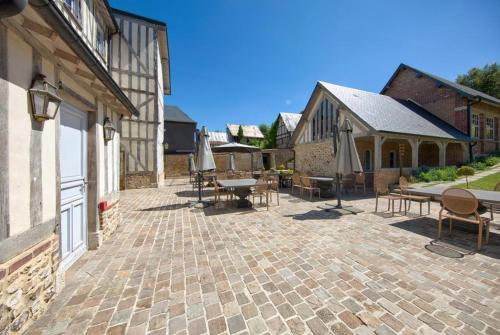
A Michelin Plate-recognised neo-bistro in the Norman village of Lyons-la-Forêt, Le Bistro du Grand Cerf serves terroir-driven bistro cooking inside a room of exposed beams and brickwork, with a terrace opening onto a cobbled courtyard. The €€ price range sits well below the region's destination-dining tier, making it one of the more accessible routes into serious Norman cooking.
Pearl is the En Primeur Club membership app — saves, bookings, and concierge access live there. Same editors, same standards.
- Address
- la 6, Rue Froide rue 27480, 27480 Lyons-la-Forêt, France
- Phone
- +33 2 32 49 50 50
- Website
- grandcerf.fr
 Saves & bookings on Pearl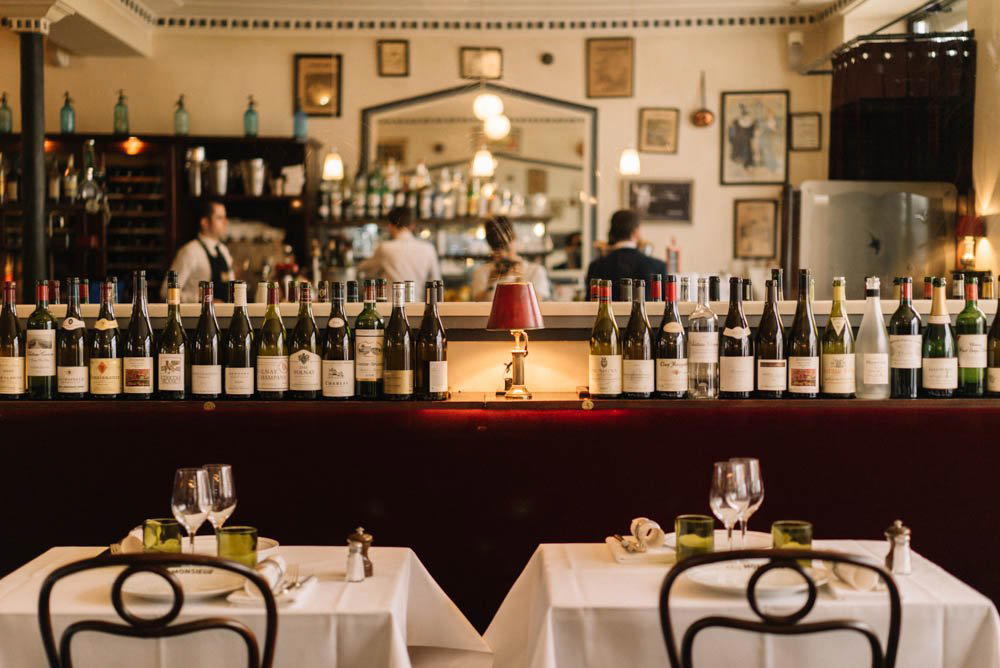
A Cobbled Courtyard in the Pays de Bray
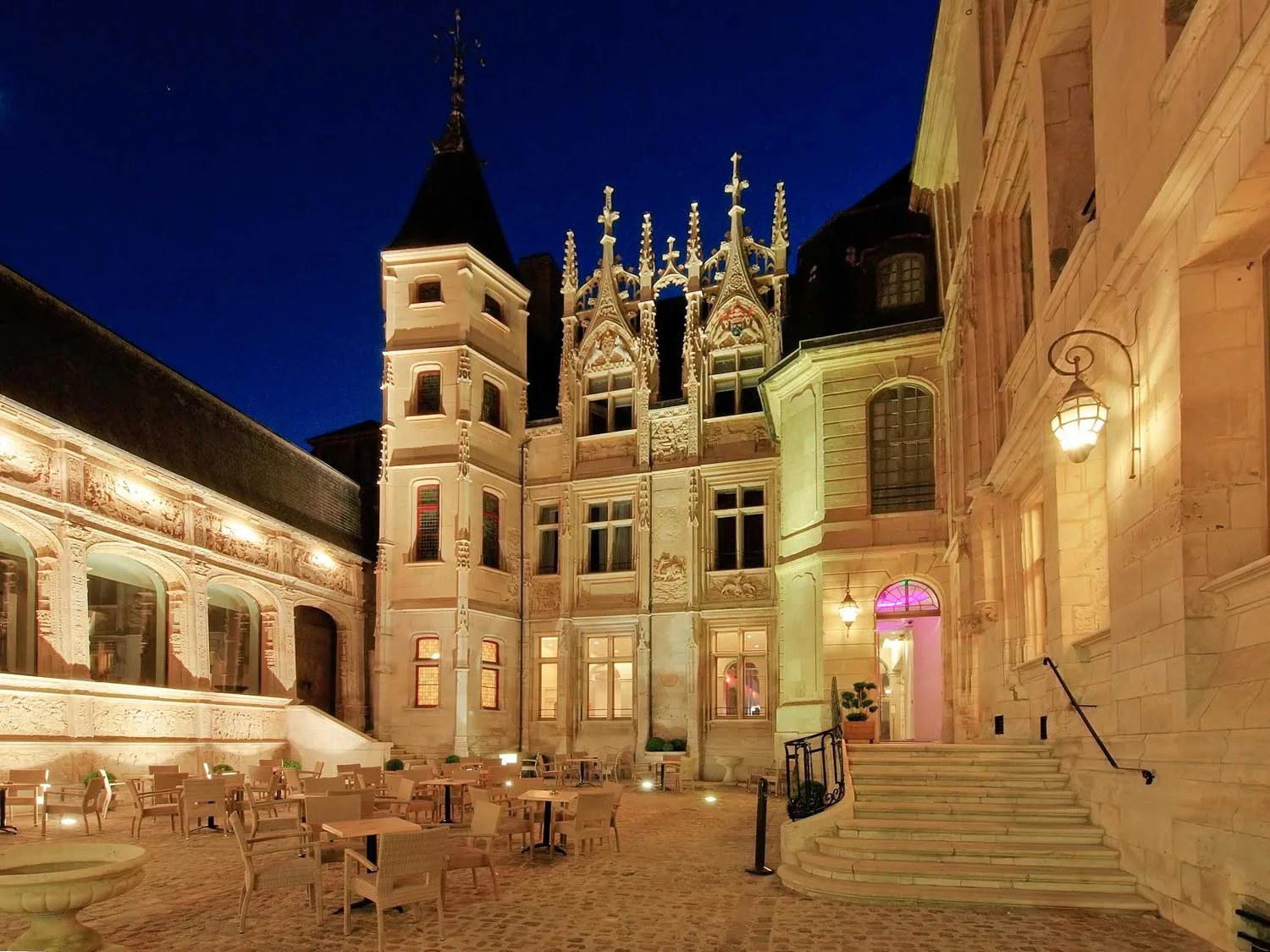
The approach to Le Bistro du Grand Cerf sets expectations accurately. Lyons-la-Forêt itself is a village of half-timbered facades and quiet market squares in the Haute-Normandie interior, the kind of place where the architecture has been doing the same thing for several centuries and shows no sign of stopping. The bistro's terrace gives onto a cobbled courtyard, and inside, exposed beams and brickwork establish the register before a single dish arrives. This is not a room that gestures toward rusticity; it is the genuine article, and the cooking is calibrated to match.
The Michelin Plate in 2025 places Le Bistro du Grand Cerf inside the Guide's recognition tier for good cooking without the star apparatus. At the €€ price point, it sits in the mid-range.
Norman Terroir and the Logic of Bistro Cooking
The kitchen works within a clear internal logic. Normandy's agricultural identity rests on dairy, apple orchards, sea fisheries, and a pasture culture that produces some of France's most characterful beef and lamb. Bistro cooking in this region is not a stripped-down version of something grander; it is a distinct format with its own disciplines, where the quality of the primary ingredient carries more weight than the complexity of the technique applied to it. Cream, cider, and calvados appear not as nostalgia but as functional flavour architecture suited to the produce they accompany.
That framing positions Le Bistro du Grand Cerf in a lineage that runs through the working auberges of rural France rather than the grand-cuisine tradition represented by three-star houses like Troisgros in Ouches or Paul Bocuse in Collonges-au-Mont-d'Or. The Michelin Plate here signals competence and integrity within that bistro frame. This distinction matters for readers calibrating their expectations: the meal will be honest and grounded, not theatrical.
Across France's regional dining circuit, the bistro format has experienced a quiet reassessment. A generation of cooks with serious training, including some who came through the kitchens that earned houses like Bras in Laguiole or Auberge de l'Ill in Illhaeusern their reputations, returned to simpler formats and smaller rooms. Le Bistro du Grand Cerf pairs a traditional format with contemporary attention to sourcing and execution. The exposed-beam room and cobbled courtyard are not a costume; they reflect a genuine commitment to place.
The Village as Context
Lyons-la-Forêt has a relationship with serious dining that predates recent culinary trends. The town sits inside the Forêt de Lyons, one of the largest beech forests in France, and draws visitors for walking, cycling, and the village's photogenic medieval market hall. Its restaurant offer is modest in volume but not in quality, and the Grand Cerf sits inside that compact field alongside contemporaries like La Licorne Royale, which works the modern end of Norman cuisine.
The bistro's position in the village square, combined with its terrace and courtyard access, makes it a natural lunch stop for visitors arriving by car from Rouen (roughly 35 kilometres west) or from the Paris basin, for whom the Vexin and Bray plateau have long served as a weekend escape. Reservations are recommended, especially on summer weekends and market days.
Where It Sits in the French Dining Spectrum
France's restaurant spectrum runs a considerable distance from the €€ bistro floor to the €€€€ ceiling occupied by the country's destination-dining institutions. Between those poles, the most interesting restaurants are often the ones that have accepted a specific brief: cook the region, cook it well, and price it honestly. That brief describes what the 2025 Michelin Plate recognises in Le Bistro du Grand Cerf. It does not compete with Flocons de Sel in Megève, AM par Alexandre Mazzia in Marseille, or Assiette Champenoise in Reims; it operates in a different register by design.
For comparison within the traditional-cuisine category, houses like Auberge Grand'Maison in Mûr-de-Bretagne and Auga in Gijón represent the same general commitment to regional product and bistro-adjacent formats in their own territories. What connects these places is not a shared style but a shared discipline: the refusal to abstract the cooking from the land that supplies it. Au Crocodile in Strasbourg offers a useful contrast from the Alsatian tradition, where the formal register is higher but the regional-product logic is equally central.
Planning a Visit
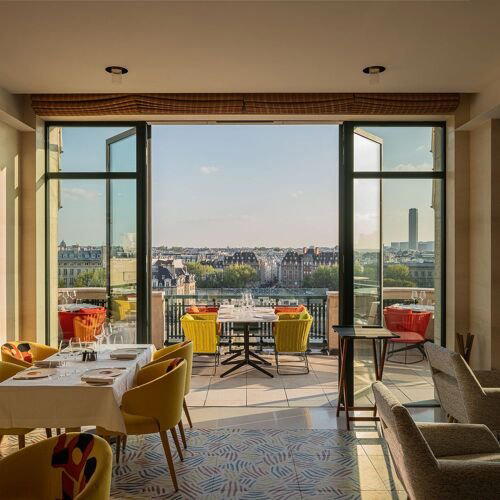
Le Bistro du Grand Cerf carries a €€ price designation, placing it in comfortable reach of a midweek lunch or a low-key dinner without the financial commitment of a starred occasion. The Google rating of 4.0 across 251 reviews reflects solid approval. The Michelin Plate in 2025 adds independent recognition of the kitchen's standard. The terrace and cobbled courtyard make the room especially suited to fine-weather visits, and the village setting rewards arriving with time to walk before or after eating. Given Lyons-la-Forêt's status as a weekend destination, booking ahead for Saturday lunch or during peak summer months is the prudent approach.
Price and Positioning
Comparable venues nearby, for context on price, style, and recognition.
| Venue | Cuisine | Price | Awards | Notes |
|---|---|---|---|---|
| Le Bistro du Grand Cerf | $$$ | Michelin Plate | Lyons-la-Forêt, Traditional French Bistro | |
| Les Halles | $$ | , | Lyons-la-Forêt village center, Traditional Norman Bistro | |
| La Licorne Royale | $$$ | Michelin 1 Star | Lyons-la-Forêt, Modern French Fine Dining | |
| Frenchie Pigalle | Pigalle, Modern French Bistro | $$$ | Michelin Plate | |
| Le Clos de la Prairie | Gouy-Saint-André, Seasonal French Bistro | $$$ | Michelin Plate | |
| D'une Île | $$$ | Michelin Plate | Rémalard-en-Perche, Rustic French Farm-to-Table |
Continue exploring
More in Lyons-la-Forêt
Restaurants in Lyons-la-Forêt
Browse all →
At a Glance
- Rustic
- Cozy
- Romantic
- Elegant
- Date Night
- Special Occasion
- Terrace
- Open Kitchen
- Extensive Wine List
- Local Sourcing
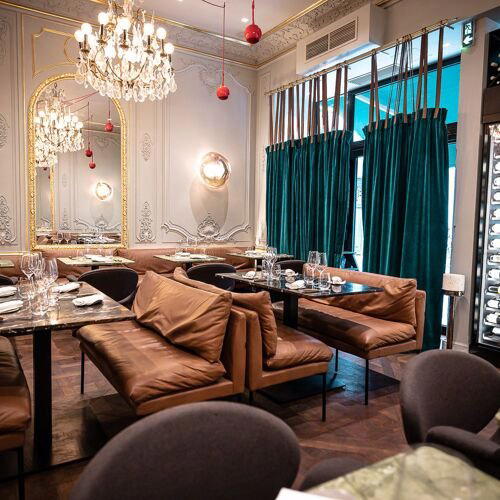
Cosy chalet de forêt atmosphere with exposed beams, brick, and warm Norman rustic charm.