Enoteca Capponi

Gambero Rosso 2 Forchette
Our verdict
Enoteca Capponi belongs to Lausanne’s quieter Italian register: wine-led dining, ingredient discipline, and a room built around conversation rather than spectacle. Its Gambero Rosso two-fork designation gives it a useful external marker for readers weighing Italian cooking in a city better known internationally for lakefront hotels, French-speaking Swiss polish, and high-end tasting-menu culture.

Pearl is the En Primeur Club membership app, where members save venues, book tables and use the concierge.
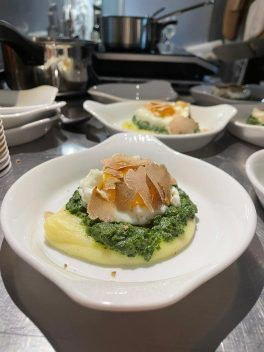
Approach Lausanne dining through its rooms and the city divides quickly. In some places, formality can arrive with polished service and carefully staged meals; elsewhere in the city, the pleasure is often smaller in scale, closer to the rhythm of regulars, bottles opened at the table, and cooking that depends less on theatre than on clarity. Enoteca Capponi sits in that second current. The cue is in the word enoteca: the table is best read through wine culture, product-led thinking, and a preference for dishes that feel direct rather than perform loudly.
That matters in Lausanne because the city’s restaurant identity is not a single-story proposition. French-speaking Switzerland gives many dining rooms their manners, cross-border habits shape some of the city’s casual formats, and the surrounding region keeps wine from feeling ornamental. In this context, Enoteca Capponi is not merely another Lausanne option. It signals a kind of dining where bottles, produce, service rhythm, and the scale of the room may matter as much as overt luxury cues.
Product and wine have to do the work, not the decoration
The useful way to read an enoteca-led restaurant is through restraint. When the format is working, sourcing is visible in the structure of the meal: early plates that do not need architectural plating, dishes whose value depends on ingredients, seasoning, discipline, and timing, and a wine list that treats food as a partner rather than an afterthought. Without a detailed public record to parse dish by dish here, the editorial test becomes the category itself. This style of dining succeeds when it resists generic mood-setting and holds onto product quality, balance, and a clear sense of what the table is trying to be.
For Enoteca Capponi, the trust signal is less about spectacle than about format. An enoteca asks to be judged by balance: how the room handles wine, how the food supports the bottle rather than competing with it, and whether the meal feels grounded instead of decorative. For a Lausanne reader, that distinction is useful. It separates wine-friendly dining from the broader pool of casual rooms that trade on atmosphere more than substance.
There is also a local reason this format can feel natural in Lausanne. The city sits in a dining culture where regional habits, European influences, and wine-minded meals can overlap without needing heavy explanation. An enoteca can therefore feel integrated rather than imported. The stronger versions of the genre let the essentials carry the argument: balance, texture, seasoning, and bottle selection do more than decorative luxury ever could.
Where it fits in Lausanne's dining map
Lausanne’s dining scene rewards calibration. A grand meal can mean formal precision and destination-level ceremony; a more local evening can mean a compact room where the wine decision matters as much as the main course. Enoteca Capponi belongs closer to the latter category, and that is its editorial value. It gives the city’s wine-attentive dining thread a serious Lausanne address without forcing it into a tasting-menu frame.
The format also helps position the restaurant for visitors who are sorting Lausanne by occasion. This is not the same decision as choosing a destination dining room with a chef-driven narrative, nor is it the same as choosing a quick casual plate. It sits in the middle ground where provenance, service rhythm, and cellar thinking matter, but the experience remains grounded in the grammar of an enoteca: wine first in spirit, food close behind, room energy kept at human scale.
For wider city planning, Lausanne benefits from being read across categories rather than one meal at a time. EP Club’s broader restaurant coverage includes other Lausanne dining rooms, each useful for understanding how broad the city’s table can be. The broader rails are equally important: Our full Lausanne restaurants guide, Our full Lausanne hotels guide, Our full Lausanne bars guide, Our full Lausanne wineries guide, and Our full Lausanne experiences guide place dinner in the wider rhythm of the city.
The right reader for this table
The right expectation is not spectacle. The draw is a Lausanne dining register where product choices, bottle culture, and the confidence to keep the meal legible matter. Readers looking for a chef-led manifesto will find stronger signals elsewhere; readers who care about the table as a system, from sourcing to wine, have a clearer reason to pay attention here.
That distinction is also useful beyond Lausanne. Switzerland’s restaurant map is full of different formats, from city dining rooms to resort addresses and casual specialists. For national context, EP Club also covers other Swiss restaurants across major cities, mountain destinations, and casual neighbourhood formats. Internationally, focused bars and compact specialists offer the same lesson: a narrow, well-handled format can often explain a city better than grand claims do.
Enoteca Capponi is strongest as a decision for diners who want Lausanne through its quieter, wine-attentive side. The enoteca format supplies the cultural frame; the city supplies the audience for it. Read together, they point to a restaurant whose importance lies less in novelty than in how seriously it treats the ingredients, bottles, and habits behind this style of dining.
Frequently asked questions
Can I bring kids to Enoteca Capponi?
Those details are not published. Its Lausanne setting suggests a dining room to assess through the venue’s own current guidance rather than assumption. Check the venue's official channels for the latest details.
What kind of setting is Enoteca Capponi?
Enoteca Capponi reads as an enoteca-led room in Lausanne, with the format pointing to a wine-attentive dining address rather than a resort-style restaurant.
Is Enoteca Capponi Michelin-listed?
Specific Michelin recognition is not provided in the available record. Check current guide listings and the venue's official channels for the latest details.
What part of town is Enoteca Capponi in?
Lausanne.
Is Enoteca Capponi reservation-only?
For a Lausanne dining room of this kind, it is sensible to treat it as a table that may reward advance planning. Check the venue's official channels for the latest details.
In Context
Comparable venues nearby, for context on price, style, and recognition.
| Venue | Cuisine | Price | Awards | Notes |
|---|---|---|---|---|
| Enoteca CapponiThis venue (the venue you are viewing) | Italian Enoteca & Gourmet Deli | Not listed | Gambero Rosso 2 Forchette | Not listed |
| Ristorante St Paul | Authentic Southern Italian | $50–100 | Not listed | near Place Chauderon, Authentic Italian Trattoria |
| Amici | Authentic Southern Italian | $30–50 | Gambero Rosso 1 Forchetta | Old Town, Authentic Southern Italian |
| La Grappe d'Or | Northern Italian Fine Dining | Not listed | Michelin Plate | Bourg, Northern Italian Fine Dining |
| Hong Yan | Chinese | $20–30 | Not listed | Ouchy, Traditional Szechuan and Hunan Chinese |
| Qasti | Authentic Lebanese | $50–100 | Not listed | Belle-Fontaine, Authentic Lebanese |
Recognition history
Dated appearances from independent guides and award organizations, with the underlying list record or original source where available.
Gambero Rosso 2 Forchette
Gambero Rosso
Continue exploring
More in Lausanne
Restaurants in Lausanne
All restaurants in Lausanne →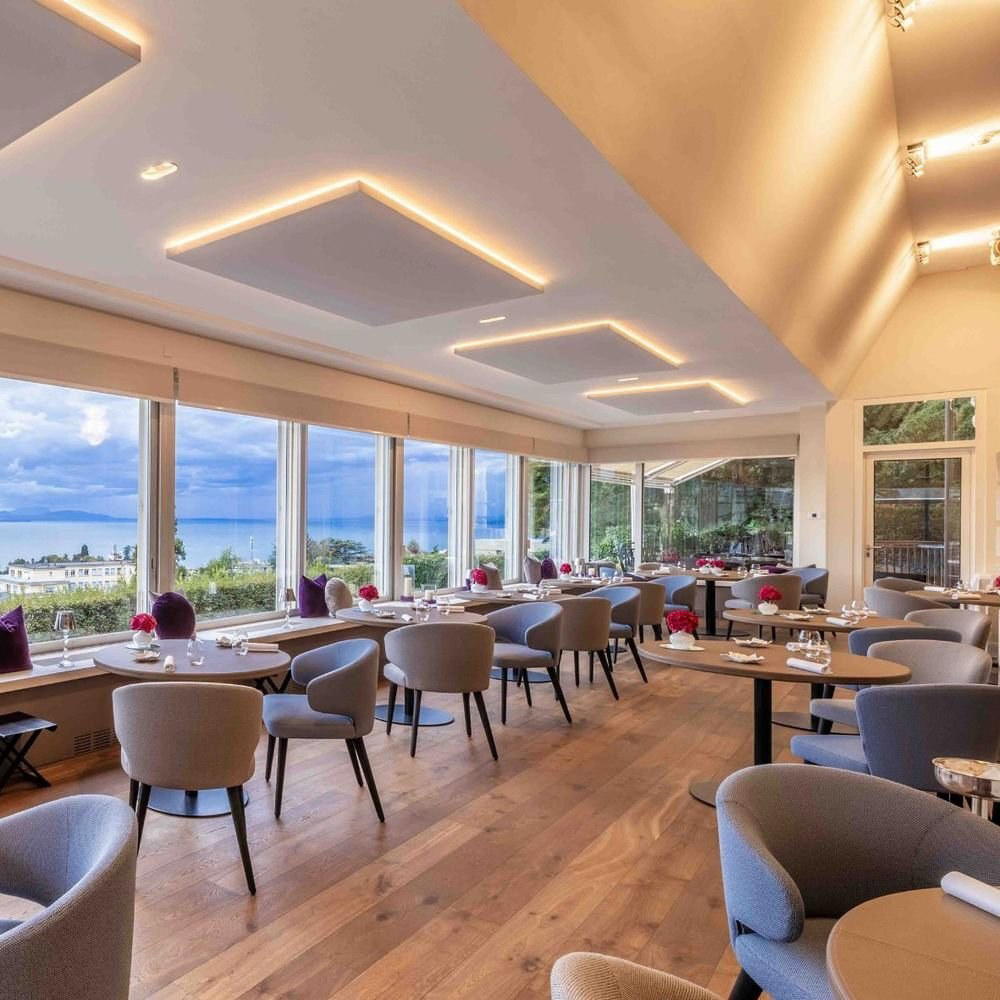
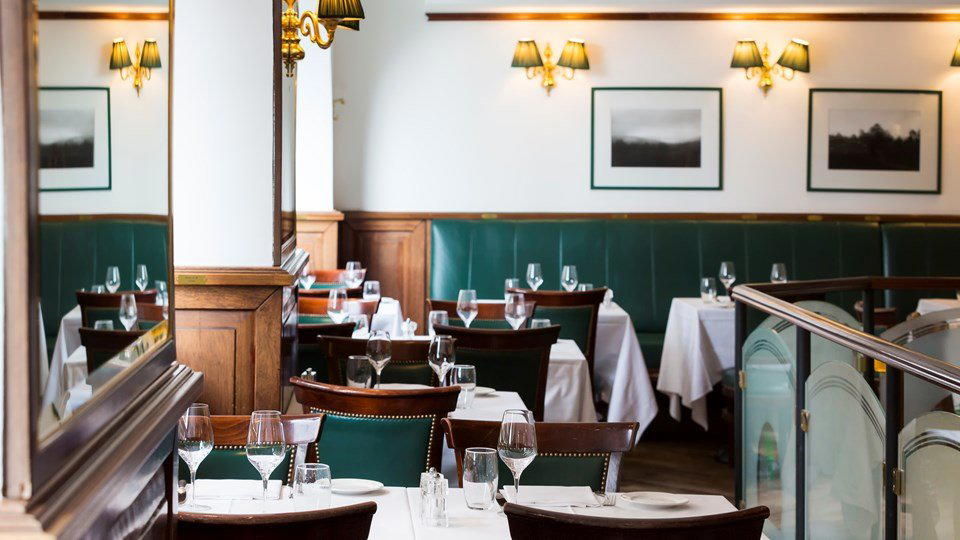
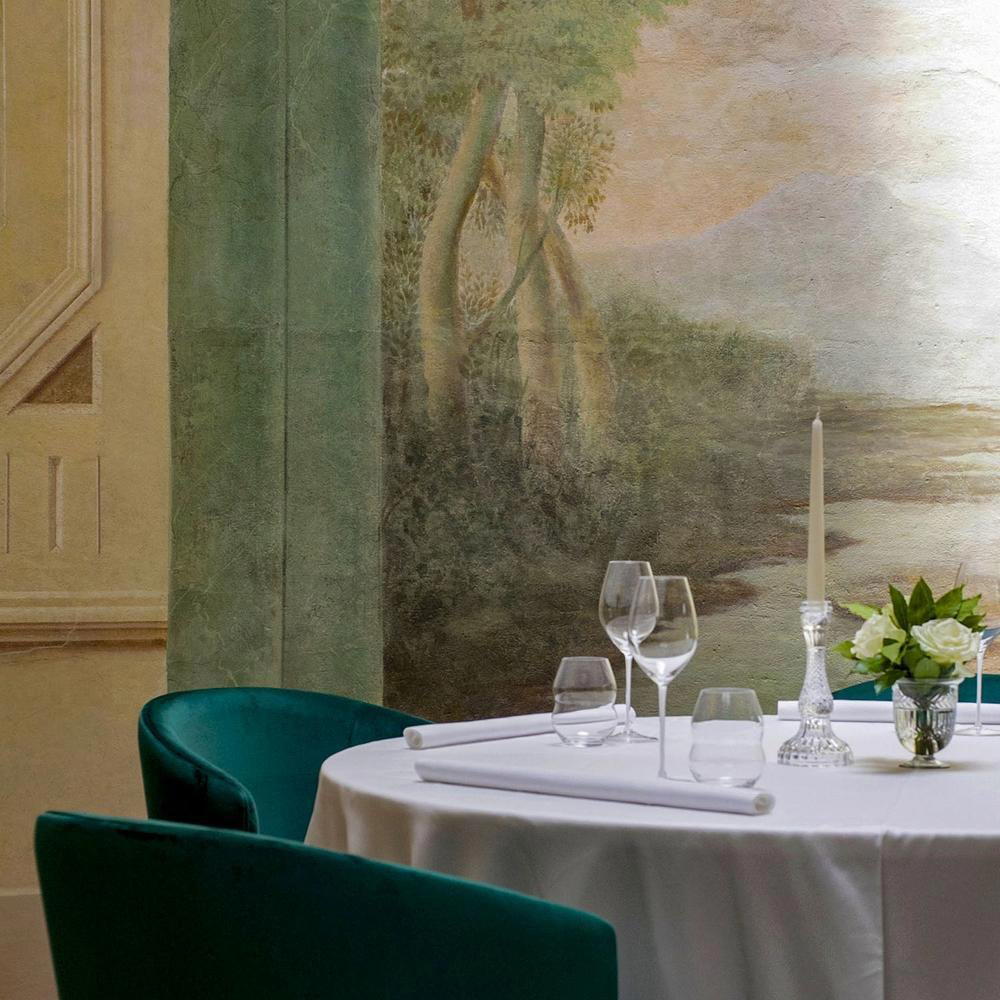
Bars in Lausanne
All bars in Lausanne →
Details
- Cozy
- Classic
- Sophisticated
- Business Dinner
- Group Dining
- Casual Hangout
- Private Event
- Standalone
- Extensive Wine List
- Sommelier Led
- Local Sourcing
- Street Scene
- A La Carte
- Italian Wine
- Spirits
- Gift Boxes
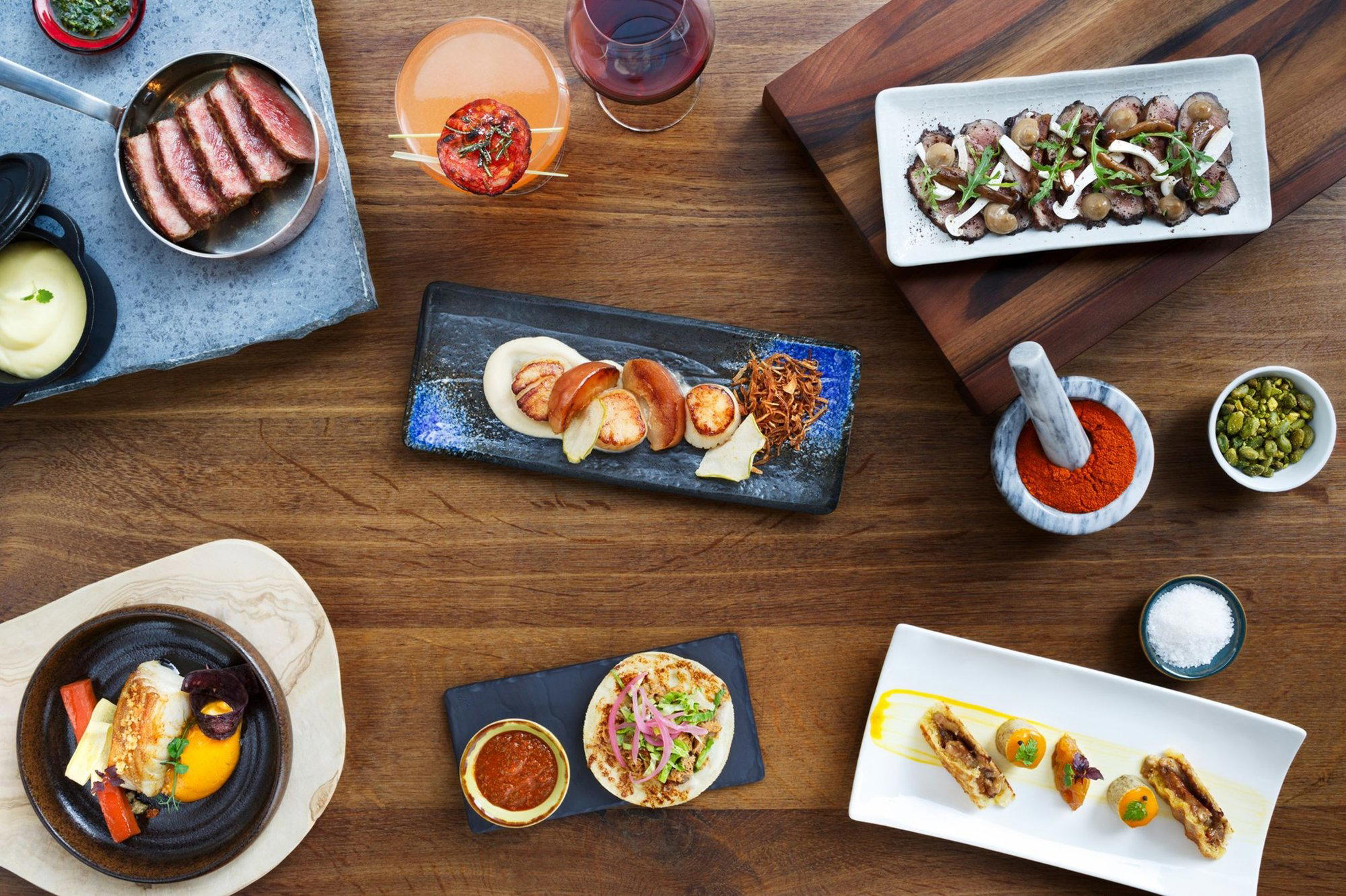
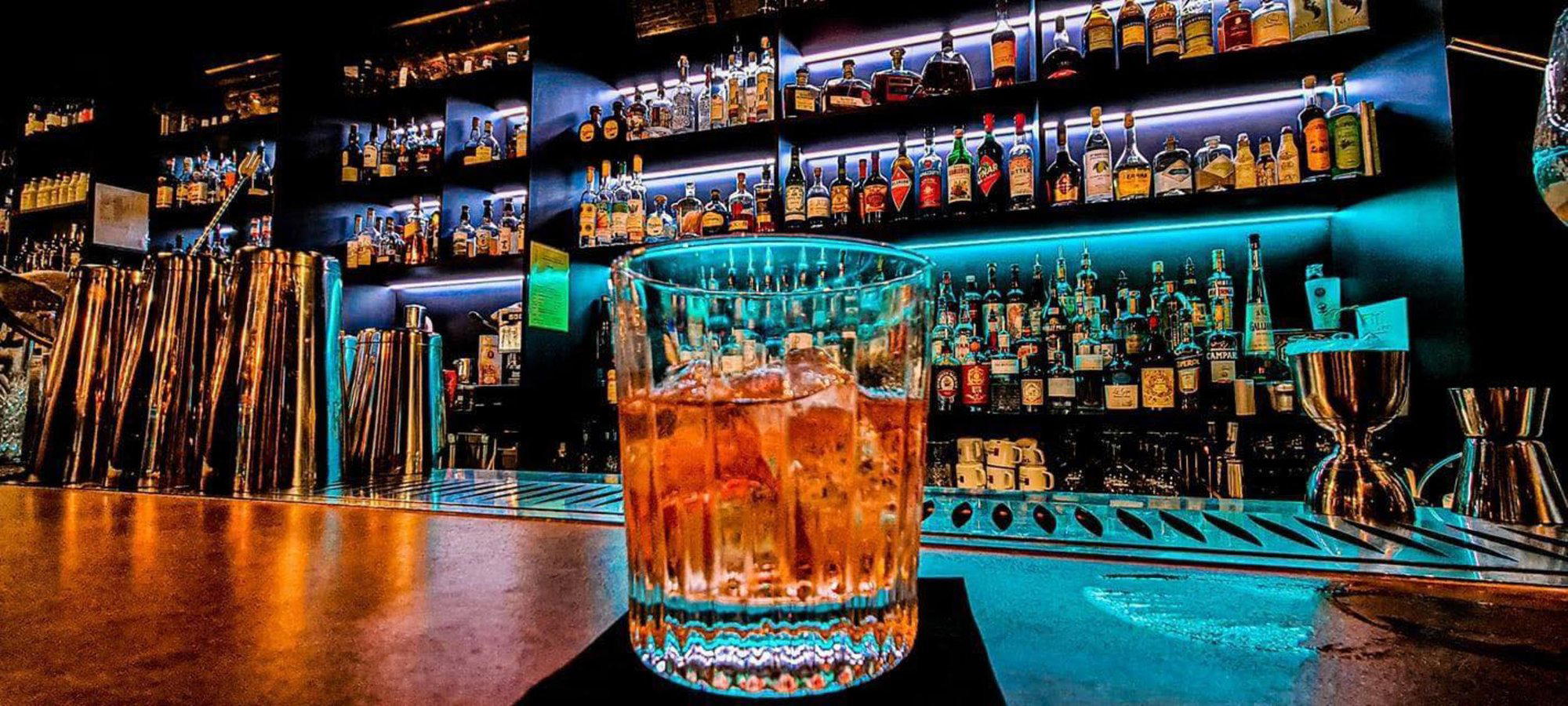
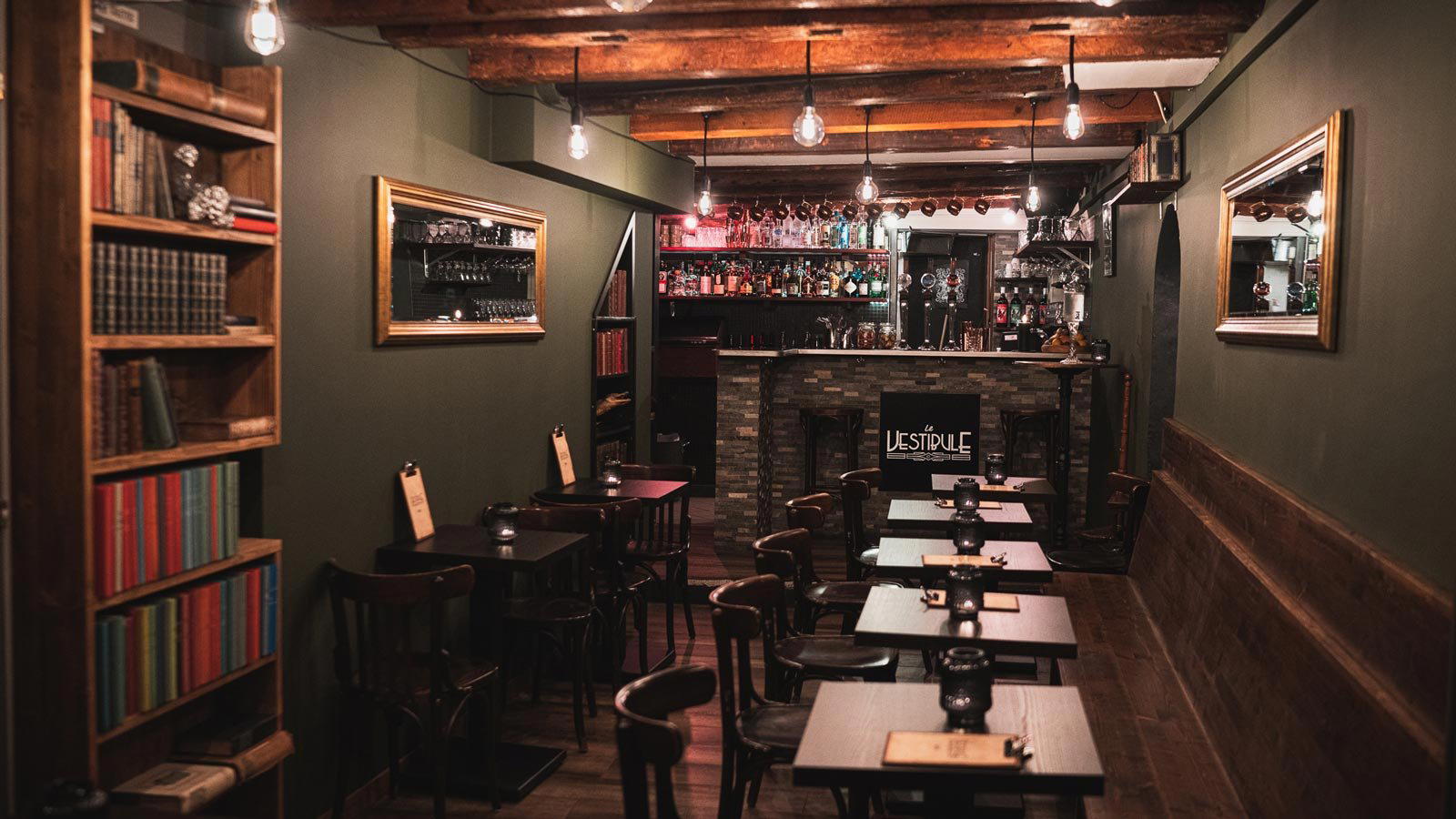
A compact, wine-shop-style venue with a refined but approachable atmosphere centered on Italian wines and specialty foods.