La Brasserie du Royal


A Michelin Plate holder on Lausanne's Ouchy lakefront, La Brasserie du Royal delivers classic French cooking at a price point that sits below the city's two-star heavyweights. The kitchen holds to brasserie tradition without apology, and a wine programme drawing on the depth of the Swiss Romand cellar makes it a considered choice among Lausanne's mid-range French tables.
Pearl is the En Primeur Club membership app — saves, bookings, and concierge access live there. Same editors, same standards.
- Address
- Av. d'Ouchy 40, 1006 Lausanne, Switzerland
- Phone
- +41 21 614 88 88
- Website
- royalsavoylausanne.com
- Directions
- Get directions
 Saves & bookings on Pearl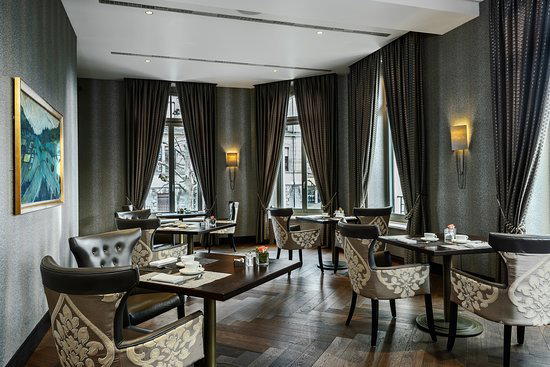
Classic French on the Ouchy Waterfront
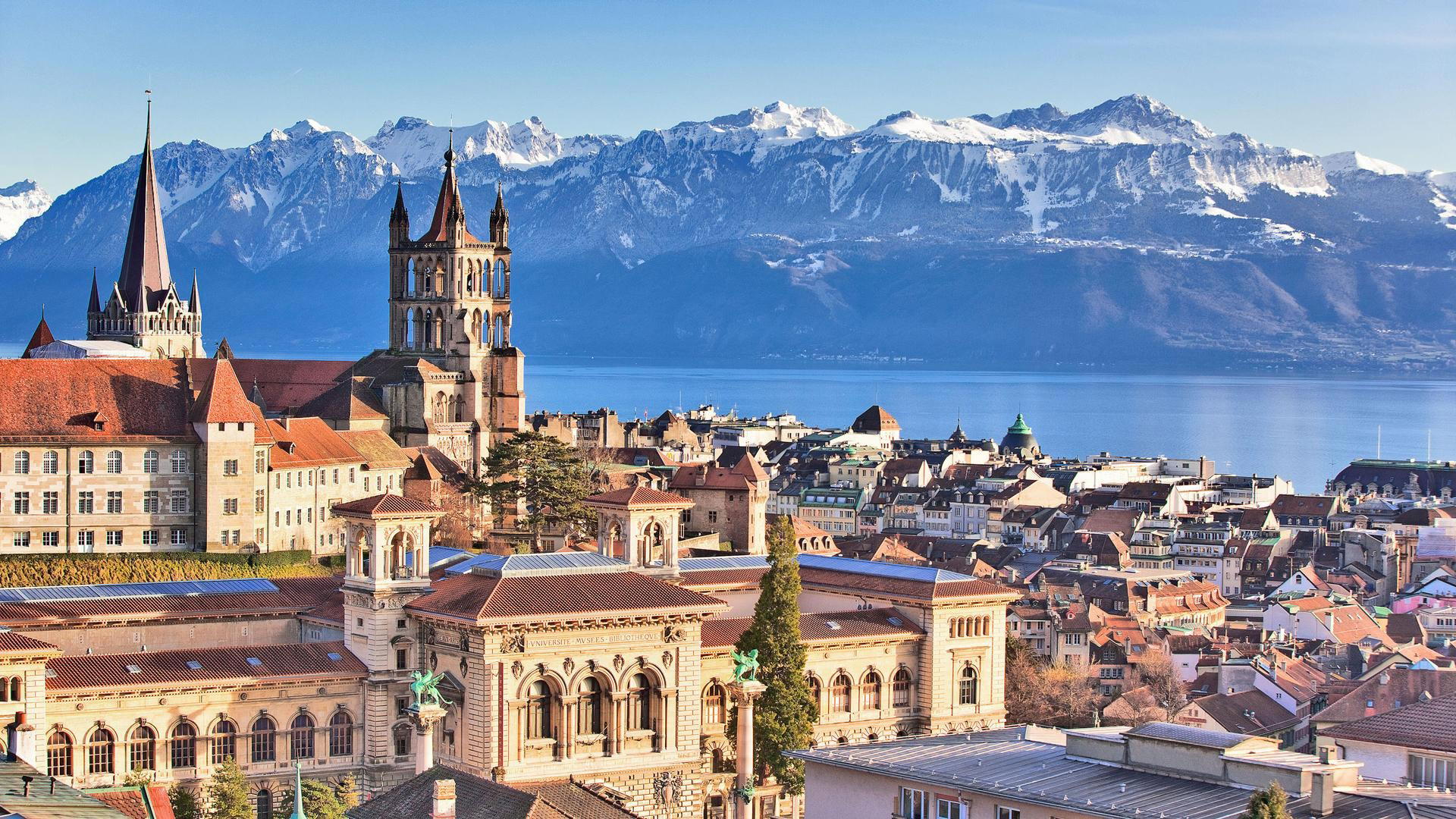
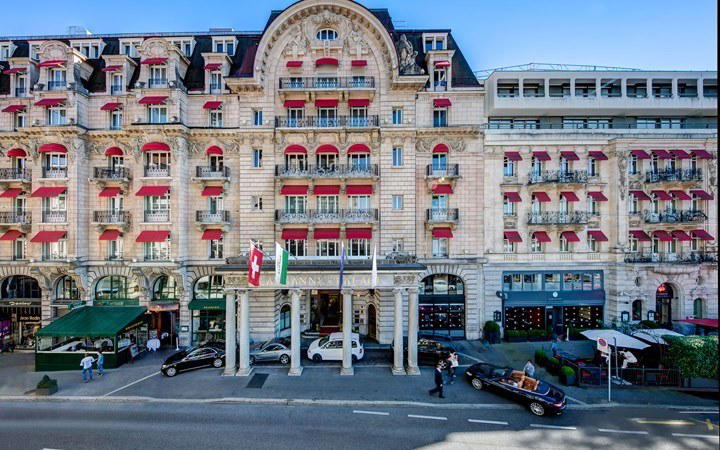
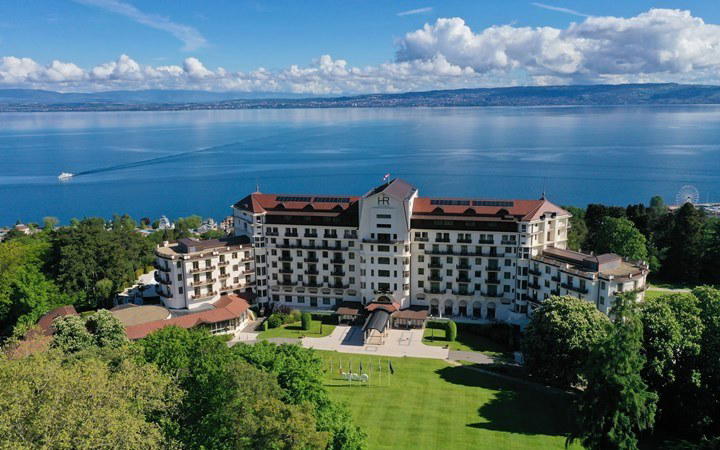
The Ouchy district occupies Lausanne's lower shore, where the city's steep topography finally levels out against Lake Geneva. It is hotel and promenade territory, a stretch where grand façades face the water and the pace drops several degrees from the commercial centre above. La Brasserie du Royal sits in this corridor at Avenue d'Ouchy 40, in Lausanne, and the setting frames the restaurant before a single dish arrives: lake light, the architecture of a lakeside palace hotel address, and a dining room register that belongs to the established French brasserie tradition rather than the contemporary tasting-menu circuit.
That distinction matters in Lausanne right now. The city's upper tier has consolidated around two-star Modern French and Creative formats, La Table du Lausanne Palace and Pic Beau-Rivage Palace both operate at €€€€ with Michelin two-star recognition. Below that level, the options split between informal bistros and a middle tier of serious, technically grounded restaurants that hold Michelin Plate recognition without chasing the starred format. La Brasserie du Royal sits in that middle tier at a €€€ price point that positions it well below the palace-hotel two-star tables while remaining demonstrably above the neighbourhood bistro category represented by addresses like Au Chat Noir.
The Weight of Classic French in Switzerland
Classic French brasserie cooking occupies a specific place in Switzerland's culinary geography. The country's francophone west, Romandy, has long treated the French canon as native rather than imported, and the brasserie format in cities like Lausanne, Geneva, and Fribourg functions less as a nostalgic exercise and more as a maintained culinary grammar. Sauces built on proper reductions, proteins given time and technique rather than theatrics, and a respect for classical structure that the more fashionable Contemporary French addresses in the same cities have largely set aside.
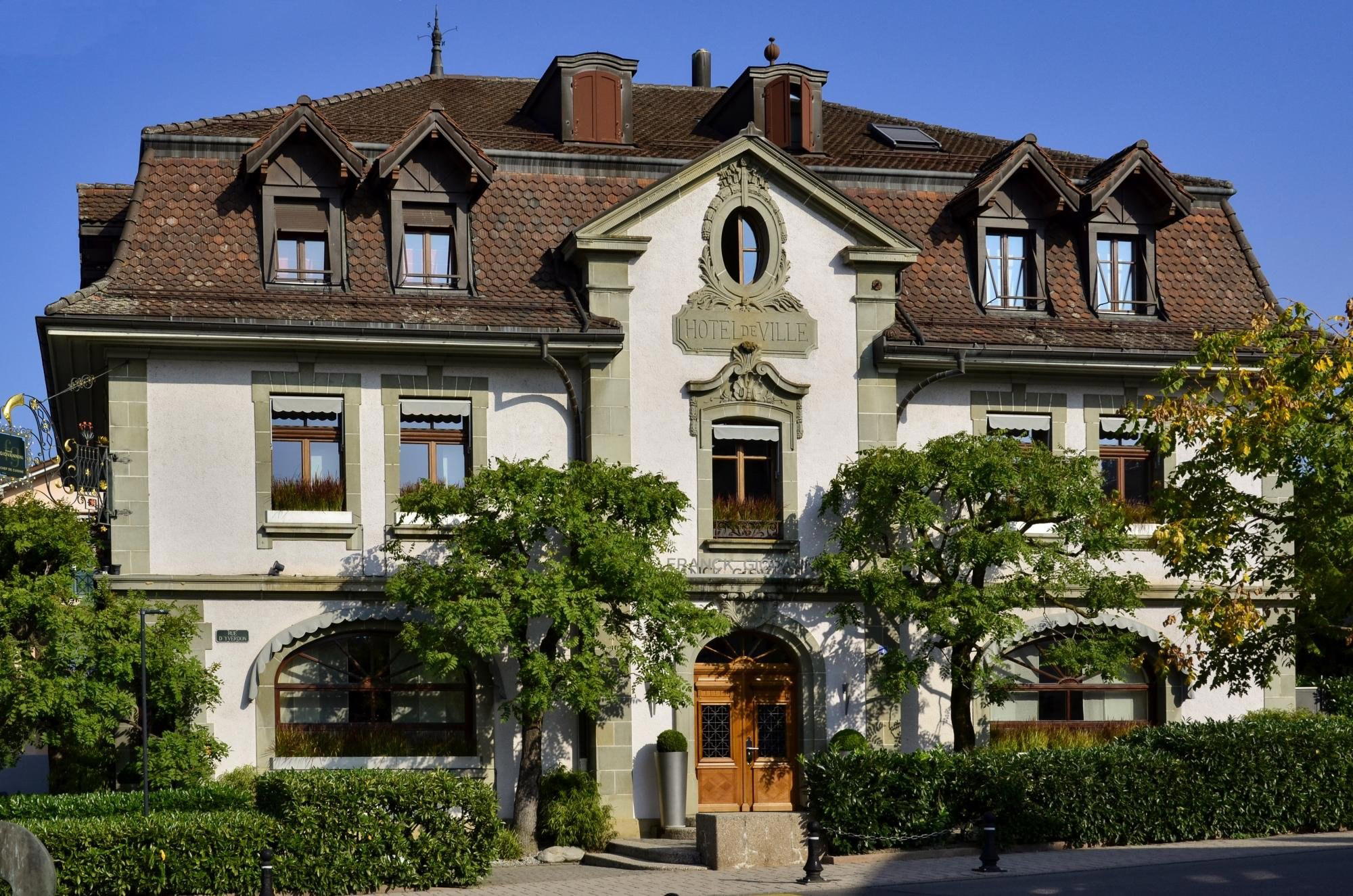
For the diner who has worked through the tasting-menu circuit and finds themselves wanting a meal that is about the food rather than the concept, the classic brasserie remains a deliberate choice. Peers in the Swiss market operating with similar credentials and ambition include addresses worth tracking across the country: Colonnade in Lucerne offers a comparable register on the central Swiss lakefront, and for those moving between cities, the broader Swiss fine-dining constellation includes three-star work at Hotel de Ville Crissier just outside Lausanne itself, as well as landmark tables like Schloss Schauenstein in Fürstenau, Cheval Blanc by Peter Knogl in Basel, and Memories in Bad Ragaz. La Brasserie du Royal does not compete in that starred register, but for diners in Lausanne who want executed classical cooking without a three-hour commitment or a four-figure bill, the mid-tier French brasserie format it occupies is one logical category.
The Wine Programme and the Romand Advantage
The editorial angle that rewards attention here is the cellar. Classic French brasserie cooking and wine have a long structural relationship, sauces built around reductions, proteins selected partly for their pairing range, and a menu architecture that moves from light to rich in ways that map well onto a progressively structured wine flight. What makes the context interesting in Lausanne specifically is geography.
The Lavaux vineyard terraces run along Lake Geneva's northern shore within immediate reach of the city. Chasselas, the region's dominant white variety, is one of the more food-accommodating whites in Europe: low in obvious fruit, mineral in profile, and built for sustained pairing rather than standalone impact. A serious brasserie wine programme in Lausanne has a natural argument for anchoring its by-the-glass whites in the Lavaux or Vaud appellations, where the proximity translates into both freshness and a more direct relationship with local producers. The Pinot Noir from the same region, often underestimated internationally, provides a complementary red option that works well against the lighter protein preparations in a classic French kitchen.
Beyond the Swiss Romand cellar, a Michelin Plate holder at the €€€ tier is expected to carry sufficient depth in French regional wine to support the cooking properly. Burgundy and the Rhône are the natural reference points for a kitchen working in the classical French register, and the sommelier's job at an address like this is less about novelty and more about calibration: matching the weight and structure of what arrives at the table without overcomplicating the choice for guests who want to eat well rather than study viticulture. That discipline, applied consistently, is what separates a wine programme that supports a restaurant's positioning from one that merely lists bottles.
For context on how the classic French format handles wine elsewhere in the tradition, Waterside Inn in Bray and d'Eugénie à Emilie in Baudour represent how the genre operates at different price and recognition tiers. Within Lausanne's French-leaning mid-market, the comparison set also includes Jacques Restaurant at a comparable French Contemporary tier, and L'Accadémia for those whose preference shifts toward Italian at a similar spend level.
Planning Your Visit
La Brasserie du Royal is located at Avenue d'Ouchy 40, a walkable distance from the Ouchy metro station on the M2 line that connects the lakefront directly to the city centre and the main rail station. The address is a lakefront hotel setting, which typically means the dining room functions across lunch and dinner services and absorbs both hotel guests and walk-in or reservation trade from the wider city.4 across 248 reviews indicates consistent execution without suggesting a cult following that would make spontaneous booking difficult. That said, for a Friday or Saturday dinner, particularly in high summer when Ouchy draws significant visitor traffic from the lake promenade, reserving ahead is the practical choice.
On price, €€€ in the Lausanne context places a three-course dinner with wine at a level that is serious but not prohibitive, comfortably below the €€€€ palace-hotel tables while remaining a step above the neighbourhood bistro range. For those building a broader Lausanne itinerary, EP Club's guides to Lausanne restaurants, hotels, bars, wineries, and experiences cover the full picture. And for those targeting the highest-end dining in the immediate area, the three-star work at Hotel de Ville Crissier is less than ten minutes from Lausanne by road and represents the ceiling of the region's classical French output. The restaurant occupies a different tier and answers a different question, not how ambitious can French cooking get in this city, but how well the classical format can be maintained at a price that makes it a repeatable choice rather than a once-a-year occasion.
The Essentials
Comparable venues nearby, for context on price, style, and recognition.
| Venue | Cuisine | Price | Notes |
|---|---|---|---|
| La Brasserie du RoyalThis venue — the venue you are viewing | Ouchy, Classic French Brasserie | $$$$ | Not listed |
| Le Rossignol | Not listed | $$$ | Avenue du Léman, Classical French-Italian Bistro |
| L'Appart | Not listed | $$$$ | Rue de Bourg, Old Town Lausanne, Modern Seasonal French Tasting Menu |
| Maza | Not listed | $$$ | heart of Lausanne, Modern Fusion (Egyptian-Chinese-European) |
| Café Beau-Rivage | Ouchy, Luxury French Brasserie | $$$$ | Not listed |
| Qasti | Belle-Fontaine, Authentic Lebanese | $$$ | Not listed |
Recognition history
Dated appearances from independent guides and award organizations, with the underlying list record or original source where available.
Wine Spectator Best of Award of Excellence
Wine Spectator
Michelin Plate
Michelin
Michelin Plate
Michelin
Continue exploring
More in Lausanne
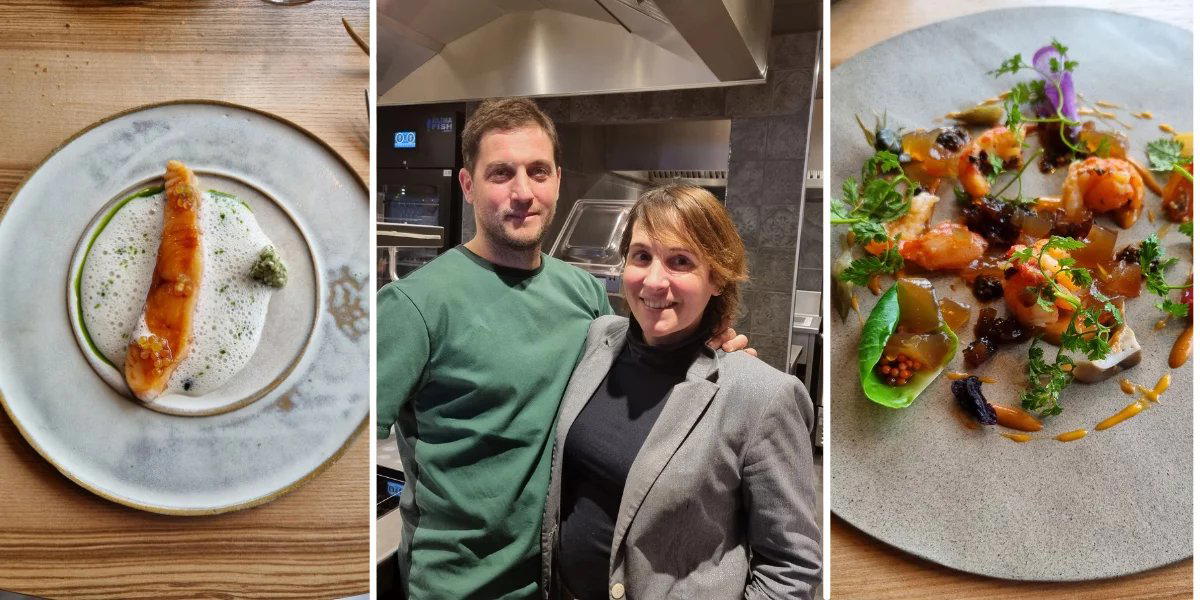
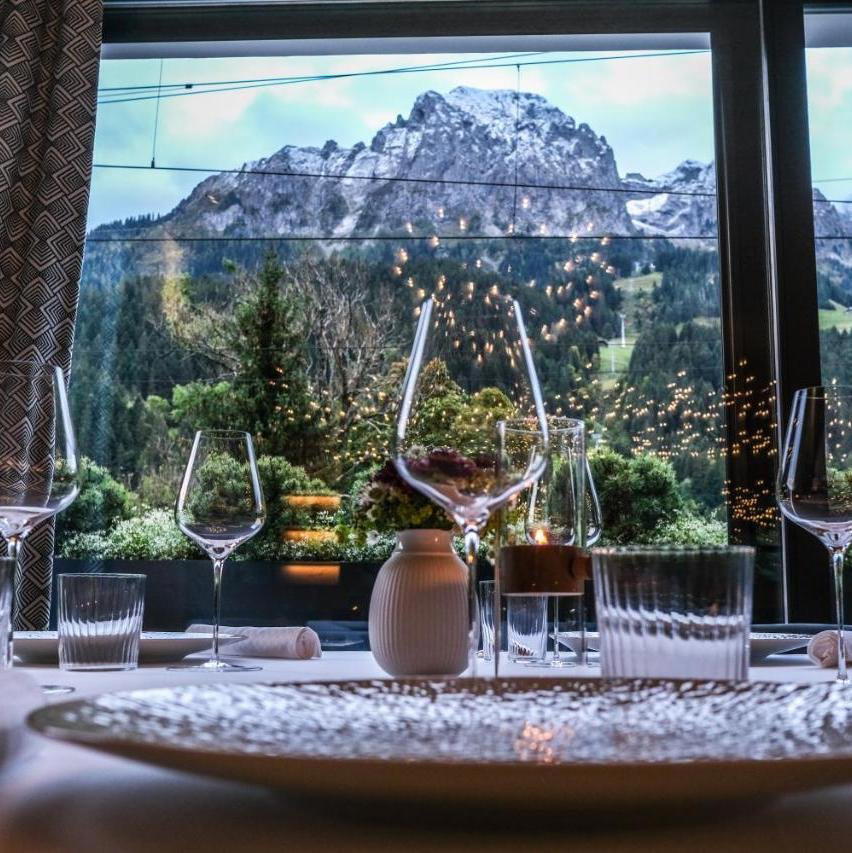
Restaurants in Lausanne
Browse all →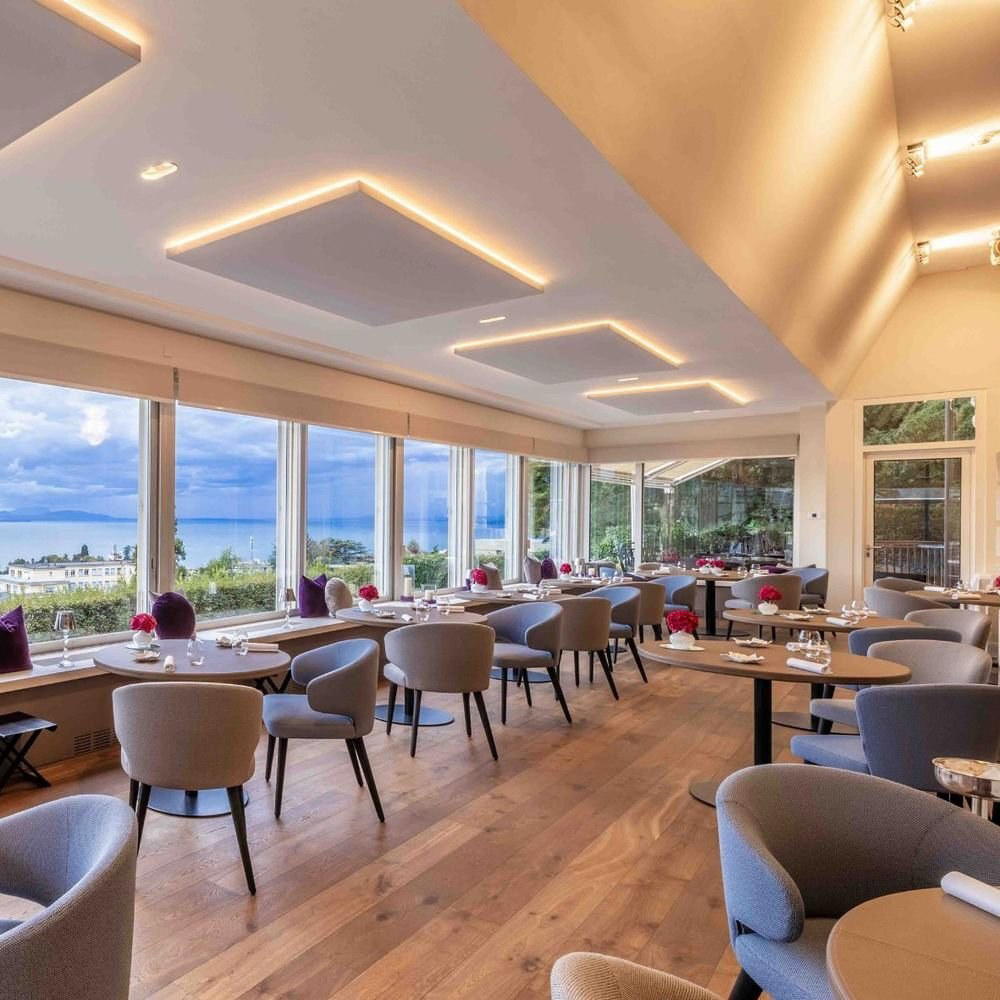
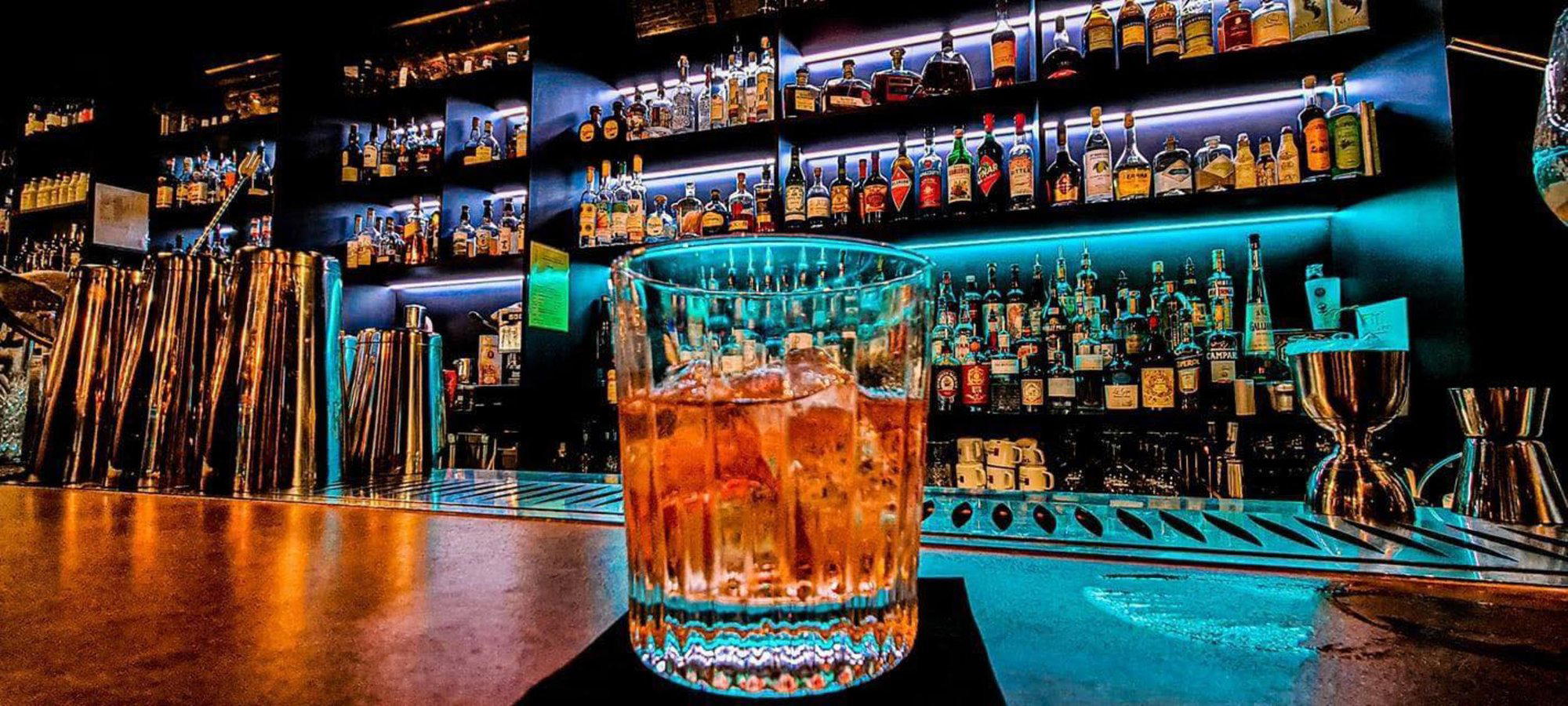
Bars in Lausanne
Browse all →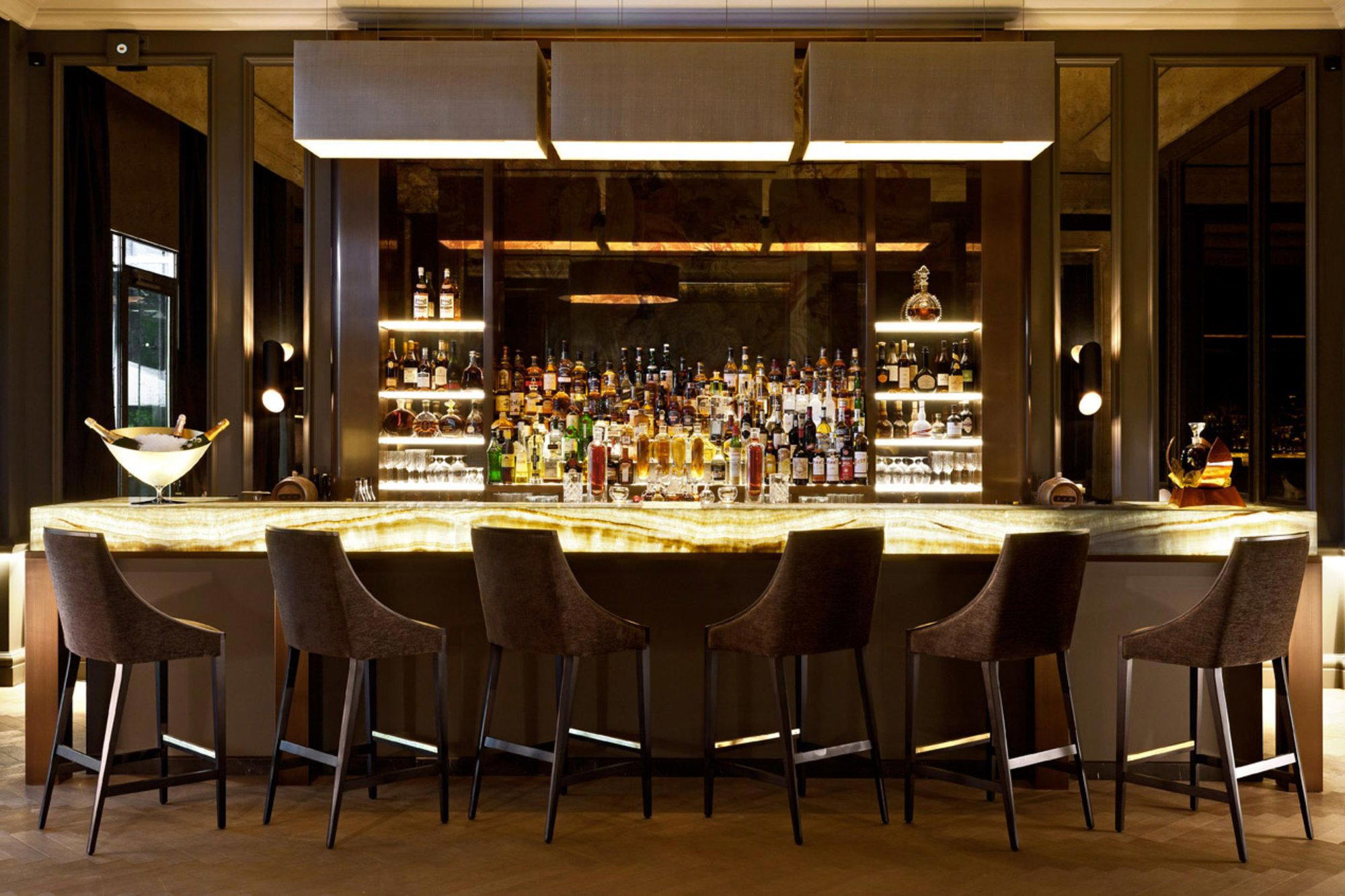
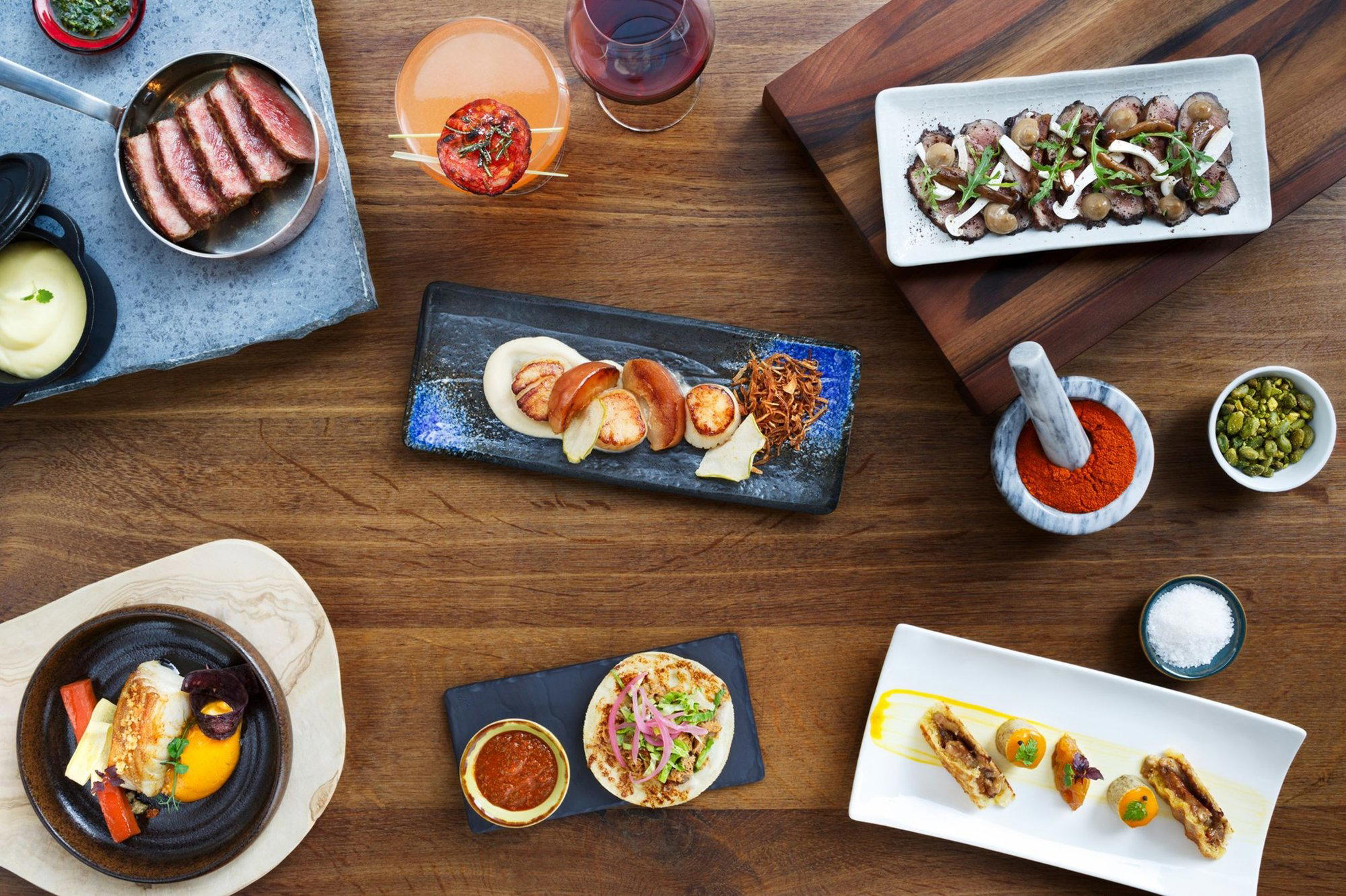
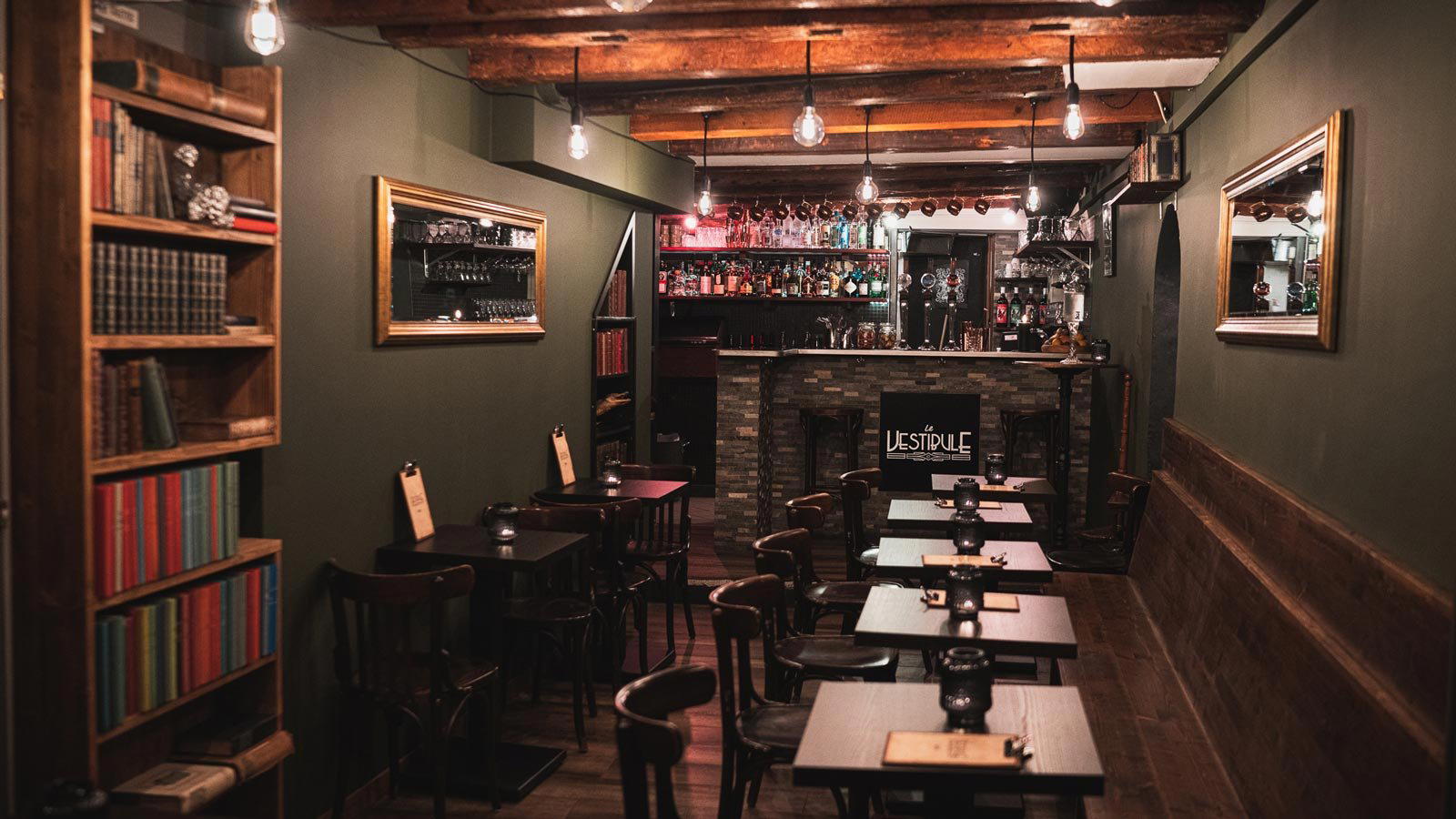
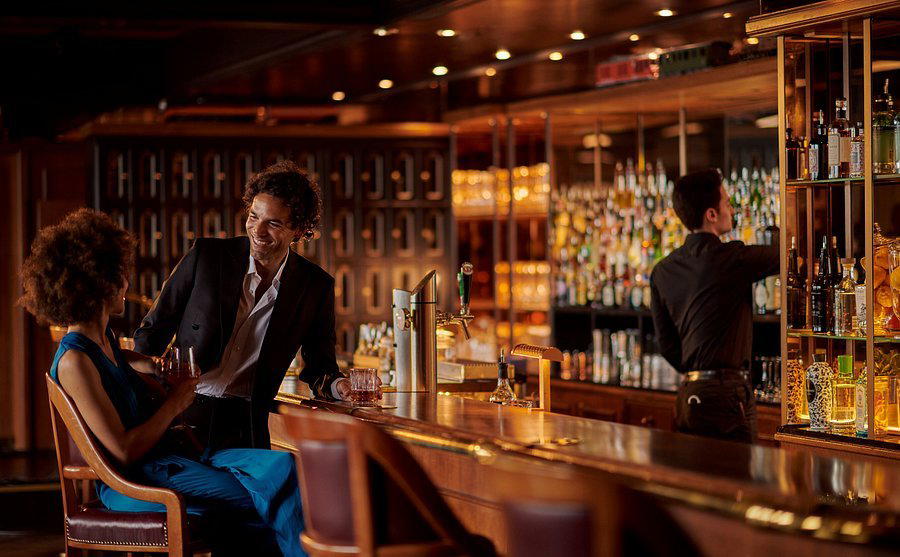
Hotels in Lausanne
Browse all →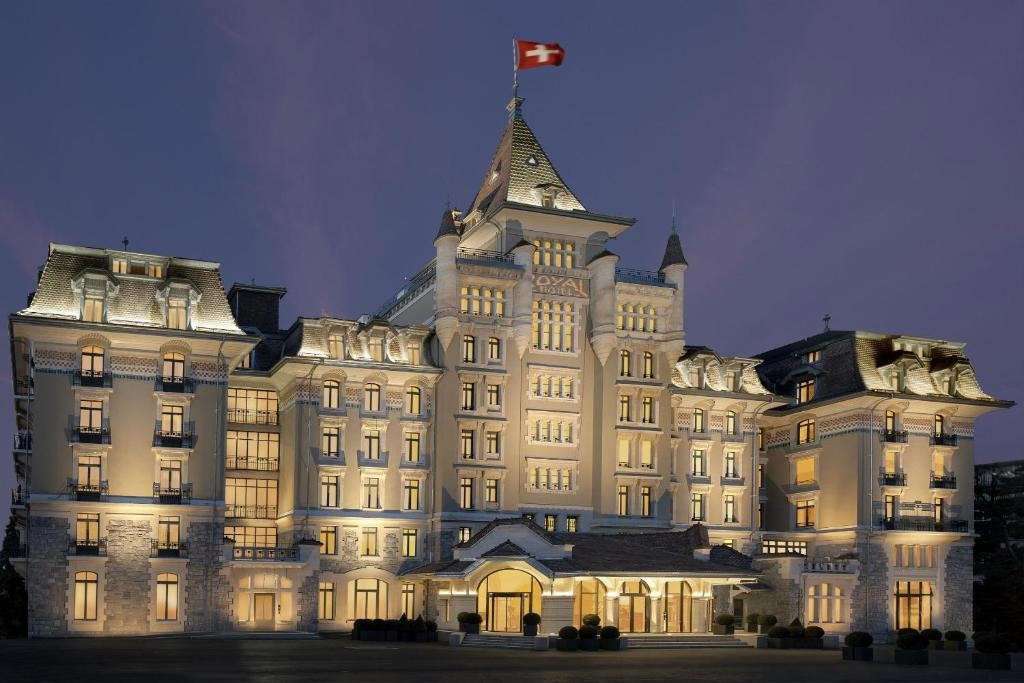

At a Glance
- Elegant
- Sophisticated
- Classic
- Lively
- Date Night
- Special Occasion
- Business Dinner
- Hotel Restaurant
- Terrace
- Wine Cellar
- Extensive Wine List
- Sommelier Led
- Local Sourcing
- Waterfront
Current opening hours
- Monday
- Closed
- Tuesday
- 12–2 PM, 7–10 PM
- Wednesday
- 12–2 PM, 7–10 PM
- Thursday
- 12–2 PM, 7–10 PM
- Friday
- 12–2 PM, 7–10 PM
- Saturday
- 12–2 PM, 7–10 PM
- Sunday
- Closed
Hours can change for holidays and private events. Last verified .
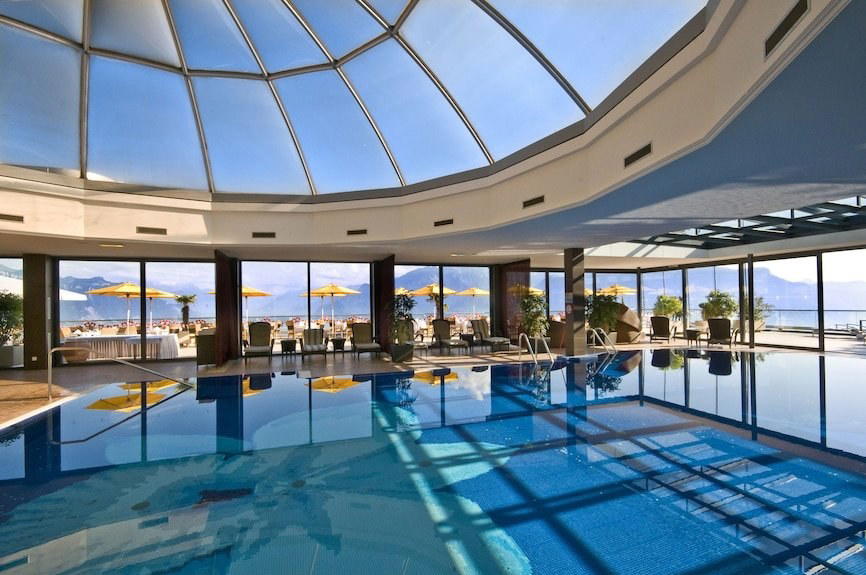
Elegant and convivial atmosphere with warm lighting, terrace views of Lake Geneva, and a polished yet welcoming vibe.