On Rue de Bourgogne, Orléans' most storied dining corridor, närenj brings a register of cooking that sits apart from the French bistro mainstream. The address places it within walking distance of the city's cathedral quarter, where the local restaurant scene has been quietly developing alternatives to traditional Loire Valley fare. For visitors already familiar with the city's established tables, närenj represents a different direction worth tracking.
Pearl is the En Primeur Club membership app — saves, bookings, and concierge access live there. Same editors, same standards.
- Address
- 178 Rue de Bourgogne, 45000 Orléans, France
- Phone
- +33768073443
- Website
- narenj.fr
- Directions
- Get directions
 Saves & bookings on Pearl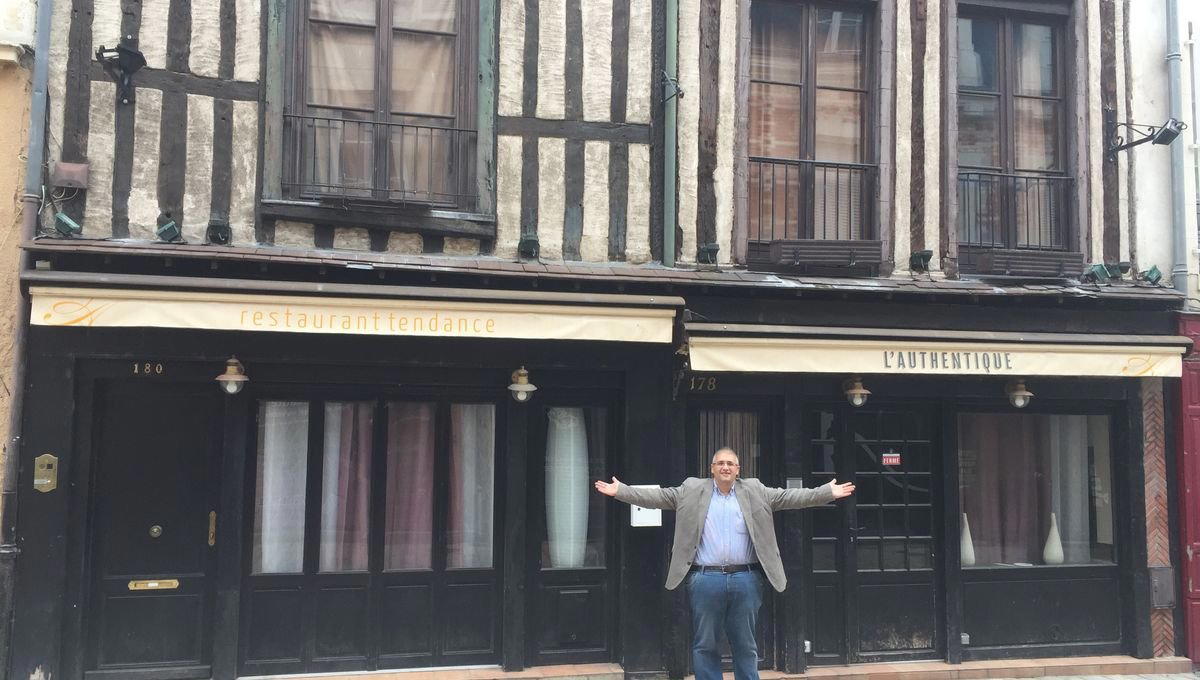
Rue de Bourgogne and What It Tells You About Orléans
Rue de Bourgogne is the kind of street that accumulates restaurants the way old cities accumulate layers: slowly, without announcement, and with more character than the tourist maps tend to credit. Running parallel to the Loire through Orléans' centre-ville, it has long functioned as the city's primary dining spine, hosting everything from traditional French brasseries to newer arrivals testing whether Orléans' appetite has grown beyond its postcard image as a Loire Valley stopover. It is on this street, at number 178, that närenj has positioned itself, a choice of address that signals something deliberate about audience and ambition. närenj is a modern Levantine bistronomy restaurant in Orléans, with dinner around $45 per person.
Orléans sits in a peculiar spot in the French dining conversation. It is close enough to Paris (roughly an hour by TGV) to draw weekend visitors with expectations shaped by the capital, and it carries the Loire Valley's wine prestige as implicit backdrop, yet its restaurant scene has historically been overshadowed by Tours to the southwest or by the pull of Paris itself. That context matters when reading any new arrival on Rue de Bourgogne. The street's established tables, among them L'Essentiel, L'Étage, and Le Café du Théatre, have defined the corridor's baseline of quality. Newer arrivals like Le Lift and MAGA have pushed toward more contemporary registers. närenj enters a street already negotiating its own identity.
A Name That Suggests a Different Reference Point
The name närenj, an Arabic and Persian word for the bitter orange, the fruit that predates the sweet varieties now dominant in European markets, carries a cultural reference that is not incidental. In the broader context of French dining, where restaurants drawing on Middle Eastern, North African, or Persian culinary traditions have moved from peripheral curiosity to serious critical consideration, a name with this etymology signals a particular positioning. It suggests a kitchen oriented toward a different pantry: spice-led, herb-forward, with sourness and floral notes playing structural roles rather than appearing as garnish.
This places närenj in a growing cohort of French restaurants that operate outside the traditional Gallic framework without being fusion exercises. The distinction matters. One compelling examples of this category in France are places where a non-French culinary tradition is treated with the same rigour that French technique applies to its own canon. Comparisons at the higher end of the French restaurant ecosystem, venues like AM par Alexandre Mazzia in Marseille, which has built its reputation on precisely this kind of cross-cultural synthesis, or Mirazur in Menton with its Mediterranean-Argentine foundation, illustrate how far such approaches can travel when executed with discipline. närenj is not operating at that scale or with that level of documented recognition, but the framing of its name suggests it is at least asking similar questions.
The Street, the Quarter, and How to Arrive
The cathedral quarter surrounding Rue de Bourgogne rewards arrivals on foot. From Orléans' central train station, the walk runs roughly fifteen minutes through Place du Martroi and into the pedestrianised core, with the street opening up south of the cathedral. The 178 address sits toward the southern end of the corridor's most active dining stretch, which means approaching it in the early evening places you among the pre-theatre and pre-dinner crowd that defines the street's most animated hours.
For visitors arriving by rail from Paris, Orléans-Gare is served directly from Gare d'Austerlitz in under an hour. For those building a Loire Valley itinerary, Orléans functions as a logical northern entry point before moving toward Blois, Amboise, or Tours. In that context, a dinner on Rue de Bourgogne becomes part of a longer journey rather than a destination in itself, which is precisely the kind of trip for which närenj's address makes practical sense.
Booking is essential, and the restaurant is closed Monday and Sunday. It serves lunch Tuesday through Saturday and dinner Tuesday through Saturday, with later Friday and Saturday seatings.
Where närenj Sits in the Orléans Conversation
Orléans has not produced a Michelin-starred address in the way that comparable Loire Valley towns have. The broader French fine dining circuit runs through houses such as Troisgros - Le Bois sans Feuilles in Ouches, Auberge de l'Ill in Illhaeusern, Bras in Laguiole, and the historically significant Paul Bocuse - L'Auberge du Pont de Collonges in Collonges-au-Mont-d'Or, with newer critical darlings like Alléno Paris au Pavillon Ledoyen, Flocons de Sel in Megève, Assiette Champenoise in Reims, and Au Crocodile in Strasbourg filling out the provincial fine dining map. Orléans does not appear on that circuit, which means the city's interesting restaurants earn their reputation through local and regional word-of-mouth rather than guidebook placement. For the visitor who prefers to find a room before the critics finish filling it, that lag is a reason to pay attention rather than a reason for hesitation.
In this sense, närenj's position on Rue de Bourgogne is more significant than any single data point about the restaurant itself. It is part of a street-level argument that Orléans' dining identity is still being written, and that particularly interesting chapters are being authored by restaurants willing to work with references beyond the Loire Valley's traditional produce-and-technique framework. Internationally minded diners who have tracked this pattern in other mid-sized French cities, where a generation of restaurateurs has deliberately chosen to operate outside Paris rather than within it, will recognise the type.
The underlying question, what happens when a kitchen takes a non-local reference point seriously, is the same one.
Planning Your Visit
178 Rue de Bourgogne places närenj at one of Orléans' most accessible dining addresses, walkable from the centre and well-served by the city's public transport. Reservation is essential. The restaurant is closed Monday and Sunday, with lunch and dinner service Tuesday through Saturday.
- baba ganoush
- eggplant caviar
- vine leaves stuffed with rice
- beef cooked 13 hours with freekeh
- makloubeh
- ice cream with Damascus orchid flour
The Essentials
Comparable venues nearby, for context on price, style, and recognition.
| Venue | Cuisine | Price | Notes |
|---|---|---|---|
| närenjThis venue — the venue you are viewing | Not listed | $$$ | Not listed |
| Eugène | Not listed | $$$ | Place du Martroi, Modern French Seasonal Bistro |
| MAGA | Not listed | $$$ | Rue de Bourgogne, Modern Seasonal French Bistro |
| Le Café du Théatre | Orléans Centre, French Bistronomique | $$ | Not listed |
| Le Lift | Not listed | $$$$ | Centre Ancien (Old Town), Modern French Gastronomy |
| La Chopine | Centre-ville, French Wine Bar | $$ | Not listed |
Continue exploring
More in Orléans
Restaurants in Orléans
Browse all →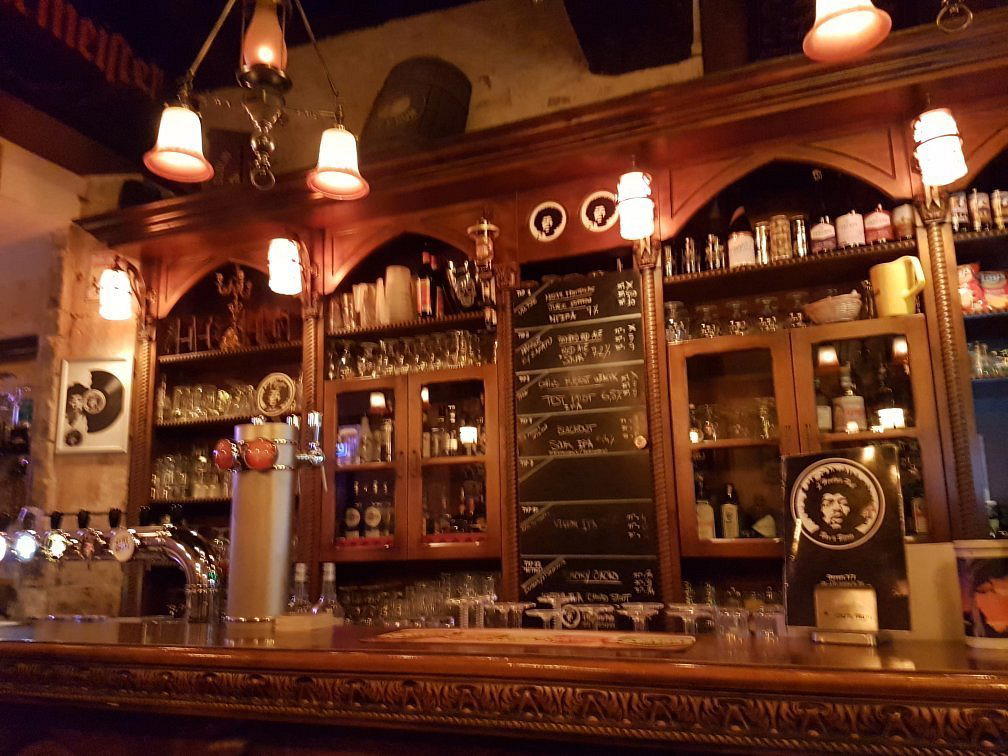
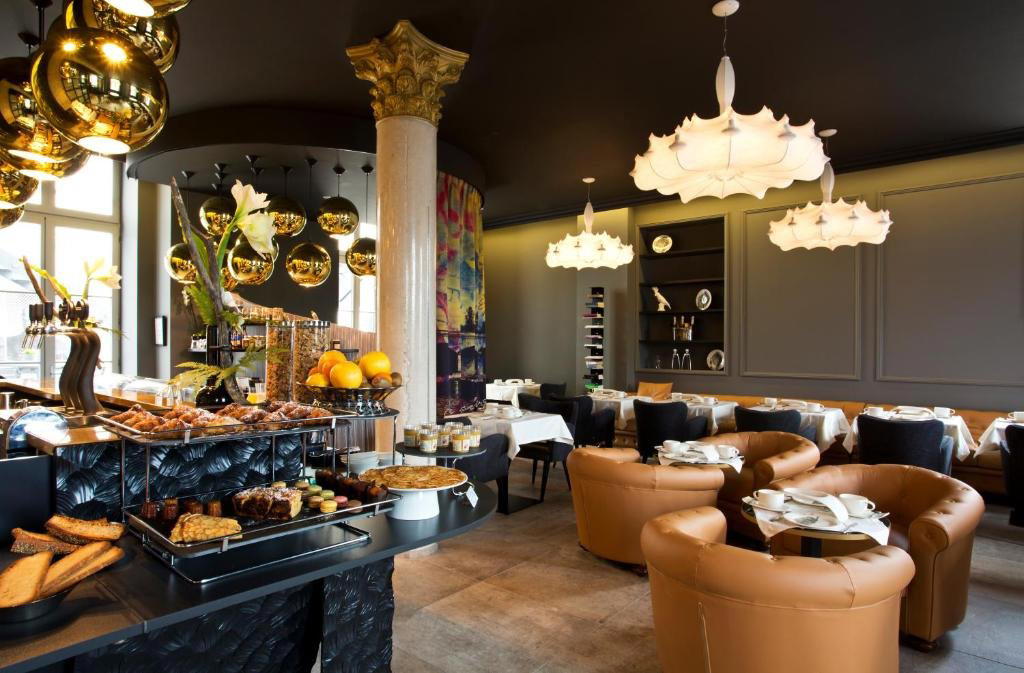
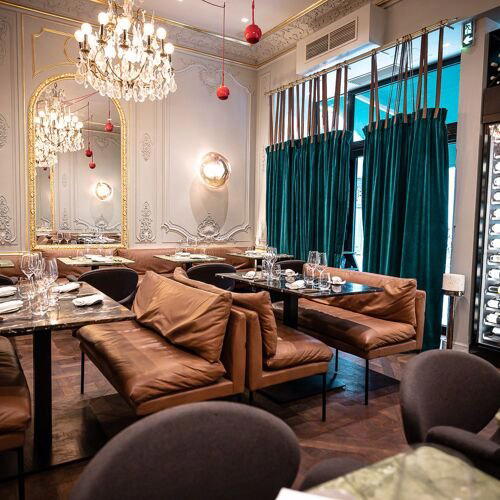
Hotels in Orléans
Browse all →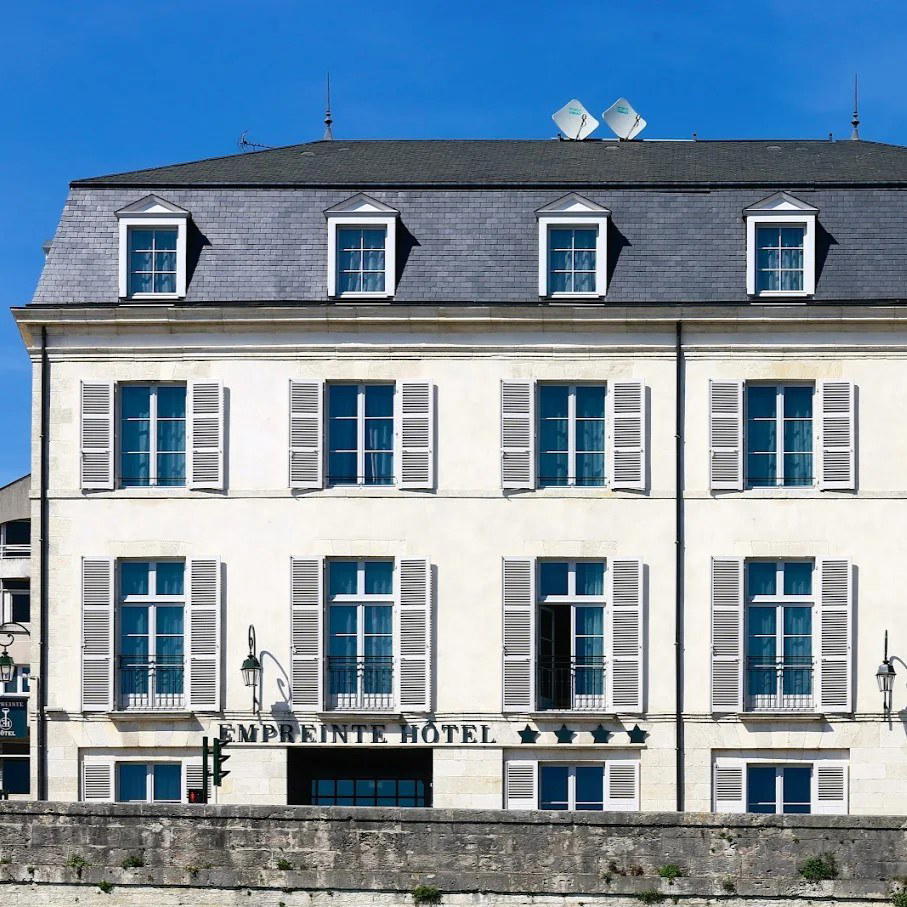
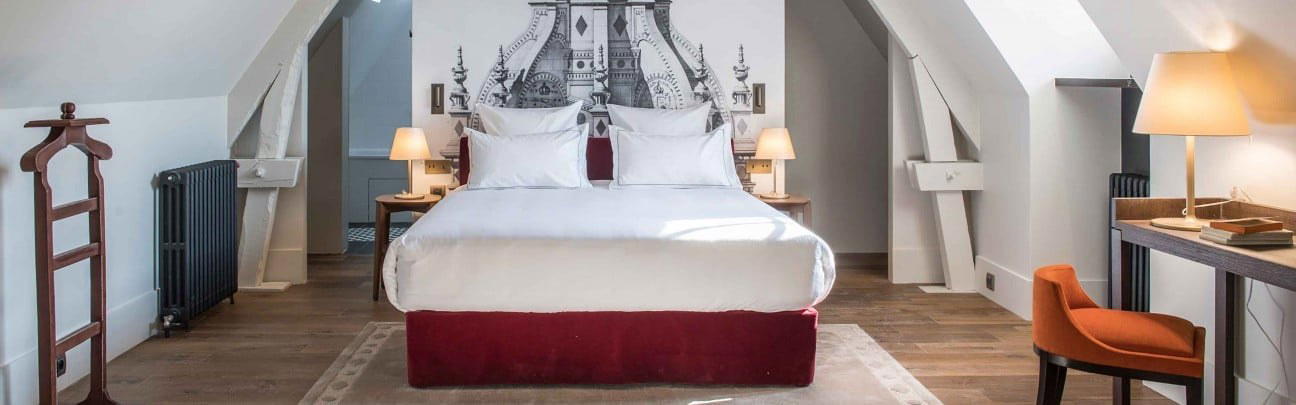
Wineries in Orléans
Browse all →
At a Glance
- Cozy
- Elegant
- Intimate
- Rustic
- Date Night
- Special Occasion
- Celebration
- Group Dining
- Family
- Standalone
- Open Kitchen
- Local Sourcing
- Organic
Current opening hours
- Monday
- Closed
- Tuesday
- 12–1:30 PM, 7:15–9:30 PM
- Wednesday
- 12–1:30 PM, 7:15–9:30 PM
- Thursday
- 12–1:15 PM, 7:15–9 PM
- Friday
- 12–1:30 PM, 7:15–10 PM
- Saturday
- 12–2 PM, 7:15–10 PM
- Sunday
- Closed
Hours can change for holidays and private events. Last verified .
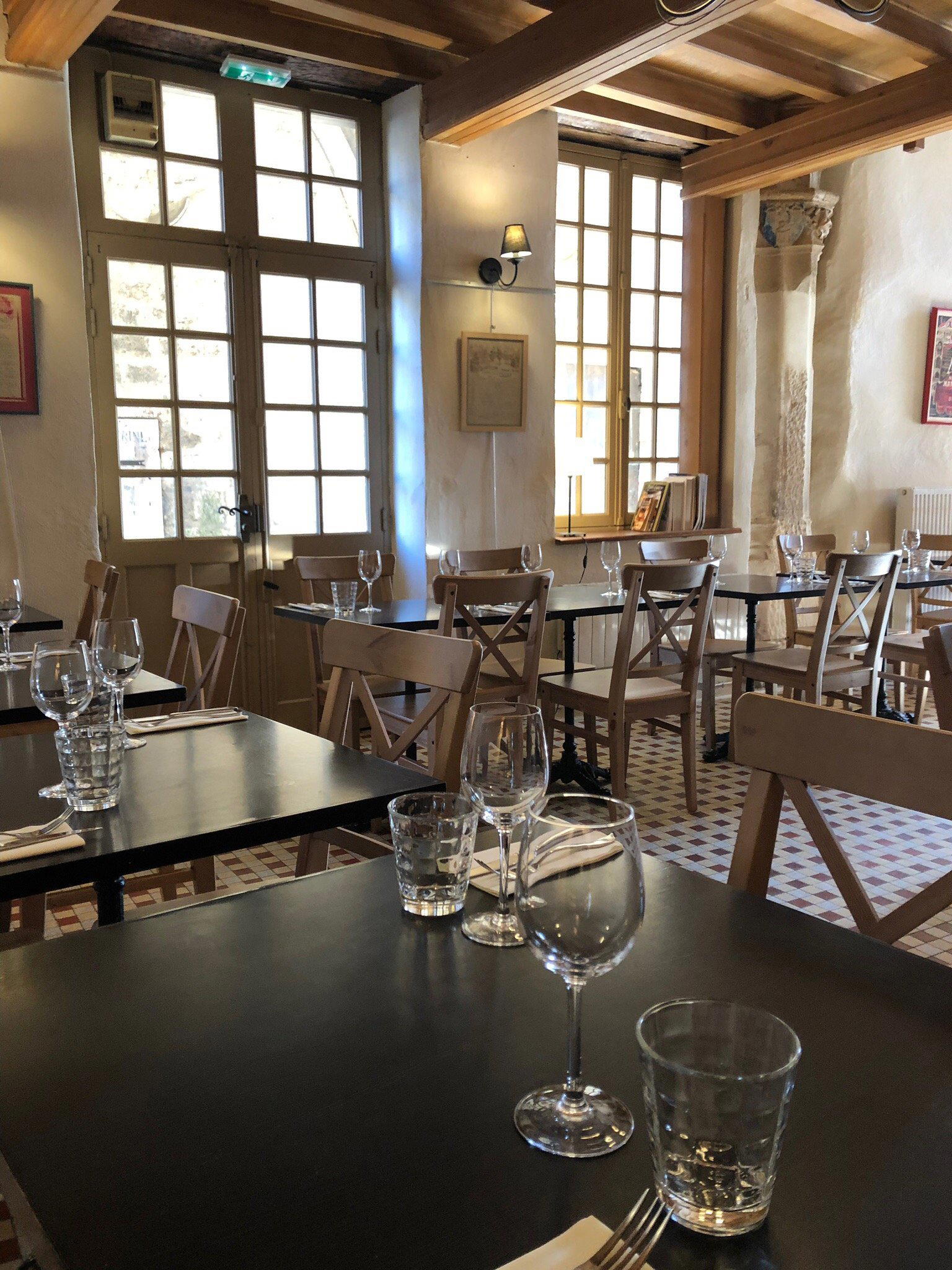
Warm, welcoming atmosphere with chic decor and rustic wooden accents; peaceful and intimate setting that reflects the owners' personal journey and hospitality.