Our verdict
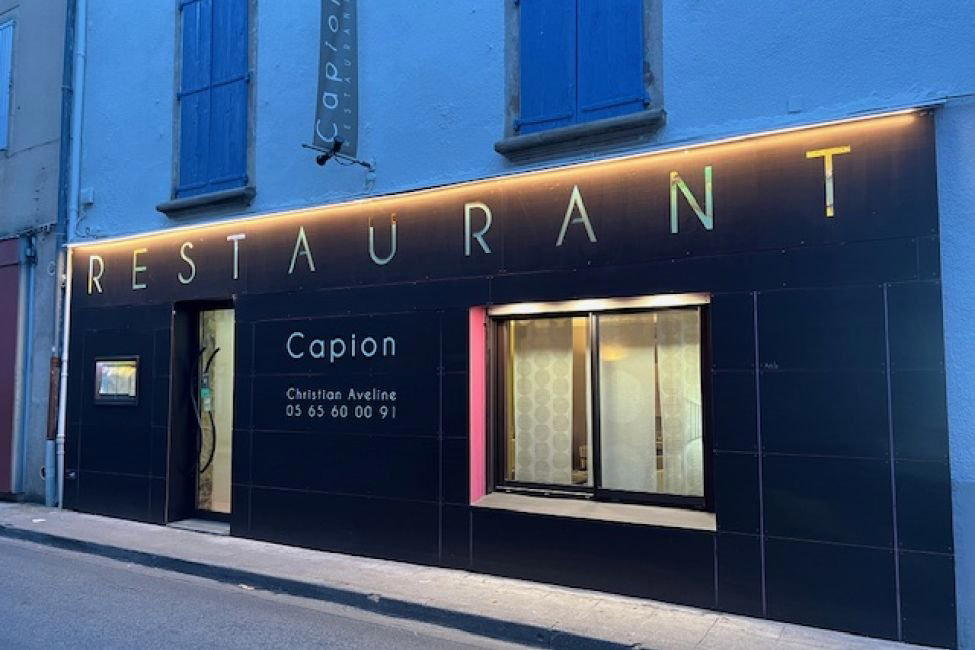
Capion occupies a address on Rue Jean François Alméras in Millau, a southern Aveyron town better known for its viaduct than its restaurant scene. The venue sits within a local dining circuit that includes Au Jeu de Paume and Le Bouche à Oreille, placing it inside a small but considered peer group. Contact details and current opening hours are best confirmed directly before visiting.

Pearl is the En Primeur Club membership app — saves, bookings, and concierge access live there. Same editors, same standards.
- Address
- 3 Rue Jean François Alméras, 12100 Millau, France
- Phone
- +33565600091
- Hours
- Mon 12–1:30 PM, 7:30–9 PMTue–Wed ClosedThu–Sun 12–1:30 PM, 7:30–9 PM
- Website
- restaurant-capion.fr
- Directions
- Get directions
- Booking
- Book on the venue's website
The menu
What to order
- Lamb sweetbreads (ris d'agneau)
- Semi-cooked foie gras
- Pluma pork from acorn-fed pigs
- Tuna steak
Millau's Dining Scene and Where Capion Fits
Millau sits in a fold of the Tarn valley, in the southern reaches of Aveyron, a département whose food culture runs deeper than most visitors expect. The area is defined by a few hard facts: Roquefort production in the caves at Combalou, lamb raised on the limestone causses, and a tradition of cooking that prizes local product over cosmopolitan ambition. Against that backdrop, the town's restaurant scene is modest in scale but pointed in its identities. Addresses like Au Jeu de Paume, Le Bouche à Oreille, Le plaisir des mets, Maison Seed, and Umami restaurant each occupy a distinct register, from neighbourhood bistro to more considered contemporary cooking. Capion, at 3 Rue Jean François Alméras, occupies its own position within that small circuit. See our full Millau restaurants guide for a broader map of the town's options.
The Cultural Weight of Aveyron Cooking
Understanding a restaurant in this part of southern France requires some sense of what Aveyron cooking actually represents. The region belongs to a tradition that French food culture has historically treated as peripheral — not Lyonnais, not Basque, not Provençal — yet it carries its own coherence. Roquefort is the obvious anchor, a sheep's milk blue aged under EU protected designation since 1925 and produced within a tightly defined geographic perimeter. But the causse lamb, the tripoux (offal parcels slow-cooked in sheep tripe), and the aligot of the Aubrac plateau to the north speak to a cuisine built around animal agriculture, altitude, and preservation. These are not tourist constructs. They reflect the economic and agricultural realities of a region that has been feeding itself from the same sources for centuries.
The significance for any restaurant operating in Millau is that the local culinary reference point is strong and specific. A kitchen here has to decide whether it engages with that tradition, reinterprets it, or sets it aside entirely. The leading Aveyron kitchens, including, notably, Bras in Laguiole, which sits roughly 80 kilometres to the north and represents one of France's most considered regional fine-dining expressions, have found ways to make that agricultural heritage the engine of their menus rather than a decorative element. That regional orientation distinguishes the Aveyron table from, say, the haute-technique internationalism of Alléno Paris au Pavillon Ledoyen or the coastal terroir play of Mirazur in Menton.
Some operate on bistro economics, with short menus, tight margins, and neighbourhood regulars as the core customer. Others pitch toward visitors arriving from the A75 autoroute, which passes the Millau Viaduct, one of the most heavily trafficked tourist infrastructure points in southern France, and are structured accordingly, with broader menus and more flexible hours. Capion's address on Rue Jean François Alméras places it within the town's walkable centre, away from the commercial periphery that can flatten a restaurant's identity. That positioning matters in a town of Millau's scale, where geography and foot traffic pull addresses in different directions.
France's provincial fine-dining tier has been under considerable pressure across the past decade, squeezed between the continued draw of Paris addresses like Assiette Champenoise in Reims or Au Crocodile in Strasbourg at one end, and the more casual, ingredient-led formats that have gained ground at the other. Restaurants in smaller cities have navigated this by leaning harder into regional specificity, which is precisely where Aveyron holds a natural advantage. The produce case here is strong: the Tarn valley's growing conditions, the pastoral agriculture of the surrounding causses, and the proximity to both Roquefort and Aubrac lamb give a kitchen access to raw material that requires less intervention to be compelling.
The Broader French Regional Context
Millau is not the kind of town that generates sustained international attention the way Lyon, Bordeaux, or even Megève does. A property like Flocons de Sel in Megève operates within a tourism economy built around seasonal luxury travel; Troisgros in Ouches draws on a dynastic reputation spanning generations. Millau's restaurants, by contrast, build their audience from a smaller and more local base. That is not a disadvantage in itself, some of France's most coherent cooking happens in precisely this kind of pressure-free environment, where the kitchen doesn't need to perform for international critics and can instead focus on a regulars-heavy customer base that rewards consistency over spectacle. The same logic applies at the highest register: Paul Bocuse's L'Auberge du Pont de Collonges earned its standing over decades of consistency, and Auberge de l'Ill in Illhaeusern has remained a reference point for Alsatian cooking across multiple generations. Provincial depth, in France, is not a consolation prize.
For those arriving in Millau from further afield, whether from Paris or from international points of origin, the town is accessible via the A75 from Clermont-Ferrand to the north or Montpellier to the south, with the viaduct crossing marking the approach from either direction. Rail connections exist via Millau station but are not high-speed; driving remains the dominant mode for visitors. The town's compact centre means that once you are there, most addresses are within easy walking distance of each other.
Planning Your Visit to Capion
The practical reality of visiting any restaurant in a town of Millau's scale is that information can be sparse online. The most reliable approach is to contact the restaurant directly at its Rue Jean François Alméras address, or to ask your accommodation for current operational details. In smaller French towns, restaurants often operate on seasonal or reduced schedules during quieter months, and confirming ahead avoids a wasted trip.
Frequently asked questions
Where exactly is Capion?
Capion is located at 3 Rue Jean François Alméras, 12100 Millau, France, Millau.
Is Capion a good choice for visitors coming to Millau specifically to eat well in Aveyron?
Millau is the main urban anchor of southern Aveyron, a région with a food culture built on AOC-protected ingredients and a tradition of cooking that predates the current appetite for French regional cuisine. For travellers whose itinerary includes the Millau Viaduct or the Grands Causses natural park, Capion at 3 Rue Jean François Alméras represents a local address worth verifying against current opening status before building plans around it.
What's the signature dish at Capion?
Until a current menu is confirmed directly with the restaurant at 3 Rue Jean François Alméras, it is worth asking staff what the kitchen leads with on any given service.
What's the best way to book Capion?
No booking phone number or website is currently listed for Capion at 3 Rue Jean François Alméras, 12100 Millau. For a restaurant in a town of Millau's scale, arriving in person or asking your accommodation to make contact on your behalf tends to be the most reliable approach. Local tourist offices in Millau can also assist with current contact details.
What is Capion known for?
Aveyron is the département behind several of France's most protected agricultural products, and restaurants here tend to draw on that larder with some seriousness. Capion's specific positioning within that scene is best assessed on the ground in Millau.
How does Capion handle allergies?
No allergy policy is documented in the available record for Capion. French restaurants in smaller cities like Millau vary considerably in how they accommodate dietary restrictions, and Aveyron's tradition-led cooking — heavy on dairy, offal, and lamb — means it is worth communicating requirements clearly and in advance, whether by phone or at the door.
Is Capion good value for money?
Millau is not a high-cost dining city by French standards, and restaurants operating in towns of its scale — around 22,000 residents in the Tarn valley — typically price within reach of the local market rather than at destination-restaurant levels. Confirmation of current pricing requires direct contact with the restaurant at its Millau address.
Booking and Cost Snapshot
Comparable venues nearby, for context on price, style, and recognition.
| Venue | Cuisine | Price | Awards | Notes |
|---|---|---|---|---|
| CapionThis venue — the venue you are viewing | Modern French Bistro | $30–50 | Not listed | Not listed |
| Le Bouche à Oreille | Traditional French Bistro | $20–30 | Not listed | Centre-ville (Old Town), Traditional French Bistro |
| Le plaisir des mets | Contemporary French Terroir | $30–50 | Not listed | Centre-ville, Contemporary French Terroir |
| Au Jeu de Paume | Traditional French Bistro with Grilled Meats | $30–50 | Not listed | Vieux Millau, Traditional French Bistro with Grilled Meats |
| Umami restaurant | Modern French-Asian Fusion | $30–50 | Not listed | Place Maréchal Foch, Modern French-Asian Fusion |
| Maison Seed | Modern Fusion | $50–100 | Michelin Plate | Old Town Millau, Modern Fusion |

Details
- Elegant
- Intimate
- Classic
- Cozy
- Date Night
- Business Dinner
- Group Dining
- Family
- Special Occasion
- Standalone
- Local Sourcing
- A La Carte
- Prix Fixe
- Wine
- Vegetarian Friendly
Current opening hours
- Monday
- 12–1:30 PM, 7:30–9 PM
- Tuesday
- Closed
- Wednesday
- Closed
- Thursday
- 12–1:30 PM, 7:30–9 PM
- Friday
- 12–1:30 PM, 7:30–9 PM
- Saturday
- 12–1:30 PM, 7:30–9 PM
- Sunday
- 12–1:30 PM, 7:30–9 PM
Hours can change for holidays and private events. Last verified .
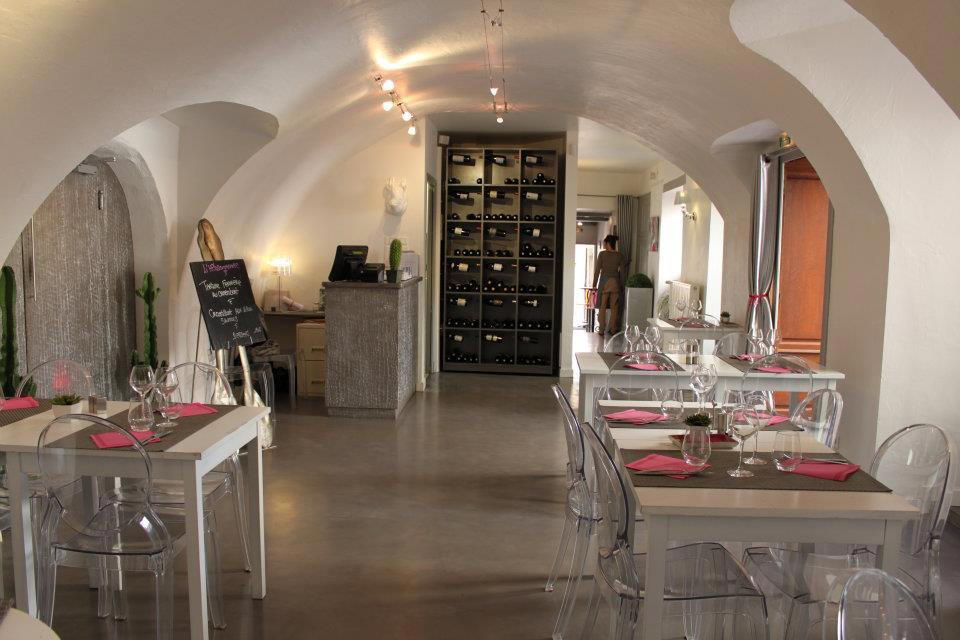
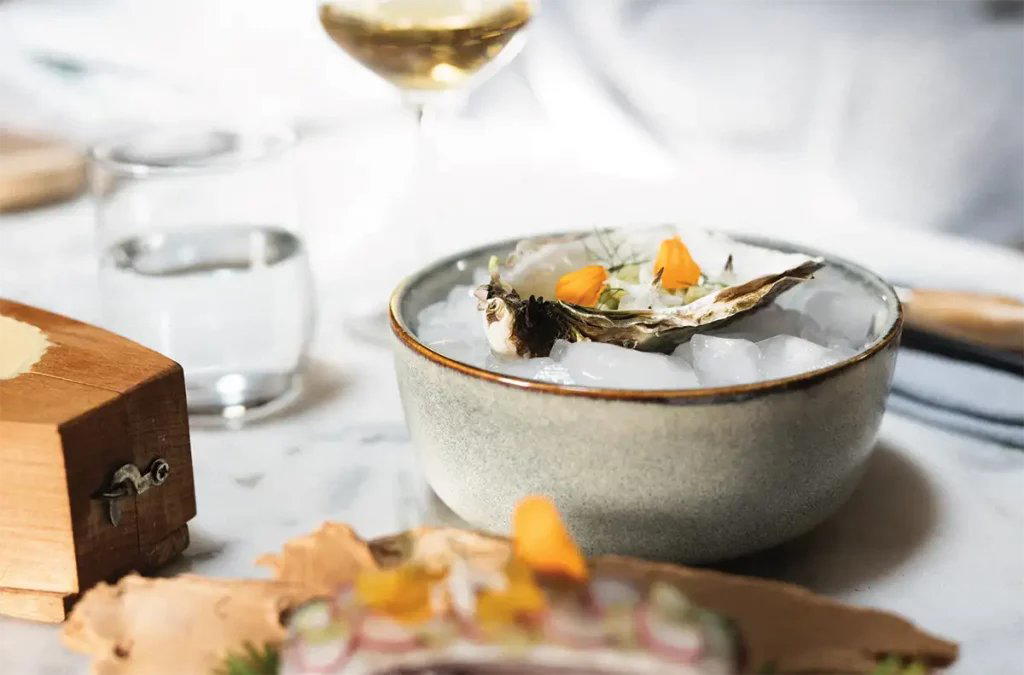
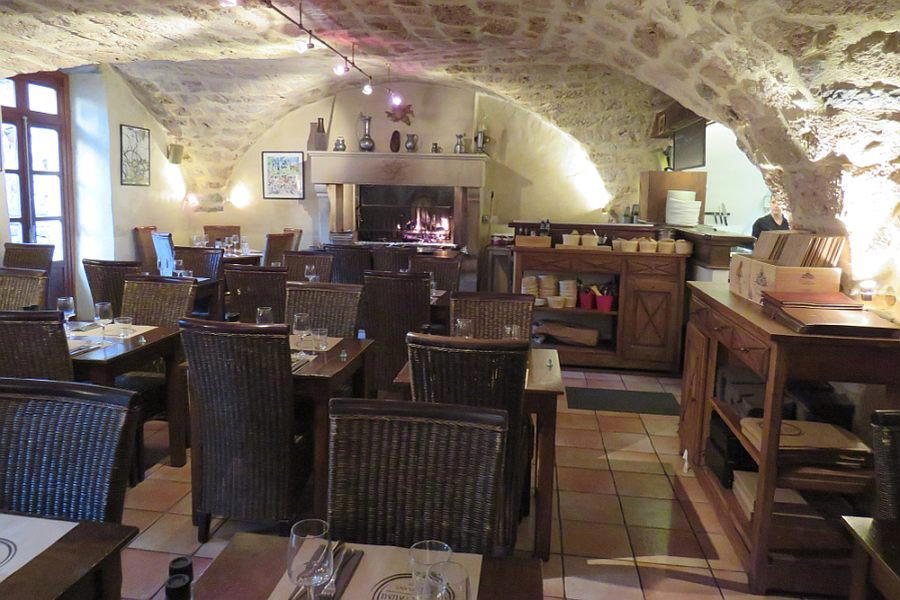
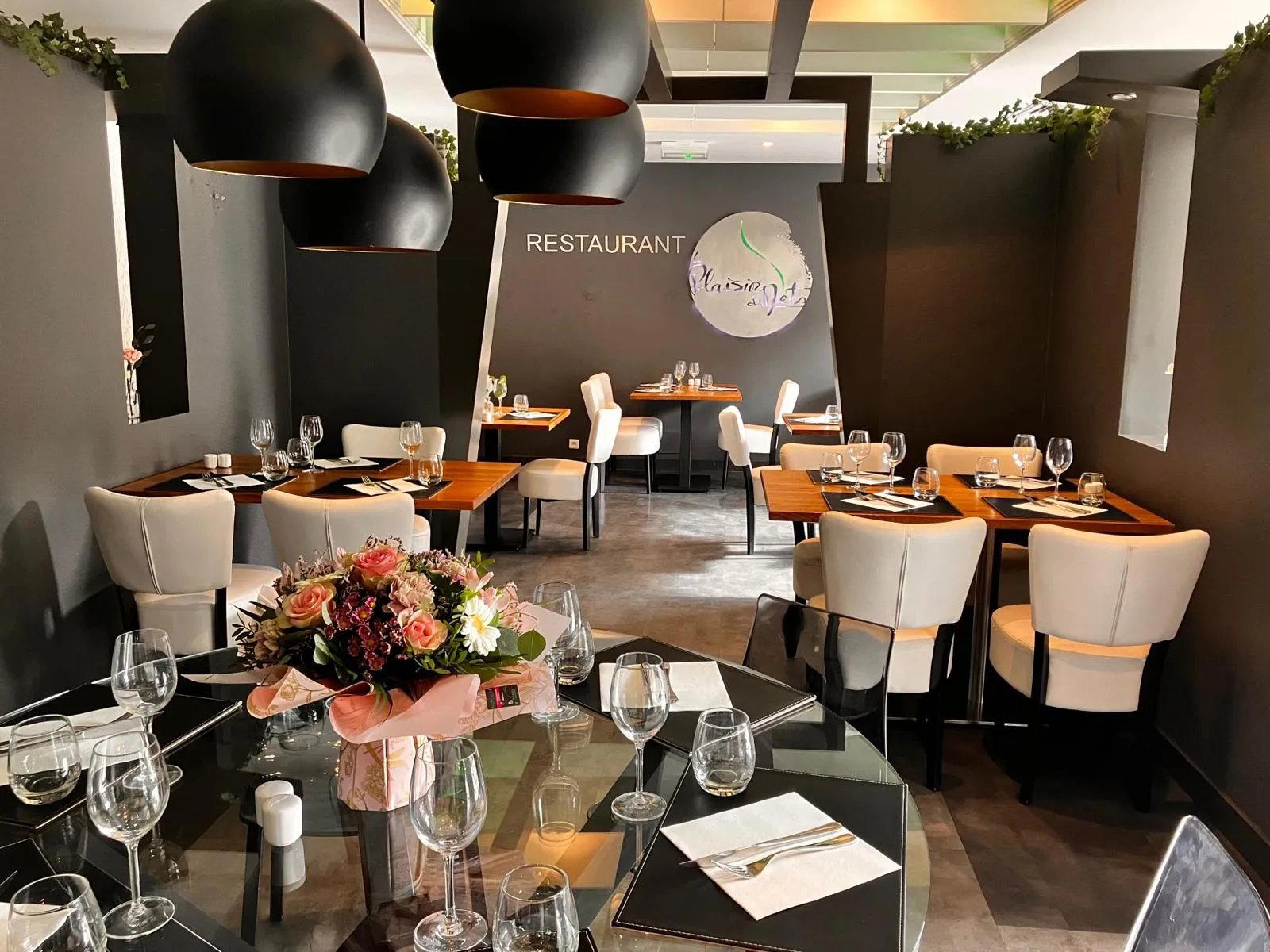
Contemporary dining room with simple and modern feel, warm and welcoming atmosphere with attentive service; described as cozy with pleasant presentation of dishes.