Au Jeu de Paume occupies a quiet address on Rue Saint-Antoine in Millau, a town better known for its viaduct than its dining room ambitions. What the restaurant represents is a broader question worth asking: how seriously should travellers passing through the Aveyron take the local table? Seriously enough to plan around it.
Pearl is the En Primeur Club membership app — saves, bookings, and concierge access live there. Same editors, same standards.
- Address
- 4 Rue Saint-Antoine, 12100 Millau, France
- Phone
- +33565602512
- Website
- aujeudepaume-millau.com
- Directions
- Get directions
 Saves & bookings on Pearl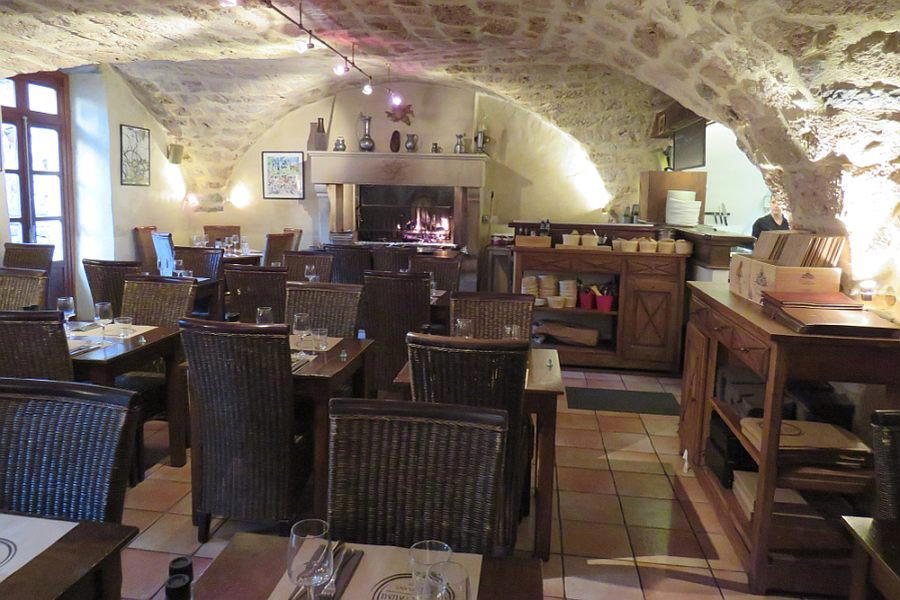
Where the Aveyron Table Earns Attention
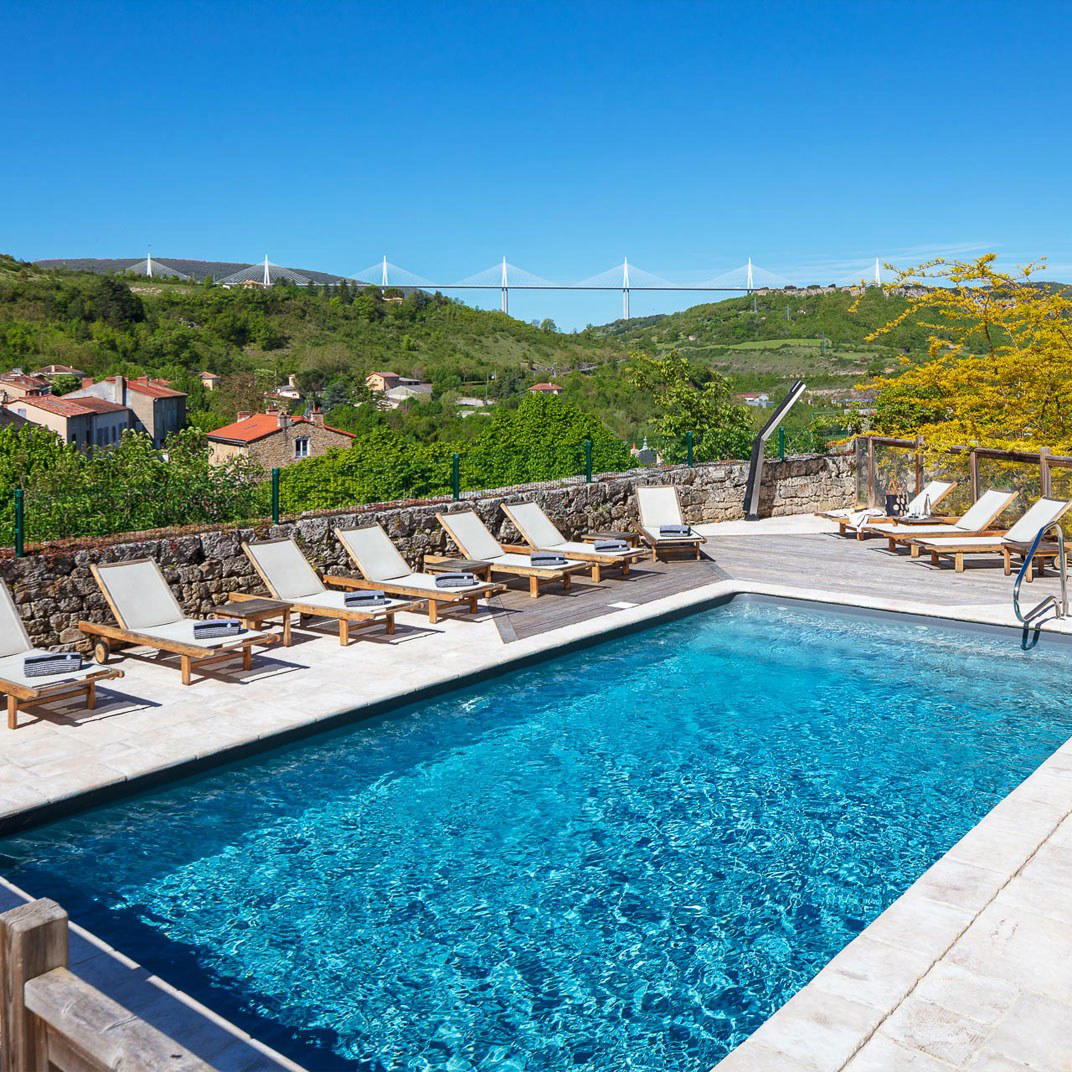
Millau sits in the Tarn gorge corridor, flanked by the Grands Causses limestone plateaux and the beginning of the Aveyron river valley. The town is most often reduced to a single image: the cable-stayed viaduct that carries the A75 motorway across the Tarn. But the streets below that structure tell a different story, one of a market town with a longer relationship to land, livestock, and seasonal produce than most visitors take time to notice. Rue Saint-Antoine is part of that older Millau, a narrow address in the historic centre where the pace is slower and the dining references are local rather than imported. Au Jeu de Paume is a traditional French bistro with grilled meats on this street, positioned inside that register.
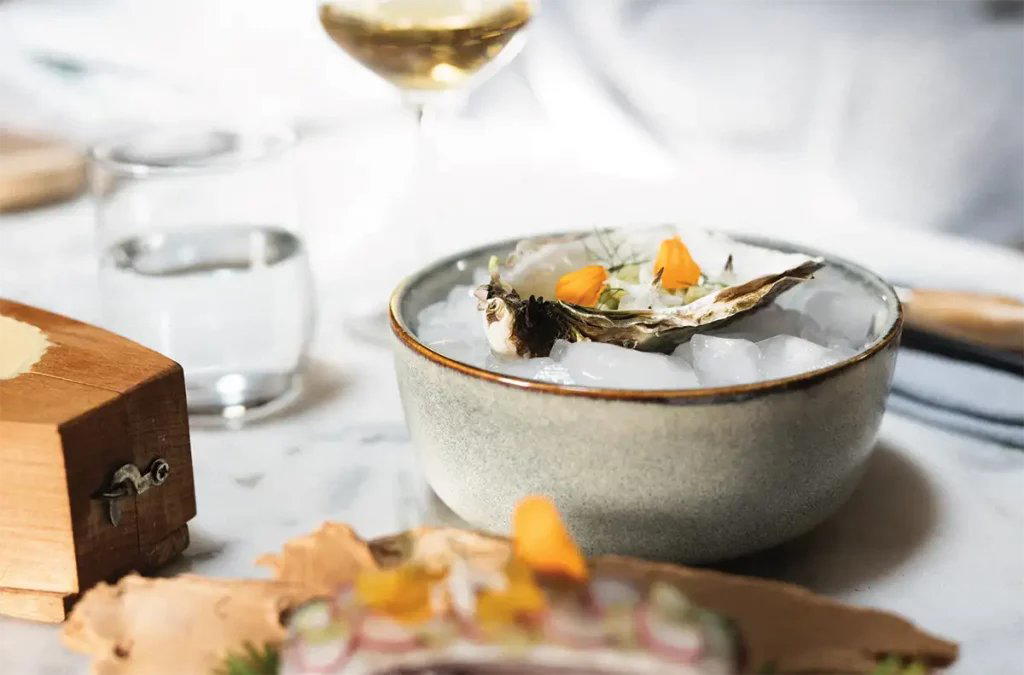
Aveyron is one of the départements that French food professionals tend to cite when the conversation turns to ingredient provenance. The region supplies Roquefort, one of France's most documented and regulated cheeses, aged in the caves of Combalou above the nearby village of Roquefort-sur-Soulzon. It raises the Aubrac cattle that have become a reference point for quality beef among Parisian chefs and, increasingly, internationally. Lamb from the Causses carries AOC status. The supply chain that serves a restaurant in Millau is, on paper, closer to the source than what most urban kitchens in France can claim. That context matters when reading a menu in this part of the country: the distance between pasture and plate is measurably shorter.
Dining in the Context of Small-Town Aveyron
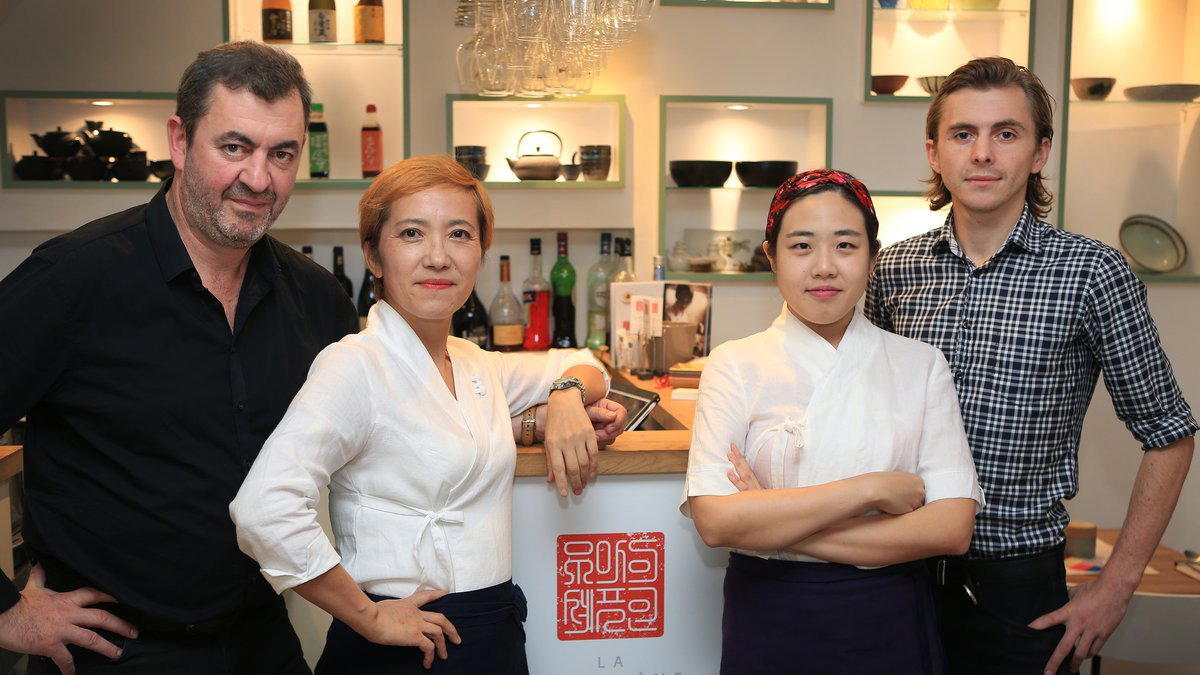
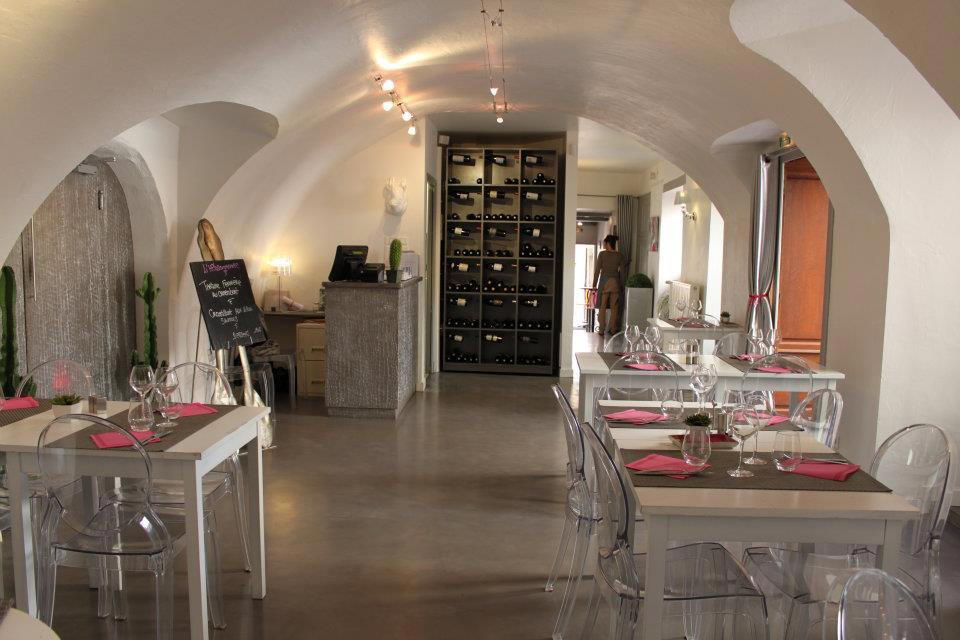
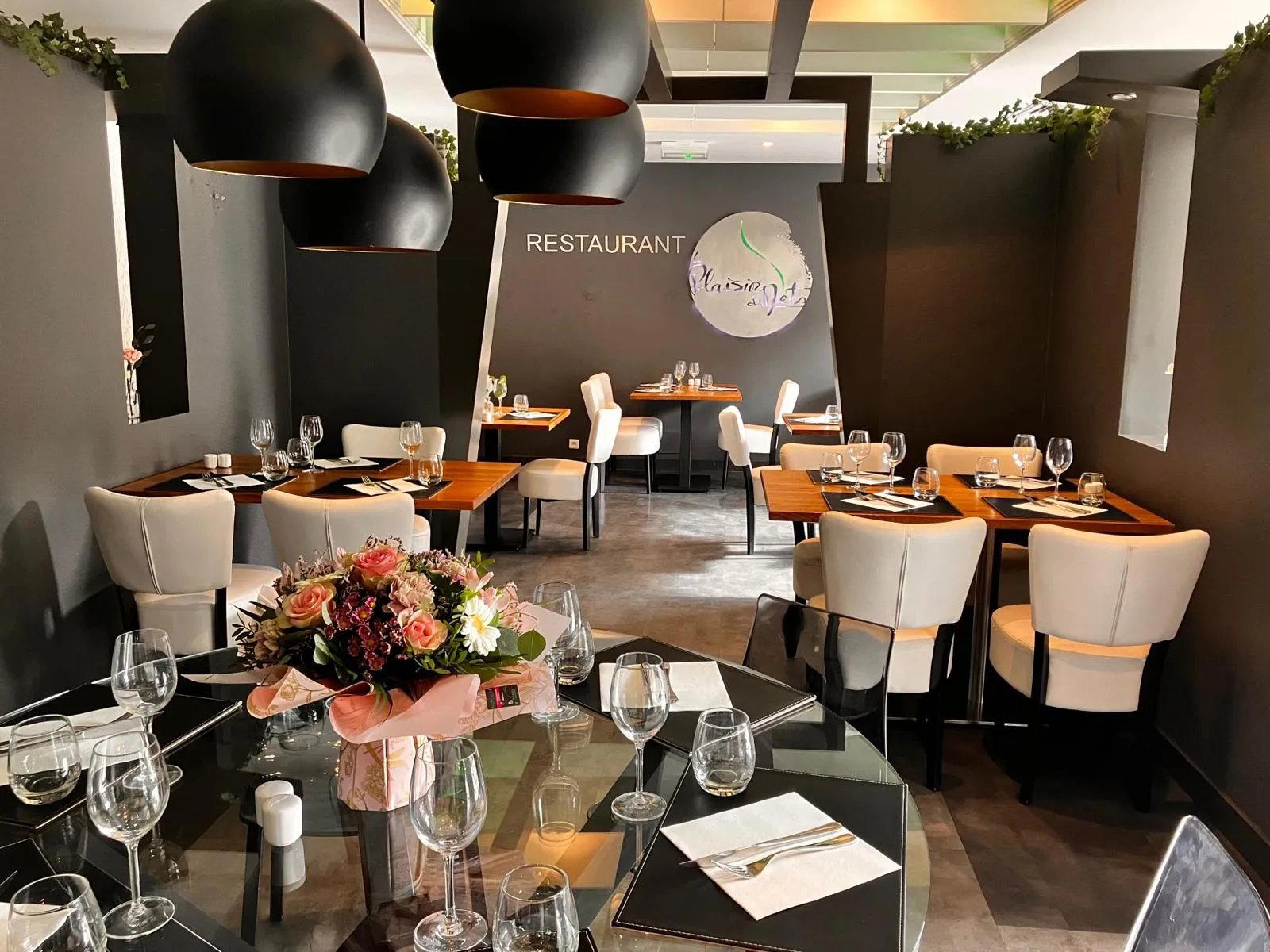
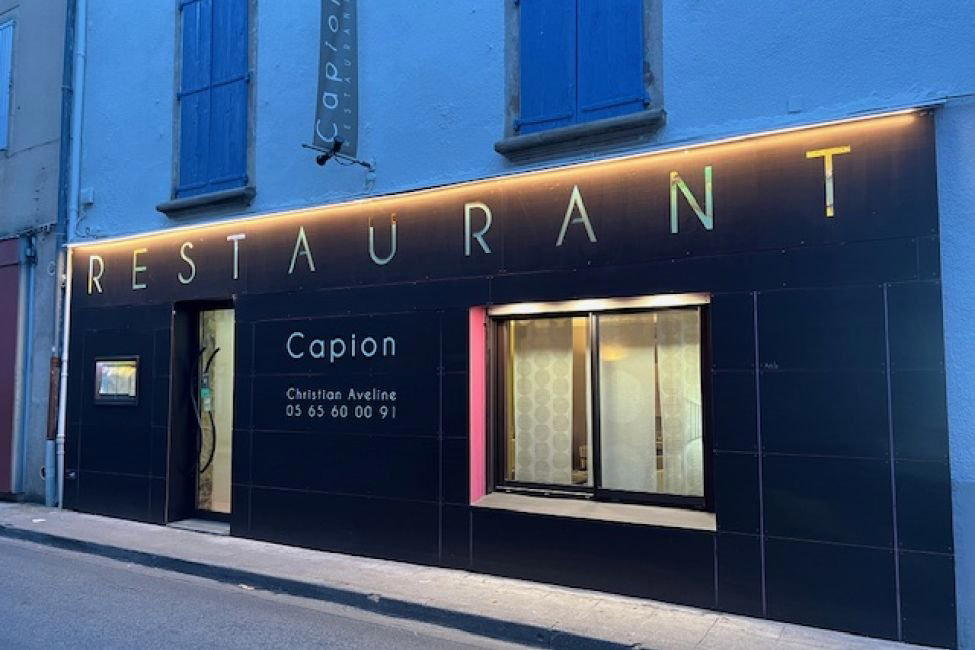
The restaurant scene in Millau operates across a modest but coherent range. Capion, Le Bouche à Oreille, Le plaisir des mets, Maison Seed, and Umami restaurant each occupy different corners of local dining, from direct regional fare to more considered contemporary cooking. Au Jeu de Paume sits within this community of options, not as an outlier but as part of what makes the town's dining scene worth mapping when you arrive.
Provincial French restaurants in this category, historic-centre addresses with regional sourcing and a format oriented around the table rather than the spectacle, tend to attract a mixed crowd: locals who return on occasion rather than every week, travellers who have gone slightly off the main routes, and the occasional visitor who has planned specifically around the Aveyron's food reputation. The dining room at Au Jeu de Paume on Rue Saint-Antoine corresponds to that audience rather than the passing motorway trade that much of Millau's hospitality economy depends on.
The Ingredient Logic of the Aveyron
The argument for eating seriously in Millau is, above all, an ingredient argument. French regional cooking at its most coherent is not about technique applied to generic supply chains; it is about technique applied in proximity to specific producers. The Aveyron has those producers in number. Roquefort's protected designation of origin has been in place since 1925, making it one of the earliest formally protected French cheeses. Aubrac beef carries its own geographic indication. Lamb from the Causses plateau has been recognised under the Label Rouge quality scheme. A kitchen operating in Millau that takes sourcing seriously has access to a raw material base that most restaurants in larger French cities can only approximate through distribution relationships.
That supply logic connects Au Jeu de Paume to a broader tradition of provincial French cooking that has defined the country's culinary reputation at least as much as its Parisian fine dining tier. Houses like Bras in Laguiole, Michel and Sébastien Bras's three-Michelin-star address in the Aubrac highlands roughly 90 kilometres north of Millau, built a global reputation precisely by refusing to decouple cooking from the specific landscape that surrounded it. That is a benchmark at the elite end of the provincial sourcing model. At a different scale, the same logic applies across the region: the leading reason to eat in Aveyron is because the raw materials are here.
Comparable traditions play out across provincial France. Flocons de Sel in Megève built its three-star identity around Alpine produce specificity. Les Prés d'Eugénie in Eugénie-les-Bains made a landscape's resources the centre of its culinary identity. Auberge de l'Ill in Illhaeusern represents Alsatian produce translated into three-star cooking over multiple generations. Georges Blanc in Vonnas has anchored Bresse poultry at the centre of its kitchen identity for decades. The provincial French table, when it works, is a sourcing argument first and a technique argument second. The restaurant operates in a region where that sourcing argument is unusually strong.
Approaching the Restaurant
Rue Saint-Antoine is a short street in Millau's historic centre, within walking distance of the old market square and the medieval belfry. The physical approach is typical of the Aveyron's smaller towns: stone buildings, narrow pavements, a scale that resists the kind of anonymity that larger French cities impose on their restaurant districts. The atmosphere before you are seated is defined by the architecture of the street as much as anything the restaurant itself projects. In a town where the modern infrastructure, the viaduct, the commercial zones on the periphery, tends to dominate the first impression, the historic centre operates at a different register. Planning a visit around a table on Rue Saint-Antoine is a decision to slow down and engage with the older version of the town.
For travellers using Millau as a stop on the A75 corridor between Paris and the Mediterranean coast, the historic centre requires a deliberate detour from the motorway infrastructure. That deliberateness is part of the point. The restaurants that attract visitors to France's provincial towns, from Troisgros in Ouches to La Table du Castellet in the Var, share a common trait: they reward the detour rather than serving convenience. The restaurant belongs to that category of restaurant where the act of going slightly out of your way is implicit in the decision to visit.
The restaurant is open Monday through Saturday from 7 to 9:30 PM and closed on Sunday. Reservations are recommended, and the price per person is about $33. Provincial French restaurants at this level sometimes operate on reduced schedules outside peak season, and the Aveyron's tourist calendar is concentrated in the summer months between June and September. Booking ahead is sensible rather than optional for any serious dinner plan, particularly if travelling during the summer when the Millau Viaduct draws significant visitor traffic to the region.
Millau in the Wider French Restaurant Conversation
The cities and towns that tend to dominate France's restaurant conversation are predictable: Paris with addresses like Alléno Paris au Pavillon Ledoyen, the Côte d'Azur with Mirazur in Menton, Lyon's classical tradition anchored by Paul Bocuse's Auberge du Pont de Collonges. Aveyron rarely appears in that conversation except at its highest tier, through Bras, while the restaurant serves a more accessible expression of the same regional logic. But the region's ingredient base means that mid-tier restaurants operating in good faith with local supply chains can achieve a quality of raw material that is structurally difficult to replicate in cities. For travellers who want to eat well rather than eat famously, that distinction is worth understanding.
Internationally, the dynamic of destination-town cooking rewarding the deliberate traveller is not specific to France. Lazy Bear in San Francisco or Le Bernardin in New York City represent the urban anchor model. The provincial model is something different: smaller audience, stronger raw material argument, lower visibility. The restaurant in Millau sits inside that provincial model, in a region that makes the ingredient case clearly.
Fast Comparison
Comparable venues nearby, for context on price, style, and recognition.
| Venue | Cuisine | Price | Awards | Notes |
|---|---|---|---|---|
| Au Jeu de PaumeThis venue — the venue you are viewing | Traditional French Bistro with Grilled Meats | $$ | Not listed | Not listed |
| Umami restaurant | Modern French-Asian Fusion | $$ | Not listed | Place Maréchal Foch |
| Capion | Modern French Bistro | $$$ | Not listed | city center |
| Le Bouche à Oreille | Traditional French Bistro | $$ | Not listed | Centre-ville (Old Town) |
| Le plaisir des mets | Contemporary French Terroir | $$$ | Not listed | Centre-ville |
| Maison Seed | Modern Fusion | $$ | Michelin Plate | Old Town Millau |
At a Glance
- Classic
- Rustic
- Cozy
- Intimate
- Date Night
- Special Occasion
- Terrace
- Historic Building
- Extensive Wine List
- Local Sourcing
- Street Scene
Current opening hours
- Monday
- 7–9:30 PM
- Tuesday
- 7–9:30 PM
- Wednesday
- 7–9:30 PM
- Thursday
- 7–9:30 PM
- Friday
- 7–9:30 PM
- Saturday
- 7–9:30 PM
- Sunday
- Closed
Hours can change for holidays and private events. Last verified .
Authentic historic architecture with a cozy, traditional atmosphere evoking the past.