Le Bistro Du Vingt
Our verdict
On a quiet street in Boulogne-sur-Mer's lower town, Le Bistro Du Vingt occupies the kind of address that rewards local knowledge over algorithmic discovery. The cooking here is rooted in the sourcing logic of the Channel coast: proximity to the port, seasonal fidelity, and a format that sits comfortably in the mid-market bistro register Boulogne does well. A grounded option in a city with a more interesting food scene than its reputation suggests.

Pearl is the En Primeur Club membership app — saves, bookings, and concierge access live there. Same editors, same standards.
- Address
- 20 Rue du Doyen, 62200 Boulogne-sur-Mer, France
- Phone
- +33391217942
- Hours
- Mon–Thu 12–2:30 PM, 6:30–10 PMFri–Sat 12–2:30 PM, 6:30–10:30 PMSun 12–2:30 PM, 6:30–10 PM
- Website
- bistrot-boulognesurmer.fr
- Directions
- Get directions
- Booking
- Book on the venue's website
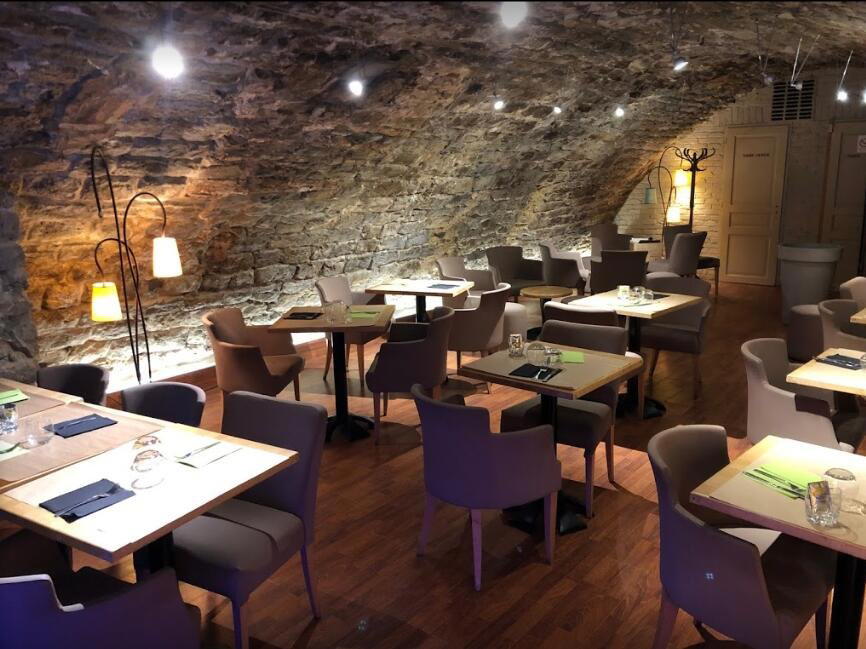
Where the Port Economy Meets the Plate
Boulogne-sur-Mer has a stronger claim on French seafood culture than most visitors realise. The city processes more fish than any other port in France, and that industrial fact has a direct bearing on what ends up on restaurant tables within a short radius of the quays. The supply chain here is compressed in a way that coastal restaurants in Paris or Lyon cannot replicate: what was swimming in the Channel this morning is plausible on a lunch menu by midday. Le Bistro Du Vingt, at 20 Rue du Doyen, sits inside that geography. Its address in the lower town places it close to the commercial and culinary heartbeat of Boulogne rather than up in the historic haute ville, which tends toward tourist-facing formats. That positioning matters when you are thinking about sourcing logic.
France's most decorated restaurants — Mirazur in Menton, Flocons de Sel in Megève, Bras in Laguiole — have each built their identity around radical proximity to a specific ingredient source: the Mediterranean, alpine terrain, the Aubrac plateau. The bistro register operates on a different scale, but the underlying principle is the same. A bistro on the Channel coast that earns its place does so by treating the port as its larder, not as a postcard backdrop.
The Bistro Format in a Port City
French bistro dining has a set of conventions that make it readable before you sit down: a handwritten or short-format menu, moderate price architecture, a wine list organised by region rather than by prestige, and a kitchen that depends on seasonal availability rather than year-round consistency. In a port city like Boulogne, those conventions interact with the daily catch in ways that make the format particularly well-suited to the location. The menu changes with what arrives, and the cooking does not pretend otherwise.
This is a different register from the formal tasting-menu houses that define France's starred tier. Alléno Paris au Pavillon Ledoyen in Paris, Assiette Champenoise in Reims, and Auberge de l'Ill in Illhaeusern operate in a world of engineered precision and multi-course progression. The bistro contract is the inverse: legibility, directness, and the kind of cooking that does not require a briefing from the waiter. In Boulogne, that means fish prepared in ways that do not obscure what it is. Sourcing is the argument; technique is in service of it.
Boulogne's restaurant scene splits broadly between places that face outward toward day-trippers from the UK (it remains one of the most accessible French cities from southern England, with direct ferry and road connections) and places that operate on a local frequency. Le Chatillon and Restaurant de la Haute Ville represent other reference points within that ecosystem. Le Bistro Du Vingt's address on Rue du Doyen suggests the latter orientation. You can find our full assessment of how these places relate to each other in the Boulogne-sur-Mer restaurants guide.
Ingredient Logic on the Channel Coast
The case for eating fish in Boulogne rather than in Paris is not sentimental, it is logistical. The city's port infrastructure, built around the Centre National de la Mer and the commercial fishing industry, means that turbot, sole, herring, and mackerel move from boat to distributor to kitchen in a timeframe that larger inland cities cannot match. For a bistro operating without a multi-day aging programme or elaborate preservation techniques, that freshness differential is the primary competitive advantage.
Coastal French cooking at this register tends to value restraint: butter, cream, and wine as structural elements rather than as flavour overrides, allowing the fish itself to carry the dish. This is a different instinct from the richly sauced tradition of Paul Bocuse - L'Auberge du Pont de Collonges in Collonges-au-Mont-d'Or or the product-driven vegetable focus at Auberge du Vieux Puits in Fontjoncouse. On the coast, the kitchen's credibility rests on what it chose to buy that morning.
Seafood-forward coastal bistros in France also tend to pair naturally with the local wine logic of the north: lighter whites, often from the Loire or Alsace, that do not compete with delicate fish. Au Crocodile in Strasbourg operates in a different register, but Alsatian whites circulate widely in northern French restaurants as an obvious pairing for Channel fish. A short, well-chosen wine list is often more useful than an encyclopaedic one at this price tier.
Planning Your Visit
Boulogne-sur-Mer is roughly two and a half hours from Paris by car via the A16 motorway, and sits within easy reach of the Channel Tunnel terminus at Coquelles near Calais. For visitors from the UK, it is one of the most direct French dining destinations accessible without a flight. The lower town, where Le Bistro Du Vingt is located on Rue du Doyen, is walkable from the port area and the main commercial streets. Lunch service tends to be the primary rhythm for bistros of this type in northern France, though evening service is standard. Given the absence of booking data in the public record, contacting the restaurant directly before a special trip is advisable, particularly on weekends or during summer months when Boulogne sees higher visitor volumes. France's northern coast does not operate on the same reservation pressure as Paris's starred tier, Georges Blanc in Vonnas or Troisgros - Le Bois sans Feuilles in Ouches require planning months out, but a well-regarded local bistro in a port city with reliable weekend foot traffic is worth calling ahead.
For context on how Boulogne's bistro scene compares to seafood-led cooking elsewhere in France, Christopher Coutanceau in La Rochelle represents the starred coastal end of the spectrum, while AM par Alexandre Mazzia in Marseille shows what happens when Mediterranean sourcing meets creative ambition. Boulogne's bistro tier operates well below those price points but draws from the same underlying argument: the ingredient, bought well and cooked honestly, does most of the work. If your frame of reference runs to Le Bernardin in New York City or Atomix in New York City, the register here is deliberately simpler, and that is the point.
Frequently asked questions
Is Le Bistro Du Vingt okay with children?
The bistro format at 20 Rue du Doyen is generally a relaxed one by French standards, with short menus and a practical dining rhythm that suits families better than formal restaurants. Boulogne-sur-Mer itself draws a cross-generational crowd, including day-trippers from the UK crossing via the Channel Tunnel.
Is Le Bistro Du Vingt formal or casual?
The bistro category in France carries its own dress code by convention: presentable but not ceremonial. A handwritten or short-format menu, moderate price architecture, and a port-city address on Rue du Doyen all point toward a room where the focus is on the plate rather than the ritual. Arrive as you would for a serious lunch rather than a special-occasion dinner.
Is Le Bistro Du Vingt a good option for visitors arriving via the Channel Tunnel?
Boulogne-sur-Mer sits within easy reach of the Channel Tunnel terminus at Calais, making Le Bistro Du Vingt at 20 Rue du Doyen a practical first stop for visitors entering France from the UK. The bistro format suits a post-crossing lunch without requiring advance planning around a long tasting menu. Given the city's position as France's largest fish-processing port, it also offers immediate access to the kind of fresh seafood that justifies the detour off the A16.
What do people recommend at Le Bistro Du Vingt?
The city processes more fish than any other port in France, meaning the supply chain between the harbour and a bistro on Rue du Doyen is short enough to matter on the plate. Seafood-led specials tied to daily landings are the rational order in this context.
Where do I go for Le Bistro Du Vingt?
Le Bistro Du Vingt is located at 20 Rue du Doyen, 62200 Boulogne-sur-Mer, France, Boulogne Sur Mer.
How hard is it to get a table at Le Bistro Du Vingt?
French bistros at this address tier typically operate on moderate covers, and Boulogne-sur-Mer sees concentrated lunch demand from cross-Channel day visitors, particularly on weekends. Booking ahead rather than walking in is the practical approach, especially during summer.
Fast Comparison
Comparable venues nearby, for context on price, style, and recognition.
| Venue | Cuisine | Price | Awards | Notes |
|---|---|---|---|---|
| Le Bistro Du VingtThis venue — the venue you are viewing | Traditional French Bistro | $20–30 | Not listed | Not listed |
| Le Chatillon | Traditional French Seafood | $30–50 | Not listed | Capécure |
| Restaurant de la Plage | French Seafood | Not listed | Michelin Plate | Boulogne-sur-Mer |
| Restaurant de la Haute Ville | Semi-Gastronomic French Bistro | $30–50 | Not listed | vieille ville |
| L'Îlot Vert | Modern French Bistro | $30–50 | Michelin Plate | Ville fortifiée |
| La Matelote | Modern French Seafood | $100–150 | Michelin Plate | city center |
Continue exploring
More in Boulogne-sur-Mer
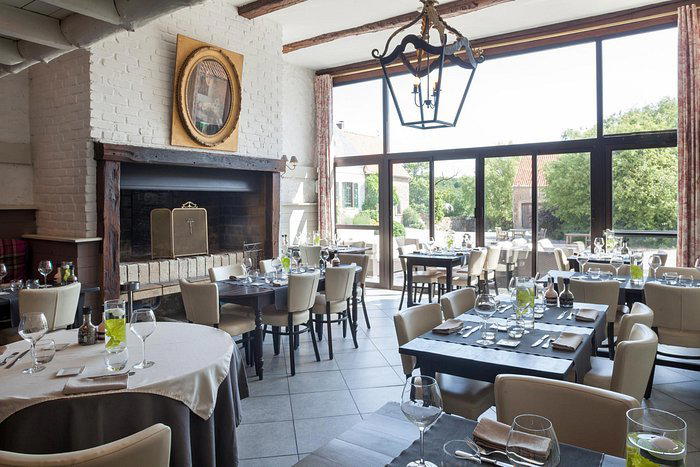
Restaurants in Boulogne-sur-Mer
Browse all →
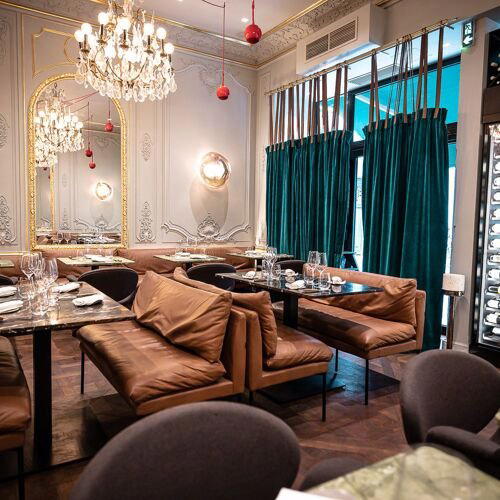
Bars in Boulogne-sur-Mer
Browse all →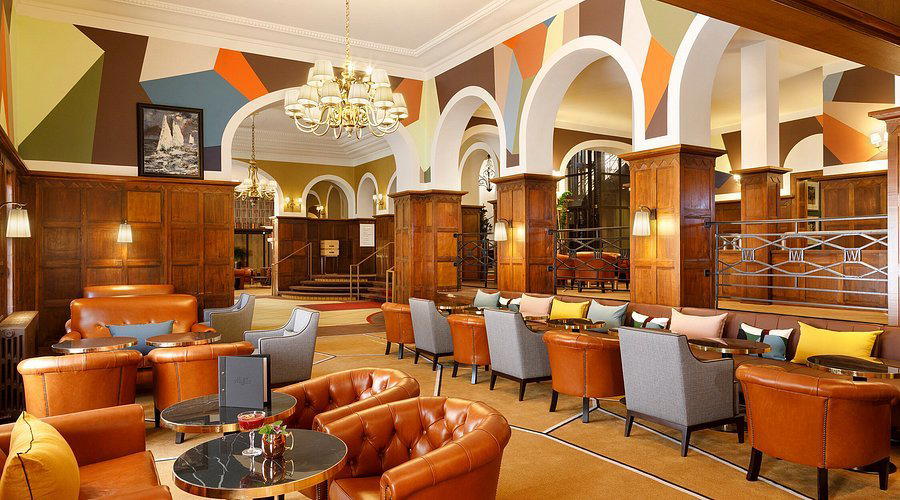
Hotels in Boulogne-sur-Mer
Browse all →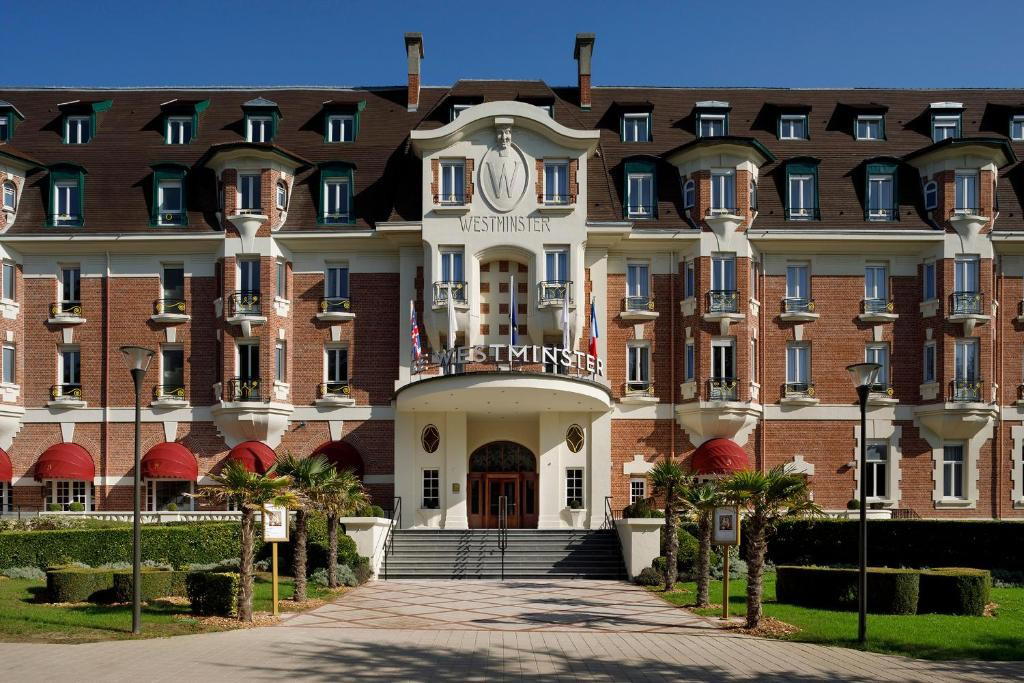
Wineries in Boulogne-sur-Mer
Browse all →
Le Bistro Du Vingt
The wine
- Wine program
- Curated wine list
- Extensive wine list
Details
- Cozy
- Classic
- Elegant
- Date Night
- Family
- Casual Hangout
- Standalone
- Extensive Wine List
- Local Sourcing
- A La Carte
- Vegetarian Friendly
Current opening hours
- Monday
- 12–2:30 PM, 6:30–10 PM
- Tuesday
- 12–2:30 PM, 6:30–10 PM
- Wednesday
- 12–2:30 PM, 6:30–10 PM
- Thursday
- 12–2:30 PM, 6:30–10 PM
- Friday
- 12–2:30 PM, 6:30–10:30 PM
- Saturday
- 12–2:30 PM, 6:30–10:30 PM
- Sunday
- 12–2:30 PM, 6:30–10 PM
Hours can change for holidays and private events. Last verified .
Warm and convivial atmosphere with a welcoming bistro feel.