Restaurant de la Haute Ville
Our verdict
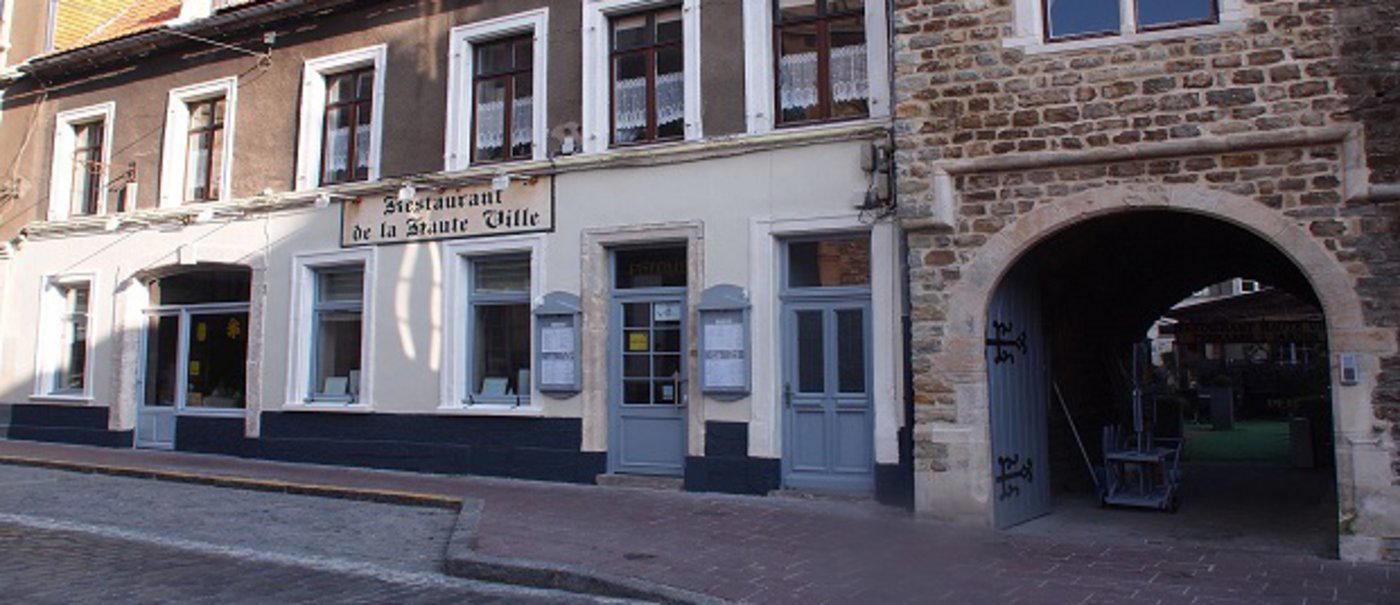
Set on the Rue de Lille in Boulogne-sur-Mer's historic upper town, Restaurant de la Haute Ville sits within one of the Channel coast's most architecturally preserved quarters. The restaurant draws on the deep culinary traditions of the Pas-de-Calais, a region defined by its fishing heritage and proximity to both French and British food cultures. Advance contact is recommended for planning your visit.

Pearl is the En Primeur Club membership app — saves, bookings, and concierge access live there. Same editors, same standards.
- Address
- 60 Rue de Lille, 62200 Boulogne-sur-Mer, France
- Phone
- +33321805410
- Hours
- Mon 12–2 PM, 7–9:30 PMTue–Wed ClosedThu–Sun 12–2 PM, 7–9:30 PM
- Website
- restaurantdelahauteville.fr
- Directions
- Get directions
- Booking
- Book on Zenchef
The menu
What to order
- Crevettes flambées au whisky
- Pavé d'encornet
Where the Walled City Meets the Table
Boulogne-sur-Mer's Haute Ville — the fortified upper town encircled by 13th-century ramparts — operates on a different clock from the working port below. The streets here are quieter, the stone facades unchanged for centuries, and the sense of remove from the commercial waterfront is immediate. Restaurant de la Haute Ville, addressed at 60 Rue de Lille, sits inside this preserved quarter, where the architecture itself makes an argument about continuity. Dining in this part of the city means engaging with a particular kind of French provincial seriousness: not the self-conscious refinement of a capital dining room, but something older and more grounded in place.
That grounding matters in Boulogne-sur-Mer, a city whose culinary identity is often reduced to its fish market, Europe's largest in terms of landed volume, when the fuller story is considerably more layered. The Pas-de-Calais sits at a geographic and cultural crossroads, absorbing centuries of Flemish influence from the east, maritime tradition from the coast, and the broader conventions of northern French bourgeois cooking. Any restaurant operating in the upper town inhabits all of that context whether it acknowledges it explicitly or not.
The Northern French Table: A Culinary Framework
To understand what a serious restaurant in Boulogne-sur-Mer is working with, it helps to place northern French cooking in its broader national context. French gastronomy is frequently discussed through its southern and Parisian registers, the cream-driven classicism of Lyon, the Riviera's Mediterranean produce at places like Mirazur in Menton, the grand institutional kitchens of Paris such as Alléno Paris au Pavillon Ledoyen. The north receives less attention, which creates a gap between the region's actual culinary depth and its international reputation.
Northern French cooking has its own coherent logic. It leans on butter, cream, and endive; on moules and maatjes; on chicory and juniper-inflected preparations that reflect the Flemish border. The seafood tradition here is not a recent positioning exercise, it is structural. Herring, sole, turbot, and the Channel's bivalve harvest have shaped menus across this coastline for generations, and the leading northern French kitchens treat this inheritance as a genuine repertoire rather than a tourist shorthand. For reference points elsewhere in the French fine-dining tier, houses like Christopher Coutanceau in La Rochelle have shown how seriously seafood-centred French cooking can operate when approached with precision and clear identity.
The Haute Ville address also places this restaurant within a longer French tradition of provincial dining rooms that derive authority from their setting rather than from metropolitan validation. Houses like Auberge de l'Ill in Illhaeusern, Bras in Laguiole, or Georges Blanc in Vonnas have each built international standing from deeply local roots. That model, specificity as a competitive advantage, is the underlying logic of French regional dining at its most coherent.
Boulogne-sur-Mer's Dining Scene in Brief
Boulogne-sur-Mer's restaurant offer splits broadly between the port-adjacent fish restaurants that serve the city's most obvious tourist demand and a smaller tier of more considered dining rooms that address a local and regional clientele. The upper town, with its limited footfall relative to the waterfront, tends to attract the latter category. Visitors navigating the city's dining options would do well to cross-reference the Haute Ville with other addresses in the same tier: Le Bistro Du Vingt and Le Chatillon represent the kind of locally anchored cooking that gives the city's dining scene its actual character. A fuller picture of the city's options is available in our full Boulogne-sur-Mer restaurants guide.
The French Channel coast more broadly is an underexplored dining corridor for visitors who route through Calais or Boulogne on their way south. Spending a proper meal here, rather than continuing directly to Paris or the Loire, consistently rewards those who do. The produce pipeline from both sea and the agricultural Pas-de-Calais hinterland gives kitchens in this region access to ingredients that the capital's restaurants import at significant cost and logistical delay.
Planning Your Visit
The Rue de Lille address places the restaurant within comfortable walking distance of the Haute Ville's main landmarks, including the Notre-Dame de Boulogne basilica and the rampart walks. Visitors arriving by Eurostar or via the Channel Tunnel will find Boulogne-sur-Mer accessible in under two hours from London St Pancras via Lille, making the city a viable day-trip or short-stay destination from the UK. Those driving from Calais should allow approximately 35 minutes along the coast road. This is consistently good practice for smaller provincial restaurants in France, where hours can shift seasonally and covers are sometimes limited.
For broader context on how northern French restaurants at this level sit within the national fine-dining tier, the comparison set is instructive. Houses like Assiette Champenoise in Reims, Au Crocodile in Strasbourg, Auberge du Vieux Puits in Fontjoncouse, and Flocons de Sel in Megève illustrate how serious provincial French kitchens sustain their identity outside the capital. Internationally, the French table continues to project influence: Le Bernardin in New York City built one of that city's most recognised fine-dining programs around a French seafood tradition directly comparable to what the Channel coast produces at source. Atomix in New York City demonstrates, from a different culinary tradition entirely, how regional specificity and sustained craft translate into international standing, a principle that applies equally well to what the leading northern French tables are doing.
Further afield within France, AM par Alexandre Mazzia in Marseille, Troisgros - Le Bois sans Feuilles in Ouches, and Paul Bocuse - L'Auberge du Pont de Collonges in Collonges-au-Mont-d'Or anchor the national conversation about what French regional cooking, at its most serious, continues to produce. Restaurant de la Haute Ville operates in a different register, smaller city, less visibility, but the culinary traditions it can draw on are no less deep.
Frequently asked questions
Where do I go for Restaurant de la Haute Ville?
Restaurant de la Haute Ville is located at 60 Rue de Lille, 62200 Boulogne-sur-Mer, France, Boulogne Sur Mer.
Is Restaurant de la Haute Ville a good choice for visitors exploring Boulogne-sur-Mer's historic Haute Ville on foot?
The address at 60 Rue de Lille sits within the rampart-enclosed upper town, putting it within easy walking distance of the Basilique Notre-Dame de Boulogne and the château-museum that anchors the Haute Ville's main circuit. For travellers spending a half-day in the fortified quarter, it offers a logical mid-route or end-of-visit stop without descending to the port district. Boulogne-sur-Mer's upper town sees far fewer visitors than the waterfront, so the dining atmosphere here reflects the neighbourhood's quieter, residential rhythm.
What's the signature dish at Restaurant de la Haute Ville?
The kitchen draws on northern France's strongest suits: Channel seafood, regional cheeses, and the butter-driven saucing tradition of Pas-de-Calais. Boulogne-sur-Mer is France's largest fresh-fish port by volume, which shapes what serious restaurants here put on the plate. Specific menu details are best confirmed directly with the restaurant at its Rue de Lille address.
Should I book Restaurant de la Haute Ville in advance?
The Haute Ville is a compact, tourist-visited neighbourhood, and restaurants within the ramparts typically fill quickly on weekend evenings and during summer. Given the Rue de Lille address places it among Boulogne-sur-Mer's most visited upper-town landmarks, securing a table ahead of arrival is advisable. Contact details are available on-site or through local directories.
What's the signature at Restaurant de la Haute Ville?
Located on Rue de Lille inside Boulogne-sur-Mer's walled upper town, the restaurant's position within one of northern France's most historically intact fortified quarters gives the setting its character. The cooking context is northern French, a tradition that pairs Channel fish with regional dairy and root-vegetable preparations rarely seen further south. Confirm current menu focus directly with the venue.
Can Restaurant de la Haute Ville adjust for dietary needs?
Northern French menus lean heavily on fish, cream, and meat — the regional pantry is not inherently plant-forward. Guests with specific dietary requirements should contact the restaurant at 60 Rue de Lille, Boulogne-sur-Mer before visiting to confirm what the kitchen can accommodate on a given service.
Price and Positioning
Comparable venues nearby, for context on price, style, and recognition.
| Venue | Cuisine | Price | Awards | Notes |
|---|---|---|---|---|
| Restaurant de la Haute VilleThis venue — the venue you are viewing | Semi-Gastronomic French Bistro | $30–50 | Not listed | Not listed |
| Le Chatillon | Traditional French Seafood | $30–50 | Not listed | Capécure, Traditional French Seafood |
| L'Îlot Vert | Modern French Bistro | $30–50 | Michelin Plate | Ville fortifiée, Modern French Bistro |
| Le Bistro Du Vingt | Traditional French Bistro | $20–30 | Not listed | centre-ville, Traditional French Bistro |
| Restaurant de la Plage | French Seafood | Not listed | Michelin Plate | Dining |
| La Matelote | Modern French Seafood | $100–150 | Michelin Plate | city center, Modern French Seafood |
Continue exploring
More in Boulogne-sur-Mer
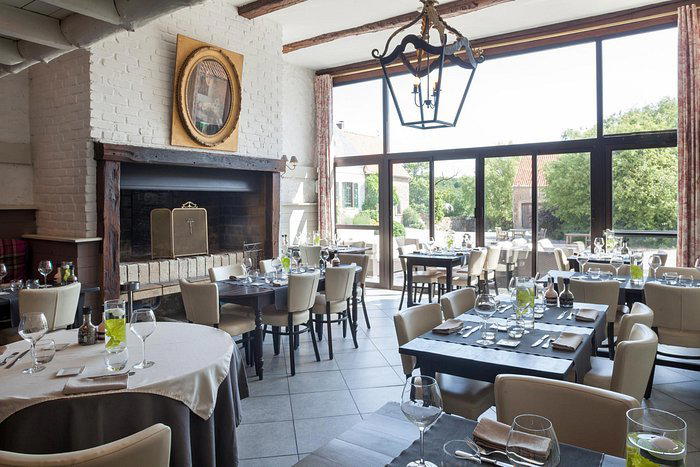
Restaurants in Boulogne-sur-Mer
Browse all →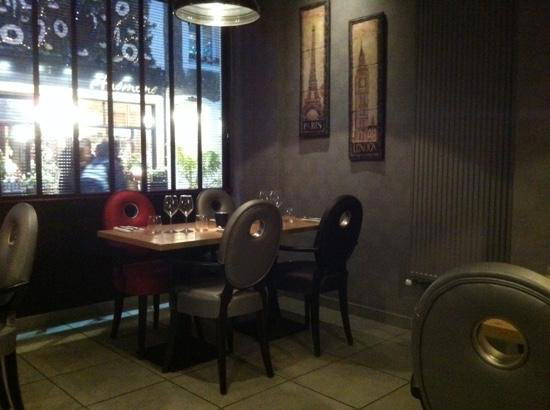
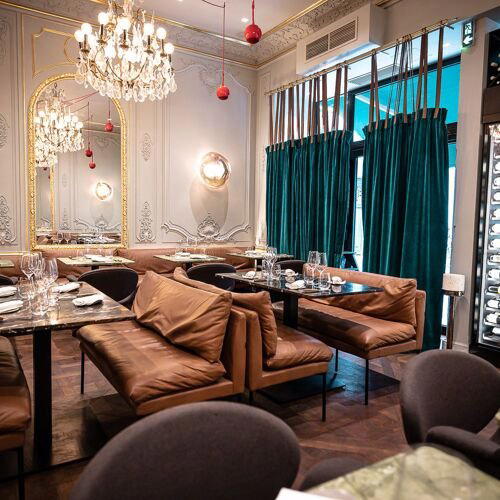
Bars in Boulogne-sur-Mer
Browse all →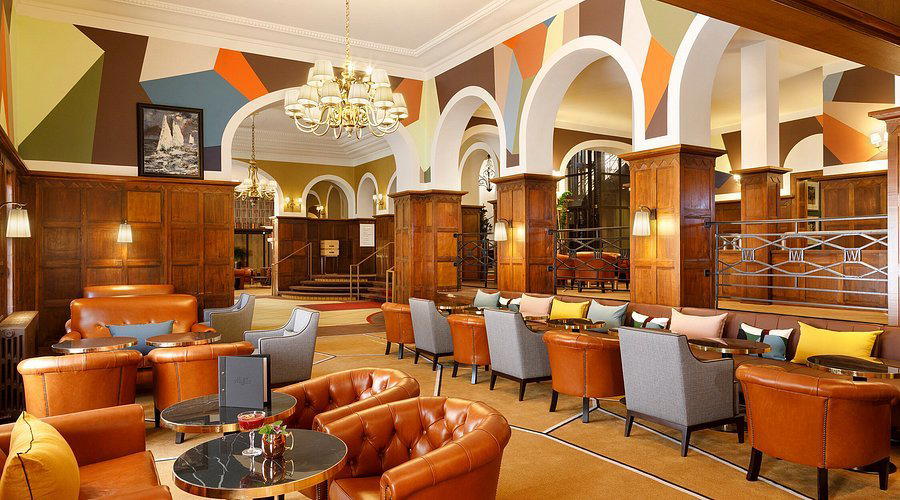
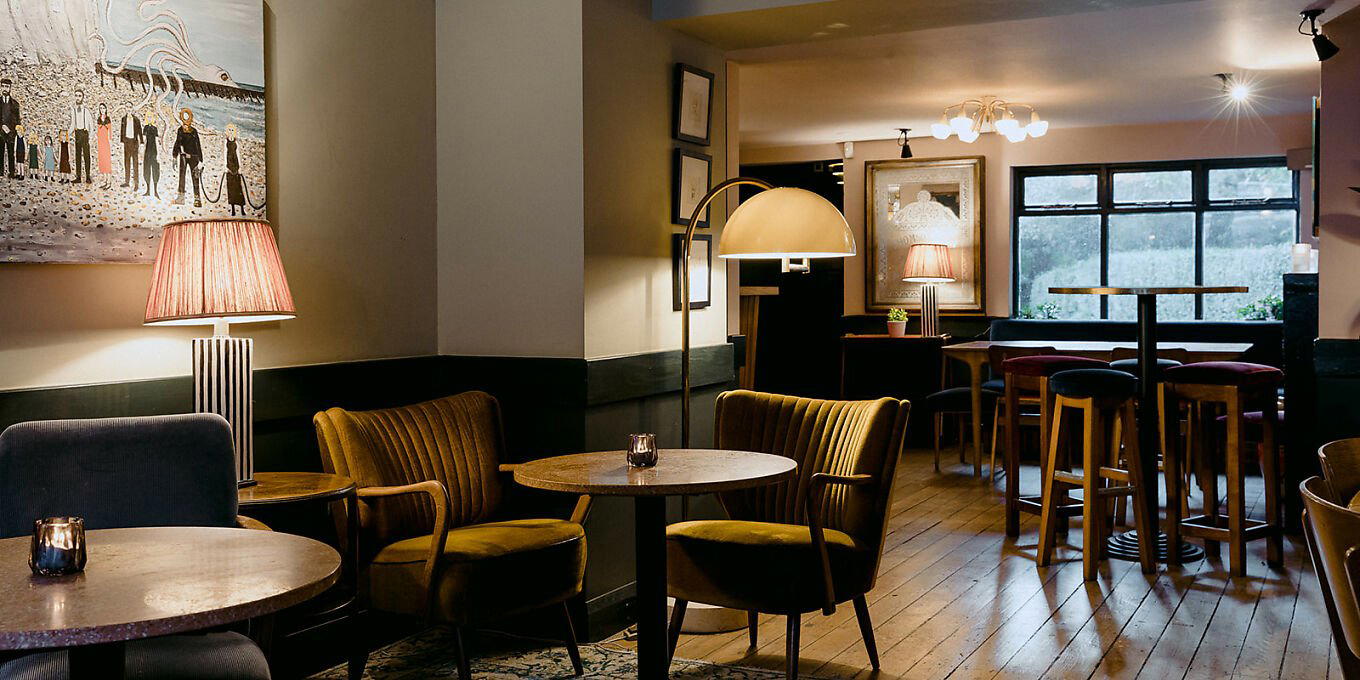
Hotels in Boulogne-sur-Mer
Browse all →
Wineries in Boulogne-sur-Mer
Browse all →
Restaurant de la Haute Ville
The wine
- Wine program
- Curated wine list
Details
- Cozy
- Classic
- Intimate
- Family
- Special Occasion
- Terrace
- Historic Building
- Local Sourcing
- A La Carte
- Prix Fixe
- Vegetarian Friendly
- Gluten Free Options
Current opening hours
- Monday
- 12–2 PM, 7–9:30 PM
- Tuesday
- Closed
- Wednesday
- Closed
- Thursday
- 12–2 PM, 7–9:30 PM
- Friday
- 12–2 PM, 7–9:30 PM
- Saturday
- 12–2 PM, 7–9:30 PM
- Sunday
- 12–2 PM, 7–9:30 PM
Hours can change for holidays and private events. Last verified .
Chaleureuse et conviviale with soothing courtyard and captivating aquarium.