Le 10
Our verdict
On Rue de Tivoli in Charleville-Mézières, Le 10 occupies a quiet address in a city more often associated with the Ardennes borderlands than serious dining. The restaurant sits within a local dining scene that rewards patient exploration, where a handful of addresses carry the weight of the city's table culture. Le 10 is among those worth finding.
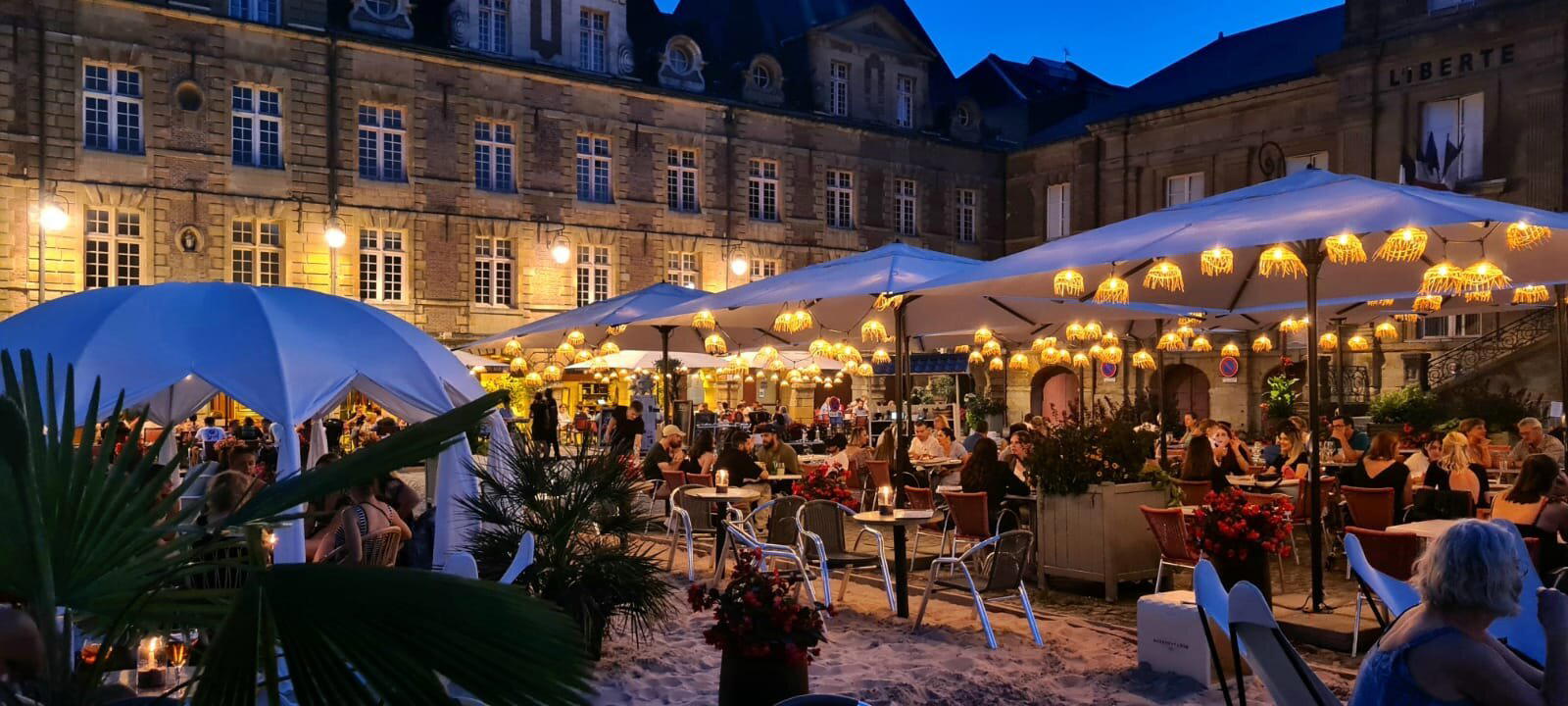
A Street, a Number, a Room Worth Entering
Charleville-Mézières does not announce itself as a dining city. The Ardennes capital, pressed against the Belgian border and the Meuse river, is better known for its place ducale, one of the more disciplined examples of Louis XIII urban planning in northern France, than for any culinary reputation. That context matters when reading its restaurant scene: this is a city where serious local cooking operates without the gravitational pull of tourism or Michelin infrastructure, and where a good address survives on the loyalty of the people who actually live here.
Le 10 sits at 10 Rue de Tivoli, a location that carries no particular neighbourhood mythology. What the address signals, instead, is the broader pattern of how dining in mid-sized French provincial cities tends to organize itself: not around spectacular thoroughfares or gastronomic districts, but around individual rooms that build slow, steady reputations through repetition and consistency.
The Rhythm of a French Provincial Meal
Provincial French dining, at its most functional and most pleasurable, operates on a rhythm that restaurants in larger cities increasingly struggle to maintain. The meal has a shape: arrival, aperitif, menu deliberation, first course, a pause, main, cheese if the room is old-fashioned enough to insist on it, dessert, coffee. That pacing is not accidental. It is a set of social agreements between kitchen and table, and it is precisely what separates a genuinely French dining experience from one that merely uses French vocabulary on its menu.
The ritual matters here. In towns like Charleville-Mézières, lunch remains a serious occasion on certain days of the week, and the midday service often reveals more about a restaurant's character than dinner. Tables are held longer, conversations run wider, and the kitchen is less likely to be performing for an audience that expects novelty above all else. Diners in this register are eating, not attending. That distinction shapes everything from the pace of service to the weight of the glassware.
For context on what formal ritual looks like at the highest end of French practice, references accumulate across the country: Alléno Paris au Pavillon Ledoyen in Paris, Flocons de Sel in Megève, Mirazur in Menton, and Troisgros - Le Bois sans Feuilles in Ouches each represent a different register of French dining formality. The provincial address does not compete with those rooms, but it draws from the same underlying tradition, that a meal is a structured event, not a series of plates.
Where Le 10 Fits in the City's Dining Order
Charleville-Mézières is not a city with an oversupplied restaurant market. The dining options that earn repeat local attention are few enough that each carries a disproportionate share of the city's culinary identity. In that compressed environment, a restaurant on Rue de Tivoli is positioned close to the civic centre, within reach of the place ducale and the daily rhythms of the town rather than on its commercial or tourist periphery.
That placement suggests a room oriented toward the local professional and residential diner rather than the passing traveller. It is a meaningful distinction: venues that survive primarily on local repeat business tend to develop a different kind of discipline than those cushioned by tourism. The standard is set by people who will return next month and notice if something has slipped. Our full Charleville-Mézières restaurants guide maps the broader scene and helps place Le 10 within the city's dining hierarchy.
For comparative scale, the Ardennes-to-Alsace corridor offers a useful reference band. Assiette Champenoise in Reims and Au Crocodile in Strasbourg represent the formal anchors of the wider northeast France dining circuit. Further afield, Auberge de l'Ill in Illhaeusern and Bras in Laguiole illustrate what deep provincial commitment to a single address can produce over generations. Le 10 operates at a remove from that tier, but the dining logic is continuous: French provincial restaurants earn their standing incrementally, through kitchen reliability and room character rather than through the mechanisms of awards or media cycles.
Planning a Visit
Charleville-Mézières is reachable by train from Paris via the Champagne-Ardenne axis, with services connecting through Reims. The city is compact enough that Rue de Tivoli sits within comfortable walking distance of the main station, and the town's modest scale means there is no complexity in orientation. For diners arriving from beyond the region, pairing a meal at Le 10 with the city's architectural centrepiece, the place ducale, with its 27 identical brick-and-stone pavilions, gives the visit a cultural frame that the meal can then extend.
As with many French provincial rooms of this character, a reservation made in person or by phone during business hours will typically be handled with more care than an online form. Booking a day or two ahead for midweek lunch is generally sufficient; weekend dinner service in a city of this size may require more lead time.
For readers whose France itinerary spans multiple regions, the following addresses offer a wider map of what serious French cooking looks like across different geographic and stylistic registers: Paul Bocuse - L'Auberge du Pont de Collonges in Collonges-au-Mont-d'Or, AM par Alexandre Mazzia in Marseille, Auberge du Vieux Puits in Fontjoncouse, and Christopher Coutanceau in La Rochelle. For international comparison points on what structured tasting menus look like beyond France, Le Bernardin in New York City and Atomix in New York City each illustrate how French dining grammar translates into different cultural contexts.
Frequently asked questions
Where is Le 10 located?
Le 10 is located at 10 Rue de Tivoli, 08000 Charleville-Mézières, France, Charleville Mezieres.
Is Le 10 a good option for a sit-down dinner in Charleville-Mézières rather than a quick lunch?
Le 10 at 10 Rue de Tivoli is positioned within a city that has a limited but focused set of restaurants capable of sustaining a full evening meal. Charleville-Mézières, as the Ardennes capital, draws visitors around events including the World Puppet Theatre Festival, dinner demand in those windows can be harder to meet without a reservation.
What's the best thing to order at Le 10?
That said, restaurants at this address in the Ardennes region typically anchor their menus in French provincial tradition: seasonal produce, regional proteins, and sauces that reflect the kitchen's technique rather than trend. The safest approach in a room like this is to ask the staff what is freshest that day, in smaller French provincial restaurants, the answer to that question is usually the most reliable guide.
Do they take walk-ins at Le 10?
No booking data is publicly documented for Le 10 at 10 Rue de Tivoli in Charleville-Mézières. In a city where the pool of restaurants with sustained local followings is small, rooms like this tend to fill without much marketing effort, walk-in availability on weekends is not something to assume. Contacting the venue directly before arrival is the practical approach.
What makes Le 10 worth seeking out?
Charleville-Mézières is not a city with an oversupplied restaurant market, which means the places that hold repeat local attention do so on cooking merit rather than tourist footfall. Le 10's address on Rue de Tivoli puts it in the fabric of everyday city life rather than a tourist corridor. In a city this size, a room that earns consistent local custom is carrying real weight.
Is Le 10 allergy-friendly?
French provincial kitchens vary considerably in how they handle substitution requests, the safest course is to call or email ahead with specific requirements. The restaurant's address is 10 Rue de Tivoli, 08000 Charleville-Mézières.
Is Le 10 overpriced or worth every penny?
No pricing data is listed for Le 10 in Charleville-Mézières. As a frame of reference, French provincial restaurants in Ardennes towns of this scale generally sit well below Paris or Reims equivalents, a three-course lunch with wine in this tier typically runs between €25 and €45 per person, though that figure is not confirmed for Le 10 specifically. The value question in a city like Charleville is less about price point and more about whether the cooking reflects the region, which is the measure that matters here.
Cuisine-First Comparison
| Venue | Cuisine | Price |
|---|---|---|
| Le 10This venue (the venue you are viewing) | Traditional French Bistro | Not listed |
| La Table d'Arthur | French Bistronomy with Ardennes Terroir | $20–30 |
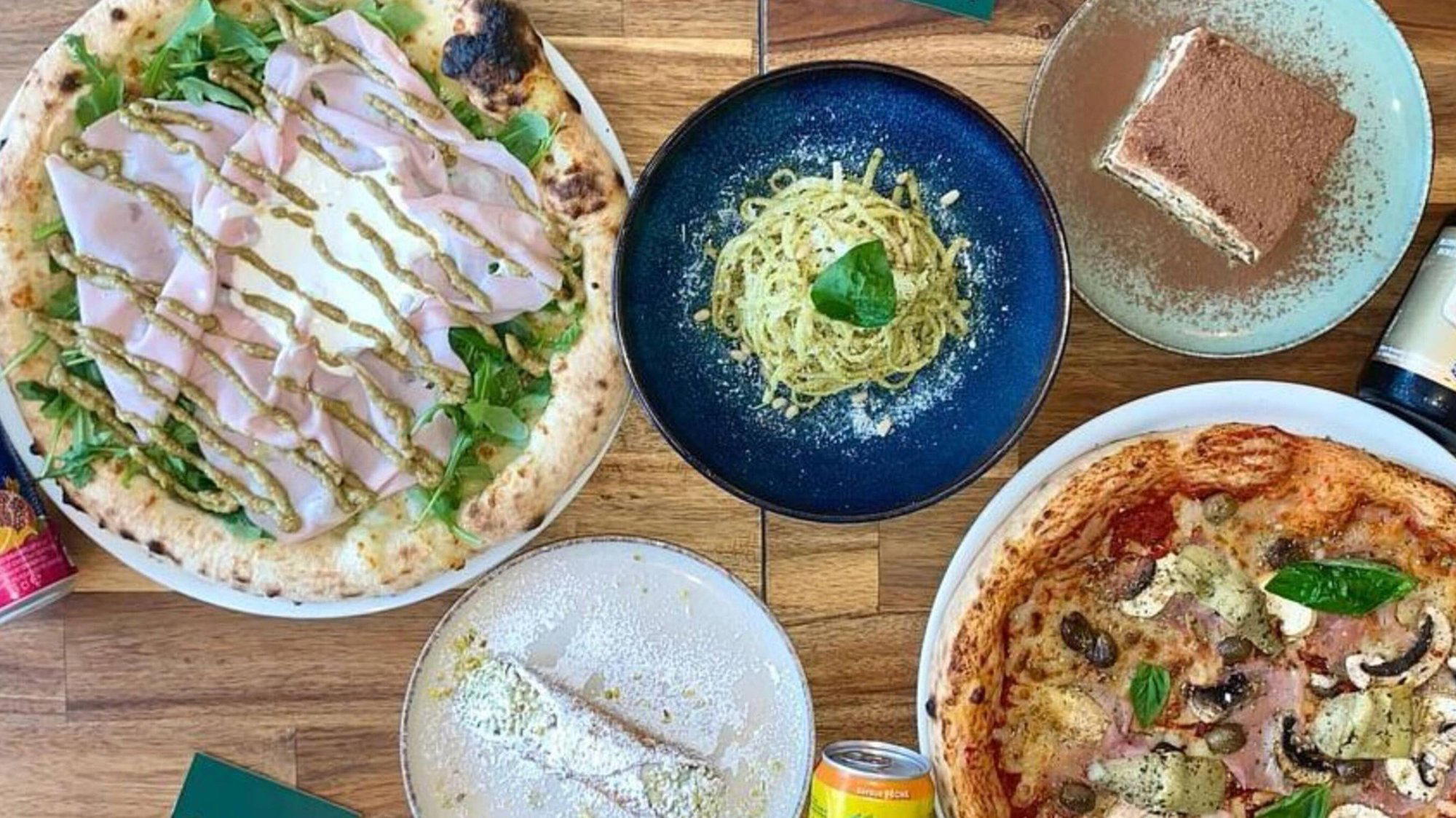
| Carmen | Contemporary Neapolitan Pizza | $20–30 |
| Amorini | Traditional Italian Trattoria | $20–30 |
Continue exploring
More in Charleville Mezieres
Restaurants in Charleville Mezieres
All restaurants in Charleville Mezieres →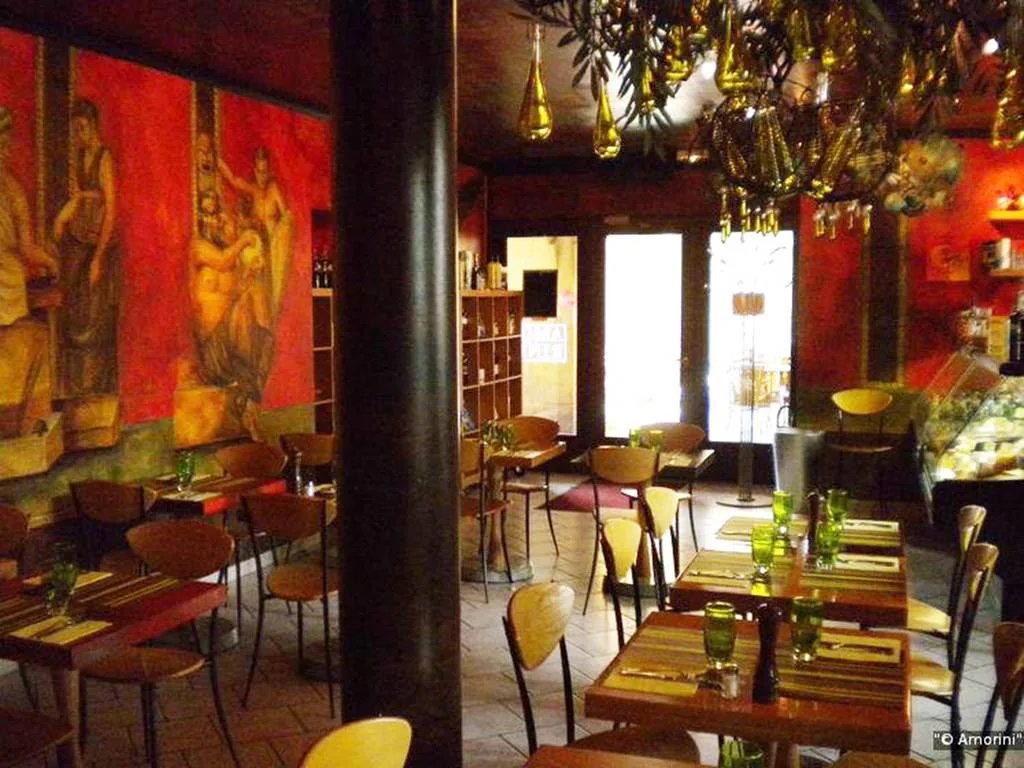
Hotels in Charleville Mezieres
Browse all →
Wineries in Charleville Mezieres
Browse all →
Details
- Cozy
- Casual Hangout
- A La Carte
Cozy and traditional French atmosphere.