Latitude 48
Our verdict
Latitude 48 sits along Rankintown Road in Finleyville, Pennsylvania, a small community south of Pittsburgh where the table-to-source distance is shorter than in most American cities. The kitchen draws on the agricultural character of southwestern Pennsylvania, positioning itself within a regional dining tradition that prizes proximity over prestige. For a fuller picture of the area, see our full Finleyville restaurants guide.

Pearl is the En Primeur Club membership app — saves, bookings, and concierge access live there. Same editors, same standards.
- Address
- 2103 Rankintown Rd, Finleyville, PA 15332
- Phone
- (724) 782-0759
- Hours
- Mon ClosedTue–Thu 4–9 PMFri–Sat 4–10 PMSun Closed
- Website
- latitude48.com
- Directions
- Get directions
- Booking
- Book on OpenTable
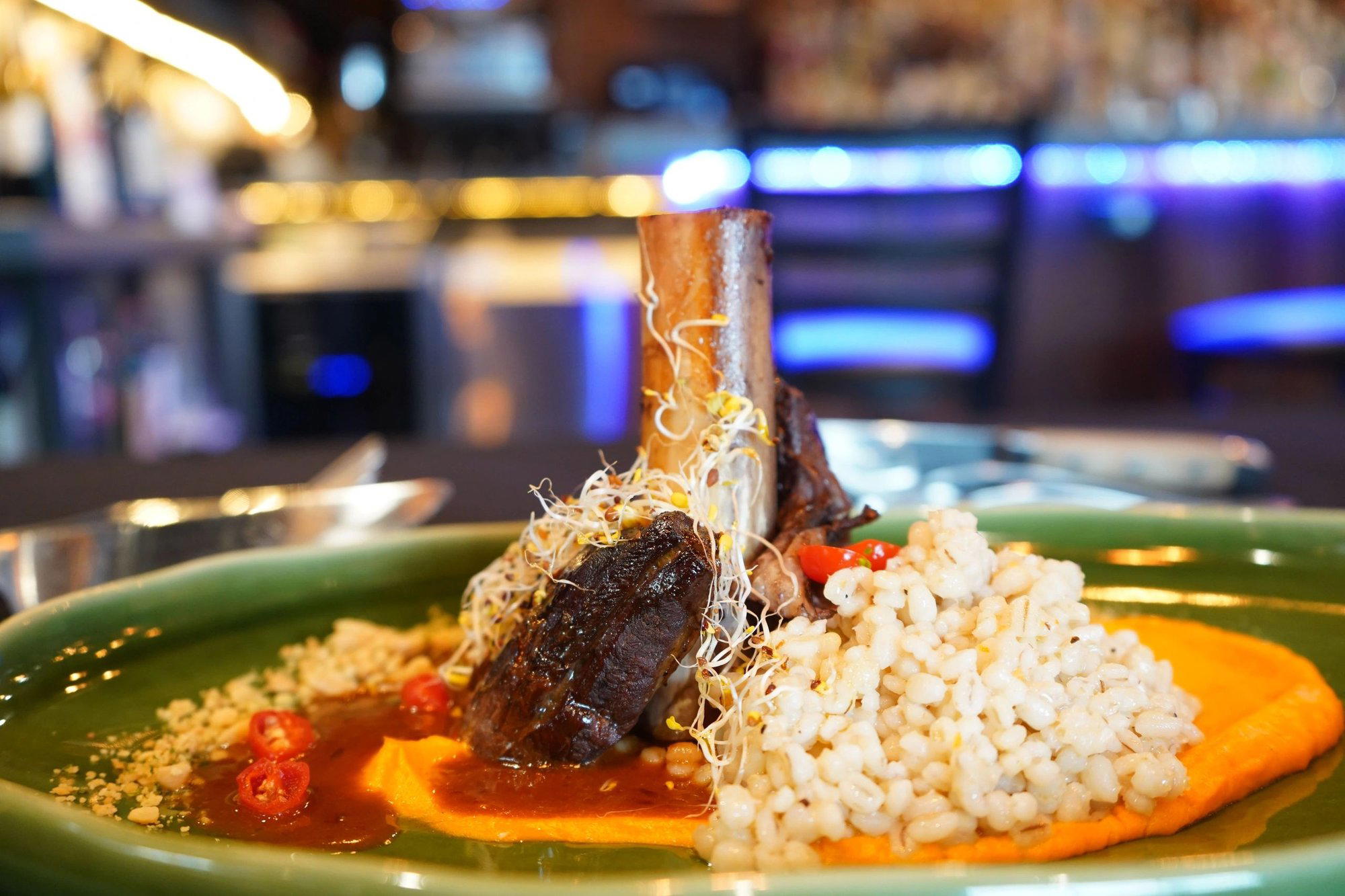
The menu
What to order
- Red Stag Venison Shank
- Bison Filet Mignon
- Oxtail Pappardelle
Where the Ground Beneath You Ends Up on the Plate
Southwestern Pennsylvania carries a particular kind of agricultural density that rarely gets credit in national food conversations. The counties south of Pittsburgh, stretching toward the West Virginia line, hold working farms, heritage orchards, and small-batch producers that supply kitchens across the region but seldom appear in the editorial coverage those kitchens generate. Finleyville sits inside that supply chain, not as a suburb of Pittsburgh's dining scene but as part of the land that feeds it. Latitude 48, on Rankintown Road, occupies that geography directly, and the address matters as much as anything else about it.
The name itself is a coordinate reference: 48 degrees north latitude runs through some of the most agriculturally consequential wine and food regions on earth, from Alsace through the northern Rhône corridor and across into parts of central Europe. In Pennsylvania, the 40th parallel is closer to the truth, but the name signals an intent that shapes the kitchen's sourcing logic. Ingredient provenance, in this context, is not a marketing flourish but the operating premise.
Sourcing as Structure, Not Decoration
The broader American farm-to-table conversation has split into two very different practices. In one version, a restaurant lists local farm names on the menu as brand associations, cycling them out as seasons change. In the other, sourcing decisions determine the menu's architecture: what proteins are available shapes what technique gets applied; what produce is at peak condition determines what the plate becomes that week. The distinction between these two approaches is measurable in how much a kitchen's output changes from month to month.
Finleyville's agricultural surroundings make the second approach more viable than it would be for a restaurant embedded in a dense urban core. The proximity to working farms in Washington, Fayette, and Allegheny counties means shorter supply lines and fresher produce windows. Compare that with destination-driven farm-to-table operations like Blue Hill at Stone Barns in Tarrytown, which operates its own farming estate to achieve the same supply proximity, or Single Thread Farm in Healdsburg, which runs a farm, inn, and restaurant as an integrated system. Latitude 48 works within the landscape that already exists around it rather than constructing one from scratch.
This sourcing framework connects Latitude 48 to a cluster of American restaurants that have made regional agriculture the central editorial fact of their menus. Lazy Bear in San Francisco foregrounds Northern California's seasonal larder through a communal tasting format. Bacchanalia in Atlanta has operated a farm-linked program for years, treating Georgia's growing season as the kitchen's calendar. Brutø in Denver applies a similar logic to the high-altitude produce of Colorado's Front Range. Each of these operates in a different price tier and format, but the underlying principle — that the sourcing decision precedes the cooking decision — aligns them in approach if not in execution.
Finleyville in the Regional Dining Picture
Pennsylvania's dining identity is often collapsed into Philadelphia and Pittsburgh, which is accurate in terms of where the Michelin coverage and national press attention concentrate. The state's southwestern corner, however, has its own food character shaped by a different set of influences: mining and industrial heritage that built dense working-class food traditions, Italian and Eastern European immigrant communities that brought fermentation and curing practices, and a landscape that rewards direct sourcing from its farms and waterways.
Restaurants like The Inn at Little Washington in Washington, Virginia have demonstrated that destination dining can take root outside major urban centers when the surrounding environment justifies the journey. Frasca Food and Wine in Boulder built a nationally recognized program in a mid-sized Colorado city by anchoring itself to a specific regional culinary tradition rather than competing with metropolitan restaurants on their own terms. Finleyville is a smaller footprint than either of those, but the same principle applies: a kitchen that commits credibly to its place earns a different kind of loyalty than one chasing trends imported from elsewhere.
For visitors coming from Pittsburgh, the drive south on Route 88 or via I-79 takes roughly 20 to 30 minutes depending on traffic, putting Latitude 48 within easy reach for a dedicated dinner without the parking friction of the city proper. The address at 2103 Rankintown Road places it in a semi-rural setting, which is consistent with the sourcing identity the name implies. See our full Finleyville restaurants guide for broader context on dining in the area.
The American Farm-Driven Table in 2024
The ingredient-sourcing model that restaurants like Latitude 48 represent has matured considerably since its early-2000s formulation. What began as a corrective to industrialized supply chains has developed into a set of kitchen practices with genuine culinary consequences: butchery programs tied to whole-animal purchasing, preservation techniques driven by harvest surpluses, and fermentation programs that extend seasonal produce across the calendar. Kitchens operating at the premium end of this model, from The French Laundry in Napa to Addison in San Diego, treat sourcing not as a talking point but as a technical constraint that sharpens kitchen discipline.
At the opposite end of the formality spectrum, ingredient-driven kitchens in smaller markets have found that sourcing transparency builds a different kind of credibility with local diners than either price point or accolades. In cities like Pittsburgh, where restaurants such as Causa in Washington, D.C. and ITAMAE in Miami have demonstrated that ingredient identity can anchor a full restaurant concept across markets, the model has moved from niche to expectation among informed diners.
What remains consistent across all of these contexts is that the sourcing claim has to be substantiated by what arrives on the plate. A name that invokes latitude and geography sets a standard that the kitchen either meets or doesn't. The question worth asking at Latitude 48 is whether the surrounding agricultural environment of Finleyville, genuinely rich in what southwestern Pennsylvania produces, shows up with enough specificity to justify the premise.
Planning a Visit
Latitude 48 is located at 2103 Rankintown Road in Finleyville, Pennsylvania 15332. The restaurant is leading reached by car from Pittsburgh, and the semi-rural address suggests parking is not a constraint. For comparison with other American restaurants operating in the ingredient-driven, regionally anchored format, our coverage includes Alinea in Chicago, Le Bernardin in New York City, Providence in Los Angeles, Atomix in New York City, Emeril's in New Orleans, and 8 1/2 Otto e Mezzo Bombana in Hong Kong.
Frequently asked questions
Is Latitude 48 suitable for children?
Latitude 48 sits at 2103 Rankintown Road in a rural Finleyville setting, which tends to draw a deliberate dining crowd rather than a casual family crowd. Whether the kitchen's sourcing-driven format translates well for younger diners depends on the current menu at the time of your visit. Calling ahead to confirm format and pacing is the practical move before bringing children.
What's the vibe at Latitude 48?
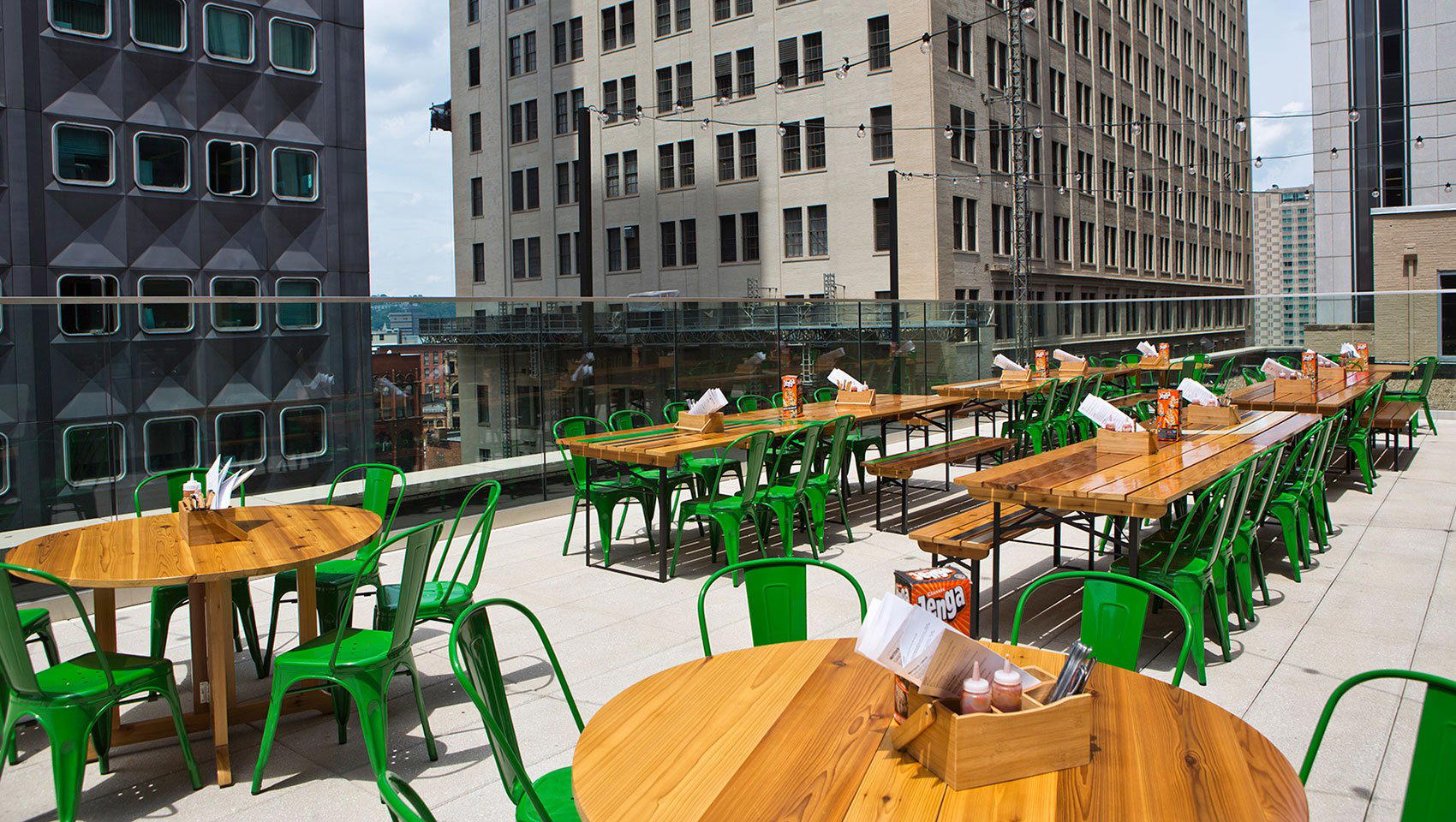
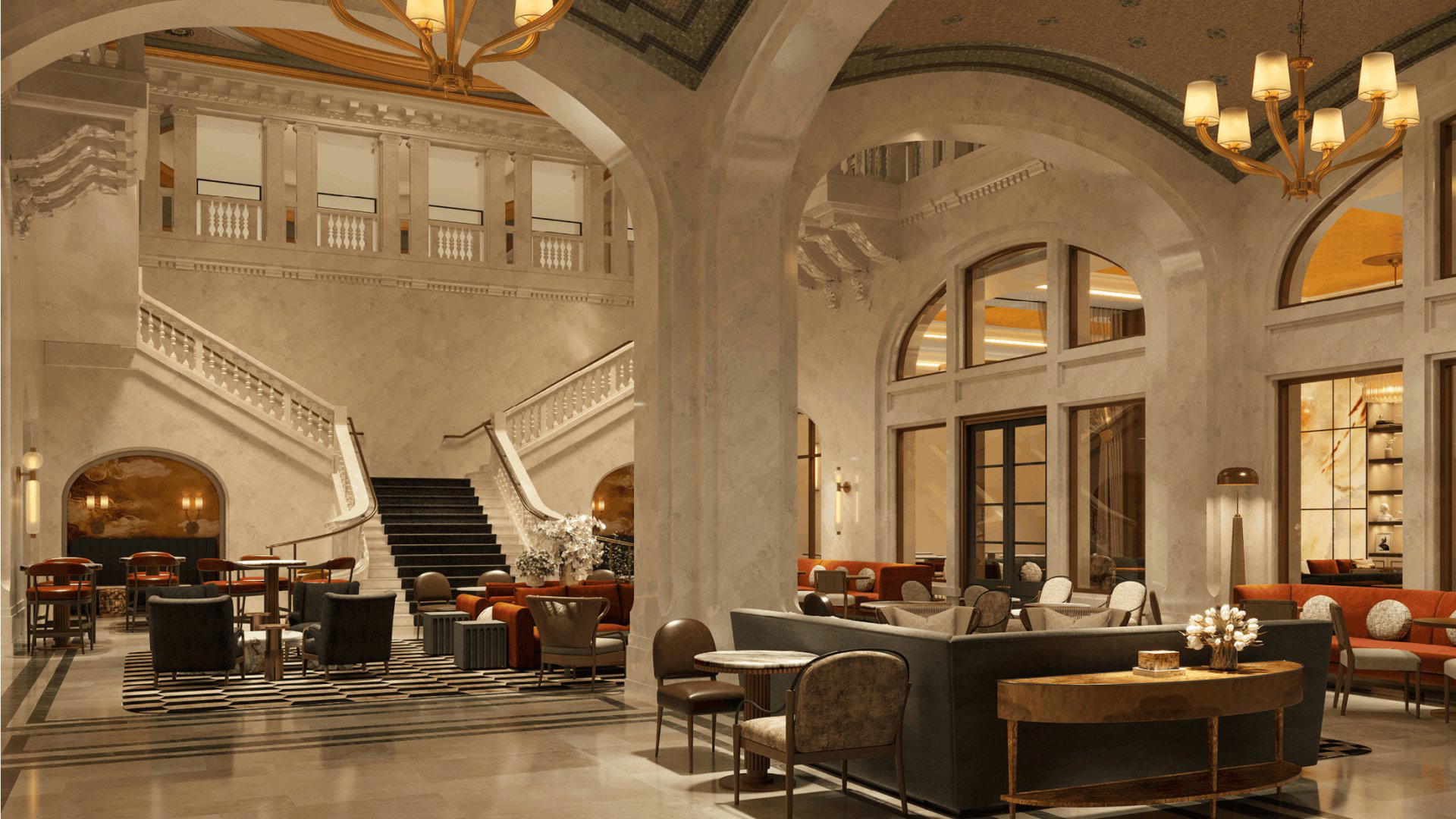
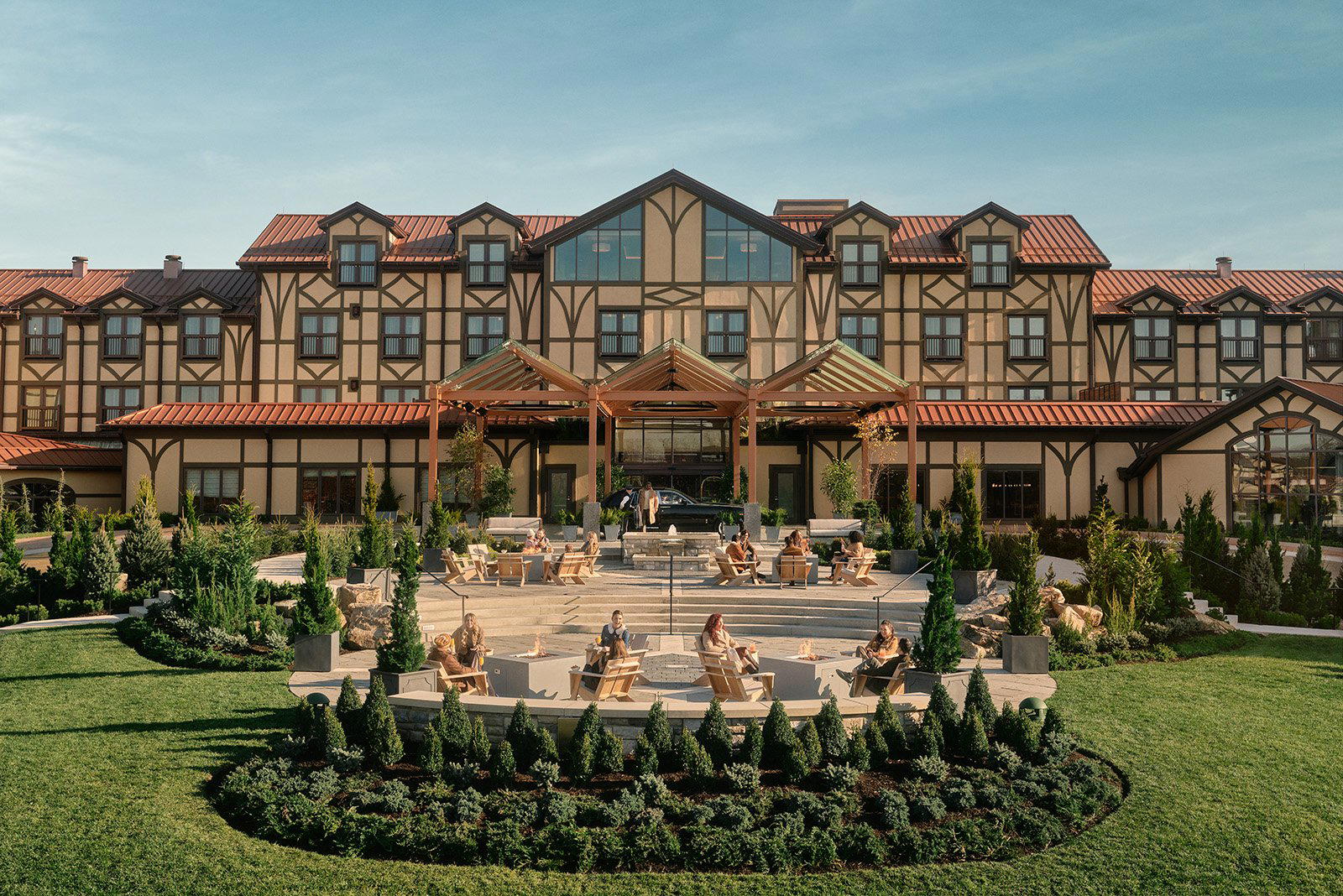
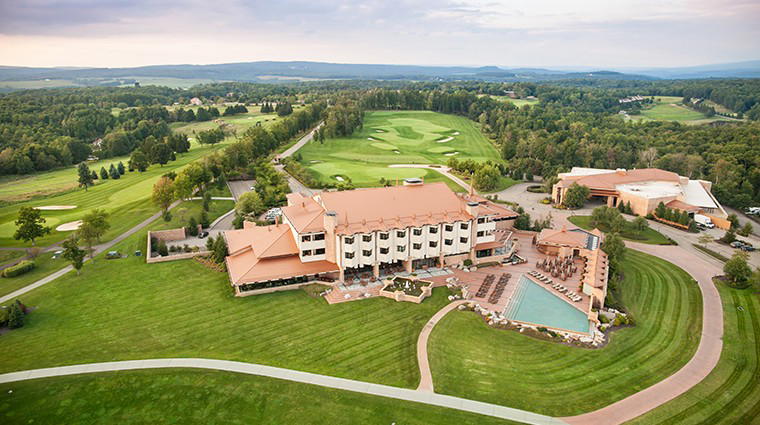
Finleyville's agricultural surroundings shape the tone here: this is produce-driven, grounded dining rather than a polished urban room. The Rankintown Road address puts it firmly in rural southwestern Pennsylvania, which suggests an atmosphere closer to a focused regional table than a city dining destination. Think less buzzy and more purposeful.
How does Latitude 48 fit into the wider dining scene around Pittsburgh and southwestern Pennsylvania?
Pennsylvania's food coverage concentrates heavily on Philadelphia and Pittsburgh, which leaves Finleyville and Washington County largely outside the national conversation despite the region's agricultural depth. Latitude 48, at 2103 Rankintown Road, represents the kind of ingredient-rooted dining that thrives closer to the source rather than in city centres. For diners coming from Pittsburgh, the rural southwestern PA corridor offers a different relationship between kitchen and land than anything found closer to downtown.
What's the must-try dish at Latitude 48?
The sourcing orientation — rooted in the agricultural density of the counties south of Pittsburgh — points to produce and regional ingredients as the through-line. Checking directly with the restaurant before your visit will give you the most accurate picture of what the kitchen is building around right now.
Comparable Spots, Quickly
Comparable venues nearby, for context on price, style, and recognition.
| Venue | Cuisine | Price | Notes |
|---|---|---|---|
| Latitude 48This venue — the venue you are viewing | Elevated American Fine Dining | Not listed | Not listed |
| Carmella's Plates & Pints | Upscale Comfort American | $30–50 | South Side Slopes |
| The Rebel Room | Modern American | $20–30 | Central Business District |
| The Lot at Edgewater | Modern American | Not listed | Oakmont |
| Snack Shack at Forest & Main | Elevated American Snack Shack | $20–30 | Fishtown |
| Juniper Grill - Murrysville | American Grill with Southwest Flair | $20–30 | Murrysville |
Continue exploring
More in Finleyville
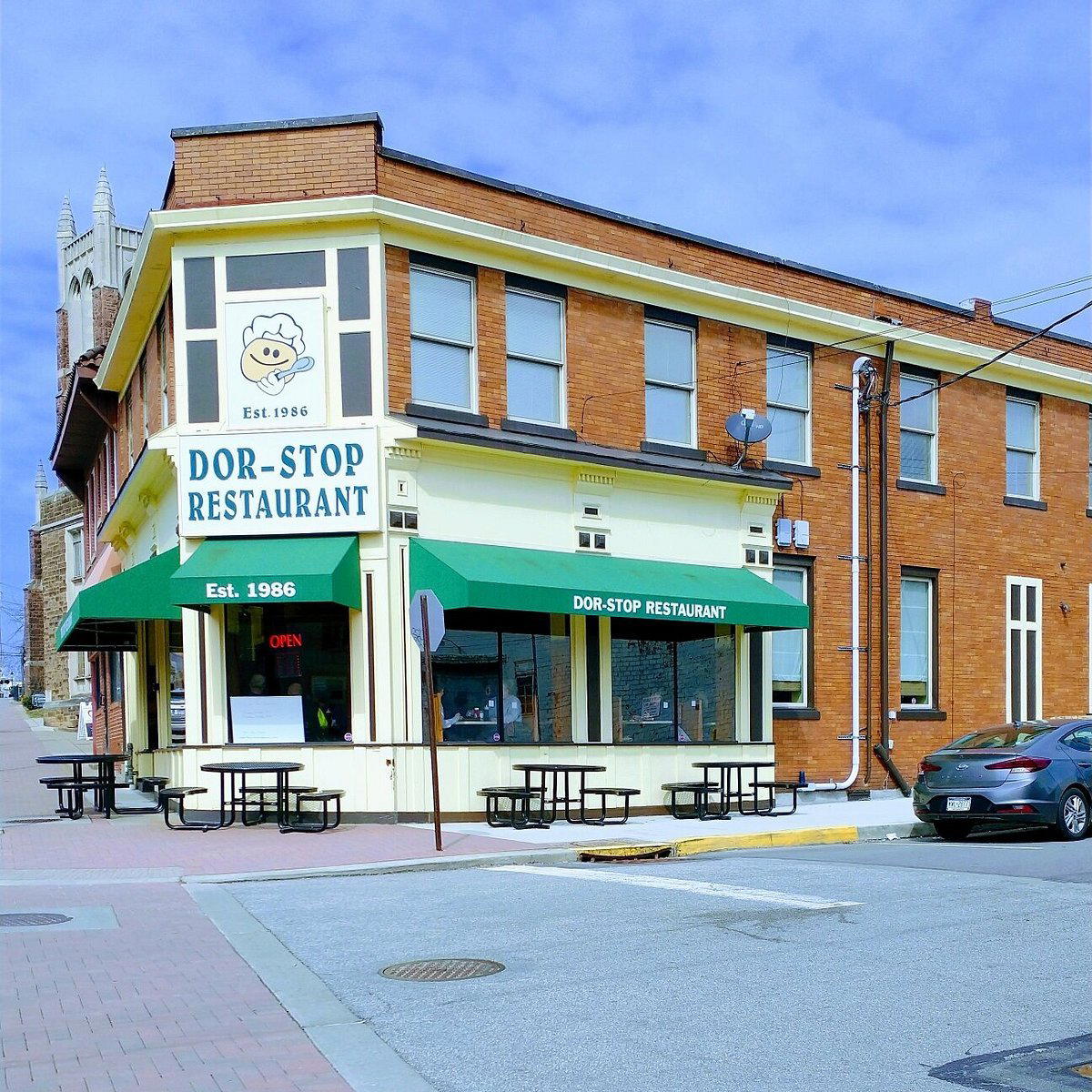
Restaurants in Finleyville
Browse all →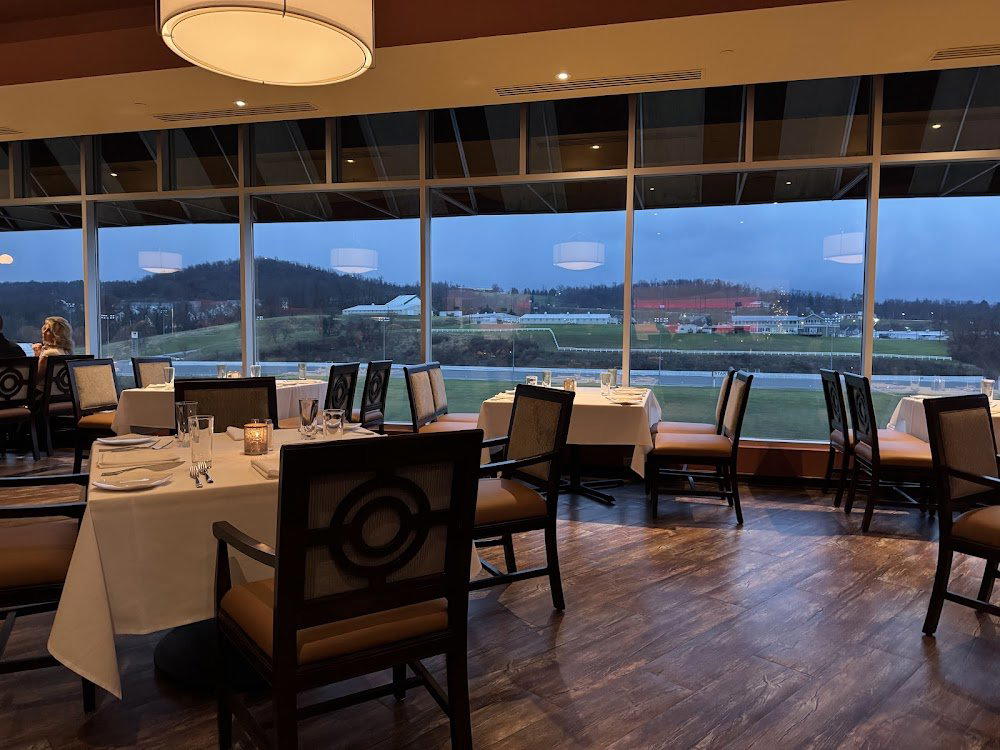
Bars in Finleyville
Browse all →
Details
- Elegant
- Cozy
- Sophisticated
- Date Night
- Special Occasion
- Business Dinner
- Open Kitchen
- Local Sourcing
- A La Carte
- Crafted Cocktails
Current opening hours
- Monday
- Closed
- Tuesday
- 4–9 PM
- Wednesday
- 4–9 PM
- Thursday
- 4–9 PM
- Friday
- 4–10 PM
- Saturday
- 4–10 PM
- Sunday
- Closed
Hours can change for holidays and private events. Last verified .
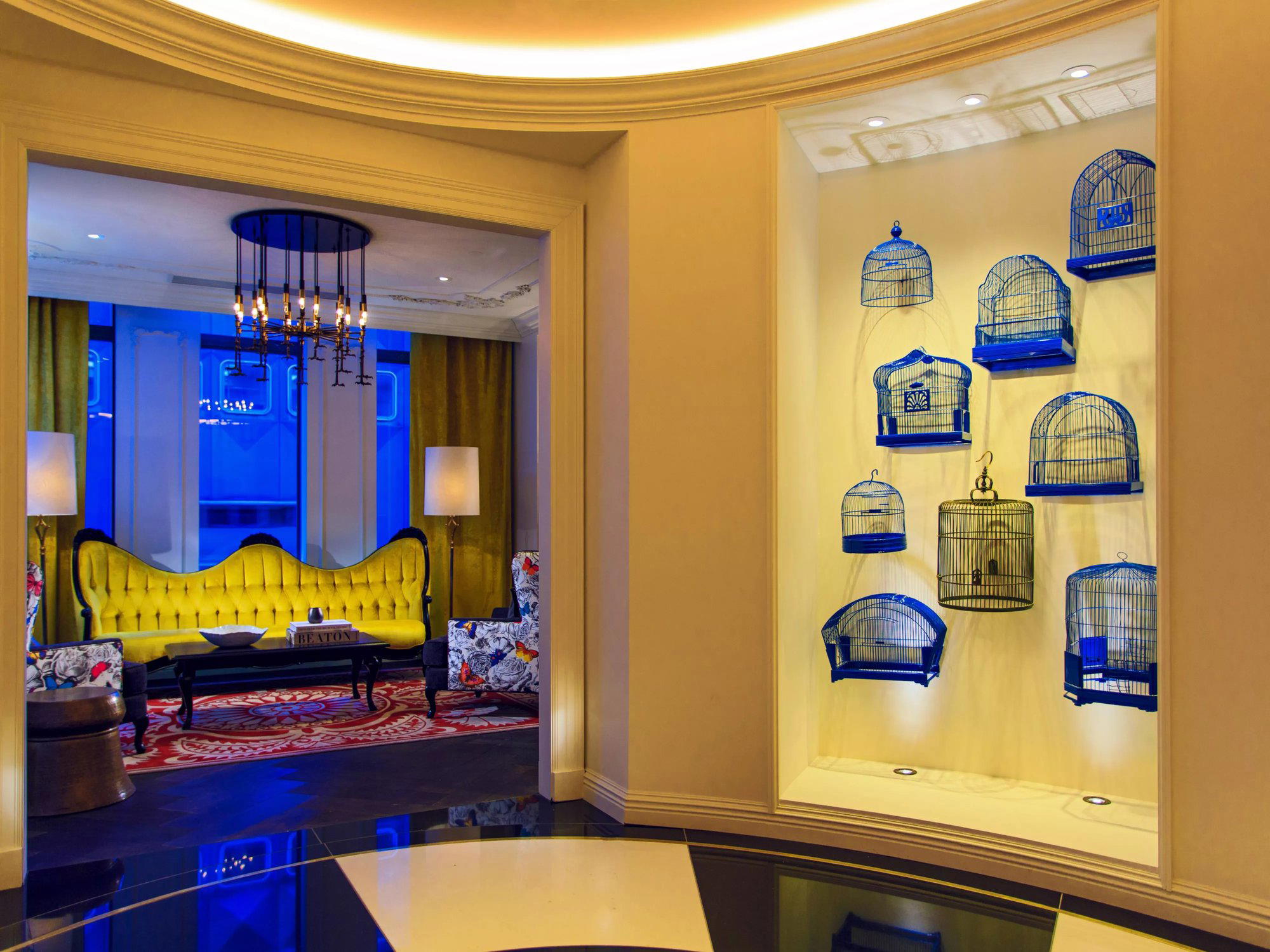
Relaxed and inviting atmosphere with first-class service.