L'Atelier de Damien

Michelin Plate
Our verdict
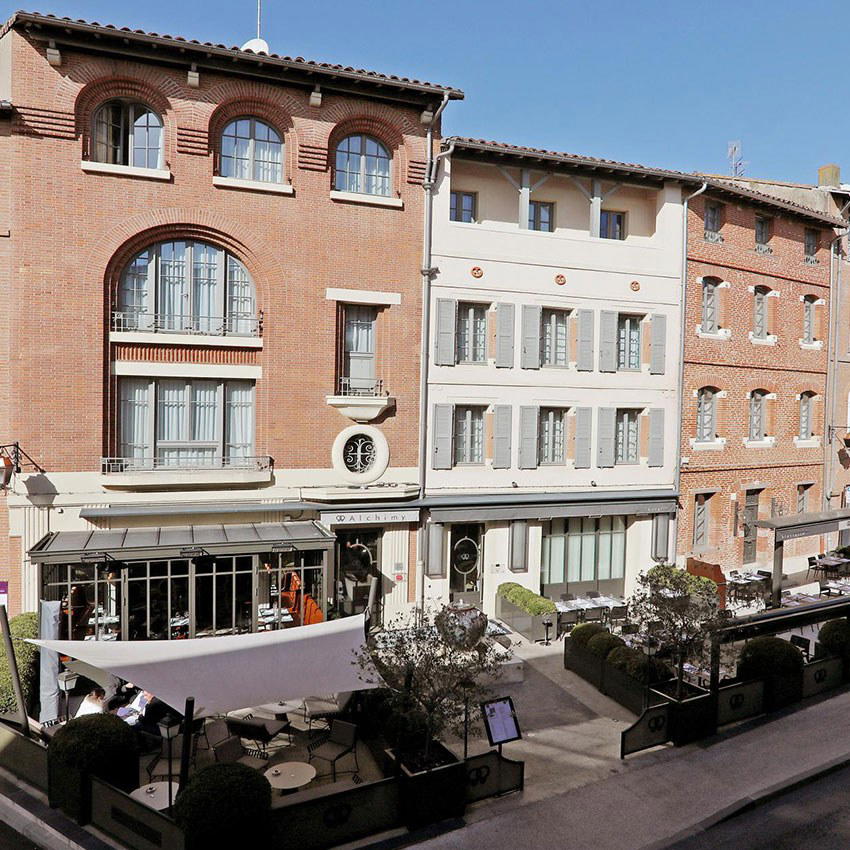
Twice recognised with a Michelin Plate in 2024 and 2025, L'Atelier de Damien brings modern cuisine to the medieval bastide town of Villefranche-de-Rouergue at a mid-range price point that sits well below its regional peers. Located on the first floor of La Caserne on Place Louis Fontanges, it operates in a dining register that takes the Aveyron's ingredient culture seriously without the formality of destination restaurants elsewhere in the south of France.

Pearl is the En Primeur Club membership app — saves, bookings, and concierge access live there. Same editors, same standards.
- Address
- 5 Pl. Louis Fontanges Batiment La Caserne, Étage 1, 12200 Villefranche-de-Rouergue, France
- Phone
- +33 5 65 45 36 42
- Hours
- Mon ClosedTue 7–9 PMWed–Sat 12–1:30 PM, 7–9 PMSun 12–1:30 PM
- Website
- l-atelier-restaurant.fr
- Directions
- Get directions
- Booking
- Book on the venue's website
A Bastide Town and Its Dining Register
Villefranche-de-Rouergue is the kind of market town that French provincial cooking was built around. Its bastide grid, anchored by the arcaded Place Notre-Dame, has drawn traders and farmers from the surrounding Aveyron plateau for centuries, and that agricultural density still shapes what ends up on local tables. The department sits at the intersection of three distinct production zones: the plateau country of the Aubrac to the north, where Salers and Aubrac cattle graze at altitude; the river valleys of the Lot and Dourdou threading through limestone gorges; and the Rouergue's wider mixed-farming tradition that produces lamb, duck, and a range of dried legumes that rarely travel far beyond the region. This is the larder that gives serious cooking in this area a structural advantage over similarly ambitious kitchens in more urban settings, where provenance has to be assembled at greater cost and effort.
Within that context, the cluster of recognised restaurants in and around Villefranche-de-Rouergue represents a quiet confidence in the local food economy. These are not restaurants built to attract destination tourists alone. They operate, in many cases, for a local and regional clientele that knows the producers by name and can judge sourcing claims against what they buy at the Saturday market on Place Notre-Dame. That social accountability shapes the cooking in ways that press releases cannot capture.
First Floor, La Caserne: What the Address Signals
L'Atelier de Damien occupies the first floor of La Caserne, the former military barracks on Place Louis Fontanges, one of the town's civic squares set just back from the old centre. Buildings of this type in French provincial towns have a particular character: thick stone walls, generous ceiling heights, and windows that let in the lateral afternoon light of southern France without the exposure of a terrace. The address is not a boutique hotel conversion or a riverside pavilion. It is a working room in a working building, which tends to focus the dining experience inward, toward the plate.
This is consistent with how modern cuisine operates outside the major cities: less theatre of setting, more concentration on what arrives from the kitchen. Restaurants at the €€ price tier in towns of this scale have to earn Michelin attention through cooking rather than through design investment, which is itself an editorial argument for taking the food seriously here. The Michelin Plate, awarded in both 2024 and 2025, signals cooking that the Guide's inspectors found worth noting at two consecutive visits, a consistency that matters more than a single-year recognition in a lower-competition market.
Ingredient Sourcing in the Aveyron: What Modern Cuisine Means Here
The designation "modern cuisine" applied to a restaurant in the Aveyron is more specific than it might appear in Paris or Lyon. In a major city, modern cuisine signals a departure from classical French technique toward more international or experimental reference points. In the Aveyron, the more relevant tension is between the weight of regional tradition, rooted in preserved meats, aligot, tripoux, and braised cuts, and a lighter, more composed approach that treats the same raw materials with different technique.
The Aveyron's production profile rewards the latter approach. Aubrac beef, raised slowly on mountain pasture, needs minimal intervention to read as something particular on a plate. Local lamb from the Causse, sheep farming refined partly by proximity to Roquefort country to the south, carries a mineral quality that distinguishes it from lowland alternatives. Legumes, walnuts, and summer stone fruit from the Lot valley fill in the seasonal register. A kitchen operating in this ingredient environment that chooses a modern register is making a statement about restraint and translation rather than decoration: the point is to let the sourcing speak rather than to cover it.
For context, this is the same sourcing logic that drives the reputation of much larger operations in the wider region. Bras in Laguiole, roughly 80 kilometres north on the Aubrac plateau, built its three-star reputation partly on hyper-local ingredient specificity. L'Atelier de Damien operates at a different scale and price point, at €€ versus the multi-course commitment required further north, but the underlying argument about Aveyron provenance runs through the same territory. Comparing the two is less useful than understanding them as different expressions of the same regional ingredient culture, aimed at different budgets and different kinds of occasion.
The wider French modern cuisine conversation, which includes destination restaurants such as Mirazur in Menton, Flocons de Sel in Megève, and Alléno Paris au Pavillon Ledoyen in Paris, operates in a different tier of investment, format, and expectation. These restaurants share a commitment to sourcing intelligence, but the execution and price structure are not comparable. Positioning L'Atelier de Damien against them is less useful than positioning it against what else a visitor to Villefranche-de-Rouergue might choose for an evening meal. At €€ with consecutive Michelin Plate recognition, it occupies a clear slot: accessible enough for a two-night stay with multiple dining occasions, serious enough to anchor one of them.
How This Fits Into the Villefranche Food Scene
For visitors building an itinerary around the Aveyron, Villefranche-de-Rouergue sits roughly halfway between the more heavily visited Millau to the southeast and Figeac across the departmental border in the Lot to the northwest. This geographic in-between position means the town's restaurants serve a mixed audience: locals, secondary-home owners from larger French cities, and travellers moving through on longer south-west circuits. The Saturday market remains the most direct expression of local food culture, and a morning spent there provides context for what the better kitchens in town are working with week to week.
For a fuller picture of eating, drinking, and staying in the area, see [our full Villefranche-de-Rouergue restaurants guide](), [our full Villefranche-de-Rouergue hotels guide](), [our full Villefranche-de-Rouergue bars guide](), and [our full Villefranche-de-Rouergue wineries guide](). Those planning around local experiences rather than just dining should also consult our full Villefranche-de-Rouergue experiences guide.
Travellers whose reference points for modern French cooking run to Troisgros - Le Bois sans Feuilles in Ouches, Auberge de l'Ill in Illhaeusern, or AM par Alexandre Mazzia in Marseille will find L'Atelier de Damien operating well below those formats in terms of ceremony, course count, and price. That is not a criticism. It is a calibration. The Michelin Plate sits below the star tier but above the undifferentiated restaurant mass. For what Villefranche-de-Rouergue is, that recognition marks a kitchen doing something worth the detour from the main road.
Planning Your Visit
L'Atelier de Damien is at 5 Place Louis Fontanges, first floor of La Caserne, in the centre of Villefranche-de-Rouergue. The €€ price tier places it within reach for a lunch or dinner without significant pre-planning on budget. Booking ahead is advisable for dinner, particularly during summer months when the Aveyron sees increased traffic from French domestic tourism.
Frequently asked questions
Is L'Atelier de Damien a family-friendly restaurant?
The €€ price tier and modern cuisine format suggest a relaxed mid-range setting rather than a strict fine-dining environment, which generally suits families comfortable with a sit-down restaurant meal. The first-floor location inside La Caserne, a former barracks on Place Louis Fontanges, means access is via stairs.
What's the overall feel of L'Atelier de Damien?
The address tells you a fair amount: a first-floor room in a repurposed military barracks on a civic square in a bastide market town. That context points toward a considered, unfussy setting rather than a grand dining room. Two consecutive Michelin Plates (2024 and 2025) confirm cooking that takes the modern cuisine designation seriously within the Aveyron's ingredient-led tradition.
What distinctions does L'Atelier de Damien have?
L'Atelier de Damien has received recognition including: Michelin Plate (2025); Michelin Plate (2024).
What should I order at L'Atelier de Damien?
What the Michelin Plate recognition across 2024 and 2025 does signal is consistent kitchen execution within a modern cuisine framework, which in the Aveyron typically means close engagement with regional producers. Asking the room about the day's sourcing is a reasonable starting point.
Quick Comparison
| Venue | Cuisine | Price | Awards |
|---|---|---|---|
| L'Atelier de DamienThis venue — the venue you are viewing | Modern French Fine Dining | $30–50 | Michelin Plate |
| Alléno Paris au Pavillon Ledoyen | Creative | Not listed | Michelin 3 Star |
| Kei | Contemporary French, Modern Cuisine | Not listed | Michelin 3 Star |
| L'Ambroisie | French, Classic Cuisine | Not listed | Michelin 3 Star |
| Le Cinq - Four Seasons Hôtel George V | French, Modern Cuisine | Not listed | Michelin 3 Star |
| Plénitude | Contemporary French | Not listed | Michelin 3 Star |
Recognition history
Dated appearances from independent guides and award organizations, with the underlying list record or original source where available.
Michelin Plate
Michelin
Full recognition history (3 entries)
Michelin Plate
Michelin
Michelin Plate
Michelin
Continue exploring
More in Villefranche-de-Rouergue
Restaurants in Villefranche-de-Rouergue
Browse all →
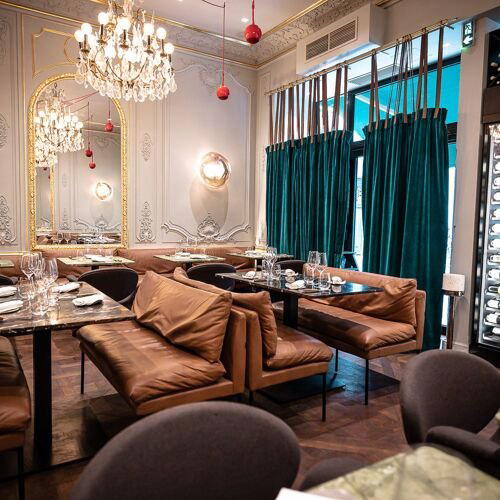
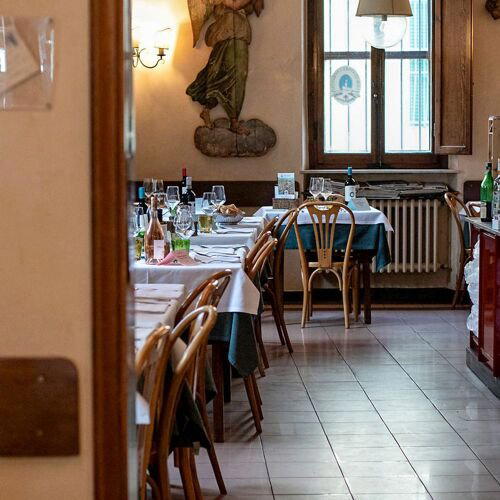
Hotels in Villefranche-de-Rouergue
Browse all →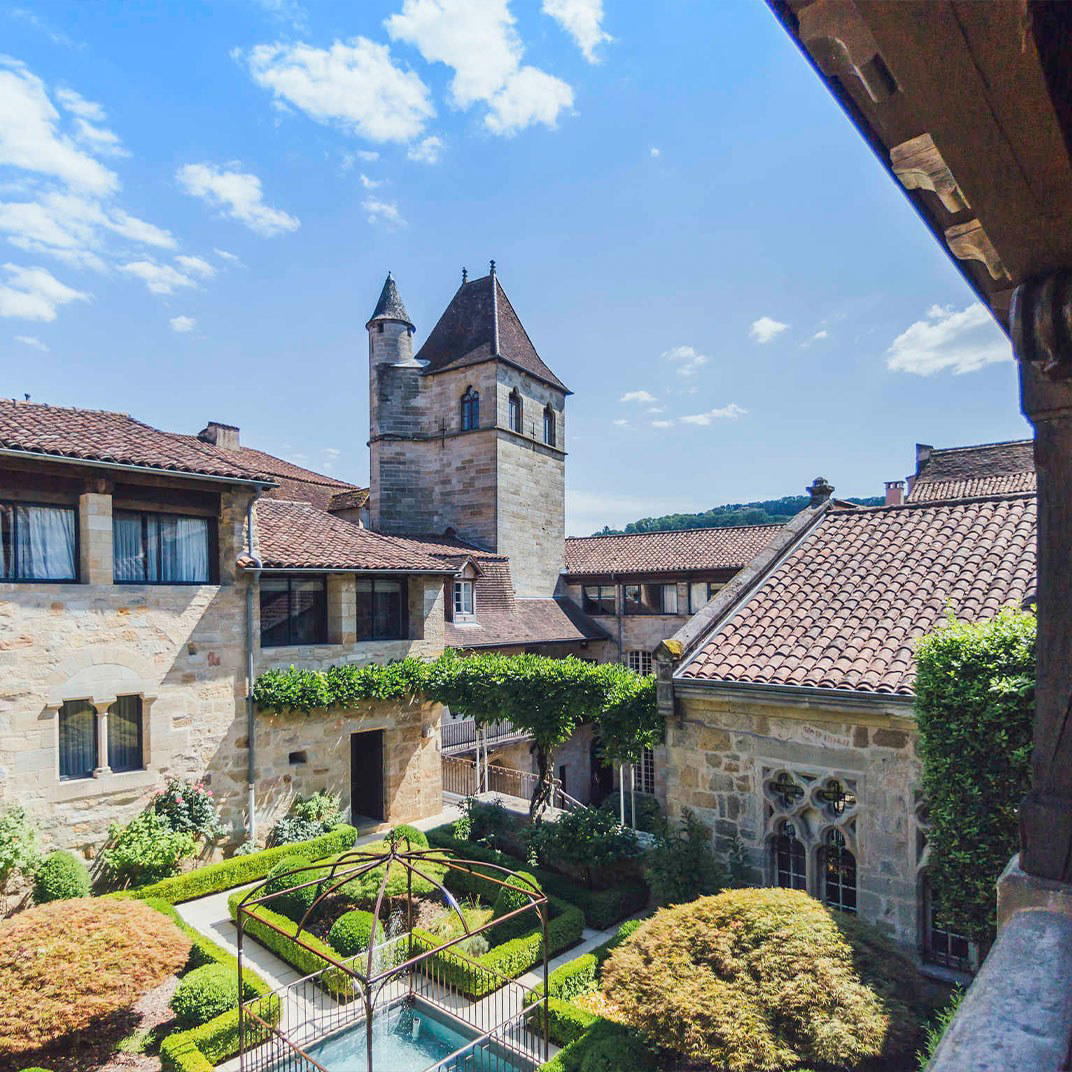
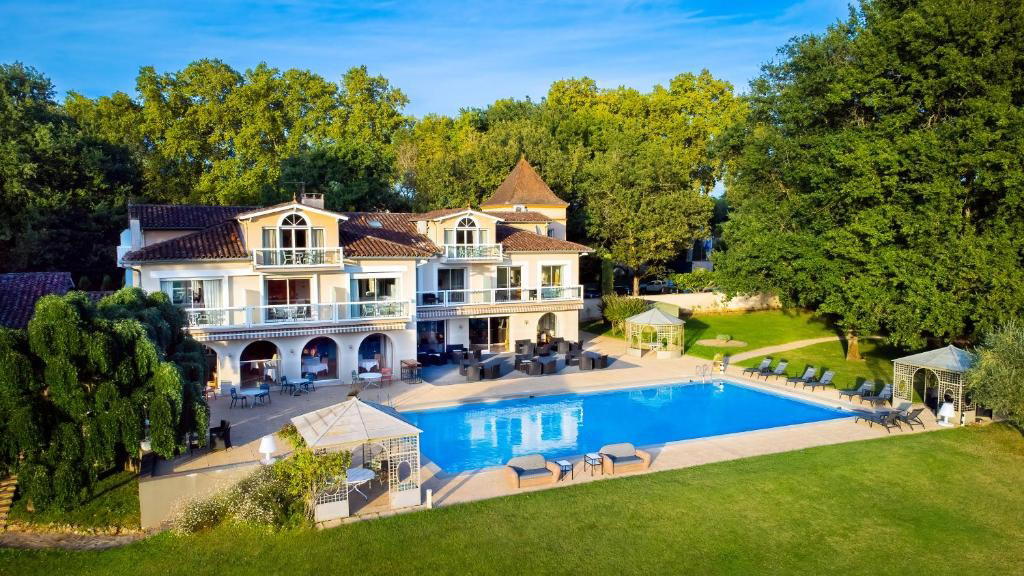
Wineries in Villefranche-de-Rouergue
Browse all →
Details
- Elegant
- Cozy
- Sophisticated
- Modern
- Date Night
- Special Occasion
- Business Dinner
- Open Kitchen
- Extensive Wine List
- Local Sourcing
- A La Carte
Current opening hours
- Monday
- Closed
- Tuesday
- 7–9 PM
- Wednesday
- 12–1:30 PM, 7–9 PM
- Thursday
- 12–1:30 PM, 7–9 PM
- Friday
- 12–1:30 PM, 7–9 PM
- Saturday
- 12–1:30 PM, 7–9 PM
- Sunday
- 12–1:30 PM
Hours can change for holidays and private events. Last verified .
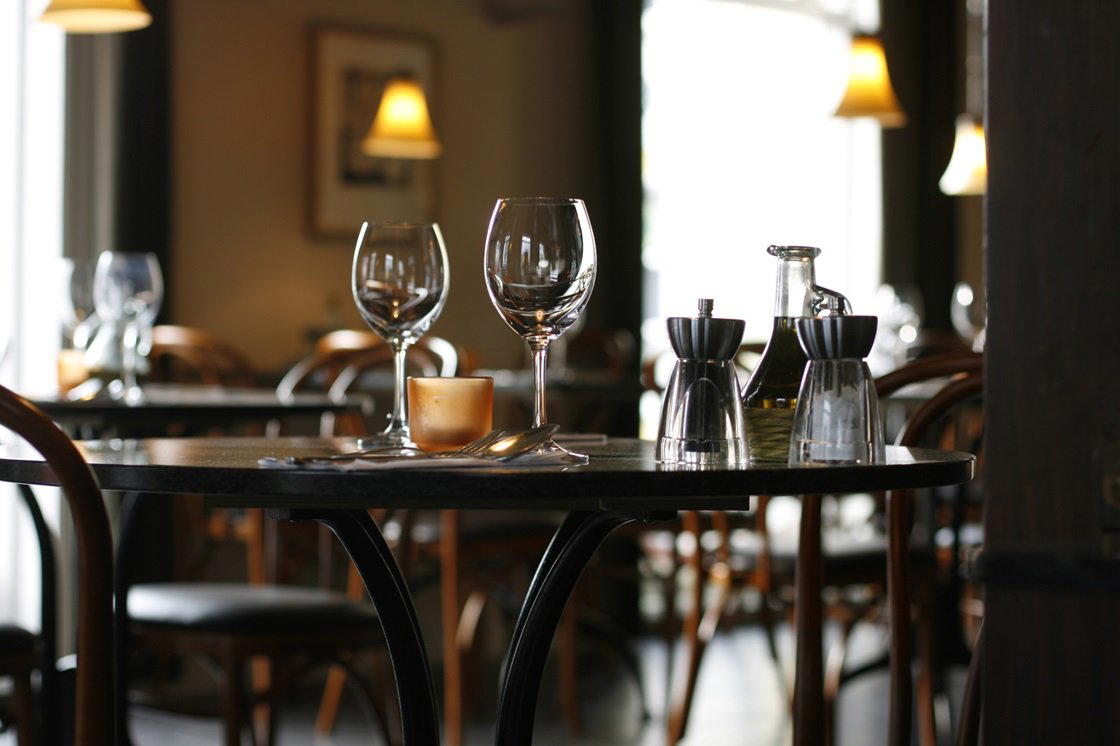
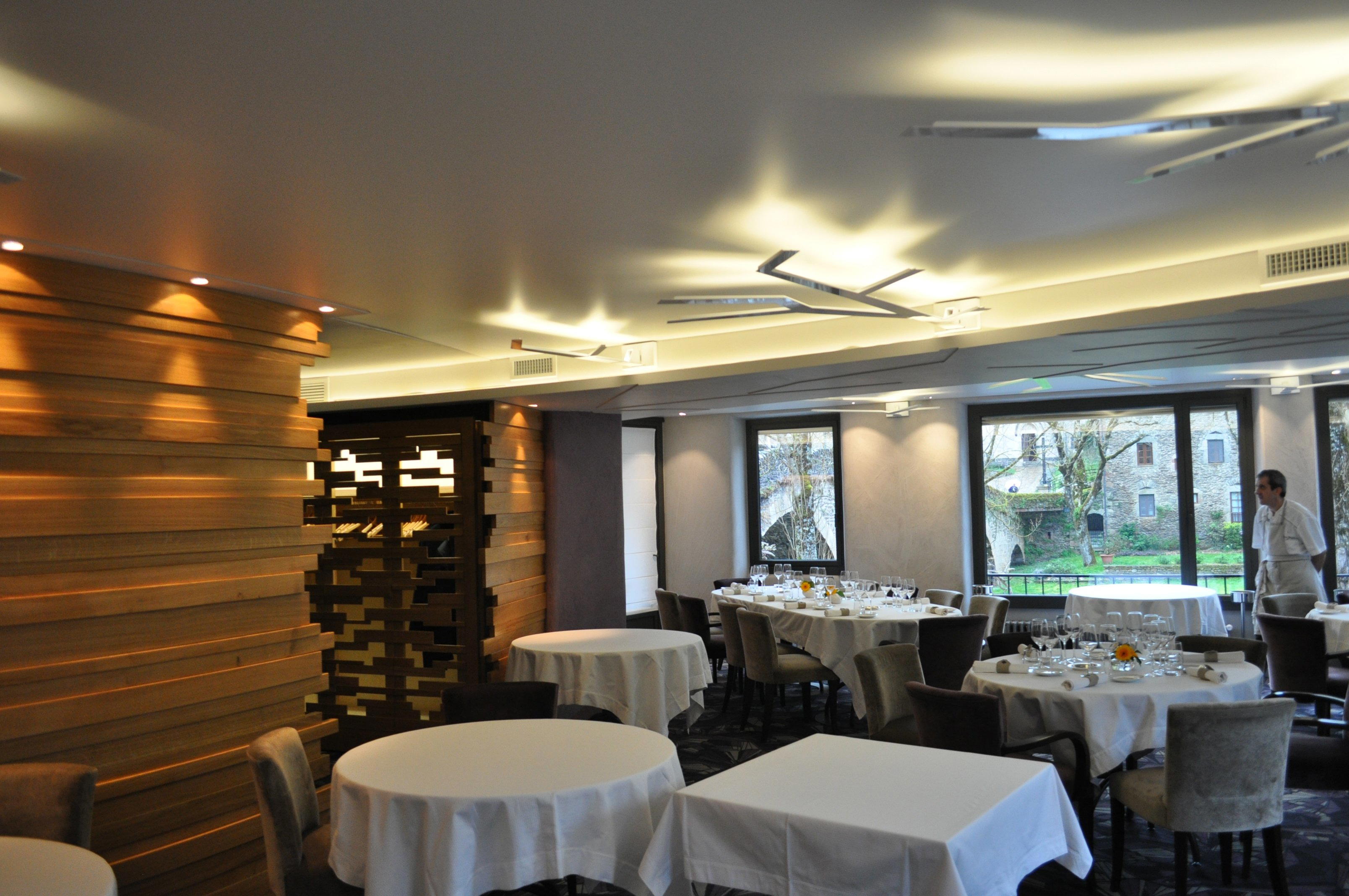
Contemporary, elegant, and cozy atmosphere with warm lighting, spacious modern interior, and a pleasant terrace.