
In the small riverside town of Laguépie in Tarn-et-Garonne, L'Angle brings a Modern Spanish-inflected menu to a part of rural France where ambitious cooking rarely surfaces. Awarded a Michelin Bib Gourmand in 2025 and a Michelin Plate the year prior, it holds. Chef Jordi Cruz leads a kitchen that rewards the kind of unhurried, shared approach that defines the small-plates tradition at its most considered.
Pearl is the En Primeur Club membership app — saves, bookings, and concierge access live there. Same editors, same standards.
- Address
- 11 RUE DU 19 MARS 1962, 82250 Laguépie, France
- Phone
- +33 6 79 59 31 49
- Website
- langle-laguepie.com
- Directions
- Get directions
 Saves & bookings on Pearl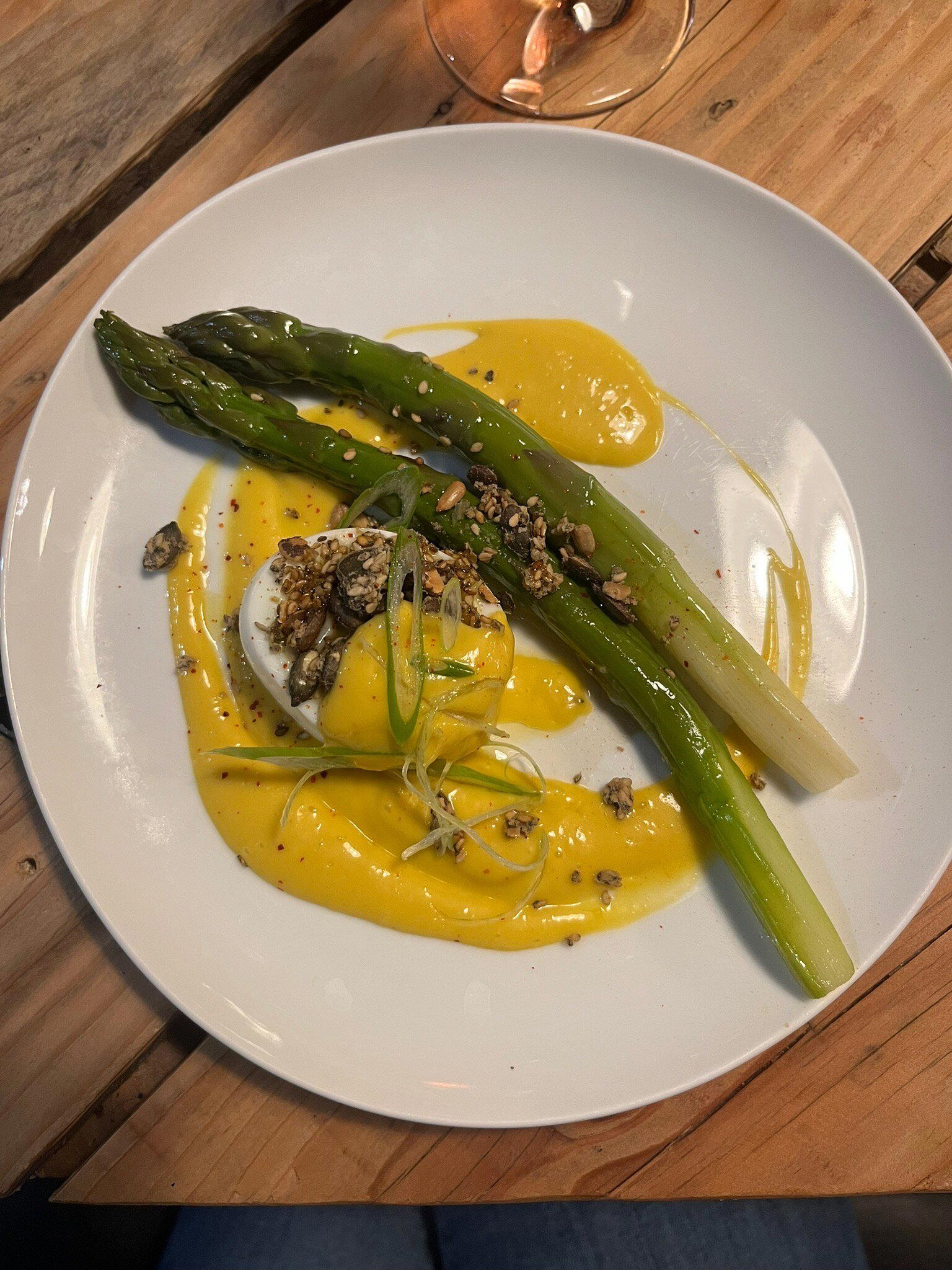
Where Rural France Meets the Spanish Kitchen
Laguépie sits at the confluence of the Aveyron and Viaur rivers in the Tarn-et-Garonne department, a market town of a few hundred residents where the pace of daily life bears little resemblance to the gastronomic circuits of Lyon or Bordeaux. It is precisely this context that makes L'Angle worth understanding before you arrive. Rural southern France has long sustained a tradition of the serious village restaurant, the kind of address that demands a detour rather than merely rewarding proximity. Bras in Laguiole is the regional archetype of that model. L'Angle operates on a smaller, more accessible register, but the logic is the same: the address matters because the cooking matters, not because the postcode does.
The cuisine framing here — Modern Spanish, Modern Cuisine — places L'Angle in a specific and genuinely rare niche for this part of France. The Iberian peninsula sits close enough geographically and culturally to influence kitchens across Occitanie and the Pyrenean foothills, yet Spanish-inflected cooking at a credentialed level remains sparse once you leave the major cities. For a comparable contemporary Spanish kitchen in France, you are more likely to be looking at urban addresses like Enoteca Paco Pérez in Barcelona or travelling across the border to something like Venta Moncalvillo in Daroca de Rioja. L'Angle occupies a gap.
The Small-Plates Tradition and How It Works Here
Modern Spanish cooking, in its contemporary restaurant form, descends from a dining culture built on sharing and sequencing. The tapas tradition, small, precise portions ordered laterally rather than in a strict procession, reshaped how kitchens think about composition and pacing. Even in formats that have moved beyond the bar-counter origins of the form, the underlying philosophy persists: dishes are designed to be tasted against each other, flavours are concentrated rather than stretched, and the act of eating becomes collaborative by design.
At L'Angle, that heritage informs both the menu architecture and the appropriate ordering approach. A table that treats the meal as a single linear progression, one course per person, eaten in silence, will miss the point. The more productive framing is to order across the menu, allow dishes to arrive in overlapping waves, and let the conversation determine the pace. This is not a rigid prescription; it is how the food reads leading. The kitchen, operating within the constraints of a €€ price point, has to work efficiently, which means dishes are purposeful rather than elaborate. That discipline tends to produce cleaner flavour rather than less of it.
Spain's influence on this style of cooking is worth spelling out for readers more familiar with classical French formats. Where a traditional French kitchen sequences courses with clear boundaries, the Spanish small-plates model treats the table as a shared surface. Quantities are calibrated for two to four people to sample each dish without finishing it before the next arrives. The social ritual this produces is less formal than a tasting menu and more engaged than a standard à la carte service. It suits a setting like Laguépie, a town without the ambient self-consciousness of a major food destination, rather well.
Credentials in Context
The Michelin Bib Gourmand, awarded in 2025 after a Michelin Plate in 2024, is the relevant credential here and it carries specific meaning. The Bib Gourmand designation identifies restaurants that Michelin inspectors consider to offer good cooking at a price point that represents value relative to the local market. It is not a consolation award below the star system; it is a separate recognition aimed at a different kind of dining proposition. At the €€ price range, L'Angle competes in a tier far below addresses like Alléno Paris au Pavillon Ledoyen or Mirazur in Menton, but the Michelin recognition places it in a quality conversation that most restaurants at this price level in rural France do not enter.
The progression from Plate to Bib Gourmand in a single year is also a directional signal. It suggests the kitchen is developing rather than plateauing. Chef Jordi Cruz leads the operation, and his name aligns the kitchen with a broader Spanish culinary identity rather than the more prevalent Franco-classical lineage you find in comparable rural French addresses like Auberge du Vieux Puits in Fontjoncouse or Flocons de Sel in Megève.
Planning a Visit
L'Angle is open for lunch and dinner Monday, Tuesday, Friday, Saturday, and Sunday, with service windows running 1–2 pm at midday and 8–9 pm in the evening. Wednesday and Thursday are closed. The tight service windows are standard for a small kitchen operating at this standard, and they matter logistically: Laguépie is not a town with a deep bench of fallback dining options, so arriving outside those hours is not a minor inconvenience. Booking ahead is the sensible approach for any weekend service given the limited seats implied by a kitchen of this type and the Michelin recognition that will have expanded the addressable audience beyond local regulars.
The address is 11 Rue du 19 Mars 1962, in the centre of Laguépie. The town itself is worth treating as a base rather than a day-trip destination. The river confluence gives it a particular geographic character that holds up to a slow afternoon before dinner. For further context on where L'Angle sits within the local food and drink offer, see our full Laguépie restaurants guide, alongside our Laguépie hotels guide, bars guide, wineries guide, and experiences guide.
For readers building a southern France itinerary around serious cooking, L'Angle sits within reasonable reach of other credentialed addresses in the wider region. Bras in Laguiole remains the landmark destination of the Aveyron plateau, and further afield, AM par Alexandre Mazzia in Marseille and Auberge de l'Ill in Illhaeusern anchor opposite ends of the French fine dining register. Closer in spirit to L'Angle's approachable price point and regional conviction, Troisgros - Le Bois sans Feuilles in Ouches, Assiette Champenoise in Reims, Au Crocodile in Strasbourg, and Paul Bocuse in Collonges-au-Mont-d'Or all illustrate the range of what serious French regional cooking can look like at different price tiers and traditions.
Comparison Snapshot
| Venue | Cuisine | Price | Awards |
|---|---|---|---|
| L'AngleThis venue — the venue you are viewing | Modern Spanish, Modern Cuisine | €€ | Bib Gourmand |
| Alléno Paris au Pavillon Ledoyen | Creative | €€€€ | Michelin 3 Star |
| Kei | Contemporary French, Modern Cuisine | €€€€ | Michelin 3 Star |
| L'Ambroisie | French, Classic Cuisine | €€€€ | Michelin 3 Star |
| Le Cinq - Four Seasons Hôtel George V | French, Modern Cuisine | €€€€ | Michelin 3 Star |
| Plénitude | Contemporary French | €€€€ | Michelin 3 Star |
Recognition history
Dated appearances from independent guides and award organizations, with the underlying list record or original source where available.
Michelin Bib Gourmand
Michelin
Michelin Bib Gourmand
Michelin
Michelin Plate
Michelin
Continue exploring
More in Laguépie
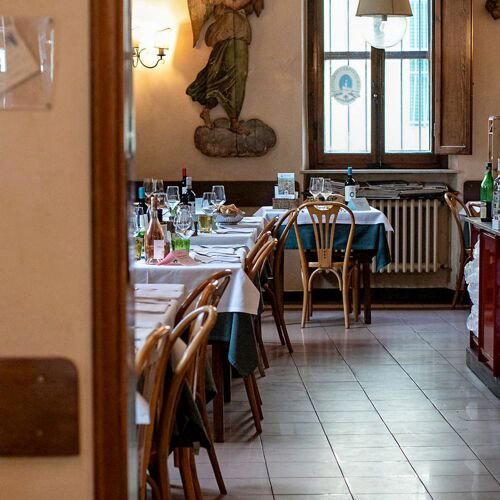
Restaurants in Laguépie
Browse all →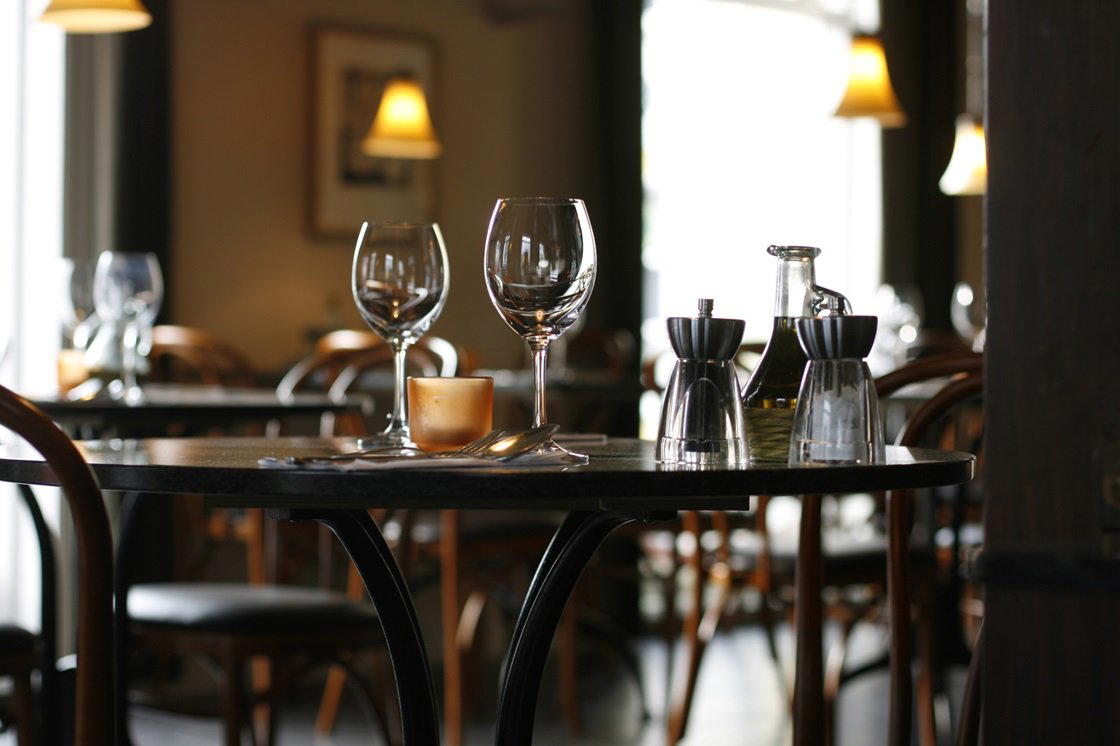
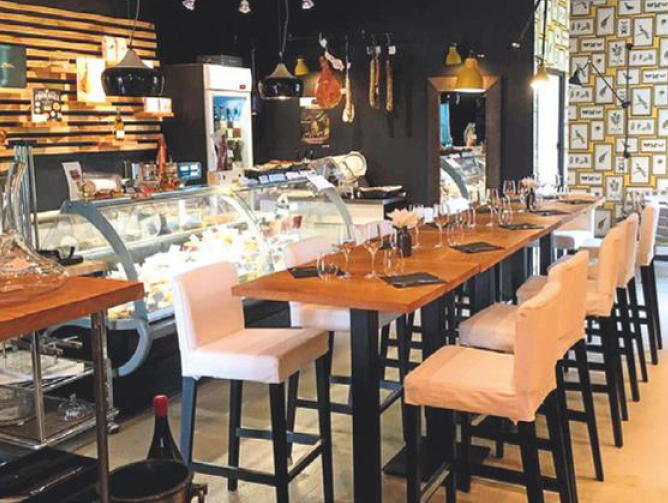
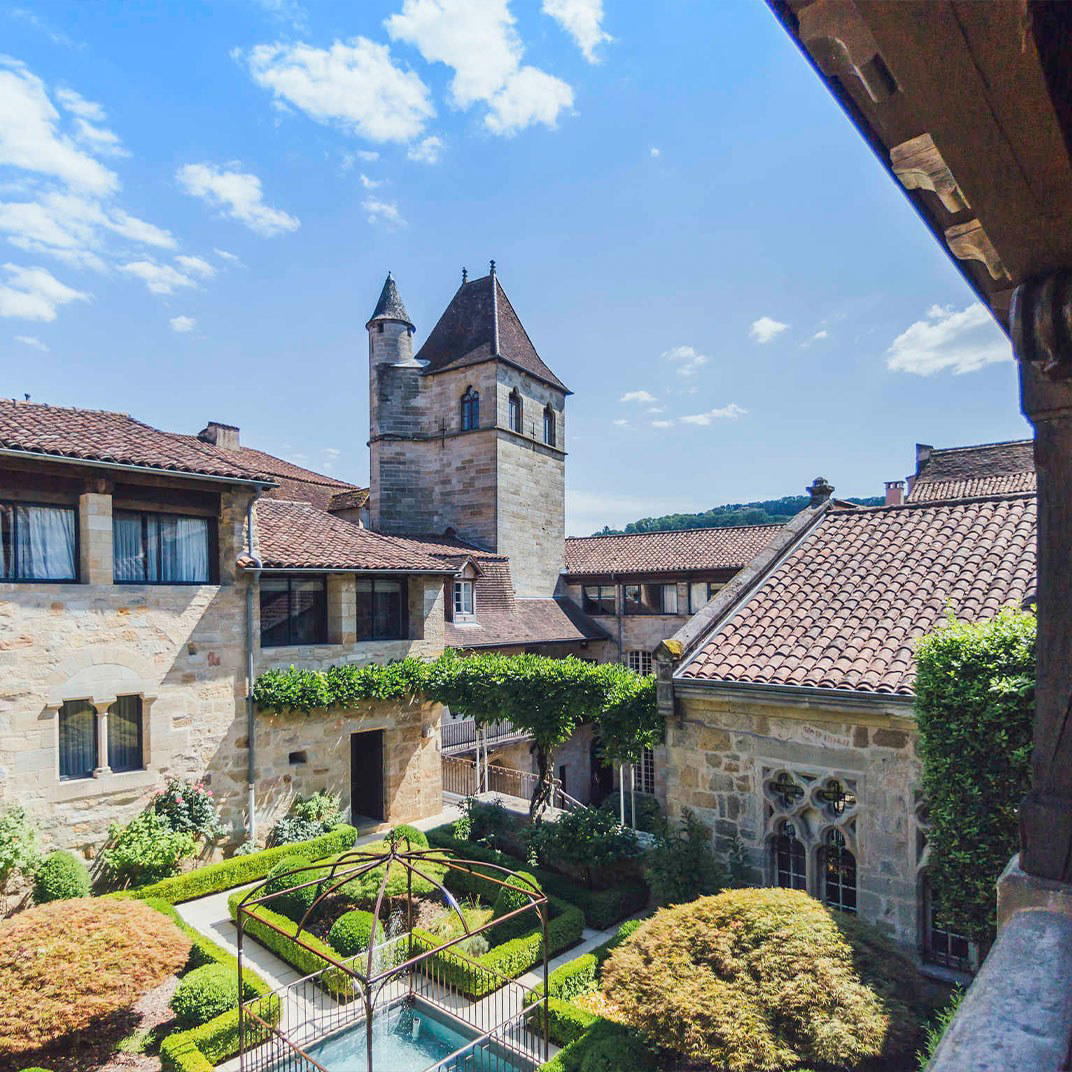
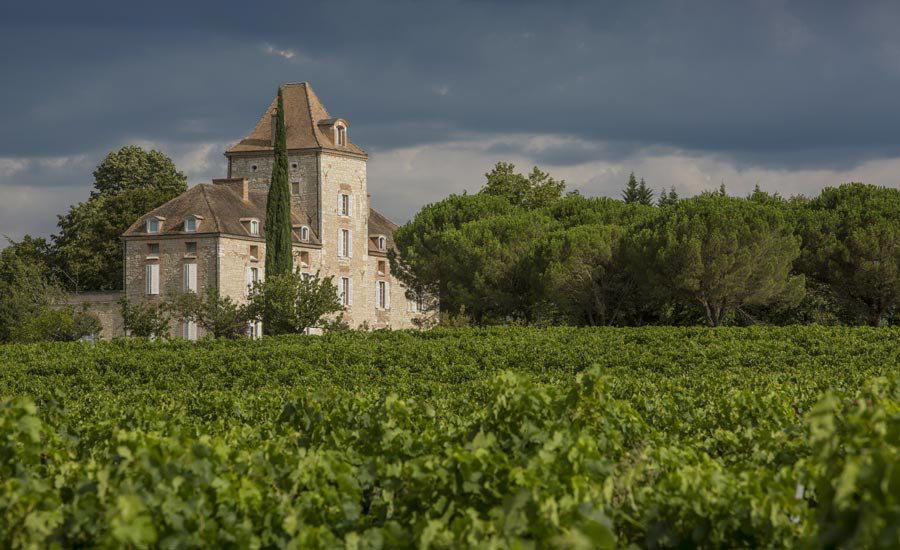
Wineries in Laguépie
Browse all →
At a Glance
- Cozy
- Rustic
- Intimate
- Date Night
- Special Occasion
- Open Kitchen
- Extensive Wine List
- Local Sourcing
Current opening hours
- Monday
- Closed
- Tuesday
- 12–2 PM
- Wednesday
- 12–2 PM
- Thursday
- 12–2 PM, 7–9 PM
- Friday
- 12–2 PM, 7–9 PM
- Saturday
- 12–2 PM, 7–9 PM
- Sunday
- Closed
Hours can change for holidays and private events. Last verified .
Chaleureux et coloré with modern paintings, paint-splattered tables, and a warm, artistic atmosphere.
Know Before You Go
- Getting there
- 11 RUE DU 19 MARS 1962, 82250 Laguépie, France