L'Assiette du Capitaine
On the Île d'Oléron's main boulevard in Saint-Pierre-d'Oléron, L'Assiette du Capitaine sits inside one of Atlantic France's most productive seafood territories. The restaurant draws on the island's oyster beds, fishing ports, and salt marshes to anchor a menu shaped by what arrives locally. For visitors to the Côte Ouest, it represents the kind of address where the sourcing does most of the editorial work.
Pearl is the En Primeur Club membership app — saves, bookings, and concierge access live there. Same editors, same standards.
- Address
- 2 Bd du Capitaine Leclerc, 17310 Saint-Pierre-d'Oléron, France
- Phone
- +33546473878
- Website
- assietteducapitaine.com
- Directions
- Get directions
 Saves & bookings on Pearl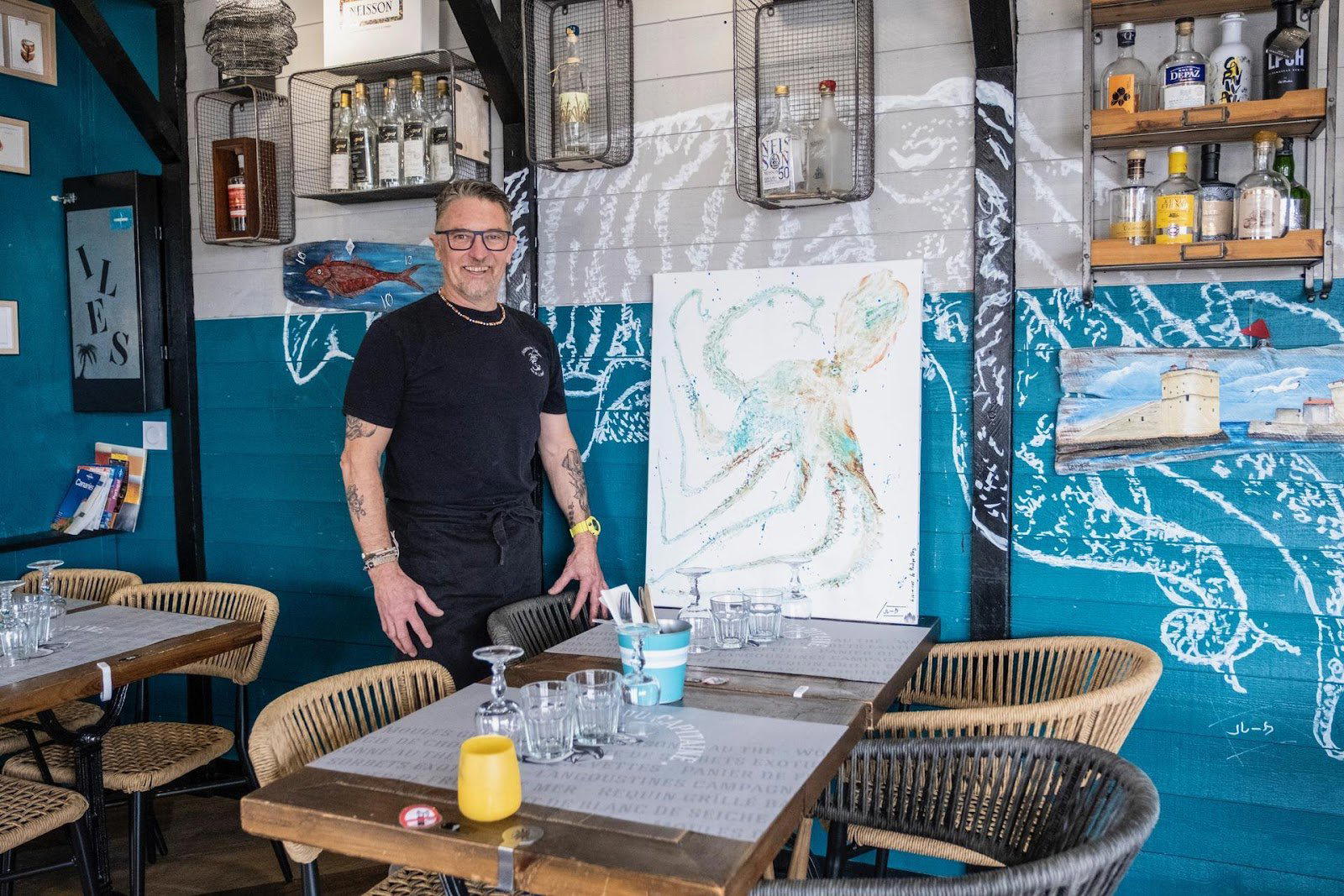
Atlantic France's Ingredient Economy, Plated on the Île d'Oléron
The stretch of Atlantic coastline running from the Vendée south through the Charente-Maritime is among France's most productive marine territories. Oyster beds at Marennes-Oléron supply restaurants across the country. Salt harvested from the Île de Ré's marshes reaches three-star kitchens in Paris. Fishing ports at La Cotinière, on Oléron's western flank, land sole, sea bass, and cuttlefish daily. This is the supply chain that shapes what ends up on tables across the region, and it is the context in which L'Assiette du Capitaine, a French Seafood Harbor Bistro in Saint-Pierre-d'Oléron, operates.
Saint-Pierre is the island's administrative and commercial centre, which means it functions as a gathering point for locals, seasonal residents, and the kind of visitor who arrives by car from the mainland over the Viaduc de l'Île d'Oléron bridge rather than by ferry. The boulevard itself runs through the town in a way that situates the restaurant squarely within the rhythm of daily island life, rather than in a purpose-built tourist quarter. That geographic context matters when thinking about sourcing: proximity to the island's markets and ports is not incidental, it is structural.
Why Oléron's Ingredient Pool Is Worth Taking Seriously
French Atlantic seafood rarely gets the same critical attention as Mediterranean counterparts, despite the quality argument being at least as strong. The Marennes-Oléron appellation covers the largest oyster-producing basin in Europe, and the region's flat-oyster and creuse varieties have been awarded a Label Rouge designation that requires specific growing conditions and harvesting controls. Salt cod traditions, fresh-catch fishing out of La Cotinière, and the seasonal availability of langoustine, spider crab, and mullet make the Charente-Maritime coast as ingredient-rich a territory as any in provincial France.
Restaurants operating here face a structural choice: work with that supply chain directly, or import product for a menu that could exist anywhere. The ones that earn regional reputations tend to anchor their identity in what the island and the estuary actually produce. Addresses like Christopher Coutanceau in La Rochelle and La Marine in Noirmoutier-en-l'île have built national profiles on exactly that premise, and they represent the upper register of what Atlantic coastal sourcing can produce at the highest level of kitchen ambition. L'Assiette du Capitaine operates in a different tier, but within the same geographic logic.
The Dining Room and the Register It Pitches To
Addresses on the Île d'Oléron broadly divide between seasonal beach-adjacent operations and year-round establishments that serve both the resident population and the island's substantial second-home community. Saint-Pierre's central position makes it a more year-round proposition than beach villages like Grand-Village-Plage or Saint-Trojan-les-Bains. The Boulevard du Capitaine Leclerc address places L'Assiette du Capitaine inside the town's commercial spine, where foot traffic and local custom sustain a restaurant through the quieter months outside July and August.
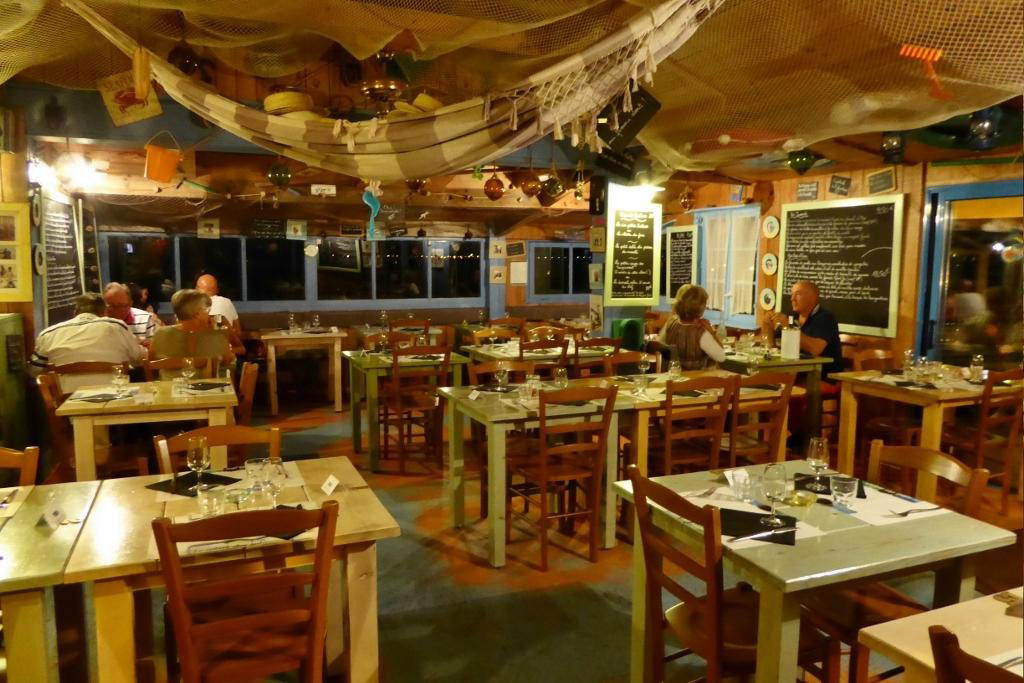
The name itself positions the restaurant within a tradition of captain- and sailor-themed establishments common across French Atlantic ports, a shorthand that signals seafood-forward cooking without requiring further explanation. In towns like Saint-Pierre, where the fishing identity is part of the civic self-image, that framing reads as local rather than generic. The question is always whether the kitchen follows through on the implied premise, which is a decision that rests on sourcing discipline and cooking approach rather than décor.
For visitors planning a meal here, the practical reality of island dining in season is that advance contact is advisable. The Île d'Oléron receives substantial visitor numbers between late June and August, and smaller establishments in Saint-Pierre fill quickly during that window. Outside high season, the island operates at a different pace, and tables at addresses like this one tend to be more accessible without prior arrangement. The island is accessible via the free bridge from the mainland, roughly 30 kilometres west of Saintes, making it a viable day trip from La Rochelle as well as an overnight destination in its own right.
Where This Address Sits in the French Atlantic Dining Picture
France's coastal dining at the highest level is well documented. Mirazur in Menton works the Mediterranean garden-to-table argument. AM par Alexandre Mazzia in Marseille takes southern coastal ingredients into a far more experimental register. On the Atlantic side, the benchmark restaurants tend to emphasise the marine supply chain as a primary creative driver, and the broader French tradition they sit within is one with deep roots: from Paul Bocuse and Troisgros reshaping classical French cooking through the twentieth century, to regional addresses like Auberge du Vieux Puits in Fontjoncouse or Bras in Laguiole building around what a specific place actually grows and produces. The Île d'Oléron fits within that provincial tradition, even if its most prominent restaurants operate well below the starred tier.
Internationally, the ingredient-sourcing argument for coastal addresses has a parallel in what restaurants like Le Bernardin in New York City have demonstrated about seafood cooking taken seriously as a discipline. The ambition levels differ significantly, but the underlying principle, that great fish cookery begins with proximity to great fish, holds across price points and geographies.
Planning a Visit
The restaurant is located at 2 Boulevard du Capitaine Leclerc, 17310 Saint-Pierre-d'Oléron. Saint-Pierre sits in the centre of the Île d'Oléron, roughly 45 minutes by car from La Rochelle once you account for the bridge crossing. Peak season on the island runs July through August, when the population swells significantly and restaurant availability tightens across all price points. Visiting in May, June, or September gives a more manageable experience of the island without sacrificing the Atlantic season for fish and shellfish, which runs well into autumn. Reservations are recommended, and the restaurant serves lunch and dinner daily.
A Quick Peer Check
Comparable venues nearby, for context on price, style, and recognition.
| Venue | Cuisine | Price | Notes |
|---|---|---|---|
| L'Assiette du CapitaineThis venue — the venue you are viewing | French Seafood Harbor Bistro | $$$ | Not listed |
| Bon Temps | Contemporary French Brasserie | $$$ | Vieux Port |
| Prao | Modern French Bistro with Local Seasonal Focus | $$$ | Saint-Nicolas |
| Le Petit Canard | Traditional French Duck Bistro | $$$ | 9th arrondissement |
| Restaurant Le Saint Julien | Traditional French | $$$ | Saint-Julien-Beychevelle |
| Les Pins | French-Thai Fusion Bistro | $$$ | Soulac-sur-Mer |
Continue exploring
More in Cote Ouest
Restaurants in Cote Ouest
Browse all →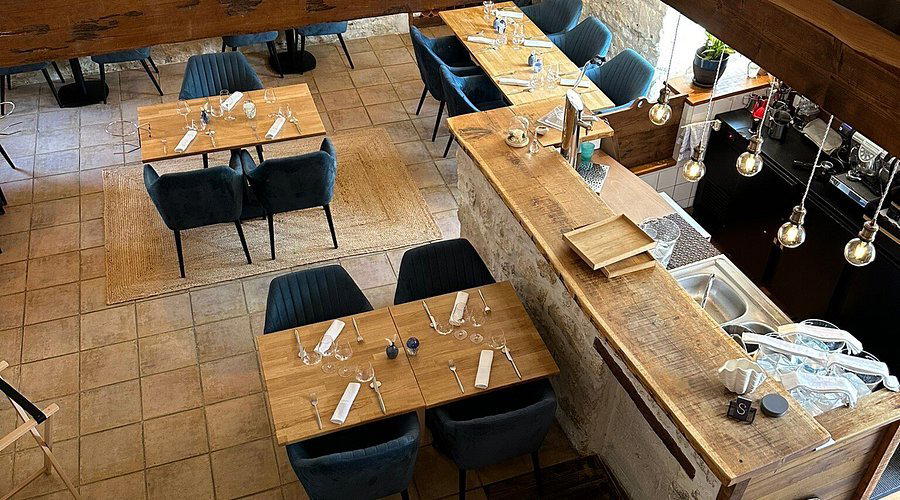
At a Glance
- Scenic
- Cozy
- Date Night
- Special Occasion
- Waterfront
- Terrace
- Local Sourcing
- Sustainable Seafood
- Waterfront
Current opening hours
- Monday
- 12:15–1:30 PM, 7:15–9 PM
- Tuesday
- 12:15–1:30 PM, 7:15–9 PM
- Wednesday
- 12:15–1:30 PM, 7:15–9 PM
- Thursday
- 12:15–1:30 PM, 7:15–9 PM
- Friday
- 12:15–1:30 PM, 7:15–9 PM
- Saturday
- 12:15–1:30 PM, 7:15–9 PM
- Sunday
- 12:15–1:30 PM, 7:15–9 PM
Hours can change for holidays and private events. Last verified .
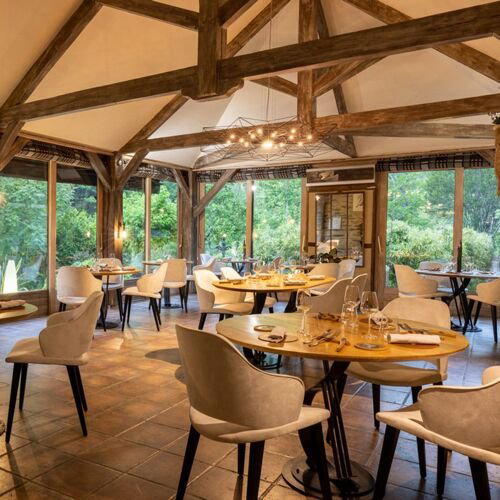
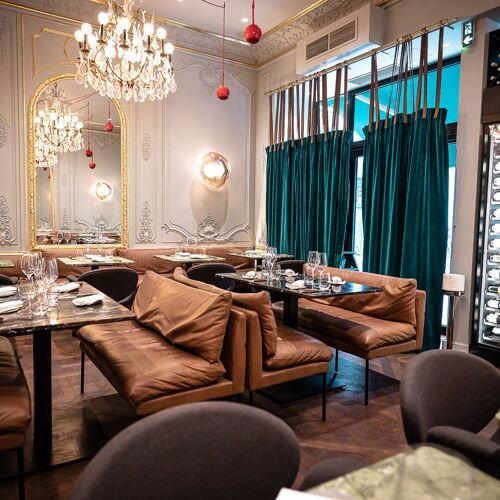
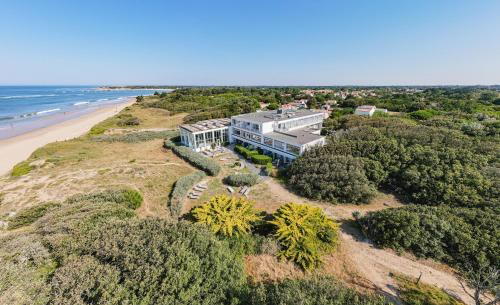
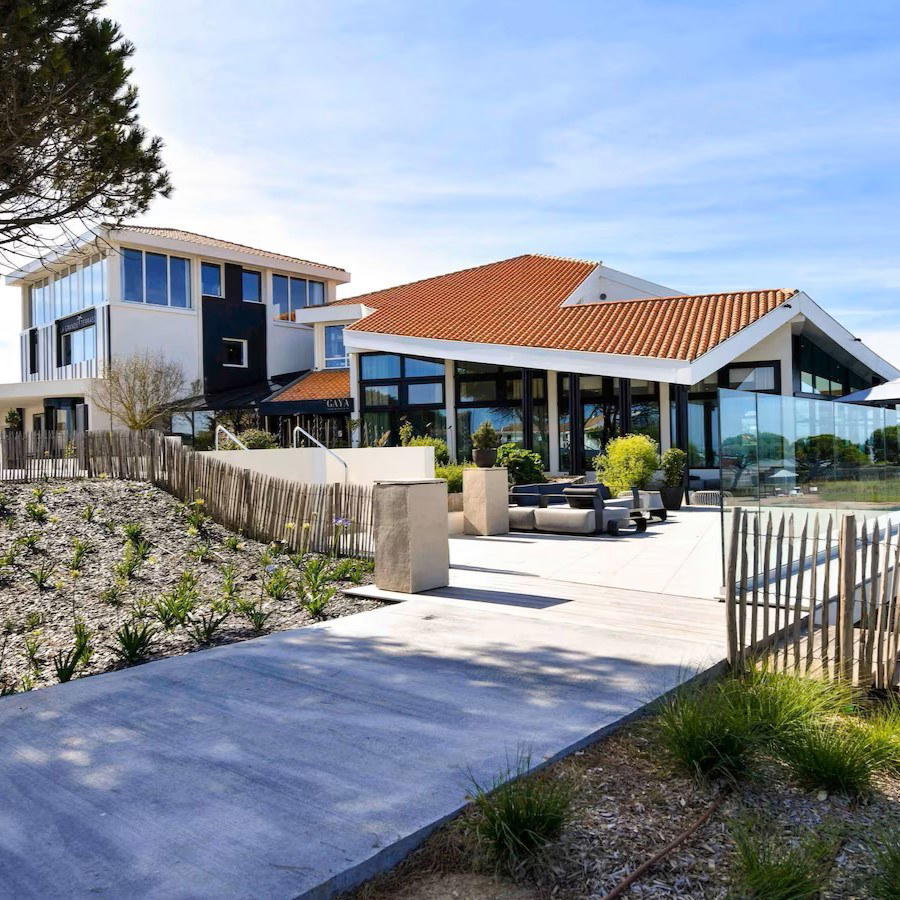
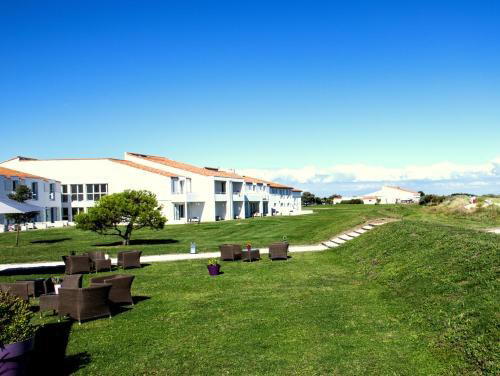
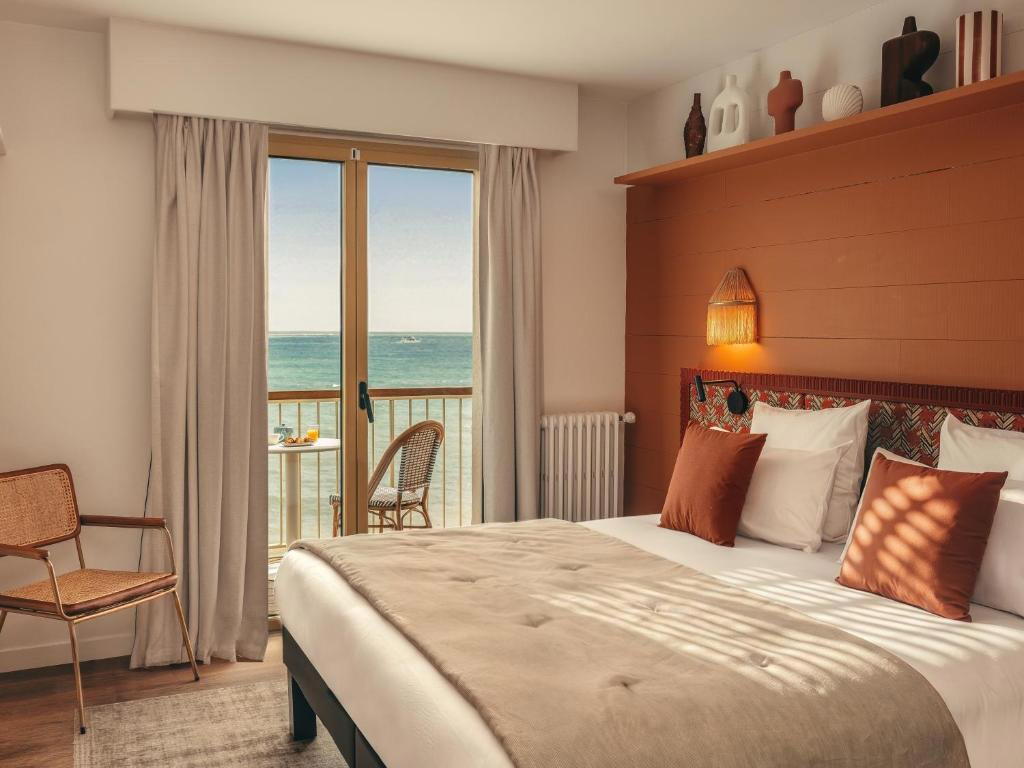
Charming seaside atmosphere with harbor views and relaxed coastal vibe.