La Table du Grand Large

On the Île d'Oléron's Atlantic-facing shore, La Table du Grand Large holds a Michelin Plate recognition for 2024 and 2025, placing it among the island's most seriously regarded tables. The kitchen works in a modern cuisine register at the €€€ price point, drawing on the island's coastal larder..
Pearl is the En Primeur Club membership app — saves, bookings, and concierge access live there. Same editors, same standards.
- Address
- 2 Av. de l'Océan, 17550 Dolus-d'Oléron, France
- Phone
- +33 5 46 75 77 77
- Website
- le-grand-large.fr
- Directions
- Get directions
 Saves & bookings on Pearl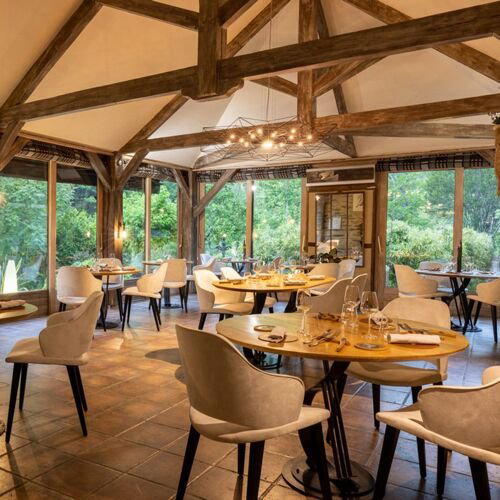
Atlantic Sourcing on an Island That Feeds Itself
The Île d'Oléron sits off the Charente-Maritime coast connected to the mainland by a single toll-free bridge, and that geography does something particular to local restaurants. Supply chains are short by necessity. Oléron produces oysters from its eastern bay, salt from the marshes near Saint-Pierre, and fish pulled from the Atlantic shelf that runs along its western edge. A kitchen operating at the €€€ price point on this island is drawing from one of France's more self-contained coastal larders, and the question worth asking is always whether a given table treats that proximity as a genuine discipline or merely a backdrop. La Table du Grand Large sits on the Avenue de l'Océan in Dolus-d'Oléron and serves modern French gastronomy shaped by iodized sea flavors.
In coastal regions like Oléron, where the starred tier is absent from the immediate island but present on the mainland at addresses such as Auberge du Vieux Puits in Fontjoncouse or, at the higher register, Mirazur in Menton, the Plate functions as the local ceiling of documented quality. Two consecutive years of that recognition tells you the kitchen is consistent rather than lucky, which matters more than a single-season result. Contrast that with the three-starred density of urban French fine dining, where Alléno Paris au Pavillon Ledoyen or AM par Alexandre Mazzia in Marseille operate in a category defined by entirely different expectations of technical ambition and sourcing reach, and the Oléron context comes into clearer focus: this is serious regional cooking, not a satellite of metropolitan fine dining.
What the Setting Does to the Food
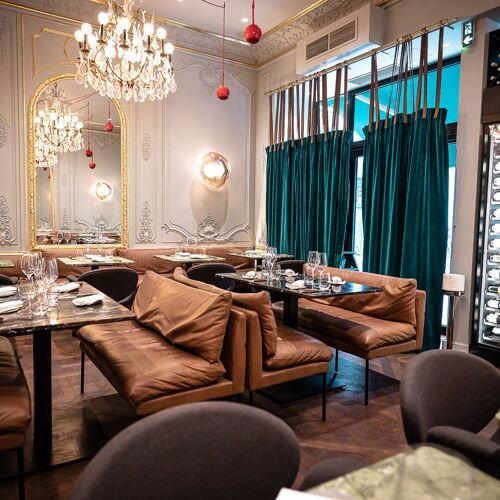
Dolus-d'Oléron is one of the island's more central communes, less exposed than the Atlantic-facing western coast but within easy reach of both the oyster-farming eastern shores near Le Château-d'Oléron and the surf-hit western beaches. A restaurant on the Avenue de l'Océan occupies that in-between position literally and gastronomically. The address faces the water, which in Atlantic coastal France creates an expectation well-established in regional dining culture: the room should feel like a conscious relationship with what lies outside rather than a hermetically sealed dining box.
Modern cuisine in the French regional register has developed its own grammar for this. Where Bras in Laguiole built its identity around Aubrac's plateau ingredients and Flocons de Sel in Megève works within Alpine seasonality, coastal kitchens at the €€€ tier tend to organise their menus around the tidal and seasonal rhythms of their specific stretch of coast. Oléron's Atlantic position means the kitchen is dealing with oysters and mussels from the eastern bays, sole and turbot from nearby waters, and the Marennes-Oléron oyster designation, among the more documented in France, which gives a chef a ready-made argument for sourcing specificity that few inland addresses can match.
The Michelin Plate in a Regional Context
France's Michelin-recognised table network spreads well beyond Paris and Lyon, but the density thins considerably once you leave the major metropolitan areas and established gastronomic corridors. The Atlantic coast from Bordeaux south has its starred addresses, but the middle tier of Plate-recognised tables on the smaller islands and coastal communes does the actual work of sustaining a dining culture for year-round residents and the summer influx alike. La Table du Grand Large's back-to-back Plate recognition in 2024 and 2025 places it in this middle tier, a position that requires maintaining kitchen standards through both the high-season pressure of summer visitors and the quieter months when the island reverts to its working character.
For the reader travelling specifically to eat well on Oléron rather than simply stopping somewhere adequate, this distinction matters. Restaurants operating at this tier on small French islands tend to anchor local food culture in a way that seasonal pop-ups and hotel dining rooms cannot.
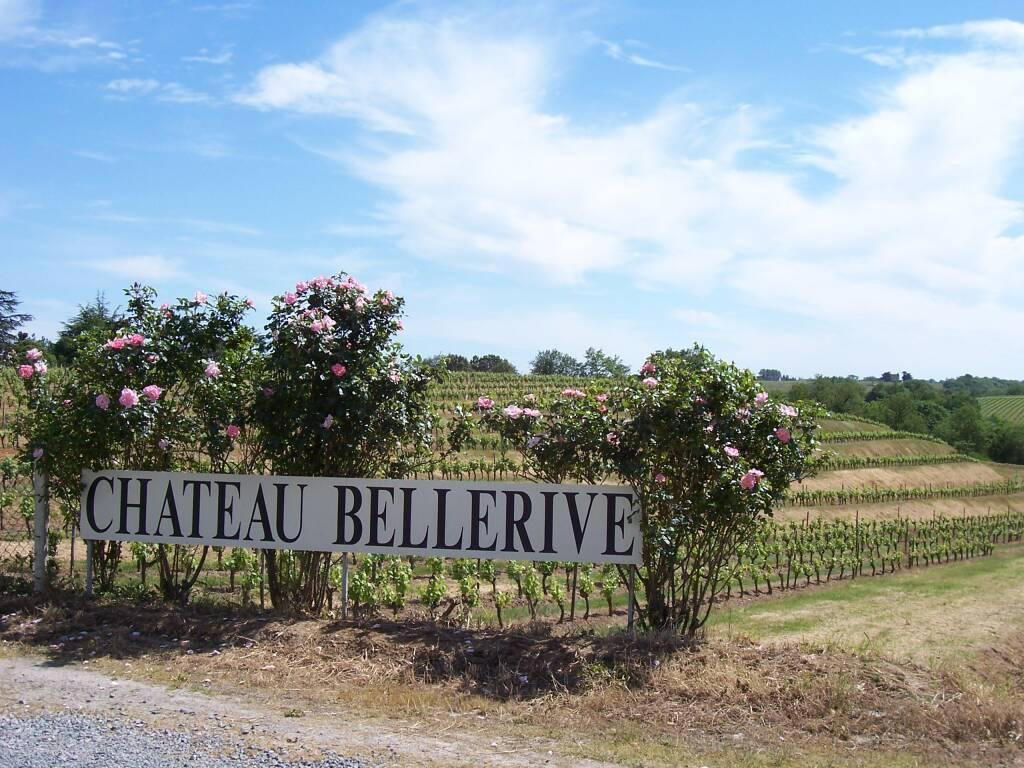
For visitors building a longer trip around the region's food culture, Oléron sits within reasonable distance of the Cognac-producing hinterland and the Bordeaux wine country. The island's own drinks culture is modest, but the surrounding region is not. Wineries near Dolus-d'Oléron offer a different angle on the region's agricultural character, worth pairing with a meal-focused itinerary.
Planning a Visit
La Table du Grand Large sits at 2 Avenue de l'Océan, Dolus-d'Oléron, at a €€€€ price point, which on Oléron represents a considered dining budget rather than a casual lunch spend.
For context on where this kitchen sits within the wider architecture of French dining, addresses like Troisgros in Ouches, Auberge de l'Ill in Illhaeusern, or Paul Bocuse in Collonges-au-Mont-d'Or define the upper register against which regional modern cuisine is, implicitly, always measured. Further afield, Assiette Champenoise in Reims, Au Crocodile in Strasbourg, and international addresses like Frantzén in Stockholm and FZN by Björn Frantzén in Dubai illustrate how the modern cuisine category has developed across different national contexts. The restaurant operates on a smaller stage, but the Michelin Plate establishes that the cooking on that stage is worth the trip.
Quick Comparison
Comparable venues nearby, for context on price, style, and recognition.
| Venue | Cuisine | Price | Awards | Notes |
|---|---|---|---|---|
| La Table du Grand LargeThis venue — the venue you are viewing | Modern French Gastronomic with Iodized Sea Flavors | $$$$ | Michelin Plate | Not listed |
| George's | Modern French Brasserie | $$$$ | Michelin Plate | Saint-Martin-de-Ré |
| Restaurant Côté Marais | Modern French Fine Dining | $$$$ | Michelin Plate | Beauvoir-Sur-Mer |
| La Table de Villeneuve | French Fine Dining | $$$$ | Michelin Plate | La Pironnière |
| Gaya - Cuisine de Bords de Mer par Pierre Gagnaire | Creative French Seafood by Pierre Gagnaire | $$$$ | Michelin Plate | Châtelaillon-Plage |
| Ô Dissay | Modern French Gastronomique | $$$$ | Michelin Plate | Dissay |
Recognition history
Dated appearances from independent guides and award organizations, with the underlying list record or original source where available.
Michelin Plate
Michelin
Michelin Plate
Michelin
Michelin Plate
Michelin
Continue exploring
More in Dolus-d'Oléron
Restaurants in Dolus-d'Oléron
Browse all →

Bars in Dolus-d'Oléron
Browse all →
Hotels in Dolus-d'Oléron
Browse all →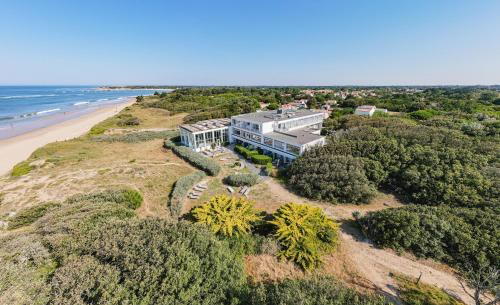

At a Glance
- Elegant
- Sophisticated
- Scenic
- Intimate
- Date Night
- Special Occasion
- Celebration
- Waterfront
- Terrace
- Panoramic View
- Hotel Restaurant
- Extensive Wine List
- Sommelier Led
- Local Sourcing
- Waterfront
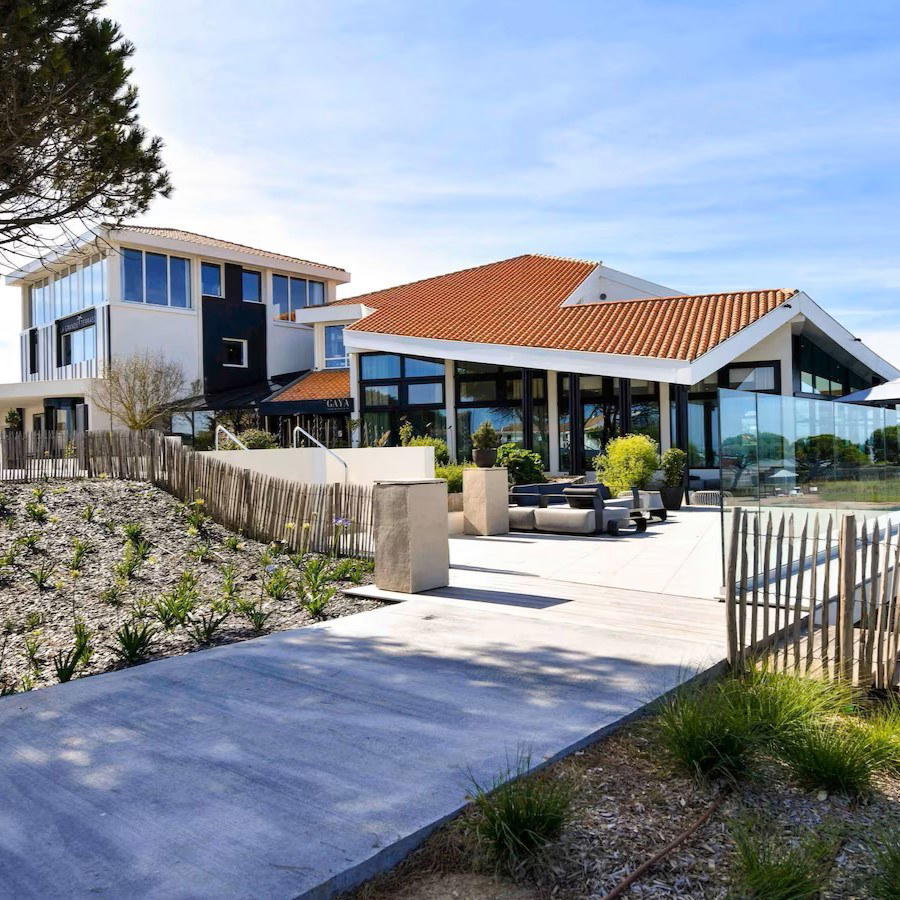
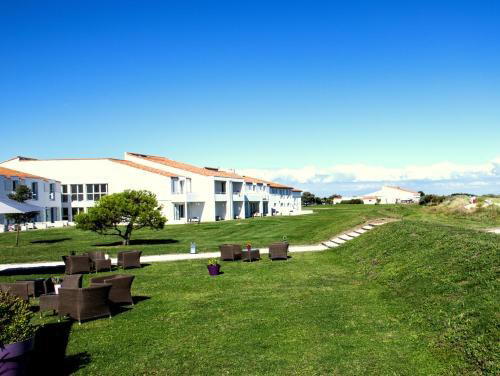
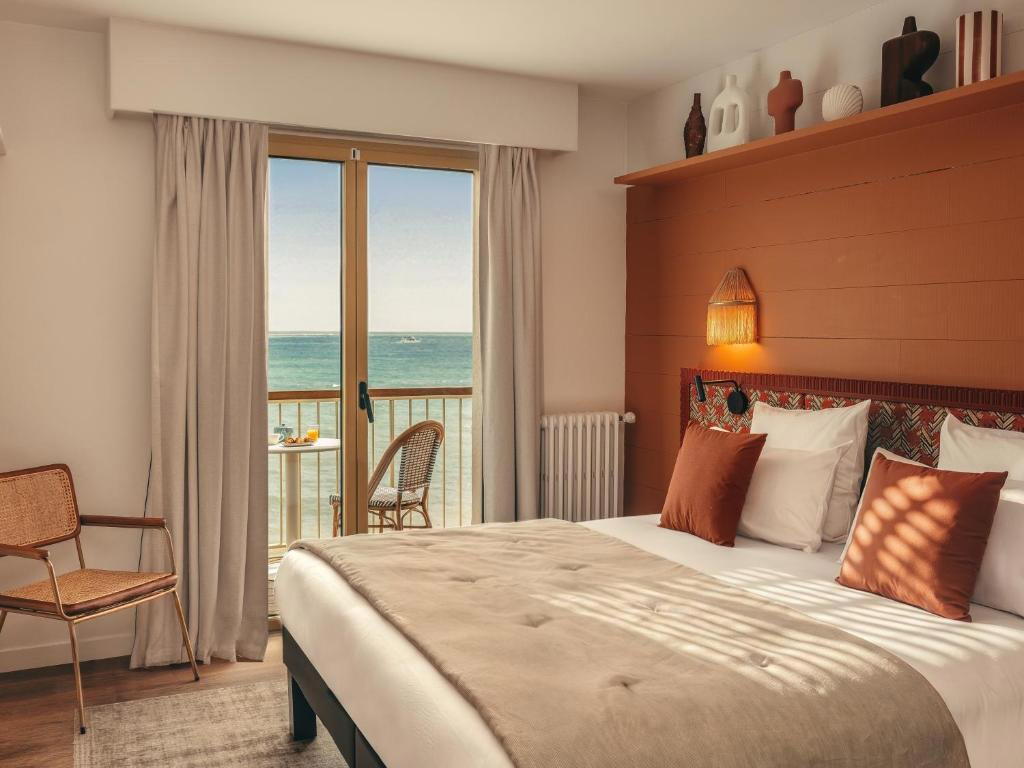
Elegant and warm atmosphere with large bay windows and panoramic terrace overlooking the Atlantic Ocean, creating moments suspended between sky and sea.