Las Guacamayas Taqueria
On a side street off Jose Maria Morelos in Cabo San Lucas, Las Guacamayas Taqueria operates in a format the city's resort corridor largely ignores: straightforward taqueria cooking rooted in the ingredients and techniques of the Baja peninsula. For travelers willing to step outside the marina dining circuit, it represents the kind of local eating that tells you more about where you are than any hotel restaurant can.
Pearl is the En Primeur Club membership app — saves, bookings, and concierge access live there. Same editors, same standards.
- Address
- Jose Maria Morelos (Alikan), Cabo San Lucas, Baja California Sur
- Directions
- Get directions
 Saves & bookings on Pearl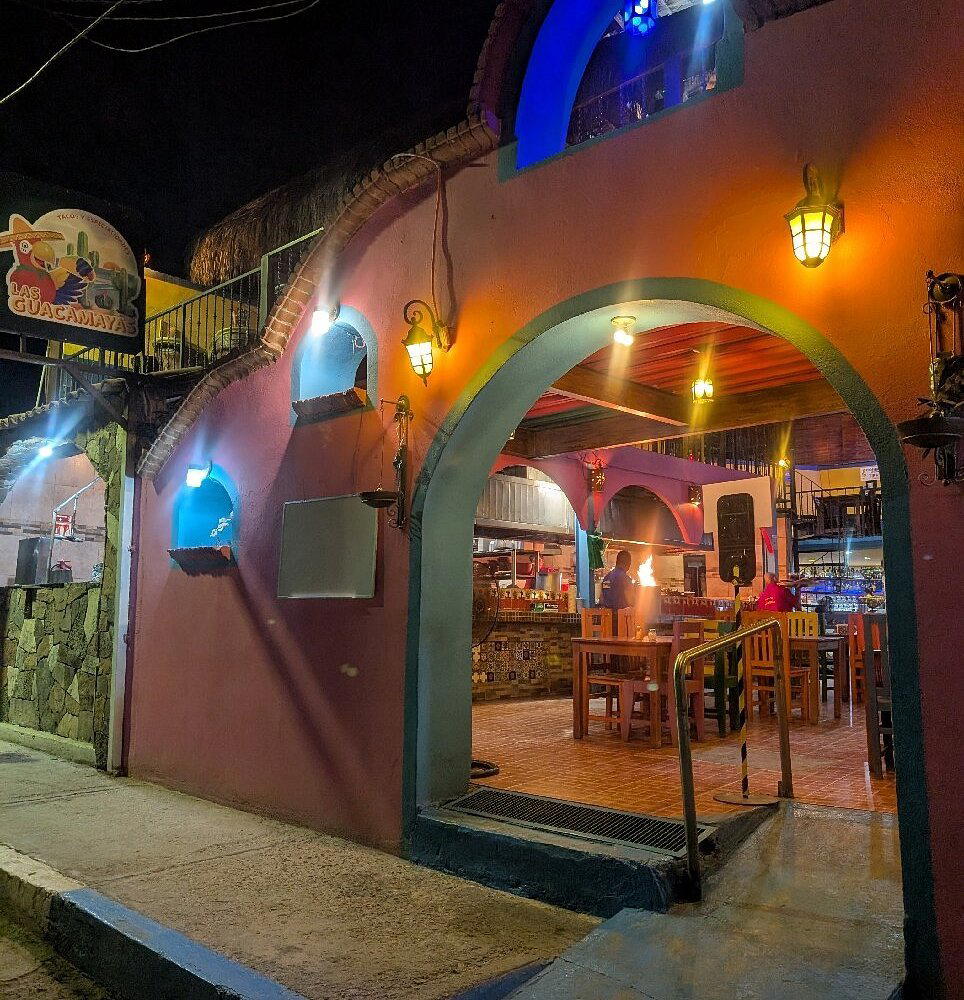
Eating Outside the Marina: Cabo's Street-Level Taqueria Circuit
Cabo San Lucas's dining identity is heavily shaped by its oceanfront developments. The marina strip delivers polished Mexican-international menus, hotel restaurants with imported proteins, and cocktail programs priced for the resort crowd. What that circuit rarely offers is the kind of cooking that has sustained the peninsula's fishing and ranching communities for generations: simple, ingredient-led taqueria food where the tortilla, the protein source, and the salsa each carry real weight. Las Guacamayas Taqueria, on Jose Maria Morelos in the Alikan area of Cabo San Lucas, operates in that register. It is the kind of place that exists at the opposite end of the Cabo dining spectrum from, say, Al Pairo at Solaz or Aleta, and understanding why both ends of that spectrum exist is what makes the city's food scene worth reading.
The Sourcing Tradition Behind Baja Taqueria Cooking
Baja California Sur has a particular pantry. The peninsula's Pacific coast produces seafood that flows into the taqueria format as naturally as anywhere in Mexico: fish, shrimp, and callo de hacha (a local scallop) are as common on street-level menus as carnitas or carne asada. The latter two reflect the interior ranching tradition, where cattle and pigs raised on scrubby desert pasture have supplied local markets for well over a century. Corn tortillas in this region tend to be thin and pressed to order, acting as a neutral delivery system rather than a flavor statement on their own. Salsas, often built from dried chiles grown further south on the mainland or sourced from small regional producers, do the heavier lifting.
This sourcing geography matters because it shapes what a taqueria like Las Guacamayas actually puts in front of you. The ingredients are not shipped in from a centralized distributor the way hotel kitchens source their proteins. The supply chain is shorter, the provenance more local, and the cooking format more direct as a result. Mexico's broader movement toward articulating this kind of sourcing at high-end restaurants, visible at places like Pujol in Mexico City, Animalón in Valle de Guadalupe, and KOLI Cocina de Origen in Monterrey, has roots in exactly this kind of ground-level cooking. The taqueria is where provenance was always the point, even before it had a name.
Where Las Guacamayas Sits in the Cabo Dining Map
Cabo's restaurant market is stratified in a way that leaves a significant gap in the middle. At the high end, you have fine-dining formats aimed squarely at international visitors, places where the ambiance budget rivals the food budget. At the street level, you have taquerias serving local workers, families, and the occasional traveler who has done enough homework to know the marina strip is not the whole picture. Comparison venues in the same city like Metate operate at the lower-mid price tier with a Mexican focus, while the resort restaurants operate at the leading. Las Guacamayas sits closer to the street end of that range, on a side street that sees more local foot traffic than tourist circulation.
For context on how the street-level format fits into the broader Cabo experience, our full Cabo San Lucas restaurants guide maps the city's tiers from marina dining to neighborhood spots. The gap between Baja Brewing's casual beer-and-food format and the more formal rooms at Asi y Asado or Arts and Sushi is where places like Las Guacamayas do their quiet work, feeding the city's actual residents without much attention from the resort press.
Mexico's taqueria format has also attracted serious editorial attention at the national level, where critics and researchers have started to document the regional distinctions between, say, the smoked meats of Oaxaca (see Levadura de Olla Restaurante for how that tradition translates into a full restaurant context) and the Pacific seafood tacos of Baja. The peninsula's contribution to Mexico's taco canon is distinct: grilled fish on flour tortillas is a Baja original, and the style has traveled well beyond the region precisely because its sourcing logic is so clean.
What the Format Tells You About the Place
Taqueria cooking is a format where the physical environment carries meaning. A busy sidewalk counter with plastic stools, an open grill visible from the street, and a chalkboard or hand-painted sign listing the day's proteins tells you something specific about the economics and priorities of the operation. The margin on a taco is thin, which means volume matters, turnover matters, and waste matters. Kitchens that operate this way tend to have a sharper relationship with their supply than restaurants where the food cost represents a smaller share of a much higher check average. The discipline is built into the format.
At Las Guacamayas, the Jose Maria Morelos address places it in a workaday stretch of Cabo rather than the waterfront zone, which is itself an indication of who the place is cooking for. That context rewards travelers who want to understand Baja's food culture rather than simply be fed at a premium price point. The same sourcing logic that Olivea Farm to Table in Ensenada makes explicit in its farm-to-table framing, or that Lunario in El Porvenir brings to the wine country dining format, is present at a taqueria level without the editorial apparatus. The fish came off a boat. The tortilla was pressed this morning. The chile came from somewhere real.
Planning a Visit
Las Guacamayas Taqueria is located on Jose Maria Morelos in the Alikan area of Cabo San Lucas, accessible from the town center without the need to enter the resort corridor. Taquerias in this part of Mexico typically operate from late morning through early evening, with lunch hours representing the busiest window. No booking infrastructure applies to a format like this; arrival timing is the only planning variable. Prices at street-level taquerias in Cabo run well below the marina dining average, and cash remains the practical standard at most operations in this tier. Travelers staying in the hotel zone who want to reach this part of town should plan for a short taxi or ride-share rather than expecting walkability from the beachfront.
For a fuller picture of where Las Guacamayas sits relative to Mexico's broader restaurant conversation, the country's high-end dining circuit ranges from Le Chique in Puerto Morelos and HA' in Playa del Carmen on the Caribbean side to Alcalde in Guadalajara and Pangea in San Pedro Garza Garcia in the north. Internationally, the sourcing-first approach that defines good taqueria cooking has parallels at very different price points, from Le Bernardin in New York City's seafood precision to Atomix's ingredient-led Korean tasting format. The taqueria is simply the format where that discipline costs the least and asks the most of the ingredients themselves.
Comparison Snapshot
Comparable venues nearby, for context on price, style, and recognition.
| Venue | Cuisine | Price | Notes |
|---|---|---|---|
| Las Guacamayas TaqueriaThis venue — the venue you are viewing | Authentic Mexican Taqueria | $ | Not listed |
| Campestre | Traditional Mexican | $$ | Cabo San Lucas |
| Tacos Guss | Authentic Mexican Taqueria | $ | Cabo San Lucas |
| Outpost | Modern Mexican-American Fusion | $$ | Cabo San Lucas |
| La Pintada | Baja Mexican Fusion | $$ | Cabo San Lucas |
| Cascadas Beach Grill | Mexican Beachfront Grill | $$ | Cabo San Lucas |
Continue exploring
More in Cabo San Lucas
Restaurants in Cabo San Lucas
Browse all →
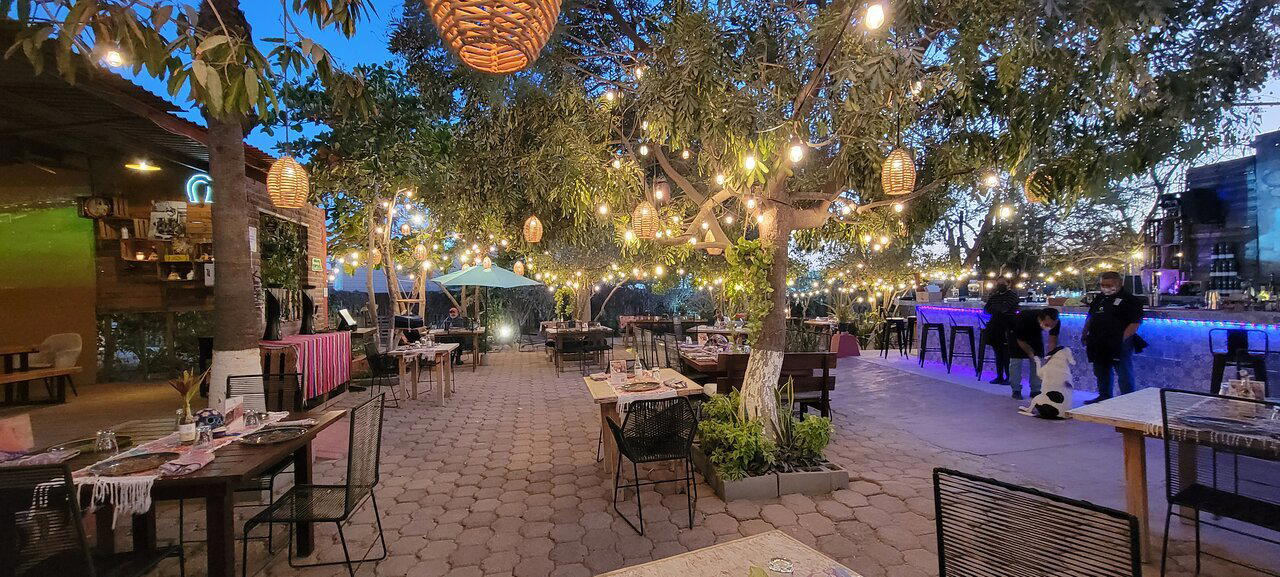
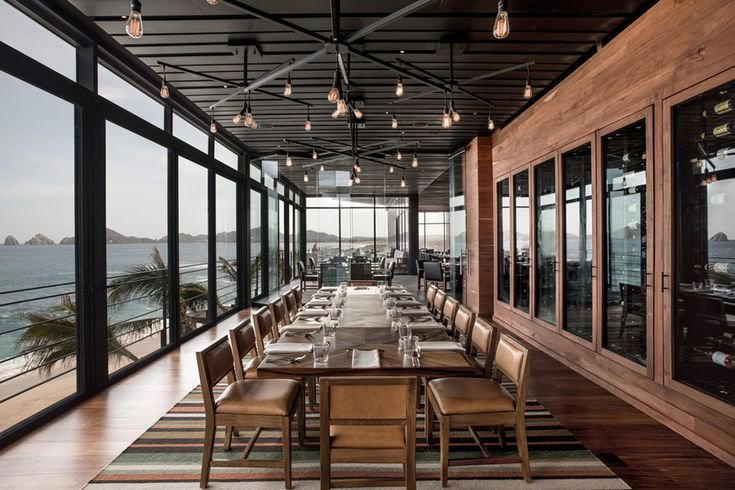
Bars in Cabo San Lucas
Browse all →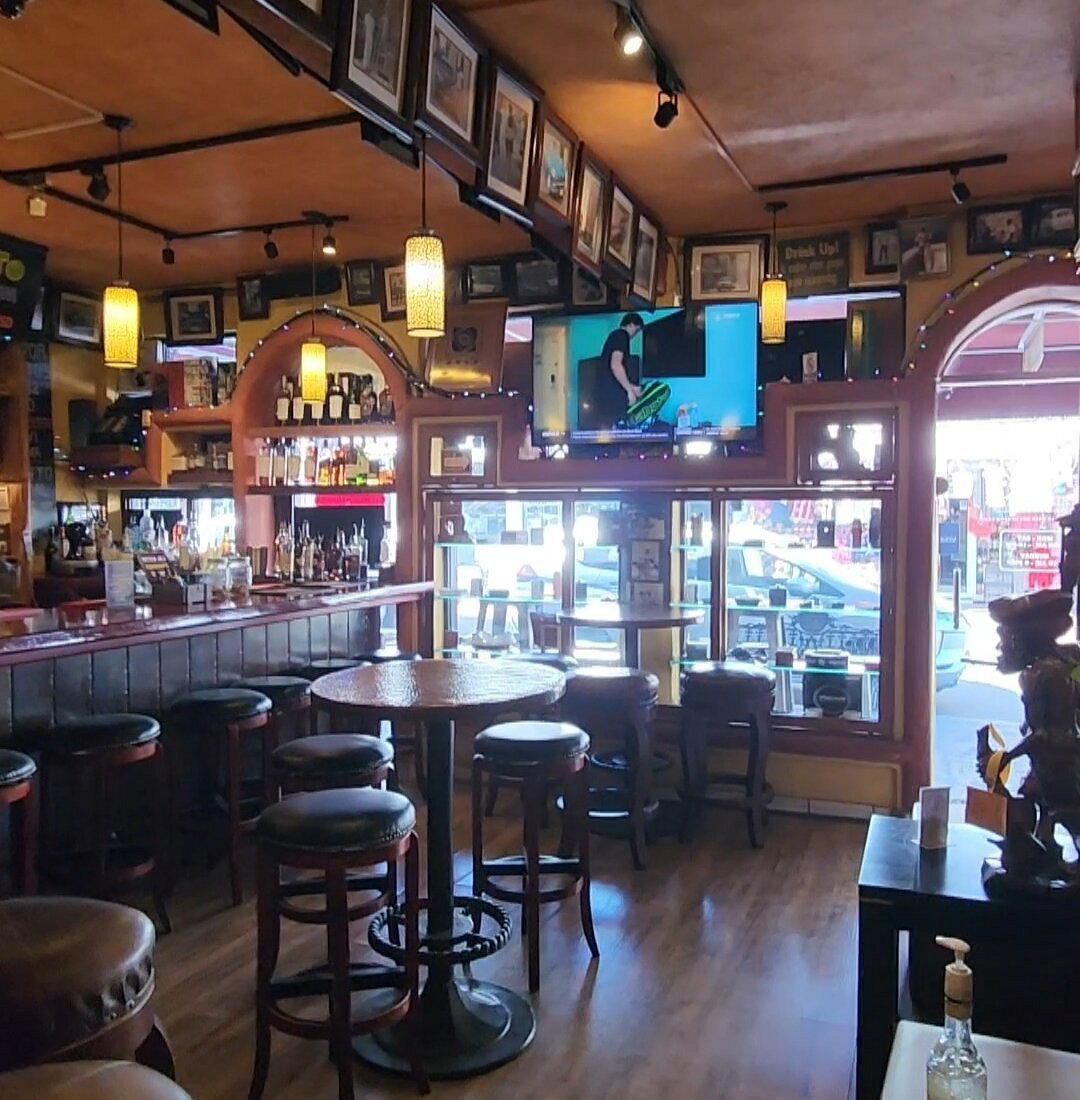
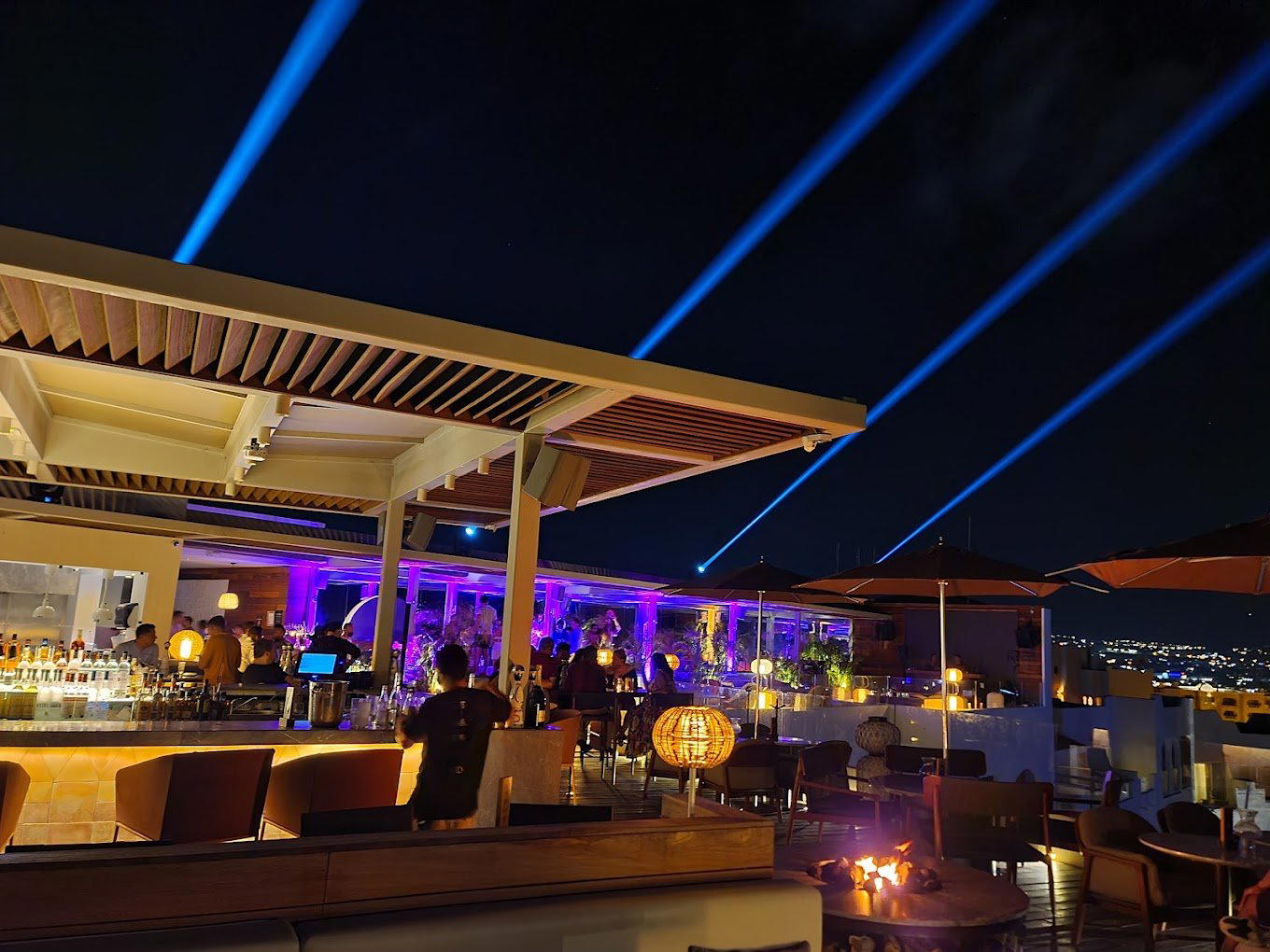

At a Glance
- Lively
- Cozy
- Rustic
- Casual Hangout
- Family
- Group Dining
- Late Night
- Standalone
- Beer Program
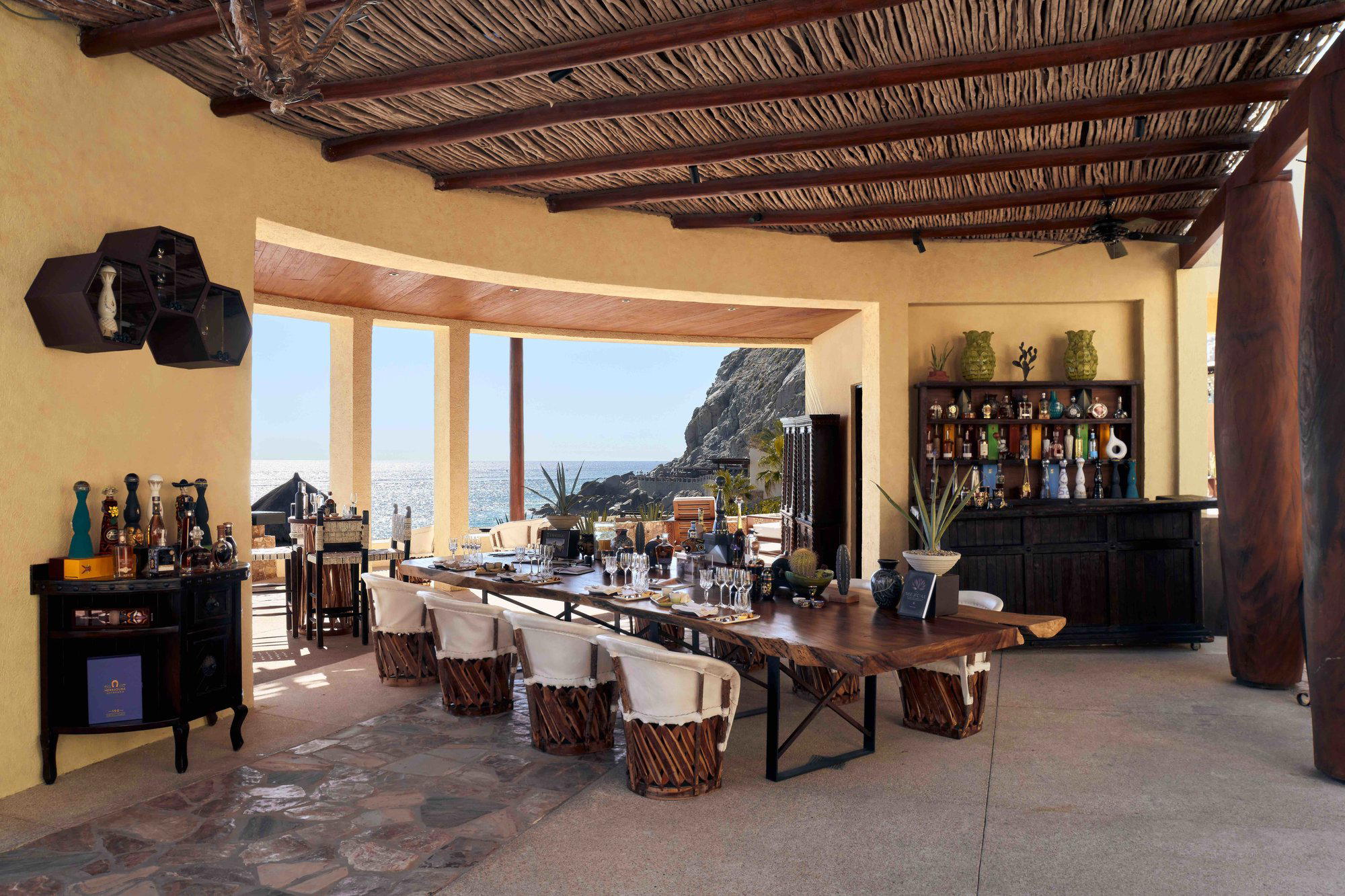
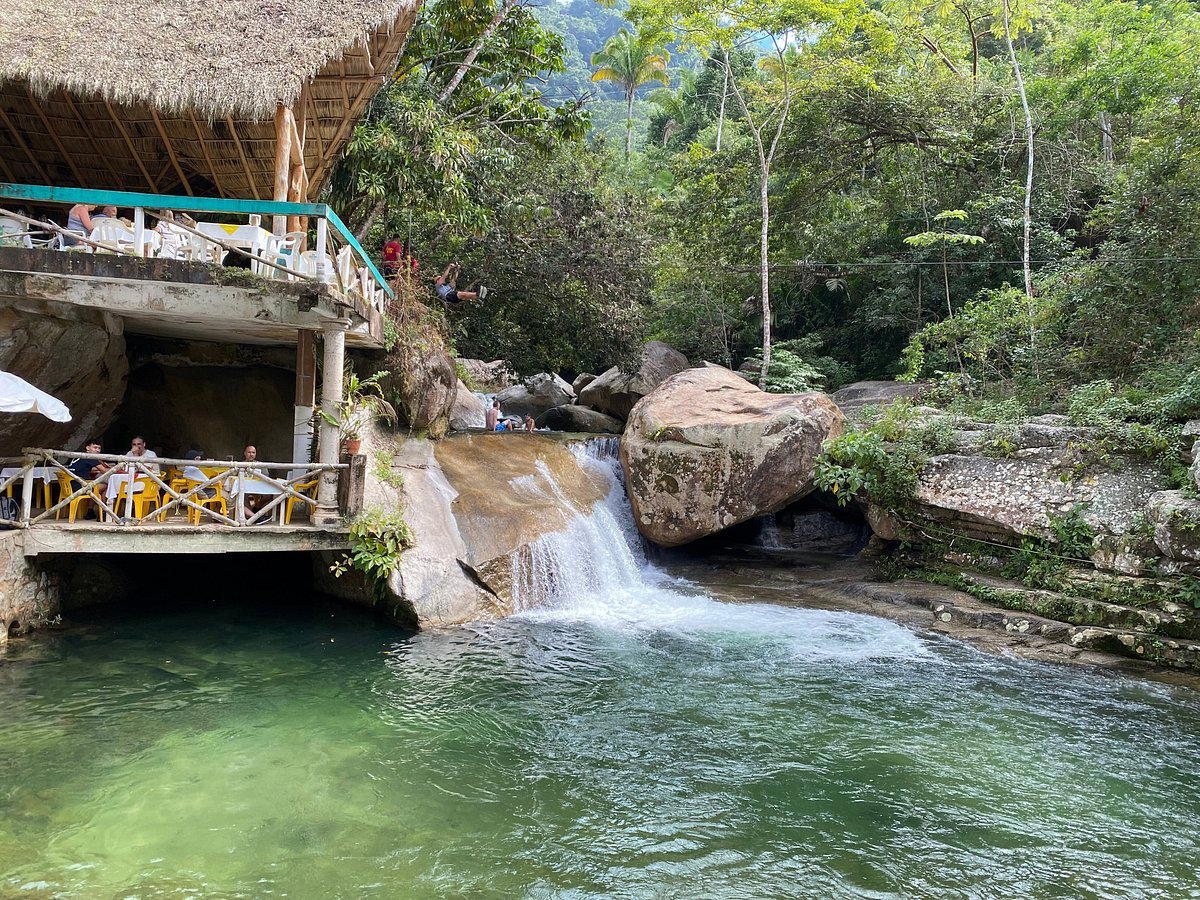
Warm, welcoming, colorful, and lively, with a festive casual taqueria feel and enough energy that quieter seating may be preferred away from the music.
Know Before You Go
- Getting there
- Jose Maria Morelos (Alikan), Cabo San Lucas, Baja California Sur