Campestre
Campestre occupies a corner of Mariano Matamoros where Cabo San Lucas trades its marina gloss for something considerably more local. The address alone — Salvatierra between Lopez Mateos and Camino al Faro — positions it outside the resort corridor that defines most dining in the area. For visitors whose instinct is to follow the neighbourhood rather than the hotel recommendation, it merits attention.
Pearl is the En Primeur Club membership app — saves, bookings, and concierge access live there. Same editors, same standards.
- Address
- Salvatierra s/n entre Lopez Mateos y Camino al Faro, Mariano Matamoros, 23460 Cabo San Lucas, B.C.S., Mexico
- Phone
- +52 624 143 8830
- Directions
- Get directions
 Saves & bookings on Pearl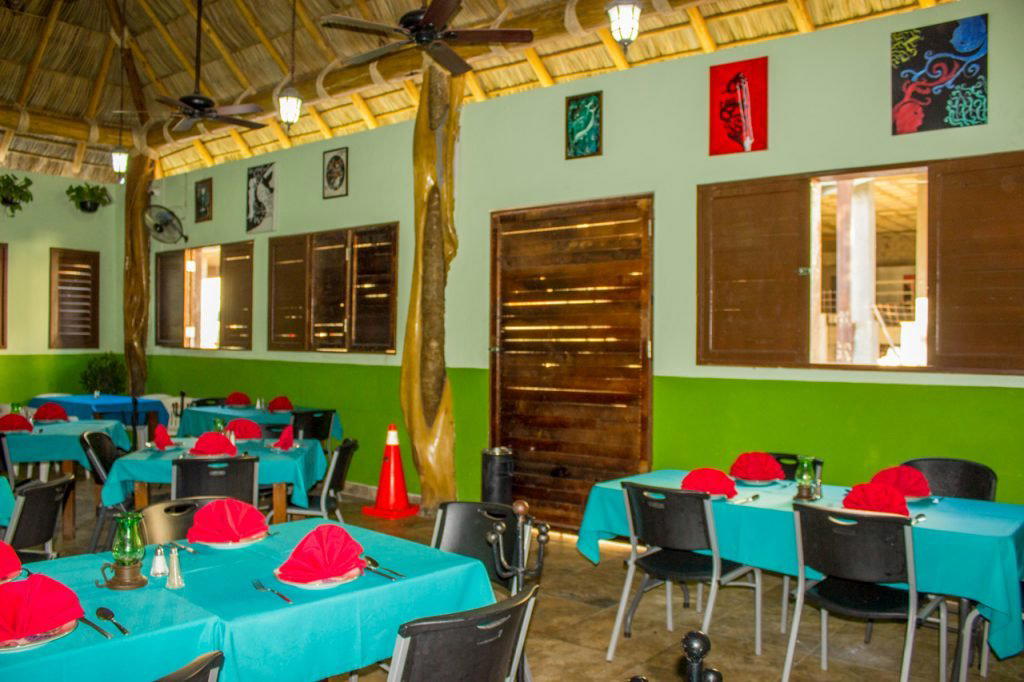
Where Cabo Eats When It Isn't Performing for Tourists
The colonia of Mariano Matamoros sits a few blocks inland from the marina activity that most visitors to Cabo San Lucas never leave. Streets here run quieter, storefronts address a residential clientele, and the dining rhythm follows working hours rather than sunset cocktail schedules. Campestre, on Salvatierra between Lopez Mateos and Camino al Faro, belongs to this fabric. Approaching it, the shift is immediate: the ambient noise is street noise, not curated playlist, and the light comes from wherever the sun happens to be rather than from a lighting designer's rig.
This matters because it shapes the entire experience before a plate arrives. Across Mexico, a meaningful division exists between restaurants built to translate local food for outside consumption and those that simply cook for the community already present. The Baja Peninsula has both in abundance. Resort corridors from Cabo to Puerto Vallarta have long supported a tier of hotel dining that performs regional identity — handmade tortillas, local catch, mezcal cocktails — within formats calibrated for international comfort. The neighbourhood trattoria equivalent, the place where the meal is unremarkable only in the sense that it happens every day, is a different institution entirely. Campestre reads as the latter.
The Ritual of the Everyday Mexican Meal
Mexican dining at the neighbourhood level follows a pace and a logic that differs substantially from the tasting-menu cadence now familiar at destinations like Pujol in Mexico City or the open-fire elaborations at Animalón in Valle de Guadalupe. The ritual at a place like Campestre is less about progression and more about abundance without ceremony: dishes arrive when they are ready, the table fills, the order of consumption is the diner's to determine. Salsas come early and stay. Tortillas are a utensil as much as a component. The meal measures itself in satisfaction rather than courses.
For visitors accustomed to dining rituals where the server narrates each plate and the kitchen controls the sequence, this requires a small recalibration. The payoff is a more direct relationship with what is actually on the table. Baja California Sur cooking draws on the peninsula's dual coastal access, Pacific and Sea of Cortez, alongside the cattle and goat ranching traditions of the interior. A campestre, in Spanish, refers broadly to the rural or countryside idiom, and the name signals a kitchen oriented toward that ranching and agricultural tradition rather than the seafood showmanship that dominates higher-price-point Cabo dining.
That contrast is worth holding when comparing Campestre against the broader Cabo restaurant spectrum. The marina-adjacent tier, which includes polished operations across the resort zone, prices at a level that partly reflects location rent and partly reflects the effort of translating local cooking for an audience that wants reassurance alongside flavor. Further along the cost curve, places like Cocina de Autor Los Cabos operate at the fine-dining register. Campestre occupies different ground, where value is measured in directness rather than production.
Cabo's Neighbourhood Dining in Context
Baja California Sur has developed a recognisable culinary identity over the past two decades, one that now draws comparison to the broader Mexican gastronomic revival visible at Le Chique in Puerto Morelos and Levadura de Olla in Oaxaca. At the higher end of that spectrum, the ambition is explicit: sourcing documented, technique visible, narrative present. At the neighbourhood end, the same ingredients and traditions appear without annotation, because annotation is not the point. A birria, a caldo, a plate of carne asada with handmade tortillas, these exist as complete statements in themselves.
The Mariano Matamoros colonia fits into a pattern visible across Mexican cities where residential neighbourhoods adjacent to tourist centres develop a dual clientele: the local population that has always eaten there, and the portion of visitors willing to walk ten minutes away from the marina to find something less staged. In Cabo, that walk is short in distance and considerable in atmosphere. The neighbourhood restaurant category here sits alongside spots like Baja Brewing, which occupies a different niche but similarly addresses a more local-facing audience than the resort strip. For a fuller map of how Cabo's dining divides by register and geography, our full Cabo San Lucas restaurants guide provides the broader picture.
Elsewhere in Mexico, the commitment to cooking that reflects a specific regional and socioeconomic tradition has produced some of the country's most discussed restaurants: Alcalde in Guadalajara, KOLI Cocina de Origen in Monterrey, Pangea in San Pedro Garza García. What connects them is a seriousness about place and product that operates independently of price point. Campestre's version of that seriousness is quieter, expressed through daily operation rather than tasting menus or press recognition.
How to Use the Space
The address in Mariano Matamoros means the surrounding streets are navigable on foot from the centro histórico of Cabo San Lucas, though visitors staying in the hotel corridor toward the marina or in the East Cape direction will find it more convenient by taxi or ride-share. The neighbourhood functions on its own clock: mornings are active, afternoons involve a slower gear, and the assumptions around reservation culture differ substantially from resort dining. At a place calibrated for the local clientele, arriving and assessing availability in person is often both possible and appropriate. Comparable neighbourhood operations across Cabo, including Asi y Asado and Aleta, follow similar informal rhythms that reward flexibility over advance planning.
For visitors building a broader Cabo itinerary that includes more formal dining at destinations like Al Pairo at Solaz or the seafood focus at Arts & Sushi, Campestre functions as a useful counterweight: the meal that reminds you what the city actually eats when the performance is off. That function is one that equivalent neighbourhood institutions across Mexico, from HA' in Playa del Carmen to Olivea Farm to Table in Ensenada and Lunario in El Porvenir, perform in their respective cities, each anchoring a visitor's understanding of the food culture beyond what the hotel restaurant conveys.
Continue exploring
More in Cabo San Lucas
Restaurants in Cabo San Lucas
Browse all →
Bars in Cabo San Lucas
Browse all →


At a Glance
- Rustic
- Classic
- Family
- Casual Hangout
- Brunch
- Standalone
- Local Sourcing
Current opening hours
- Monday
- 7:30 AM–9 PM
- Tuesday
- 7:30 AM–9 PM
- Wednesday
- 7:30 AM–9 PM
- Thursday
- 7:30 AM–9 PM
- Friday
- 7:30 AM–9 PM
- Saturday
- Closed
- Sunday
- 7:30 AM–2 PM
Hours can change for holidays and private events. Last verified .
Know Before You Go
- Getting there
- Salvatierra s/n entre Lopez Mateos y Camino al Faro, Mariano Matamoros, 23460 Cabo San Lucas, B.C.S., Mexico