
Michelin Plate
Our verdict
In the Haute-Maurienne valley, L'Artémisia operates as a hotel restaurant that takes its ingredient sourcing seriously, Arctic char, Aubrac Wagyu beef, Duroc pork belly, and Termignon blue cheese anchor a surprise menu that shifts with supply rather than season. Chef Victor Heiries keeps the format lean and the sourcing deliberate, making this one of the more considered kitchens in the French Alps.

Pearl is the En Primeur Club membership app, where members save venues, book tables and use the concierge.
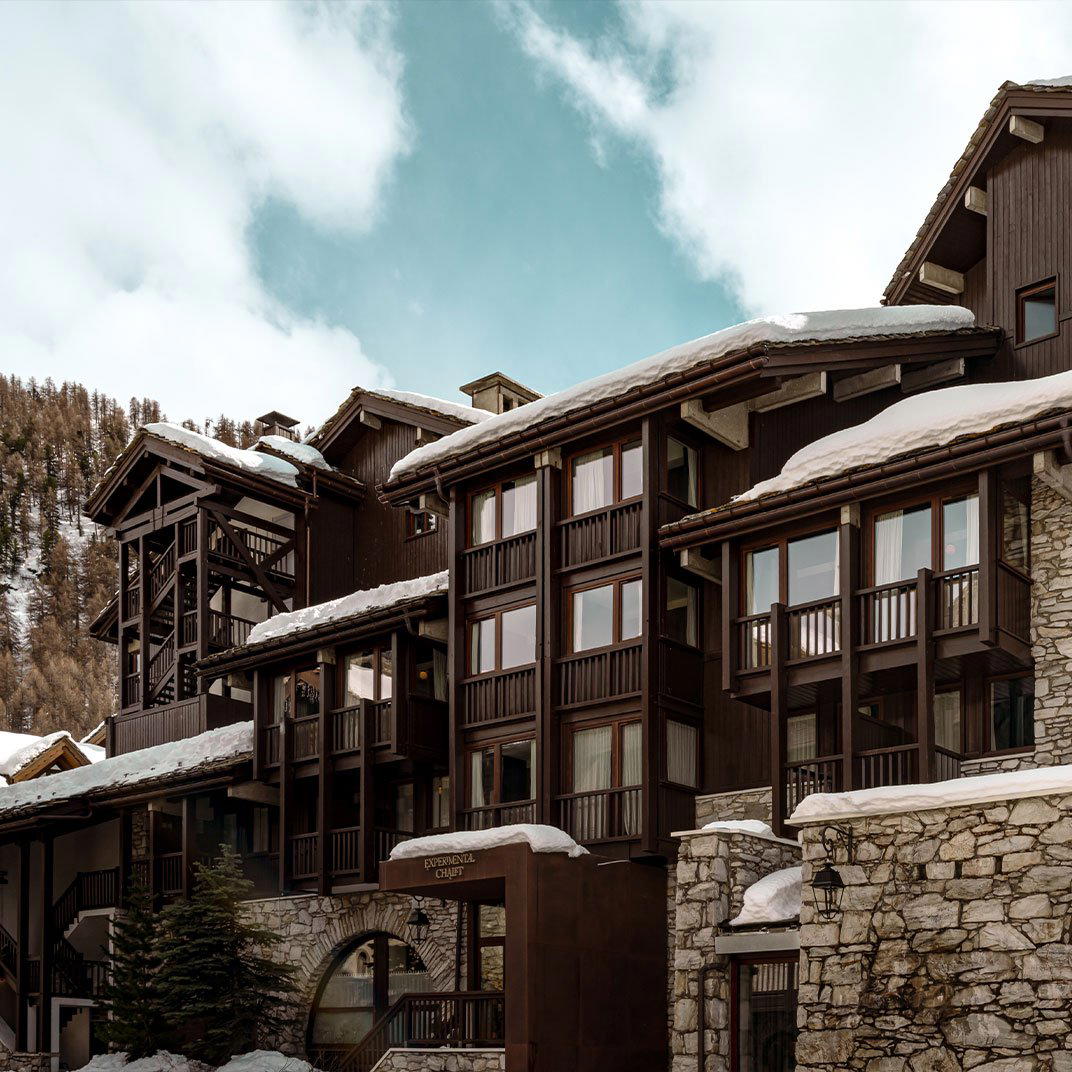
Where the Alps Meet the Plate
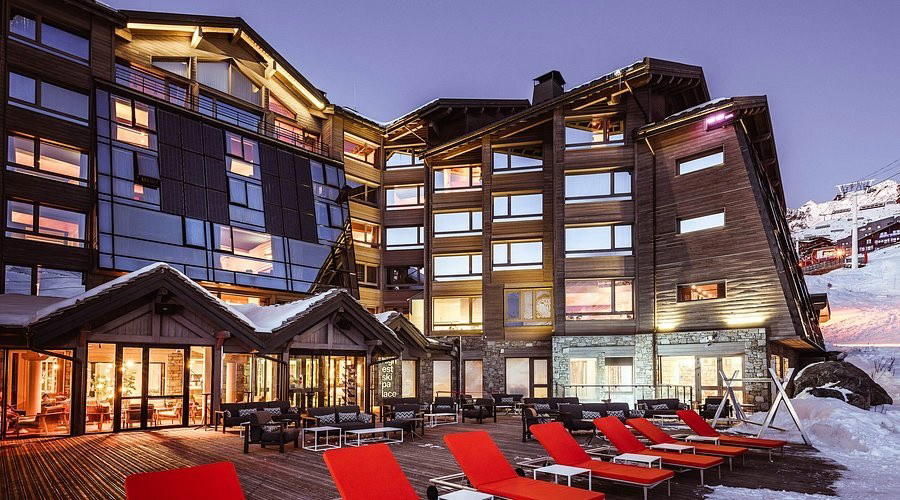
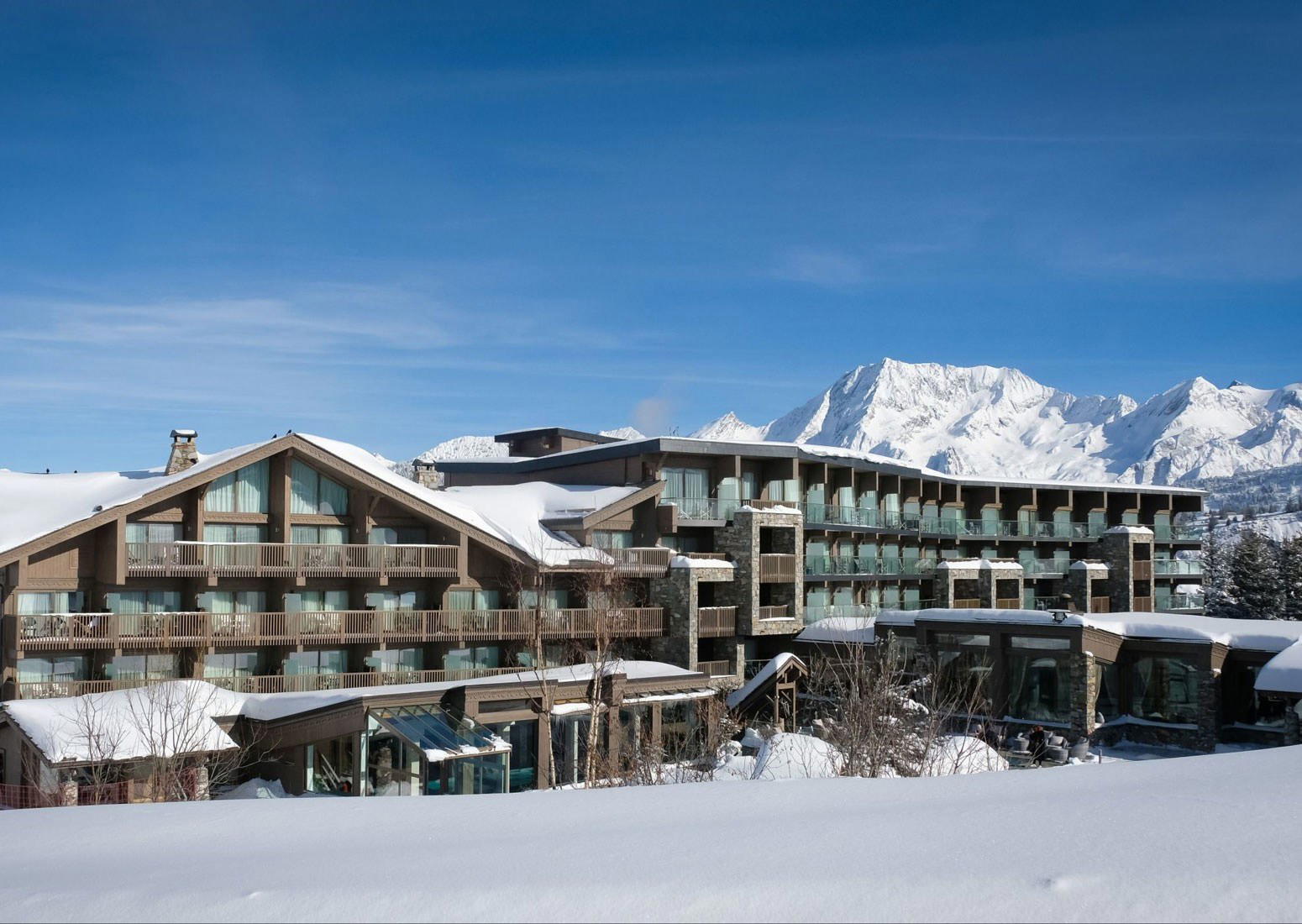
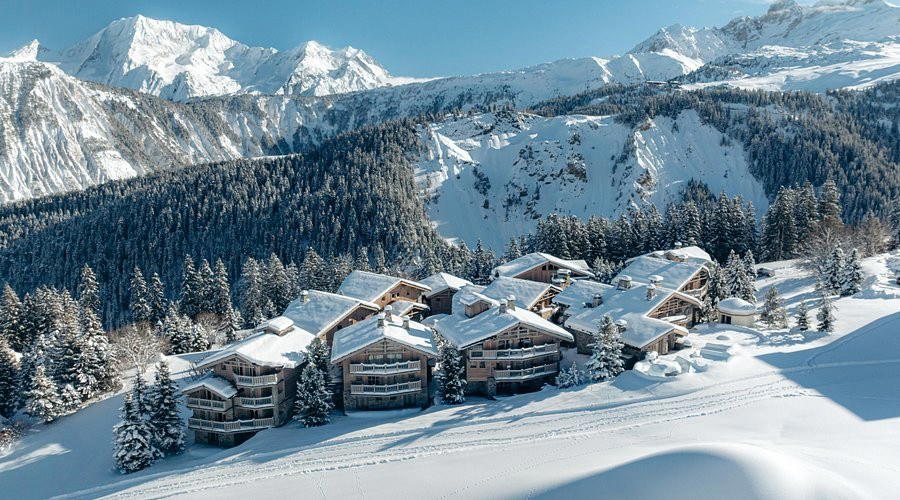
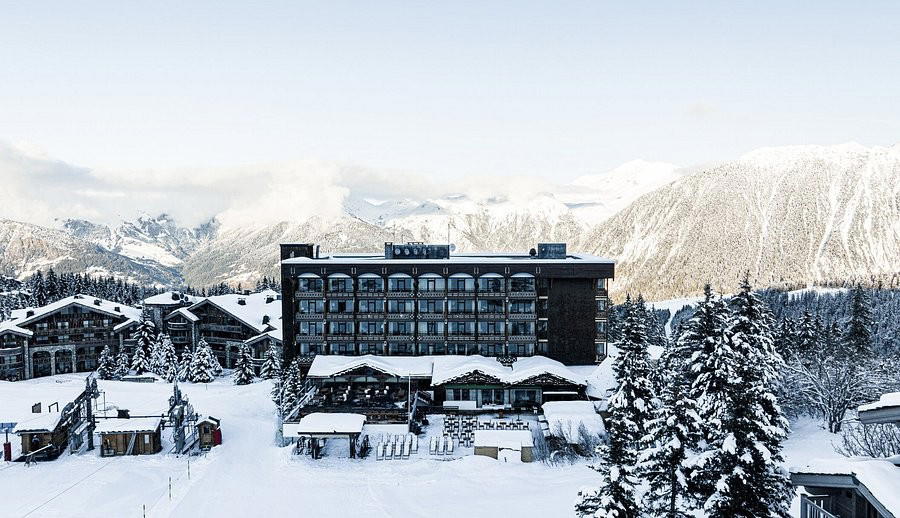
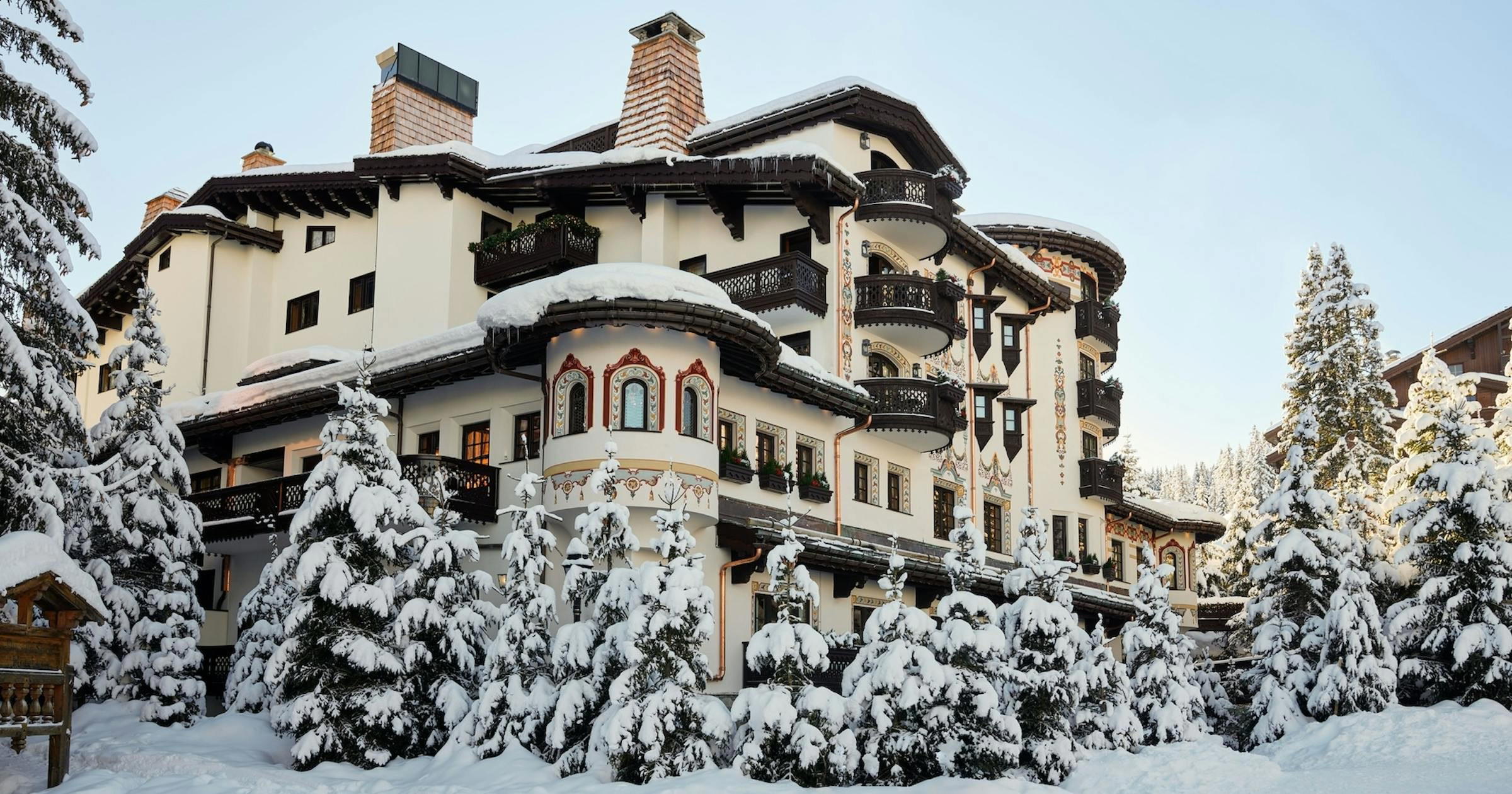
Rue de la Parrachée in Val-Cénis sits deep in the Haute-Maurienne, the long valley that runs east toward the Italian border and draws most of its visitors from the Vanoise massif above it. The village is not a purpose-built ski resort with a commercial spine; it is a working alpine settlement where accommodation and restaurants exist alongside the mountain rather than in service of it. L'Artémisia occupies that register. The interior is described as simple, and that word is doing real editorial work here: this is not a place dressed with exposed timber and branded fondue pots. It reads as a kitchen that has decided the plate is the argument.
That argument is made through sourcing. French alpine cooking has two modes. The first is the comfort register, raclette, tartiflette, gratin dauphinois, dishes built around preserved and stored ingredients that historically carried mountain communities through winter. The second, far smaller tier, treats the alpine environment as a serious larder: cold-water fish from high-altitude lakes, heritage-breed cattle from the volcanic plateaux to the south, aged cheeses from shepherds who still move flocks between elevations. L'Artémisia operates in the second register, and Chef Victor Heiries builds his surprise menu around ingredients that reflect it. For context on how rare this is in a resort setting, compare it to Flocons de Sel in Megève, which occupies a structurally similar position, serious kitchen in a mountain town, but at a price point and recognition level that places it among France's most celebrated restaurants. L'Artémisia is not competing in that tier, but the sourcing logic rhymes.
The Ingredient Logic Behind the Surprise Menu
The format here is a surprise menu that changes according to what is available on a given day. That is a meaningful structural commitment. It removes the predictability that resort restaurants depend on, a fixed menu that the kitchen can execute identically across a high-volume season, and replaces it with a purchasing-led approach where the menu follows supply rather than the other way around.
The ingredients named in the venue's documentation are instructive about what that supply looks like. Arctic char is a cold-water salmonid that thrives at altitude; in the Savoie and surrounding regions it appears in mountain lakes and is prized for firm, clean-flavoured flesh. Aubrac Wagyu is a cross-breeding programme from the Aubrac plateau in the Aveyron, where Wagyu genetics have been introduced to the native Aubrac cattle known for their hardiness and the mineral quality of their meat. Duroc pork belly brings a different terroir logic: the Duroc breed produces fat-marbled pork with a longer intramuscular fat distribution than commodity breeds, making it particularly suited to slower preparations. Termignon blue cheese comes from one of the rarest high-altitude cheese traditions in France, produced in summer by a handful of farms in the Maurienne valley itself, meaning the cheese on this table may have been aged within a short distance of where it is served.
Aromatic herbs and wild plants anchor the vegetable-forward dishes, which points toward the surrounding Vanoise National Park as a seasonal foraging context. The park is one of France's oldest and most protected natural areas, and its meadows and forest margins produce a range of edible plants that appear in regional cooking when chefs are paying attention. Restaurants working at this level of ingredient specificity sit in a tradition that Bras in Laguiole established decades ago, the gargouillou principle of building a dish from whatever the land offers that morning. L'Artémisia does not claim that lineage explicitly, but the structural logic is related.
Val-Cénis in Context: Why the Setting Matters
The Haute-Maurienne sits at an elevation that keeps it outside the mass-tourism circuits of the Tarentaise to the north, where Courchevel and Val d'Isère operate at a different scale and price register entirely. Val-Cénis draws a more considered visitor: hikers in summer, ski tourers and piste skiers in winter, and a proportion of French and Italian guests who cross the Montcenis pass for access to the Vanoise. That visitor profile supports a kitchen that does not need to appeal to a lowest-common-denominator resort palate.
For those planning a longer alpine itinerary through the French Alps and beyond, Mirazur in Menton and AM par Alexandre Mazzia in Marseille represent the Mediterranean end of serious French cooking. Further afield, Alléno Paris au Pavillon Ledoyen anchors the capital's formal creative tier. L'Artémisia belongs to a different conversation entirely, not the Michelin-starred circuit, but the more dispersed network of serious regional kitchens that the French alpine and rural interior sustains quietly. Restaurants like Auberge du Vieux Puits in Fontjoncouse and Auberge de l'Ill in Illhaeusern demonstrate that France's most sustained cooking often happens at a remove from major cities, in places where the kitchen has a direct relationship with its supply.
Planning Your Visit
L'Artémisia is a hotel restaurant, which means rooms are available for overnight guests, a practical consideration for those arriving from outside the valley, particularly during ski season when the road through the Maurienne can be slow after snowfall. The restaurant is located at 20 rue de la Parrachée in Val-Cénis. Given the market-led format of the surprise menu, calling ahead is sensible to confirm service and availability; the menu's dependence on daily ingredient supply also means that visiting with dietary constraints worth flagging will improve the experience. The Haute-Maurienne is leading reached by train to Modane followed by road transfer, or by car from Chambéry via the A43 motorway. Summer hiking season and winter ski season represent the two primary windows, with the transitional shoulder months offering the valley at its quietest.
For a broader sense of what Val-Cénis offers beyond this address, see our full Val-Cénis restaurants guide, our Val-Cénis hotels guide, our Val-Cénis bars guide, our Val-Cénis wineries guide, and our Val-Cénis experiences guide.
Frequently asked questions
Can I bring kids to L'Artémisia?
Nothing in the venue's format explicitly excludes younger diners, but the daily surprise menu at L'Artémisia is fixed and ingredient-led, with no documented children's menu. Families with adventurous eaters will likely fare better than those expecting choice. Worth confirming directly before booking.
What should I expect atmosphere-wise at L'Artémisia?
The interior design is described as simple, which fits the Haute-Maurienne setting: a working mountain valley, not a resort showroom. The draw is the food, not the room. As a hotel restaurant on Rue de la Parrachée in Val-Cénis, the tone is relaxed but the cooking is deliberate.
What's L'Artémisia known for in terms of accolades?
L'Artémisia has received recognition including: This hotel restaurant in the heart of the Haute-Maurienne and Vanoise areas is the perfect place to recharge your batteries after a mountain hike. The interior design may look simple, but the food served here is a far cry from your average ….
What do regulars order at L'Artémisia?
There is no fixed menu to order from. Chef Victor Heiries runs a surprise menu that shifts daily based on available ingredients, Arctic char, Aubrac Wagyu beef, Duroc pork belly, and Termignon blue cheese have all featured. Regulars come precisely because they cannot predict what will arrive.
What's the address for L'Artémisia?
L'Artémisia is located at 20 rue de la Parrachée, Val-Cénis.
What's the best way to book L'Artémisia?
No booking website or phone number is currently listed in public records for L'Artémisia. The most reliable approach is to check the venue's official channels at 20 rue de la Parrachée, Val-Cénis, or to ask your accommodation in the Haute-Maurienne for a local contact.
What's the standout thing about L'Artémisia?
The surprise menu format is the defining structural commitment: no printed card, no fixed dishes, just what the day's ingredients allow. In a region where resort restaurants often run predictable menus, chef Victor Heiries using Termignon blue cheese, Vanoise-area herbs, and wild plants as primary drivers is a meaningful departure from standard alpine fare.
Comparable Spots, Quickly
Comparable venues nearby, for context on price, style, and recognition.
| Venue | Cuisine | Price | Awards | Notes |
|---|---|---|---|---|
| L'ArtémisiaThis venue (the venue you are viewing) | Modern French Gastronomic | Not listed | Michelin Plate | Not listed |
| Le Terroir des Vignobles | Modern French Mountain Bistro | Not listed | Michelin Plate | La Rosière |
| Les 9 névés | Modern French Mountain Cuisine | Not listed | Michelin Plate | Arêches Beaufort |
| La Table de l'Annapurna | Traditional French Regional Fine Dining | $150–200 | Michelin Plate | Courchevel (Commune Non Irisée) |
| La Saulire | Gastronomic French with Black Truffles | Not listed | Michelin Plate | Courchevel (Commune Non Irisée) |
| Bec | Modern French Savoie Cuisine | $50–100 | Michelin Plate | Duingt |
Recognition history
Dated appearances from independent guides and award organizations, with the underlying list record or original source where available.
Michelin Plate
Michelin
Continue exploring
More in Val-Cénis
Restaurants in Val-Cénis
All restaurants in Val-Cénis →
Bars in Val-Cénis
Browse all →
Details
- Cozy
- Elegant
- Intimate
- Rustic
- Special Occasion
- Date Night
- Hotel Restaurant
- Extensive Wine List
- Local Sourcing
- Mountain
- Tasting Menu
- Vegetarian Friendly
Current opening hours
- Monday
- Closed
- Tuesday
- 7:30–11 PM
- Wednesday
- 7:30–11 PM
- Thursday
- 7:30–11 PM
- Friday
- 7:30–11 PM
- Saturday
- 7:30–11 PM
- Sunday
- Closed
Hours can change for holidays and private events. Hours as of .
Chaleureux et familial with simple interior, warm welcoming service, and a cozy alpine atmosphere.