L'Artimon
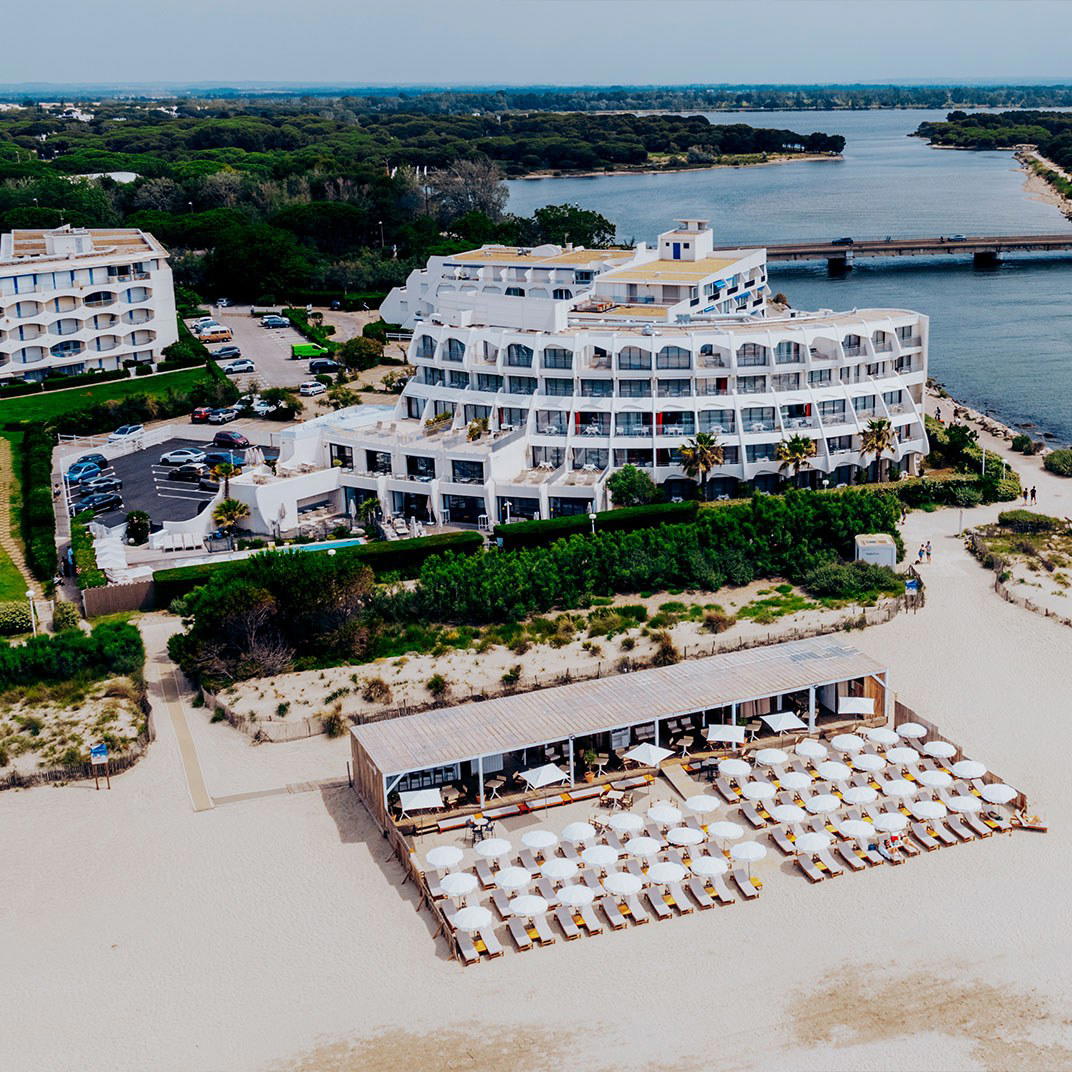
Positioned on the right bank of Palavas-les-Flots' pleasure harbour, L'Artimon sits where the Mediterranean's ingredient logic meets the relaxed tempo of the Languedoc coast. The address puts the fishing port directly in the sightline, connecting what arrives on the boat to what arrives on the plate. For visitors working through the south of France, it represents the coastal register that the region's more celebrated inland kitchens rarely replicate.
- Address
- Bassin du Port de Plaisance, Rive droite, 34250 Palavas-les-Flots, France
- Phone
- +33467684502
- Website
- lartimonpalavas.com
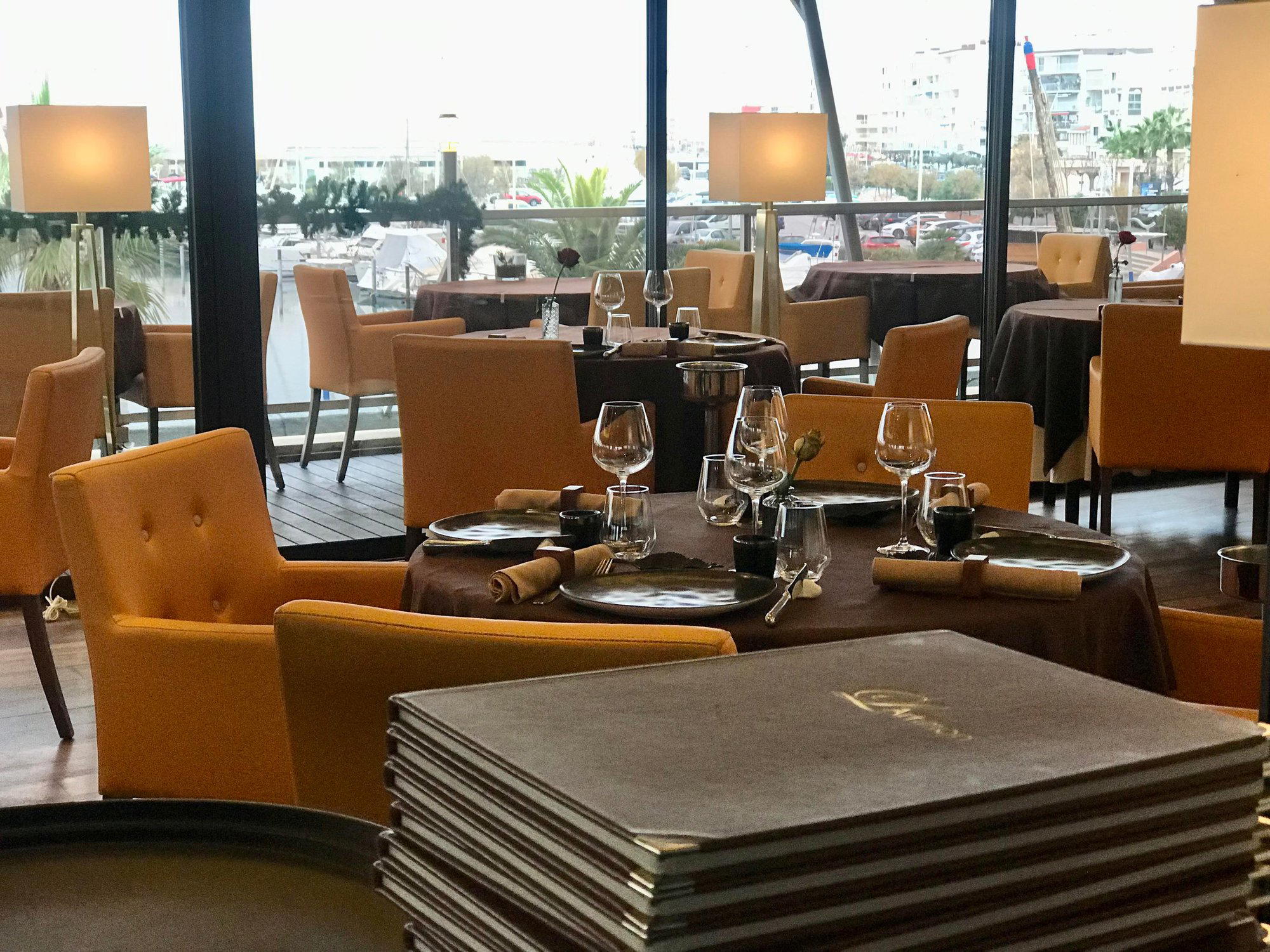
Where the Harbour Sets the Menu
Palavas-les-Flots occupies a specific position in the Languedoc-Roussillon coastal sequence: less trafficked than the Camargue gateway towns to the east, more working than the resort strip around Cap d'Agde to the west. The town built its identity around its fishing port, and the Bassin du Port de Plaisance, the pleasure harbour on the right bank, remains central to daily life. L'Artimon sits on that right bank, which means the supply chain is visible from the dining room. In a region where provenance claims are easy to make and harder to verify, geography does some of the verification work here.
This matters more than it might seem. The southern French coast from Marseille to the Spanish border operates on a tiered sourcing model. At one end, the grand kitchens, places like Mirazur in Menton or AM par Alexandre Mazzia in Marseille, build relationships with specific fishermen, specific growers, specific olive producers, and the sourcing becomes part of the kitchen's intellectual project. At the other end, seaside brasseries pull from regional wholesale markets and lean on the ambient credibility of a coastal address. The most interesting restaurants sit between those poles: embedded in a specific harbour community, benefiting from proximity to the catch, and working the local ingredient logic without the infrastructure of a Michelin-starred operation. L'Artimon, positioned directly on the quay, occupies that middle register.
The Logic of Mediterranean Coastal Sourcing
The Mediterranean fishing tradition along this stretch of coast is defined by diversity over volume. Unlike the Atlantic ports, where Christopher Coutanceau in La Rochelle or La Marine in Noirmoutier work with the larger, more commercially standardised catches of the Bay of Biscay, the Gulf of Lion produces a more fragmented, seasonal haul. Rascasse, pageot, mostelle, and various rockfish species appear in quantities that depend on the week, the weather, and the prevailing currents. This is precisely why the sourcing argument matters in towns like Palavas: a kitchen that can adjust its menu daily around what came off the boats that morning operates on a fundamentally different ingredient logic than one working from a fixed supplier list.
The Languedoc coast also benefits from the proximity of the Étang de Thau, the large coastal lagoon between Sète and Marseillan, roughly thirty kilometres to the west. Thau is France's primary oyster and mussel cultivation zone, and its shellfish have supplied coastal kitchens across the region for generations. Restaurants on this stretch of coast can draw on both the open-sea catch and the lagoon's farmed shellfish, giving a kitchen genuine range across the seafood spectrum without relying on distant supply chains. That dual sourcing context, sea and lagoon, is one of the defining characteristics of the Languedoc coastal table, and it distinguishes the regional ingredient palette from the more exclusively open-water focus of Atlantic kitchens.
Palavas and the Languedoc Coastal Register
Palavas-les-Flots is fifteen kilometres south of Montpellier, accessible by road in under twenty minutes from the city centre and served by a tram line that runs from Montpellier's Place de l'Europe directly to the coast. This proximity to a city of 300,000 people gives the town a different dining dynamic than more isolated coastal addresses. The customer base is primarily local and regional rather than tourist-driven, which tends to keep pricing grounded and menus oriented toward what the town actually produces. For visitors from Montpellier, the tram connection makes an evening at the harbour direct without requiring a car.
The broader Languedoc-Roussillon region sits in an interesting position relative to France's more-discussed restaurant destinations. The grand institutional kitchens, Alléno Paris au Pavillon Ledoyen, Troisgros in Ouches, Paul Bocuse outside Lyon, Auberge de l'Ill in Alsace, represent a different scale of ambition and a different culinary tradition. Even within the south, the Aveyron kitchen of Bras in Laguiole or the Provençal depth of L'Oustau de Baumanière in Les Baux operate at a level of recognition that attracts an international audience. Palavas is not competing with those destinations. What it offers is the unmediated coastal version of the same regional ingredient logic: less ceremony, more direct connection to the source.
For those building a southern France itinerary with any seriousness, the contrast is worth building in deliberately. A meal at a harbour-side address like L'Artimon, shaped by what came in that morning, sits alongside rather than below the curated tasting menus of the more celebrated kitchens. They are measuring different things. Places like Flocons de Sel in Megève, Assiette Champenoise in Reims, or Au Crocodile in Strasbourg are exercises in technical ambition and regional terroir rendered through a fine-dining frame. A portside restaurant in Palavas is an exercise in directness: the shortest possible line between the sea and the table.
Planning a Visit
L'Artimon is located at the Bassin du Port de Plaisance on the right bank in Palavas-les-Flots, 34250. From Montpellier, the tram line 3 runs to Palavas and is the most practical option if arriving without a car; journey time is approximately forty minutes from central Montpellier. For those driving from further along the coast, Palavas sits just off the D986 between Montpellier and Carnon-Plage. The harbour address is direct to find once in the town: the right bank of the pleasure harbour is the southern edge of the main port basin. As with most harbour-side restaurants in smaller French coastal towns, arriving without a reservation during the summer months (July and August in particular, when Montpellier residents move to the coast on weekends) carries meaningful risk. The shoulder season, May, June, September, tends to offer more flexibility and more comfortable conditions for a longer lunch.
Side-by-Side Snapshot
Comparable venues nearby, for context on price, style, and recognition.
| Venue | Cuisine | Price | Awards | Notes |
|---|---|---|---|---|
| L'ArtimonThis venue — the venue you are viewing | Modern French Mediterranean Seafood | $$$$ | , | |
| Le Saint-Georges | Traditional French Bistro | $$$ | Bib Gourmand | Palavas-les-Flots |
| L'Inédit | Modern French Bistro | $$$$ | , | Lunel-Viel |
| Alain Ducasse Baccarat | Avant-garde French fine dining in a crystal-clad Maison Baccarat setting | $$$$ | , | 16th arrondissement |
| Alain Passard's Garden | Vegetable-Focused Fine Dining | $$$$ | , | Bois Giroult |
| Renaldo | French Gourmet Soufflés | $$$ | , | Port Ariane |
Continue exploring
More in Palavas-les-Flots
Restaurants in Palavas-les-Flots
Browse all →
Bars in Palavas-les-Flots
Browse all →
At a Glance
- Elegant
- Sophisticated
- Scenic
- Special Occasion
- Date Night
- Waterfront
- Private Dining
- Extensive Wine List
- Local Sourcing
- Waterfront
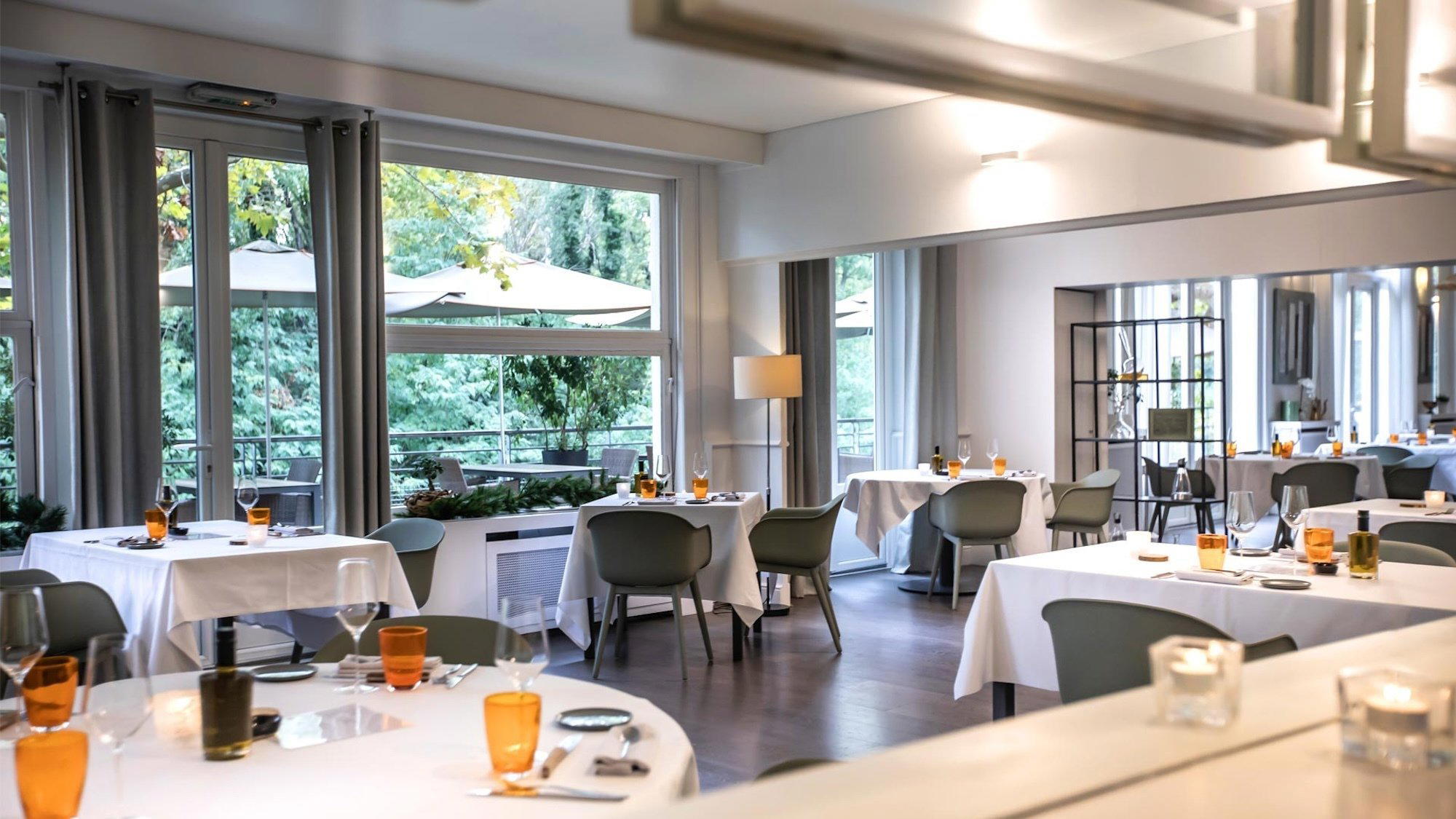
Refined and welcoming family-run atmosphere with views over the marina, precise plating, and meticulous service details.